HEALTH GUIDE / SAFETY INFORMATION
Postnatal recovery and emotional concerns: how families can prepare for an enquiry
The postnatal period involves significant physiological adjustments and emotional fluctuations. When families help track daily routines, sleep patterns, dietary intake, and psychological well-being, they provide clear, structured information for traditional Chinese medicine (TCM) consultations. This article explores how to prepare enquiries, record key symptoms, and emphasizes the critical importance of conventional medical coordination, professional qualification verification, and safety boundaries during postpartum recovery.
Quick answer: Families can support postnatal individuals by recording sleep quality, mood shifts, dietary habits, and physical discomforts to establish a comprehensive health profile prior to a TCM consultation. This practice helps practitioners understand overall constitutional conditions more effectively, without replacing conventional medical diagnosis, obstetric care, or emergency psychiatric intervention.
CLEAR PRICES
Interested in a treatment? You are always welcome to ask.
We clearly list our current single, trial and package prices so you can explore at your own pace. You are always welcome to message us on WhatsApp about any service, timing or arrangement.
| Category and service | Content / terms | Public price (HK$) | Booking note | Enquire |
|---|---|---|---|---|
| Hair & scalp | Scalp health and hair-loss support | AI scalp analysis, deep follicle cleansing and oil-control support | Trial offerPackageTrial 380; 6 sessions 3,480; 12 sessions 5,760; 20 sessions 8,600; 30 sessions 11,400 | Average per session for 6/12/20/30: 580/480/430/380 | Ask on WhatsApp |
| Hair & scalp | Hair acupuncture with herbal medicine | Scalp acupuncture with 3 days of decoction-free herbal medicine | Single visitPackageSingle 580; 6 sessions 3,180; 12 sessions 5,760; 20 sessions 8,600; 30 sessions 11,400 | Average per session for 6/12/20/30: 530/480/430/380 | Ask on WhatsApp |
| Hair & scalp | Integrated hair support programme | Acupuncture, herbal medicine and follicle activation; packages include shampoo and serum | Single visitPackageSingle 1,260; 8 sessions 8,640; 16 sessions 15,680; 20 sessions 18,600; 30 sessions 26,400 | Average per session for 8/16/20/30: 1,080/980/930/880 | Ask on WhatsApp |
| Weight management | Full-body acupoint embedding | Full-body acupoint embedding; packages include proportionate days of herbal support | Single visitPackageSingle 980; 10 sessions 7,800; 20 sessions 14,600; 30 sessions 20,400 | Average per session for 10/20/30: 780/730/680 | Ask on WhatsApp |
| Facial acupuncture | Brightening V-face (Essential) | Facial acupuncture, meridian support and swelling management | Trial offerPackageTrial 480; 10 sessions 5,200; 20 sessions 9,600; 30 sessions 13,500 | Average per session for 10/20/30: 520/480/450 | Ask on WhatsApp |
| Facial acupuncture | Firming and refining (Advanced) | Enhanced facial acupuncture for firmness and fine-line concerns with a moisturising mask serum | Trial offerPackageTrial 780; 10 sessions 9,000; 20 sessions 16,600; 30 sessions 23,400 | Average per session for 10/20/30: 900/830/780 | Ask on WhatsApp |
| Pain care | Extracorporeal shockwave therapy | Deep inflammation support and fascial relaxation | Prince Edward: 250 per area; Kwun Tong: 250 for 1 area, 450 for 2, 600 for 3 | Clinic-specific pricing; confirm location before booking | Ask on WhatsApp |
| Pain care | Manual therapy | TCM bone-injury assessment, manual alignment and tui na techniques | Single visitSingle 580 | Suitability is confirmed after assessment | Ask on WhatsApp |
| Pain care | Acupuncture with manual therapy | Acupuncture with manual structural support | Single visitSingle 680 | Suitability is confirmed after assessment | Ask on WhatsApp |
| TCM regulation | Acupuncture with herbal medicine | TCM consultation, whole-body acupuncture and 3 days of decoction-free herbal medicine granules | Single visitSingle 580 | Confirm clinician availability and service arrangement when booking | Ask on WhatsApp |

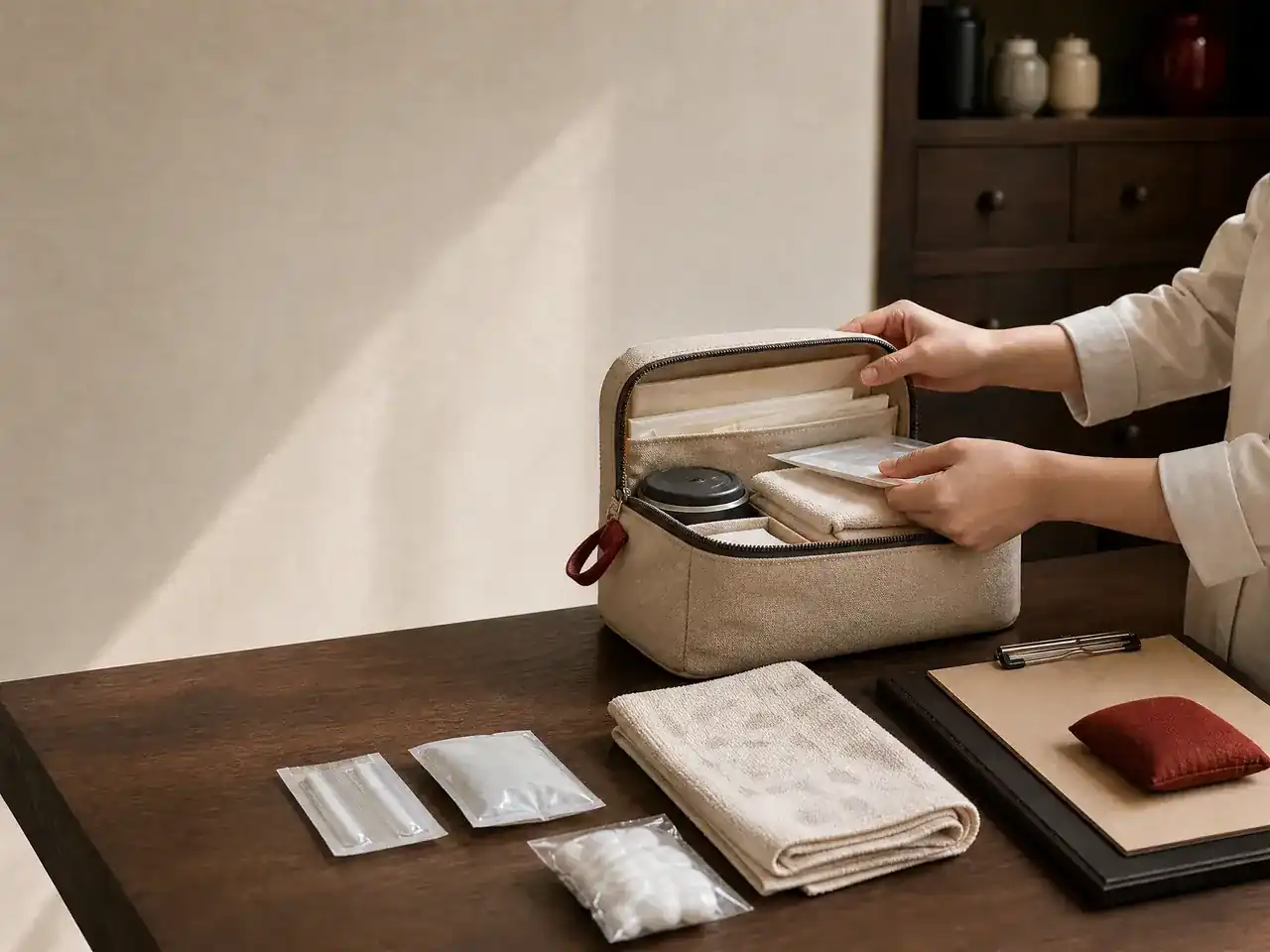


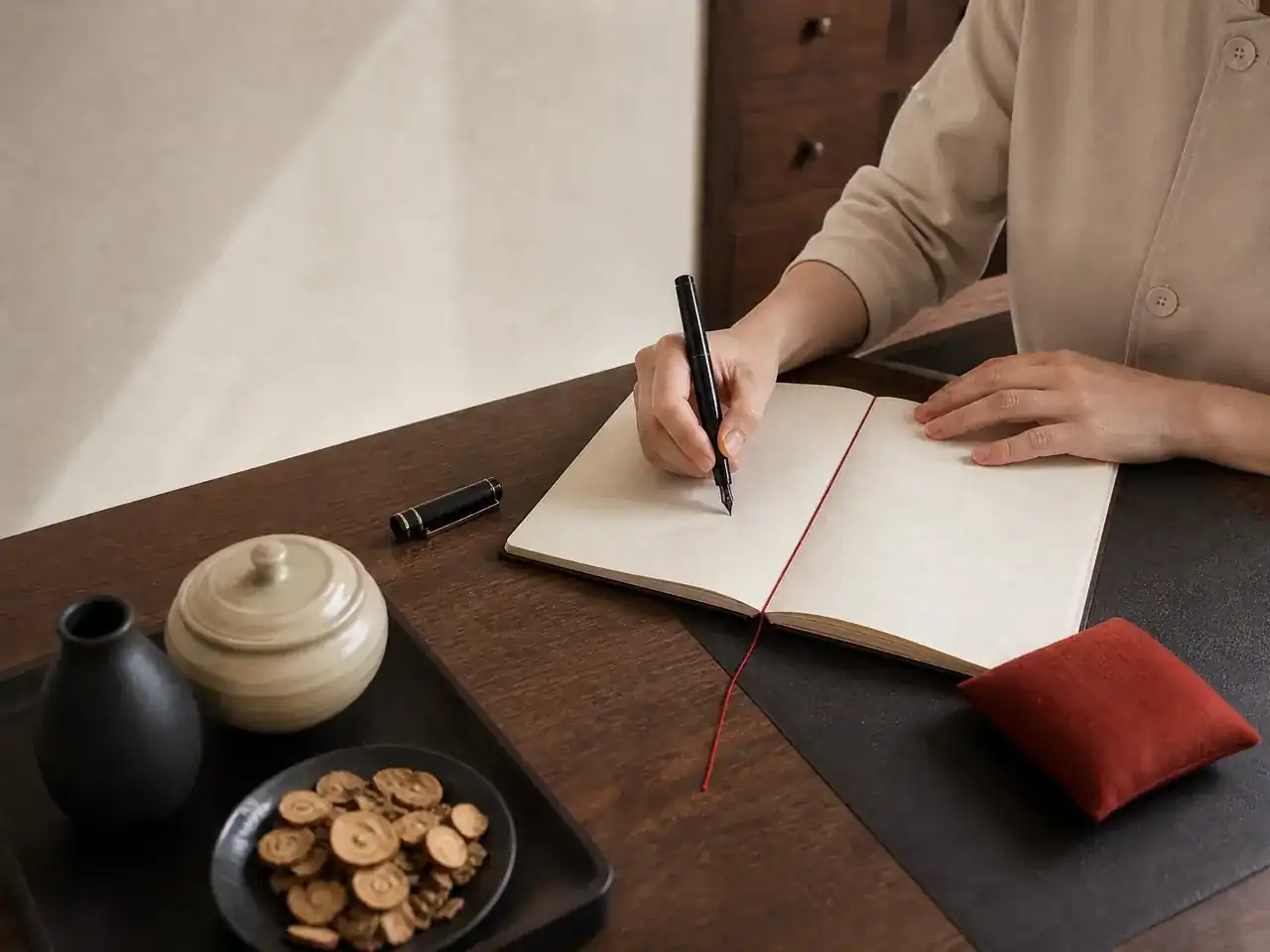
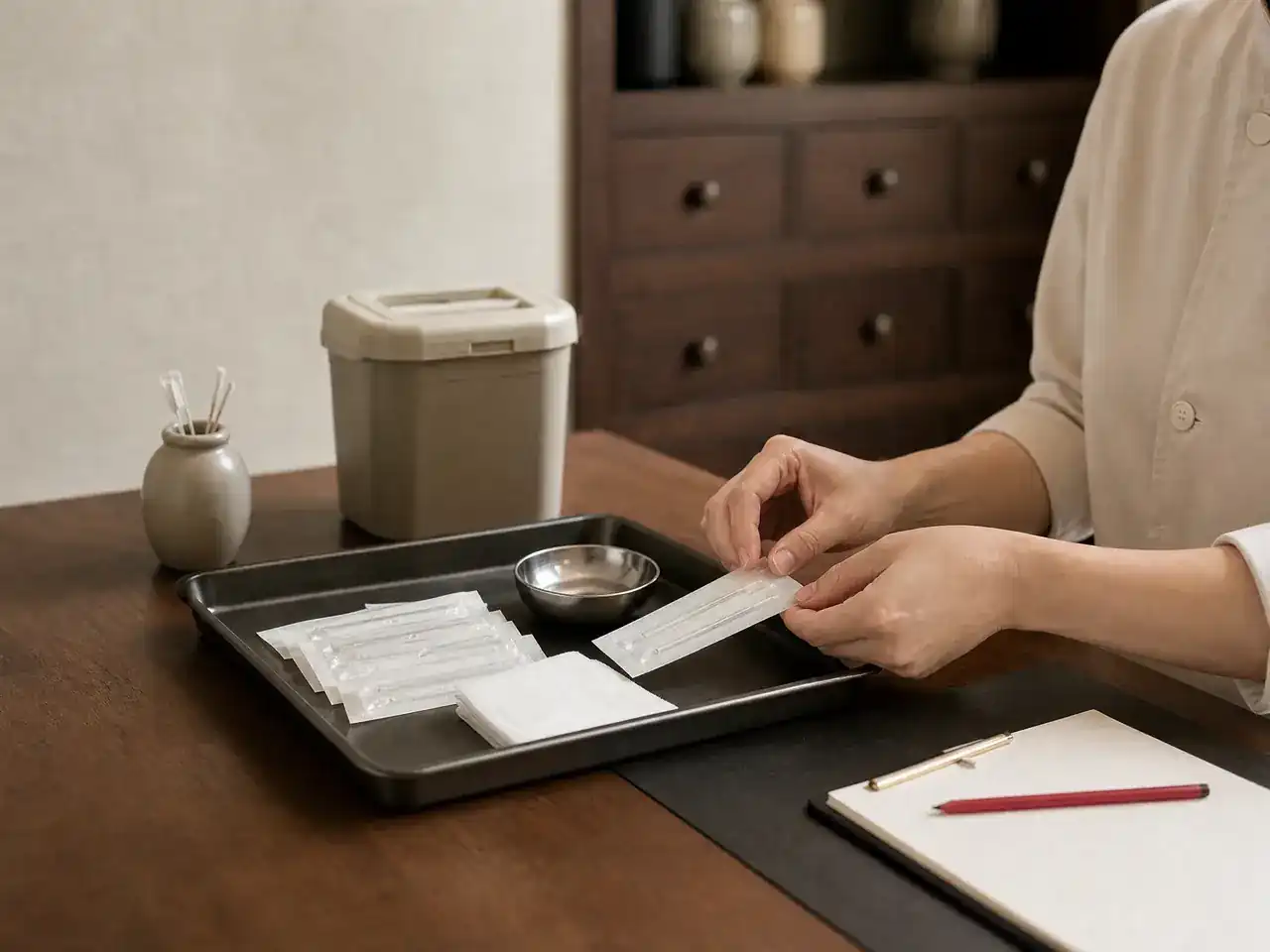
Daily observation priorities for postnatal physical and emotional shifts
The postnatal period undergoes multiple complex physiological adjustments, including uterine involution, lochia discharge, and hormonal shifts, while psychological well-being can be tested by sleep deprivation and parenting stress. Families can proactively offer care and companionship, carefully noting the frequency and characteristics of these changes to build a comprehensive health profile that facilitates effective communication with healthcare providers and practitioners.
Through objective daily records, individuals and their families can more clearly communicate recent physical and mental states to healthcare and traditional Chinese medicine (TCM) practitioners, preventing important clinical details from being missed during brief consultations. This structured observation helps practitioners evaluate conditions within the framework of overall constitution and lifestyle load, ensuring that general wellness guidance aligns with the mother's actual daily environment, infant care demands, and recovery pace.
It is important to note that postnatal physical and psychological recovery is a gradual, multi-stage process, and families should not impose excessive recovery pressure or unrealistic expectations. Through gentle companionship and objective daily recording, a solid information foundation can be established for subsequent professional consultations, supporting long-term well-being, healthy bonding, and family harmony throughout the transition to parenthood.
| Assessment Area | Family Recording Focus | TCM Support Role | Conventional Medical Triage Boundary |
|---|---|---|---|
| Sleep & Fatigue | Daily total sleep hours, night wakings, and fatigue self-assessment | Evaluate overall vital energy and lifestyle load | Severe insomnia or psychological breakdown requires psychiatric evaluation |
| Mood & Psychology | Frequency of low mood, anxiety levels, and parenting stressors | Provide emotional regulation and lifestyle guidance | Suicidal ideation or hallucinations are emergency red flags requiring immediate care |
| Physical Recovery | Lochia status, wound healing progress, and localized pain | Offer postnatal constitutional guidance | Wound redness, pus, fever, or severe pain requires OB-GYN follow-up |
| Medication List | Compile all prescription drugs, herbs, vitamins, and supplements | Review safety and potential herbal-drug interactions | Ensure complete transparency and cross-reporting with conventional doctors |
How families can help organize medical history and lifestyle logs
Before a TCM consultation, families can help compile past medical history, current medication lists (including any vitamins, herbal supplements, or dietary products), and recent daily routines. According to the U.S. National Center for Complementary and Integrative Health (NCCIH), it is vital to inform all healthcare providers about all therapies and medications currently in use to prevent adverse interactions and ensure coordinated, safe healthcare management.
In addition, records should cover daily sleep hours, night wakings, dietary habits, postnatal fatigue levels, and pain locations, allowing TCM practitioners to evaluate overall physiological load and lifestyle background, thereby providing more targeted general health guidance. Systematic tracking of these parameters helps clinicians discern between normal postpartum adaptation phases and conditions requiring closer clinical monitoring or specialized medical intervention.
Families should remain objective and detailed when organizing these records, avoiding subjective bias or exaggeration. This not only enhances interview efficiency during clinical visits but also ensures healthcare teams grasp the most accurate health status, facilitating safer and more personalized lifestyle recommendations that respect individual physiological limitations and recovery milestones.
Understanding the role of TCM in postnatal care and wellness
In Hong Kong, TCM practice is regulated under the Chinese Medicine Ordinance, and readers are encouraged to verify practitioners' qualifications and registration status when seeking services. TCM approaches in postnatal care (such as postnatal care) primarily focus on constitutional balance, offering general health guidance and supportive care tailored to the individual's recovery stage and constitutional characteristics.
It is essential to recognize that TCM products and therapies should not replace or delay necessary conventional medical evaluations, especially when facing severe physical or psychological distress, for which obstetrics or psychiatric consultation is required to ensure patient safety. Maintaining transparency between conventional and traditional care providers is a cornerstone of safe health management and optimal clinical outcomes.
TCM management guidelines typically emphasize vital energy harmony and lifestyle adjustments, closely integrating with daily dietary habits and appropriate resting schedules. Understanding service scopes and limitations before seeking TCM services helps establish reasonable expectations and encourages a balanced, multi-disciplinary approach to postpartum health across the entire family.
Family support and triage principles for emotional distress
Postnatal emotional concerns (such as postpartum depression considerations, see postpartum depression) are challenges many families face together during the transition to parenthood. Patient listening from family members, sharing childcare duties, and creating a supportive home environment play positive roles in psychological recovery, helping to alleviate the isolation and exhaustion often experienced by new mothers.
However, if emotional distress is accompanied by persistent low mood, thoughts of self-harm, or an inability to care for the infant, these represent critical red-flag signals requiring urgent psychological or psychiatric medical intervention, and one should not rely solely on traditional care or self-management. Timely professional intervention is paramount in safeguarding maternal and infant safety.
Family members should maintain high sensitivity toward postnatal mental health, encouraging individuals to seek professional psychiatric or psychological counseling immediately when feeling overwhelmed. Creating an open, non-judgmental dialogue within the household ensures that warning signs are addressed promptly by qualified medical specialists without delay or stigma.
Preparation checklist and communication framework before a first TCM enquiry
To make the initial consultation more efficient, families can help list the three primary health questions and bring a complete log of routines and symptoms. This structured preparation helps focus the consultation on the most urgent needs and ensures that all relevant concerns are adequately addressed during the clinical meeting.
During the consultation, maintain open and transparent communication, proactively asking practitioners about the goals, expectations, and precautions of any care plan to ensure mutual safety consensus. Understanding the rationale behind dietary and lifestyle recommendations empowers families to implement them correctly at home while monitoring for any unexpected reactions.
After the consultation, families can help organize medical advice and daily precautions into a clear execution checklist for easy implementation in daily life. Reviewing these action items together reinforces compliance and fosters a collaborative environment between the recovering mother, her family, and the healthcare team.
Postpartum recovery milestone tracking: what to monitor during the first six weeks
The initial six-week postpartum period represents a critical phase of profound physiological restoration and emotional adjustment, encompassing uterine involution, lochia progression, and hormonal realignment. Establishing a systematic milestone tracking routine enables families and new mothers to record progressive changes in physical recovery, such as perineal healing, mobility restoration, and fatigue fluctuations. This structured documentation serves as an invaluable, objective foundation when preparing for general wellness enquiries with traditional Chinese medicine (TCM) practitioners or conventional healthcare providers.
Family members play an instrumental support role by assisting in daily log maintenance, particularly regarding sleep architecture disruptions, night-waking frequencies, and subjective energy levels. By recording these parameters objectively without imposing unrealistic recovery expectations, families help create a supportive environment that lowers maternal stress. Furthermore, these logs assist TCM practitioners in understanding the mother's overall constitutional load and lifestyle context, allowing them to offer tailored general health guidance.
It is essential to maintain clear boundaries between normal postpartum adaptation phases and clinical conditions requiring prompt medical intervention. Systematic milestone tracking and daily logs should always complement, rather than replace, regular postpartum checkups with obstetricians or specialized medical professionals. Whenever physical or emotional recovery deviates from expected trajectories, families must prioritize conventional medical evaluation to ensure comprehensive maternal health.
Communicating with healthcare providers: questions to ask during postpartum TCM consultations
Preparing targeted questions before a first postpartum traditional Chinese medicine (TCM) consultation significantly enhances the efficiency and safety of the visit. Families can help new mothers formulate inquiries focusing on general constitutional balance, dietary adjustments, and lifestyle pacing, guided by registered TCM practitioners under the statutory framework of the Chinese Medicine Ordinance in Hong Kong. Effective communication ensures that both practitioner and mother share a clear understanding of the goals and scope of general TCM wellness support.
A vital component of pre-consultation preparation involves compiling a comprehensive medication and supplement inventory. In alignment with guidance from the U.S. National Center for Complementary and Integrative Health (NCCIH), patients must transparently disclose all therapies currently in use—including conventional postnatal prescriptions, iron supplements, vitamins, and herbal products—to every healthcare provider. This open communication is crucial for preventing potential herb-drug interactions and ensuring coordinated healthcare management.
Consultation preparation must also incorporate a clear understanding of emergency red flags and medical triage boundaries. If postpartum recovery involves severe warning signs such as heavy lochia discharge, surgical site infection, persistent high fever, or severe emotional distress accompanied by self-harm ideation, conventional medical or psychiatric care must be sought immediately. Traditional wellness practices should never delay emergency evaluation, and families must remain vigilant to ensure timely access to appropriate obstetric and mental healthcare services.
Continue reading
Explore the corresponding service or information page at your own pace.
Related articles



Frequently asked questions
Question: How can family members help prepare for a first TCM consultation?
Answer: Families can help organize recent sleep logs, mood fluctuations, dietary habits, and complete medication lists. Systematically writing down these details and identifying key questions helps communicate conditions efficiently to TCM practitioners while respecting clinical time constraints and ensuring comprehensive information sharing.
Question: What role does TCM play in postnatal care?
Answer: TCM approaches in postnatal care primarily focus on holistic constitutional perspectives, offering general health guidance, dietary advice, and supportive herbal or acupuncture care. Note that TCM services do not replace conventional obstetric diagnosis, postpartum clinical examination, or medical treatment for acute complications.
Question: How can one distinguish between normal postnatal blues and conditions requiring medical attention?
Answer: Transient mood fluctuations (often called baby blues) are common in the first few days postpartum and usually resolve independently. If low mood persists for weeks, impairs daily functioning, or involves thoughts of self-harm or harming the infant, it is an urgent signal requiring immediate psychiatric or psychological evaluation by qualified medical professionals.
Question: What regulatory and safety standards should be noted when seeking TCM in Hong Kong?
Answer: TCM practice in Hong Kong is regulated by the Chinese Medicine Ordinance under the Department of Health. Readers should verify that practitioners are registered Chinese medicine practitioners. Furthermore, no TCM therapy should replace necessary conventional medical care, and all concurrent therapies must be disclosed to healthcare providers.
Can “Postnatal recovery and emotional support guide” be used as a personal diagnosis?
No. This article provides general information and preparation ideas only. Individual circumstances need appropriate assessment around history, tests, functional impact and safety.
What can I prepare before asking about “Postnatal recovery and emotional support guide”?
You can note symptom timing, approaches already tried, current medicines, test information and your main questions. Seek appropriate conventional medical assessment first for severe or worsening signs.
Related topics
Sources
Want to understand the next step around your situation?
You are welcome to share your question, preferred time and existing information. We will explain the service scope and arrangements clearly.