HEALTH GUIDE / SAFETY INFORMATION
Period pain, cycle tracking and TCM communication: what information helps most
Dealing with period pain and menstrual irregularities requires accurate tracking of cycle lengths, pain intensity, and accompanying symptoms to provide valuable health information for a TCM consultation. This guide outlines how to build a structured symptom diary while emphasizing safe triage and collaboration between traditional and conventional care.
Quick answer: When preparing for a TCM consultation, tracking cycle duration, menstrual flow changes, pain duration, and pain levels, alongside any medications or supplements, ensures more effective communication. If you experience severe, sudden pain, unusually heavy bleeding, or fever, conventional gynecological evaluation should be prioritized.
CLEAR PRICES
Interested in a treatment? You are always welcome to ask.
We clearly list our current single, trial and package prices so you can explore at your own pace. You are always welcome to message us on WhatsApp about any service, timing or arrangement.
| Category and service | Content / terms | Public price (HK$) | Booking note | Enquire |
|---|---|---|---|---|
| Hair & scalp | Scalp health and hair-loss support | AI scalp analysis, deep follicle cleansing and oil-control support | Trial offerPackageTrial 380; 6 sessions 3,480; 12 sessions 5,760; 20 sessions 8,600; 30 sessions 11,400 | Average per session for 6/12/20/30: 580/480/430/380 | Ask on WhatsApp |
| Hair & scalp | Hair acupuncture with herbal medicine | Scalp acupuncture with 3 days of decoction-free herbal medicine | Single visitPackageSingle 580; 6 sessions 3,180; 12 sessions 5,760; 20 sessions 8,600; 30 sessions 11,400 | Average per session for 6/12/20/30: 530/480/430/380 | Ask on WhatsApp |
| Hair & scalp | Integrated hair support programme | Acupuncture, herbal medicine and follicle activation; packages include shampoo and serum | Single visitPackageSingle 1,260; 8 sessions 8,640; 16 sessions 15,680; 20 sessions 18,600; 30 sessions 26,400 | Average per session for 8/16/20/30: 1,080/980/930/880 | Ask on WhatsApp |
| Weight management | Full-body acupoint embedding | Full-body acupoint embedding; packages include proportionate days of herbal support | Single visitPackageSingle 980; 10 sessions 7,800; 20 sessions 14,600; 30 sessions 20,400 | Average per session for 10/20/30: 780/730/680 | Ask on WhatsApp |
| Facial acupuncture | Brightening V-face (Essential) | Facial acupuncture, meridian support and swelling management | Trial offerPackageTrial 480; 10 sessions 5,200; 20 sessions 9,600; 30 sessions 13,500 | Average per session for 10/20/30: 520/480/450 | Ask on WhatsApp |
| Facial acupuncture | Firming and refining (Advanced) | Enhanced facial acupuncture for firmness and fine-line concerns with a moisturising mask serum | Trial offerPackageTrial 780; 10 sessions 9,000; 20 sessions 16,600; 30 sessions 23,400 | Average per session for 10/20/30: 900/830/780 | Ask on WhatsApp |
| Pain care | Extracorporeal shockwave therapy | Deep inflammation support and fascial relaxation | Prince Edward: 250 per area; Kwun Tong: 250 for 1 area, 450 for 2, 600 for 3 | Clinic-specific pricing; confirm location before booking | Ask on WhatsApp |
| Pain care | Manual therapy | TCM bone-injury assessment, manual alignment and tui na techniques | Single visitSingle 580 | Suitability is confirmed after assessment | Ask on WhatsApp |
| Pain care | Acupuncture with manual therapy | Acupuncture with manual structural support | Single visitSingle 680 | Suitability is confirmed after assessment | Ask on WhatsApp |
| TCM regulation | Acupuncture with herbal medicine | TCM consultation, whole-body acupuncture and 3 days of decoction-free herbal medicine granules | Single visitSingle 580 | Confirm clinician availability and service arrangement when booking | Ask on WhatsApp |



Why cycle tracking matters for traditional Chinese medicine consultations
In modern life, many women experiencing periodic lower abdominal discomfort or irregular cycles consider seeking traditional Chinese medicine (TCM) support. However, when entering the consultation room, many individuals can only provide vague descriptions such as my cycle has been a bit irregular recently or it hurts every time. In reality, TCM diagnosis relies heavily on lifestyle details and physical feedback provided by the patient. Accurate cycle tracking not only helps practitioners understand your physiological rhythm but also provides a reliable objective basis for pattern differentiation.
Through long-term and systematic tracking, you can transform vague physical sensations into clear data. For instance, whether cycle lengths are consistent, the color and volume of menstrual flow, the timing of period pain, and the nature of the pain are essential clues that practitioners evaluate during consultations. Effective communication begins with adequate preparation, and mastering proper recording methods makes every consultation more targeted, focused, and productive for both patient and practitioner.
Furthermore, clinical experience demonstrates that human memory is often prone to subjective bias, especially when recalling chronic or recurring symptoms over several months. Patients frequently struggle to accurately remember the exact duration or intensity of menstrual pain experienced two or three months prior without contemporaneous notes. Establishing an objective, structured diary effectively bridges these memory gaps, equipping TCM practitioners with robust information to evaluate underlying imbalances in qi, blood, yin, and yang, thereby formulating more personalized and appropriate wellness strategies.
| Category | Specific Observation Items | Value for Consultation |
|---|---|---|
| Cycle & Flow | Cycle length, intervals, flow changes, and clot characteristics | Helps practitioners understand overall endocrine and rhythm patterns |
| Pain Characteristics | Pain onset, location, duration, and pain relief usage | Evaluates pain severity and recurrence patterns |
| Accompanying Symptoms | Dizziness, lower back soreness, mood swings, and digestive issues | Provides holistic somatic and lifestyle clues |
| Medication & Habits | Current prescription drugs, herbs, supplements, and lifestyle habits | Ensures safety and prevents treatment conflicts |
How to build a structured period and pain diary
To build a high-quality period diary, it is recommended to start by recording the start date and end date of each menstrual cycle. Through several months of tracking, you can accurately calculate your average cycle length and identify any subtle irregularities. Additionally, tracking changes in menstrual flow—such as sanitary pad replacement frequency, unusual clotting, or sudden volume shifts—is equally important. These specific details reflect the physiological state of qi and blood circulation, helping practitioners understand dynamic bodily changes over time.
Beyond basic cycle data itself, incorporating the precise recurrence pattern of period pain is indispensable. You can systematically record whether pain manifests before, during, or after menstruation, how many hours or days it persists, and whether pharmaceutical pain relievers or other comfort measures are required. Organizing this information into a dedicated log or utilizing a reliable mobile health tracking application provides practitioners with a crystal-clear clinical timeline during consultations, preventing vital details from being forgotten or overlooked.
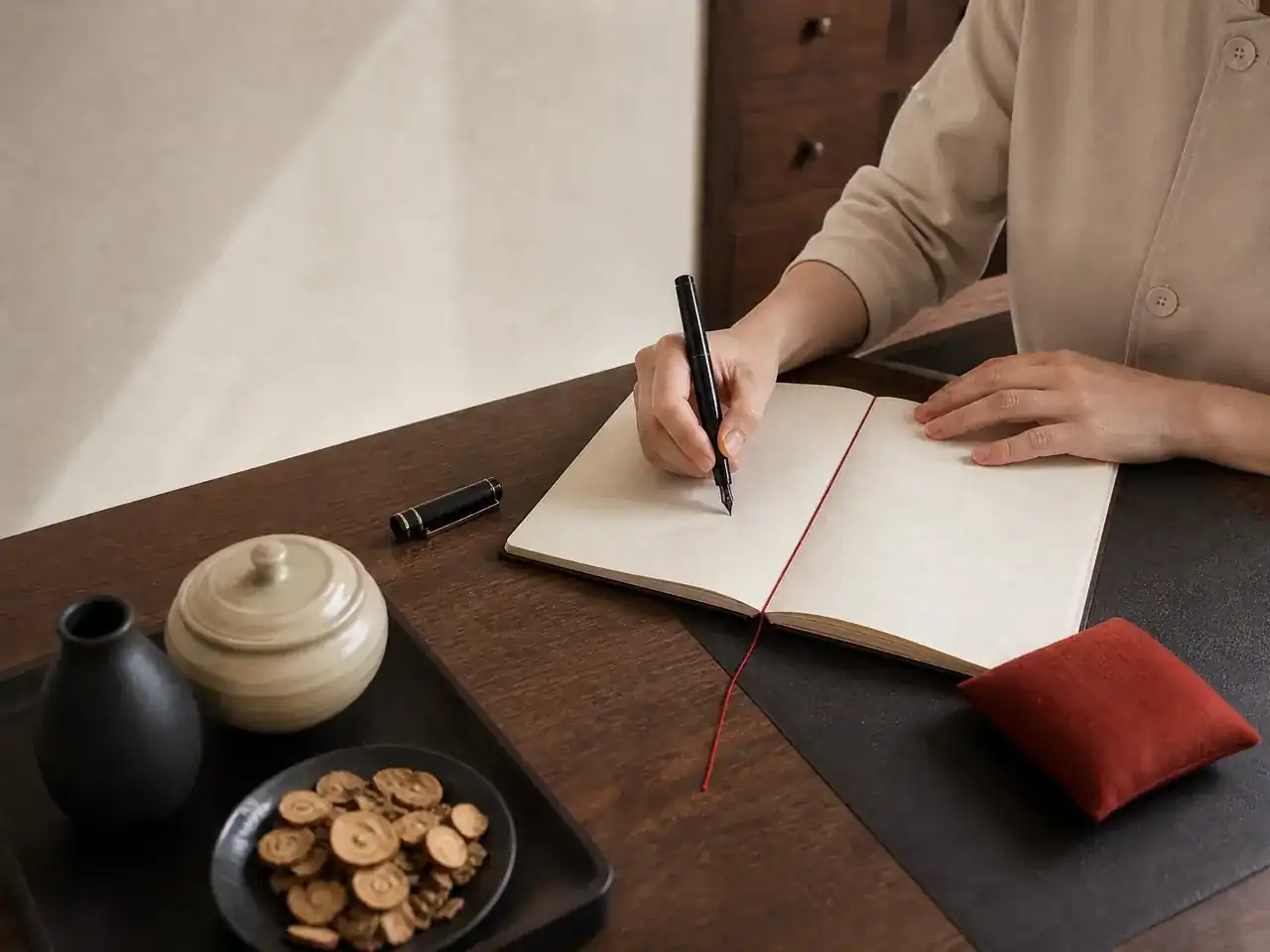
In practical terms, women seeking comprehensive TCM guidance can benefit greatly from maintaining either a dedicated physical notebook or a specialized digital application designed for symptom logging. When recording daily observations, it is helpful to note not only calendar dates but also numerical pain severity ratings (such as a 0 to 10 visual analog scale) and the exact dosage and frequency of any analgesics consumed. These structured, granular data points enable TCM practitioners to rapidly grasp the core characteristics of the condition, significantly enhancing the overall quality and efficiency of clinical dialogues.
Key observation dimensions for period pain and cycle irregularities
When exploring common gynecological concerns, many women simultaneously experience varying degrees of period pain and menstrual disorder. To ensure smooth and comprehensive TCM communication, observation dimensions should never be limited strictly to abdominal cramping alone, but must also encompass a wide range of systemic accompanying symptoms. For instance, severe dizziness, lower back soreness, breast tenderness, mood swings, sleep disturbances, fatigue, or digestive discomfort occurring around menstruation are crucial clinical indicators for assessing overall somatic balance.
Lifestyle habits, environmental stressors, and dietary patterns are also recognized as potent potential factors influencing menstrual health. Noting recent exposure to high work stress, insufficient sleep duration, and specific dietary preferences—such as frequent consumption of cold, raw, or highly spiced foods—helps practitioners analyze bodily imbalances from multiple interconnected perspectives. Through comprehensive and diligent records, individuals not only gain deeper insight into their own physiological patterns but also build a much stronger bridge of communication when seeking professional TCM support.
It is also vital to recognize that psychological stress, emotional turbulence, and chronic sleep deprivation are intimately linked with endocrine regulation. Many women discover that during periods of intense life transition or demanding professional pressure, their menstrual cycles experience abrupt shifts in timing accompanied by intensified cramping. Consequently, integrating daily emotional state tracking and perceived stress levels into your routine record-keeping provides exceptionally valuable contextual clues for TCM pattern differentiation, supporting lifestyle adjustments that address root causes.
Transparency and collaboration between TCM and conventional care
Maintaining complete medical transparency and openness is vital when seeking traditional Chinese medicine support for menstrual health or any other health condition. According to official health guidance from authoritative bodies such as the National Center for Complementary and Integrative Health (NCCIH), traditional Chinese medicine products and therapies should not replace or delay necessary conventional medical care. Therefore, during any TCM consultation, patients should proactively inform practitioners about all prescription medications, herbal products, vitamins, and nutritional supplements they are currently using to avoid potential treatment conflicts or pharmacological overlap.
Such cross-disciplinary transparency not only safeguards patient safety by preventing adverse interactions but also helps establish a collaborative, secure, and harmonious healthcare decision-making environment. Whether you are referred by a conventional physician or proactively seeking TCM care for complementary wellness, openly communicating your complete medical history, ongoing treatments, and current physical status with all healthcare providers stands as a core principle of optimal, responsible health management.
Within modern healthcare frameworks, the integration and complementary application of conventional medicine and traditional Chinese medicine have become increasingly valued by patients seeking holistic care. Rather than viewing these two healing traditions as mutually exclusive or opposing choices, patients should utilize transparent communication and shared health records to allow conventional diagnostic imaging and TCM constitutional care to work in harmony. This open, rational, and science-based approach minimizes health risks and ensures that every medical decision rests upon a solid foundation of safety and clinical diligence.
When conventional gynecological evaluation must come first
Although diligent daily logging and supportive TCM care can significantly improve overall quality of life and constitutional balance, patients must always prioritize conventional Western gynecological diagnosis and specialist evaluation when facing specific red-flag warning signs. For example, if period pain suddenly worsens dramatically, conventional over-the-counter painkillers fail completely, menstrual flow increases abnormally with large blood clots, persistent severe lower back or pelvic pain occurs, unexplained fever arises, or menstrual irregularities coincide with rapid, unexplained weight changes, these symptoms may signal underlying structural conditions such as pelvic inflammatory disease, endometriosis, or uterine fibroids.
In such critical circumstances, blindly waiting, ignoring symptoms, or relying solely on complementary care can dangerously delay proper medical diagnosis and intervention. Timely ultrasound examination and conventional specialist gynecological evaluation, followed by appropriate medical management once a definitive diagnosis is established, represent the most responsible approach to personal health. Safe triage and scientific medical seeking remain the absolute foremost prerequisites for safeguarding women's long-term wellness.
When confronting severe or unusual gynecological symptoms, early professional conventional diagnostic imaging (such as pelvic ultrasound examinations) is essential to rapidly rule out major structural pathology. TCM constitutional care and conventional gynecological treatment each offer distinct clinical strengths; whenever the body issues explicit warning signals, prioritizing modern diagnostic tools to clarify the underlying cause before engaging in TCM support ensures both maximum safety and optimal therapeutic outcomes.
Preparing a Comprehensive Medication and Supplement Disclosure List for TCM Period Care
When seeking traditional Chinese medicine support for dysmenorrhea and menstrual irregularities, one of the most critical preparatory steps patients often overlook is compiling an exhaustive record of all current medications, herbal remedies, vitamins, and dietary supplements. In modern healthcare environments, patients frequently combine conventional treatments—such as nonsteroidal anti-inflammatory drugs (NSAIDs) or oral contraceptives prescribed for period pain—with complementary and integrative therapies. However, failing to disclose these parallel treatments to a registered Chinese medicine practitioner can introduce significant clinical blind spots. According to guidance from official health authorities such as the National Center for Complementary and Integrative Health (NCCIH), herbal products and traditional therapies are biologically active and should never be viewed as inert or entirely separate from conventional pharmacology. Transparently sharing your complete medication history ensures that practitioners have a holistic understanding of your physiological load, thereby preventing potential herb-drug interactions or unintended pharmacological overlaps during your wellness journey.
Furthermore, building a structured disclosure list requires systematic organization rather than casual memory recall. Patients are advised to list the exact brand names, dosages, frequencies, and duration of use for every prescription drug, over-the-counter painkiller, botanical supplement, and nutritional tonic currently consumed. When presenting this documentation during a TCM consultation, it enables the practitioner to evaluate whether certain herbal formulas might duplicate or interfere with ongoing conventional therapies. For instance, combining high-dose herbal blood-vessel promoters with pharmaceutical anticoagulants or strong analgesics requires careful professional scrutiny. By proactively establishing this comprehensive transparency, patients actively participate in their own safety management, fostering a collaborative bridge between conventional gynecology and traditional Chinese medicine. This open dialogue ensures that all healthcare providers involved in your care are fully informed, minimizing clinical risks and optimizing the overall safety and efficacy of your personal health management plan.
In addition to prescription drugs and herbal extracts, everyday dietary supplements, specialized teas, and mineral tonics taken for menstrual health should also be documented in your consultation preparation list. Many individuals assume that natural supplements or over-the-counter wellness products are universally benign, yet their active biological constituents can still influence bodily systems and metabolic pathways. Bringing a well-organized record to every clinical appointment eliminates guesswork and demonstrates a rigorous, proactive approach to health communication. Registered practitioners regulated under established statutory frameworks rely heavily on accurate patient disclosures to practice safely and effectively. Ultimately, maintaining clear, accessible records of all therapeutic agents you consume is an essential pillar of responsible self-care, ensuring that traditional Chinese medicine supports your well-being safely without compromising conventional medical treatments or diagnostic clarity.
Red Flags and Safety Triage: When Period Pain Requires Immediate Conventional Evaluation
While cycle tracking and traditional Chinese medicine consultations offer valuable frameworks for managing chronic dysmenorrhea and lifestyle wellness, patients must remain acutely aware of specific physiological red flags that demand immediate conventional medical evaluation. Not all pelvic pain or menstrual disruption can be addressed solely through lifestyle adjustments or complementary therapies. Official health guidelines emphasize that complementary approaches should never replace or delay essential conventional medical diagnoses when acute or severe symptoms arise. If a woman experiences sudden, severe, or worsening pelvic pain that fails to respond to standard analgesics, or if pain intensity escalates sharply over a short period, it may signal underlying structural pathologies such as endometriosis, pelvic inflammatory disease, or uterine fibroids. In such urgent clinical scenarios, relying solely on home remedies or waiting for a scheduled herbal consultation can result in dangerous delays in identifying critical medical conditions that require immediate professional diagnosis and intervention.
Another vital safety triage indicator involves sudden or extreme abnormalities in menstrual volume and systemic symptoms. An unusually heavy menstrual flow—such as soaking through multiple heavy-duty pads within an hour, passing exceptionally large blood clots, or experiencing recurrent dizziness, fainting spells, and severe fatigue—warrants urgent conventional gynecological assessment. Similarly, menstrual irregularities accompanied by unexplained persistent fever, localized pelvic tenderness, or rapid, unexplained body weight fluctuations should never be dismissed as normal hormonal shifts. These warning signs frequently point to acute infections, hormonal disorders, or gynecological emergencies that require specialized diagnostic tools, including pelvic ultrasound examinations, blood tests, and clinical examinations performed by qualified conventional medical specialists. Timely referral and diagnostic clarity ensure that serious underlying diseases are neither masked nor overlooked by protracted complementary treatments.
Integrating safety triage into your personal health routine means understanding the distinct boundaries and complementary roles of conventional medicine and traditional care. When red flag symptoms emerge, prioritizing conventional medical evaluation first establishes a definitive diagnosis and rules out emergent pathologies. Once acute or structural conditions are properly diagnosed and managed by conventional specialists, patients can then explore integrative wellness options, such as structured lifestyle modifications or TCM dietary guidance, in a safe and controlled environment. Maintaining this rational, safety-first perspective protects against avoidable health risks and ensures that every medical decision is anchored in scientific evidence and clinical prudence. By respecting these triage boundaries, women can navigate menstrual health challenges with confidence, knowing that emergency signs will trigger prompt, appropriate medical intervention without compromising long-term wellness goals.
Continue reading
Explore the corresponding service or information page at your own pace.
Related articles



Frequently asked questions
Is a period diary mandatory before seeing a TCM practitioner?
While not strictly mandatory, maintaining a detailed cycle diary helps practitioners better understand your cycle regularity and pain patterns, greatly improving consultation efficiency.
What specific data should be included in a cycle record?
It is recommended to record start and end dates, flow volume, pain timing and intensity, and any accompanying symptoms.
Can acupuncture and Chinese herbs be used for period pain?
In TCM theory, acupuncture and herbal medicine are commonly used to support menstrual health. However, responses vary, and such therapies should not replace or delay necessary conventional medical evaluations.
When should period pain prompt an immediate visit to a Western gynecologist?
If period pain suddenly worsens, is accompanied by heavy bleeding, fever, severe pelvic pain, or fails to respond to conventional pain relief, immediate conventional gynecological examination is essential to rule out structural conditions like endometriosis.
Can “period pain guide” be used as a personal diagnosis?
No. This article provides general information and preparation ideas only. Individual circumstances need appropriate assessment around history, tests, functional impact and safety.
What can I prepare before asking about “period pain guide”?
You can note symptom timing, approaches already tried, current medicines, test information and your main questions. Seek appropriate conventional medical assessment first for severe or worsening signs.
Related topics
Sources
Want to understand the next step around your situation?
You are welcome to share your question, preferred time and existing information. We will explain the service scope and arrangements clearly.