HEALTH GUIDE / SAFETY INFORMATION
Nasal allergy, snoring and sleep: home observations worth recording
Nasal allergies and nighttime snoring are prevalent conditions that significantly impact restorative sleep, daytime cognitive performance, and overall well-being. This comprehensive article explores how individuals and households can systematically document bedroom environmental factors, nocturnal breathing patterns, and daytime symptom severity. By maintaining structured home observation logs, patients can provide invaluable clinical context for traditional Chinese medicine practitioners and conventional healthcare providers, facilitating more informed evaluations and safer, multidisciplinary care management.
Quick answer: When confronting chronic nasal allergies and disruptive snoring, effective preparation begins with diligent tracking of indoor environmental variables (such as relative humidity, temperature, and dust accumulation), nocturnal breathing sounds, and daytime fatigue levels. These structured daily records supply objective baseline data that assist medical practitioners during initial consultations, helping to distinguish between benign environmental triggers and conditions requiring specialized diagnostic workups. It is essential to understand, however, that these home observation logs serve strictly as a preparatory tool for clinical communication and do not constitute a medical diagnosis or a guarantee of therapeutic outcomes.
CLEAR PRICES
Interested in a treatment? You are always welcome to ask.
We clearly list our current single, trial and package prices so you can explore at your own pace. You are always welcome to message us on WhatsApp about any service, timing or arrangement.
| Category and service | Content / terms | Public price (HK$) | Booking note | Enquire |
|---|---|---|---|---|
| Hair & scalp | Scalp health and hair-loss support | AI scalp analysis, deep follicle cleansing and oil-control support | Trial offerPackageTrial 380; 6 sessions 3,480; 12 sessions 5,760; 20 sessions 8,600; 30 sessions 11,400 | Average per session for 6/12/20/30: 580/480/430/380 | Ask on WhatsApp |
| Hair & scalp | Hair acupuncture with herbal medicine | Scalp acupuncture with 3 days of decoction-free herbal medicine | Single visitPackageSingle 580; 6 sessions 3,180; 12 sessions 5,760; 20 sessions 8,600; 30 sessions 11,400 | Average per session for 6/12/20/30: 530/480/430/380 | Ask on WhatsApp |
| Hair & scalp | Integrated hair support programme | Acupuncture, herbal medicine and follicle activation; packages include shampoo and serum | Single visitPackageSingle 1,260; 8 sessions 8,640; 16 sessions 15,680; 20 sessions 18,600; 30 sessions 26,400 | Average per session for 8/16/20/30: 1,080/980/930/880 | Ask on WhatsApp |
| Weight management | Full-body acupoint embedding | Full-body acupoint embedding; packages include proportionate days of herbal support | Single visitPackageSingle 980; 10 sessions 7,800; 20 sessions 14,600; 30 sessions 20,400 | Average per session for 10/20/30: 780/730/680 | Ask on WhatsApp |
| Facial acupuncture | Brightening V-face (Essential) | Facial acupuncture, meridian support and swelling management | Trial offerPackageTrial 480; 10 sessions 5,200; 20 sessions 9,600; 30 sessions 13,500 | Average per session for 10/20/30: 520/480/450 | Ask on WhatsApp |
| Facial acupuncture | Firming and refining (Advanced) | Enhanced facial acupuncture for firmness and fine-line concerns with a moisturising mask serum | Trial offerPackageTrial 780; 10 sessions 9,000; 20 sessions 16,600; 30 sessions 23,400 | Average per session for 10/20/30: 900/830/780 | Ask on WhatsApp |
| Pain care | Extracorporeal shockwave therapy | Deep inflammation support and fascial relaxation | Prince Edward: 250 per area; Kwun Tong: 250 for 1 area, 450 for 2, 600 for 3 | Clinic-specific pricing; confirm location before booking | Ask on WhatsApp |
| Pain care | Manual therapy | TCM bone-injury assessment, manual alignment and tui na techniques | Single visitSingle 580 | Suitability is confirmed after assessment | Ask on WhatsApp |
| Pain care | Acupuncture with manual therapy | Acupuncture with manual structural support | Single visitSingle 680 | Suitability is confirmed after assessment | Ask on WhatsApp |
| TCM regulation | Acupuncture with herbal medicine | TCM consultation, whole-body acupuncture and 3 days of decoction-free herbal medicine granules | Single visitSingle 580 | Confirm clinician availability and service arrangement when booking | Ask on WhatsApp |

Why is daily observation vital for nasal allergies and snoring?
In contemporary daily life, particularly within dense urban environments like Hong Kong, a substantial number of individuals experience the concurrent challenges of nasal allergies—medically known as allergic rhinitis—and nocturnal snoring. These interlocking respiratory and immunological phenomena not only compromise daytime alertness, concentration, and productivity, but they also degrade deep restorative sleep cycles, contributing to chronic fatigue and reduced quality of life. Yet, when patients present themselves at clinical settings, whether visiting a traditional Chinese medicine clinic or a conventional medical specialist, they frequently encounter difficulties in recalling or accurately describing the precise frequency, duration, intensity, and temporal patterns of their symptoms. Establishing a systematic home observation protocol bridges this critical communication gap, transforming subjective discomfort into structured, actionable clinical data.
According to foundational guidance published by the National Center for Complementary and Integrative Health (NCCIH), both traditional healing modalities and conventional medical practices place paramount importance on comprehensive patient histories and environmental context when assessing complex health concerns. By systematically documenting symptoms over consecutive weeks, patients enable clinicians to identify subtle correlations that might otherwise remain obscured during a brief verbal consultation. For instance, tracking whether snoring correlates specifically with nocturnal nasal congestion, or whether allergic flare-ups occur predominantly during seasonal transitions or upon morning awakening, provides clinicians with vital diagnostic clues. 和衡堂 emphasizes to all readers that these observational practices are designed to enhance the quality of the dialogue between patient and practitioner, rather than encouraging self-diagnosis or bypassing professional medical evaluations.
| Observation Domain | Key Tracking Parameters | Clinical Relevance to Consultation |
|---|---|---|
| Indoor Environment | Relative humidity levels, temperature fluctuations, dust accumulation, air purifier filter status, and bedding laundering cycles | Helps identify aeroallergen exposure and environmental triggers associated with mucosal inflammation and nasal congestion. |
| Nocturnal Breathing | Snoring volume, harshness, rhythmicity, witnessed breathing pauses, choking episodes, and sleeping posture | Provides essential insights into upper airway patency, airflow obstruction, and potential sleep-disordered breathing patterns. |
| Daytime Symptoms | Sneezing frequency, peak nasal blockage periods, nasal discharge characteristics, eye irritation, and daytime somnolence | Assesses the overall impact of respiratory symptoms on daily functioning, cognitive focus, and quality of life. |
| Lifestyle & Habits | Evening meal timing, dietary habits, alcohol consumption, pre-sleep routines, and comprehensive medication lists | Supplies clinicians with holistic behavioral context and identifies modifiable habits contributing to airway relaxation. |
What environmental and lifestyle factors warrant systematic logging?
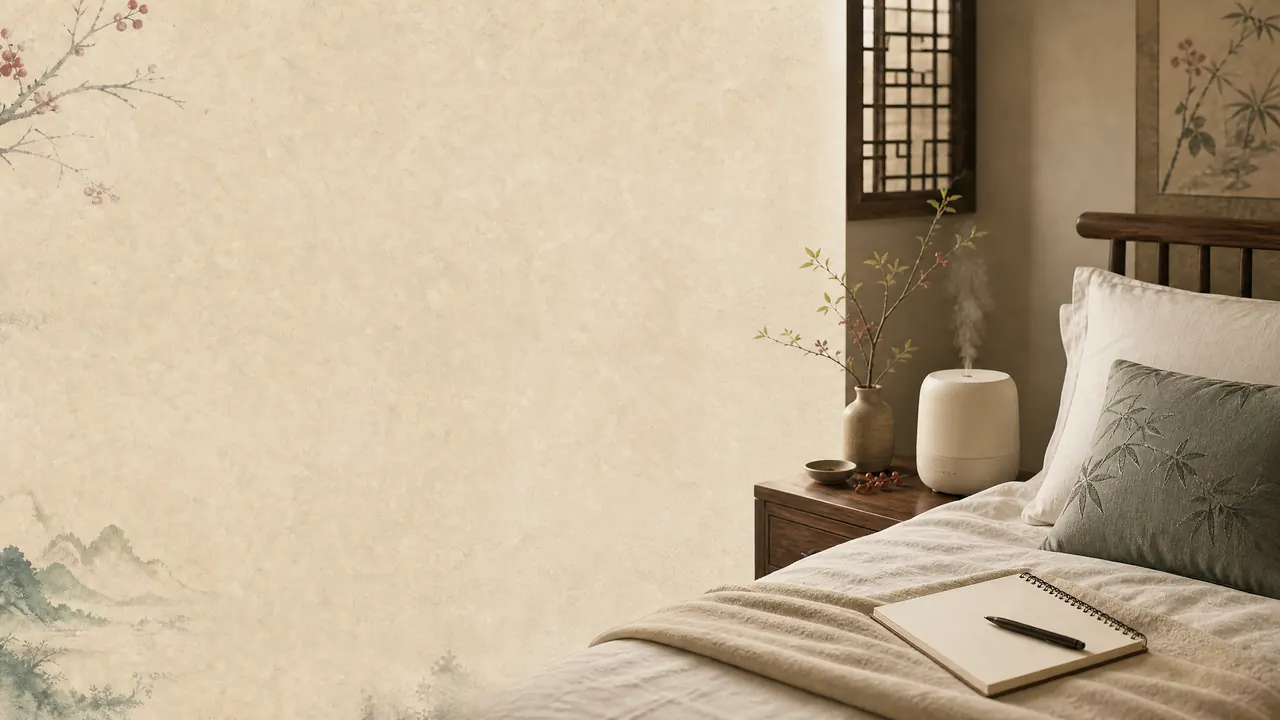
To achieve meaningful insights into the management of nasal allergies and snoring, the initial step involves a thorough examination and documentation of the immediate living and sleeping environment. The bedroom environment is typically where individuals spend a third of their day, making it the primary site of exposure to indoor aeroallergens, including dust mites (Dermatophagoides spp.), mold spores, textile fibers, and pet dander. Recommended logging parameters include recording bedroom cleaning routines, the utilization and filter-maintenance frequency of air purifiers, bedlinen laundering cycles, and indoor humidity and temperature fluctuations measured via a hygrometer. Elevated indoor humidity, for instance, can accelerate dust mite proliferation and mold growth, which directly irritate the nasal mucosa, triggering hyper-reactive inflammatory responses, nasal swelling, and subsequent upper airway resistance.
Beyond physical environmental factors, personal lifestyle habits, dietary choices, and daily routines exert a profound influence on upper airway patency and immune stability. Factors such as the time interval between the evening meal and retiring to sleep, nocturnal alcohol consumption, heavy or late-night dining, and preferred sleeping posture (such as prolonged supine sleeping) can significantly exacerbate upper airway collapse and snoring severity. Alcohol acts as a potent relaxing agent on the pharyngeal dilator muscles, increasing airway collapsibility during sleep. By recording these lifestyle variables consistently alongside symptoms for a fortnight, individuals can discern personal trigger patterns, thereby offering a transparent, high-resolution behavioral profile during clinical consultations.
How to document symptom characteristics and severity objectively?
In addition to environmental and behavioral logs, capturing the exact clinical characteristics of nasal allergies and snoring is essential for a thorough health assessment. For nasal allergies, detailed entries should record the frequency and timing of sneezing paroxysm episodes, periods of severe nasal blockage (such as immediately upon waking), the consistency and color of nasal discharge, and associated ocular symptoms like itching, lacrimation, or conjunctival congestion. For snoring and nocturnal breathing disturbances, because individuals are often asleep and unaware of their nocturnal behaviors, gathering observations from co-habitants or partners becomes indispensable. Key details to log include the average volume and harshness of the snoring sound, whether the snoring follows a rhythmic pattern or intermittent intervals, reports of nocturnal choking, gasping, or witnessed breathing pauses, and the degree of daytime somnolence experienced upon waking.
These comprehensive records not only assist patients in presenting their health concerns with clarity and structure but also empower healthcare professionals to determine whether specialized diagnostic investigations—such as overnight polysomnography or otolaryngological evaluations—are clinically indicated. As underscored by the Chinese Medicine Regulatory Office (CMRO) of the Department of Health in Hong Kong, the safe and regulated practice of traditional Chinese medicine must be grounded in transparent health histories, professional credential verification, and seamless cross-disciplinary communication. Patients are strongly cautioned against relying on unverified remedies or anecdotal advice, which can delay necessary medical investigations into underlying structural or systemic pathologies.
Traditional Chinese medicine perspectives on respiratory balance
Within the theoretical framework of traditional Chinese medicine (TCM), nasal allergies and upper airway patency are intimately connected to the functional coordination of the lung, spleen, and kidney organ networks, as well as the harmonious circulation of qi, blood, and fluids. According to classical TCM principles, the nose is considered the portal of the lung, and its normal sensory and ventilatory functions rely heavily on the abundance and stability of protective defensive qi (Wei Qi). When internal deficiencies or lifestyle imbalances weaken defensive qi, external pathogenic factors such as wind, cold, and dampness easily invade the nasal orifices, precipitating sneezing and clear nasal discharge. Concurrently, weakness of the spleen in transforming fluids can lead to the internal accumulation of phlegm-dampness, which may obstruct the upper respiratory tracts and impair local tissue tone during sleep.
Prior to seeking professional TCM consultations, patients who systematically organize their personal constitution characteristics—such as general aversion to cold or heat, sweating tendencies, digestive regularity, and sleep quality—provide the practitioner with invaluable context for conducting comprehensive diagnostic evaluations, including observation, inquiry, and pulse diagnosis. Nevertheless, it must be firmly reiterated that TCM therapies, including customized herbal decoctions, acupuncture, or external modalities, are intended to function as supportive components of an integrated health strategy. They must never be viewed as substitutes for essential conventional medical diagnoses, particularly when structural anomalies, severe chronic inflammation, or significant sleep-disordered breathing require immediate clinical intervention.
Safe care boundaries and when to seek emergency medical attention
While maintaining detailed home observation logs is an empowering step toward proactive health self-management, recognizing the boundaries of self-care and identifying critical medical warning signs is of paramount importance. Based on established clinical guidelines, certain symptoms should never be ignored or managed solely through lifestyle adjustments. If nighttime snoring is accompanied by frequent, witnessed apneas, severe nocturnal choking episodes, sudden shortness of breath, unexplained chest pain, or persistent morning headaches, patients must immediately seek professional medical evaluation.
Furthermore, individuals experiencing extreme daytime sleepiness that impairs cognitive function, concentration, or safe vehicle operation should undergo formal assessment to rule out obstructive sleep apnea (OSA) and related cardiovascular risks. Patients currently receiving conventional treatments or undertaking traditional Chinese medicine therapies must transparently inform all attending clinicians regarding every product, herb, or supplement they consume. Maintaining open communication across different healthcare disciplines ensures patient safety, prevents adverse interactions, and fosters a collaborative environment for long-term health and wellness.
How to Structure Your Allergy and Snoring Log for TCM and Conventional Medical Consultations
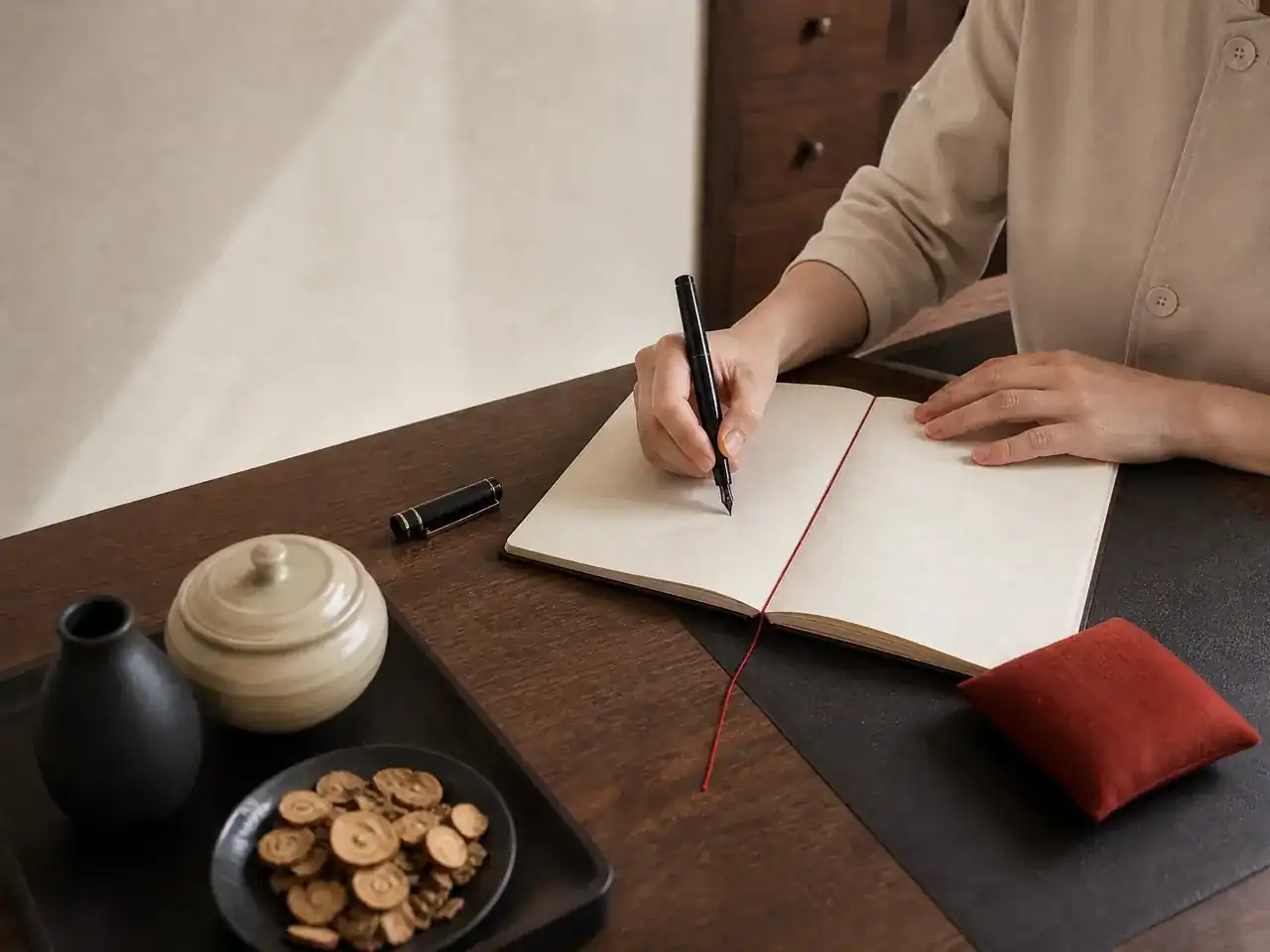
When presenting chronic health concerns such as recurrent nasal allergies and disruptive snoring to healthcare professionals—whether consulting a registered practitioner under the Hong Kong Chinese Medicine Ordinance or visiting a conventional ear, nose, and throat specialist—the clarity and organization of your preliminary observations are of paramount importance. Patients frequently struggle during verbal consultations to recall precise symptom timelines, environmental trigger patterns, or the frequency of nocturnal awakenings. To bridge this communication gap, establishing a structured preparation protocol enables individuals to synthesize weeks of daily logs into a cohesive clinical overview. This documentation should systematically outline environmental exposures, such as bedroom humidity levels and dust accumulation, alongside personal lifestyle factors like sleep posture, evening dietary habits, and alcohol consumption [1] [2]. By presenting an orderly, chronological summary of symptoms and triggers, patients facilitate a more efficient and targeted diagnostic dialogue, allowing medical practitioners to understand the full context of the condition without relying on fragmented recollections.
Furthermore, a well-structured preparation checklist should encompass not only the physical manifestations of nasal congestion and snoring intensity, but also the broader impact of these symptoms on daytime functioning, cognitive concentration, and overall quality of life. Patients are encouraged to record specific metrics, such as the number of sneezing episodes upon morning awakening, perceived daytime fatigue levels using standardized self-assessment scales, and any observations reported by household members regarding nocturnal breathing interruptions or sound variations. It is essential to maintain complete transparency regarding concurrent therapies, including any over-the-counter medications, herbal supplements, or traditional remedies currently in use. Providing this comprehensive medical and lifestyle inventory ensures that both traditional Chinese medicine practitioners and conventional physicians have access to accurate baseline data, thereby supporting safer multidisciplinary health management, informed clinical decision-making, and appropriate specialist referrals when necessary [1] [2].
Recognizing Red Flags: Safe Triage and When to Seek Urgent Medical Attention for Snoring and Breathing Concerns
While systematic home observation and lifestyle tracking serve as valuable preparatory tools for managing mild nasal allergies and routine sleep disturbances, recognizing the boundaries of self-care and understanding safe triage pathways is critical for patient safety. According to clinical guidance and health authorities, not all manifestations of snoring and upper airway discomfort can be safely managed through routine observation or conservative lifestyle adjustments. Certain nocturnal and daytime warning signs—often termed medical red flags—demand immediate conventional medical evaluation rather than delayed consultation. These critical indicators include frequent, severe nocturnal breathing pauses witnessed by bed partners, sudden choking or gasping awakenings that disrupt restorative sleep, persistent chest pain or palpitations upon waking, and extreme, uncontrollable daytime somnolence that impairs alertness during safety-sensitive tasks such as driving [1] [2].
It is imperative for patients and their families to understand that home observation logs, lifestyle modifications, and complementary health approaches—including traditional Chinese medicine therapies such as herbal prescriptions or acupuncture—should never be utilized as a substitute for urgent medical diagnostics or professional emergency care when acute red flags are present. If symptoms escalate or are accompanied by severe respiratory distress, uncharacteristic neurological signs, or cardiovascular complications, individuals must promptly seek evaluation at an emergency department or consult qualified medical specialists. Maintaining an open, honest dialogue with all members of your healthcare team, strictly adhering to established clinical guidelines, and prioritizing patient safety above all other considerations ensure that chronic health conditions are managed responsibly and without compromising overall well-being [1] [2].
Continue reading
Explore the corresponding service or information page at your own pace.
Related articles
Frequently asked questions
Why is structured home observation so crucial before consulting a medical professional?
Patients often struggle to recall precise symptom patterns during clinical visits. Maintaining objective logs over several weeks provides reliable data on frequency, environmental triggers, and temporal patterns, enabling clinicians to make more accurate assessments.
Is routine nighttime snoring merely a harmless habit or fatigue-related phenomenon?
Not necessarily. Snoring can be linked to upper airway anatomical narrowing, chronic nasal congestion, or obstructive sleep apnea (OSA). If snoring is accompanied by witnessed breathing pauses or severe daytime fatigue, professional medical evaluation is essential.
What health information should patients prepare before seeking traditional Chinese medicine care?
Patients should prepare detailed symptom logs, allergy histories, current lists of conventional and herbal medications, dietary and sleep routines, and personal constitutional tendencies such as cold and heat sensitivities.
Can home observation logs and lifestyle adjustments replace professional medical diagnosis?
Absolutely not. Home observation logs serve exclusively as a preparatory tool to facilitate communication during medical consultations and can never substitute for professional clinical examinations, diagnostic testing, or formal medical treatment.
How do environmental factors in Hong Kong specifically influence nasal allergies?
Hong Kong's humid subtropical climate, combined with high population density and indoor air conditioning use, creates favorable conditions for dust mites and indoor allergens, which frequently exacerbate allergic rhinitis and nasal mucosal swelling.
Can “Nasal allergy guide” be used as a personal diagnosis?
No. This article provides general information and preparation ideas only. Individual circumstances need appropriate assessment around history, tests, functional impact and safety.
Related topics
Sources
Want to understand the next step around your situation?
You are welcome to share your question, preferred time and existing information. We will explain the service scope and arrangements clearly.