HEALTH GUIDE / SAFETY INFORMATION
Adult acne and stress: how skin tracking supports a TCM consultation
Adult acne is frequently linked to stress, lifestyle habits, and overall constitution. Keeping a detailed skin and lifestyle log helps improve TCM consultation efficiency and safety.
Quick answer: Adult acne is closely connected to stress and lifestyle factors. Before a traditional Chinese medicine consultation, keeping a detailed log of acne locations, flare-up frequency, menstrual patterns, sleep, and stress levels helps practitioners evaluate overall health and provide personalized guidance, while reinforcing the importance of conventional medical care.
CLEAR PRICES
Interested in a treatment? You are always welcome to ask.
We clearly list our current single, trial and package prices so you can explore at your own pace. You are always welcome to message us on WhatsApp about any service, timing or arrangement.
| Category and service | Content / terms | Public price (HK$) | Booking note | Enquire |
|---|---|---|---|---|
| Hair & scalp | Scalp health and hair-loss support | AI scalp analysis, deep follicle cleansing and oil-control support | Trial offerPackageTrial 380; 6 sessions 3,480; 12 sessions 5,760; 20 sessions 8,600; 30 sessions 11,400 | Average per session for 6/12/20/30: 580/480/430/380 | Ask on WhatsApp |
| Hair & scalp | Hair acupuncture with herbal medicine | Scalp acupuncture with 3 days of decoction-free herbal medicine | Single visitPackageSingle 580; 6 sessions 3,180; 12 sessions 5,760; 20 sessions 8,600; 30 sessions 11,400 | Average per session for 6/12/20/30: 530/480/430/380 | Ask on WhatsApp |
| Hair & scalp | Integrated hair support programme | Acupuncture, herbal medicine and follicle activation; packages include shampoo and serum | Single visitPackageSingle 1,260; 8 sessions 8,640; 16 sessions 15,680; 20 sessions 18,600; 30 sessions 26,400 | Average per session for 8/16/20/30: 1,080/980/930/880 | Ask on WhatsApp |
| Weight management | Full-body acupoint embedding | Full-body acupoint embedding; packages include proportionate days of herbal support | Single visitPackageSingle 980; 10 sessions 7,800; 20 sessions 14,600; 30 sessions 20,400 | Average per session for 10/20/30: 780/730/680 | Ask on WhatsApp |
| Facial acupuncture | Brightening V-face (Essential) | Facial acupuncture, meridian support and swelling management | Trial offerPackageTrial 480; 10 sessions 5,200; 20 sessions 9,600; 30 sessions 13,500 | Average per session for 10/20/30: 520/480/450 | Ask on WhatsApp |
| Facial acupuncture | Firming and refining (Advanced) | Enhanced facial acupuncture for firmness and fine-line concerns with a moisturising mask serum | Trial offerPackageTrial 780; 10 sessions 9,000; 20 sessions 16,600; 30 sessions 23,400 | Average per session for 10/20/30: 900/830/780 | Ask on WhatsApp |
| Pain care | Extracorporeal shockwave therapy | Deep inflammation support and fascial relaxation | Prince Edward: 250 per area; Kwun Tong: 250 for 1 area, 450 for 2, 600 for 3 | Clinic-specific pricing; confirm location before booking | Ask on WhatsApp |
| Pain care | Manual therapy | TCM bone-injury assessment, manual alignment and tui na techniques | Single visitSingle 580 | Suitability is confirmed after assessment | Ask on WhatsApp |
| Pain care | Acupuncture with manual therapy | Acupuncture with manual structural support | Single visitSingle 680 | Suitability is confirmed after assessment | Ask on WhatsApp |
| TCM regulation | Acupuncture with herbal medicine | TCM consultation, whole-body acupuncture and 3 days of decoction-free herbal medicine granules | Single visitSingle 580 | Confirm clinician availability and service arrangement when booking | Ask on WhatsApp |
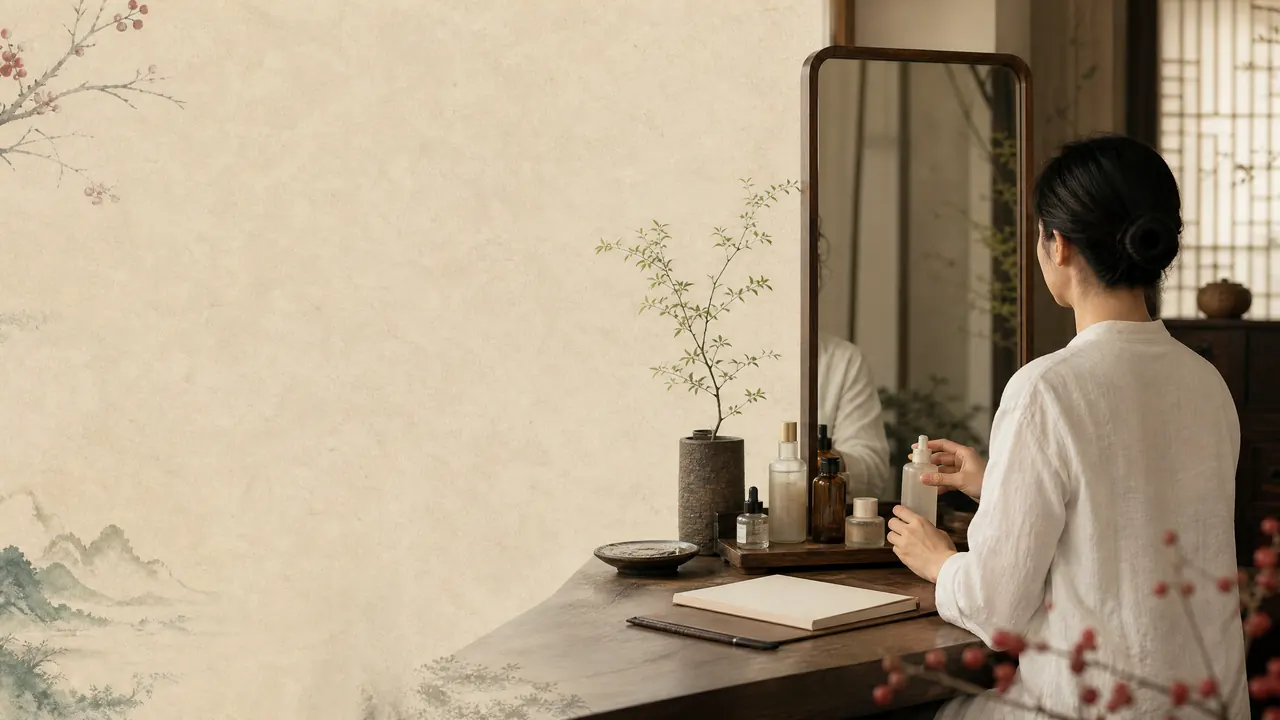
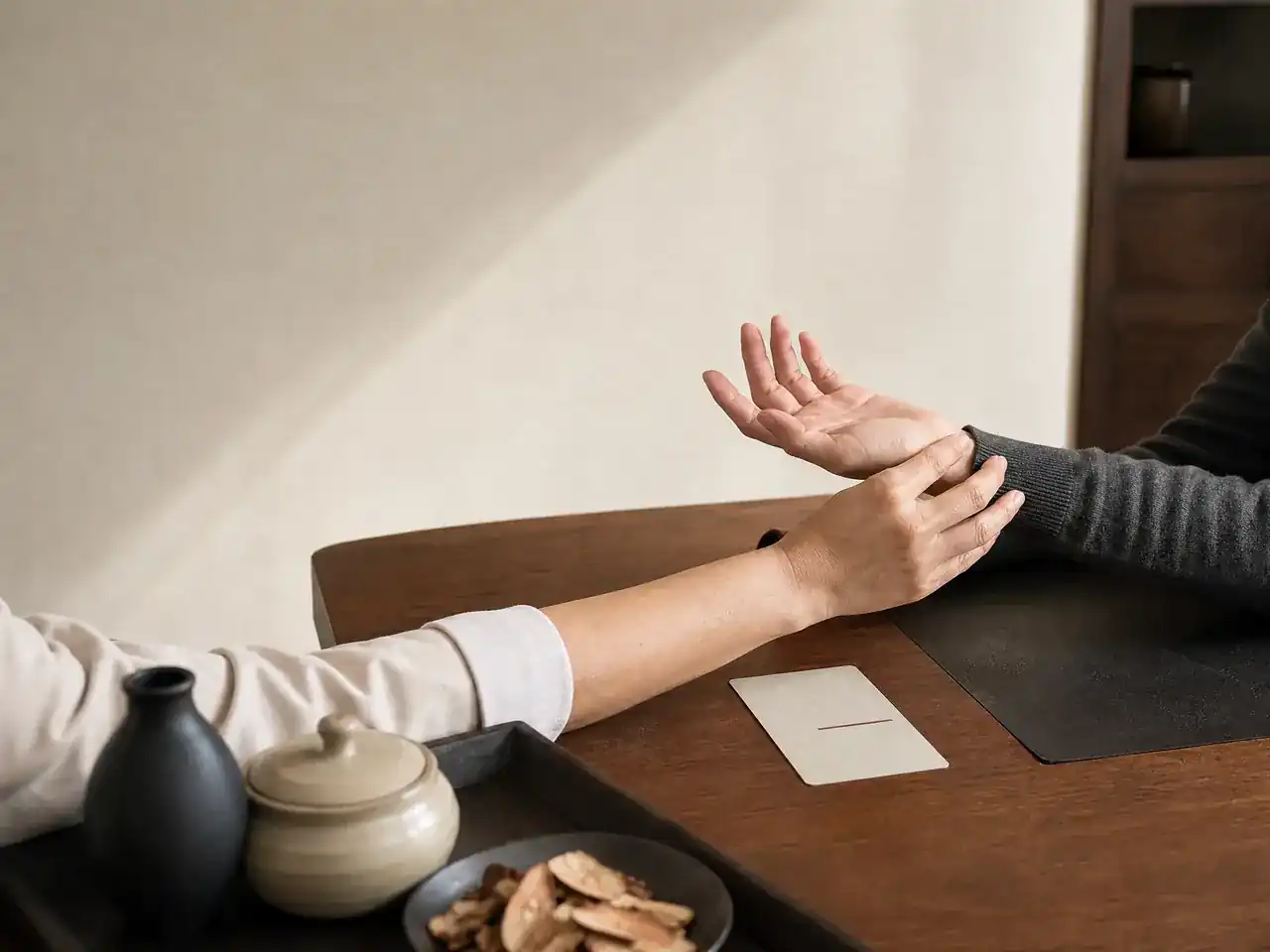
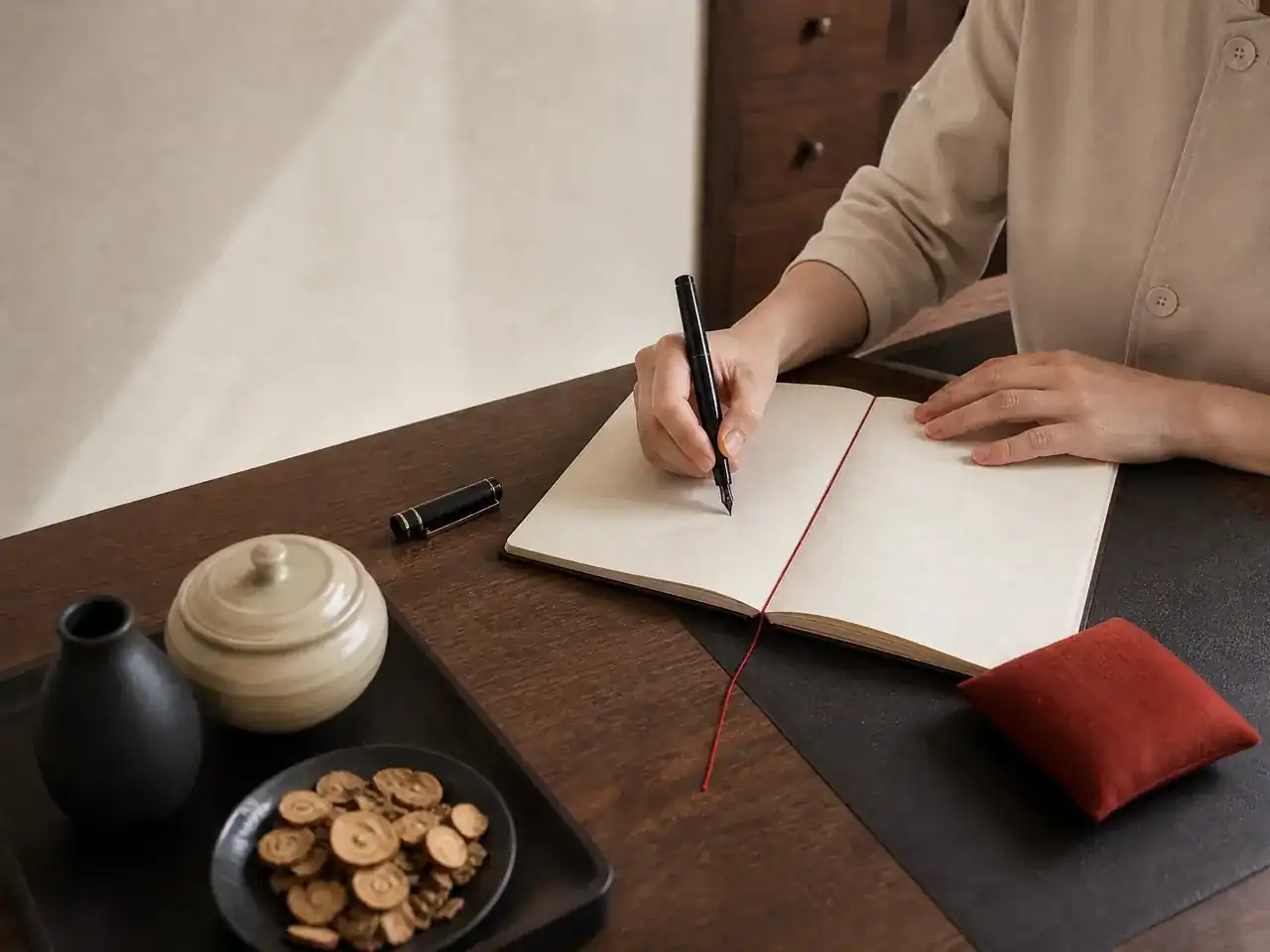
Characteristics of adult acne and its connection to stress
Adult acne is not merely a prolonged extension of adolescent breakouts; many individuals experience persistent, recurrent blemishes along the jawline, cheeks, and neck when navigating professional pressures, life transitions, or chronic emotional strain. Both modern biomedical research and traditional Chinese medicine (TCM) recognize the profound impact that psychological stress, emotional fluctuation, and endocrine variations exert on cutaneous health. When individuals encounter sustained stress, the neuroendocrine system initiates physiological responses that stimulate sebum production, accelerate follicular hyperkeratosis, and compromise the integrity of the skin barrier, creating a vicious cycle of persistent breakouts.
From the perspective of traditional Chinese medicine, cutaneous manifestations are frequently interpreted as external reflections of internal constitutional balance and visceral functioning. Excessive stress, chronic sleep deprivation, erratic dietary habits, and emotional stagnation are commonly understood as internal triggers that disrupt the smooth flow of qi and blood, engender internal damp-heat, or cause liver qi stagnation. Consequently, adult acne is not perceived as a superficial or isolated blemish on the skin surface, but rather as an integrative physiological signal indicating that lifestyle habits, emotional regulation, and internal balance require systematic attention and adjustment.
For many patients dealing with stubborn adult acne, experimenting with countless topical skincare products yields limited success because the root imbalances remain unaddressed. TCM approaches dermatological concerns through comprehensive pattern differentiation, seeking to harmonize internal organ systems. However, capturing the true nature of these constitutional patterns requires careful observation and objective record-keeping, establishing the essential foundation for a productive clinical consultation.
| Observation Item | Recommended Logging Content | TCM Consultation Benefits | Safety Notes |
|---|---|---|---|
| Skin Features | Breakout locations (jaw/cheeks), redness severity, nodule or comedone distribution | Helps practitioner assess local qi-blood stagnation and meridian patterns | Avoid forceful manual squeezing to prevent infection and scarring |
| Lifestyle & Sleep | Daily sleep duration, bedtime routines, and night waking frequency | Evaluates yin-yang imbalance and sleep impact on skin repair | Seek comprehensive medical evaluation if severe insomnia persists |
| Diet & Digestion | Intake of sugary/greasy foods, bowel movement frequency, and digestion | Understands spleen-stomach transformation and internal damp-heat | Avoid overly restrictive diets that cause nutritional deficiencies |
| Stress & Emotions | Work/life stress events, anxiety levels, and emotional fluctuations | Analyzes liver qi stagnation and emotional impact on constitution | Seek professional psychological support if severe anxiety occurs |
Why keeping a structured skin and lifestyle log matters
When preparing for a traditional Chinese medicine consultation, merely informing the practitioner that you suffer from persistent acne is insufficient for establishing an accurate clinical picture. Constructing a dedicated skin and lifestyle log over a period of several weeks provides invaluable objective clues that empower the practitioner during diagnosis. This structured log should document the precise dates of flare-ups, exact anatomical locations such as the forehead, cheeks, jawline, or neck, the morphological characteristics of the lesions including inflamed nodules, papules, or closed comedones, and correlated symptoms such as menstrual cycle fluctuations.
Furthermore, the daily log should systematically capture sleep duration, sleep quality, subjective and objective stress levels, dietary inclinations involving sugary, dairy, or spicy items, and gastrointestinal digestive status. These granular details assist TCM practitioners in discerning underlying trigger factors during diagnostic questioning, thereby enabling more precise and individualized pattern differentiation. Harmonia TCM emphasizes that these personal records serve exclusively as communication aids to support clinical dialogue and cannot substitute for a professional in-person medical diagnosis.
Through systematic journaling, patients themselves often begin to recognize hidden correlations between daily habits and cutaneous flare-ups—such as identifying whether professional stress peaks correspond directly to jawline breakouts. This heightened self-awareness enables individuals to engage in more proactive daily self-care and fosters a collaborative partnership with their healthcare providers.
Boundaries between TCM dermatology and conventional medical care
When managing persistent adult acne, numerous individuals seek assistance from TCM dermatology, utilizing individualized herbal formulations or acupuncture to support constitutional harmony and skin recovery. Nevertheless, esteemed health authorities such as the National Center for Complementary and Integrative Health (NCCIH) explicitly emphasize that traditional Chinese medicine products and practices should never replace or unnecessarily delay necessary conventional medical evaluation and treatment. If acne lesions are severe, nodulocystic, painful, or present significant risks of permanent scarring and secondary bacterial infection, priority must be given to professional dermatological care.
Throughout the course of TCM care, patients bear the responsibility of proactively disclosing all topical ointments, prescription retinoids, antibiotic creams, systemic medications, and herbal supplements to all involved healthcare providers, including both conventional physicians and registered TCM practitioners. This cross-professional, transparent communication guarantees that disparate therapeutic interventions do not conflict, safeguarding patient safety, minimizing adverse interactions, and upholding overall health rights.
Maintaining realistic expectations regarding clinical outcomes is equally vital. Chronic dermatological conditions require sustained, patient management, and any external claims guaranteeing rapid cures or definitive clinical efficacy should be approached with critical skepticism. By integrating the rigorous diagnostic capabilities of modern dermatology with the holistic constitutional insights of traditional Chinese medicine, patients can achieve safer, more balanced, and sustainable skin health.
How to communicate effectively and prepare for your consultation
Preparing a comprehensive health and medication inventory prior to your initial TCM consultation is an indispensable step. In addition to bringing your detailed skin and lifestyle log, you should compile a complete list of all previous dermatological treatments, cosmetic product ingredients, and skincare sensitivities you have experienced. This thorough background allows the TCM practitioner to understand your skin tolerance threshold, preventing unnecessary trial-and-error or the selection of inappropriate therapeutic modalities.
During the clinical consultation, patients are encouraged to actively discuss expected therapeutic goals, personalized lifestyle modification recommendations, and objective outcome tracking metrics with their practitioner. Articulate communication and realistic expectations foster a trusting patient-practitioner relationship, ensuring that all interventions are pursued safely and effectively.
Moreover, during subsequent follow-up visits, patients should consistently provide feedback regarding how their body and skin are responding to the prescribed regimen—such as noting improvements in sleep quality, digestive comfort, or overall energy levels. This dynamic feedback loop enables practitioners to fine-tune herbal formulas or supportive advice, ensuring that ongoing care remains precisely aligned with the patient's evolving constitutional state.
Stress management, lifestyle integration, and preventive skin care
Beyond seeking professional clinical guidance, integrating effective self-management practices into daily life is fundamental for long-term adult acne control. Stress management stands out as a core pillar in breaking the self-perpetuating cycle of stress-induced cutaneous flare-ups. Engaging in regular cardiovascular exercise, mindfulness meditation, structured breathing techniques, or adequate restorative time outdoors assists in modulating the autonomic nervous system and moderating circulating stress hormone levels.
In terms of daily skin maintenance, individuals should strictly avoid over-cleansing or utilizing harsh mechanical and chemical exfoliants that compromise the skin barrier and exacerbate inflammatory responses. Selecting gentle, fragrance-free cleansers and non-comedogenic moisturizers, alongside diligent daily sun protection, helps minimize post-inflammatory hyperpigmentation and scarring risks. Furthermore, maintaining a balanced diet, minimizing excessive refined sugars, and moderating high glycemic index foods contribute significantly to stabilizing sebaceous gland activity.
In summary, addressing adult acne successfully requires an integrative approach that synthesizes detailed skin journaling, professional TCM constitutional differentiation, thoughtful lifestyle adjustments, and responsible coordination with conventional medical care, ensuring both safety and enduring skin wellness.
How to Track Stress Triggers and Hormonal Patterns for Adult Acne TCM Consultations
Constructing a comprehensive, highly reliable, and detailed timeline of cutaneous activity requires systematic documentation of cyclical patterns, such as premenstrual flare-ups, seasonal environmental transitions, and professional deadline stress spikes over multiple consecutive weeks. When individuals maintain a dedicated daily journal, they capture actionable data regarding specific symptom triggers—including high-glycemic meals, dairy consumption, erratic sleep schedules, and acute emotional tension—that might otherwise be forgotten, minimized, or generalized during a clinical consultation with a healthcare practitioner, ensuring no vital diagnostic detail is overlooked.
This structured recording approach helps both patients and traditional Chinese medicine practitioners establish clear, objective correlations between daily lifestyle habits and recurrent adult acne breakouts, providing a solid clinical foundation for personalized TCM diagnoses, pattern differentiation, and holistic health management. Establishing a standardized four-week skin tracking template involves recording specific, granular metrics across multiple daily lifestyle domains to ensure maximum diagnostic clarity and depth during medical intake, which greatly assists practitioners in understanding root causes and individual constitutional variations.
Essential entries should document breakout morphology in meticulous detail, distinguishing carefully between superficial papules, closed comedones, pustules, and deep inflammatory nodules, alongside precise anatomical distribution along the jawline, lower cheeks, neck, and forehead. Furthermore, incorporating a subjective daily stress scale ranging from one to ten, precise sleep duration and quality metrics, bowel movement regularity, and dietary choices effectively eliminates recall bias and subjective distortion, providing an authentic representation of the patient's daily physiological state.
These objective, well-documented details empower TCM practitioners to perform accurate constitutional pattern differentiation (辨證論治) and identify underlying visceral imbalances much more effectively during diagnostic evaluations. Beyond immediate clinical utility, ongoing self-monitoring offers significant educational and behavioral benefits for long-term dermatological health, encouraging proactive daily self-care, balanced nutrition, and effective stress management techniques to support overall vitality, constitutional harmony, and lasting skin wellness.
In summary, maintaining a thorough, structured, and consistent record of daily skin changes effectively bridges the communication gap between patients and practitioners, facilitating more efficient, targeted, and individualized care plans that respect both traditional diagnostic principles and modern health literacy standards while promoting sustained, long-term wellness, preventive self-care habits, active clinical collaboration, and continuous health improvement.
Integrating TCM Dermatology with Conventional Medical Care: Safety Guidelines and Cross-Professional Communication
Exploring complementary and traditional therapies for chronic skin concerns requires a clear, unambiguous understanding of the essential boundaries between traditional Chinese medicine dermatology and conventional Western medical care across all clinical settings. Official guidance from esteemed health institutions such as the National Center for Complementary and Integrative Health (NCCIH) explicitly emphasizes that traditional Chinese medicine products and practices should never replace or unnecessarily delay necessary conventional medical evaluations, ensuring that patients receive timely biomedical assessments when required.
When individuals deal with severe nodulocystic acne, persistent scarring risks, intense physical pain, or clinical signs of secondary bacterial infection, patients must prioritize professional dermatological diagnosis and conventional medical treatment without exception to safeguard their health rights and prevent severe complications. Transparent cross-professional communication is paramount for patient safety throughout any integrative healthcare journey involving both traditional and conventional modalities, bridging the gap between distinct medical philosophies and clinical practices.
Patients should proactively disclose all current therapeutic interventions—including topical prescription retinoids, oral antibiotics, systemic hormonal regulators, and herbal supplements—to all involved healthcare providers, encompassing both conventional physicians and registered TCM practitioners. This comprehensive disclosure prevents adverse drug interactions, avoids conflicting therapeutic modalities, and ensures that complementary treatments operate safely alongside established medical protocols without ever compromising patient safety, treatment efficacy, or fundamental health rights.
Recognizing critical safety red flags is an essential component of responsible health management when dealing with stubborn skin conditions. Patients experiencing sudden onset of severe pain, rapidly spreading inflammatory cysts, systemic fever, or debilitating psychological distress should seek immediate conventional medical evaluation and professional psychological support to safeguard overall health and well-being, maintaining balanced clinical expectations and adhering strictly to professional medical guidance across all stages of care.
Ultimately, combining responsible medical coordination with transparent, cross-professional communication ensures that patients navigating adult acne can pursue complementary therapies safely while remaining fully protected by necessary conventional medical safeguards, professional clinical oversight, sound health practices, informed personal decision-making, proactive health monitoring, comprehensive safety awareness, structured clinical collaboration, ongoing health education, reliable clinical support networks, dedicated medical guidance, robust clinical supervision, comprehensive medical safety planning, holistic health strategies, and patient-centered clinical care.
Continue reading
Explore the corresponding service or information page at your own pace.
Related articles
Frequently asked questions
How does adult acne differ from adolescent acne?
Adult acne typically occurs after age 25, appearing predominantly along the jawline, neck, and lower cheeks. It is frequently linked to hormonal fluctuations, chronic stress, sleep deprivation, and lifestyle factors, whereas adolescent acne is often driven by rapid androgen surges and sebum overproduction.
How long should I keep a skin log before a consultation?
It is recommended to maintain a log for 2 to 4 weeks. This timeframe provides a reliable reflection of how breakouts correlate with menstrual cycles, stress peaks, or dietary habits, offering valuable diagnostic insight for TCM practitioners.
Do I need to stop conventional dermatological treatments when seeing a TCM practitioner?
No. NCCIH notes that traditional medical therapies should not replace or delay necessary conventional medical care. Patients should openly inform both conventional and TCM practitioners about all current medications and treatments to ensure safety and optimal collaborative outcomes.
What approaches does TCM dermatology typically use for adult acne?
TCM dermatology provides individualized pattern differentiation based on overall constitution, which may include internal herbal formulas to support digestive function or clear internal heat, alongside lifestyle guidance. All treatments must be prescribed after professional evaluation by a registered practitioner.
Can “Adult acne guide” be used as a personal diagnosis?
No. This article provides general information and preparation ideas only. Individual circumstances need appropriate assessment around history, tests, functional impact and safety.
What can I prepare before asking about “Adult acne guide”?
You can note symptom timing, approaches already tried, current medicines, test information and your main questions. Seek appropriate conventional medical assessment first for severe or worsening signs.
Related topics
Sources
Want to understand the next step around your situation?
You are welcome to share your question, preferred time and existing information. We will explain the service scope and arrangements clearly.