Postpartum TCM in Kwun Tong
Postnatal Care (Postpartum TCM)
Harmonia TCM offers a calm Traditional Chinese Medicine perspective on postnatal care for mothers after childbirth, with attention to constitution, sleep, digestion, milk-feeding concerns, emotional wellbeing, and gradual strength rebuilding. Harmonia TCM’s clinic is in Kwun Tong. This page is for clinic-visit and possible home-visit coverage reference only and does not imply any branches or guaranteed service availability.
Quick answer: Postnatal care in TCM focuses on helping the mother recover gradually after birth by assessing constitution, bleeding pattern, digestion, sleep, pain, mood, and feeding demands. At Harmonia TCM in Kwun Tong, postpartum support may include personalised herbal, dietary, acupuncture or moxibustion considerations where appropriate, while urgent or worsening symptoms should be assessed medically first.
View pricesEnquire About Availability
CLEAR PRICES
Interested in a treatment? You are always welcome to ask.
We clearly list our current single, trial and package prices so you can explore at your own pace. You are always welcome to message us on WhatsApp about any service, timing or arrangement.
| Category and service | Content / terms | Public price (HK$) | Booking note | Enquire |
|---|---|---|---|---|
| Hair & scalp | Scalp health and hair-loss support | AI scalp analysis, deep follicle cleansing and oil-control support | Trial offerPackageTrial 380; 6 sessions 3,480; 12 sessions 5,760; 20 sessions 8,600; 30 sessions 11,400 | Average per session for 6/12/20/30: 580/480/430/380 | Ask on WhatsApp |
| Hair & scalp | Hair acupuncture with herbal medicine | Scalp acupuncture with 3 days of decoction-free herbal medicine | Single visitPackageSingle 580; 6 sessions 3,180; 12 sessions 5,760; 20 sessions 8,600; 30 sessions 11,400 | Average per session for 6/12/20/30: 530/480/430/380 | Ask on WhatsApp |
| Hair & scalp | Integrated hair support programme | Acupuncture, herbal medicine and follicle activation; packages include shampoo and serum | Single visitPackageSingle 1,260; 8 sessions 8,640; 16 sessions 15,680; 20 sessions 18,600; 30 sessions 26,400 | Average per session for 8/16/20/30: 1,080/980/930/880 | Ask on WhatsApp |
| Weight management | Full-body acupoint embedding | Full-body acupoint embedding; packages include proportionate days of herbal support | Single visitPackageSingle 980; 10 sessions 7,800; 20 sessions 14,600; 30 sessions 20,400 | Average per session for 10/20/30: 780/730/680 | Ask on WhatsApp |
| Facial acupuncture | Brightening V-face (Essential) | Facial acupuncture, meridian support and swelling management | Trial offerPackageTrial 480; 10 sessions 5,200; 20 sessions 9,600; 30 sessions 13,500 | Average per session for 10/20/30: 520/480/450 | Ask on WhatsApp |
| Facial acupuncture | Firming and refining (Advanced) | Enhanced facial acupuncture for firmness and fine-line concerns with a moisturising mask serum | Trial offerPackageTrial 780; 10 sessions 9,000; 20 sessions 16,600; 30 sessions 23,400 | Average per session for 10/20/30: 900/830/780 | Ask on WhatsApp |
| Pain care | Extracorporeal shockwave therapy | Deep inflammation support and fascial relaxation | Prince Edward: 250 per area; Kwun Tong: 250 for 1 area, 450 for 2, 600 for 3 | Clinic-specific pricing; confirm location before booking | Ask on WhatsApp |
| Pain care | Manual therapy | TCM bone-injury assessment, manual alignment and tui na techniques | Single visitSingle 580 | Suitability is confirmed after assessment | Ask on WhatsApp |
| Pain care | Acupuncture with manual therapy | Acupuncture with manual structural support | Single visitSingle 680 | Suitability is confirmed after assessment | Ask on WhatsApp |
| TCM regulation | Acupuncture with herbal medicine | TCM consultation, whole-body acupuncture and 3 days of decoction-free herbal medicine granules | Single visitSingle 580 | Confirm clinician availability and service arrangement when booking | Ask on WhatsApp |
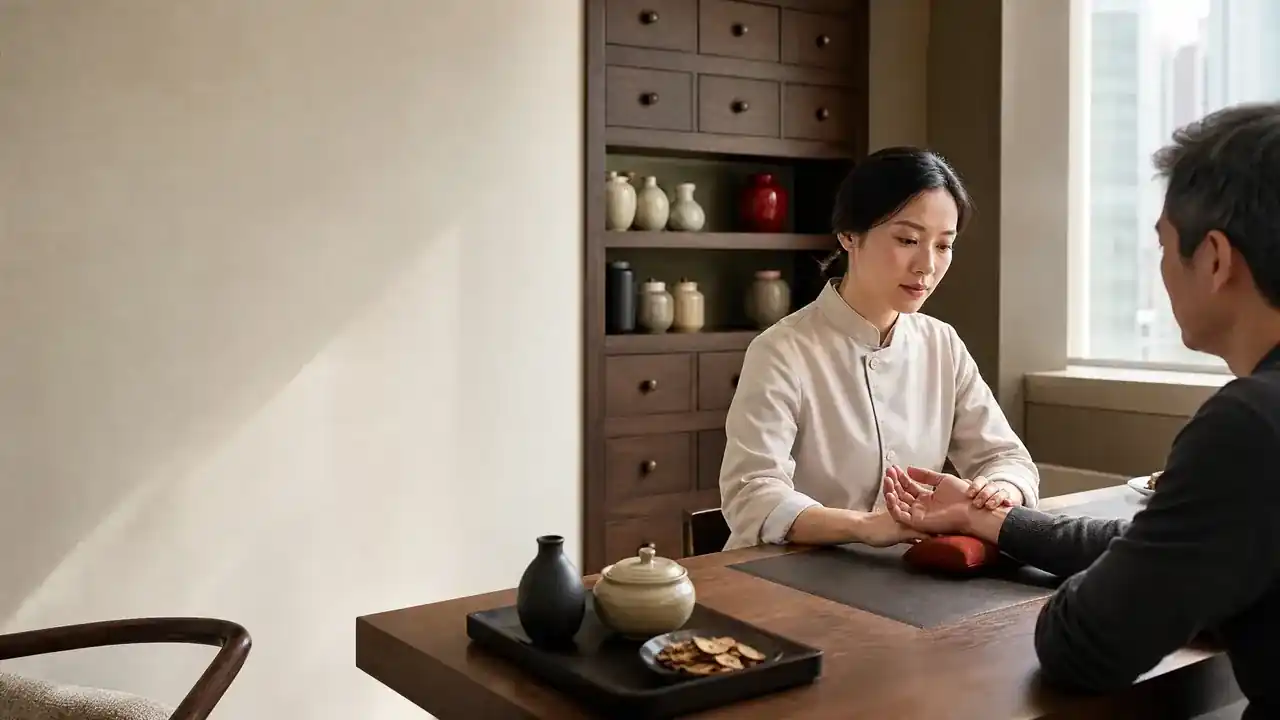
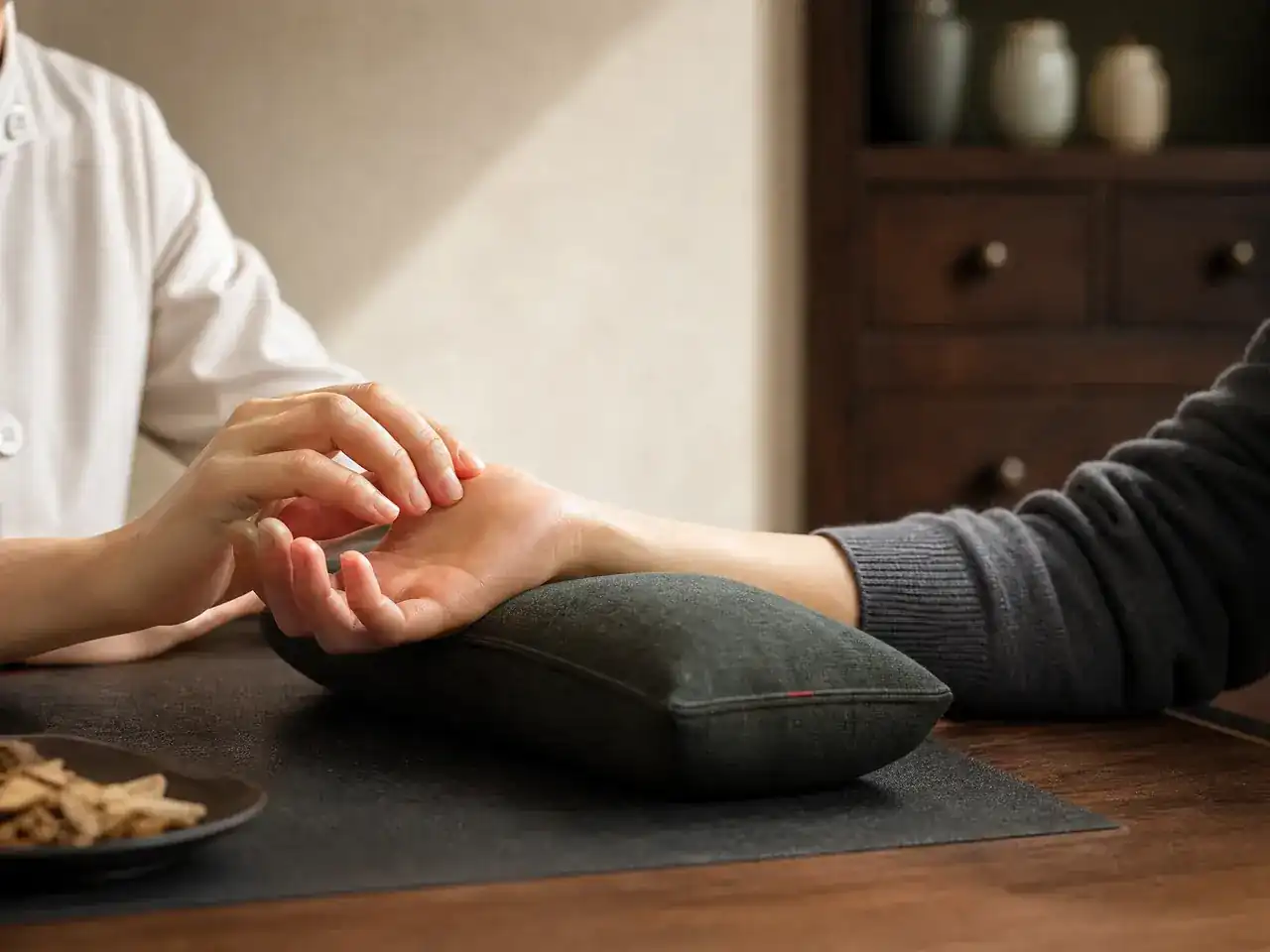

Understanding Postnatal Care Through a TCM Lens
Postnatal care is an important period of adjustment for the body and mind after childbirth. In Traditional Chinese Medicine, the weeks after delivery are often viewed as a time when qi, blood, yin, yang, and body fluids may be relatively depleted or unsettled. This does not mean every mother is weak or unwell; rather, TCM assessment pays attention to how pregnancy, labour, birth method, blood loss, sleep interruption, feeding, appetite, and emotions may influence the mother’s current pattern.
In Hong Kong, many families are familiar with the idea of “sitting the month”, but modern postpartum life can be more complex. Some mothers are recovering from caesarean birth, some are breastfeeding or mixed feeding, and some have limited rest because of work, household demands or caring for older children. TCM postnatal care therefore should not be one-size-fits-all. A suitable plan may consider warmth, rest, digestion, gentle movement, wound recovery, lochia, breast comfort, bowel habits, and emotional steadiness.
Harmonia TCM approaches postpartum recovery with a calm and practical mindset. The aim is not to promise rapid transformation or replace obstetric care, but to understand the mother’s constitution and current symptoms, then discuss supportive options that may fit safely alongside medical advice. If there are signs of infection, heavy bleeding, severe pain, chest symptoms, high blood pressure concerns, or significant emotional distress, medical assessment should come first.
Common Postpartum Changes TCM May Assess
After birth, the body undergoes major physiological and emotional changes. Bleeding gradually reduces, the uterus contracts, the breasts adapt to feeding, hormones shift, sleep is often fragmented, and the digestive system may feel slower or more sensitive. TCM assessment listens carefully to these changes and tries to identify whether the main pattern appears more related to qi deficiency, blood deficiency, blood stasis, dampness, heat, cold, yin deficiency, or mixed presentations.
A mother may report tiredness with spontaneous sweating, poor appetite and loose stools, which TCM may interpret as a need to support spleen qi and digestive function. Another mother may feel chilly, achy and slow to regain warmth, which may lead to discussion of yang support and protection from excessive cold exposure. Others may experience irritability, vivid dreams, breast distension or constipation, where the practitioner may explore liver qi constraint, heat, fluid depletion or stagnation patterns.
The table below gives a general comparison of postpartum concerns and how they may be explored in a TCM consultation. It is not a diagnosis tool and should not be used to self-prescribe herbs, especially while breastfeeding, after surgery, or when taking medication.
A careful postnatal care discussion should also include what is normal and what may need prompt referral. Mild tiredness and emotional ups and downs can occur, but worsening symptoms, fever, severe mood changes, heavy bleeding or intense pain are not simply “part of confinement”. TCM support works best when it is integrated with appropriate medical monitoring.
| Postpartum concern | TCM assessment focus |
|---|---|
| Fatigue, breathlessness on exertion, sweating easily | May assess qi deficiency, blood loss, sleep depletion, diet, and whether medical review is needed for anaemia or other causes. |
| Lower abdominal discomfort or lingering lochia | May assess blood stasis, cold, heat or incomplete recovery patterns, while advising medical review for heavy bleeding, foul smell, fever or severe pain. |
| Poor appetite, bloating, loose stools or constipation | May assess spleen and stomach function, fluid intake, warmth of foods, bowel habits, iron supplements, and practical meal routines. |
| Breast fullness, feeding discomfort or milk-flow concerns | May assess qi stagnation, heat, stress and rest patterns, while encouraging support from midwives, lactation professionals or doctors where appropriate. |
| Low mood, anxiety, irritability or poor sleep | May assess heart, liver, blood and yin patterns, but urgent mental health support is important for severe, persistent or unsafe thoughts. |
Possible TCM Care Methods for the Postpartum Period
TCM care for new mothers may include herbal medicine, acupuncture, moxibustion, cupping, gentle external therapies, diet guidance, breathing practices, rest planning, and lifestyle advice. The choice depends on the mother’s symptoms, birth history, constitution, breastfeeding status, medications, and comfort level. Not every method is suitable for every person, and some approaches may be delayed or avoided after caesarean birth, significant bleeding, infection, fever, skin sensitivity or medical complications.
Herbal medicine is traditionally used in postpartum TCM, but it requires careful individual assessment. Herbs can interact with medicines, may not be appropriate during breastfeeding, and should not be selected only because they are popular in a family recipe. A practitioner may consider whether the priority is to support digestion, nourish blood, warm the body, move stagnation gently or calm the spirit, but the plan should remain flexible as symptoms change over the first weeks and months.
Acupuncture may be considered for certain patterns such as tension, sleep disturbance, digestive imbalance, musculoskeletal discomfort or stress-related symptoms. The approach is usually gentle in the postnatal period, with attention to energy level, bleeding status, body position, and comfort. Moxibustion may be discussed when a cold or yang-deficiency pattern is considered, but it is not suitable for everyone and should be used with caution around heat sensitivity, fever, wounds, smoke intolerance or respiratory concerns.
At Harmonia TCM, any postpartum care discussion is framed as supportive rather than curative. The practitioner may ask about red flags and may advise medical review before TCM treatment if symptoms suggest urgent or complex causes. This is especially important because postpartum symptoms can change quickly, and some serious conditions may initially feel like ordinary tiredness, pain or emotional overwhelm.
Confinement Diet, Digestion and Everyday Nourishment
Food is a central part of many Hong Kong families’ postpartum routines. From a TCM perspective, diet after birth often focuses on rebuilding qi and blood, supporting digestion, maintaining warmth, and avoiding extremes. A confinement diet may include cooked, easy-to-digest meals, soups, moderate protein, grains, vegetables, and appropriate fluids. However, the ideal diet depends on the mother’s constitution, appetite, bowel habits, feeding needs, medical conditions, and cultural preferences.
Overly rich or warming foods are not always better. Some mothers may feel heavy, thirsty, constipated, have mouth ulcers, breast heat or skin eruptions when too many warming ingredients are used too early. Others may feel cold, bloated or weak when meals are too raw, chilled or irregular. TCM dietary guidance aims to find a middle path: warm enough to support digestion, nourishing enough for recovery, and light enough to avoid burdening the stomach.
Practicality matters. A new mother may not have time for complicated meals, and families may have different beliefs about ginger, rice wine, herbal soups or avoiding certain foods. Rather than applying rigid rules, Harmonia TCM may discuss meal timing, hydration, stool pattern, appetite, nausea, reflux, sleep disruption, breastfeeding demands, and how to adjust traditional recipes safely. If the mother has diabetes, high blood pressure, kidney disease, food allergies, post-surgical restrictions or prescribed supplements, medical advice should guide dietary decisions.
A balanced confinement diet should also respect emotional wellbeing. Food can be comforting, but it can become stressful if the mother feels judged or pressured. Supportive postnatal care includes listening to the mother’s lived situation, keeping recommendations realistic, and helping the family understand why certain adjustments may be suggested.
Emotional Wellbeing, Sleep and Family Support
The postpartum period can be emotionally tender. Joy, worry, sadness, irritability and exhaustion may appear in the same day. TCM traditionally links emotional steadiness with the heart, liver, spleen, blood and qi movement, but modern postnatal support should also recognise the importance of hormones, sleep deprivation, pain, feeding difficulties, relationship stress and previous mental health history. A mother’s feelings should be taken seriously, not dismissed as normal confinement moodiness.
Sleep is one of the most difficult areas to restore after childbirth. In TCM assessment, poor sleep may be discussed in relation to blood deficiency, yin deficiency, heat, phlegm, qi constraint or overthinking, but the practical reality is just as important. A plan may include gentle breathing, reducing unnecessary stimulation, timing rest when possible, asking family members to share tasks, and avoiding overly demanding routines that leave the mother with no recovery time.
If low mood, anxiety, panic, intrusive thoughts or tearfulness are persistent or worsening, professional medical or mental health support is important. Immediate help is needed if the mother has thoughts of self-harm, harming the baby, feeling detached from reality, hearing voices, or feeling unable to stay safe. TCM may be considered only as part of a wider support network and should not delay urgent care.
Family members can play a meaningful role in postnatal care. Instead of focusing only on what the mother should eat or avoid, families can help by preparing meals, protecting rest time, reducing household pressure, accompanying her to appointments, and listening without criticism. A calm home environment may support recovery just as much as any single therapy.
Kwun Tong Clinic Reference and Service Availability
Harmonia TCM’s clinic is in Kwun Tong. This page is provided for visit and possible home-visit coverage reference only; it does not suggest that Harmonia TCM has branches in other districts. If you are considering postpartum TCM support, the first step is to enquire about current service availability, suitability, and whether the concern should be assessed medically before any TCM appointment.
Because postnatal needs vary widely, immediate booking should not be assumed from this page. Service status, appointment options, and any home-visit coverage may change and should be confirmed directly with the clinic. For new mothers with urgent symptoms, it is safer to seek immediate medical assessment rather than waiting for a TCM consultation.
For non-urgent concerns, a consultation may help organise symptoms, clarify priorities and create a staged plan. Some mothers may need digestive support first; others may need rest planning, gentle pain support, mood support or dietary review. The intention is to restore balance gradually and responsibly, in keeping with Harmonia TCM’s approach: Restore Balance. Live in Harmony.
Frequently asked questions
When can I consider TCM postnatal care after giving birth?
Timing depends on your delivery, symptoms and medical condition. Some mothers seek advice within the first few weeks for diet and general recovery, while others wait until bleeding, wounds and feeding are more settled. If you had a caesarean birth, heavy bleeding, infection, high blood pressure, severe pain or other complications, medical review should come first.
Can I use Chinese herbs while breastfeeding?
Some herbs may not be suitable during breastfeeding, and safety depends on the herb, dose, formula, mother’s health, baby’s condition and other medicines. You should not self-prescribe postpartum herbs or take strong family formulas without assessment. A TCM practitioner should know that you are breastfeeding, and medical advice may be needed for higher-risk situations.
Is acupuncture suitable after childbirth?
Acupuncture may be considered for selected postpartum concerns, but suitability depends on your energy level, bleeding, pain, wound status, medical history and comfort. The approach should be gentle and individualised. It should not delay medical assessment if you have severe pain, fever, heavy bleeding, chest symptoms, neurological symptoms or significant emotional distress.
Do I need a strict confinement diet?
Not every mother needs the same diet. TCM dietary guidance usually considers constitution, digestion, appetite, bowel habits, breastfeeding demands and symptoms such as coldness, heat, bloating or constipation. Traditional foods can be adapted, but very warming, oily or restrictive diets may not suit everyone. Medical conditions such as diabetes or hypertension should be considered.
Can TCM help with low mood or anxiety after birth?
TCM may offer supportive assessment for stress, sleep, tension and emotional imbalance, but it is not a substitute for urgent mental health care. If low mood or anxiety is severe, persistent or worsening, or if there are thoughts of self-harm, harming the baby, hallucinations or feeling unsafe, seek immediate professional help.
Is Harmonia TCM available outside Kwun Tong?
Harmonia TCM’s clinic is in Kwun Tong. This page is for clinic-visit and possible home-visit coverage reference only and does not imply branches in other districts. Service status, appointment availability and any home-visit coverage should be confirmed directly before making plans.
Related topics
Sources
Enquire About Postnatal TCM Support in Kwun Tong
If you are recovering after birth and would like to understand whether TCM support may be suitable, you may enquire with Harmonia TCM about current availability. Please seek urgent medical care first for severe or worsening symptoms. Harmonia TCM’s clinic is in Kwun Tong, and any visit or home-visit coverage should be confirmed before arranging care.