HEALTH GUIDE / SAFETY INFORMATION
PCOS, Irregular Periods, and Fertility Planning: A Medical Records Checklist Before a TCM Enquiry
Polycystic ovary syndrome (PCOS) and irregular menstrual cycles are common reasons women seek complementary Traditional Chinese Medicine (TCM) support. Systematically organising your menstrual history, lifestyle logs, previous diagnostic reports, and medication lists before a TCM consultation helps practitioners gain a comprehensive understanding of your health.
Quick answer: Before consulting a TCM practitioner for PCOS, menstrual irregularities, or fertility support, the most important step is to prepare past menstrual logs, basal body temperature charts, conventional medical test results, and a complete medication list. These objective records ensure safe, informed TCM assessments that complement conventional care.
CLEAR PRICES
Interested in a treatment? You are always welcome to ask.
We clearly list our current single, trial and package prices so you can explore at your own pace. You are always welcome to message us on WhatsApp about any service, timing or arrangement.
| Category and service | Content / terms | Public price (HK$) | Booking note | Enquire |
|---|---|---|---|---|
| Hair & scalp | Scalp health and hair-loss support | AI scalp analysis, deep follicle cleansing and oil-control support | Trial offerPackageTrial 380; 6 sessions 3,480; 12 sessions 5,760; 20 sessions 8,600; 30 sessions 11,400 | Average per session for 6/12/20/30: 580/480/430/380 | Ask on WhatsApp |
| Hair & scalp | Hair acupuncture with herbal medicine | Scalp acupuncture with 3 days of decoction-free herbal medicine | Single visitPackageSingle 580; 6 sessions 3,180; 12 sessions 5,760; 20 sessions 8,600; 30 sessions 11,400 | Average per session for 6/12/20/30: 530/480/430/380 | Ask on WhatsApp |
| Hair & scalp | Integrated hair support programme | Acupuncture, herbal medicine and follicle activation; packages include shampoo and serum | Single visitPackageSingle 1,260; 8 sessions 8,640; 16 sessions 15,680; 20 sessions 18,600; 30 sessions 26,400 | Average per session for 8/16/20/30: 1,080/980/930/880 | Ask on WhatsApp |
| Weight management | Full-body acupoint embedding | Full-body acupoint embedding; packages include proportionate days of herbal support | Single visitPackageSingle 980; 10 sessions 7,800; 20 sessions 14,600; 30 sessions 20,400 | Average per session for 10/20/30: 780/730/680 | Ask on WhatsApp |
| Facial acupuncture | Brightening V-face (Essential) | Facial acupuncture, meridian support and swelling management | Trial offerPackageTrial 480; 10 sessions 5,200; 20 sessions 9,600; 30 sessions 13,500 | Average per session for 10/20/30: 520/480/450 | Ask on WhatsApp |
| Facial acupuncture | Firming and refining (Advanced) | Enhanced facial acupuncture for firmness and fine-line concerns with a moisturising mask serum | Trial offerPackageTrial 780; 10 sessions 9,000; 20 sessions 16,600; 30 sessions 23,400 | Average per session for 10/20/30: 900/830/780 | Ask on WhatsApp |
| Pain care | Extracorporeal shockwave therapy | Deep inflammation support and fascial relaxation | Prince Edward: 250 per area; Kwun Tong: 250 for 1 area, 450 for 2, 600 for 3 | Clinic-specific pricing; confirm location before booking | Ask on WhatsApp |
| Pain care | Manual therapy | TCM bone-injury assessment, manual alignment and tui na techniques | Single visitSingle 580 | Suitability is confirmed after assessment | Ask on WhatsApp |
| Pain care | Acupuncture with manual therapy | Acupuncture with manual structural support | Single visitSingle 680 | Suitability is confirmed after assessment | Ask on WhatsApp |
| TCM regulation | Acupuncture with herbal medicine | TCM consultation, whole-body acupuncture and 3 days of decoction-free herbal medicine granules | Single visitSingle 580 | Confirm clinician availability and service arrangement when booking | Ask on WhatsApp |



Why Organising PCOS and Menstrual Records Matters Before Consultation
Polycystic ovary syndrome (PCOS) and various forms of menstrual irregularity involve complex endocrine and reproductive interactions. Many individuals seeking TCM consultations focus solely on presenting symptoms while overlooking long-term cycle patterns and associated physical signs. Systematically organising your medical records not only streamlines communication but also enables practitioners to provide safe and objective health insights grounded in your conventional diagnoses.
According to the National Center for Complementary and Integrative Health (NCCIH), traditional Chinese medicine products and practices should not replace conventional care or delay necessary medical evaluations. Therefore, preparing pelvic ultrasound reports and hormone blood test results (such as androgen levels and luteinizing hormone) beforehand helps clarify your health status. 和衡堂 reminds you that all health information serves as general educational guidance and does not replace professional diagnosis.
In clinical practice, endocrine disorders are rarely isolated events; they are frequently intertwined with long-term metabolic balance, stress levels, and daily lifestyle habits. Conventional imaging studies and biochemical blood panels provide precise anatomical structures and measurable biochemical markers, whereas traditional Chinese medicine evaluates overall body constitution through traditional diagnostic methods such as inspection, listening, inquiry, and palpation. Synthesizing both approaches creates a robust bridge of communication, ensuring that individuals navigating menstrual regularity or reproductive planning receive sound, well-rounded supportive guidance.
Furthermore, thorough preparation empowers patients to engage in active, informed dialogues with their healthcare providers. When practitioners are equipped with clear historical baselines, they can more effectively tailor complementary strategies without second-guessing previous medical findings. This collaborative transparency is essential for bridging conventional medical oversight with integrative health modalities.
| Preparation Item | Key Recording Details | Purpose and Notes |
|---|---|---|
| Menstrual Cycle Logs | Record start dates, duration, cycle length, and flow characteristics over the past 6-12 months. | Identify ovulation patterns and endocrine fluctuations. |
| Conventional Test Reports | Pelvic ultrasound scans (checking for polycystic ovarian morphology) and hormone blood panels. | Ensure TCM practitioners understand confirmed diagnoses and clinical data. |
| Medication List | List all prescription drugs, herbal remedies, supplements, vitamins, and hormone preparations. | Prevent drug interactions and adhere to NCCIH safety guidelines. |
| Lifestyle & Symptoms | Record weight changes, skin conditions, sleep quality, stress levels, and fertility planning duration. | Provide a holistic constitution reference for comprehensive practitioner assessment. |
| Medical & Family History | Document metabolic markers such as blood glucose and lipid profiles, along with family endocrine histories. | Holistically evaluate long-term metabolic risks and tendencies toward metabolic syndrome. |
A Structured Framework for Recording Cycles, Symptoms, and Lifestyle
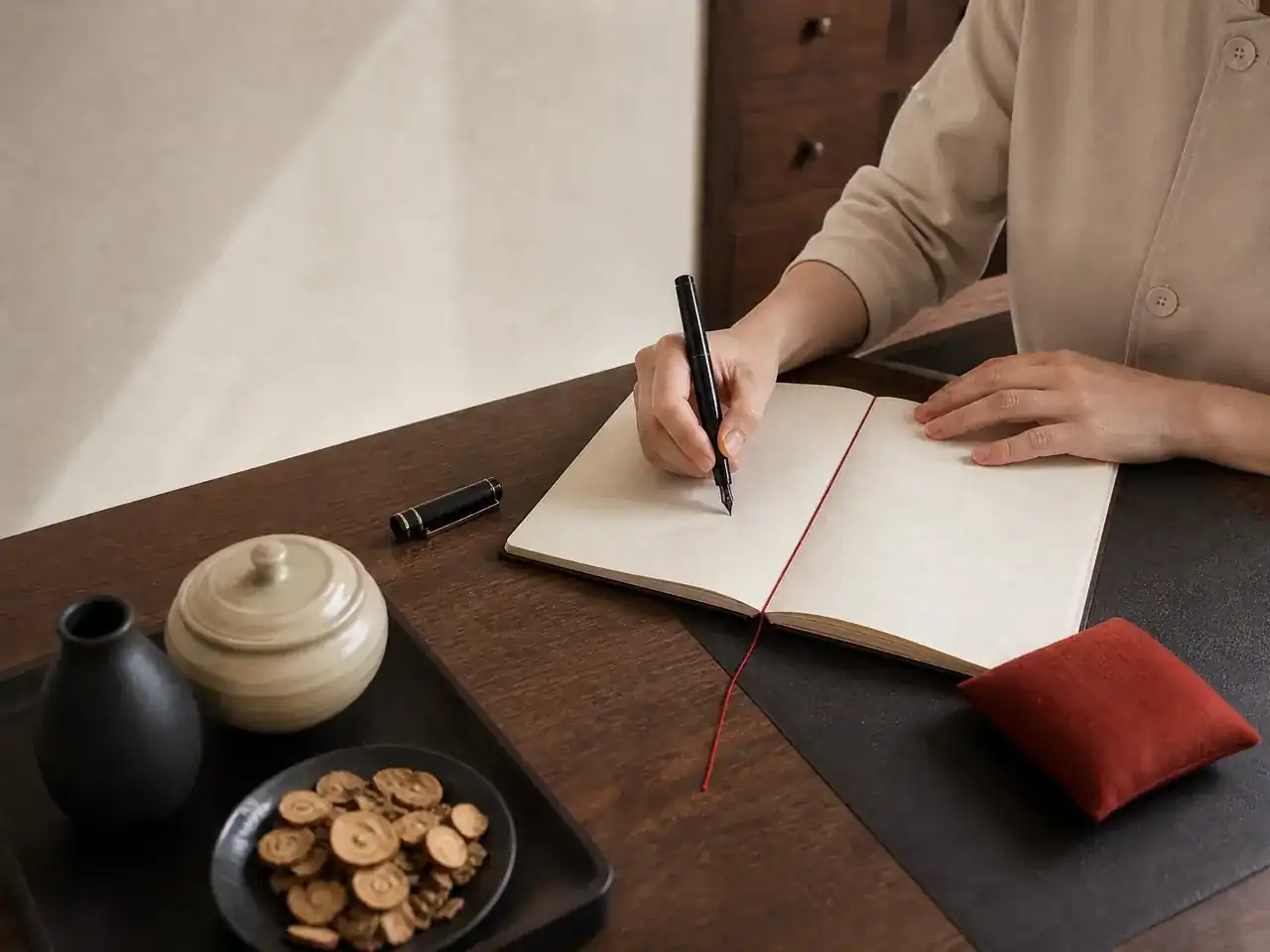
Accurate menstrual cycle tracking is core to evaluating PCOS and menstrual irregularities. It is advisable to record the start dates, duration, flow characteristics (such as heavy, scanty, or spotting), and associated symptoms like dysmenorrhea, mood changes, weight fluctuations, or dermatological signs (such as acne or hirsutism) over the past six to twelve months. These detailed logs offer objective insights into ovulatory regularity and dynamic endocrine shifts.
In addition, daily routines, sleep quality, dietary habits, and stress levels serve as vital references for TCM diagnosis. Organising these lifestyle details helps practitioners comprehensively assess your body constitution. When exploring fertility support, incorporating health records from both partners is essential for establishing an appropriate long-term wellness framework.
It is also worth noting that many women experiencing cycle irregularities endure psychological stress, which can inadvertently influence the hypothalamic-pituitary-ovarian (HPO) axis and perpetuate hormonal imbalances. Maintaining a structured symptom and lifestyle diary thus serves a dual purpose: it informs clinical consultations while providing individuals with a mindful tool for self-reflection and stress awareness.
Comprehensive logging should also account for environmental factors, work schedules, and physical activity levels. By painting a complete picture of daily life, individuals enable practitioners to discern subtle patterns connecting stress, fatigue, and menstrual irregularities, leading to more refined, holistic lifestyle recommendations.
Conventional Tests, Current Medications, and TCM Safety Guidelines
Before engaging TCM services, disclosing all current prescription drugs, supplements, or hormonal treatments (such as oral contraceptives or ovulation-inducing medications) is vital. NCCIH explicitly notes that patients should inform all healthcare providers about all therapies and supplements they use to prevent potential interactions or duplication.
If you are undergoing conventional medical treatment for PCOS or fertility planning, never discontinue prescribed medications on your own. The value of TCM supportive care lies in its integration with conventional care rather than exclusion. Through a clear records checklist, you can establish a transparent and safe communication channel with your practitioner.
Within modern pluralistic healthcare systems, patients act as vital coordinators of their own care. Proactively sharing conventional prescription details, liver and kidney function panels, and specialist recommendations ensures that registered TCM practitioners can formulate herbal or non-herbal supportive plans safely, avoiding any adverse pharmacological overlap.
Adhering to these safety standards reinforces the principle that integrative care must always prioritize patient safety and clinical rigour. Open communication between all medical and complementary practitioners guarantees that no single therapy compromises another, creating a harmonious ecosystem for long-term health management.
Key Warning Signs and Safe Triage for Urgent Medical Care
While irregular periods and PCOS are common among women of reproductive age, certain sudden or severe bodily changes require immediate conventional medical or emergency evaluation rather than self-care or TCM outpatient visits. Sudden severe pelvic pain, abnormally heavy bleeding, dizziness, rapid heart rate, or suspected ectopic pregnancy demand immediate hospital care.
Establishing proper triage awareness is the first step toward personal safety. Once acute risks are ruled out, preparing organised medical records before consulting a registered TCM practitioner ensures that guidance is received within a safe and regulated framework.
Medical safety remains paramount under all circumstances. Recognising when symptoms cross the threshold from chronic functional irregularities into acute medical emergencies ensures timely intervention and protects against avoidable complications.
Educational resources consistently emphasize that self-management and complementary therapies must never substitute for emergency medical care. Knowing the red flag symptoms provides peace of mind and reinforces the importance of timely hospital evaluation when acute crises arise.
How to Coordinate Conventional Endocrine Tests with TCM Lifestyle Records for PCOS Management
Navigating polycystic ovary syndrome (PCOS) and complex menstrual irregularities often requires bridging conventional endocrinological diagnostics with complementary health insights. When preparing for a Traditional Chinese Medicine (TCM) consultation, patients benefit greatly from organizing conventional test results—such as pelvic ultrasound scans confirming ovarian morphology, serum androgen panels, luteinizing hormone ratios, and metabolic markers like fasting glucose and lipid profiles—alongside daily lifestyle logs. Conventional medical diagnostics establish clear structural and biochemical parameters, whereas complementary health evaluations focus on broader constitutional patterns, sleep quality, dietary habits, and daily stress levels. Synthesizing these two distinct forms of health information ensures that practitioners gain a balanced, comprehensive overview of your physiological status without overlooking vital medical history or delaying necessary conventional evaluations. This dual-source approach empowers patients to understand both their biochemical metrics and their everyday functional well-being across all clinical interactions, fostering a truly holistic perspective on endocrine health, metabolic balance, and long-term vitality.
Creating a chronological health timeline helps streamline clinical communication during medical encounters. Patients are encouraged to compile past laboratory findings, previous specialist recommendations, and structured logs detailing cycle fluctuations, bleeding characteristics, and symptom severity over a continuous six-to-twelve-month period. When these objective medical records are presented clearly, registered TCM practitioners can better understand established diagnoses and tailor non-herbal or complementary supportive guidance safely. Furthermore, this organized preparation empowers individuals to take an active, informed role in their healthcare management, fostering a collaborative dialogue that respects both conventional medical findings and complementary wellness practices across all healthcare settings. Clear documentation minimizes miscommunication and ensures continuity of care in modern integrative medicine, giving patients greater confidence when discussing treatment options with multidisciplinary teams and specialist physicians.
According to the National Center for Complementary and Integrative Health (NCCIH), traditional Chinese medicine practices and products should never replace conventional medical care or delay necessary treatments for endocrine disorders. Maintaining transparent records of all ongoing therapies, conventional prescriptions, and herbal supplements is vital for patient safety and clinical efficacy. Sharing this complete information across all healthcare providers prevents potential pharmacological interactions and ensures that complementary supportive strategies operate harmoniously within your broader conventional health management plan, upholding the highest standards of clinical safety and regulatory transparency. Open dialogue between conventional physicians and TCM practitioners remains the bedrock of safe integrative healthcare for chronic conditions such as PCOS and related reproductive health concerns.
Preparing for Fertility and Menstrual Consultations: Partner Health Logs and Red Flag Safety Triage
When exploring fertility support and menstrual regularity, expanding your preparation framework to include comprehensive health logs can significantly enhance the consultation process for individuals and couples navigating reproductive planning. Organizing historical records—such as prior fertility evaluations, seminal analysis reports, ovulation tracking charts, basal body temperature curves, and general wellness histories—provides essential context for practitioners. A structured approach ensures that all relevant lifestyle factors, occupational stress levels, nutritional habits, environmental influences, and prior therapeutic interventions are documented accurately, allowing healthcare professionals to offer well-rounded educational guidance and lifestyle recommendations tailored to your unique wellness goals. Comprehensive preparation also helps identify recurring patterns or lifestyle stressors that may influence reproductive health over time, establishing a solid foundation for long-term health planning and proactive wellness management across couples navigating family planning and fertility enhancement.
Equally important is understanding safety triage and recognizing critical warning signs that require immediate conventional emergency care rather than elective outpatient consultations. While chronic menstrual irregularities and PCOS management involve long-term lifestyle considerations, certain acute symptoms demand prompt hospital evaluation without delay. These include sudden severe pelvic or abdominal pain, abnormally heavy uterine bleeding that soaks through sanitary protection rapidly, fainting or severe dizziness, and signs of acute pelvic infection or suspected ectopic pregnancy. Patients must be continually reminded that complementary care is strictly unsuited for acute medical emergencies and must never postpone urgent conventional medical attention under any circumstances. Recognizing these critical boundaries is essential for safeguarding personal health and well-being in all clinical scenarios, ensuring that immediate medical crises receive appropriate emergency intervention from qualified hospital specialists.
Establishing clear safety boundaries and knowing when to seek conventional emergency intervention protects overall health and prevents delays in critical diagnoses. General health education emphasizes that structured preparation and open communication with registered professionals are cornerstones of responsible integrative care. By maintaining rigorous medical records, respecting conventional treatment boundaries, and recognizing red flag symptoms, individuals can pursue their wellness and reproductive planning goals within a safe, regulated, and scientifically grounded environment, ensuring optimal clinical outcomes and personal safety. Rigorous self-awareness and transparent communication ultimately empower patients to navigate complex health decisions with confidence, clarity, and enduring security across every stage of their healthcare journey.
Continue reading
Explore the corresponding service or information page at your own pace.
Related articles


Frequently asked questions
What information should I bring to an initial TCM consultation for PCOS or irregular periods?
It is recommended to bring past menstrual cycle logs, conventional gynecological test reports (such as ultrasounds and hormone panels), a list of current medications and supplements, and detailed symptom and lifestyle records to help practitioners understand your health background.
Should individuals with PCOS stop taking conventional medications when receiving TCM care?
Absolutely not, and you should never stop prescribed medications without medical advice. According to NCCIH and modern clinical safety guidelines, TCM supportive care should complement rather than replace conventional medical treatment. Any adjustments to prescription drugs must be decided by your primary physician, and you must openly disclose all therapies to all healthcare providers.
What preparations are recommended for couples exploring fertility support through TCM?
When exploring fertility support, both partners are encouraged to maintain healthy lifestyle logs and general wellness records. If any prior fertility or reproductive evaluations have been performed—such as semen analyses or hysterosalpingograms—these reports should also be organized and brought along to provide practitioners with a comprehensive clinical background.
Are menstrual irregularities considered an emergency, and when should I visit the emergency room?
General menstrual irregularities fall under chronic wellness management. However, if you experience sudden severe abdominal or pelvic pain, abnormally heavy bleeding (such as soaking through multiple oversized sanitary pads per hour accompanied by dizziness or fainting), or signs suggestive of an acute pelvic infection or ectopic pregnancy, you must seek emergency medical attention immediately.
Can “polycystic ovary syndrome guide” be used as a personal diagnosis?
No. This article provides general information and preparation ideas only. Individual circumstances need appropriate assessment around history, tests, functional impact and safety.
What can I prepare before asking about “polycystic ovary syndrome guide”?
You can note symptom timing, approaches already tried, current medicines, test information and your main questions. Seek appropriate conventional medical assessment first for severe or worsening signs.
Related topics
Sources
Want to understand the next step around your situation?
You are welcome to share your question, preferred time and existing information. We will explain the service scope and arrangements clearly.