HEALTH GUIDE / SAFETY INFORMATION
Menopause, sleep and hot flushes: bringing useful symptom patterns to a consultation
Menopause is frequently accompanied by sleep disruption and hot flushes. By recording symptom frequency, severity, and daily impact, individuals can provide clear information to healthcare professionals, supporting safe and structured consultations.
Quick answer: Menopause-related sleep difficulties and hot flushes are common physiological transitions. Keeping a 1-to-2-week symptom diary detailing timing, duration, and associated triggers helps build a solid foundation for professional discussions, ensuring effective communication between traditional and conventional care.
CLEAR PRICES
Interested in a treatment? You are always welcome to ask.
We clearly list our current single, trial and package prices so you can explore at your own pace. You are always welcome to message us on WhatsApp about any service, timing or arrangement.
| Category and service | Content / terms | Public price (HK$) | Booking note | Enquire |
|---|---|---|---|---|
| Hair & scalp | Scalp health and hair-loss support | AI scalp analysis, deep follicle cleansing and oil-control support | Trial offerPackageTrial 380; 6 sessions 3,480; 12 sessions 5,760; 20 sessions 8,600; 30 sessions 11,400 | Average per session for 6/12/20/30: 580/480/430/380 | Ask on WhatsApp |
| Hair & scalp | Hair acupuncture with herbal medicine | Scalp acupuncture with 3 days of decoction-free herbal medicine | Single visitPackageSingle 580; 6 sessions 3,180; 12 sessions 5,760; 20 sessions 8,600; 30 sessions 11,400 | Average per session for 6/12/20/30: 530/480/430/380 | Ask on WhatsApp |
| Hair & scalp | Integrated hair support programme | Acupuncture, herbal medicine and follicle activation; packages include shampoo and serum | Single visitPackageSingle 1,260; 8 sessions 8,640; 16 sessions 15,680; 20 sessions 18,600; 30 sessions 26,400 | Average per session for 8/16/20/30: 1,080/980/930/880 | Ask on WhatsApp |
| Weight management | Full-body acupoint embedding | Full-body acupoint embedding; packages include proportionate days of herbal support | Single visitPackageSingle 980; 10 sessions 7,800; 20 sessions 14,600; 30 sessions 20,400 | Average per session for 10/20/30: 780/730/680 | Ask on WhatsApp |
| Facial acupuncture | Brightening V-face (Essential) | Facial acupuncture, meridian support and swelling management | Trial offerPackageTrial 480; 10 sessions 5,200; 20 sessions 9,600; 30 sessions 13,500 | Average per session for 10/20/30: 520/480/450 | Ask on WhatsApp |
| Facial acupuncture | Firming and refining (Advanced) | Enhanced facial acupuncture for firmness and fine-line concerns with a moisturising mask serum | Trial offerPackageTrial 780; 10 sessions 9,000; 20 sessions 16,600; 30 sessions 23,400 | Average per session for 10/20/30: 900/830/780 | Ask on WhatsApp |
| Pain care | Extracorporeal shockwave therapy | Deep inflammation support and fascial relaxation | Prince Edward: 250 per area; Kwun Tong: 250 for 1 area, 450 for 2, 600 for 3 | Clinic-specific pricing; confirm location before booking | Ask on WhatsApp |
| Pain care | Manual therapy | TCM bone-injury assessment, manual alignment and tui na techniques | Single visitSingle 580 | Suitability is confirmed after assessment | Ask on WhatsApp |
| Pain care | Acupuncture with manual therapy | Acupuncture with manual structural support | Single visitSingle 680 | Suitability is confirmed after assessment | Ask on WhatsApp |
| TCM regulation | Acupuncture with herbal medicine | TCM consultation, whole-body acupuncture and 3 days of decoction-free herbal medicine granules | Single visitSingle 580 | Confirm clinician availability and service arrangement when booking | Ask on WhatsApp |

Understanding Physiological Transitions and Common Menopause Symptoms
Menopause is a natural physiological transition in a woman’s life, typically occurring between the ages of 45 and 55, marking the gradual decline of ovarian function and significant shifts in hormone levels such as estrogen. During this period, many women experience a series of physical and emotional adjustment processes, among which reduced sleep quality and sudden hot flushes are the most widespread and challenging. These phenomena not only affect daytime alertness but also place potential pressure on daily work, social interactions, and overall quality of life.
From the perspectives of modern medicine and traditional Chinese medicine (TCM), menopause-related symptoms often exhibit diversity and fluctuation. Understanding the physiological background of these changes helps establish realistic health expectations. Rather than viewing them as a single acute disease, it is more appropriate to see them as a transitional life phase requiring gentle care and thorough record-keeping. Harmonia TCM reminds readers that gaining an objective understanding of one's condition is the first step before seeking professional assistance.
When preparing for professional health consultations, maintaining keen observation of bodily changes is crucial. Many individuals struggle to accurately describe the timing, frequency, and intensity of discomfort during clinic visits due to memory lapses, which can prolong the process of finding appropriate advice. Therefore, mastering scientific recording methods not only helps clarify personal observations but also enables practitioners to grasp core clues efficiently within a short timeframe.
Within the traditional Chinese medicine theoretical framework, menopausal syndrome generally falls under perimenopausal syndromes, often closely related to constitutional factors such as kidney yin-yang imbalance, heart-kidney disharmony, or liver qi stagnation. Therefore, cultivating the habit of observing bodily and emotional changes in daily life supports conventional medical evaluation and provides rich, authentic reference points for TCM pattern differentiation.
| Tracking Item | Observation Focus | Benefit to Consultation |
|---|---|---|
| Sleep Patterns | Bedtime, night awakenings, early rising, and subjective sleep quality | Helps practitioners assess insomnia severity and impact on physical energy |
| Hot Flushes & Sweats | Episode frequency, duration, intensity, and potential triggers | Grabs vasomotor symptom patterns for targeted care planning |
| Medications & Supplements | List of current Western drugs, Chinese medicines, vitamins, and supplements | Ensures all healthcare providers have complete medication info to prevent interactions |
| Accompanying Conditions | Emotional fluctuations, appetite, digestion, bowel/urinary habits, and fatigue levels | Provides comprehensive constitutional clues to support TCM pattern differentiation |
| Lifestyle Stressors | Work pressure, family care burdens, and daily relaxation frequency | Assists practitioners in assessing the potential impact of physical and mental stress on endocrine and sleep functions |
Manifestations of Sleep Disturbances and Impact on Daily Life
Sleep disturbances are extremely common among menopausal women, manifesting in various forms including difficulty falling asleep, frequent nighttime awakenings, early morning awakening without the ability to return to sleep, and daytime fatigue caused by insufficient deep sleep. These sleep issues sometimes intertwine with nighttime hot flushes or night sweats, creating a vicious cycle that prevents the body from achieving adequate rest and recovery, thereby affecting emotional stability.
When exploring menopausal sleep problems in depth, understanding their correlation with lifestyle habits, stress levels, and endocrine changes is essential. For instance, late dinners, excessive caffeine intake, pre-bed electronic device use, and lack of regular physical activity can all exacerbate sleep onset difficulties and nighttime awakening frequency. Many individuals often overlook recording and adjusting these daily details prior to seeking professional care, resulting in insufficient background information during medical consultations.
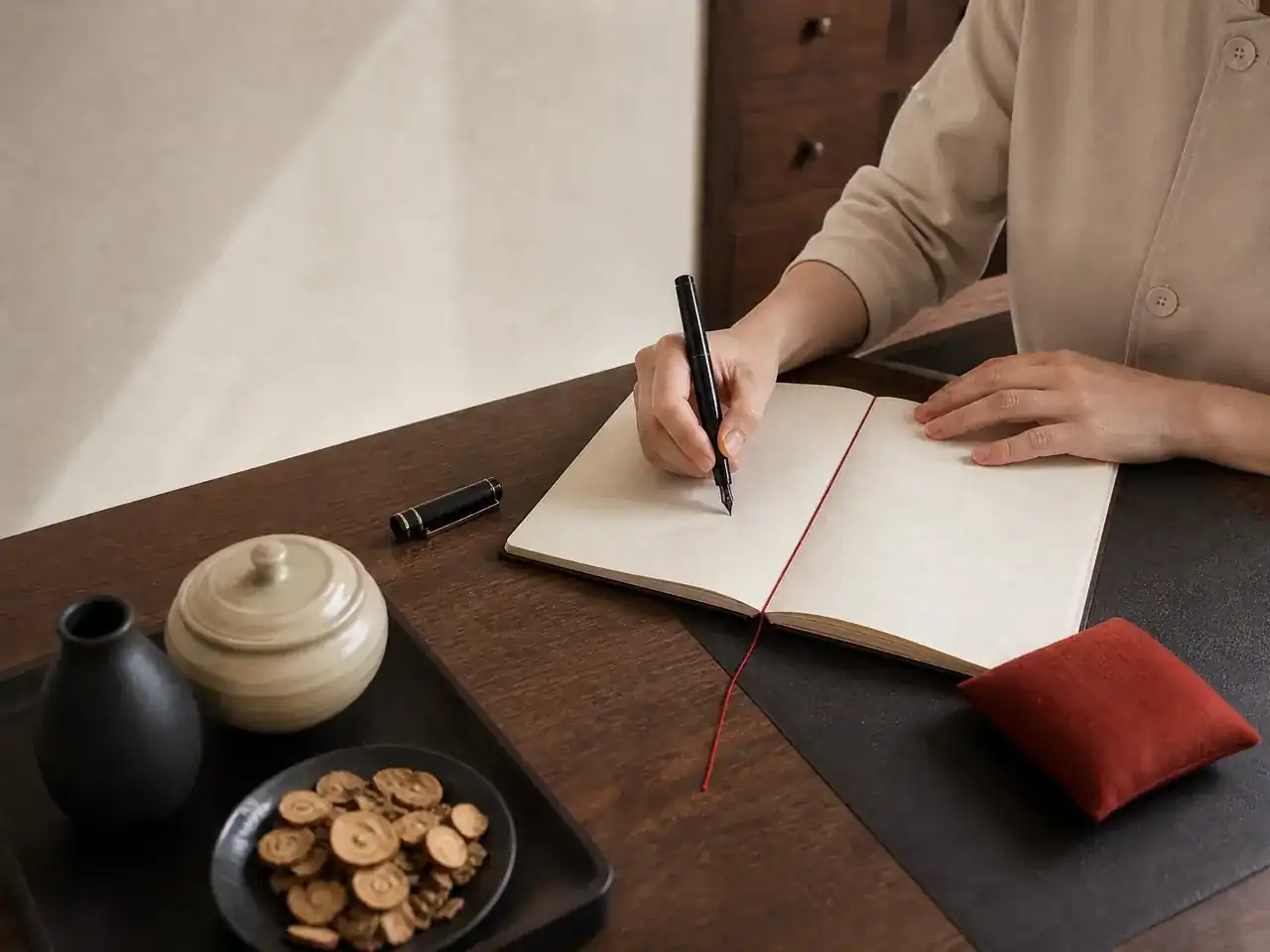
To improve nighttime sleep quality, many people look into specialized insomnia care programs. However, before undergoing any specific prescriptions or non-pharmacological interventions, establishing a comprehensive sleep diary is an indispensable preparation step. Recording nightly bedtime, awakening frequency, subjective sleep quality, and daytime alertness provides precise data support for subsequent health consultations, helping practitioners comprehensively evaluate the causes of sleep disturbances.
Furthermore, long-term sleep deprivation can exert potential impacts on immune function and cardiovascular health. Therefore, acknowledging menopausal sleep disturbances and seeking appropriate coping strategies through systematic recording and cross-professional medical communication is an essential component of maintaining overall health for middle-aged and older women.
Symptom Characteristics and Tracking Points for Hot Flushes and Night Sweats
Hot flushes are one of the most iconic vasomotor symptoms of menopause, frequently characterized by sudden feelings of warmth, flushing in the face, neck, and chest, followed by potential sweating or chills. These sudden sensations of discomfort can occur several times a day, lasting from seconds to a few minutes. When occurring at night, they are often referred to as night sweats, directly interrupting normal sleep cycles and leaving individuals feeling chilled or damp upon waking.
Recording the patterns of hot flushes requires a systematic approach. It is recommended to record the exact time, duration, perceived intensity (such as mild warmth or intense heat), and any environmental factors or potential triggers (such as spicy foods, alcohol, warm environments, stress, or emotional fluctuations) associated with each episode. These details help healthcare providers identify symptom frequency and regularity, evaluating their actual impact on quality of life.
Through systematic tracking, individuals can communicate their condition more clearly to practitioners. This not only assists in assessing the actual impact of vasomotor symptoms on quality of life but also provides an important basis for formulating personalized menopause care plans. Whether choosing lifestyle modifications, conventional medical support, or TCM care, these detailed personal data serve as an indispensable bridge, aligning treatment directions more closely with individual needs.
During the recording process, maintaining patience and objectivity is particularly important. Because vasomotor symptoms exhibit a high degree of individual variation, some women may experience only mild warmth, while others may endure intense sweating and palpitations. Through cumulative diary entries, individuals gain a deeper sense of control over their physiological cycles, reducing anxiety caused by sudden discomfort.
How to Prepare for TCM and Health Consultations: Building Comprehensive Personal Records
Before visiting a medical facility or TCM clinic for consultation, preparing a structured health record checklist can significantly enhance communication efficiency. This checklist should include basic medical history, currently used Western medications or supplements, allergy history, and a sleep and hot flush diary covering the past one to two weeks. This saves consultation time and ensures practitioners have the most complete health background.
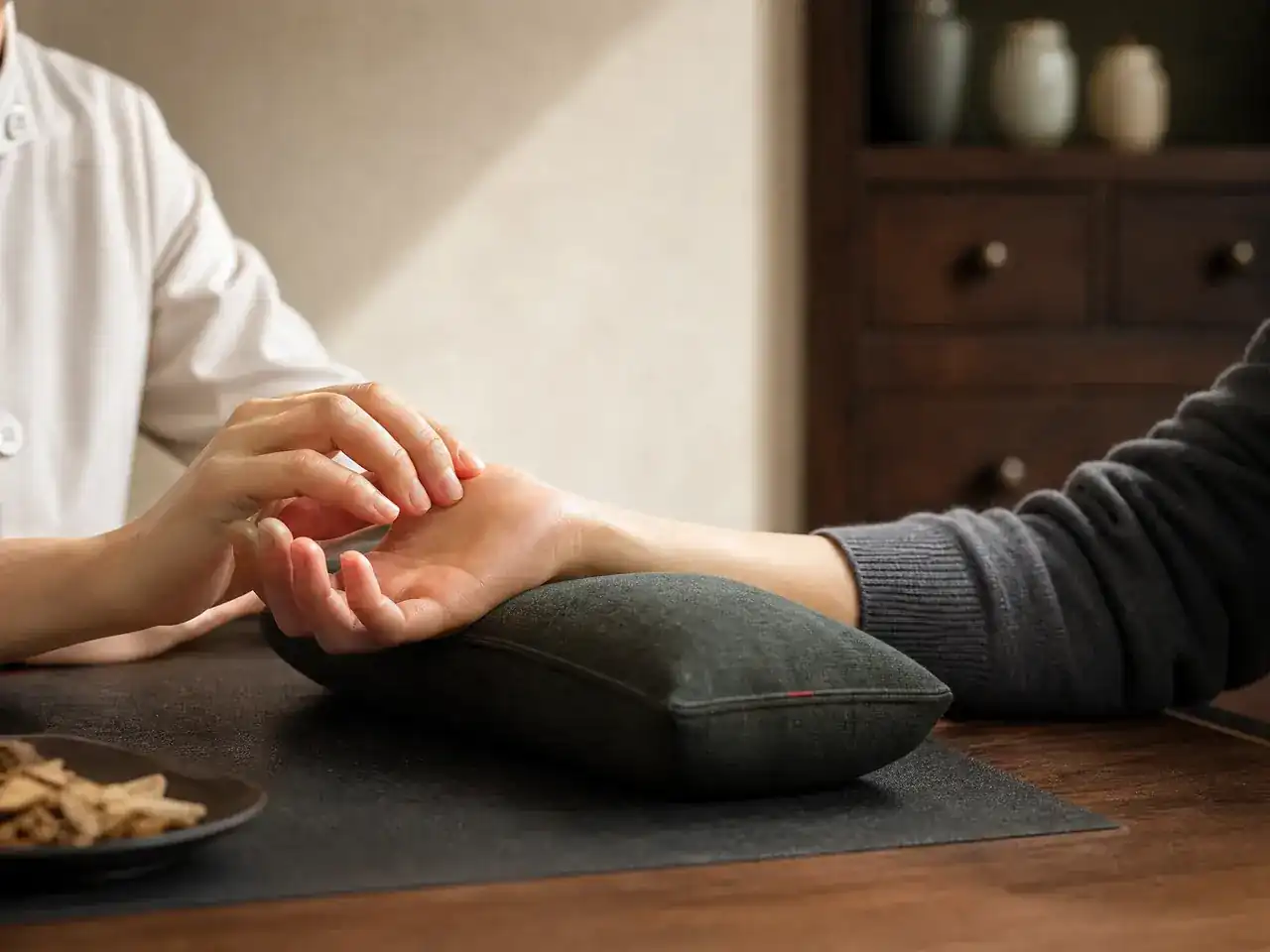
Within the TCM framework, practitioners typically assess constitutional states through the four diagnostic methods: observation, listening, inquiry, and palpation. Menopausal syndrome in TCM generally falls under perimenopausal syndromes, often involving kidney yin-yang imbalance, heart-kidney disharmony, or liver qi stagnation. Therefore, beyond hot flushes and insomnia, proactively recording emotional fluctuations, appetite, bowel and urinary habits, and aversion to cold or heat helps practitioners perform more precise comprehensive assessments.
Furthermore, when communicating with professionals, it is vital to transparently disclose all therapies and medications currently in use (including Chinese herbs, Western medicines, vitamins, and herbal supplements). As emphasized by relevant safety guidelines, herbal products and therapies should not replace or delay necessary conventional medical care, and fully disclosing ongoing therapies to all healthcare providers is a core principle for safeguarding treatment safety.
When preparing for consultations, individuals can also list questions they care about most, such as advice on lifestyle and dietary adjustments or expected goals and precautions for different therapies. This proactive participatory attitude helps build a collaborative therapeutic relationship, making overall health consultations smoother and more fruitful.
Multi-Dimensional Health Management and Safety Boundaries
Menopause is not only a physiological challenge of a particular life stage but also an opportunity to re-examine overall lifestyle habits. Through balanced nutrition, regular exercise, stress management, and avoiding smoking and alcohol, many menopausal symptoms can be effectively alleviated. However, if symptoms severely impact daily functioning, professional medical support should be actively sought, avoiding blind reliance on unverified folk remedies.
When exploring various health support options, maintaining a rational attitude is important. With numerous health products and promotions surrounding menopause in the market, readers should seek appropriate guidance through legitimate channels. Harmonia TCM suggests that when facing bodily challenges brought by hormonal changes, combining conventional medical examinations with holistic TCM care often balances safety and relief.
Finally, it must be emphasized that no health information or self-tracking can replace professional medical diagnosis. If abnormal or acute warning signs of health occur, individuals should immediately seek comprehensive examinations at authorized medical institutions to rule out other underlying organic conditions and ensure health and safety. Cross-professional collaboration and transparent communication are key for every woman to receive optimal care during the menopausal transition.
Continue reading
Explore the corresponding service or information page at your own pace.
Related articles

Frequently asked questions
Why is menopause frequently accompanied by insomnia and hot flushes?
During menopause, fluctuations in hormone levels (such as estrogen) affect brain regions regulating body temperature and sleep, triggering vasomotor symptoms (like hot flushes) and nighttime sleep disturbances. These physiological changes are part of a natural transition, though severity varies among individuals.
Why is it recommended to keep a 1-to-2-week symptom diary before a consultation?
Memory is often subjective and fragmented. By continuously recording sleep quality, hot flush episode counts, and trigger conditions for one to two weeks, individuals can provide objective, specific data, helping practitioners understand symptom patterns more accurately and improving consultation efficiency.
Can patients undergoing conventional treatment seek TCM care?
Yes, but they must clearly disclose all currently used medications, therapies, and supplements to all relevant healthcare providers (including Western medical doctors and TCM practitioners). TCM therapies should not delay or replace necessary conventional medical care, and multi-party communication is a vital prerequisite for treatment safety.
Besides tracking symptoms, how can one self-manage menopause discomfort in daily life?
Daily management can be assisted by maintaining regular routines, moderate aerobic exercise, balanced nutrition (reducing spicy foods and caffeine), and learning relaxation techniques (such as deep breathing or meditation) to help relieve stress and improve sleep quality. If symptoms persist, professional medical assistance should be sought.
What should be done if hot flushes or insomnia symptoms continue to worsen?
If symptoms severely impact daily life, work, or emotional health, individuals should seek comprehensive evaluation at authorized medical institutions promptly. Avoid self-medicating with potent sedatives or unregistered herbal supplements, and establish safe, comprehensive coping strategies under professional guidance.
Can “Menopause sleep guide” be used as a personal diagnosis?
No. This article provides general information and preparation ideas only. Individual circumstances need appropriate assessment around history, tests, functional impact and safety.
Related topics
Sources
Want to understand the next step around your situation?
You are welcome to share your question, preferred time and existing information. We will explain the service scope and arrangements clearly.