Gynaecological TCM Care
Period Pain (Dysmenorrhea) TCM pain relief & regulation
Period pain (dysmenorrhea) is a common challenge that many women face every month, affecting not only daily life but also potentially reflecting an underlying imbalance in the body's constitution. Located in Kwun Tong, Harmonia TCM is dedicated to providing TCM pain relief and regulation solutions. We evaluate your overall physical condition to identify the root causes of your discomfort and offer appropriate care recommendations. This information outlines common considerations and assessment directions. If you would like to discuss what may suit you or how an appointment can be arranged, please contact us.
Quick answer: Period pain refers to lower abdominal discomfort during menstruation, often accompanied by lower back ache and fatigue. In Traditional Chinese Medicine, this is frequently associated with poor circulation of Qi and blood or a cold constitution. Through TCM pain relief and regulation, a registered practitioner assesses your unique body constitution and may use herbal medicine or acupuncture to help soothe discomfort and gradually restore your body's natural balance.
View pricesContact Us for Details
CLEAR PRICES
Interested in a treatment? You are always welcome to ask.
We clearly list our current single, trial and package prices so you can explore at your own pace. You are always welcome to message us on WhatsApp about any service, timing or arrangement.
| Category and service | Content / terms | Public price (HK$) | Booking note | Enquire |
|---|---|---|---|---|
| Hair & scalp | Scalp health and hair-loss support | AI scalp analysis, deep follicle cleansing and oil-control support | Trial offerPackageTrial 380; 6 sessions 3,480; 12 sessions 5,760; 20 sessions 8,600; 30 sessions 11,400 | Average per session for 6/12/20/30: 580/480/430/380 | Ask on WhatsApp |
| Hair & scalp | Hair acupuncture with herbal medicine | Scalp acupuncture with 3 days of decoction-free herbal medicine | Single visitPackageSingle 580; 6 sessions 3,180; 12 sessions 5,760; 20 sessions 8,600; 30 sessions 11,400 | Average per session for 6/12/20/30: 530/480/430/380 | Ask on WhatsApp |
| Hair & scalp | Integrated hair support programme | Acupuncture, herbal medicine and follicle activation; packages include shampoo and serum | Single visitPackageSingle 1,260; 8 sessions 8,640; 16 sessions 15,680; 20 sessions 18,600; 30 sessions 26,400 | Average per session for 8/16/20/30: 1,080/980/930/880 | Ask on WhatsApp |
| Weight management | Full-body acupoint embedding | Full-body acupoint embedding; packages include proportionate days of herbal support | Single visitPackageSingle 980; 10 sessions 7,800; 20 sessions 14,600; 30 sessions 20,400 | Average per session for 10/20/30: 780/730/680 | Ask on WhatsApp |
| Facial acupuncture | Brightening V-face (Essential) | Facial acupuncture, meridian support and swelling management | Trial offerPackageTrial 480; 10 sessions 5,200; 20 sessions 9,600; 30 sessions 13,500 | Average per session for 10/20/30: 520/480/450 | Ask on WhatsApp |
| Facial acupuncture | Firming and refining (Advanced) | Enhanced facial acupuncture for firmness and fine-line concerns with a moisturising mask serum | Trial offerPackageTrial 780; 10 sessions 9,000; 20 sessions 16,600; 30 sessions 23,400 | Average per session for 10/20/30: 900/830/780 | Ask on WhatsApp |
| Pain care | Extracorporeal shockwave therapy | Deep inflammation support and fascial relaxation | Prince Edward: 250 per area; Kwun Tong: 250 for 1 area, 450 for 2, 600 for 3 | Clinic-specific pricing; confirm location before booking | Ask on WhatsApp |
| Pain care | Manual therapy | TCM bone-injury assessment, manual alignment and tui na techniques | Single visitSingle 580 | Suitability is confirmed after assessment | Ask on WhatsApp |
| Pain care | Acupuncture with manual therapy | Acupuncture with manual structural support | Single visitSingle 680 | Suitability is confirmed after assessment | Ask on WhatsApp |
| TCM regulation | Acupuncture with herbal medicine | TCM consultation, whole-body acupuncture and 3 days of decoction-free herbal medicine granules | Single visitSingle 580 | Confirm clinician availability and service arrangement when booking | Ask on WhatsApp |
Understanding Period Pain from a TCM Perspective
Period pain, medically known as dysmenorrhea, is a prevalent symptom experienced by many women during their menstrual cycle. The intensity of this discomfort varies significantly among individuals. While some may only experience mild lower abdominal aching, others might suffer from severe cramps that disrupt their daily work, studies, and overall quality of life. In the comprehensive theoretical framework of Traditional Chinese Medicine (TCM), period pain is closely related to the state of Qi and blood circulation, as well as the harmony of the internal organs.
According to fundamental TCM principles, the concept of "pain results from blockage, and pain results from malnourishment" is central to understanding dysmenorrhea. When the flow of Qi and blood in the body is obstructed, it leads to a type of pain associated with excess or stagnation. Conversely, if the body's Qi and blood are deficient and fail to adequately nourish the reproductive system, it results in pain associated with weakness. Therefore, the focus of TCM pain relief is not merely on temporarily masking the discomfort, but on identifying the root causes of these imbalances through detailed assessment.
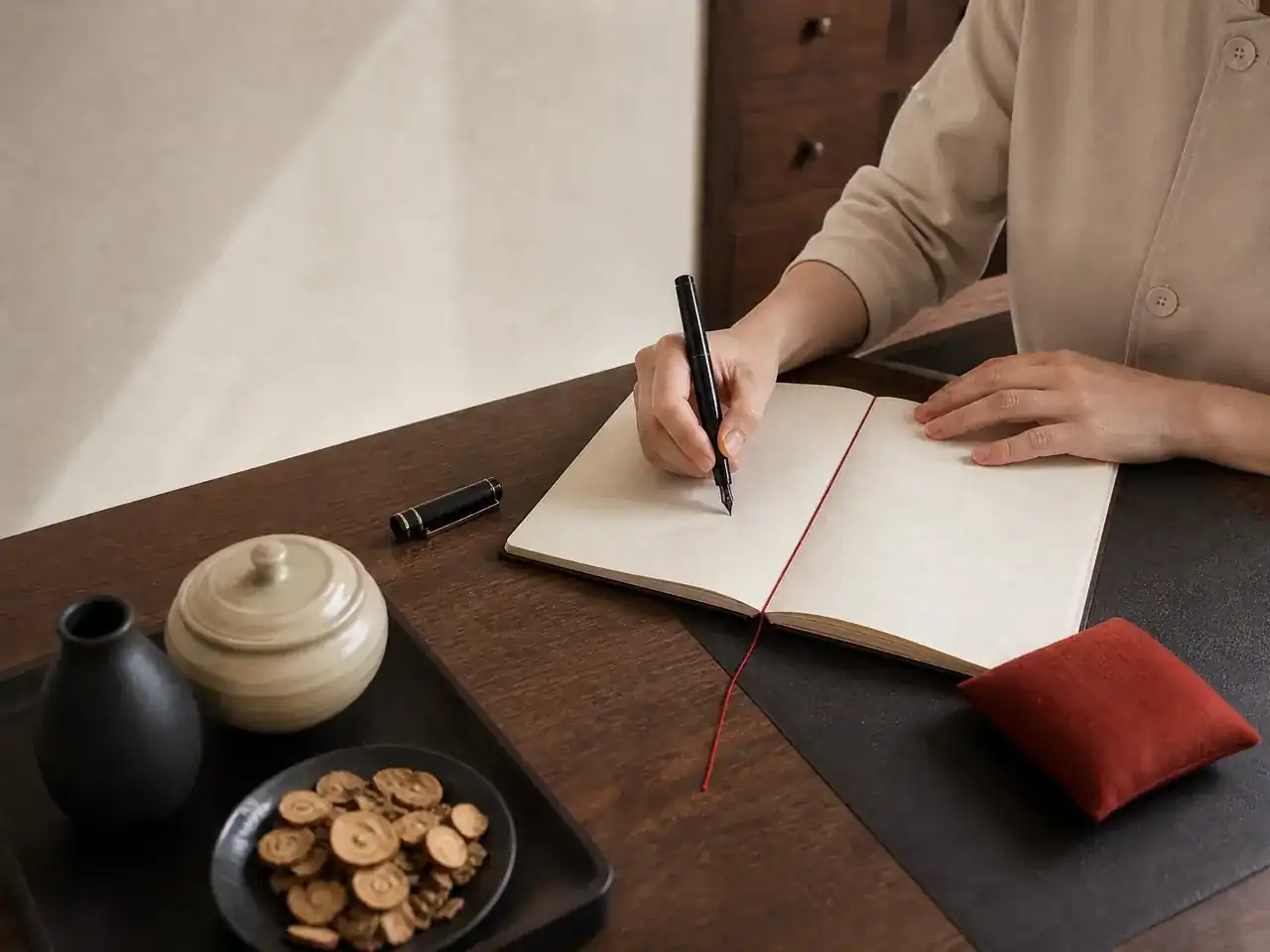
Many women tend to rely on quick fixes for temporary relief when facing menstrual cramps. However, TCM regulation emphasizes addressing the root cause by gradually adjusting the body's overall constitution. This long-term approach aims to improve general health and reduce the frequency and severity of period pain. At Harmonia TCM, our registered practitioners will carefully evaluate your menstrual history, lifestyle habits, and dietary preferences to develop a personalized care plan tailored to your specific needs.
Common TCM Constitutions Related to Dysmenorrhea
When evaluating period pain, TCM practitioners categorize a patient's symptoms into different patterns or constitutions, a process known as pattern differentiation. Common constitutions associated with dysmenorrhea include Qi stagnation and blood stasis, cold coagulation with blood stasis, damp-heat accumulation, and Qi and blood deficiency. Each constitution presents with its own unique set of characteristics. For instance, women with Qi stagnation and blood stasis often experience bloating and pain before or during their period, while those with cold coagulation may feel a cold, sharp pain that is noticeably relieved by applying heat.
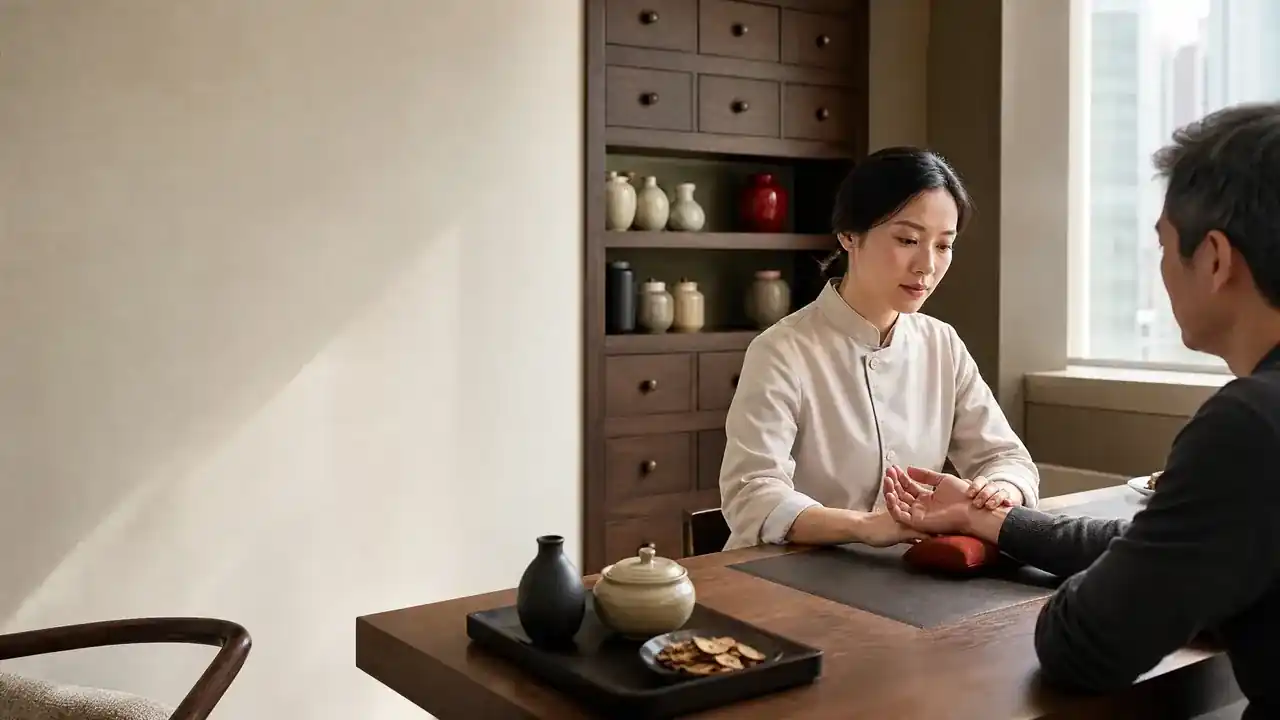
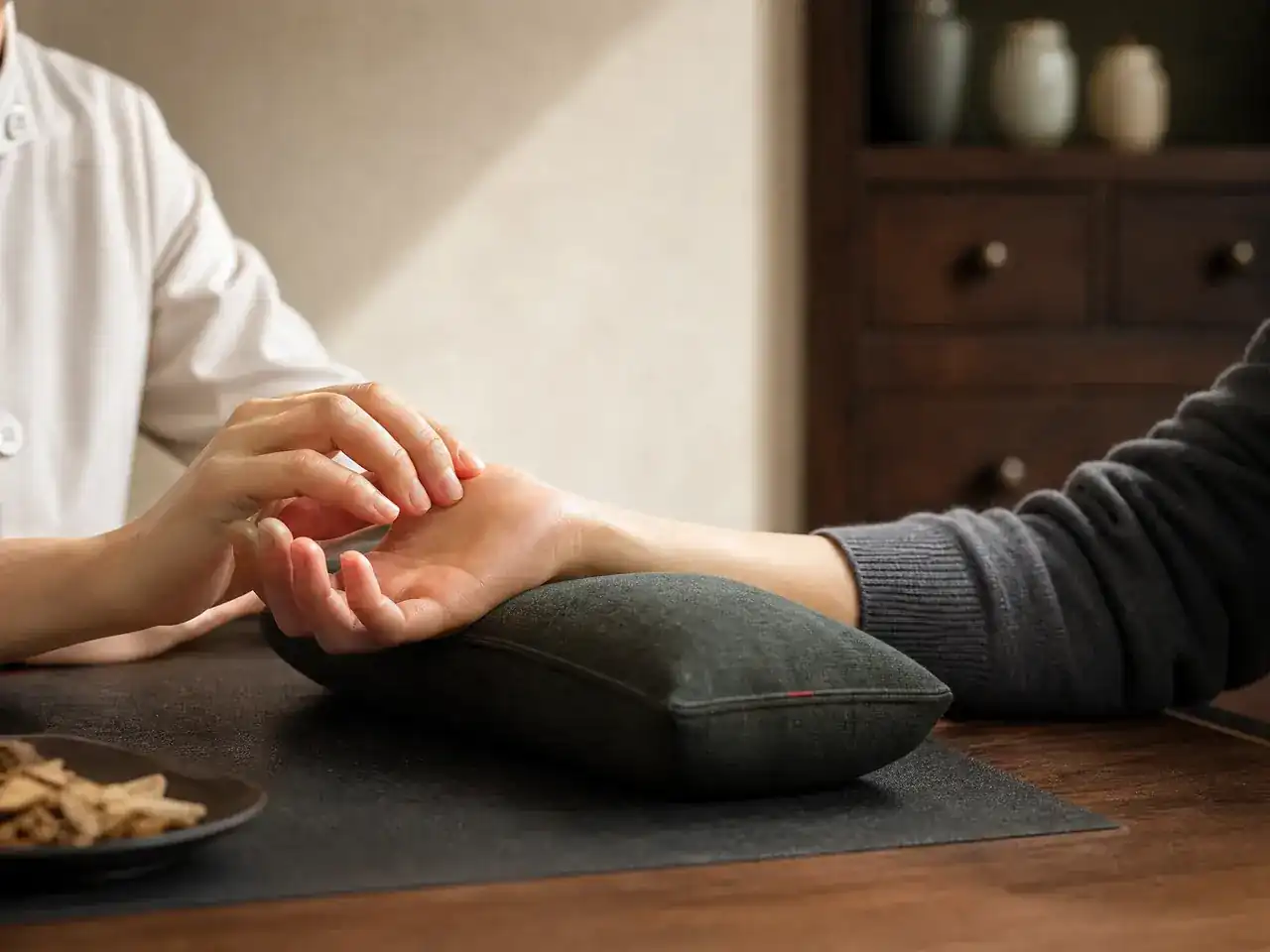
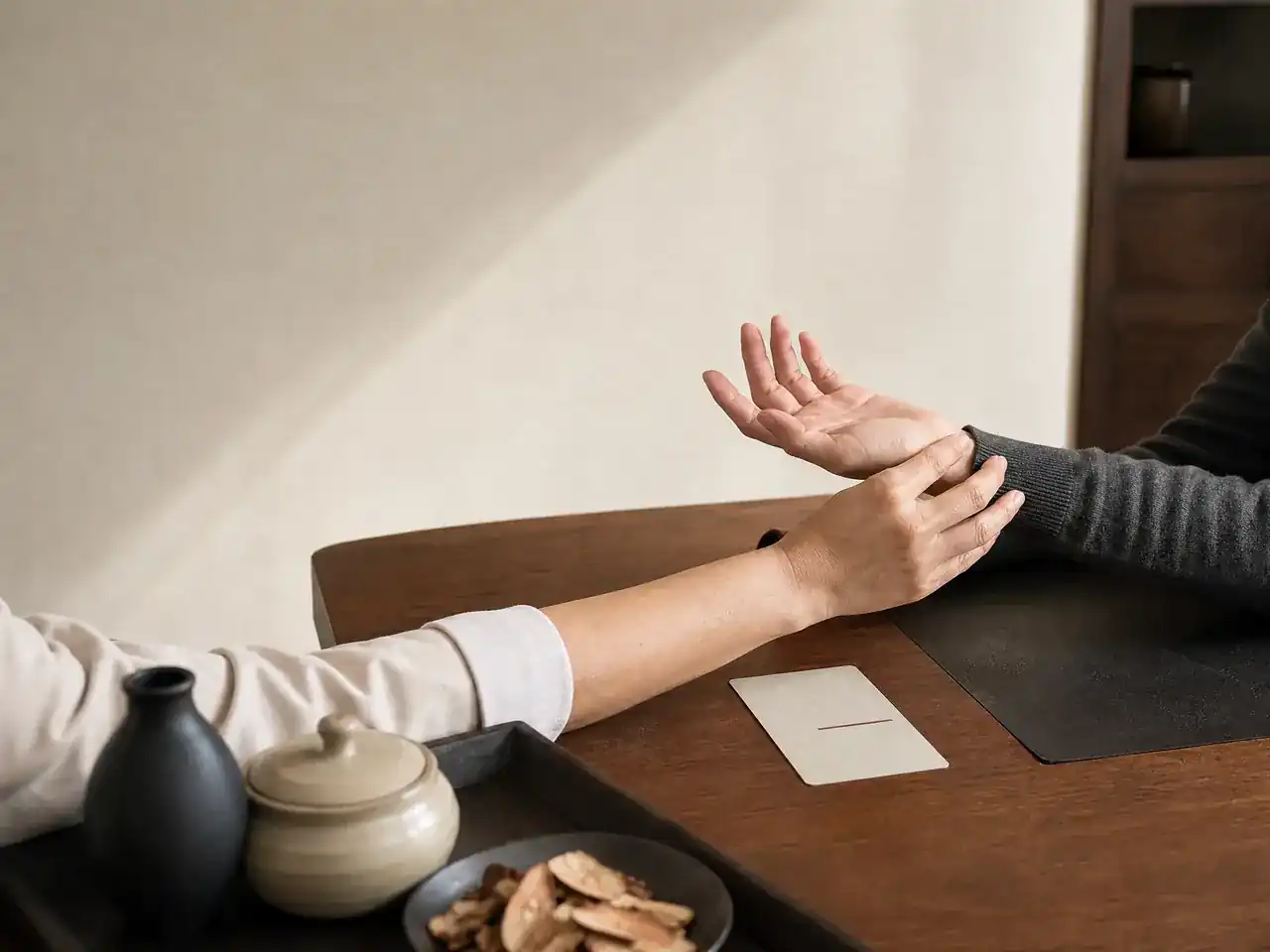
Accurately identifying your specific constitution is the crucial first step in formulating an effective regulation plan. Our practitioners utilize the four traditional diagnostic methods: observation, listening and smelling, inquiry, and pulse palpation. This comprehensive evaluation allows them to gain a deep understanding of your body's internal environment. Such a thorough assessment not only helps in soothing the immediate pain but also lays a solid foundation for your long-term health and well-being.
Understanding the unique traits of your constitution also provides valuable guidance for appropriate self-care in your daily life. For example, women with a cold-leaning constitution should generally avoid consuming raw and cold foods to prevent further chilling the body, whereas those prone to Qi stagnation need to pay special attention to emotional regulation and stress management to maintain a smooth flow of Qi.
Common Methods for TCM Pain Relief and Regulation
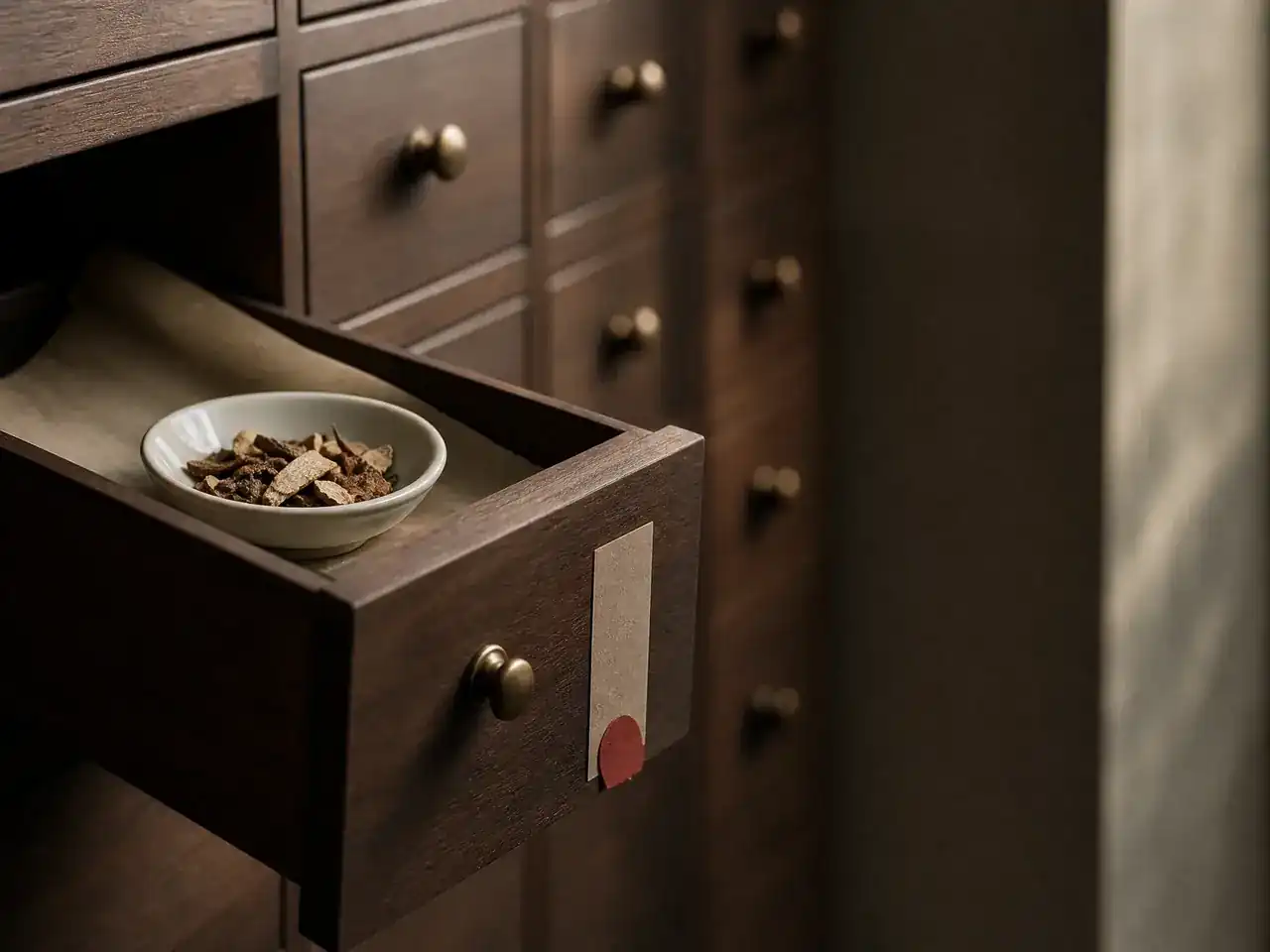
In the comprehensive care of period pain, herbal medicine regulation plays a vital and common role. Based on your specific constitution pattern, the practitioner will prescribe a tailored blend of Chinese herbal medicines. These prescriptions are designed to regulate Qi, invigorate blood circulation, warm the meridians to dispel cold, or nourish Qi and blood. The ultimate goal of these herbal formulas is to restore the balance of Yin and Yang within the body and improve microcirculation in the pelvic region, thereby helping to soothe the pain.
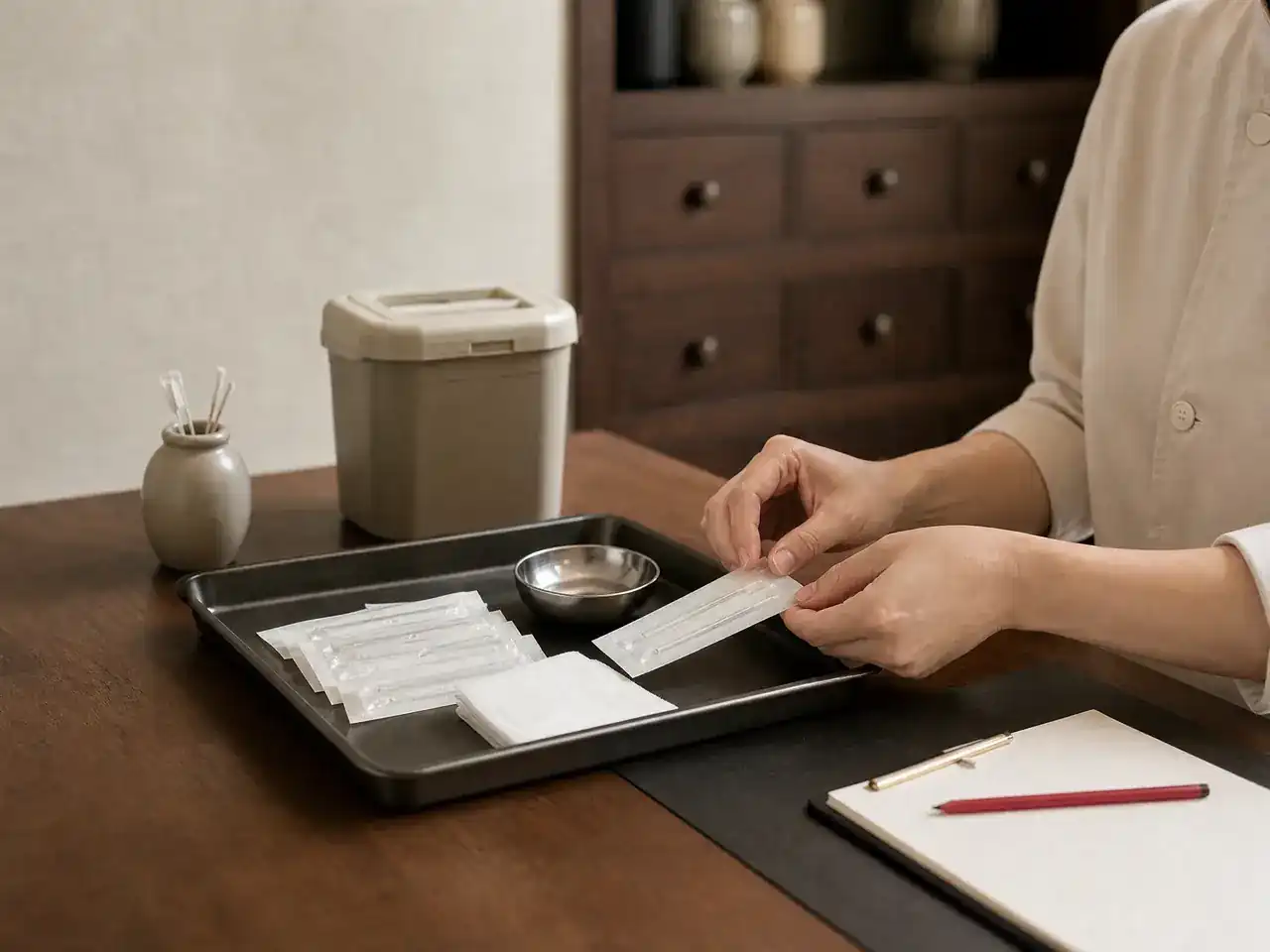
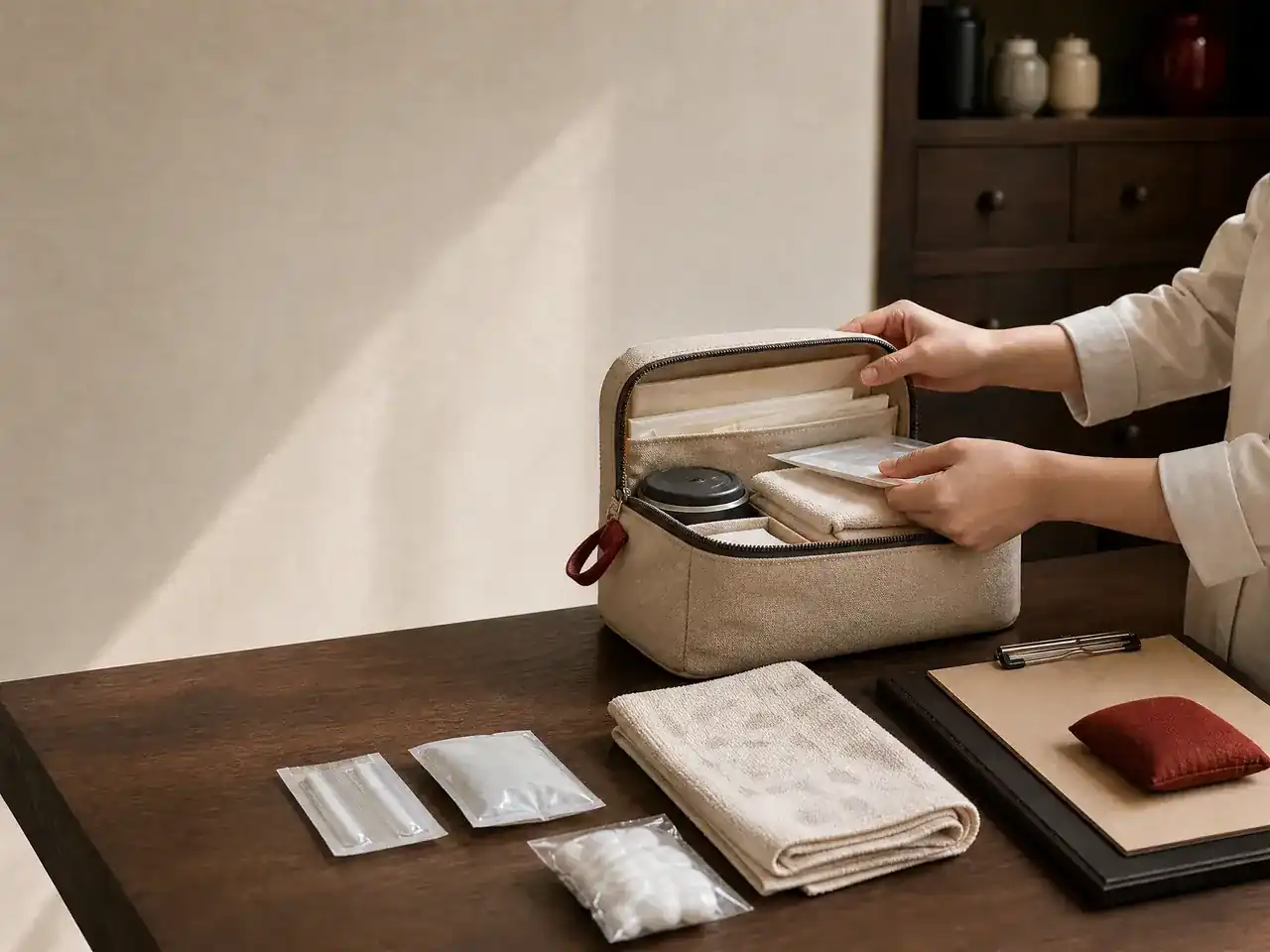
In addition to internal herbal medicine, acupuncture is another frequently utilized method for TCM pain relief. By inserting fine, sterile needles into specific acupoints on the body, acupuncture helps to clear blockages in the meridians and promote the smooth flow of Qi and blood. The selection of specific acupoints is highly individualized, depending on your unique constitution and the exact nature of your symptoms at the time of the visit.
It is important to note that TCM regulation is a gradual process that requires time and patience. It is not an overnight cure. Patients need to actively cooperate with their practitioner's recommendations, take their prescribed herbal medicine or attend acupuncture sessions regularly, and maintain healthy lifestyle and dietary habits. This collaborative approach is essential for achieving the best possible and most sustainable regulation outcomes.
Comparing TCM Regulation with General Daily Care
When dealing with period pain, individuals often explore various care options to find relief. Understanding the distinct characteristics of different approaches can help you make an informed decision that best suits your needs. TCM regulation emphasizes a holistic view, focusing not only on the pain itself but also on the comprehensive improvement of your body's constitution and internal balance.
The table below provides a detailed comparison between TCM regulation and general daily care across several key aspects. Please note that this information is provided for educational purposes only and does not constitute specific medical advice. You should always consult with a healthcare professional before starting or changing any care regimen.
| Aspect of Comparison | TCM Regulation | General Daily Care |
|---|---|---|
| Core Philosophy | Pattern differentiation, focusing on overall constitution and balance | Primarily targeting localized symptom relief |
| Assessment Method | Comprehensive evaluation using the four traditional diagnostic methods | Based mainly on individual pain levels and subjective feelings |
| Common Approaches | Herbal medicine, acupuncture, and other traditional therapies | Applying heat pads, resting, and gentle stretching exercises |
| Duration of Effect | Requires more time, emphasizing gradual and long-term improvement | Often provides quicker but temporary relief of symptoms |
| Suitable Candidates | Women seeking long-term constitutional improvement for chronic pain | Individuals with occasional or very mild menstrual discomfort |
Daily Care Recommendations for Managing Period Pain
Alongside professional TCM regulation, self-care in your daily life plays an indispensable role in managing period pain. Maintaining a regular sleep schedule, ensuring adequate rest, and avoiding excessive physical or mental fatigue help support the normal circulation of Qi and blood. During menstruation, it is particularly important to keep your body warm and avoid exposure to cold environments, paying special attention to keeping your abdomen, lower back, and legs warm.
Regarding your diet, it is generally recommended to reduce the intake of raw, cold, spicy, and overly greasy foods before and during your period. These foods can burden the digestive system and potentially hinder the smooth flow of Qi and blood. Instead, opt for warm, easily digestible foods and beverages, such as ginger tea with brown sugar, which can help warm the body and promote better circulation.
Furthermore, maintaining a positive mindset and stable emotions is a key factor in soothing period pain. The fast pace and high stress of modern life can easily lead to emotional fluctuations, which in TCM theory can cause Qi stagnation and exacerbate pain. Engaging in moderate relaxation activities, such as yoga, meditation, deep breathing exercises, or gentle walking, can effectively help alleviate stress and promote harmony between the mind and body.
Professional TCM Services at Harmonia TCM in Kwun Tong
Located conveniently in Kwun Tong, Harmonia TCM is committed to providing professional, attentive, and high-quality Chinese medicine services to the community. Our team of registered TCM practitioners possesses extensive clinical experience and is capable of providing comprehensive assessments and personalized regulation plans for patients suffering from period pain. We deeply understand that every patient's constitution and needs are unique, and we take your specific circumstances into full consideration when developing a care plan.
Our clinic offers a comfortable and tranquil environment, designed to provide you with a relaxing and reassuring experience during your visit. Throughout the regulation process, our practitioners will maintain clear and open communication with you, patiently explaining the purpose, expected outcomes, and precautions of each step, ensuring that you feel informed and comfortable with the care you receive.
As the service details on this topic page are currently pending confirmation, the actual assessment and care arrangements must be finalized by our registered TCM practitioners. We strongly encourage you to contact our team to learn more about our services and to schedule an initial consultation so that we can provide you with the most appropriate assistance.
The Importance of Seeking Professional Assistance
While mild period pain can often be managed effectively with appropriate daily care, you should seek professional medical assistance promptly if your pain is severe, lasts unusually long, or is accompanied by other abnormal symptoms, such as excessively heavy bleeding or pain outside of your menstrual cycle. Early professional evaluation helps rule out other potential underlying gynaecological conditions and ensures your health and safety.
A professional TCM assessment can provide you with a different perspective on your health, helping you deeply understand your body's internal condition and constitutional traits. With the guidance and regulation provided by a professional practitioner, you can manage period pain more effectively, reduce its impact on your daily activities, and significantly improve your overall quality of life.
Please remember that everyone's body is unique, and a care method that works for someone else may not be entirely suitable for you. Seeking the professional advice of a registered TCM practitioner for a personalized assessment and regulation plan is the most important step in ensuring you receive safe and effective care.
Frequently asked questions
How long does it take for TCM pain relief to show results for period pain?
The effectiveness of TCM regulation for period pain varies from person to person, depending on individual constitution, the severity of the condition, and the body's response to care. Generally, TCM emphasizes gradual constitutional improvement, and it may take several menstrual cycles of consistent regulation to observe significant positive changes.
Can I take Chinese herbal medicine during my menstrual period?
Whether it is appropriate to take Chinese herbal medicine during menstruation depends on your specific constitution and the prescribed formula, as determined by a registered TCM practitioner. Some herbs are intended to soothe pain during the period, while others are better suited for constitutional regulation at other times. Always follow your practitioner's instructions.
Is acupuncture safe for soothing period pain?
Acupuncture performed by a qualified and registered TCM practitioner is generally safe. It helps soothe pain by stimulating specific acupoints to promote the flow of Qi and blood. However, if you have a bleeding disorder or are taking anticoagulant medications, please inform your practitioner before receiving acupuncture.
What dietary precautions should individuals with period pain take?
Individuals experiencing period pain are generally advised to avoid raw, cold, spicy, and overly greasy foods, as these can exacerbate internal coldness or hinder circulation. Those with a cold constitution may benefit from warm beverages like ginger tea. Specific dietary recommendations should be provided by a practitioner based on your TCM constitution.
Can I receive TCM regulation if I am currently taking Western painkillers?
In many cases, combining TCM and Western care is possible, but it must be managed carefully. It is essential to fully disclose all treatments and medications you are receiving to both your TCM practitioner and Western medical doctor to avoid potential drug interactions and ensure your safety.
Can I directly book the TCM period pain regulation service at Harmonia TCM?
The service details on this topic page are currently pending confirmation. The actual availability, suitability for your condition, and specific arrangements must be finally confirmed by our registered TCM practitioners and the clinic. You are welcome to contact us for the latest information.
Related topics
Sources
Learn More About TCM Regulation for Period Pain
Everyone's constitution and experience with period pain are unique. If you wish to learn more about how Harmonia TCM can provide appropriate recommendations through a professional TCM assessment, please feel free to contact us. Please note that relevant service arrangements are subject to confirmation by the clinic.