HEALTH GUIDE / SAFETY INFORMATION
Tinnitus and Dizziness: Safer Triage, Tracking and When to Seek Medical Care
Tinnitus and dizziness are common yet complex physical warning signs. Systematic daily tracking of symptom patterns, triggers, and accompanying signs helps healthcare providers conduct safer clinical evaluations and appropriate triage.
Quick answer: When experiencing tinnitus or dizziness, the immediate priority is to check for red flags such as sudden hearing loss, neurological deficits, or severe headache. If no emergency signs are present, maintain a detailed symptom log and disclose all current medications to practitioners to ensure safe, integrated care.
CLEAR PRICES
Interested in a treatment? You are always welcome to ask.
We clearly list our current single, trial and package prices so you can explore at your own pace. You are always welcome to message us on WhatsApp about any service, timing or arrangement.
| Category and service | Content / terms | Public price (HK$) | Booking note | Enquire |
|---|---|---|---|---|
| Hair & scalp | Scalp health and hair-loss support | AI scalp analysis, deep follicle cleansing and oil-control support | Trial offerPackageTrial 380; 6 sessions 3,480; 12 sessions 5,760; 20 sessions 8,600; 30 sessions 11,400 | Average per session for 6/12/20/30: 580/480/430/380 | Ask on WhatsApp |
| Hair & scalp | Hair acupuncture with herbal medicine | Scalp acupuncture with 3 days of decoction-free herbal medicine | Single visitPackageSingle 580; 6 sessions 3,180; 12 sessions 5,760; 20 sessions 8,600; 30 sessions 11,400 | Average per session for 6/12/20/30: 530/480/430/380 | Ask on WhatsApp |
| Hair & scalp | Integrated hair support programme | Acupuncture, herbal medicine and follicle activation; packages include shampoo and serum | Single visitPackageSingle 1,260; 8 sessions 8,640; 16 sessions 15,680; 20 sessions 18,600; 30 sessions 26,400 | Average per session for 8/16/20/30: 1,080/980/930/880 | Ask on WhatsApp |
| Weight management | Full-body acupoint embedding | Full-body acupoint embedding; packages include proportionate days of herbal support | Single visitPackageSingle 980; 10 sessions 7,800; 20 sessions 14,600; 30 sessions 20,400 | Average per session for 10/20/30: 780/730/680 | Ask on WhatsApp |
| Facial acupuncture | Brightening V-face (Essential) | Facial acupuncture, meridian support and swelling management | Trial offerPackageTrial 480; 10 sessions 5,200; 20 sessions 9,600; 30 sessions 13,500 | Average per session for 10/20/30: 520/480/450 | Ask on WhatsApp |
| Facial acupuncture | Firming and refining (Advanced) | Enhanced facial acupuncture for firmness and fine-line concerns with a moisturising mask serum | Trial offerPackageTrial 780; 10 sessions 9,000; 20 sessions 16,600; 30 sessions 23,400 | Average per session for 10/20/30: 900/830/780 | Ask on WhatsApp |
| Pain care | Extracorporeal shockwave therapy | Deep inflammation support and fascial relaxation | Prince Edward: 250 per area; Kwun Tong: 250 for 1 area, 450 for 2, 600 for 3 | Clinic-specific pricing; confirm location before booking | Ask on WhatsApp |
| Pain care | Manual therapy | TCM bone-injury assessment, manual alignment and tui na techniques | Single visitSingle 580 | Suitability is confirmed after assessment | Ask on WhatsApp |
| Pain care | Acupuncture with manual therapy | Acupuncture with manual structural support | Single visitSingle 680 | Suitability is confirmed after assessment | Ask on WhatsApp |
| TCM regulation | Acupuncture with herbal medicine | TCM consultation, whole-body acupuncture and 3 days of decoction-free herbal medicine granules | Single visitSingle 580 | Confirm clinician availability and service arrangement when booking | Ask on WhatsApp |


Understanding the Clinical Context and Value of Symptom Tracking
Tinnitus involves perceiving ringing, buzzing, or other noises in the ears or head without an external source, while dizziness encompasses sensations of unsteadiness, lightheadedness, or vertigo. These symptoms are prevalent in daily life and can stem from diverse origins, including fatigue, stress, inner ear conditions, circulatory factors, or neurological issues. Experiencing sudden auditory or balance disruptions can understandably cause anxiety for patients, leading to heightened psychological stress that may further complicate daily functioning and overall recovery trajectories.
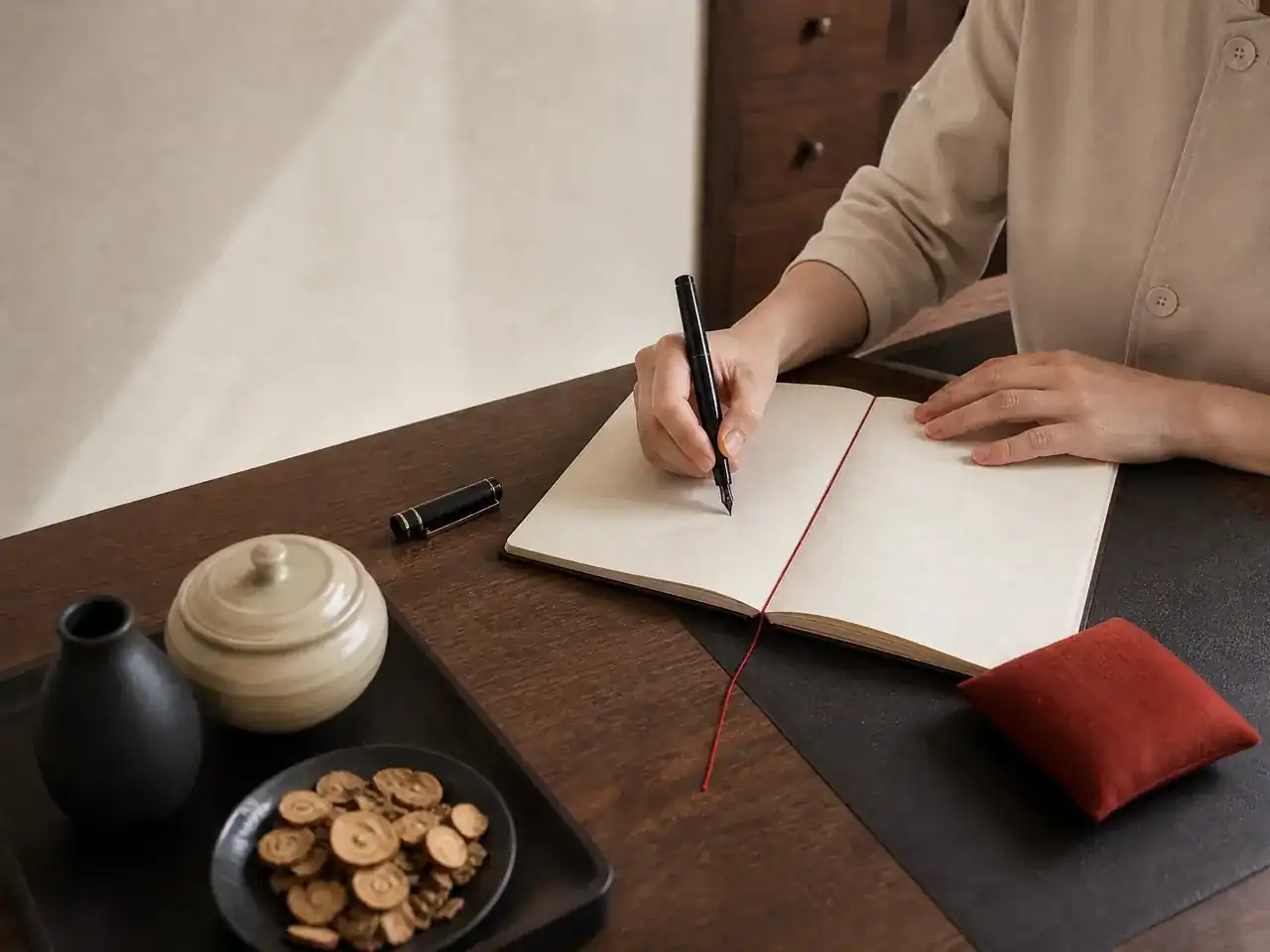
Before consulting Harmonia TCM or other healthcare professionals, maintaining an objective symptom diary is an invaluable preparatory step. Patients frequently struggle to recall precise details of episodes during clinical consultations, such as the exact pitch of internal ringing, the exact duration of dizzy spells, or specific positional triggers. Recording frequency, intensity, and accompanying characteristics beforehand allows individuals to structure their health narrative clearly, providing practitioners with reliable foundational data that significantly enhances clinical communication and diagnostic accuracy.
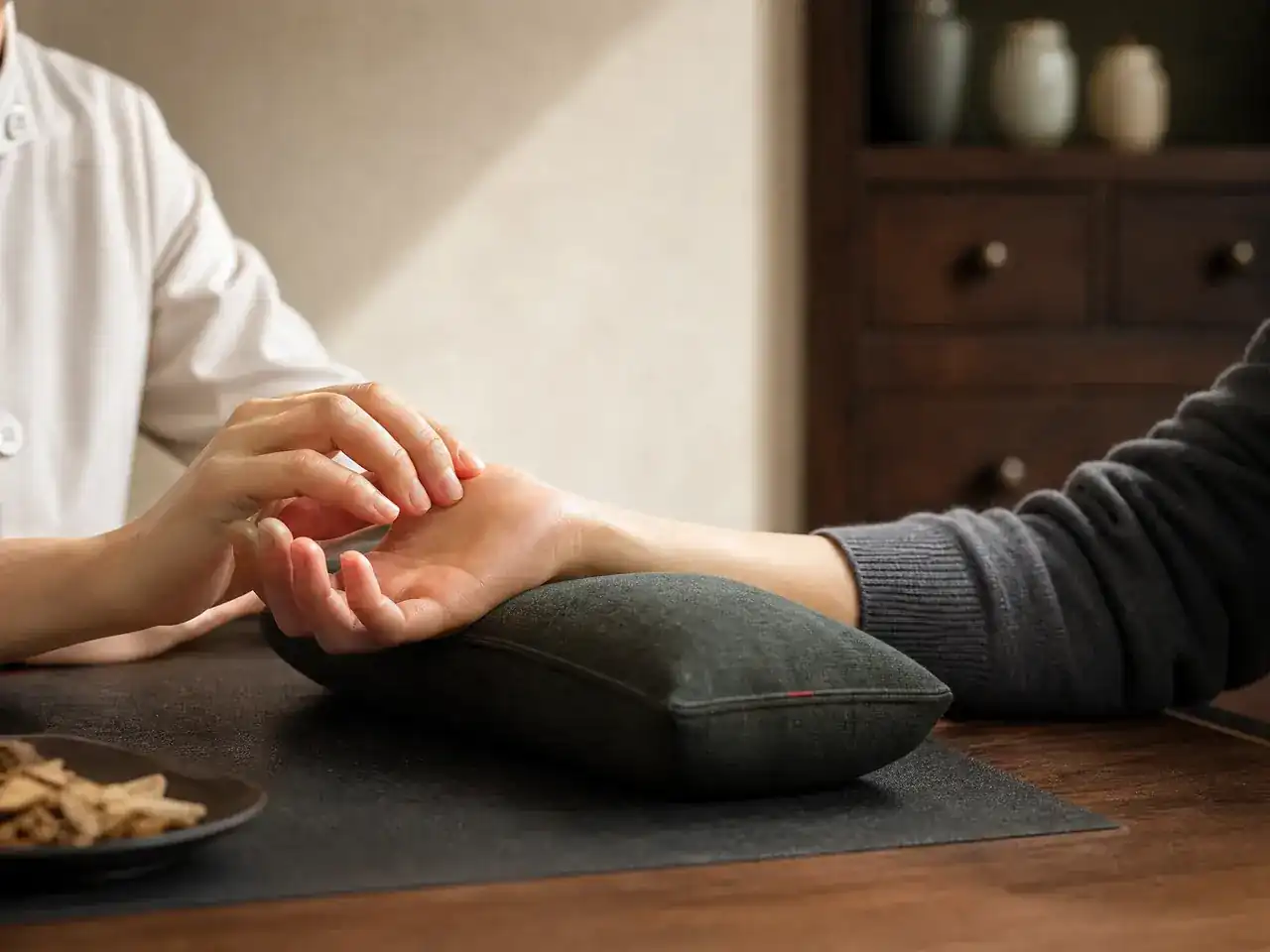
It is important to recognize that self-monitoring and observation do not replace formal medical diagnosis under any circumstances. Traditional Chinese Medicine (TCM) approaches such health concerns by examining overall constitution and lifestyle patterns, making accurate and comprehensive health histories foundational to safe, personalized care. Patients should record observations honestly and objectively without exaggerating or omitting subtle details, enabling clinical teams to make sound professional judgments based on verifiable facts.
Furthermore, modern lifestyles characterized by high professional stress, chronic sleep deprivation, prolonged headphone usage, and frequent environmental noise exposure have contributed to an increasing prevalence of tinnitus and dizziness across younger demographics. Understanding early warning indicators and maintaining systematic observation logs not only supports clinical consultations but also empowers effective personal health management in an increasingly demanding environment.
| Observation Area | Key Recording Focus | Clinical Consultation Value |
|---|---|---|
| Episode Characteristics | Record frequency, duration (seconds/minutes/hours), and sound nature (high/low pitch). | Helps clinicians preliminarily differentiate acute, episodic, or chronic presentations. |
| Accompanying Signs | Note accompanying nausea, vomiting, hearing loss, ear fullness, imbalance, or headache. | Aids in identifying potential inner ear or neurological pathologies. |
| Lifestyle Triggers | Track pre-episode work stress, sleep quality, diet (caffeine, sodium), and posture changes. | Identifies modifiable lifestyle factors to support TCM constitutional support. |
| Medication Inventory | Compile a complete list of all herbal medicines, prescription drugs, and supplements. | Ensures safe cross-disciplinary communication and prevents adverse interactions. |
| Environmental Context | Record ambient noise intensity, weather shifts, and recent emotional fluctuations. | Provides complete situational context to assist practitioners in assessing external influences. |
How to Establish a Systematic Symptom Observation Routine
To enable clinical teams to assess situations efficiently, recorded information must be structured, thorough, and specific. The first key element is timing and duration: Is the tinnitus constant or intermittent throughout the day? Do dizzy spells last for seconds, minutes, or hours? These temporal patterns provide critical reference points for differentiating physiological responses and identifying potential underlying triggers. Identifying whether episodes follow a predictable daily schedule or correlate with specific activities is also exceptionally helpful.
The second critical element involves recording accompanying symptoms and situational triggers. Do episodes worsen during periods of elevated work stress, severe sleep deprivation, prolonged headphone use, or sudden postural transitions? Are they accompanied by nausea, vomiting, progressive hearing reduction, ear fullness, or visual disturbances? Organizing these details chronologically helps practitioners pinpoint key diagnostic clues. Environmental factors such as ambient noise levels, atmospheric pressure shifts, or emotional fluctuations should also be tracked as potential external catalysts.
Additionally, noting dietary habits, caffeine intake, sodium consumption, and emotional fluctuations is essential for a complete health picture. Many chronic health challenges connect subtly to daily lifestyle imbalances, and comprehensive tracking supports thorough holistic analysis. Patients can maintain a dedicated physical notebook or secure digital log to record dietary intake, sleep quality, and psychological state preceding each episode, creating a reliable archive of their wellness journey.
Throughout the observation process, individuals should maintain an objective and scientific attitude, avoiding premature self-diagnosis or speculation. Focusing strictly on descriptive physical sensations and contextual factors allows clinicians to extract maximum clinical value during limited consultation windows, thereby formulating tailored, highly effective management strategies aligned with individual health needs.
Holistic Assessment and Safety Perspectives in Traditional Chinese Medicine
In traditional Chinese medicine theory, tinnitus and dizziness are frequently associated with imbalances in qi and blood circulation as well as internal organ functions, such as the liver, kidneys, spleen, and stomach. During consultations, practitioners utilize the four diagnostic methods—observation, listening, inquiring, and palpation—to evaluate the patient's overall constitutional state and explore external and internal contributing factors. TCM views the body as an interconnected whole, where localized sensory or balance discomfort reflects broader systemic disharmony.
For readers seeking to understand relevant care pathways, exploring the principles and methods of <a href="/en/tcm/internal-medicine/tinnitus-tcm/">tinnitus tcm</a> offers a foundation for setting realistic health expectations. TCM emphasizes individualized care rather than rigid, one-size-fits-all treatment courses, tailoring management plans to unique constitutional traits. Practitioners continuously monitor pulse and tongue characteristics during follow-up visits to ensure safe and adaptive therapeutic adjustments.
Similarly, understanding routine care and lifestyle management for <a href="/en/tcm/internal-medicine/tcm-vertigo/">vertigo</a> is vital for individuals dealing with balance instability. Patients should maintain regular sleep schedules, avoid abrupt postural transitions, and engage in guided lifestyle modifications. External TCM therapies such as acupuncture or acupressure are frequently utilized to support symptom relief, provided all interventions are evaluated and administered by registered practitioners.
Patients undergoing TCM care should exercise patience and consistency. Long-standing imbalances require adequate time to improve through constitutional support and restored circulation, making steady adherence and transparent communication with practitioners essential for successful health outcomes.
Practical Strategies for Balance Disturbance and Lifestyle Care
Managing recurrent dizziness and tinnitus requires diligent daily lifestyle adjustments to complement professional care. First, regarding rest and sleep, patients must secure sufficient, high-quality sleep while avoiding chronic sleep deprivation or physical exhaustion. TCM principles caution that overexertion depletes vital essence and qi, which can exacerbate auditory and balance disturbances. Prioritizing rest and stress reduction is an effective way to moderate episode frequency and promote recovery.
Second, dietary modifications play a supporting role in daily wellness. Maintaining a balanced, light diet while moderating the intake of high-sodium foods, refined sugars, spicy ingredients, caffeine, and alcohol helps protect vascular and neurological stability. Adequate hydration supports normal metabolic and inner ear function. Patients may also incorporate nourishing culinary herbs recommended by TCM practitioners to support spleen and kidney wellness safely.
In terms of physical activity and posture, individuals prone to dizziness should avoid working at heights, climbing, or engaging in abrupt head rotations. Rising from bed or changing postures should be performed slowly to prevent orthostatic dizziness or loss of balance. Office workers should take regular breaks to stretch neck and shoulder muscles, preventing cervical tension from indirectly impacting cranial circulation.
Integrating these lifestyle practices into daily routines establishes a resilient health foundation. Thoughtful self-care not only amplifies clinical therapeutic results but also elevates overall vitality and empowers patients to regain confidence in managing their well-being.
Integrating Care and Communicating Medication Safety
Maintaining medication safety during TCM care is paramount. According to guidelines from the National Center for Complementary and Integrative Health (NCCIH), traditional Chinese medicine and therapies should not replace or delay necessary conventional medical evaluations. Patients undergoing conventional treatment or taking prescription medications must communicate openly with all healthcare providers to ensure comprehensive and safe care coordination.
A complete medication list should encompass all herbal products, western pharmaceuticals, vitamins, and dietary supplements currently in use. This transparency prevents potential herb-drug interactions or adverse effects, empowering medical teams to make optimal safety decisions. For instance, combining conventional circulation-modifying drugs with specific herbal preparations requires precise professional oversight regarding dosage and timing.
In Hong Kong, TCM practice and registration are strictly regulated under the Chinese Medicine Ordinance. Patients are encouraged to verify practitioners' professional qualifications and registration status to ensure their healthcare rights are protected. Qualified registered practitioners adhere strictly to professional ethics; if a patient presents with acute red-flag symptoms outside the scope of TCM care, practitioners will promptly recommend referral to emergency or specialist conventional medical services.
Fostering robust communication and multidisciplinary collaboration is essential for safe healthcare delivery. Patients should never conceal medical conditions or independently discontinue prescribed conventional medications. Operating under the joint guidance of qualified professionals ensures that health journeys remain safe, secure, and effective.
Establishing Long-Term Health Tracking and Patient-Practitioner Trust
Coping with chronic tinnitus and recurrent dizziness often extends beyond a single medical consultation, making long-term health tracking essential for evaluating progress and refining care plans. Patients benefit greatly from building a trusting, collaborative relationship with their TCM practitioner, regularly reporting symptom shifts and quality-of-life changes to enable adaptive guidance.
Throughout the monitoring process, objectively documenting physical responses to various care phases is crucial. Whether noting improvements in sleep quality, enhanced emotional stability, or subtle reductions in tinnitus intensity, these granular observations serve as vital clinical indicators for practitioners. Patients should avoid discouragement from temporary plateaus; restoring deep constitutional harmony requires patience and steadfast commitment.
Furthermore, family members play a supportive and valuable role in long-term observation and care. When family members assist in recording episode details or accompany patients to visits, they help alleviate patient anxiety while providing an objective external perspective that aids practitioners in forming a comprehensive clinical picture. This collaborative synergy between families and medical teams embodies the core spirit of holistic healthcare.
In summary, while tinnitus and dizziness present notable daily challenges, engaging in systematic symptom tracking, rigorous red-flag identification, safe cross-disciplinary communication with integrated TCM care, and sustained health monitoring empowers patients to reclaim control over their well-being and navigate toward a secure, informed recovery.
Continue reading
Explore the corresponding service or information page at your own pace.
Related articles


Frequently asked questions
What self-care measures can be taken during tinnitus or dizziness episodes?
During an episode, remain calm, find a safe and stable environment to sit or lie down, and avoid sudden positional changes to prevent falls. Maintain adequate sleep, minimize exposure to loud noise environments, and moderate caffeine and alcohol intake.
What health records should patients prepare before a TCM consultation?
It is recommended to prepare a detailed symptom log (recording episode timing, frequency, and sensations), previous conventional examination reports (such as hearing tests or imaging), and a comprehensive list of current medications and supplements for holistic evaluation.
How long does TCM management for tinnitus or dizziness typically take?
Because individual constitutions, underlying causes, and symptom durations vary widely, there is no fixed standard duration. TCM practitioners design personalized care plans based on individual differences and monitor progress through continuous health tracking.
How should patients manage concurrent conventional and TCM medications?
Patients must openly disclose all medications and therapies to both their TCM practitioner and primary care physician. Never discontinue prescription medications independently; ensure complete transparency for safe collaborative care.
Can “tinnitus tcm guide” be used as a personal diagnosis?
No. This article provides general information and preparation ideas only. Individual circumstances need appropriate assessment around history, tests, functional impact and safety.
What can I prepare before asking about “tinnitus tcm guide”?
You can note symptom timing, approaches already tried, current medicines, test information and your main questions. Seek appropriate conventional medical assessment first for severe or worsening signs.
Related topics
Sources
Want to understand the next step around your situation?
You are welcome to share your question, preferred time and existing information. We will explain the service scope and arrangements clearly.