TCM Care
Fertility support (TCM)
Fertility support through Traditional Chinese Medicine aims to provide constitutional assessment and care for couples planning for pregnancy. At Harmonia TCM, our registered practitioners evaluate individual conditions to discuss directions for assisted conception and offer guidance on reproductive care. This information is provided to help you understand the topic and prepare questions for an assessment; If you are considering care, we can first discuss what may suit you and how an appointment can be arranged.
Quick answer: Fertility support (TCM) involves assessing and adjusting the body's constitution using methods like herbal medicine and acupuncture to support reproductive care. Harmonia TCM provides consultations for assisted conception, but actual arrangements and suitability must be confirmed through a detailed evaluation by a registered Chinese medicine practitioner.
CLEAR PRICES
Interested in a treatment? You are always welcome to ask.
We clearly list our current single, trial and package prices so you can explore at your own pace. You are always welcome to message us on WhatsApp about any service, timing or arrangement.
| Category and service | Content / terms | Public price (HK$) | Booking note | Enquire |
|---|---|---|---|---|
| Hair & scalp | Scalp health and hair-loss support | AI scalp analysis, deep follicle cleansing and oil-control support | Trial offerPackageTrial 380; 6 sessions 3,480; 12 sessions 5,760; 20 sessions 8,600; 30 sessions 11,400 | Average per session for 6/12/20/30: 580/480/430/380 | Ask on WhatsApp |
| Hair & scalp | Hair acupuncture with herbal medicine | Scalp acupuncture with 3 days of decoction-free herbal medicine | Single visitPackageSingle 580; 6 sessions 3,180; 12 sessions 5,760; 20 sessions 8,600; 30 sessions 11,400 | Average per session for 6/12/20/30: 530/480/430/380 | Ask on WhatsApp |
| Hair & scalp | Integrated hair support programme | Acupuncture, herbal medicine and follicle activation; packages include shampoo and serum | Single visitPackageSingle 1,260; 8 sessions 8,640; 16 sessions 15,680; 20 sessions 18,600; 30 sessions 26,400 | Average per session for 8/16/20/30: 1,080/980/930/880 | Ask on WhatsApp |
| Weight management | Full-body acupoint embedding | Full-body acupoint embedding; packages include proportionate days of herbal support | Single visitPackageSingle 980; 10 sessions 7,800; 20 sessions 14,600; 30 sessions 20,400 | Average per session for 10/20/30: 780/730/680 | Ask on WhatsApp |
| Facial acupuncture | Brightening V-face (Essential) | Facial acupuncture, meridian support and swelling management | Trial offerPackageTrial 480; 10 sessions 5,200; 20 sessions 9,600; 30 sessions 13,500 | Average per session for 10/20/30: 520/480/450 | Ask on WhatsApp |
| Facial acupuncture | Firming and refining (Advanced) | Enhanced facial acupuncture for firmness and fine-line concerns with a moisturising mask serum | Trial offerPackageTrial 780; 10 sessions 9,000; 20 sessions 16,600; 30 sessions 23,400 | Average per session for 10/20/30: 900/830/780 | Ask on WhatsApp |
| Pain care | Extracorporeal shockwave therapy | Deep inflammation support and fascial relaxation | Prince Edward: 250 per area; Kwun Tong: 250 for 1 area, 450 for 2, 600 for 3 | Clinic-specific pricing; confirm location before booking | Ask on WhatsApp |
| Pain care | Manual therapy | TCM bone-injury assessment, manual alignment and tui na techniques | Single visitSingle 580 | Suitability is confirmed after assessment | Ask on WhatsApp |
| Pain care | Acupuncture with manual therapy | Acupuncture with manual structural support | Single visitSingle 680 | Suitability is confirmed after assessment | Ask on WhatsApp |
| TCM regulation | Acupuncture with herbal medicine | TCM consultation, whole-body acupuncture and 3 days of decoction-free herbal medicine granules | Single visitSingle 580 | Confirm clinician availability and service arrangement when booking | Ask on WhatsApp |


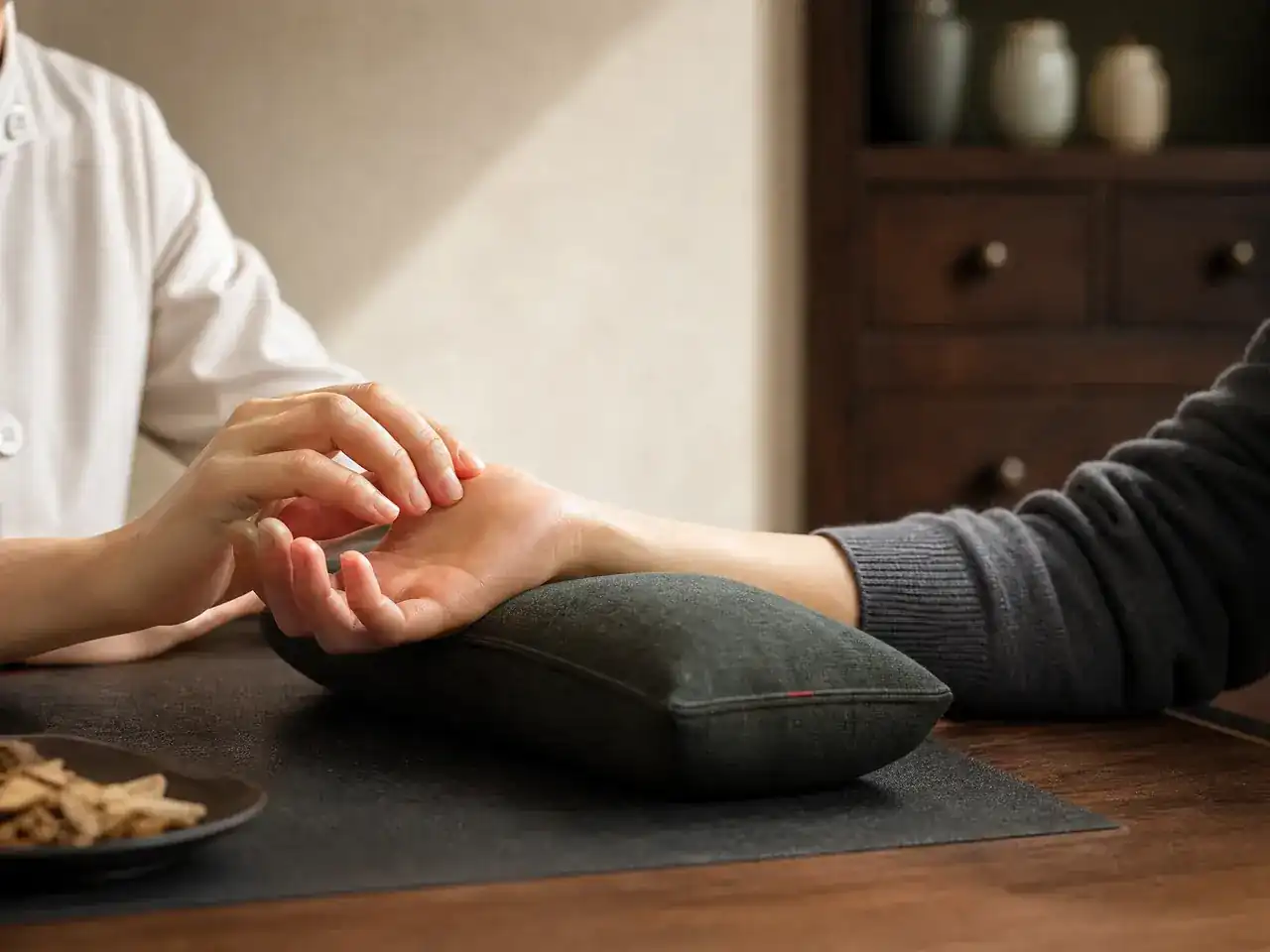
The Philosophy of TCM Fertility Support
The core philosophy of fertility support in Traditional Chinese Medicine (TCM) lies in its holistic approach. TCM views reproductive care as closely connected to the balance of Qi, blood, Yin, and Yang within the body's organ systems. Through the four diagnostic methods—observation, auscultation and olfaction, inquiry, and palpation—practitioners assess an individual's unique constitution to identify potential factors that may affect fertility. This method does not solely target a specific organ but aims to adjust the overall state of the body, creating a more favorable physiological environment for conception.
During the process of assisted conception, TCM practitioners pay special attention to the menstrual cycle, basal body temperature variations, and the overall health of both partners. Traditional therapies, such as herbal medicine and acupuncture, are utilized to improve the circulation of Qi and blood and regulate organ functions. It is important to emphasize that TCM fertility support is a complementary approach; its effectiveness varies from person to person and cannot guarantee absolute success, but rather serves as part of comprehensive health management.
Reproductive Care and Constitutional Assessment
Since everyone's constitution is different, a detailed constitutional assessment is an indispensable step before beginning fertility support. The practitioner will inquire extensively about medical history, lifestyle habits, dietary preferences, and emotional state, as these factors can profoundly impact reproductive care. For instance, chronic stress may lead to stagnation of Liver Qi, affecting the smooth flow of Qi and blood, while improper diet can impair the Spleen and Stomach, hindering the production of Qi and blood.
Through a comprehensive evaluation, the practitioner can develop a personalized care plan. This may include specific herbal prescriptions tailored to the constitution or acupuncture to clear the meridians. Throughout the care process, the practitioner will adjust the plan based on the patient's responses and constitutional changes, aiming to achieve an optimal state of balance. Patients are also encouraged to adjust their daily routines to jointly promote improvements in reproductive health.
Common Constitutional Types and Care Directions
In TCM theory, common constitutional types affecting fertility include Kidney deficiency, Liver Qi stagnation, Phlegm-dampness, and Blood stasis. The Kidney is considered the foundation of congenital constitution and governs reproduction; thus, Kidney Qi deficiency is a frequent factor influencing reproductive care. For this type, the care direction primarily focuses on tonifying the Kidney and strengthening the foundation. The Liver governs the smooth flow of Qi and is closely related to emotions and the menstrual cycle; those with Liver Qi stagnation require soothing the Liver to regulate Qi and blood.
Phlegm-dampness and Blood stasis are accumulations of pathological products that can obstruct the flow of Qi and blood, affecting the normal function of reproductive organs. In these cases, practitioners employ methods to resolve phlegm and dampness or invigorate blood and resolve stasis. Understanding one's constitutional characteristics helps in applying targeted maintenance in daily life, which, combined with professional TCM guidance, can gradually improve overall health.
| Constitutional Type | Common Manifestations | TCM Care Direction | Daily Maintenance Suggestions |
|---|---|---|---|
| Kidney Qi Deficiency | Sore lower back and knees, fatigue, light menstruation | Tonify Kidney, nourish Qi and blood | Ensure adequate sleep, avoid overexertion |
| Liver Qi Stagnation | Mood swings, premenstrual breast tenderness, irregular cycles | Soothe Liver, regulate Qi and menstruation | Engage in moderate exercise, learn relaxation techniques |
| Phlegm-Dampness | Heaviness in the body, excessive vaginal discharge | Strengthen Spleen, resolve phlegm and dampness | Maintain a light diet, reduce sweets and cold foods |
| Blood Stasis | Significant menstrual pain, clots in menstrual blood, dull complexion | Invigorate blood, resolve stasis, relieve pain | Keep warm, avoid cold exposure, perform gentle exercises |
The Role of Acupuncture in Assisted Conception
As a key therapy in TCM, acupuncture plays a supportive role in assisted conception. By stimulating specific acupoints, acupuncture aims to clear the meridians, regulate the flow of Qi and blood, and may exert certain influences on the neuroendocrine system. Many couples seeking fertility support choose to incorporate acupuncture into their overall care plan to improve blood circulation to the reproductive organs and alleviate the psychological stress associated with trying to conceive.
When administering acupuncture, the practitioner selects appropriate combinations of acupoints based on the individual's constitution and the different phases of the menstrual cycle. For example, around the time of ovulation, acupoints that promote the flow of Qi and blood may be chosen. However, acupuncture requires a sustained course of sessions, and its effects vary due to individual differences. Patients should communicate fully with their practitioner before receiving acupuncture to understand the process and potential responses.
Lifestyle and Dietary Coordination
In addition to professional TCM care, daily lifestyle and dietary habits are equally crucial for improving reproductive care. A balanced diet provides the necessary nutrients for the body and aids in the production of Qi and blood. TCM recommends choosing appropriate foods based on one's constitution; for example, those with a cold constitution may consume warming foods in moderation, while those with a heat constitution should avoid overly spicy or fried foods. Furthermore, maintaining a regular routine and avoiding late nights helps sustain the normal functioning of the organ systems.
Emotional management is also an aspect of fertility support that cannot be ignored. Chronic anxiety and stress can affect the endocrine system, thereby interfering with reproductive functions. Couples planning for pregnancy are advised to find relaxation methods that suit them, such as yoga, meditation, or moderate outdoor activities. Establishing a good communication and support system to face the challenges of conception together has a positive significance for enhancing overall health and quality of life.
Frequently asked questions
How long does it usually take to see effects from TCM fertility support?
The effects of TCM fertility support vary depending on individual constitution, age, and underlying health conditions. Generally, TCM care is a gradual process, and it is often recommended to undergo continuous care for at least three to six months to observe improvements in constitution and the menstrual cycle. However, this is not a guaranteed timeline for pregnancy, and specific progress must be regularly evaluated by a practitioner.
Do men also need to participate in fertility support and reproductive care?
Yes, conception is a process that involves both partners. The quality of sperm and the overall health of the male partner are equally important for conception. TCM can provide targeted care plans to improve reproductive function by assessing the male's constitution. It is recommended that both partners attend consultations together for a more comprehensive care effect.
Can I receive TCM care while undergoing Western IVF treatments?
Many patients choose to combine TCM care while undergoing IVF to improve their physical condition. However, this must be done with the knowledge and consent of both Western and TCM practitioners. The TCM practitioner will adjust the herbal and acupuncture plans according to the different stages of your IVF cycle to ensure safety and avoid conflicts with Western treatments.
Are there side effects to the herbal medicines used for assisted conception?
Herbal medicines prescribed by a registered practitioner based on your individual constitution are generally safe. However, some patients may experience mild gastrointestinal adaptation issues initially, such as bloating or changes in bowel habits. If any discomfort occurs, you should promptly inform your practitioner, who will adjust the prescription accordingly. Do not purchase or consume unprescribed herbal medicines on your own.
Is acupuncture painful during the fertility support process? What are the risks?
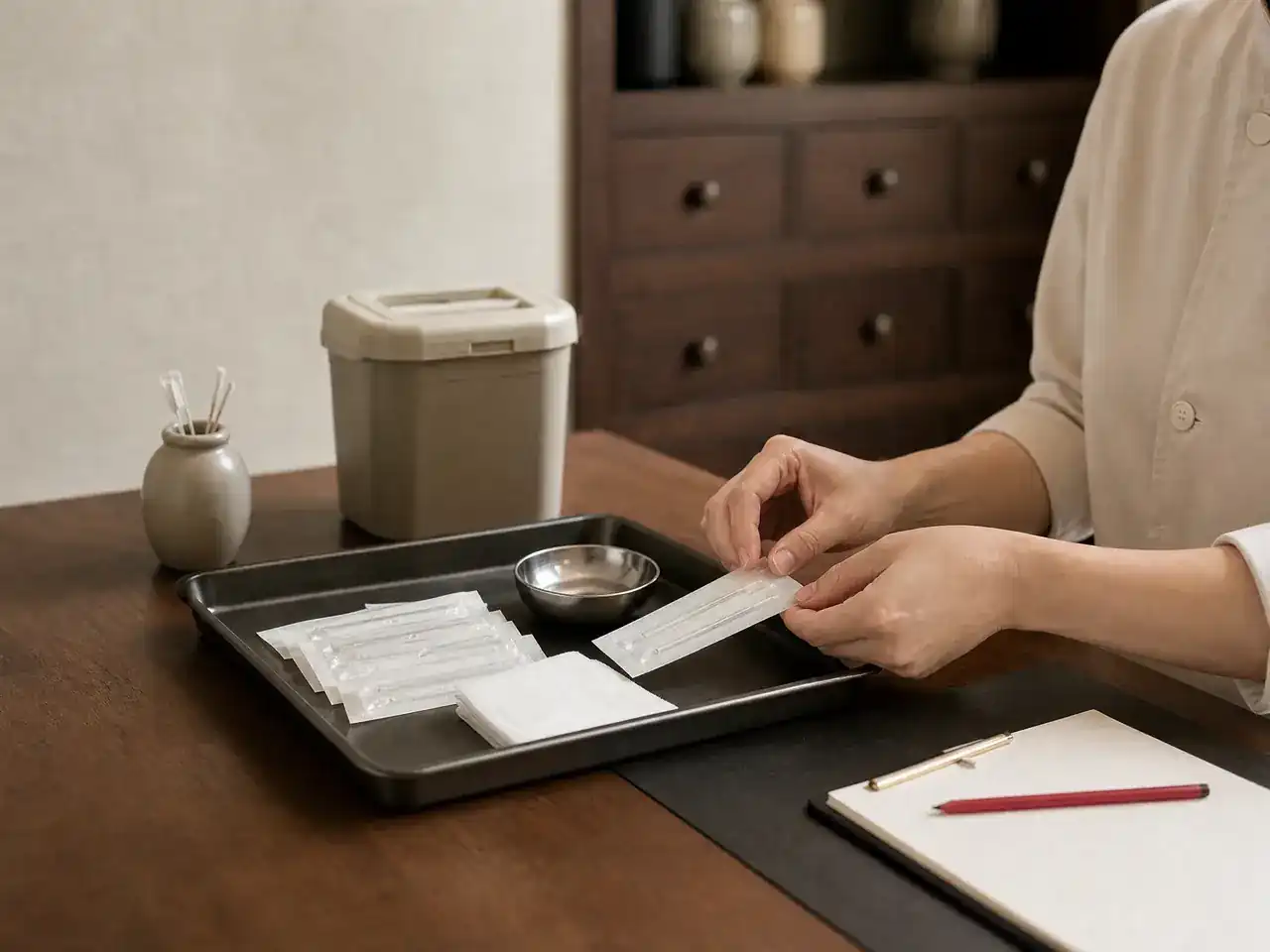
Acupuncture uses extremely fine, sterile, disposable needles. Most patients only feel a slight mosquito-bite sensation or localized aching, numbness, or distension, and usually do not experience strong pain. The risks of acupuncture are relatively low, though occasional localized bruising or mild dizziness may occur. Having the procedure performed by a qualified registered practitioner maximizes safety.
Where are Harmonia TCM's fertility support services conducted?
Harmonia TCM's only physical clinic is located in Kwun Tong. This topic page serves only as reference information for service coverage. The actual arrangements for fertility support, suitability for your personal condition, and specific consultation times must be finally confirmed by our registered practitioners and the clinic.
Related topics
Sources
Learn More About Fertility Support
Everyone's constitution and needs are unique. If you wish to learn more about TCM assisted conception and reproductive care, please feel free to contact us. At Harmonia TCM's physical clinic in Kwun Tong, our registered practitioners provide professional initial assessments and advice.