Gynaecological TCM Care
Polycystic Ovary Syndrome (PCOS) TCM management
Polycystic ovary syndrome (PCOS) can present various challenges for women. Harmonia TCM's Kwun Tong clinic offers targeted TCM management, utilizing detailed constitutional assessments to help you find balance in your daily life and soothe related discomforts.
Quick answer: Polycystic ovary syndrome is a common endocrine condition often accompanied by menstrual irregularity. TCM management utilizes syndrome differentiation to analyze individual constitutional differences, applying methods like herbal medicine or acupuncture to help regulate bodily functions and soothe discomfort. Harmonia TCM provides professional assessments to develop a suitable care plan with you.
View pricesContact Us for Details
CLEAR PRICES
Interested in a treatment? You are always welcome to ask.
We clearly list our current single, trial and package prices so you can explore at your own pace. You are always welcome to message us on WhatsApp about any service, timing or arrangement.
| Category and service | Content / terms | Public price (HK$) | Booking note | Enquire |
|---|---|---|---|---|
| Hair & scalp | Scalp health and hair-loss support | AI scalp analysis, deep follicle cleansing and oil-control support | Trial offerPackageTrial 380; 6 sessions 3,480; 12 sessions 5,760; 20 sessions 8,600; 30 sessions 11,400 | Average per session for 6/12/20/30: 580/480/430/380 | Ask on WhatsApp |
| Hair & scalp | Hair acupuncture with herbal medicine | Scalp acupuncture with 3 days of decoction-free herbal medicine | Single visitPackageSingle 580; 6 sessions 3,180; 12 sessions 5,760; 20 sessions 8,600; 30 sessions 11,400 | Average per session for 6/12/20/30: 530/480/430/380 | Ask on WhatsApp |
| Hair & scalp | Integrated hair support programme | Acupuncture, herbal medicine and follicle activation; packages include shampoo and serum | Single visitPackageSingle 1,260; 8 sessions 8,640; 16 sessions 15,680; 20 sessions 18,600; 30 sessions 26,400 | Average per session for 8/16/20/30: 1,080/980/930/880 | Ask on WhatsApp |
| Weight management | Full-body acupoint embedding | Full-body acupoint embedding; packages include proportionate days of herbal support | Single visitPackageSingle 980; 10 sessions 7,800; 20 sessions 14,600; 30 sessions 20,400 | Average per session for 10/20/30: 780/730/680 | Ask on WhatsApp |
| Facial acupuncture | Brightening V-face (Essential) | Facial acupuncture, meridian support and swelling management | Trial offerPackageTrial 480; 10 sessions 5,200; 20 sessions 9,600; 30 sessions 13,500 | Average per session for 10/20/30: 520/480/450 | Ask on WhatsApp |
| Facial acupuncture | Firming and refining (Advanced) | Enhanced facial acupuncture for firmness and fine-line concerns with a moisturising mask serum | Trial offerPackageTrial 780; 10 sessions 9,000; 20 sessions 16,600; 30 sessions 23,400 | Average per session for 10/20/30: 900/830/780 | Ask on WhatsApp |
| Pain care | Extracorporeal shockwave therapy | Deep inflammation support and fascial relaxation | Prince Edward: 250 per area; Kwun Tong: 250 for 1 area, 450 for 2, 600 for 3 | Clinic-specific pricing; confirm location before booking | Ask on WhatsApp |
| Pain care | Manual therapy | TCM bone-injury assessment, manual alignment and tui na techniques | Single visitSingle 580 | Suitability is confirmed after assessment | Ask on WhatsApp |
| Pain care | Acupuncture with manual therapy | Acupuncture with manual structural support | Single visitSingle 680 | Suitability is confirmed after assessment | Ask on WhatsApp |
| TCM regulation | Acupuncture with herbal medicine | TCM consultation, whole-body acupuncture and 3 days of decoction-free herbal medicine granules | Single visitSingle 580 | Confirm clinician availability and service arrangement when booking | Ask on WhatsApp |

Understanding Polycystic Ovary Syndrome from a TCM Perspective
Polycystic ovary syndrome is a prevalent endocrine and metabolic condition affecting women of reproductive age. Many women may experience challenges such as menstrual irregularity, weight fluctuations, increased body hair, or skin issues like acne. These symptoms not only impact physical health but can also cause significant emotional stress and affect daily life. When facing these multifaceted challenges, seeking professional medical assessment and comprehensive support is a crucial first step towards managing the condition effectively.
From the perspective of Traditional Chinese Medicine, the manifestation of polycystic ovary syndrome is often closely related to the disharmony of the internal organ systems, particularly the functions of the kidneys, liver, and spleen. TCM theory suggests that constitutional imbalances, such as the sluggish flow of Qi and blood, the internal accumulation of phlegm-dampness, or a deficiency in kidney Qi, may be underlying factors contributing to menstrual irregularity and other associated symptoms. Therefore, the core focus of TCM management lies in a holistic approach, aiming to restore the body's internal balance rather than merely addressing isolated symptoms.
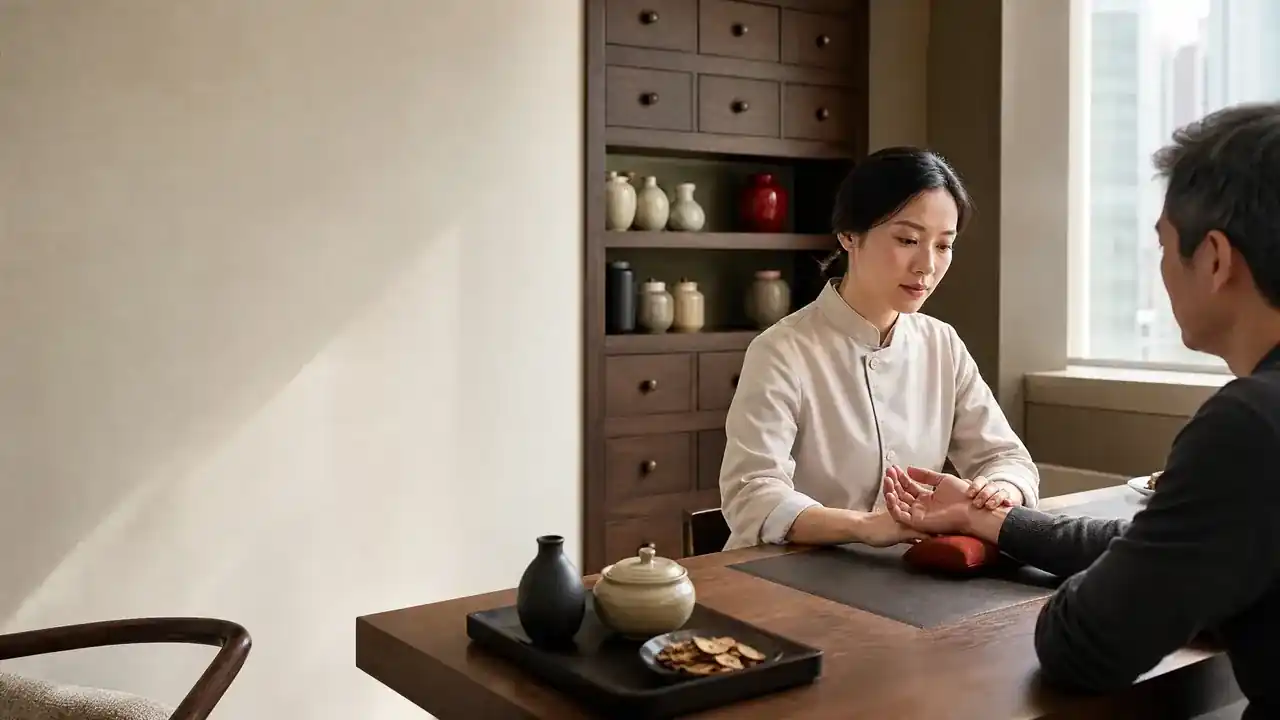
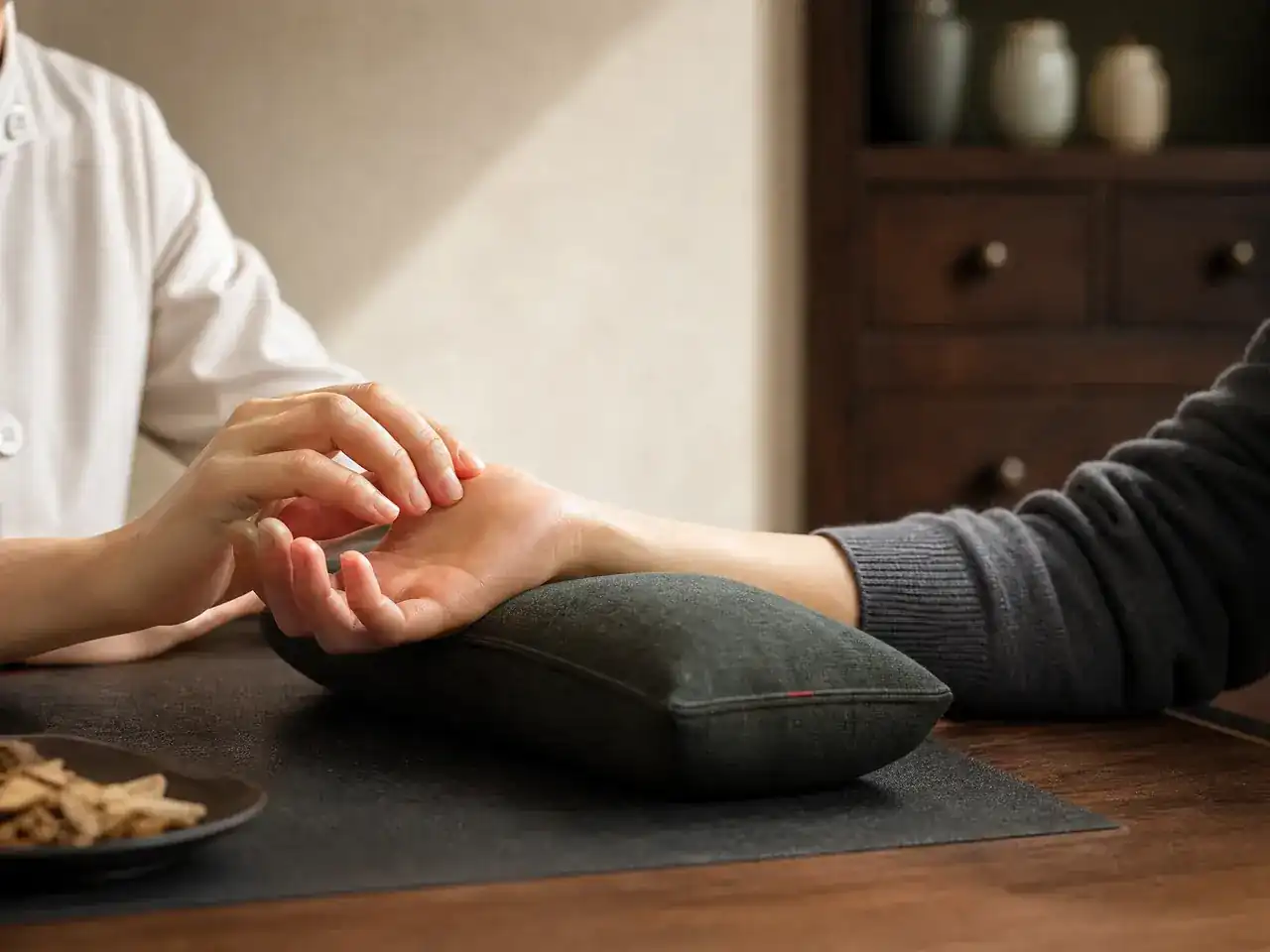
At Harmonia TCM, our registered Chinese medicine practitioners conduct thorough evaluations for every individual seeking care. Through the four traditional diagnostic methods—observation, auscultation and olfaction, inquiry, and pulse-taking—we gather detailed information about your specific condition. We understand that each person's constitution, lifestyle, and health history are entirely unique. Consequently, when discussing care plans for polycystic ovary syndrome, we emphasize highly personalized assessments, avoiding a one-size-fits-all approach to ensure that the support provided aligns with your specific needs.
It is important to recognize that TCM management does not offer a cure for polycystic ovary syndrome. Instead, it serves as a supportive modality designed to help manage symptoms and improve overall well-being. By addressing the root constitutional imbalances, TCM aims to create a more favorable internal environment, which may gradually help in soothing the discomforts associated with the condition.
How TCM Management Supports Polycystic Ovary Syndrome
TCM management for polycystic ovary syndrome typically involves the comprehensive application of various traditional therapies, including the internal use of Chinese herbal medicine, acupuncture, cupping, or Tui Na (therapeutic massage). Based on the results of syndrome differentiation, the practitioner will prescribe a customized herbal formula suited to the individual's specific TCM syndrome type. These herbal prescriptions are formulated with the intention of soothing the liver and regulating Qi, strengthening the spleen to resolve phlegm, or nourishing the liver and kidneys, thereby assisting in improving the constitution and alleviating menstrual irregularity and other discomforts.
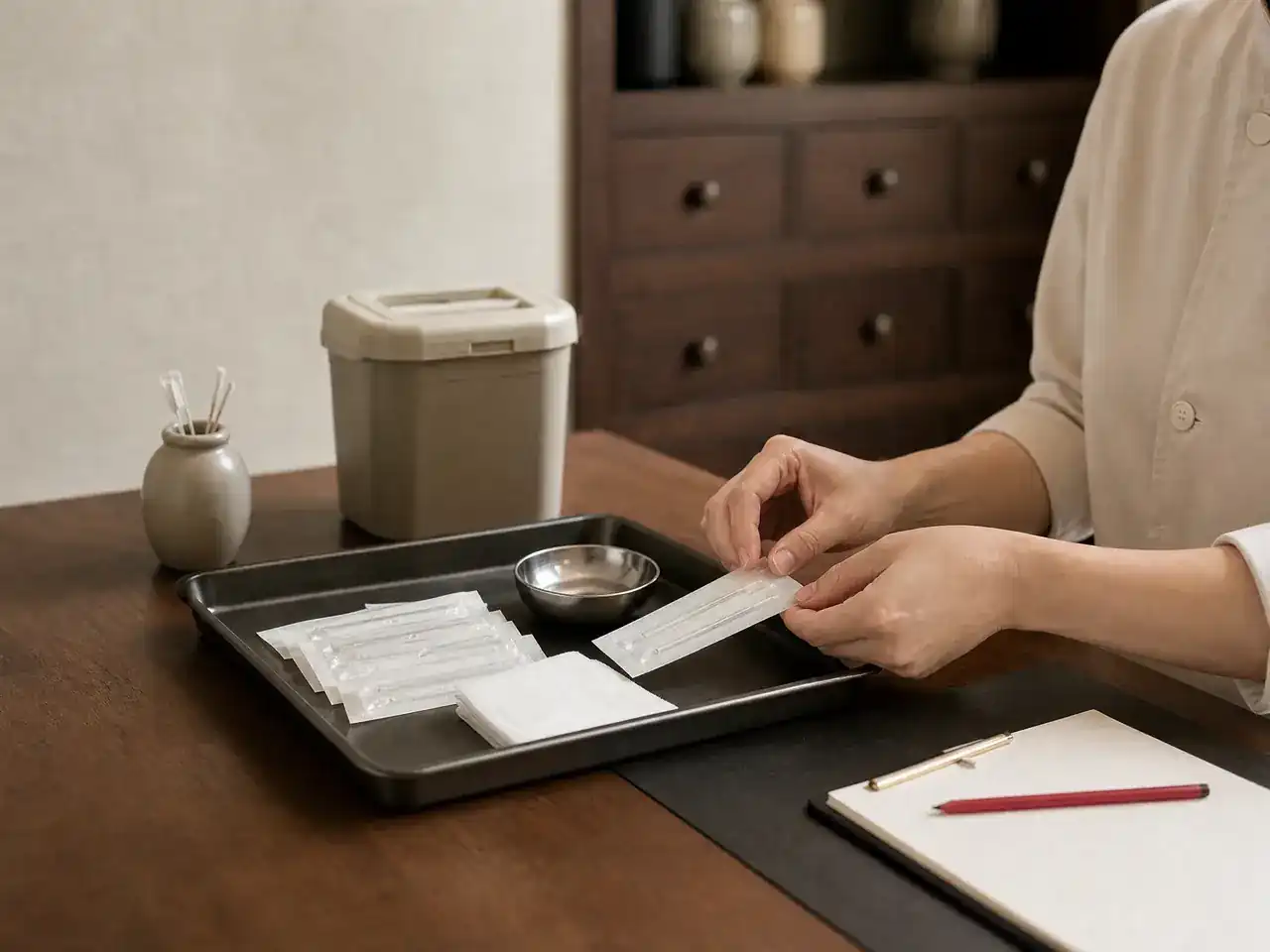
Acupuncture serves as another common TCM intervention. By stimulating specific acupoints on the body, acupuncture is believed to help regulate the flow of Qi and blood along the meridians. For some individuals managing polycystic ovary syndrome, acupuncture may play a role in relieving stress, improving local blood circulation, and assisting in the regulation of bodily functions. However, it is crucial to note that individual responses to acupuncture can vary significantly. The practitioner will discuss whether acupuncture is a suitable option for you after a comprehensive assessment.
Beyond clinical therapeutic interventions, TCM management places a strong emphasis on the integration of lifestyle modifications. The practitioner will provide targeted dietary recommendations and lifestyle guidance tailored to your specific constitutional characteristics. For instance, individuals identified with a phlegm-dampness constitution may be advised to reduce their intake of cold, raw, and overly sweet or greasy foods. Conversely, those with liver Qi stagnation may receive advice emphasizing the importance of emotional management, stress reduction techniques, and moderate exercise. These daily adjustments are considered an indispensable component of holistic TCM care.
The journey of TCM management is inherently collaborative. It requires active participation from the individual in implementing recommended lifestyle changes and adhering to the prescribed herbal or acupuncture regimens. Regular follow-up consultations allow the practitioner to monitor progress, reassess the constitutional state, and make necessary adjustments to the care plan, ensuring that the support remains relevant and effective over time.
Common TCM Syndrome Types and Manifestations in PCOS
In the clinical practice of Traditional Chinese Medicine, polycystic ovary syndrome is not viewed as a single, uniform disease label. Instead, it is categorized into several distinct syndrome types based on the individual's specific clinical manifestations and constitutional traits. Understanding these syndrome types is essential for the practitioner to formulate a precise and effective TCM management plan. The most commonly identified syndrome types include kidney deficiency, phlegm-dampness retention, liver Qi stagnation transforming into fire, and Qi stagnation with blood stasis.
Women presenting with the kidney deficiency type may experience infrequent menstruation or amenorrhea, often accompanied by symptoms such as soreness and weakness in the lower back and knees, an aversion to cold with cold extremities, or dizziness and tinnitus. The phlegm-dampness retention type is frequently observed in individuals with a fuller body type and may be accompanied by a feeling of oppression in the chest, excessive vaginal discharge, or a general sense of heaviness and fatigue.
The liver Qi stagnation transforming into fire type may manifest as emotional irritability, an increase in acne breakouts, or premenstrual breast distension and pain. Meanwhile, the Qi stagnation with blood stasis type might present with dark-colored menstrual blood, the presence of blood clots during menstruation, or significant menstrual pain. Recognizing these patterns allows for a targeted approach to care.
In many instances, an individual's constitution does not fit neatly into a single syndrome type but rather presents as a complex state involving a combination of multiple patterns. For example, a person might exhibit signs of kidney deficiency combined with phlegm-dampness, or liver Qi stagnation leading to blood stasis. Therefore, the practitioners at Harmonia TCM conduct comprehensive evaluations to carefully distinguish the primary and secondary aspects of the condition. Throughout the course of TCM management, the care plan is dynamically adjusted in response to changes in the individual's constitution to optimize the supportive outcomes.
Integrating TCM Assessment with Conventional Medical Care
Managing polycystic ovary syndrome often requires a multifaceted and comprehensive approach. TCM management can serve as a valuable component of an overall health management strategy, working in a complementary manner alongside conventional Western medical treatments. We strongly encourage individuals seeking TCM care to maintain open and consistent communication with their primary Western medicine doctors or gynecologists.
Regular medical check-ups, including ultrasound scans, blood hormone tests, and metabolic screenings, remain essential for monitoring the physiological and structural aspects of polycystic ovary syndrome. The strength of TCM lies in its macroscopic approach to adjusting the constitution and improving overall subjective symptoms, while Western medicine plays an irreplaceable role in the microscopic monitoring of specific biomarkers and the management of acute or specific pathological conditions.
The integration of both medical paradigms can help establish a more comprehensive and secure care network for individuals navigating polycystic ovary syndrome. At Harmonia TCM, we place the highest priority on medical safety and the clear delineation of professional boundaries. During the assessment process, if our practitioners identify any symptoms that require further medical diagnosis, or if they determine that the current situation falls outside the scope of TCM management, we will explicitly advise the individual to seek appropriate specialist medical opinions.
Our commitment is to provide appropriate TCM support within a safe and responsible framework. We do not advocate replacing necessary conventional medical treatments with TCM therapies. Instead, we aim to work collaboratively within the broader healthcare ecosystem to support your journey towards better health and improved quality of life.
Comparison of Constitutional Traits and TCM Management Directions
To provide a clearer understanding of how TCM formulates management directions based on different constitutions, we have compiled a comparison of common syndrome types associated with polycystic ovary syndrome. Please note that this information is for reference purposes only, and an actual constitutional assessment must be conducted in person by a registered Chinese medicine practitioner.
Every individual's constitution is unique and subject to change over time due to environmental factors, aging, and shifts in lifestyle habits. Consequently, TCM management is a dynamic and ongoing process that necessitates close cooperation and continuous communication between the practitioner and the individual receiving care.
| TCM Syndrome Type | Common Manifestations | Management Direction | Lifestyle Recommendations |
|---|---|---|---|
| Kidney Deficiency | Infrequent menstruation, sore lower back and knees, aversion to cold, fatigue | Nourish kidney Qi, regulate the Chong and Ren meridians | Keep warm, avoid overexertion, ensure adequate and restful sleep |
| Phlegm-Dampness Retention | Fuller body type, chest oppression, excessive discharge, bodily heaviness | Strengthen the spleen to resolve phlegm, dry dampness | Reduce intake of cold, raw, sweet, and greasy foods; engage in moderate aerobic exercise |
| Liver Qi Stagnation with Fire | Irritability, increased acne, premenstrual breast distension | Soothe the liver, relieve stagnation, clear heat | Learn stress management techniques, maintain a positive mood, avoid staying up late |
| Qi Stagnation and Blood Stasis | Dark menstrual blood with clots, menstrual pain, dull complexion | Regulate Qi, invigorate blood, resolve stasis | Maintain moderate physical activity to promote Qi and blood flow, keep warm during menstruation |
Our Care Commitment at the Kwun Tong TCM Clinic
Harmonia TCM's clinic is in Kwun Tong. We are dedicated to providing professional, reliable, and compassionate Chinese medicine services to residents in the district and surrounding areas. For health concerns that require long-term attention, such as polycystic ovary syndrome, we offer a comfortable and private environment where you can discuss your health status with our practitioners with peace of mind.
We understand that facing menstrual irregularity and other related symptoms can often lead to feelings of anxiety, frustration, or helplessness. Therefore, our team focuses not only on addressing your physical symptoms but also on acknowledging and supporting your emotional well-being. We strive to build a trusting doctor-patient relationship through patient listening and clear, transparent explanations, working together with you to navigate your health challenges.
Please be aware that the service arrangements and suitability described on this page may vary depending on individual circumstances. The actual availability of services, their suitability for your specific condition, associated risks, and concrete arrangements must be confirmed by a registered Chinese medicine practitioner at Harmonia TCM following an in-person consultation at our Kwun Tong clinic.
We highly recommend that you contact us to learn more details and discuss your preliminary needs before planning your visit to the clinic. This ensures that we can provide you with the most appropriate guidance and prepare for your consultation effectively.
Navigating the Journey of TCM Care
Embarking on a journey of TCM management for polycystic ovary syndrome is a commitment to understanding and nurturing your body's unique constitution. It is a process that values patience, consistency, and a holistic perspective on health. By addressing the underlying imbalances that contribute to menstrual irregularity and other symptoms, TCM aims to foster a more harmonious internal environment.
We encourage individuals to approach TCM care with realistic expectations. While TCM offers valuable tools for symptom management and constitutional support, it is not a quick fix. The gradual nature of TCM therapies means that improvements may unfold over time, requiring sustained effort in both clinical treatments and lifestyle adjustments.
At Harmonia TCM in Kwun Tong, our goal is to empower you with the knowledge and support necessary to take an active role in your health journey. Whether you are seeking to manage specific symptoms, improve your overall well-being, or complement your existing medical care, our team is here to provide professional guidance and compassionate care every step of the way.
Frequently asked questions
How long does it take to see results from TCM management for polycystic ovary syndrome?
The effectiveness and time required for TCM management vary greatly depending on individual constitution, symptom severity, and adherence to lifestyle recommendations. Polycystic ovary syndrome is a complex endocrine condition that typically requires long-term, consistent care. Your practitioner will discuss reasonable expectations with you after the initial assessment.
Can I receive TCM management while taking Western hormonal medications?
In many cases, an integrative approach combining TCM and Western medicine can be considered, but it must be done under professional guidance. Please ensure you clearly inform both your Chinese medicine practitioner and your Western medical doctor about all treatments and medications you are receiving to ensure safety and prevent potential interactions.
Is acupuncture helpful for improving menstrual irregularity, and is it painful?
Acupuncture is a common TCM method used to address menstrual irregularity by stimulating acupoints to regulate Qi and blood. Most people experience only a mild aching, numbness, or distending sensation rather than sharp pain. However, suitability and individual reactions vary, and the practitioner will conduct a detailed assessment to determine if it is appropriate for you.
How important is diet in the TCM management of polycystic ovary syndrome?
Diet is considered highly important. TCM views dietary habits as closely linked to one's constitution. The practitioner will provide targeted dietary recommendations based on your specific syndrome type (such as phlegm-dampness or liver Qi stagnation), which, along with appropriate exercise and lifestyle adjustments, play a crucial role in the overall effectiveness of the management plan.
Does Harmonia TCM have other branches outside of Kwun Tong offering these services?
Harmonia TCM's only physical clinic is currently located in Kwun Tong. The information provided here aims to educate the public about our TCM care philosophy regarding polycystic ovary syndrome. All actual consultations, assessments, and treatments must be conducted in person at our Kwun Tong clinic.
Can I seek a TCM assessment if I only suspect I have polycystic ovary syndrome?
Yes, you can. If you are experiencing menstrual irregularity or other related symptoms, a practitioner can evaluate your constitution from a TCM perspective and provide management advice. However, a definitive diagnosis of polycystic ovary syndrome usually requires Western medical blood tests and ultrasound scans, and we may advise you to seek a Western medical diagnosis concurrently.
Related topics
Sources
Seek a Professional TCM Assessment
Every individual's constitution and health status are unique. If you are troubled by polycystic ovary syndrome or menstrual irregularity, you are welcome to contact Harmonia TCM's Kwun Tong clinic to explore whether TCM management is suitable for you. Please note that actual service arrangements must be confirmed following an assessment by a practitioner.