HEALTH GUIDE / SAFETY INFORMATION
Cupping, Gua Sha and Moxibustion: Purpose, Risks and Questions Before Choosing
Cupping, gua sha, and moxibustion are traditional Chinese medicine therapies, each serving specific operational purposes. Before choosing, understanding their mechanisms, potential skin or burn risks, and key safety communication points with your practitioner is essential.
Quick answer: Cupping uses negative pressure to help relax local muscles, gua sha involves light scraping on the skin surface to support microcirculation, and moxibustion uses heat from burning mugwort to warm meridians. Before receiving these therapies, consult a registered practitioner, share your medical and medication history, and be mindful of skin reactions and safety boundaries.
CLEAR PRICES
Interested in a treatment? You are always welcome to ask.
We clearly list our current single, trial and package prices so you can explore at your own pace. You are always welcome to message us on WhatsApp about any service, timing or arrangement.
| Category and service | Content / terms | Public price (HK$) | Booking note | Enquire |
|---|---|---|---|---|
| Hair & scalp | Scalp health and hair-loss support | AI scalp analysis, deep follicle cleansing and oil-control support | Trial offerPackageTrial 380; 6 sessions 3,480; 12 sessions 5,760; 20 sessions 8,600; 30 sessions 11,400 | Average per session for 6/12/20/30: 580/480/430/380 | Ask on WhatsApp |
| Hair & scalp | Hair acupuncture with herbal medicine | Scalp acupuncture with 3 days of decoction-free herbal medicine | Single visitPackageSingle 580; 6 sessions 3,180; 12 sessions 5,760; 20 sessions 8,600; 30 sessions 11,400 | Average per session for 6/12/20/30: 530/480/430/380 | Ask on WhatsApp |
| Hair & scalp | Integrated hair support programme | Acupuncture, herbal medicine and follicle activation; packages include shampoo and serum | Single visitPackageSingle 1,260; 8 sessions 8,640; 16 sessions 15,680; 20 sessions 18,600; 30 sessions 26,400 | Average per session for 8/16/20/30: 1,080/980/930/880 | Ask on WhatsApp |
| Weight management | Full-body acupoint embedding | Full-body acupoint embedding; packages include proportionate days of herbal support | Single visitPackageSingle 980; 10 sessions 7,800; 20 sessions 14,600; 30 sessions 20,400 | Average per session for 10/20/30: 780/730/680 | Ask on WhatsApp |
| Facial acupuncture | Brightening V-face (Essential) | Facial acupuncture, meridian support and swelling management | Trial offerPackageTrial 480; 10 sessions 5,200; 20 sessions 9,600; 30 sessions 13,500 | Average per session for 10/20/30: 520/480/450 | Ask on WhatsApp |
| Facial acupuncture | Firming and refining (Advanced) | Enhanced facial acupuncture for firmness and fine-line concerns with a moisturising mask serum | Trial offerPackageTrial 780; 10 sessions 9,000; 20 sessions 16,600; 30 sessions 23,400 | Average per session for 10/20/30: 900/830/780 | Ask on WhatsApp |
| Pain care | Extracorporeal shockwave therapy | Deep inflammation support and fascial relaxation | Prince Edward: 250 per area; Kwun Tong: 250 for 1 area, 450 for 2, 600 for 3 | Clinic-specific pricing; confirm location before booking | Ask on WhatsApp |
| Pain care | Manual therapy | TCM bone-injury assessment, manual alignment and tui na techniques | Single visitSingle 580 | Suitability is confirmed after assessment | Ask on WhatsApp |
| Pain care | Acupuncture with manual therapy | Acupuncture with manual structural support | Single visitSingle 680 | Suitability is confirmed after assessment | Ask on WhatsApp |
| TCM regulation | Acupuncture with herbal medicine | TCM consultation, whole-body acupuncture and 3 days of decoction-free herbal medicine granules | Single visitSingle 580 | Confirm clinician availability and service arrangement when booking | Ask on WhatsApp |
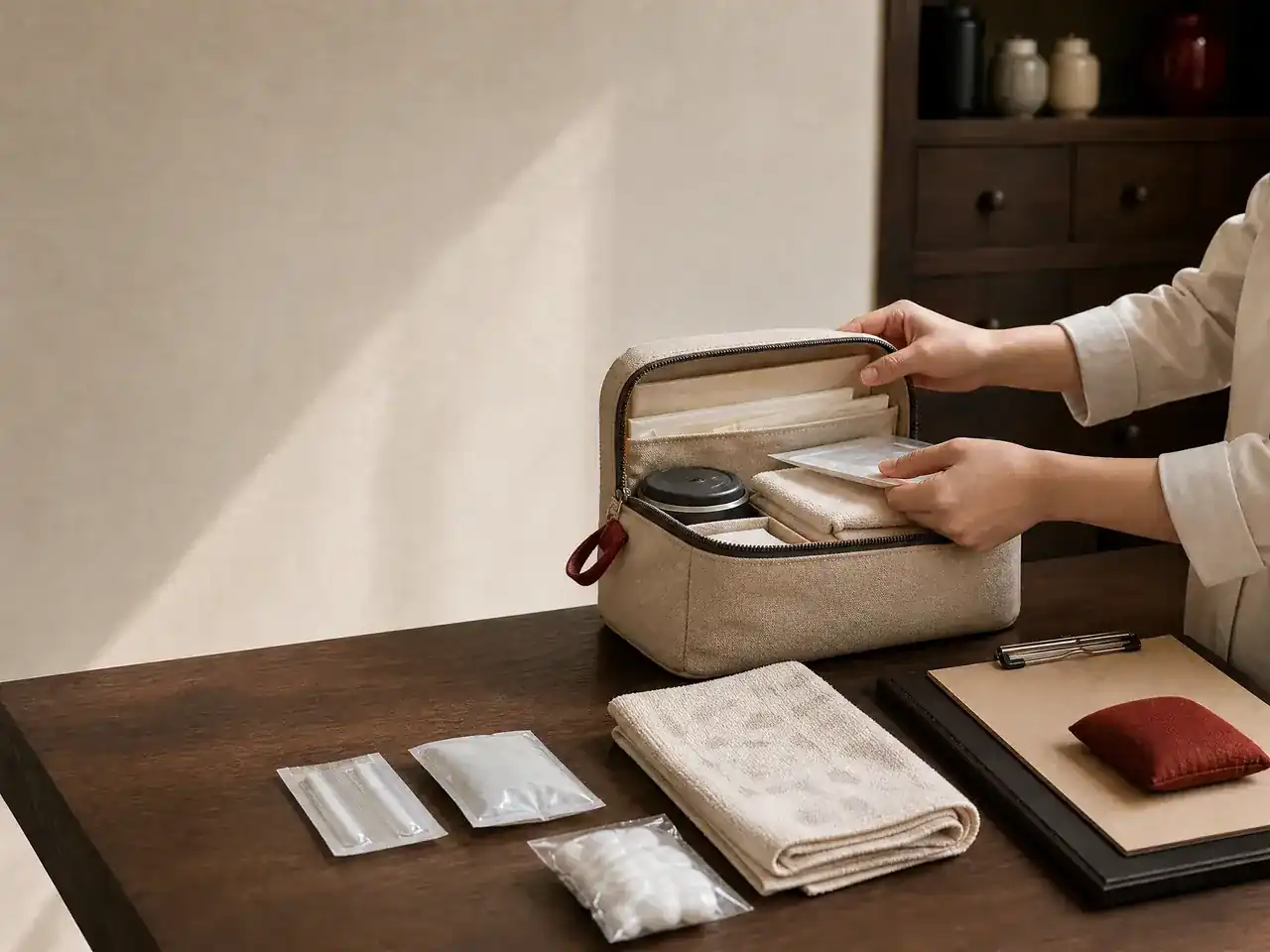
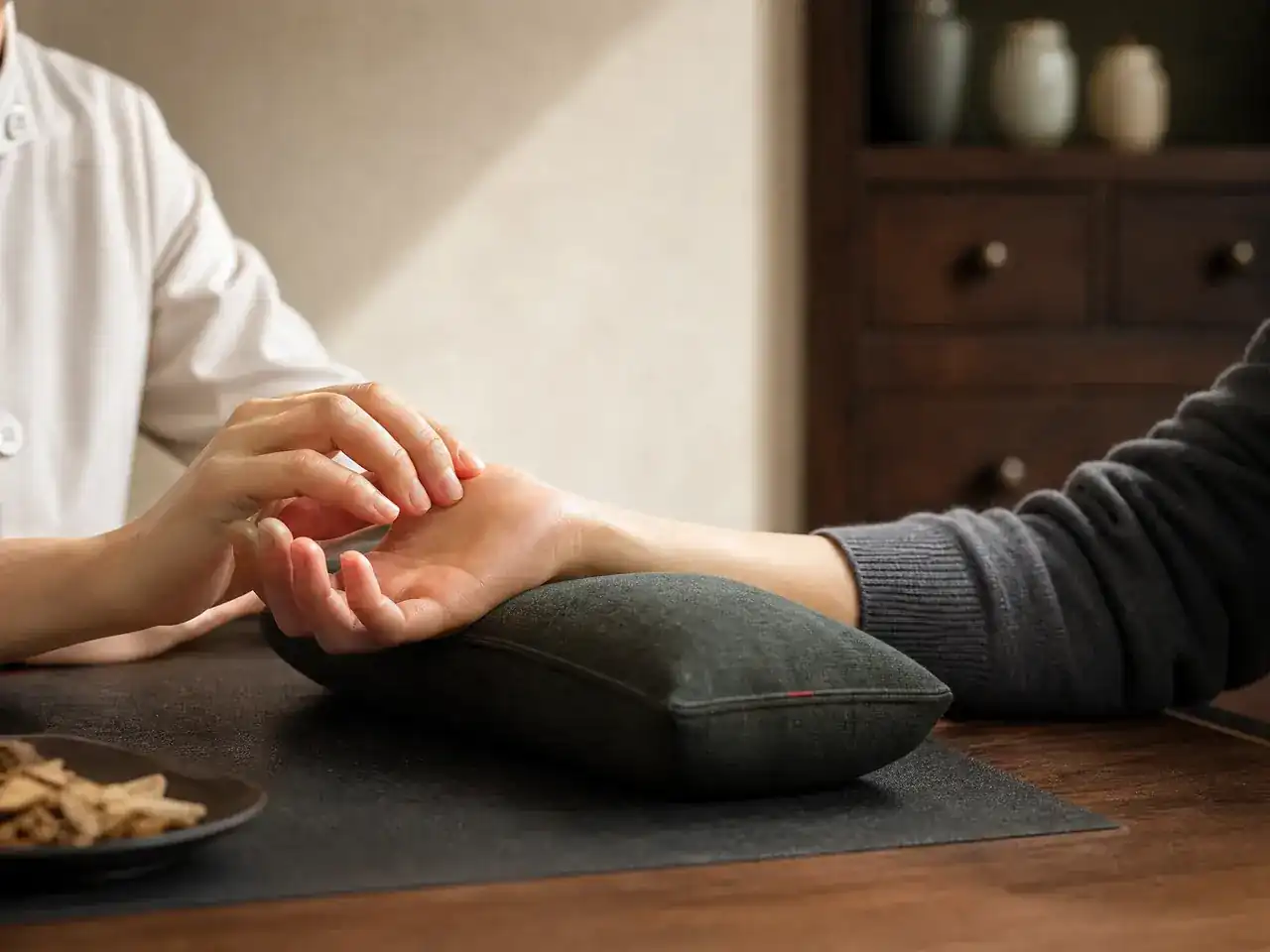
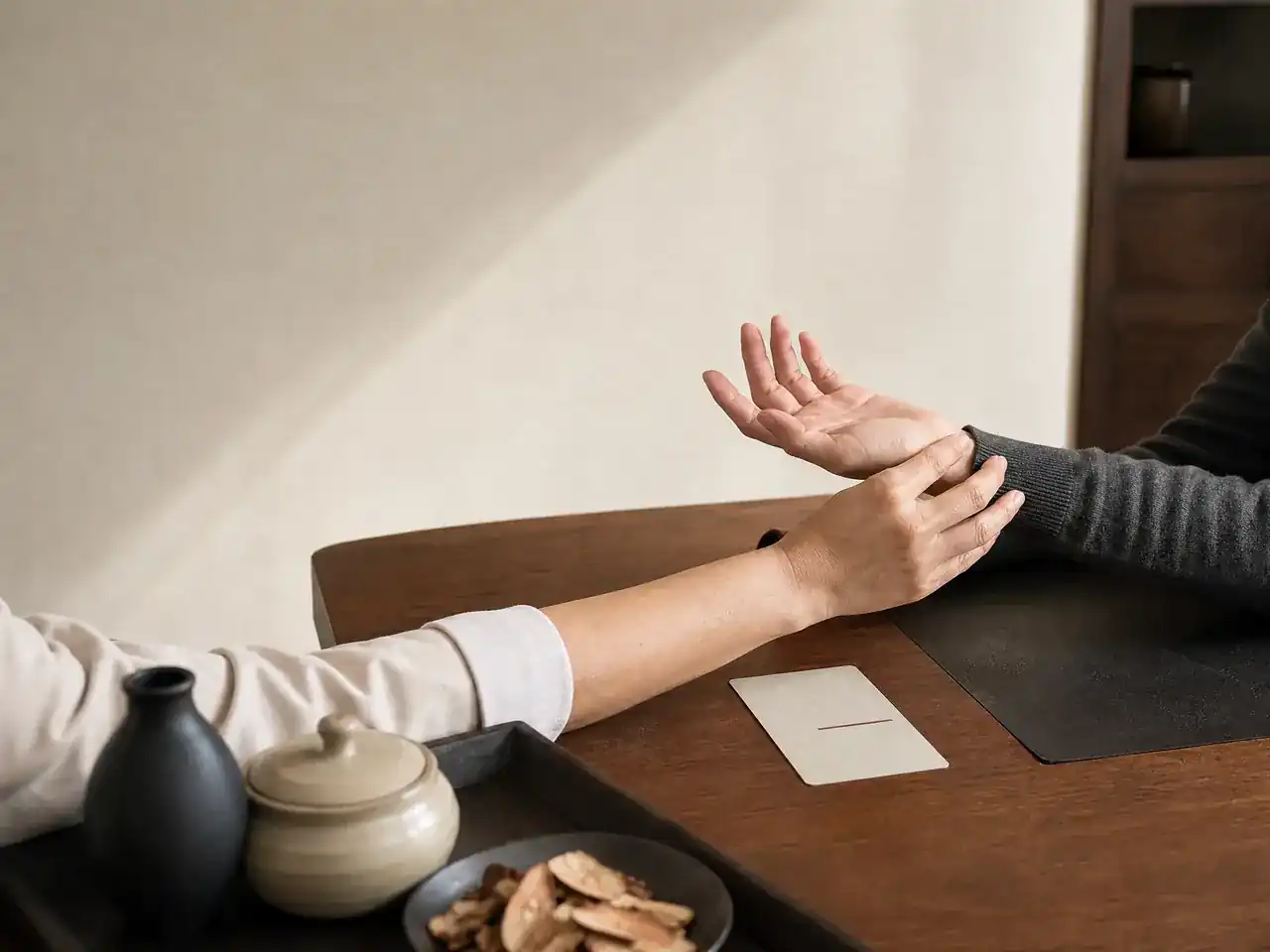
Traditional Purposes and Common Scenarios of Cupping, Gua Sha and Moxibustion
In traditional Chinese medicine, cupping, gua sha, and moxibustion are frequently utilized as part of comprehensive care plans to help condition the body, support general wellness, or relieve persistent muscle tension. Each modality possesses unique technical characteristics and therapeutic purposes. Understanding these foundational concepts helps care seekers establish realistic expectations and comprehend their appropriate clinical scope when discussing treatment options with qualified practitioners. These external therapies boast a long historical background across Asian and global complementary medicine traditions, and they are increasingly integrated into broader contemporary healthcare management frameworks.
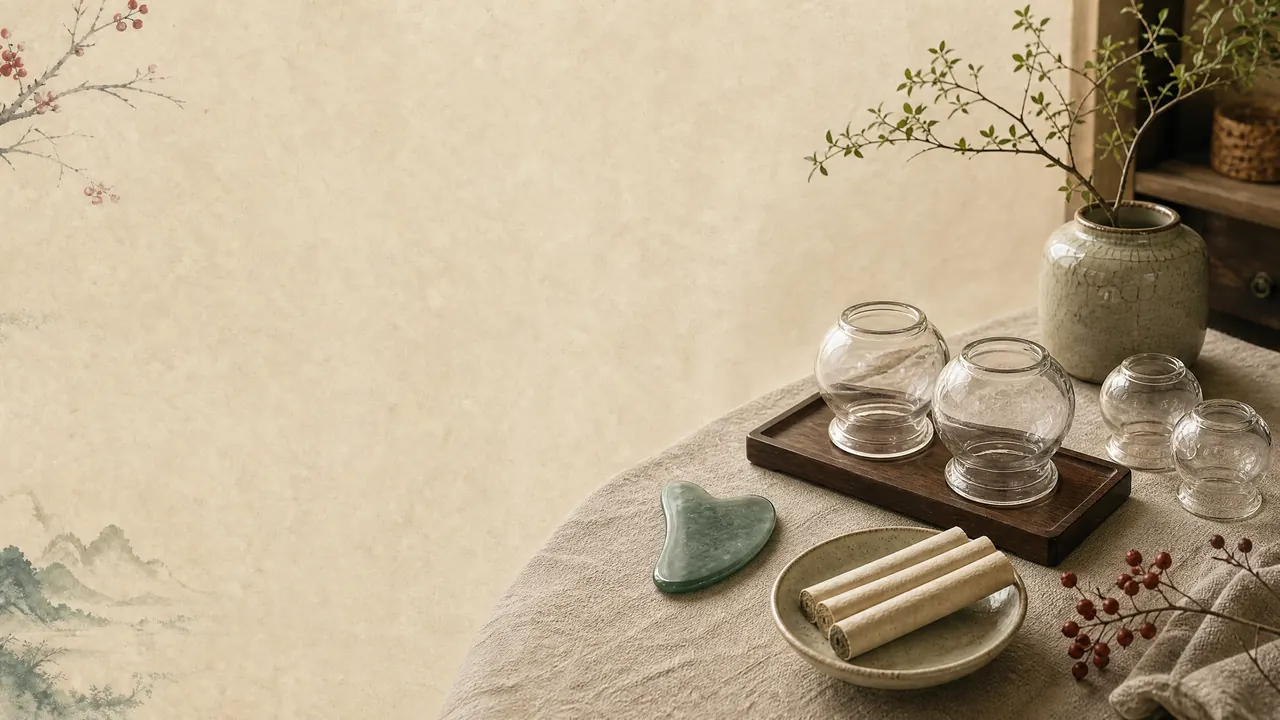
Cupping typically involves placing specialized glass, plastic, or bamboo cups on the skin surface to create negative pressure over thicker muscle groups, particularly across the back and shoulders. Its traditional operational purpose is to support local qi and blood circulation, encourage fascial release, and relax deep muscle layers. Gua sha utilizes smooth-edged tools—such as jade, buffalo horn, or specialized resin implements—to gently stroke lubricated skin surfaces in unidirectional motions, commonly applied along the back or neck region to stimulate microcirculation and assist in releasing localized tightness. Moxibustion applies gentle thermal energy generated by burning mugwort sticks, poles, or wool directly above acupuncture points, with the core traditional purpose of warming meridians, dispelling cold, alleviating pain, and harmonizing systemic circulation.
However, these external therapies are not universally suitable for every individual constitution, age group, or clinical condition. Modern scientific research and clinical practice guidelines emphasize that traditional therapies must serve strictly as supportive components of overall healthcare rather than substituting conventional medical diagnoses and treatments. Thoroughly understanding the operational processes, potential bodily responses, and personal suitability before undergoing any external therapy is an essential first step toward safeguarding personal health. Seekers should always consult professional registered practitioners to evaluate their individual physical constitution and health requirements before selecting any specific conditioning modality.
| Therapy Name | Traditional Purpose & Mechanism | Common Skin / Body Reactions | Key Safety Considerations & Contraindications |
|---|---|---|---|
| cupping and gua sha | Utilize negative pressure suction or light scraping to stimulate local microcirculation, release fascial restrictions, and relax deep muscle tension | Temporary bruising, red marks (petechiae), mild skin stinging sensation, or temporary localized pigmentation | Use with extreme caution in coagulation disorders, anticoagulant medication use, broken skin, or severe sensitivities; avoid excessive force or prolonged suction |
| Moxibustion | Utilize mugwort thermal energy to warm meridians, dispel cold, relieve pain, and support healthy qi-blood circulation | Comfortable warmth sensation, local skin redness, and potential thermal burns or blistering if mishandled | Respiratory sensitivity requires careful attention regarding smoke; individuals with diabetes or sensory nerve impairments require strict burn prevention |
Potential Risks, Side Effects and Safety Considerations
Although cupping, gua sha, and moxibustion are widely applied in empirical clinical practice, they are certainly not without risks. According to the National Center for Complementary and Integrative Health (NCCIH) and relevant medical safety guidelines, traditional Chinese medicine therapies may entail specific adverse skin reactions or undesirable health events. Understanding these potential risks helps individuals prepare properly before treatment and avoid unnecessary health complications or adverse side effects.
Cupping commonly leaves temporary ecchymosis, red marks, skin pigmentation, or mild blistering on the skin surface. If techniques are improperly executed, retention times are excessive, or suction pressure is too intense, it can lead to skin breakdown, localized pain, or potential secondary infection. Gua sha produces petechiae (red spots or minor capillary ruptures) on the skin; individuals with skin sensitivities, blood coagulation disorders, low platelet counts, or those currently taking anticoagulant medications (such as warfarin) should exercise extreme caution or avoid the procedure entirely. The primary safety risk associated with moxibustion lies in the intense thermal energy produced by burning mugwort, which can potentially cause thermal burns, blistering, skin hypersensitivity, or dense smoke irritation for individuals with respiratory sensitivities such as asthma or chronic bronchitis.
Furthermore, individuals suffering from severe organic cardiovascular diseases, acute skin infections, open wounds, malignant tumor sites, or active acute inflammatory phases must strictly avoid these external therapies. Patients must openly and comprehensively disclose all chronic medical histories, complete medication lists, known allergies, and other ongoing healthcare services to their registered practitioners prior to treatment, thereby preventing delayed medical diagnoses or unfavorable interactions between conventional medications and traditional therapies.
Coordination Between TCM and Conventional Care: Why It Cannot Replace Conventional Checks
When exploring traditional Chinese medicine external therapies, it is crucial to clearly delineate the boundaries between complementary therapies and modern conventional Western medical care. According to NCCIH guidance, TCM products, complementary therapies, and traditional external treatments must never replace or delay necessary conventional medical diagnosis and treatment. When individuals experience unexplained persistent pain, progressive neurological symptoms, unexplained rapid weight loss, or other serious medical red flags, they should always prioritize conventional Western medical diagnostic evaluations and clinical imaging.
Many patients frequently harbor the misconception that traditional external therapies can completely cure chronic pain syndromes, metabolic disorders, or complex internal medical conditions. In reality, modalities such as cupping, gua sha, and moxibustion primarily focus on regulating local qi-blood circulation, easing muscular tension, and alleviating specific symptomatic discomforts; they cannot substitute modern medical diagnostic investigations for structural lesions, infectious diseases, malignant growths, or major acute medical emergencies. Therefore, effective information exchange and multidisciplinary coordination between TCM practitioners and conventional Western medical doctors are exceptionally critical.
Within our clinical communication framework at Harmonia TCM, we consistently emphasize 'informed choice and safety first.' Before undergoing any traditional therapy, patients should proactively share comprehensive information regarding herbal prescriptions, Western pharmaceuticals, nutritional supplements, and previously received external treatments with all attending healthcare professionals. Ensuring that the entire care team maintains a complete and transparent overview of the patient's health status enables the formulation of safe, coordinated, and non-conflicting care plans that safeguard long-term health and well-being.
Before Your First Visit: How to Communicate Effectively With Your Practitioner
When trying cupping, gua sha, or moxibustion for the first time, thorough and structured communication significantly reduces treatment-related anxiety and prevents potential safety hazards. Many care seekers fail to fully articulate their existing health conditions, history of skin sensitivities, or personal pain tolerance prior to commencing treatment, which frequently compromises their therapeutic experience or leads to unexpected adverse skin reactions. Establishing a clear communication checklist helps ensure that no critical health information is overlooked during the clinical consultation.
First, you should clearly communicate your primary health complaints and goals—such as neck and shoulder tightness, lower back soreness, or aversion to cold—along with any prior personal experience receiving similar external therapies. Second, proactively disclose whether you have sensitive skin, easy bruising tendencies, blood coagulation abnormalities, compromised immune function, or if you are currently pregnant or breastfeeding. Finally, inquire specifically about the physical sensations expected during the application, the anticipated fading timeline for residual skin marks, and detailed post-treatment care instructions (such as avoiding immediate bathing or exposure to cold wind).
Through transparent, honest, and bidirectional medical communication, care seekers not only gain a much clearer understanding of cupping, gua sha, and moxibustion, but also ensure that registered practitioners can accurately adjust technique intensity, suction pressure, and treatment duration based on individual physical constitutions and strict safety boundaries, thereby securing a safer and more reliable traditional conditioning experience.
Post-Treatment Care, Skin Recovery Guidelines and Managing Adverse Reactions
Following external therapies such as cupping, gua sha, or moxibustion, proper post-treatment care and monitoring are essential for supporting normal skin recovery and minimizing localized discomfort. Care seekers should understand that temporary skin changes—such as petechiae, red marks, skin discoloration, or mild tenderness—are common physiological responses to microcirculation stimulation and typically resolve naturally within several days to a week. Maintaining clean, dry skin, avoiding harsh chemical soaps, and refraining from vigorous scrubbing over treated areas help prevent unnecessary skin irritation or potential secondary infections while the epidermis heals.
In addition to skin management, individuals should observe sensible lifestyle precautions immediately following a therapeutic session. It is generally advised to avoid exposing treated areas to cold drafts, strong winds, or cold water bathing immediately after cupping or moxibustion, as skin pores may remain temporarily open and vulnerable. If any unusual or severe symptoms occur—such as persistent blistering, increasing localized pain, significant swelling, or signs of purulent discharge—individuals must never attempt home remedies or ignore the warnings, but should promptly consult a registered TCM practitioner or a conventional medical physician for professional evaluation and timely medical care.
Evaluating Practitioner Qualifications and Setting Safe Treatment Expectations
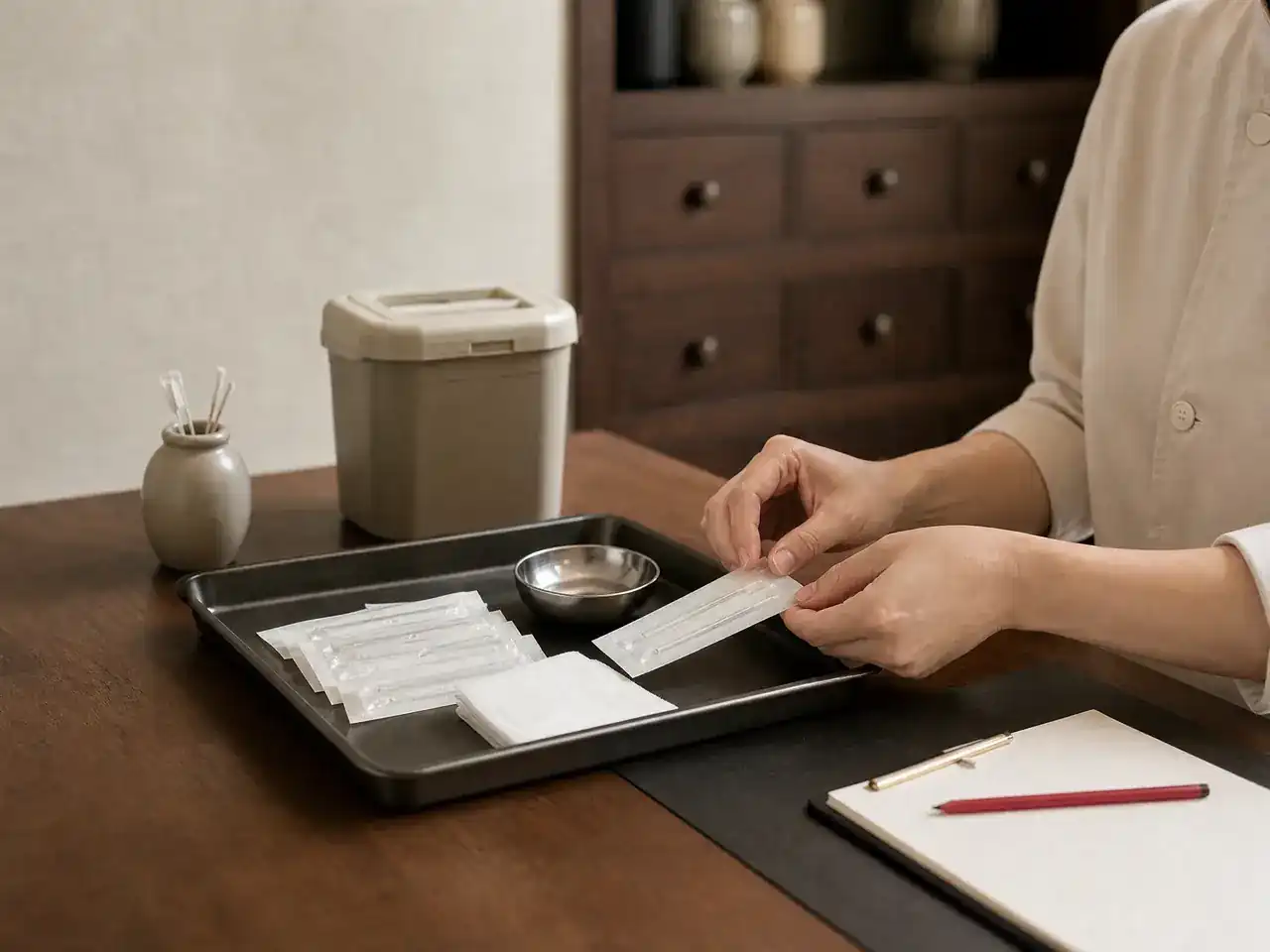
When deciding to incorporate traditional therapies into a personal healthcare routine, verifying the professional qualifications and statutory registration of the practitioner is a vital safety prerequisite. Under regulatory frameworks such as the Chinese Medicine Ordinance, qualified practitioners must possess valid professional registration, adhere to strict hygiene protocols, and comply with established clinical practice standards. Care seekers are strongly encouraged to proactively inquire about practitioner credentials, sterilization procedures, and treatment methodologies during their initial consultation to ensure a safe, hygienic, and professionally managed therapeutic environment.
Furthermore, maintaining realistic expectations regarding treatment outcomes is crucial for safe healthcare decision-making. Cupping, gua sha, and moxibustion function primarily as supportive adjunctive therapies designed to aid muscular relaxation and regulate local microcirculation; they do not offer guaranteed cures for chronic disorders or structural diseases. Approaching traditional modalities with an objective understanding of their clinical boundaries ensures that individuals combine complementary therapies harmoniously with essential conventional medical diagnostics, ongoing clinical assessments, and comprehensive personal health management. Patients must also ensure full transparency by disclosing all concurrent medical treatments to their healthcare providers.
Continue reading
Explore the corresponding service or information page at your own pace.
Related articles
Frequently asked questions
Are red marks or petechiae after cupping and gua sha normal? How long do they take to fade?
Red marks, bruising, and petechiae (commonly known as sha) produced following cupping and gua sha are typically normal external therapy responses that reflect localized microcirculation adjustments and minor capillary dilation. Generally, these marks fade on their own within several days to a week. If red marks are accompanied by severe pain, blistering, suppuration, or signs of infection, you should consult a registered practitioner or physician immediately.
Is there a burn risk during moxibustion? Who needs special care?
Moxibustion utilizes thermal energy generated by burning mugwort to warm meridians; if operational techniques are improper, proximity is too close, or the patient has impaired thermal sensation, burn risks certainly exist. Individuals with diabetes, peripheral neuropathy, sensory impairments, pregnancy, or skin sensitivities should exercise special caution and must have a registered practitioner evaluate their suitability prior to treatment.
Can traditional external therapies (cupping, gua sha, moxibustion) replace conventional Western medical care?
No. According to NCCIH health guidelines, complementary therapies such as cupping, gua sha, and moxibustion are supportive conditioning methods and must never replace or delay modern conventional medical diagnosis and treatment. For severe pain, persistent discomfort, neurological abnormalities, or structural diseases, conventional medical diagnostic evaluation and treatment must always take top priority.
What personal health information should I share with my practitioner before receiving cupping, gua sha, or moxibustion?
You should comprehensively disclose your past medical history, allergy history, current herbal and Western medications or nutritional supplements (especially anticoagulants), pregnancy or lactation status, and any skin sensitivities or coagulation abnormalities to allow registered practitioners to conduct a thorough safety assessment and formulate appropriate treatment plans.
Can “cupping and gua sha guide” be used as a personal diagnosis?
No. This article provides general information and preparation ideas only. Individual circumstances need appropriate assessment around history, tests, functional impact and safety.
What can I prepare before asking about “cupping and gua sha guide”?
You can note symptom timing, approaches already tried, current medicines, test information and your main questions. Seek appropriate conventional medical assessment first for severe or worsening signs.
Related topics
Sources
Want to understand the next step around your situation?
You are welcome to share your question, preferred time and existing information. We will explain the service scope and arrangements clearly.