Treatments
Moxibustion therapy
Moxibustion therapy is a traditional Chinese medicine technique that involves burning mugwort to apply gentle heat to specific points on the body. At Harmonia TCM, we focus on detailed constitutional assessments to determine if this warming therapy aligns with your personal health needs and wellness goals.
Quick answer: Moxibustion is a traditional Chinese medicine therapy that involves burning dried mugwort (moxa) near specific acupoints. This warming technique aims to stimulate circulation, dispel cold, and support the body's natural balance. A thorough assessment by a registered practitioner is essential before starting moxa therapy.
View pricesRequest an Assessment
CLEAR PRICES
Interested in a treatment? You are always welcome to ask.
We clearly list our current single, trial and package prices so you can explore at your own pace. You are always welcome to message us on WhatsApp about any service, timing or arrangement.
| Category and service | Content / terms | Public price (HK$) | Booking note | Enquire |
|---|---|---|---|---|
| Hair & scalp | Scalp health and hair-loss support | AI scalp analysis, deep follicle cleansing and oil-control support | Trial offerPackageTrial 380; 6 sessions 3,480; 12 sessions 5,760; 20 sessions 8,600; 30 sessions 11,400 | Average per session for 6/12/20/30: 580/480/430/380 | Ask on WhatsApp |
| Hair & scalp | Hair acupuncture with herbal medicine | Scalp acupuncture with 3 days of decoction-free herbal medicine | Single visitPackageSingle 580; 6 sessions 3,180; 12 sessions 5,760; 20 sessions 8,600; 30 sessions 11,400 | Average per session for 6/12/20/30: 530/480/430/380 | Ask on WhatsApp |
| Hair & scalp | Integrated hair support programme | Acupuncture, herbal medicine and follicle activation; packages include shampoo and serum | Single visitPackageSingle 1,260; 8 sessions 8,640; 16 sessions 15,680; 20 sessions 18,600; 30 sessions 26,400 | Average per session for 8/16/20/30: 1,080/980/930/880 | Ask on WhatsApp |
| Weight management | Full-body acupoint embedding | Full-body acupoint embedding; packages include proportionate days of herbal support | Single visitPackageSingle 980; 10 sessions 7,800; 20 sessions 14,600; 30 sessions 20,400 | Average per session for 10/20/30: 780/730/680 | Ask on WhatsApp |
| Facial acupuncture | Brightening V-face (Essential) | Facial acupuncture, meridian support and swelling management | Trial offerPackageTrial 480; 10 sessions 5,200; 20 sessions 9,600; 30 sessions 13,500 | Average per session for 10/20/30: 520/480/450 | Ask on WhatsApp |
| Facial acupuncture | Firming and refining (Advanced) | Enhanced facial acupuncture for firmness and fine-line concerns with a moisturising mask serum | Trial offerPackageTrial 780; 10 sessions 9,000; 20 sessions 16,600; 30 sessions 23,400 | Average per session for 10/20/30: 900/830/780 | Ask on WhatsApp |
| Pain care | Extracorporeal shockwave therapy | Deep inflammation support and fascial relaxation | Prince Edward: 250 per area; Kwun Tong: 250 for 1 area, 450 for 2, 600 for 3 | Clinic-specific pricing; confirm location before booking | Ask on WhatsApp |
| Pain care | Manual therapy | TCM bone-injury assessment, manual alignment and tui na techniques | Single visitSingle 580 | Suitability is confirmed after assessment | Ask on WhatsApp |
| Pain care | Acupuncture with manual therapy | Acupuncture with manual structural support | Single visitSingle 680 | Suitability is confirmed after assessment | Ask on WhatsApp |
| TCM regulation | Acupuncture with herbal medicine | TCM consultation, whole-body acupuncture and 3 days of decoction-free herbal medicine granules | Single visitSingle 580 | Confirm clinician availability and service arrangement when booking | Ask on WhatsApp |
Understanding Moxibustion Therapy
Moxibustion therapy, often simply referred to as moxa therapy, is a cornerstone of external treatment within Traditional Chinese Medicine (TCM). The practice involves the controlled burning of dried mugwort—botanically known as Artemisia argyi—near or on specific acupoints and meridians of the body. The mugwort leaves are aged, dried, and processed into a fine, spongy material called moxa wool, which can then be shaped into cones, rolled into sticks, or placed into specialized warming boxes.
Historically, moxibustion has evolved alongside acupuncture, and the two modalities are frequently discussed together in classical TCM texts. However, while acupuncture primarily relies on the physical stimulation of needles to regulate the flow of Qi (vital energy) and Blood, moxibustion introduces the element of therapeutic heat. This gentle, penetrating warmth is believed to resonate with the body's meridian system in a unique way, aiming to dispel cold, resolve dampness, and invigorate sluggish circulation.
It is crucial to understand that moxibustion is not merely the application of topical heat, like a heating pad. TCM theory suggests that the specific radiant heat generated by burning mugwort has a distinct physiological interaction with acupoints. Nevertheless, the application of moxa therapy requires careful consideration. Because every individual's constitution and current health status are unique, a comprehensive assessment by a registered Chinese medicine practitioner is mandatory to determine if moxibustion is a safe and appropriate option for you.
The Potential Role of Moxibustion in TCM
In the framework of Traditional Chinese Medicine, optimal health depends on the smooth, unobstructed flow of Qi and Blood, as well as a dynamic balance between Yin and Yang. When the body is exposed to external pathogenic factors—particularly 'Cold' and 'Dampness'—or when internal Yang energy is deficient, circulation can become impaired. This stagnation is often viewed as the root cause of various discomforts, including joint stiffness, muscle aches, and a pervasive sense of fatigue. Moxibustion aims to address these issues by introducing warming energy directly into the meridian pathways.
For pain-related care, TCM operates on the principle that 'where there is free flow, there is no pain; where there is pain, there is a lack of free flow.' The warming effect of moxibustion is thought to help relax tense muscle tissues, promote local microcirculation, and soothe areas affected by chronic strain or cold-induced discomfort. Practitioners carefully select specific acupoints based on the location of the pain and the corresponding meridian pathways, utilizing the heat to potentially ease stiffness and support the body's natural recovery processes.
Beyond localized discomfort, moxibustion is frequently considered for broader constitutional support. Individuals who are assessed as having a 'Yang deficiency'—often characterized by a tendency to feel cold, pale complexion, and low energy—may be candidates for moxa therapy. The goal here is to gently nourish the body's Yang energy and enhance its resilience. However, it is important to note that moxibustion is a supportive therapy. It should not be viewed as a standalone cure for medical conditions, and its effectiveness can vary significantly from person to person.
Different Approaches to Moxa Therapy
As moxibustion has developed over centuries, practitioners have refined various methods of application to suit different clinical needs and to prioritize patient safety. Traditional methods are generally categorized into direct and indirect moxibustion. Direct moxibustion involves placing a small cone of moxa directly on the skin. Due to the higher risk of burns and scarring, this method is less commonly used in modern practice, or it is performed using extremely small cones that are removed before they cause pain. Indirect moxibustion, on the other hand, places a medium—such as a slice of ginger, garlic, or a layer of salt—between the burning moxa and the skin, providing a buffer and adding the therapeutic properties of the medium.
In contemporary clinical settings, practitioners frequently utilize suspended moxibustion and moxa boxes. Suspended moxibustion involves the practitioner holding a lit moxa stick at a safe distance above the skin, moving it gently to maintain a comfortable, radiating warmth. Moxa boxes are specialized containers that hold burning moxa safely above larger areas of the body, such as the abdomen or lower back, providing consistent, even heat while catching any falling ash.
The table below outlines the common forms of moxa therapy. The specific method recommended for you will depend entirely on a professional assessment of your condition, safety considerations, and personal comfort.
| Type of Moxibustion | Method of Application | Common Target Areas | Key Characteristics & Safety |
|---|---|---|---|
| Indirect Moxibustion | Moxa placed on a medium (e.g., ginger slice) on the skin | Specific joints or localized acupoints | Gentle heat combined with medium properties; requires careful temperature monitoring |
| Suspended Moxibustion | Lit moxa stick held and moved above the skin surface | Limbs, localized areas of discomfort | Highly flexible, practitioner controls distance; must be performed by trained staff |
| Moxa Box Therapy | Moxa burns inside a protective box placed on the body | Abdomen, lower back, larger body regions | Even heat distribution, catches ash safely; ideal for extended warming support |
| Warm Needle Acupuncture | Moxa attached to the handle of an inserted acupuncture needle | Deep muscle tension, stubborn joint stiffness | Combines needle stimulation with heat; requires strict protocols to prevent ash burns |
Assessing Suitability Based on Body Constitution
While moxibustion offers potential benefits for many, it is not universally appropriate. TCM emphasizes highly individualized care through a process known as 'pattern differentiation.' Before recommending moxa therapy, a practitioner must conduct a thorough evaluation of your constitution. Generally, moxibustion is considered most suitable for individuals presenting with 'Cold' or 'Deficiency' patterns. If you frequently experience cold hands and feet, an aversion to cold weather, or discomfort that worsens in damp environments, a practitioner might explore moxibustion as a supportive option.
Conversely, moxibustion is typically contraindicated for individuals exhibiting 'Heat' patterns or 'Yin deficiency with hyperactive fire.' Applying additional heat to a body that is already experiencing excess heat—such as during an active infection, a high fever, or localized inflammation with redness and swelling—can exacerbate symptoms. Furthermore, special precautions are necessary for pregnant women (especially regarding the abdominal and lower back areas), individuals with uncontrolled high blood pressure, and those with neuropathic conditions (like diabetic neuropathy) that impair their ability to feel heat accurately.
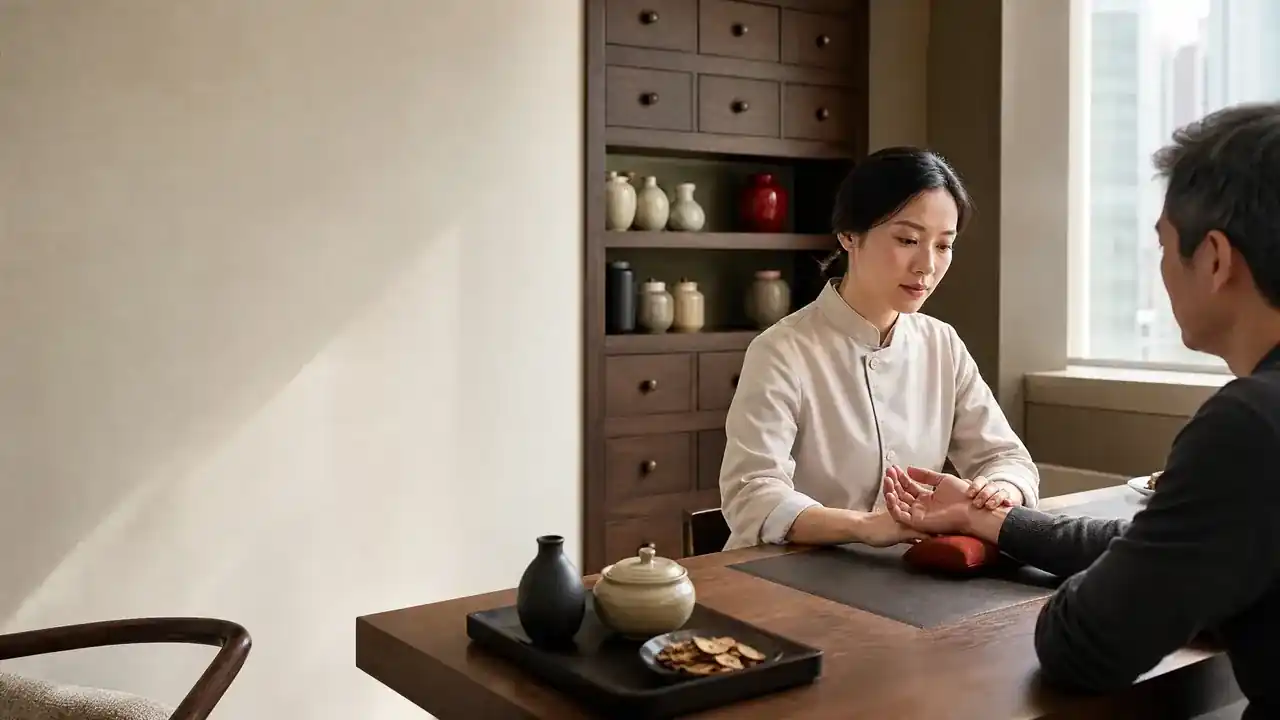
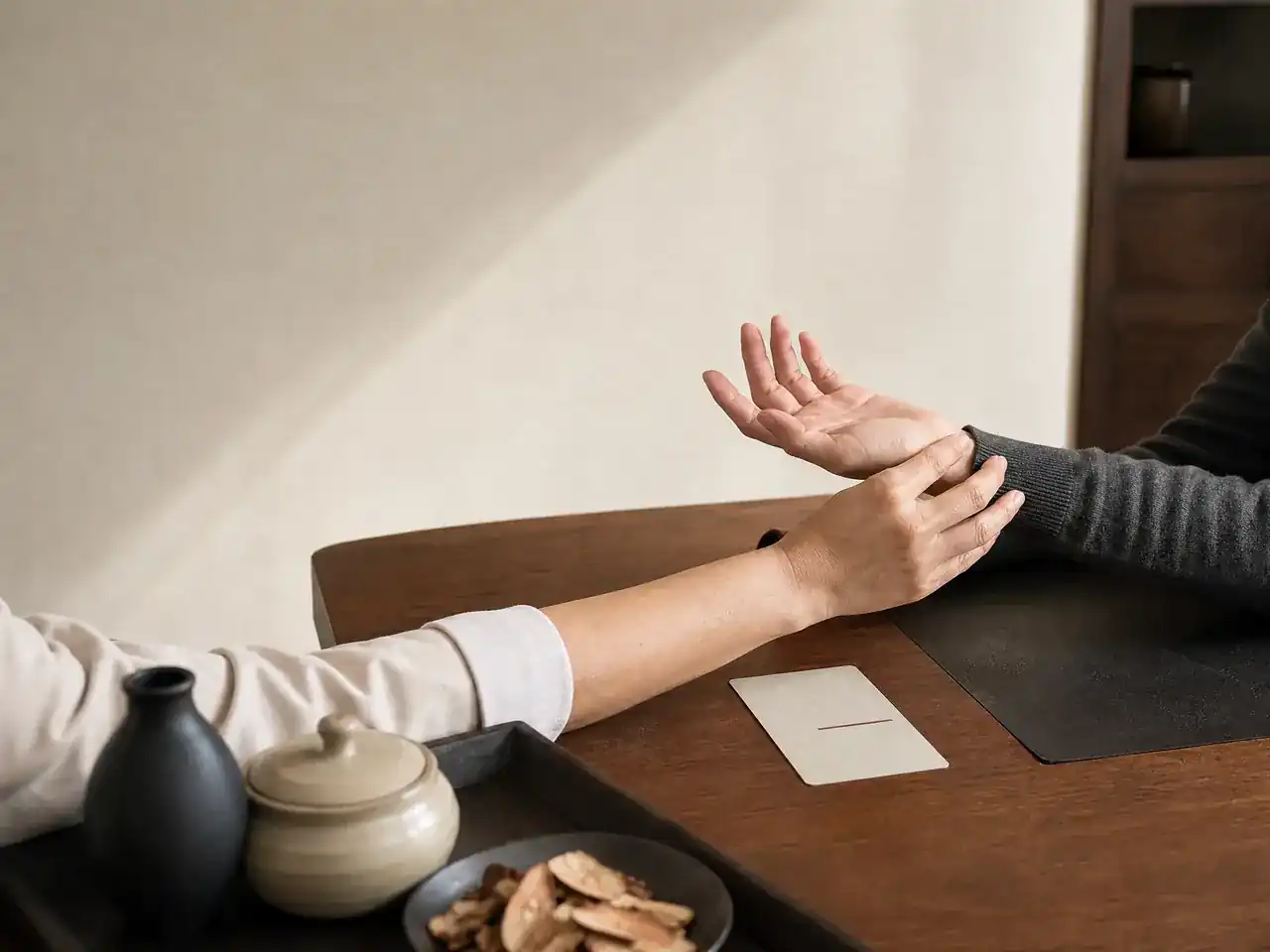
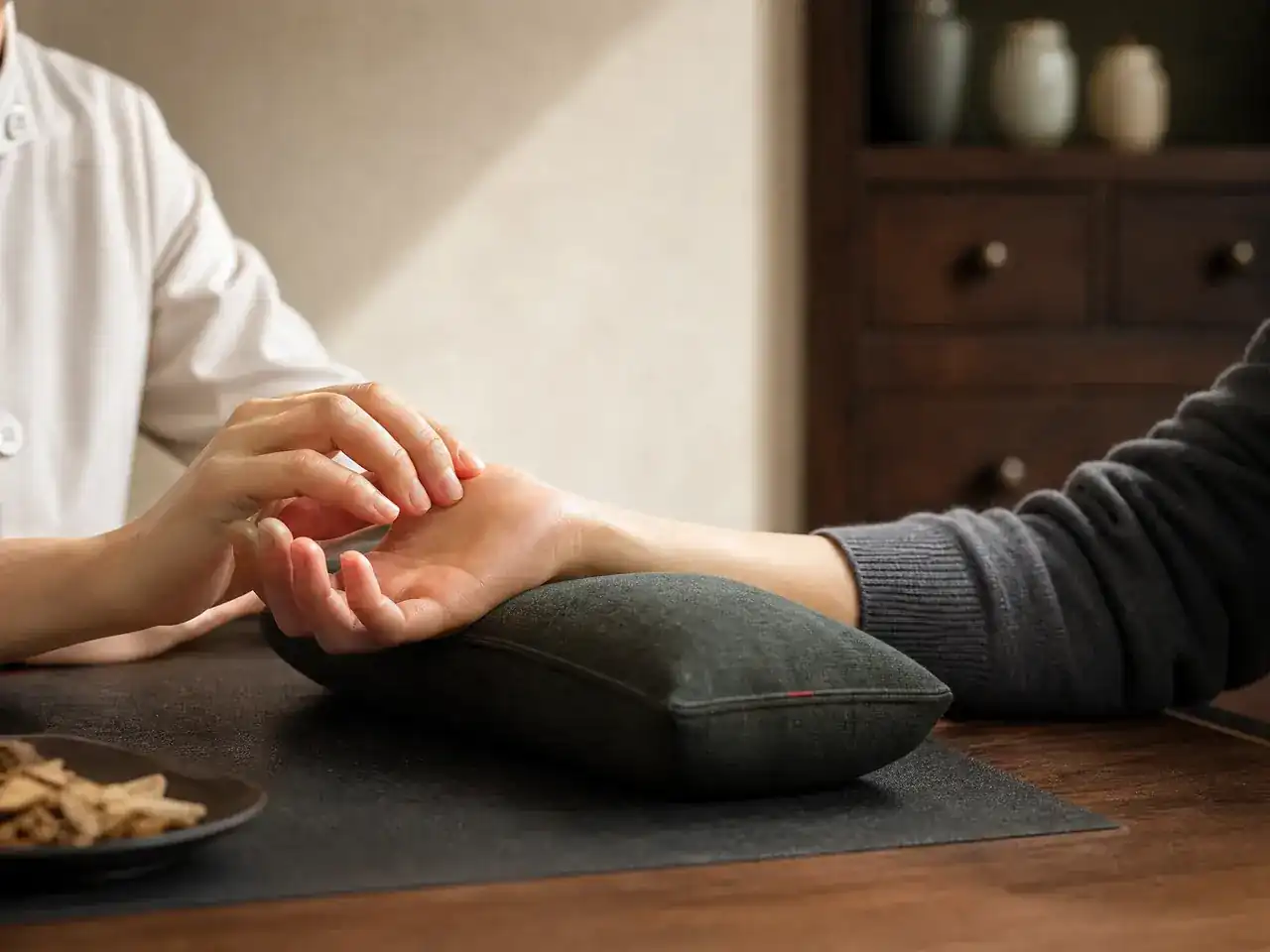
During your initial consultation at Harmonia TCM, our practitioners will utilize the four diagnostic methods of TCM—observation, auscultation/olfaction, inquiry, and palpation (including pulse taking)—to build a comprehensive picture of your health. It is vital that you disclose your full medical history, any current medications, and whether you have sensitivities to smoke or heat, so that we can formulate the safest and most appropriate care plan.
What to Expect During a Moxibustion Session
If you are new to moxibustion, you may wonder what the experience entails. During a standard session, the primary sensation you should feel is a gentle, comforting, and deeply penetrating warmth spreading over the targeted area. This heat should never feel sharp, stinging, or unbearably hot. If the temperature becomes uncomfortable at any point, it is imperative that you inform the practitioner immediately so they can adjust the distance of the moxa or remove the device to prevent skin burns.
Another distinct aspect of moxibustion is the smoke and aroma produced by the burning mugwort. Traditional TCM views the aroma of moxa smoke as having its own therapeutic qualities. However, the smoke can be dense and may irritate the respiratory tract or eyes, particularly for individuals with asthma or smoke sensitivities. Modern clinics employ ventilation systems or smoke extractors to manage this. In some cases, practitioners may opt for smokeless moxa sticks or electronic moxibustion devices as a safer alternative for sensitive individuals.
Throughout the session, a registered practitioner or trained assistant will closely monitor your progress. They will check the color of your skin, ask for your feedback regarding the heat intensity, and ensure that no moxa ash falls onto your body. After the session concludes, you will receive specific post-care instructions, such as avoiding cold drafts or immediate cold showers, to protect the body while the pores remain open from the heat.
Integrating Moxibustion with Comprehensive Care
In clinical practice, moxibustion is rarely used in isolation; it is most often integrated into a broader, comprehensive TCM care plan. A very common integration is the combination of acupuncture and moxibustion, known as warm needle acupuncture. By attaching moxa to the handle of an acupuncture needle, the heat is conducted directly down the metal shaft into deeper tissues. This dual approach aims to harness both the meridian-clearing effects of the needle and the cold-dispelling warmth of the moxa, often utilized for stubborn musculoskeletal discomfort.
Moxibustion is also frequently paired with herbal medicine. A practitioner might prescribe an internal herbal formula designed to warm the interior and strengthen the digestive system, while simultaneously applying moxibustion to abdominal acupoints. This synergistic strategy addresses the health concern from both the inside and the outside, aiming to provide more robust constitutional support.
At Harmonia TCM, we are committed to a holistic approach to your well-being. We understand that complex health issues require multifaceted strategies. Please note that Harmonia TCM's only physical clinic is located in Kwun Tong. The information provided here serves as a reference for our consultation scope and potential home visit coverage. The actual availability, suitability, and arrangement of any moxibustion therapy must be confirmed through an in-person assessment by our registered Chinese medicine practitioners.
Frequently asked questions
Is moxibustion therapy painful?
Properly administered moxibustion should not be painful. You should experience a pleasant, radiating warmth that penetrates the skin. If you feel any sharp, stinging, or burning pain, it means the heat is too intense. You must inform your practitioner immediately so they can adjust the distance or remove the moxa to prevent burns.
Is the smoke from burning moxa harmful?
While traditional TCM considers moxa smoke to have therapeutic properties, dense smoke can irritate the eyes and respiratory system. Modern clinics use ventilation or smoke extractors to minimize exposure. If you have asthma, are pregnant, or are sensitive to smoke, please inform your practitioner during the assessment; they may suggest smokeless moxa or alternative therapies.
What is the difference between moxibustion and acupuncture?
Acupuncture uses fine needles inserted into acupoints to physically stimulate the meridian system, whereas moxibustion uses the heat from burning mugwort to warm and stimulate the points. While their mechanisms differ, they are complementary and are often used together (such as in warm needle acupuncture) to provide comprehensive support.
Can I take a shower immediately after a moxibustion session?
It is generally advised to wait several hours before showering after moxibustion, and to use warm water when you do. The heat therapy causes your pores to open, and immediate exposure to cold water or drafts can allow cold to enter the body, potentially negating the therapy's benefits. Your practitioner will provide specific post-care instructions.
Is it safe to have moxibustion every day?
The frequency of moxibustion depends entirely on your individual constitution and health goals. For acute cold-related discomfort, a practitioner might suggest frequent sessions initially. However, excessive moxibustion over time can lead to a buildup of internal heat or 'fire.' A registered practitioner must evaluate your progress to determine the appropriate schedule.
What should I do if I get a blister from moxibustion?
If a small blister forms, keep the area clean and dry, and do not pop it, to prevent infection. If the blister is large, shows signs of inflammation (redness, heat, severe pain), or if you have diabetes, seek professional medical care for proper wound management immediately. Do not apply unverified ointments.
Related topics
Sources
Discuss Your Suitability for Moxibustion
Harmonia TCM provides professional constitutional assessments at our physical clinic in Kwun Tong. This information is provided to help you understand the topic and prepare questions for an assessment. the actual availability, suitability, and risks of moxibustion therapy must be confirmed by our registered Chinese medicine practitioners during an in-person consultation. Contact us to learn more.