HEALTH GUIDE / SAFETY INFORMATION
Before a Chinese herbal prescription: building a complete medication list
Preparing a comprehensive list of current medications and supplements before receiving a Chinese herbal prescription is a vital step for safe TCM internal medicine care. This guide explores how to share accurate health information with your practitioner to ensure coordinated care.
Quick answer: The key to preparing a medication list before a herbal prescription is recording all current prescription drugs, OTC medicines, vitamins, and herbal supplements, and proactively sharing them with your TCM practitioner. This helps assess potential interactions and ensures seamless coordination with conventional care.
CLEAR PRICES
Interested in a treatment? You are always welcome to ask.
We clearly list our current single, trial and package prices so you can explore at your own pace. You are always welcome to message us on WhatsApp about any service, timing or arrangement.
| Category and service | Content / terms | Public price (HK$) | Booking note | Enquire |
|---|---|---|---|---|
| Hair & scalp | Scalp health and hair-loss support | AI scalp analysis, deep follicle cleansing and oil-control support | Trial offerPackageTrial 380; 6 sessions 3,480; 12 sessions 5,760; 20 sessions 8,600; 30 sessions 11,400 | Average per session for 6/12/20/30: 580/480/430/380 | Ask on WhatsApp |
| Hair & scalp | Hair acupuncture with herbal medicine | Scalp acupuncture with 3 days of decoction-free herbal medicine | Single visitPackageSingle 580; 6 sessions 3,180; 12 sessions 5,760; 20 sessions 8,600; 30 sessions 11,400 | Average per session for 6/12/20/30: 530/480/430/380 | Ask on WhatsApp |
| Hair & scalp | Integrated hair support programme | Acupuncture, herbal medicine and follicle activation; packages include shampoo and serum | Single visitPackageSingle 1,260; 8 sessions 8,640; 16 sessions 15,680; 20 sessions 18,600; 30 sessions 26,400 | Average per session for 8/16/20/30: 1,080/980/930/880 | Ask on WhatsApp |
| Weight management | Full-body acupoint embedding | Full-body acupoint embedding; packages include proportionate days of herbal support | Single visitPackageSingle 980; 10 sessions 7,800; 20 sessions 14,600; 30 sessions 20,400 | Average per session for 10/20/30: 780/730/680 | Ask on WhatsApp |
| Facial acupuncture | Brightening V-face (Essential) | Facial acupuncture, meridian support and swelling management | Trial offerPackageTrial 480; 10 sessions 5,200; 20 sessions 9,600; 30 sessions 13,500 | Average per session for 10/20/30: 520/480/450 | Ask on WhatsApp |
| Facial acupuncture | Firming and refining (Advanced) | Enhanced facial acupuncture for firmness and fine-line concerns with a moisturising mask serum | Trial offerPackageTrial 780; 10 sessions 9,000; 20 sessions 16,600; 30 sessions 23,400 | Average per session for 10/20/30: 900/830/780 | Ask on WhatsApp |
| Pain care | Extracorporeal shockwave therapy | Deep inflammation support and fascial relaxation | Prince Edward: 250 per area; Kwun Tong: 250 for 1 area, 450 for 2, 600 for 3 | Clinic-specific pricing; confirm location before booking | Ask on WhatsApp |
| Pain care | Manual therapy | TCM bone-injury assessment, manual alignment and tui na techniques | Single visitSingle 580 | Suitability is confirmed after assessment | Ask on WhatsApp |
| Pain care | Acupuncture with manual therapy | Acupuncture with manual structural support | Single visitSingle 680 | Suitability is confirmed after assessment | Ask on WhatsApp |
| TCM regulation | Acupuncture with herbal medicine | TCM consultation, whole-body acupuncture and 3 days of decoction-free herbal medicine granules | Single visitSingle 580 | Confirm clinician availability and service arrangement when booking | Ask on WhatsApp |
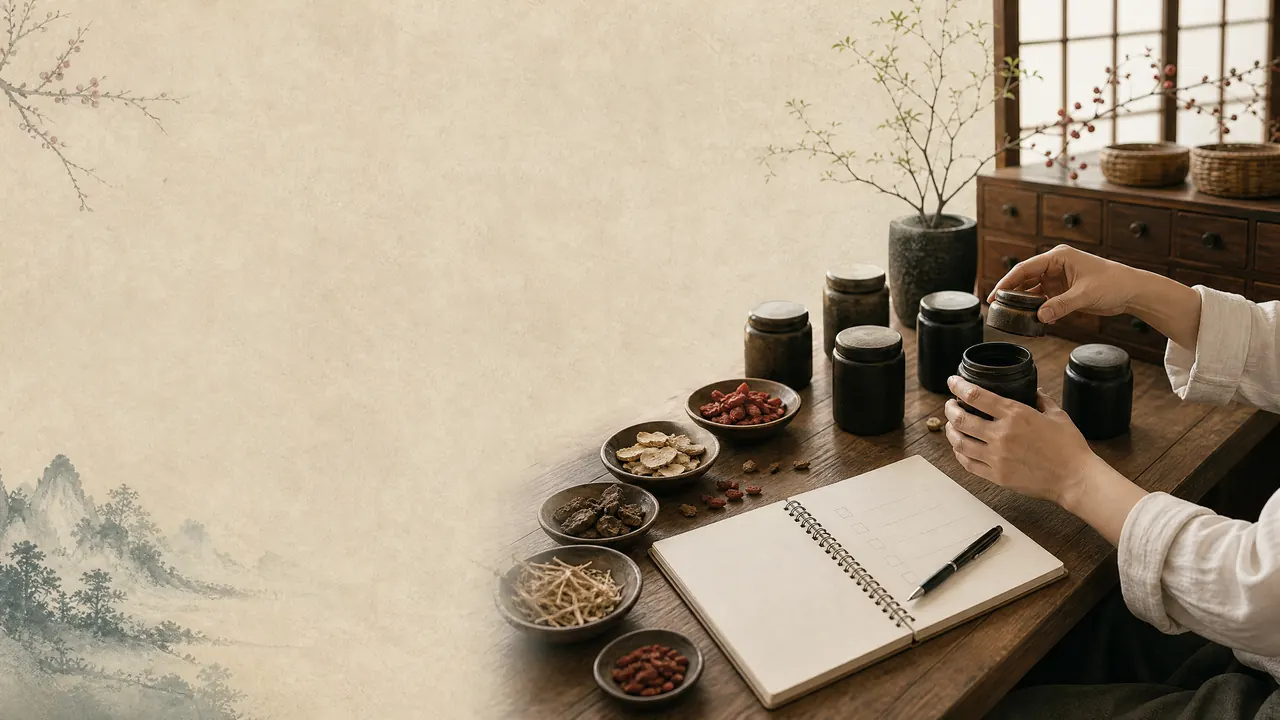
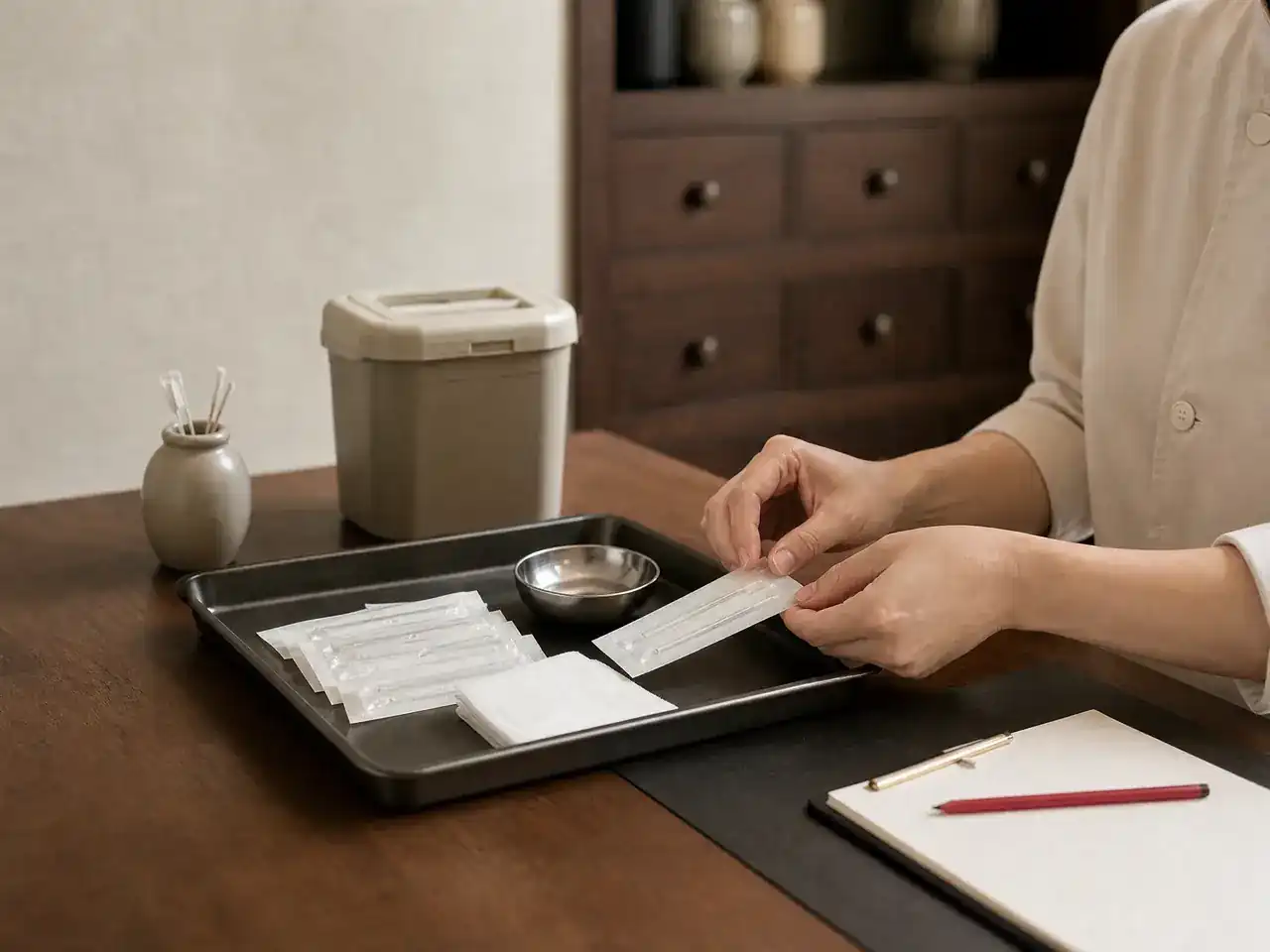
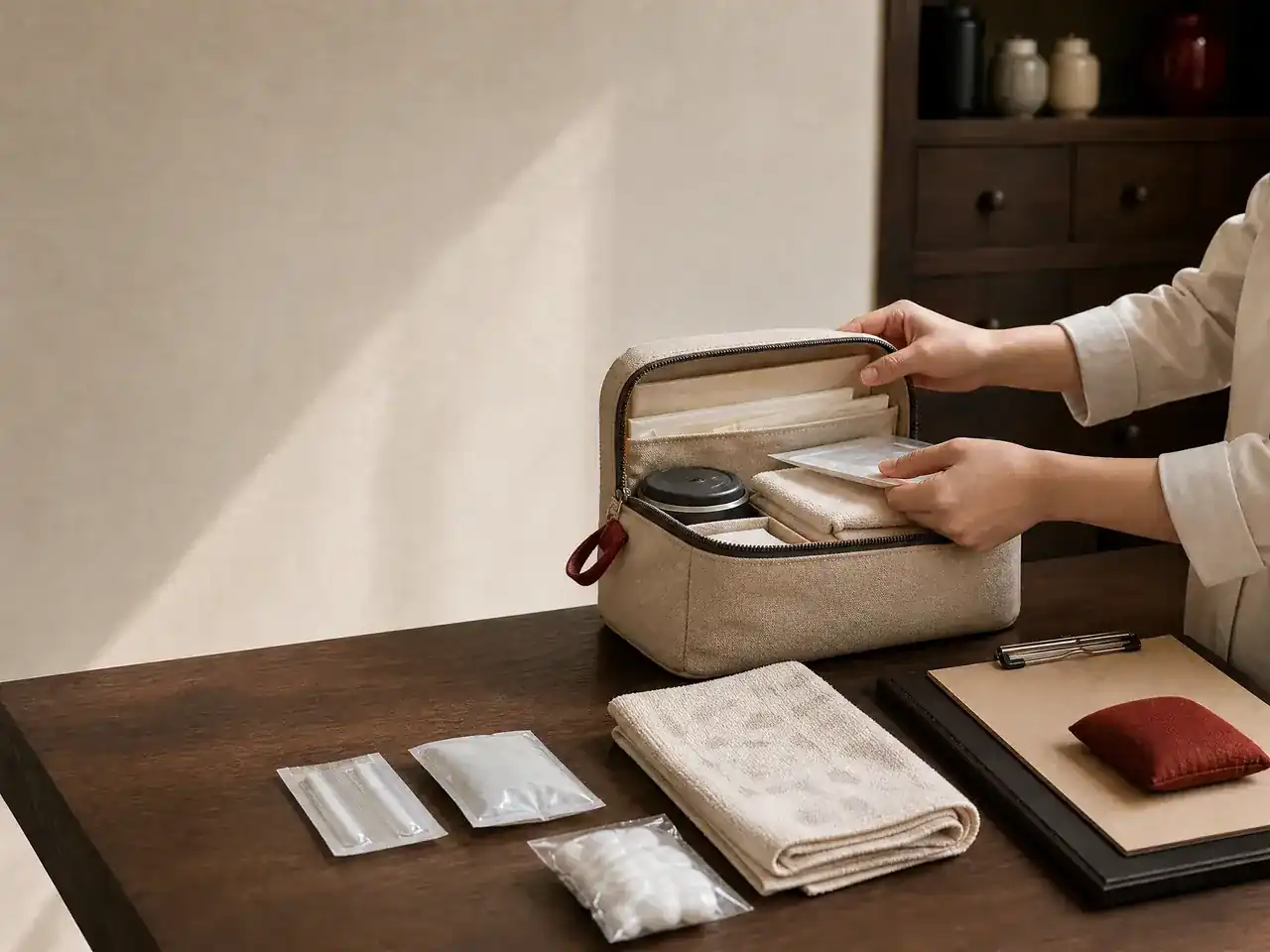
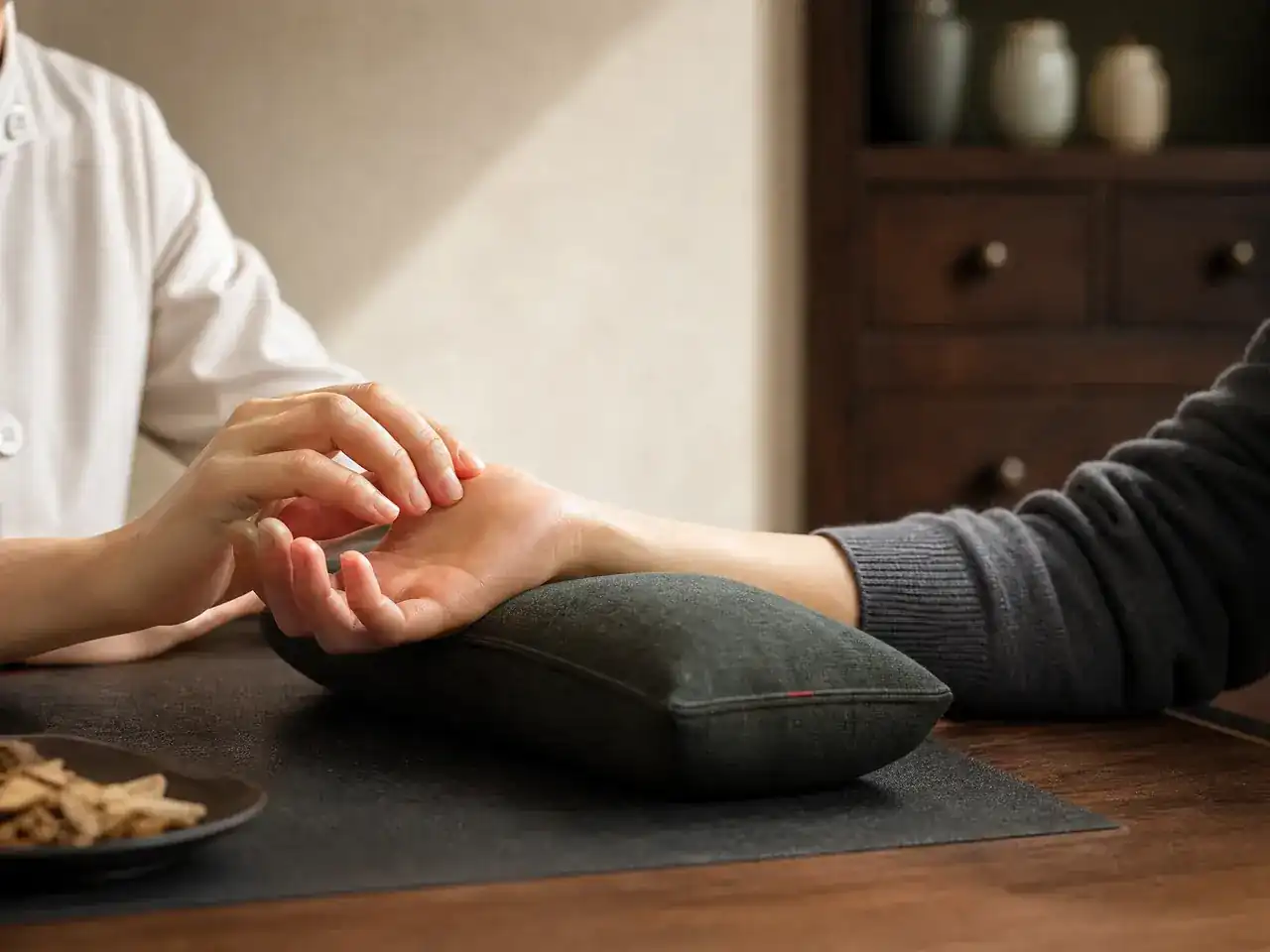

Why is a comprehensive medication list crucial before receiving a herbal prescription?
When seeking traditional Chinese medicine care in Hong Kong and preparing for herbal prescriptions, proactively providing a comprehensive and accurate personal medication list to your registered practitioner is a core step in safeguarding medical safety and achieving optimal wellness outcomes. Many patients may simultaneously take Western prescription drugs, over-the-counter medications, vitamin supplements, or various herbal products. Failing to disclose these completely to your primary practitioner may lead to overlooked ingredient overlaps or potential interactions. According to guidance from the National Center for Complementary and Integrative Health (NCCIH), traditional Chinese medicine products and therapies cannot replace conventional medical diagnoses, nor should they delay necessary mainstream medical treatments. Therefore, thoroughly organizing your personal health and medication background before any herbal therapy helps practitioners conduct professional assessments within a safe and compliant framework.
Harmonia TCM reminds all readers that sharing comprehensive health information not only enables practitioners to better understand your physical condition but also effectively prevents conflicts between different therapeutic modalities. When consulting a TCM practitioner, detailing your medication habits, allergy history, and chronic illness records over the past few months is the first step toward building sound practitioner-patient communication. This article aims to help readers establish a standardized framework for medication list preparation, ensuring you can communicate confidently with your healthcare team during every visit and confirm that every prescription is administered safely, transparently, and with informed consent.
| Information Category | Specific Recording Content | Purpose and Safety Significance for the Practitioner |
|---|---|---|
| Western Prescription Drugs | Drug name, dosage, frequency, primary condition treated | Helps TCM practitioners assess pharmacological overlap and prevent potential interactions |
| OTC Medicines & Vitamins | Pain relievers, Vitamin C, calcium tablets, health supplements | Provides comprehensive insight into ingested chemical and natural components |
| Traditional Herbs & Remedies | Commercial Chinese herbs, folk herbal teas, topical ointments | Prevents conflicts between Chinese and Western ingredients, ensuring overall regimen safety |
| Allergies & Medical History | Drug allergy records, chronic illnesses, recent checkup reports | Assists practitioners in accurate pattern differentiation and timely conventional triage |
How to systematically document all current medications and supplements?
To prepare a high-quality medication list, it is recommended to use a categorized recording method, listing all oral and topical products one by one. The records should include the official name of the drug or supplement, dosage, frequency of use, start date, and purpose of use. Specifically, the list can be categorized into Western prescription drugs (such as antihypertensives, hypoglycemics, and anticoagulants), over-the-counter medications (such as analgesics, antacids, and cold remedies), nutritional supplements (such as Vitamin C, calcium tablets, and fish oil), and various Chinese herbs or health products. Through this structured recording approach, you can clearly present all substances entering your body during a consultation, avoiding omissions caused by memory lapses.
In addition to oral medications, any topical patches, ointments, eye drops, or traditional home remedies should also be included in the recording scope. Many people mistakenly assume that OTC drugs or natural supplements do not cause significant physiological effects, but when combined with herbal prescriptions, certain active components may exert similar or opposing pharmacological actions. Therefore, maintaining the completeness and timeliness of records is crucial. If you have recently undergone routine physical examinations or blood tests, you may also bring copies of the reports for your TCM practitioner's reference during comprehensive assessments, ensuring the scientific validity and safety of your overall treatment plan.
How to clearly communicate your health status during an Internal medicine (TCM) consultation?
When visiting a professional Internal medicine (TCM) practitioner, proactively explaining your primary care goals, past medical history, and lifestyle habits alongside submitting your medication list is indispensable. TCM diagnostic processes rely heavily on the four diagnostic methods (inspection, listening, inquiry, and palpation) and comprehensive case inquiries; thus, truthfully disclosing your current physical condition helps practitioners evaluate the urgency and severity of your condition. If the practitioner identifies symptoms involving acute or structural issues requiring conventional medical intervention during the consultation, they will promptly provide referrals or suggest further modern medical examinations.
Sound medical communication is built upon mutual trust and information transparency. Patients should never conceal any ongoing Western medical treatments or self-purchased folk remedies. Some patients worry that informing practitioners about other medications might cause embarrassment, but from a medical safety perspective, concealing medication data increases health risks. Both TCM and Western medical practitioners share the core responsibility of safeguarding patient health. Within Harmonia TCM's clinical communication framework, we consistently encourage patients to maintain an open and honest attitude, empowering the healthcare team to provide the safest and most appropriate health guidance and care regimens.
Safety principles for combining herbal therapies with conventional care
When discussing the safety of herbal applications, it is essential to clearly understand that traditional Chinese medicine and conventional Western treatments are not mutually exclusive; rather, they can complement each other through proper communication. According to authoritative NCCIH data, traditional Chinese medicine products and therapies must be used under safe, qualified, and informed conditions and must never be used to replace urgently needed conventional medical care or delay the diagnosis and treatment of life-threatening illnesses. For example, if a patient experiences cardiovascular emergencies or acute infections requiring urgent management, the primary priority is always visiting an emergency department or receiving modern medical emergency care rather than relying solely on TCM conditioning.
Furthermore, during the course of receiving herbal prescriptions, patients should closely monitor any abnormal bodily reactions and follow up regularly with their primary practitioner. If any discomfort, allergic reaction, or symptom exacerbation occurs while taking herbs or combining therapies, use should be discontinued immediately and professional medical advice sought. Maintaining two-way communication with all attending healthcare professionals and ensuring both TCM and Western practitioners possess your complete medication records is the most effective defense against adverse drug interactions and ensures overall treatment safety.
Cross-professional healthcare communication and guidance on finding qualified practitioners
In Hong Kong, the regulation and development of Chinese medicine benefit from a sound legal system. According to the regulations of the Chinese Medicine Regulatory Office of the Department of Health, all legally practicing Chinese medicine practitioners must undergo rigorous registration procedures and professional examinations. Therefore, when seeking TCM services, patients should choose reputable clinics or institutions with formal registration qualifications. Before your visit, you may proactively inquire about the practitioner's credentials and registration status to ensure your health rights are fully protected.
In summary, medication preparation prior to herbal prescriptions and cross-professional medical communication are essential literacy skills for modern citizens pursuing healthy lifestyles. By establishing clear medication lists, upholding honest and transparent communication attitudes, and strictly adhering to safety-first principles, you can fully leverage the health benefits of traditional Chinese medicine while firmly safeguarding your health baseline. Harmonia TCM remains committed to promoting public health education, assisting every reader in making the most sensible and safe decisions when faced with complex healthcare choices.
Timing and safety spacing: how to coordinate herbal prescriptions with conventional medications
When integrating Chinese herbal prescriptions with conventional Western medical treatments, understanding proper timing and spacing is essential for minimizing potential herb-drug interactions and safeguarding patient health. Many patients assume that natural herbal products act independently of conventional pharmaceuticals, but biochemical compounds in herbs can occasionally share metabolic pathways or influence the gastrointestinal absorption of prescription drugs such as anticoagulants, blood pressure medications, or hypoglycemic agents. According to authoritative guidance from the National Center for Complementary and Integrative Health (NCCIH), patients should never independently alter, reduce, or discontinue prescribed conventional medications when starting a herbal regimen. Instead, maintaining open communication with both your TCM practitioner and your conventional physician allows healthcare providers to establish appropriate safety intervals, such as separating the ingestion of herbal decoctions and Western prescription drugs by at least two hours, thereby reducing the likelihood of direct pharmacokinetic interference or reduced drug efficacy.
In addition to scheduling regular dosing intervals, keeping a meticulous daily log that records the exact time of administration for every prescription drug, over-the-counter product, vitamin supplement, and herbal formula provides invaluable data during clinical follow-ups. This detailed tracking enables practitioners to evaluate how your body responds over time and identify any subtle physiological shifts, metabolic changes, or minor digestive sensitivities early. If you notice any unusual symptoms, persistent fatigue, or unexpected physical reactions after combining therapies, you should immediately suspend the new supplement and consult your medical team for professional guidance. Professional clinical oversight ensures that herbal therapies remain a safe, complementary addition to your overall healthcare plan rather than an unmonitored source of therapeutic conflict.
Furthermore, comprehensive patient education regarding natural product safety reinforces the foundational principle that 'natural' does not automatically equate to 'risk-free' when combined with powerful pharmaceutical drugs. Transparency about all ingested substances empowers your TCM practitioner to customize herbal formulas that respect your existing medical profile and chronic disease management. By adhering to structured timing protocols, verifying product quality from trusted sources, and respecting the clinical boundaries between complementary care and conventional medical interventions, patients in Hong Kong can safely harness the therapeutic benefits of traditional medicine while maintaining rigorous standards of personal health protection.
Questions to ask your TCM practitioner: verifying credentials and discussing herbal safety in Hong Kong
Preparing for a professional traditional Chinese medicine internal medicine consultation involves much more than simply bringing a comprehensive medication list; it requires asking targeted questions about practitioner credentials, herbal sourcing, and safety protocols. Under the regulatory framework administered by the Chinese Medicine Regulatory Office (CMRO) of the Department of Health in Hong Kong, all legally practicing Chinese medicine practitioners must undergo rigorous registration, professional examinations, and adhere to strict ethical and clinical standards. Before commencing any herbal prescription course, patients are fully encouraged to inquire about the practitioner's official registration status, clinical background, and specialized areas of internal medicine expertise. Verifying these professional credentials ensures that your healthcare is managed by qualified experts who operate within a legally recognized, transparent, and safe medical environment across all clinical interactions.
During the initial diagnostic consultation, patients should proactively ask specific questions regarding the composition, preparation method, and expected duration of the prescribed herbal formula. Important inquiries include: What are the primary active ingredients in this herbal decoction? Are there any known interactions between these specific herbs and my current prescription drugs or chronic health conditions? How should the herbal products be brewed, stored, and consumed for optimal safety and therapeutic efficacy? What specific monitoring markers or clinical follow-up milestones should I watch for during the treatment period? Asking these structured questions fosters a collaborative, transparent dialogue between practitioner and patient, ensuring that you are fully informed, confident, and active participants in your own healthcare decisions.
Finally, comprehensive medical preparation involves recognizing when complementary care must defer to conventional emergency or specialist medical intervention. If an ongoing health condition fails to improve as expected, or if red flag symptoms such as severe acute pain, neurological deficits, or sudden systemic changes arise, patients must immediately seek conventional medical evaluation or emergency hospital services. By combining diligent preparation, verified practitioner credentials, transparent communication, and strict adherence to official safety guidelines, individuals can navigate traditional Chinese medicine with complete confidence, ensuring optimal safety, mutual respect across clinical disciplines, and sustained personal well-being.
Continue reading
Explore the corresponding service or information page at your own pace.
Related articles

Frequently asked questions
Why is it essential to prepare a detailed medication list before visiting a TCM practitioner?
Preparing a detailed medication list helps TCM practitioners fully understand all prescription drugs, OTC medicines, and supplements you are currently using, enabling them to effectively assess potential drug interactions and ensure the safety and coordination of herbal prescriptions with conventional care.
Can I still receive herbal prescription conditioning if I am taking Western medication?
In most cases yes, but you must honestly disclose all medications to both your TCM and Western practitioners. The TCM practitioner will adjust the herbal formula based on your Western drug use to avoid efficacy conflicts or excessive dosage, and may recommend staggering administration times if necessary.
Do over-the-counter vitamins or health supplements need to be included on the medication list?
Yes. Many vitamins, minerals, and herbal supplements also possess biological activity and may produce synergistic or antagonistic effects when taken alongside herbs or Western drugs, making comprehensive recording of all ingested substances an essential safety step.
How can I verify a TCM practitioner's registration qualifications and professional credentials in Hong Kong?
According to the guidelines of the Chinese Medicine Regulatory Office of the Department of Health, Hong Kong, citizens can check practitioner registration status via the official registry or directly inquire about formal registration credentials at clinics and practices to protect their rights.
Can “herbal prescriptions guide” be used as a personal diagnosis?
No. This article provides general information and preparation ideas only. Individual circumstances need appropriate assessment around history, tests, functional impact and safety.
What can I prepare before asking about “herbal prescriptions guide”?
You can note symptom timing, approaches already tried, current medicines, test information and your main questions. Seek appropriate conventional medical assessment first for severe or worsening signs.
Related topics
Sources
Want to understand the next step around your situation?
You are welcome to share your question, preferred time and existing information. We will explain the service scope and arrangements clearly.