HEALTH GUIDE / SAFETY INFORMATION
What to ask before a first acupuncture visit: registration, sterile needles, medicines and consent
Before your first acupuncture session, key questions to address include verifying the practitioner's formal registration status under statutory regulations, confirming the use of sterile single-use disposable needles for infection control, discussing your comprehensive health history and current medications, and understanding informed consent regarding procedural sensations and expected care plans.
Quick answer: Before booking your first acupuncture appointment, check whether the practitioner is a registered Chinese medicine practitioner in Hong Kong, confirm that single-use sterile needles are utilized to prevent infection, prepare a detailed list of your current prescription drugs, supplements, and medical reports, and understand what to expect during the clinical consultation to ensure safe and transparent healthcare coordination.
CLEAR PRICES
Interested in a treatment? You are always welcome to ask.
We clearly list our current single, trial and package prices so you can explore at your own pace. You are always welcome to message us on WhatsApp about any service, timing or arrangement.
| Category and service | Content / terms | Public price (HK$) | Booking note | Enquire |
|---|---|---|---|---|
| Hair & scalp | Scalp health and hair-loss support | AI scalp analysis, deep follicle cleansing and oil-control support | Trial offerPackageTrial 380; 6 sessions 3,480; 12 sessions 5,760; 20 sessions 8,600; 30 sessions 11,400 | Average per session for 6/12/20/30: 580/480/430/380 | Ask on WhatsApp |
| Hair & scalp | Hair acupuncture with herbal medicine | Scalp acupuncture with 3 days of decoction-free herbal medicine | Single visitPackageSingle 580; 6 sessions 3,180; 12 sessions 5,760; 20 sessions 8,600; 30 sessions 11,400 | Average per session for 6/12/20/30: 530/480/430/380 | Ask on WhatsApp |
| Hair & scalp | Integrated hair support programme | Acupuncture, herbal medicine and follicle activation; packages include shampoo and serum | Single visitPackageSingle 1,260; 8 sessions 8,640; 16 sessions 15,680; 20 sessions 18,600; 30 sessions 26,400 | Average per session for 8/16/20/30: 1,080/980/930/880 | Ask on WhatsApp |
| Weight management | Full-body acupoint embedding | Full-body acupoint embedding; packages include proportionate days of herbal support | Single visitPackageSingle 980; 10 sessions 7,800; 20 sessions 14,600; 30 sessions 20,400 | Average per session for 10/20/30: 780/730/680 | Ask on WhatsApp |
| Facial acupuncture | Brightening V-face (Essential) | Facial acupuncture, meridian support and swelling management | Trial offerPackageTrial 480; 10 sessions 5,200; 20 sessions 9,600; 30 sessions 13,500 | Average per session for 10/20/30: 520/480/450 | Ask on WhatsApp |
| Facial acupuncture | Firming and refining (Advanced) | Enhanced facial acupuncture for firmness and fine-line concerns with a moisturising mask serum | Trial offerPackageTrial 780; 10 sessions 9,000; 20 sessions 16,600; 30 sessions 23,400 | Average per session for 10/20/30: 900/830/780 | Ask on WhatsApp |
| Pain care | Extracorporeal shockwave therapy | Deep inflammation support and fascial relaxation | Prince Edward: 250 per area; Kwun Tong: 250 for 1 area, 450 for 2, 600 for 3 | Clinic-specific pricing; confirm location before booking | Ask on WhatsApp |
| Pain care | Manual therapy | TCM bone-injury assessment, manual alignment and tui na techniques | Single visitSingle 580 | Suitability is confirmed after assessment | Ask on WhatsApp |
| Pain care | Acupuncture with manual therapy | Acupuncture with manual structural support | Single visitSingle 680 | Suitability is confirmed after assessment | Ask on WhatsApp |
| TCM regulation | Acupuncture with herbal medicine | TCM consultation, whole-body acupuncture and 3 days of decoction-free herbal medicine granules | Single visitSingle 580 | Confirm clinician availability and service arrangement when booking | Ask on WhatsApp |



Regulatory standards in Hong Kong: how to verify practitioner registration
In Hong Kong, the practice and registration of Chinese medicine practitioners are strictly regulated under the statutory framework of the Chinese Medicine Ordinance. Anyone engaging in professional practice legally must be officially registered with the Chinese Medicine Council of Hong Kong and hold a valid, up-to-date practicing certificate. For individuals experiencing acupuncture for the very first time, taking the initiative to check a practitioner's professional credentials, registration standing, and clinical background represents the essential foundational step toward ensuring personal health rights and receiving dependable care.
Beyond fundamental statutory qualifications, reputable clinical practices emphasize transparent communication between the practitioner and the patient. Before commencing any treatment regimen, a registered Chinese medicine practitioner will conduct a comprehensive clinical intake. This evaluation covers the patient's detailed medical history, specific pain patterns, lifestyle factors, and overall health status, allowing the practitioner to carefully assess whether acupuncture is appropriate for the individual's current health needs and therapeutic goals.
At Harmonia TCM, we firmly believe that quality healthcare and traditional medicine are invariably built upon legal professional standards, transparent disclosures, and rigorous clinical evaluations. Whether patients are seeking professional Kwun Tong acupuncture or other specialized care options across different districts, it is vital to verify professional credentials carefully, maintain realistic health expectations, and avoid placing reliance on unverified efficacy guarantees or exaggerated promotional claims.
Furthermore, understanding the regulatory boundaries established by health authorities helps patients navigate their healthcare choices with confidence. Public registers maintained by government bodies allow any member of the community to verify practitioner status independently, reinforcing transparency and accountability across the healthcare sector.
| Checklist Item | Key Details to Verify | Purpose and Clinical Considerations |
|---|---|---|
| Practitioner Credentials | Registered with the Chinese Medicine Council of Hong Kong with a valid practicing certificate | Ensures legal practice, professional accountability, and formal clinical training standards. |
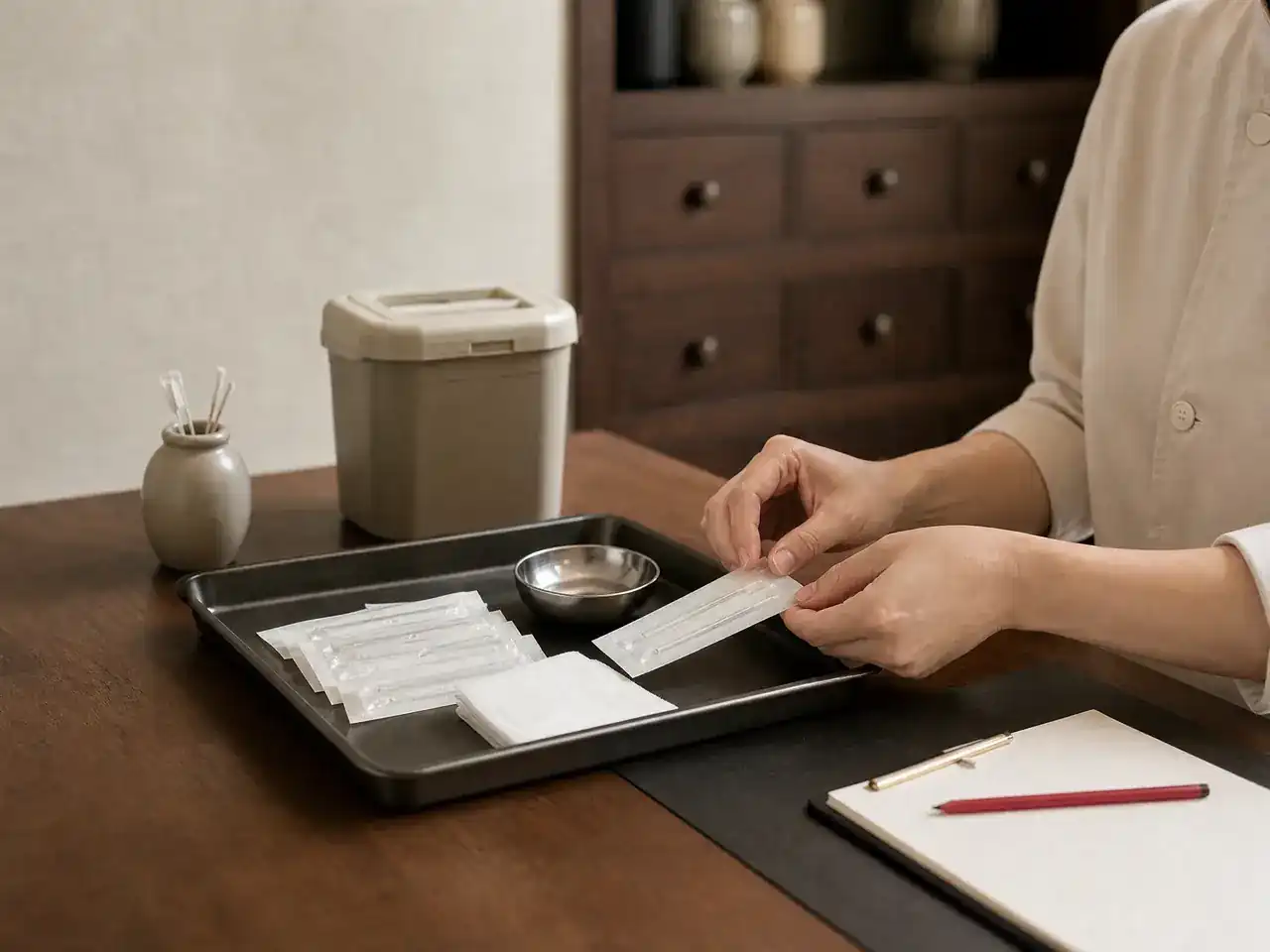
| Infection Control Standards | Single-use sterile disposable needles and rigorous clinical skin antisepsis | Fundamentally prevents cross-contamination and ensures optimal procedural hygiene safety. |
| Medication Disclosure | Comprehensive list of current prescription drugs, OTC medications, supplements, and herbal products | Avoids therapeutic conflicts, prevents adverse interactions, and supports safe clinical coordination. |
| Clinical Communication | Detailed symptom history, prior diagnostic imaging, and thorough informed consent discussion | Establishes realistic health expectations, clarifies treatment scope, and aligns care goals. |
Acupuncture safety and infection control: sterile needles and hygiene
According to comprehensive reviews by the National Center for Complementary and Integrative Health (NCCIH), research results examining acupuncture for various chronic and acute pain conditions display varying degrees of methodological quality and clinical limitations. In terms of clinical safety, adherence to strict operational standards and infection control protocols is absolutely paramount. Inappropriate procedures, inadequate skin disinfection, or non-sterile equipment can introduce severe health risks, including localized infections, tissue irritation, or other adverse clinical events.
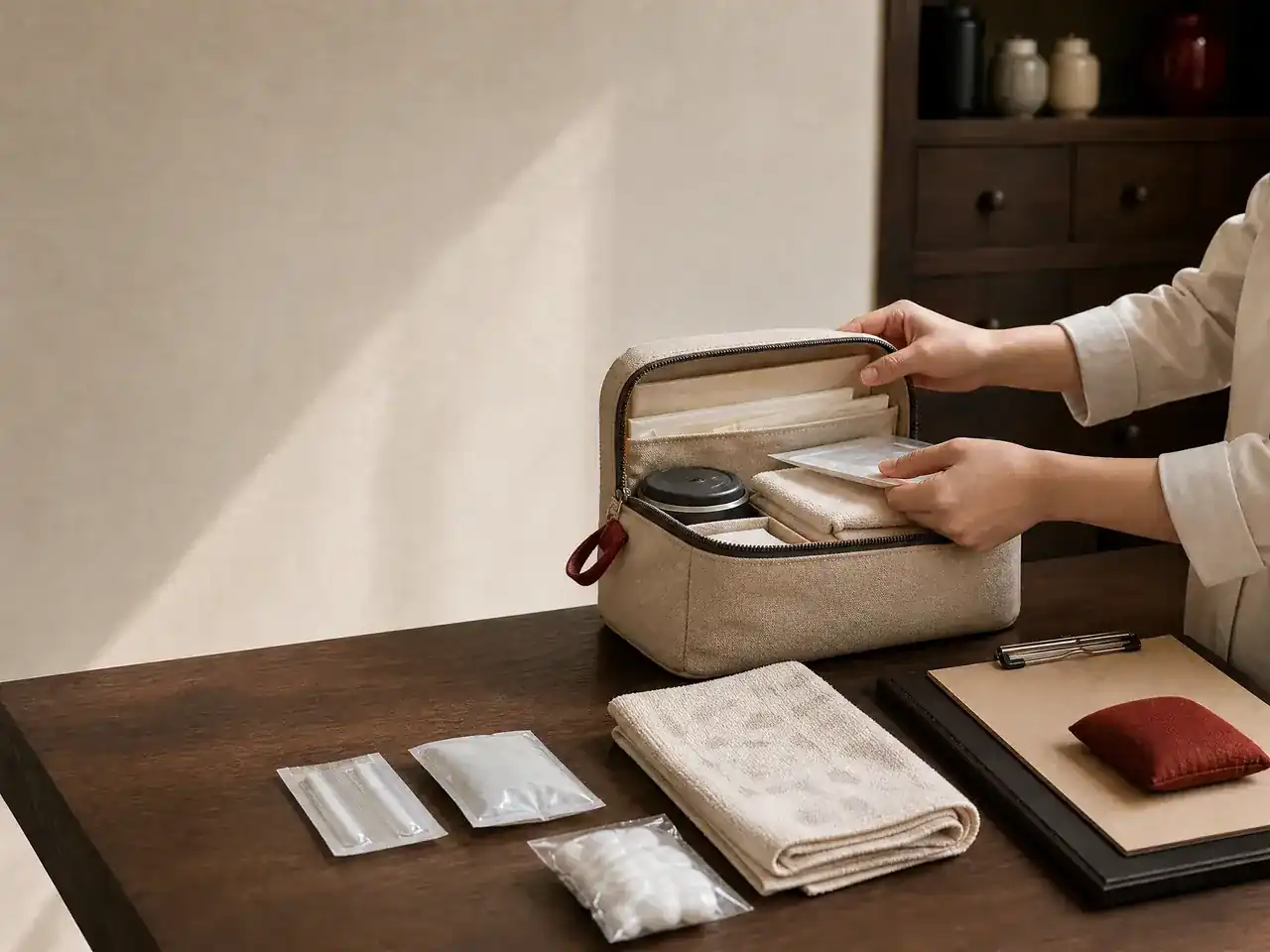
Consequently, first-time patients should pay meticulous attention to clinic hygiene, sterilization protocols, and infection control standards before undergoing treatment. Modern professional acupuncture practices exclusively utilize medical-grade, single-use disposable sterile needles. These needles are individually packaged, discarded immediately after a single session, and accompanied by rigorous skin antisepsis prior to insertion. This modern standard of care fundamentally eliminates the risk of cross-contamination and safeguards overall patient hygiene and safety.
In addition to sterile equipment, the practitioner's anatomical knowledge and specialized needle insertion training directly influence overall procedural safety. Licensed registered practitioners undergo rigorous training in human anatomy, muscle layering, nerve pathways, and vascular distribution, enabling them to execute treatments while accurately avoiding high-risk anatomical structures. If a patient experiences sharp pain, radiating numbness, dizziness, or any unusual physical sensations during the procedure, they should immediately communicate this to the practitioner so that adjustments can be made promptly.
Disclosing current medications and coordinating with conventional care
Disclosing all current medications, dietary supplements, herbal remedies, and ongoing conventional medical treatments prior to receiving acupuncture or any other form of traditional Chinese medicine therapy is a critical safety requirement. Authoritative guidelines from the NCCIH explicitly emphasize that traditional medicine products and practices should never replace, supersede, or unnecessarily delay essential conventional medical diagnoses and treatments. Patients must maintain open communication and share all concurrent therapies with all members of their healthcare team.
For instance, if a patient is managing chronic back pain, osteoarthritis, or other persistent musculoskeletal conditions while simultaneously taking prescription anticoagulants, antihypertensive medications, or other specialized drugs, sharing this clinical information with their Chinese medicine practitioner is vital. Transparent information sharing helps prevent potential herb-drug interactions, avoids redundant therapeutic interventions, and ensures that timely conventional medical diagnostics or specialist referrals are not overlooked.
Within our clinical practice at Harmonia TCM, we consistently encourage patients to compile and maintain a comprehensive personal health summary. Bringing recent conventional medical reports, diagnostic imaging results, laboratory tests, and an updated medication ledger to your initial consultation facilitates safer, more integrated coordination between traditional therapies and conventional medical care.
Informed consent and pre-visit questions: what to clarify before your first session
During an initial clinical visit, informed consent serves as an indispensable cornerstone of effective professional communication. Patients possess the inherent right to understand the anticipated purpose of acupuncture, the potential mild physical sensations associated with treatment—such as the dull ache, heaviness, or distension commonly referred to as 'de qi'—normal post-treatment skin responses, and the transparent structure of fees and treatment plans. Professional clinics allocate adequate consultation time to address patient questions thoroughly.
To maximize the efficiency and value of your initial consultation, it is highly recommended to prepare a well-organized summary of your health status. This preparation should include the exact duration and progression of symptoms, identifiable trigger factors, prior diagnostic tests or treatments, and any personal concerns regarding needle sensitivity or apprehension. Providing these specific details assists practitioners in formulating highly personalized, prudent, and effective care plans tailored to the individual.
Navigating modern health choices requires prioritizing professional standards, clinical transparency, and personal safety above all else. Through proactive pre-visit questioning, thorough credential verification, and transparent dialogue, patients can take their very first steps toward improved health and wellbeing with complete confidence and peace of mind.
When conventional medical evaluation must come first: identifying red flags
Although acupuncture and traditional care modalities can provide effective complementary support for certain pain conditions and chronic discomforts, there are critical clinical scenarios where patients must prioritize immediate conventional medical evaluation or emergency specialist intervention. If persistent back pain or spinal discomfort is accompanied by progressive leg numbness or weakness, acute changes in bowel or bladder control, saddle anesthesia, or sudden severe pain following major physical trauma, these represent undeniable medical red flags that demand immediate hospital assessment.
According to authoritative healthcare guidelines, symptoms such as sudden severe headaches, unexplained rapid weight loss, persistent high fever, or acute progressive neurological deficits warrant prompt visits to an emergency department or conventional medical specialist. Traditional therapies and acupuncture should under no circumstances delay urgent medical investigation or necessary conventional clinical interventions. Recognizing the boundaries of care ensures patient safety.
Comprehensive patient preparation checklist: organizing symptom history and medical reports for your acupuncture consultation
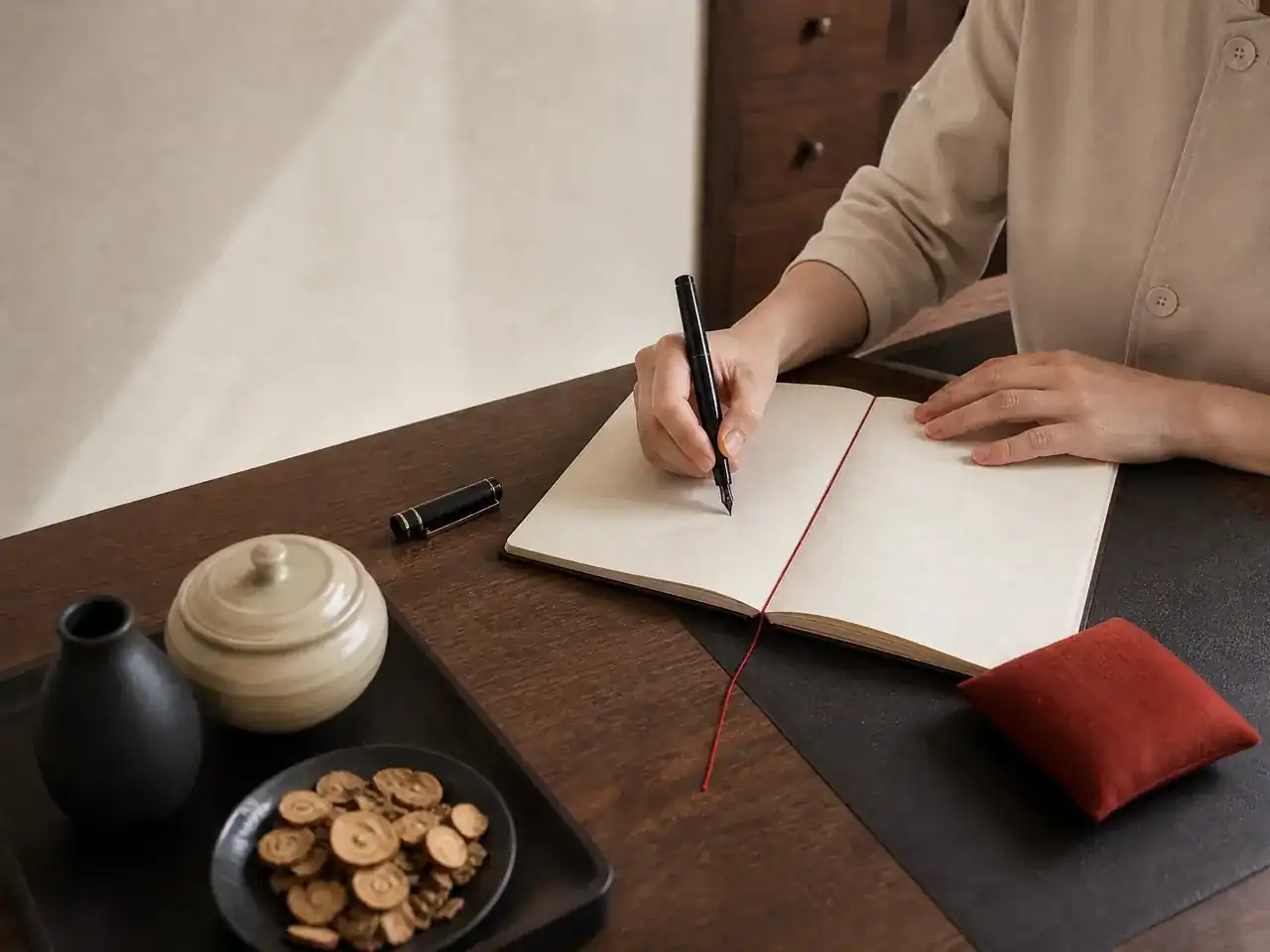
Preparing thoroughly and systematically for an initial acupuncture consultation significantly enhances the clinical clarity, diagnostic relevance, and overall efficiency of the medical interview. Patients attending their first appointment are strongly encouraged to compile a comprehensive personal health history summary that meticulously outlines the chronological onset, progression, intensity patterns, and specific physical triggers of their presenting complaints—whether managing chronic lower back stiffness, persistent musculoskeletal tension, or stress-related somatic discomfort. Documenting how these symptoms fluctuate throughout different times of the day, noting any aggravating or relieving factors, and gathering prior diagnostic imaging reports, laboratory test results, physical therapy summaries, or conventional medical assessments provides registered practitioners with essential baseline data to understand individual health contexts thoroughly and accurately. Furthermore, taking time to record how daily activities are impacted helps practitioners gauge functional limitations effectively.
In addition to documenting symptom timelines and clinical history, organizing an exhaustive and transparent inventory of all current prescription medications, over-the-counter drugs, nutritional supplements, and herbal products is an indispensable preparatory step for safe integrative healthcare. According to authoritative clinical guidance from health institutions such as the National Center for Complementary and Integrative Health (NCCIH), transparent communication regarding all concurrent therapies ensures that licensed practitioners are fully informed of potential pharmacological interactions, thereby avoiding treatment redundancies, conflicting interventions, or misunderstandings regarding ongoing conventional medical care. Bringing these verified records directly to the clinical consultation allows the practitioner to evaluate whether acupuncture is clinically appropriate, how it interacts with other treatments, and how it can safely complement existing medical management plans without interfering with prescribed pharmaceutical protocols.
Furthermore, patients should prepare a focused list of specific questions regarding the proposed consultation process, expected procedural sensations during needle insertion, sterilization standards, and general care protocols. Clarifying these operational and clinical details in advance empowers patients to participate actively in their healthcare decisions, establishes realistic expectations regarding the therapeutic journey, and fosters a collaborative professional relationship built upon mutual trust and absolute transparency. Structured preparation ensures that every initial consultation remains focused, safe, and perfectly aligned with the patient's overarching health objectives and personal well-being while eliminating uncertainty.
Post-treatment expectations and safety monitoring: understanding normal somatic responses and red flag triage
Following an initial acupuncture session, patients frequently encounter mild, transient somatic responses as the body naturally adjusts to the needle stimulation and clinical intervention. Common and entirely normal experiences routinely reported during professional clinical practice include a mild, dull sensation of heaviness or aching around the insertion site, minor localized warmth, or slight superficial bruising where the fine needles were placed. These mild cutaneous and muscular reactions are generally temporary, self-limiting, and subside independently within a short timeframe without requiring specialized medical intervention. Understanding these expected physiological responses helps alleviate unnecessary patient anxiety and equips individuals with the knowledge required to monitor their post-treatment recovery effectively and calmly while recognizing normal healing processes and somatic adaptation.
However, maintaining vigilant safety awareness and recognizing urgent medical warning signs—frequently designated in clinical guidelines as red flags—is an absolute priority for every patient seeking integrative care. While professional acupuncture and traditional Chinese medicine practices offer valuable supportive benefits for general wellness, relaxation, and chronic pain management, they must never be utilized to delay, substitute, or avoid necessary conventional medical evaluations for acute, severe, or rapidly progressive medical conditions. If an individual experiences severe acute trauma, sudden and progressive neurological deficits such as profound limb weakness or sensory loss, new-onset bowel or bladder incontinence, or acute crushing chest pain, immediate emergency medical attention at a hospital emergency department is required without any hesitation, delay, or alternative reliance on conservative therapies.
Ultimately, safe healthcare navigation relies on skillfully balancing complementary health modalities with prompt conventional medical screening whenever serious or atypical symptoms arise during any stage of care. Patients are strongly advised to maintain open, honest communication with all members of their multidisciplinary healthcare team, report any unusual, severe, or persistent post-treatment discomfort immediately, and prioritize professional medical diagnosis whenever red flag symptoms appear. This balanced, safety-first operational approach ensures that traditional therapeutic interventions operate harmoniously, safely, and effectively within a comprehensive, patient-centered healthcare framework that prioritizes optimal patient outcomes, clinical transparency, and individual patient safety above all else.
Continue reading
Explore the corresponding service or information page at your own pace.
Related articles



Frequently asked questions
Does first-time acupuncture treatment hurt during the session?
Most individuals experience only a minor mosquito-bite sensation or a dull, heavy ache upon needle insertion, which is clinically known as 'de qi'. Sharp or severe pain is not typical of standard acupuncture; patients should notify their practitioner immediately if they experience any discomfort.
What documents and information should I bring to my first acupuncture appointment?
It is highly recommended to bring recent medical reports, diagnostic imaging scans, an updated list of all current medications and supplements, and a detailed timeline documenting the onset and progression of your symptoms.
How can I verify whether my acupuncturist is legally registered to practice in Hong Kong?
You can request the practitioner's official registration number directly from the clinic or independently verify their professional credentials through the public registry maintained by the Chinese Medicine Council of Hong Kong.
Can acupuncture completely replace conventional medical treatment and physician oversight?
No. Traditional Chinese medicine and acupuncture should never replace or delay necessary conventional medical care. They should be utilized as complementary approaches with full transparency and open communication shared among all attending healthcare providers.
Can “acupuncture guide” be used as a personal diagnosis?
No. This article provides general information and preparation ideas only. Individual circumstances need appropriate assessment around history, tests, functional impact and safety.
What can I prepare before asking about “acupuncture guide”?
You can note symptom timing, approaches already tried, current medicines, test information and your main questions. Seek appropriate conventional medical assessment first for severe or worsening signs.
Related topics
Sources
Want to understand the next step around your situation?
You are welcome to share your question, preferred time and existing information. We will explain the service scope and arrangements clearly.