HEALTH GUIDE / SAFETY INFORMATION
The first 72 hours after an injury: ankle sprain and muscle strain observations
The first 72 hours following an ankle sprain or muscle strain represent a critical observation window for assessing tissue response, swelling, and movement restriction. Based on official health guidance, this guide helps readers track symptoms, understand safe self-monitoring, and determine when professional medical evaluation is necessary.
Quick answer: During the first 72 hours after an injury, focus on rest and observation, monitoring local swelling, pain levels, and weight-bearing ability. If you experience an inability to bear weight, severe deformity, persistent numbness, or worsening pain, seek conventional medical or orthopaedic evaluation immediately.
CLEAR PRICES
Interested in a treatment? You are always welcome to ask.
We clearly list our current single, trial and package prices so you can explore at your own pace. You are always welcome to message us on WhatsApp about any service, timing or arrangement.
| Category and service | Content / terms | Public price (HK$) | Booking note | Enquire |
|---|---|---|---|---|
| Hair & scalp | Scalp health and hair-loss support | AI scalp analysis, deep follicle cleansing and oil-control support | Trial offerPackageTrial 380; 6 sessions 3,480; 12 sessions 5,760; 20 sessions 8,600; 30 sessions 11,400 | Average per session for 6/12/20/30: 580/480/430/380 | Ask on WhatsApp |
| Hair & scalp | Hair acupuncture with herbal medicine | Scalp acupuncture with 3 days of decoction-free herbal medicine | Single visitPackageSingle 580; 6 sessions 3,180; 12 sessions 5,760; 20 sessions 8,600; 30 sessions 11,400 | Average per session for 6/12/20/30: 530/480/430/380 | Ask on WhatsApp |
| Hair & scalp | Integrated hair support programme | Acupuncture, herbal medicine and follicle activation; packages include shampoo and serum | Single visitPackageSingle 1,260; 8 sessions 8,640; 16 sessions 15,680; 20 sessions 18,600; 30 sessions 26,400 | Average per session for 8/16/20/30: 1,080/980/930/880 | Ask on WhatsApp |
| Weight management | Full-body acupoint embedding | Full-body acupoint embedding; packages include proportionate days of herbal support | Single visitPackageSingle 980; 10 sessions 7,800; 20 sessions 14,600; 30 sessions 20,400 | Average per session for 10/20/30: 780/730/680 | Ask on WhatsApp |
| Facial acupuncture | Brightening V-face (Essential) | Facial acupuncture, meridian support and swelling management | Trial offerPackageTrial 480; 10 sessions 5,200; 20 sessions 9,600; 30 sessions 13,500 | Average per session for 10/20/30: 520/480/450 | Ask on WhatsApp |
| Facial acupuncture | Firming and refining (Advanced) | Enhanced facial acupuncture for firmness and fine-line concerns with a moisturising mask serum | Trial offerPackageTrial 780; 10 sessions 9,000; 20 sessions 16,600; 30 sessions 23,400 | Average per session for 10/20/30: 900/830/780 | Ask on WhatsApp |
| Pain care | Extracorporeal shockwave therapy | Deep inflammation support and fascial relaxation | Prince Edward: 250 per area; Kwun Tong: 250 for 1 area, 450 for 2, 600 for 3 | Clinic-specific pricing; confirm location before booking | Ask on WhatsApp |
| Pain care | Manual therapy | TCM bone-injury assessment, manual alignment and tui na techniques | Single visitSingle 580 | Suitability is confirmed after assessment | Ask on WhatsApp |
| Pain care | Acupuncture with manual therapy | Acupuncture with manual structural support | Single visitSingle 680 | Suitability is confirmed after assessment | Ask on WhatsApp |
| TCM regulation | Acupuncture with herbal medicine | TCM consultation, whole-body acupuncture and 3 days of decoction-free herbal medicine granules | Single visitSingle 580 | Confirm clinician availability and service arrangement when booking | Ask on WhatsApp |


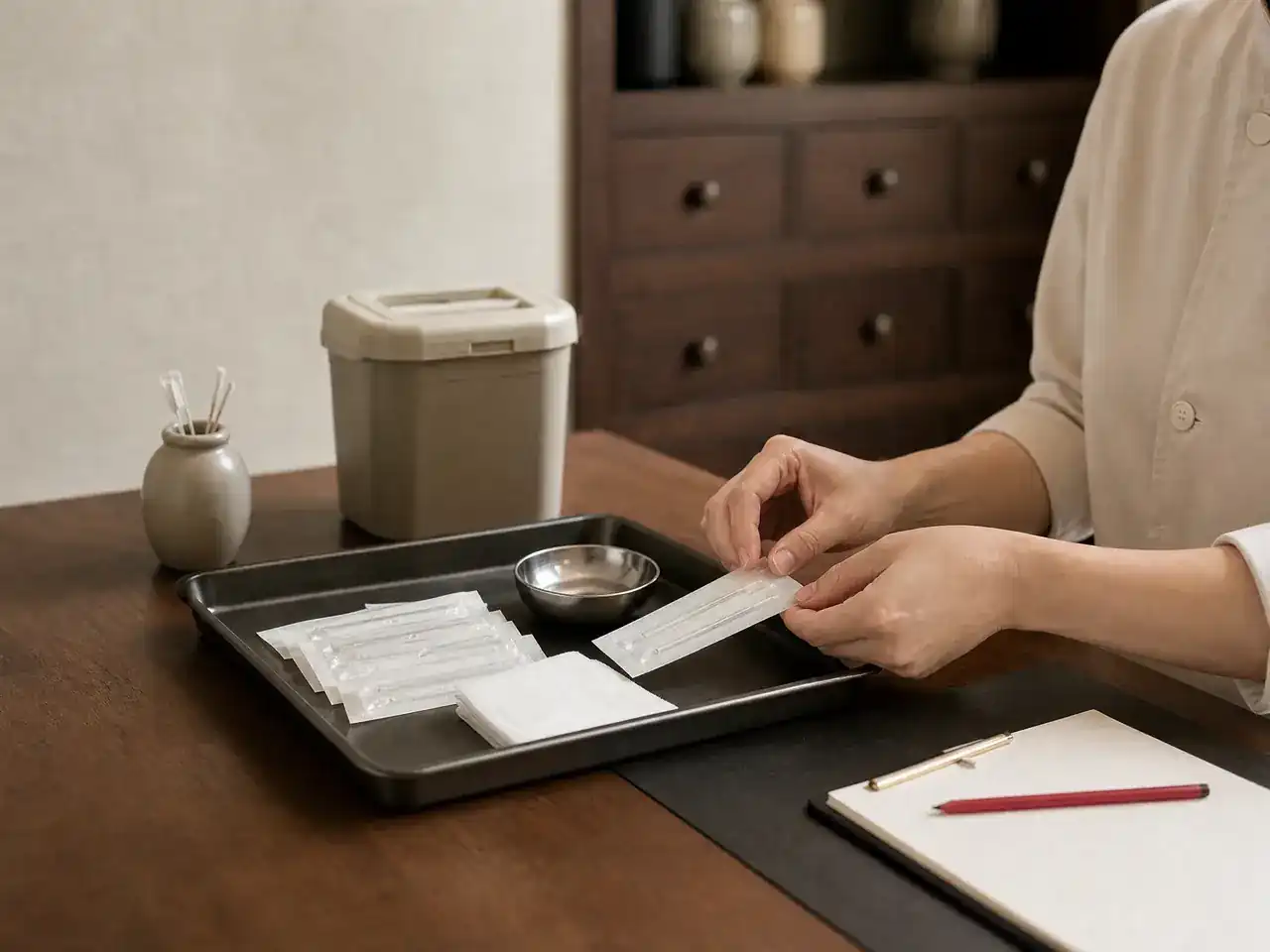
Physiological responses in the first 72 hours: what happens after an injury?
When an ankle sprain or muscle strain occurs, local soft tissues undergo an acute inflammatory response accompanied by capillary dilation, fluid exudation, and sensory nerve sensitization. During this initial phase, often termed the 'golden 72 hours', the core priority is not hasty manipulation or aggressive massage, but precise observation and documentation of bodily responses.
According to health guidance from organizations such as the UK National Health Service (NHS), acute soft tissue injuries initially involve localized redness, warmth, swelling, and limited movement. Applying heat or vigorous massage too early can worsen capillary bleeding and tissue swelling. Understanding these physiological changes is the first step toward safe health management.
In daily life, many individuals experience panic when injured during sports, walking, or lifting heavy objects. Staying calm and recording pain location, swelling extent, and movement limitation objectively not only helps communicate clearly with healthcare professionals later but also prevents secondary injury from inappropriate handling.
The repair of acute tissues requires a stable internal environment. Premature intervention or incorrect physical force can disrupt the forming fibrin mesh, prolonging the inflammatory phase. Therefore, providing adequate rest and appropriate protection to the affected area during the initial stage is a vital foundation for successful subsequent recovery.
Furthermore, understanding the biological cascade of acute inflammation helps patients realize why patience and conservative observation are superior to rushed remedies during the initial aftermath of trauma.
| Injury Type | Common Initial Symptoms | Home Observation Focus | Safety & Triage Advice |
|---|---|---|---|
| Ankle Sprain | Localized swelling around lateral or medial malleolus, tenderness, difficulty walking | Ability to bear weight (four-step rule), bruising extent | If unable to bear weight or tenderness over bone, rule out fracture. |
| Muscle Strain | Tension or pulling pain during muscle contraction, localized tightness, movement limits | Persistence of pain at rest, degree of tightness upon passive stretch | Avoid aggressive stretching or massage; monitor for improvement over 24-48 hours. |
How to accurately record pain and swelling: three dimensions of home self-observation
During the first few days following an injury, establishing a systematic health observation record is vital. Readers can track observations across three dimensions: first, the nature and intensity of pain, such as dull ache, sharp pain, or pulling sensation, and how scores differ at rest versus movement; second, local swelling and appearance changes, noting the speed and spread of bruising; third, functional restriction.
For common ankle sprains, medical practice often refers to the four-step weight-bearing test to preliminarily assess whether further imaging is warranted. If an injured person is completely unable to bear weight and walk four steps, or experiences severe tenderness when pressing over the bony prominences of the ankle (malleolus), this is a key warning sign requiring priority conventional medical or orthopaedic evaluation.
For muscle strains, observation focuses on pulling pain during specific muscle contraction and tightness upon passive stretching. Recording these details not only helps track personal recovery progress but also provides highly valuable objective medical history when consulting registered practitioners or physiotherapists.
In addition, recording whether pain gradually diminishes over time or exhibits a persistent worsening trend is an important indicator for evaluating injury severity. If pain remains severe at rest with no signs of relief, alertness should be raised and professional evaluation sought promptly.
Maintaining an organized symptom log transforms subjective discomfort into structured clinical data, empowering both patients and clinicians to make safer, more informed decisions regarding subsequent therapeutic steps.
Avoiding common pitfalls: why deep massage is discouraged in the first 72 hours
In traditional folk care, many believe that once a sprain or strain occurs, one should immediately seek deep manipulation or heat therapy to promote circulation. However, from the perspective of modern sports medicine and official health guidelines, such practices carry distinct risks during the acute inflammatory phase. During the first 72 hours, broken capillaries have not fully healed, and premature intense heat or aggressive kneading dilates vessels and increases fluid leakage, worsening swelling and pain.
According to safety consensus across traditional and conventional medicine, herbal therapies and manual techniques have appropriate indications at specific stages, but the acute phase emphasizes rest, protection, and avoiding exacerbating injury. Before seeking Chinese medicine care, ensuring that fractures or other structural emergencies have been ruled out, and disclosing injury history and current medications to the practitioner, are core principles of safety.
Furthermore, avoid applying unverified herbal wines or home remedies directly to broken skin to prevent contact dermatitis or infection. Rational self-care should focus on protecting the affected area and minimizing unnecessary load, allowing the body to initiate natural preliminary repair.
Many traditional viewpoints attribute pain to 'stagnation of qi and blood', but during acute trauma, tissues are in a state of high stress and elevated vascular permeability. Blindly attempting to 'push away bruising' can disrupt micro-structures that are actively clotting and protecting the injury site, thereby prolonging the overall recovery cycle.
Recognizing the scientific boundaries between acute tissue protection and later rehabilitation modalities is essential for preventing self-inflicted setbacks during the early post-injury window.
Traditional Chinese medicine perspectives and safe clinical communication frameworks
Within the healthcare system in Hong Kong, many patients choose to seek registered traditional Chinese medicine practitioners for integrative care or acupuncture assistance after completing the initial 72-hour home observation and preliminary management. At this stage, establishing a safe and transparent communication framework is exceptionally important.
According to guidelines from the U.S. National Center for Complementary and Integrative Health (NCCIH) and local health authorities, while Chinese medicine and acupuncture possess historical foundations and clinical utility in pain management, they cannot replace necessary conventional medical evaluations. If an injury involves structural bone damage, nerve compression, or continuous deterioration, conventional medical and imaging assessments must take precedence.
The Harmonia TCM Editorial Team emphasizes that TCM diagnosis focuses on pattern differentiation (bian zheng); however, when acute trauma is involved, both practitioners and patients must uphold evidence-based and safety-first attitudes, organically combining conventional medical triage with TCM therapeutic advantages to achieve optimal health outcomes under secure conditions.
During consultations, clearly recording personal tolerance to various treatments—such as herbal poultices, acupuncture, or tuina—and providing real-time feedback to practitioners helps dynamic adjustments to treatment plans while preventing unwanted herb-drug interactions or localized irritation.
Transparent dialogue between patients, conventional physicians, and traditional practitioners ensures that multidisciplinary insights are harnessed without compromising patient safety or delaying critical conventional interventions.
Communicating effectively with healthcare providers: checklist before your visit
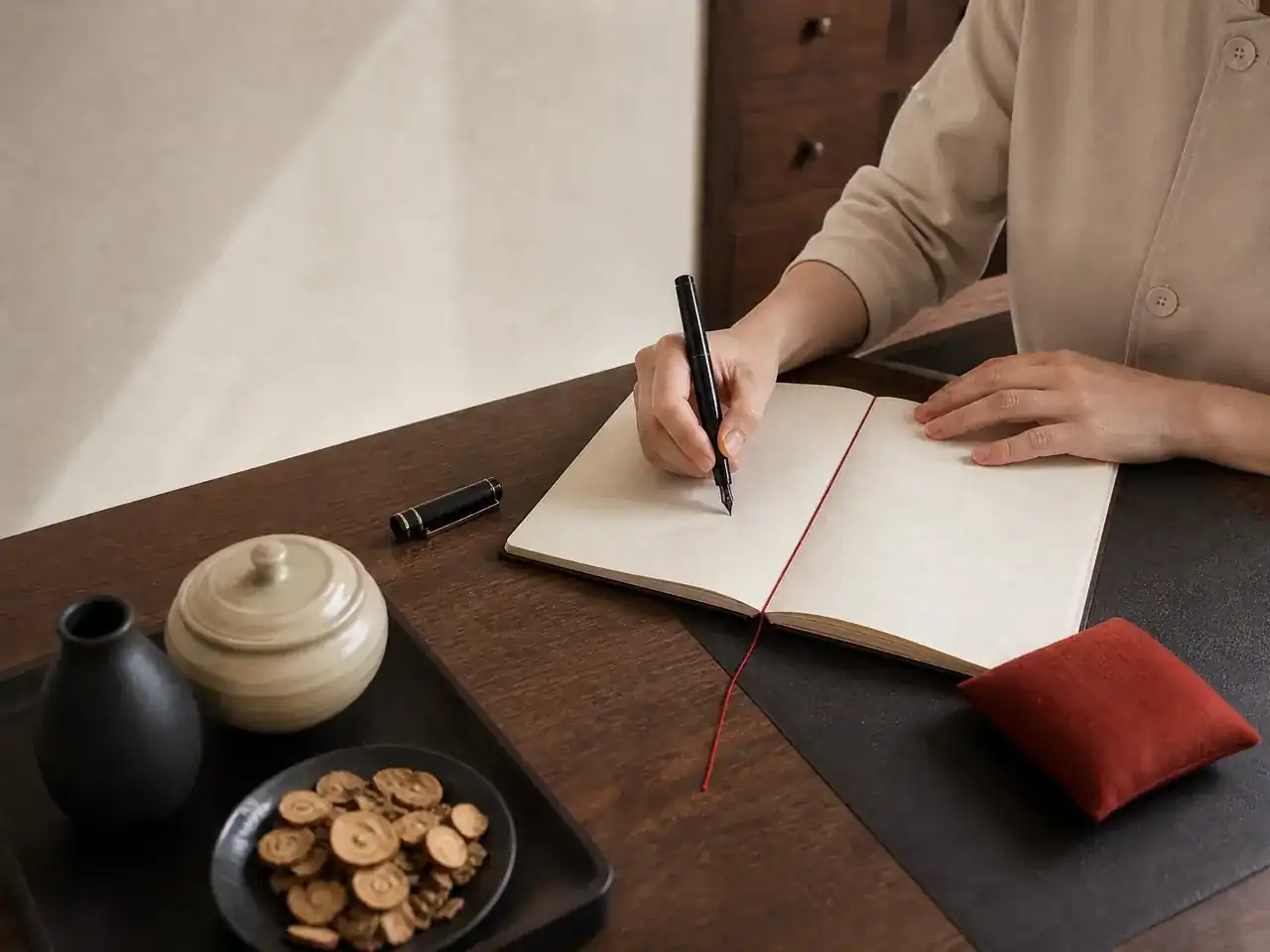
When deciding to visit a healthcare facility—such as a Chinese medicine clinic, physiotherapy center, or general practitioner—bringing clearly prepared information can significantly enhance communication efficiency. Readers are advised to organize the following records before their visit: the exact time and context of the injury, the trajectory of pain changes over time, soothing measures already attempted (such as ice, rest, or bracing), and personal medical history and medication lists.
The Harmonia TCM Editorial Team notes that professional medical evaluation is built upon thorough health history communication. Candidly disclosing conditions such as osteoporosis, clotting disorders, or long-term anticoagulant use to practitioners helps professionals formulate the safest and most appropriate triage and care plan.
Through thorough preparation, patients transition from passive recipients of advice to active participants in their health management, safeguarding transparency and safety throughout the care process.
When conversing with practitioners, proactively inquiring about expected recovery timelines, daily activity restrictions, and circumstances requiring re-evaluation helps establish clearer health expectations.
Preparation bridges the gap between home observation and clinical diagnosis, ensuring that the clinician receives an accurate, chronological account of the injury progression.
Building long-term protective awareness: recovery and daily wellness guidelines
After passing the critical 72-hour observation window, the body gradually enters the repair and remodeling phase. The focus here shifts to progressively restoring movement capacity rather than rushing back to high-intensity activity. Whether recovering from a lower limb ankle sprain or a local muscle strain, gentle joint mobility exercises should be performed under professional guidance.
In daily life, strengthening core stability, improving balance, and warming up adequately before exercise are effective strategies for preventing reinjury. For office workers or individuals engaged in frequent physical activities, developing body awareness and addressing minor discomfort early helps reduce the risk of chronic pain development.
In summary, when facing sudden injury, staying calm, following official health guidance for the first 72 hours, avoiding unverified folk remedy risks, and seeking qualified professional assistance when needed represent the optimal pathway combining efficiency and safety.
Over the long term, healthy body management relies not only on sporadic treatments but is built upon daily self-awareness and scientific lifestyle habits. Through continuous health education and rational communication, we can better respond to the various signals sent by our bodies.
Cultivating enduring musculoskeletal resilience safeguards overall mobility and enhances quality of life, transforming acute injury management into an opportunity for lasting wellness education.
Continue reading
Explore the corresponding service or information page at your own pace.
Related articles


Frequently asked questions
Can I apply heat or receive deep massage during the first 72 hours after injury?
According to official health guidelines, local tissues are in an acute inflammatory and exudative phase during the first 72 hours. Applying heat or deep massage too early is generally discouraged as it may increase swelling and bleeding. Focus instead on rest and careful observation.
How do I determine whether an ankle injury requires an X-ray or urgent evaluation?
If the injured person is completely unable to bear weight and walk four steps, or experiences severe tenderness over bony areas along with deformity or persistent numbness, urgent care or orthopaedic evaluation should be sought immediately.
What information should I prepare before consulting a Chinese medicine practitioner?
It is recommended to prepare the time and context of injury, pain intensity logs, home care methods already attempted (such as icing duration), and a complete medical and medication history to facilitate comprehensive evaluation.
Can these self-observation guidelines entirely replace professional medical diagnosis?
No. The information provided in this article is for general educational reference only and cannot replace clinical diagnosis by a qualified physician. If pain persists or warning signs appear, seek professional medical assistance immediately.
Can “first 72 hours after an injury guide” be used as a personal diagnosis?
No. This article provides general information and preparation ideas only. Individual circumstances need appropriate assessment around history, tests, functional impact and safety.
What can I prepare before asking about “first 72 hours after an injury guide”?
You can note symptom timing, approaches already tried, current medicines, test information and your main questions. Seek appropriate conventional medical assessment first for severe or worsening signs.
Related topics
Sources
Want to understand the next step around your situation?
You are welcome to share your question, preferred time and existing information. We will explain the service scope and arrangements clearly.