Treatments
Cupping & Gua Sha Therapy
Cupping and gua sha are traditional non-pharmacological therapies in Chinese medicine, designed to stimulate the body's surface to promote local Qi and blood circulation. At Harmonia TCM's physical clinic in Kwun Tong, we are dedicated to providing professional assessments and care. We understand that every individual's constitution is unique, which is why a thorough diagnosis by a registered Chinese medicine practitioner is essential before considering any therapy. This information is provided to help you understand the topic and prepare questions for an assessment. actual If you are considering care, we can first discuss what may suit you and how an appointment can be arranged.
Quick answer: Cupping and gua sha are external therapies commonly used in traditional Chinese medicine to promote Qi and blood circulation through negative pressure or scraping the skin. These techniques are often considered for blood stasis regulation and pain relief. However, their suitability varies greatly among individuals, and they must only be administered after a professional assessment by a registered Chinese medicine practitioner.
View pricesContact Our Kwun Tong Clinic
CLEAR PRICES
Interested in a treatment? You are always welcome to ask.
We clearly list our current single, trial and package prices so you can explore at your own pace. You are always welcome to message us on WhatsApp about any service, timing or arrangement.
| Category and service | Content / terms | Public price (HK$) | Booking note | Enquire |
|---|---|---|---|---|
| Hair & scalp | Scalp health and hair-loss support | AI scalp analysis, deep follicle cleansing and oil-control support | Trial offerPackageTrial 380; 6 sessions 3,480; 12 sessions 5,760; 20 sessions 8,600; 30 sessions 11,400 | Average per session for 6/12/20/30: 580/480/430/380 | Ask on WhatsApp |
| Hair & scalp | Hair acupuncture with herbal medicine | Scalp acupuncture with 3 days of decoction-free herbal medicine | Single visitPackageSingle 580; 6 sessions 3,180; 12 sessions 5,760; 20 sessions 8,600; 30 sessions 11,400 | Average per session for 6/12/20/30: 530/480/430/380 | Ask on WhatsApp |
| Hair & scalp | Integrated hair support programme | Acupuncture, herbal medicine and follicle activation; packages include shampoo and serum | Single visitPackageSingle 1,260; 8 sessions 8,640; 16 sessions 15,680; 20 sessions 18,600; 30 sessions 26,400 | Average per session for 8/16/20/30: 1,080/980/930/880 | Ask on WhatsApp |
| Weight management | Full-body acupoint embedding | Full-body acupoint embedding; packages include proportionate days of herbal support | Single visitPackageSingle 980; 10 sessions 7,800; 20 sessions 14,600; 30 sessions 20,400 | Average per session for 10/20/30: 780/730/680 | Ask on WhatsApp |
| Facial acupuncture | Brightening V-face (Essential) | Facial acupuncture, meridian support and swelling management | Trial offerPackageTrial 480; 10 sessions 5,200; 20 sessions 9,600; 30 sessions 13,500 | Average per session for 10/20/30: 520/480/450 | Ask on WhatsApp |
| Facial acupuncture | Firming and refining (Advanced) | Enhanced facial acupuncture for firmness and fine-line concerns with a moisturising mask serum | Trial offerPackageTrial 780; 10 sessions 9,000; 20 sessions 16,600; 30 sessions 23,400 | Average per session for 10/20/30: 900/830/780 | Ask on WhatsApp |
| Pain care | Extracorporeal shockwave therapy | Deep inflammation support and fascial relaxation | Prince Edward: 250 per area; Kwun Tong: 250 for 1 area, 450 for 2, 600 for 3 | Clinic-specific pricing; confirm location before booking | Ask on WhatsApp |
| Pain care | Manual therapy | TCM bone-injury assessment, manual alignment and tui na techniques | Single visitSingle 580 | Suitability is confirmed after assessment | Ask on WhatsApp |
| Pain care | Acupuncture with manual therapy | Acupuncture with manual structural support | Single visitSingle 680 | Suitability is confirmed after assessment | Ask on WhatsApp |
| TCM regulation | Acupuncture with herbal medicine | TCM consultation, whole-body acupuncture and 3 days of decoction-free herbal medicine granules | Single visitSingle 580 | Confirm clinician availability and service arrangement when booking | Ask on WhatsApp |
Principles and Historical Origins of Cupping and Gua Sha
Cupping and gua sha are integral components of traditional Chinese medicine, boasting a profound historical background and extensive clinical practice. Both therapies fall under the category of external treatments in Chinese medicine. Their core philosophy revolves around applying physical stimulation to specific areas or meridians on the body's surface to activate the body's intrinsic regulatory functions. According to traditional Chinese medicine theory, optimal health relies on the smooth and unimpeded flow of Qi and blood. When this flow is obstructed, various discomforts or illnesses may arise. Cupping and gua sha are designed based on this principle, aiming to clear the meridians and invigorate the circulation of Qi and blood.
Cupping therapy primarily involves creating a vacuum inside a cup—often through the use of heat or a suction pump—and placing it on specific parts of the body. This negative pressure draws the skin and superficial muscle layer into the cup, causing local congestion and sometimes minor capillary rupture. In traditional Chinese medicine, this process is believed to help draw out pathogenic factors, such as wind, cold, or dampness, from the body. On the other hand, gua sha involves repeatedly scraping the skin with a smooth-edged instrument (such as a buffalo horn board, jade, or ceramic spoon) over a lubricated area until red or purplish petechiae, known as "sha," appear on the skin surface.
Although cupping and gua sha differ in their application methods, both ultimately aim to improve local blood circulation and promote metabolism through physical stimulation. From the perspective of modern physiology, these physical stimuli may influence the nervous system, immune system, and local microcirculation, thereby eliciting corresponding physiological responses. However, it is crucial to emphasize that these therapies are not universal remedies. Their effectiveness can vary significantly depending on the individual's constitution, the nature of the condition, and the practitioner's technique.
Blood Stasis Regulation in Traditional Chinese Medicine
In the theoretical framework of traditional Chinese medicine, "blood stasis" is a highly significant pathological concept. Blood stasis refers to a state where the flow of blood is sluggish or completely stagnated within the meridians or internal organs. The causes of blood stasis are diverse; it can result from Qi deficiency failing to propel the blood, Qi stagnation leading to blood pooling, cold pathogens constricting the meridians, or physical trauma causing local bleeding and subsequent pooling. Blood stasis is not only a pathological product of many diseases but also a critical factor that can drive the further progression of an illness.
Blood stasis regulation is a vital aspect of treatment in traditional Chinese medicine. Cupping and gua sha hold unique value in this regard. Through the negative pressure of cupping or the mechanical scraping of gua sha, direct action is applied to the meridians and acupoints on the body's surface, promoting local Qi and blood circulation. Traditional Chinese medicine posits that this physical stimulation helps to break the stagnation, allowing the previously pooled blood to flow smoothly again, thereby achieving the goal of "invigorating blood and resolving stasis."
When the superficial capillaries dilate or slightly rupture under the influence of cupping or gua sha, the body's self-repair mechanisms are triggered. This process not only assists in clearing local metabolic waste but also encourages the influx of fresh blood, providing the tissues with increased oxygen and nutrients. Nevertheless, blood stasis regulation is a complex process, and relying solely on cupping or gua sha may not fully resolve the underlying issues. A registered Chinese medicine practitioner will typically develop a comprehensive care plan, which may include herbal medicine and acupuncture, tailored to the patient's specific condition.
Applications and Considerations for Pain Relief
Pain is one of the primary reasons individuals seek assistance from traditional Chinese medicine. From a traditional perspective, the occurrence of pain is often associated with the principles of "where there is no free flow, there is pain" or "where there is no nourishment, there is pain." The former refers to the obstruction of Qi and blood in the meridians, depriving local tissues of normal nourishment and causing pain. The latter refers to a deficiency of Qi and blood, failing to adequately nourish the organs and meridians. The application of cupping and gua sha for pain relief is primarily targeted at conditions characterized by obstructed flow.
For localized pain caused by muscle strain, external invasion of wind-cold-damp pathogens, or physical trauma, cupping and gua sha are frequently considered viable non-pharmacological interventions. By applying these techniques to the painful areas or related meridian points, local blood circulation can be enhanced, muscle spasms can be alleviated, and inflammatory responses may be reduced, thereby contributing to pain relief. Many individuals report a reduction in local tightness and a decrease in pain intensity following a cupping or gua sha session.
While cupping and gua sha demonstrate potential in pain relief, it is imperative to maintain an objective and rational approach. These therapies cannot guarantee effectiveness for all types of pain, nor can they replace conventional medical diagnosis and treatment. For severe pain of unknown origin, progressively worsening pain, or pain accompanied by signs of infection such as fever, redness, and swelling, individuals should immediately seek professional assessment from Western medical services to avoid delaying necessary care. During the assessment, a Chinese medicine practitioner will also carefully rule out any contraindications that make cupping or gua sha unsuitable.
Comparing Cupping and Gua Sha
Although both cupping and gua sha are external therapies in traditional Chinese medicine with the shared goal of promoting Qi and blood circulation, they exhibit distinct differences in their operational principles, applicable areas, and bodily responses. Understanding these differences can help individuals have clearer discussions with their practitioners. The following table summarizes the main characteristics and distinctions between cupping and gua sha:
In clinical practice, a registered Chinese medicine practitioner will determine whether to use cupping, gua sha, or a combination of both based on the individual's constitution, the nature of the illness, and the location of the condition. For instance, the negative pressure of cupping might be more suitable for deep muscle stiffness, while gua sha might be advantageous for broad areas of superficial muscle tension. Regardless of the chosen therapy, professional assessment and safe execution are indispensable prerequisites.
| Comparison Aspect | Cupping Therapy | Gua Sha Therapy |
|---|---|---|
| Operational Principle | Uses negative pressure to adhere to the skin, causing local congestion | Uses an instrument to repeatedly scrape lubricated skin |
| Primary Force | Vertical outward traction (negative pressure) | Friction and pressure parallel to the skin surface |
| Applicable Areas | Often used on areas with thick muscles like the back, lower back, and thighs | Suitable for broad areas like the back, neck, shoulders, and limbs |
| Skin Reaction | Leaves circular or oval marks (red or purplish) | Leaves sheet-like or dotted petechiae along the scraping direction |
| Sensation | Tightness, pulling sensation, possibly mild warmth | Friction, mild discomfort, and a sensation of heat |
Post-Treatment Bodily Responses and Care
Following a cupping or gua sha session, it is common for marks of varying degrees, such as red patches, purplish spots, or bruising, to remain on the skin's surface. In traditional Chinese medicine theory, these marks are interpreted as the outward manifestation of internal pathogenic factors being expelled. The intensity of the color and the time required for the marks to fade vary from person to person, typically taking anywhere from a few days to a week to completely disappear. Individuals need not be overly alarmed by these marks but should monitor their progression.
Regarding post-treatment care, maintaining the cleanliness and warmth of the treated area is of utmost importance. Because cupping and gua sha cause the skin's pores to open, the body becomes more susceptible to external pathogens, such as wind and cold, during this time. Therefore, it is advised to avoid taking cold showers or exposing the area directly to cold drafts immediately after the session. Furthermore, one should refrain from excessive rubbing or applying strong physical stimulation to the same area before the marks have fully faded.
Additionally, it is recommended to get adequate rest and drink warm water after the session to facilitate the body's metabolism and the elimination of waste products. The diet should be light, avoiding raw, cold, spicy, or greasy foods, which could negatively impact the digestive system and the recovery of Qi and blood. If abnormal pain, skin damage, severe inflammation, or general malaise occurs after the treatment, individuals should contact the clinic or seek professional medical assistance promptly.
Professional Assessment at Our Kwun Tong Clinic
Harmonia TCM's clinic is in Kwun Tong, where we are committed to providing professional and safe traditional Chinese medicine services to the local and surrounding communities. We recognize that any medical intervention carries inherent risks, and invasive or physically stimulating therapies like cupping and gua sha are no exception. Therefore, we strictly adhere to the protocol that a comprehensive and detailed assessment by a registered Chinese medicine practitioner must precede any therapy.
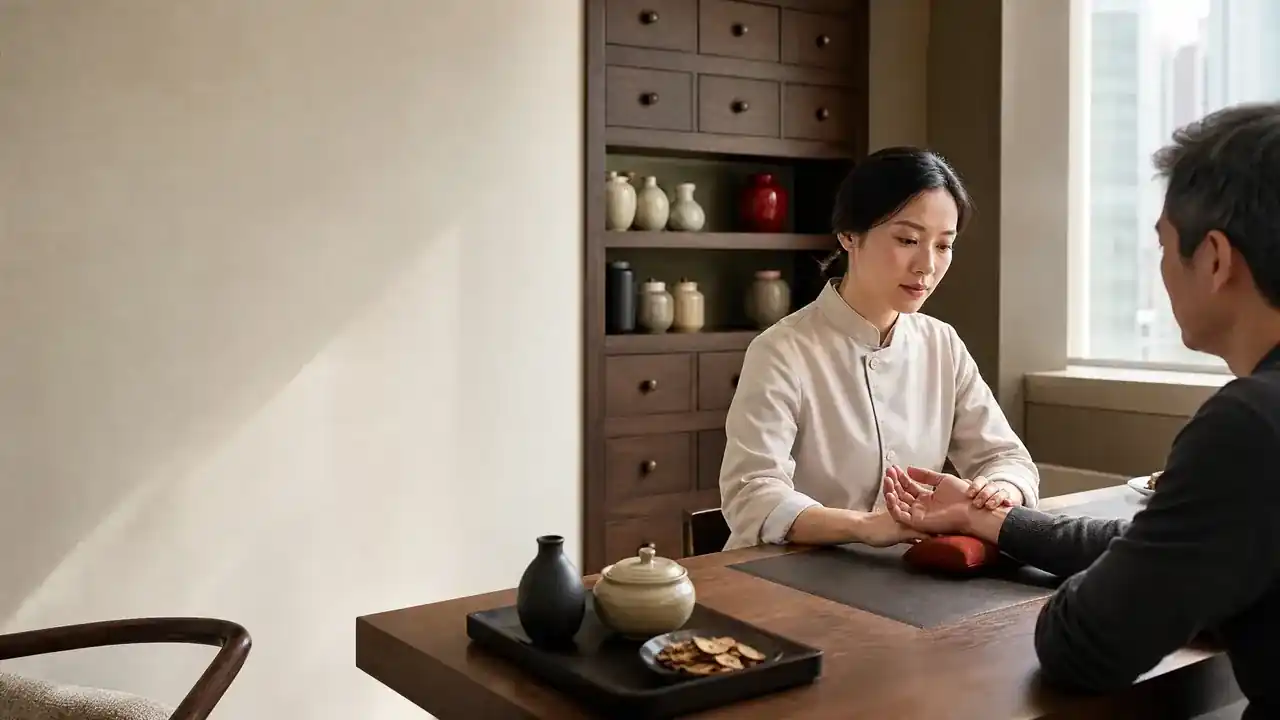
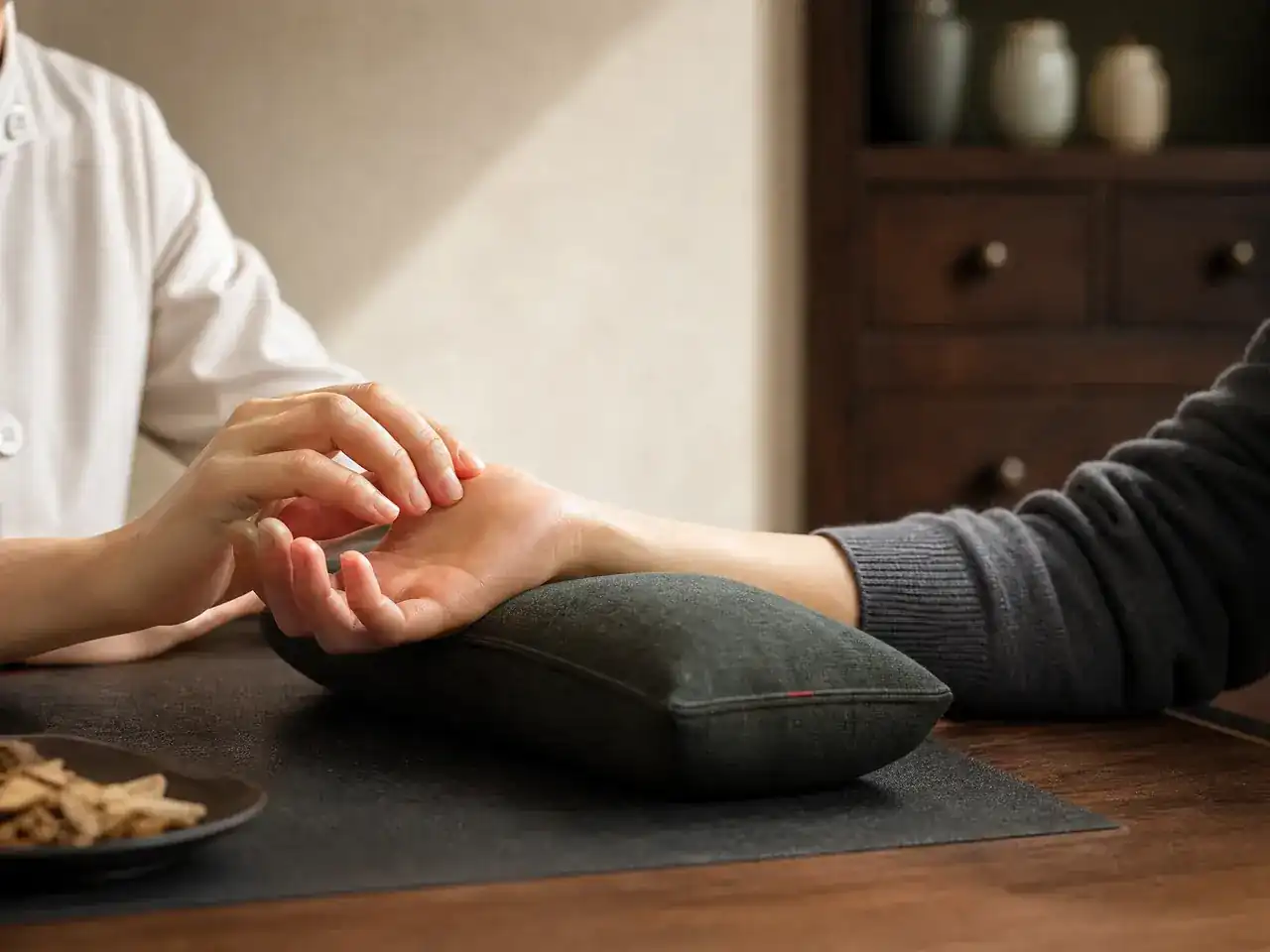
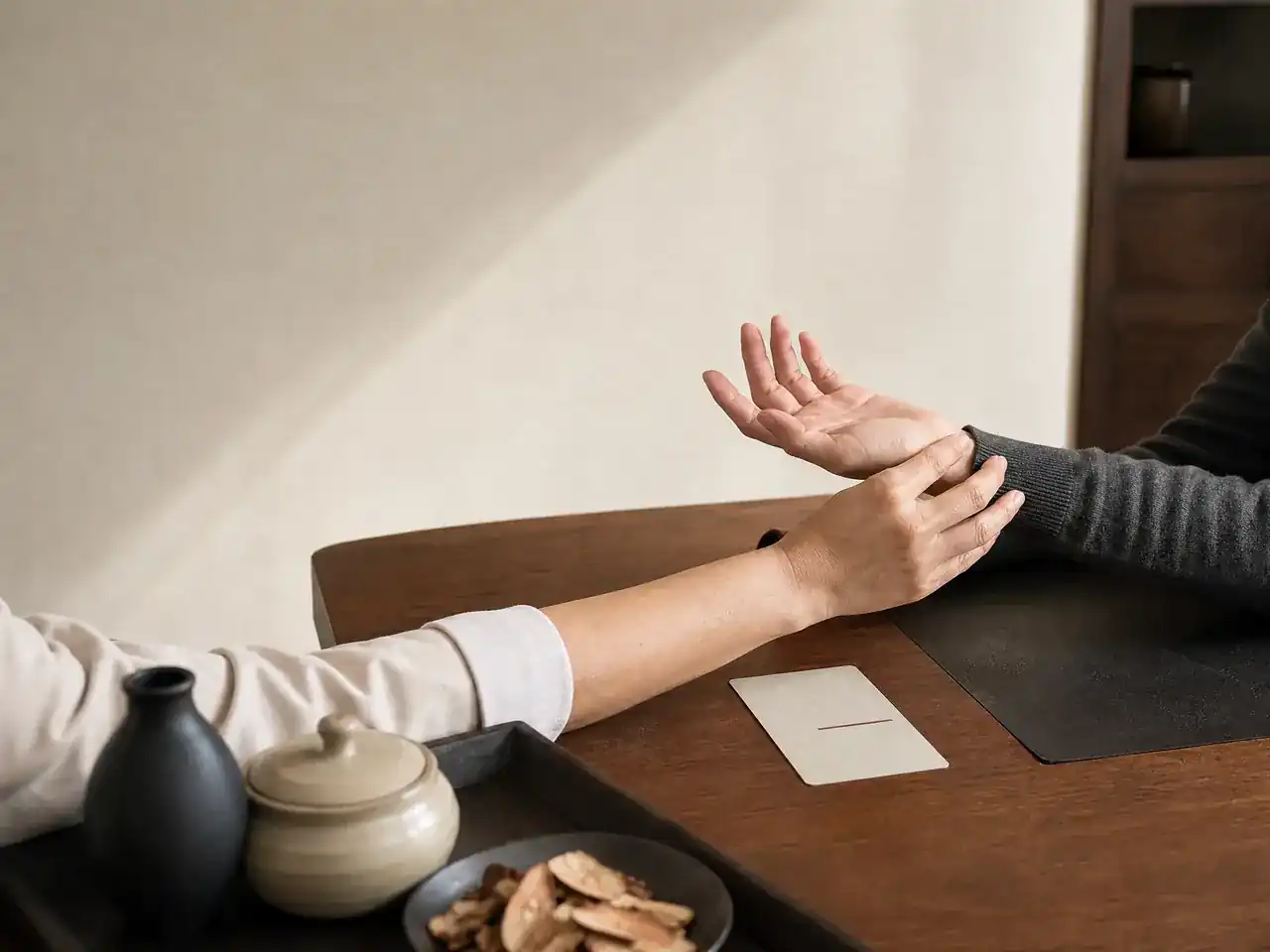
At our Kwun Tong clinic, the practitioner will conduct an in-depth evaluation using the four diagnostic methods—observation, auscultation and olfaction, inquiry, and pulse-taking—to thoroughly understand the individual's constitution, medical history, and current health status. We will carefully assess whether cupping or gua sha is appropriate and rule out contraindications, such as severe cardiovascular diseases, bleeding disorders, skin infections, or pregnancy. If the assessment indicates that these therapies are unsuitable, the practitioner will recommend more appropriate alternative options.
We emphasize that the information provided on this topic page is intended as general guidance, intended to enhance public understanding of traditional Chinese medicine therapies. The actual provision of cupping and gua sha services, their suitability for individual cases, and the specific risks and arrangements must be determined by a registered Chinese medicine practitioner at Harmonia TCM following a clinical assessment. We do not guarantee any specific therapeutic outcomes and always prioritize the safety and well-being of those seeking our care.
Frequently asked questions
Are cupping and gua sha painful?
During cupping and gua sha, individuals typically experience sensations of tightness, pulling, or mild frictional discomfort, which are generally within a tolerable range. A registered Chinese medicine practitioner will adjust the negative pressure or scraping intensity based on your tolerance and constitution. If you experience unbearable pain during the process, you should inform the practitioner immediately so adjustments can be made.
How long does it take for the marks to fade after a session?
The time it takes for the red patches, purplish spots, or cup marks to fade varies depending on individual constitution, metabolic rate, and the depth of the marks. Generally, lighter marks may fade within three to five days, while darker marks may take a week or longer. During this period, you should avoid excessive rubbing of the affected areas.
Can I perform cupping or gua sha on myself at home?
We strongly advise against performing cupping or gua sha on yourself at home. These therapies require professional knowledge of traditional Chinese medicine to accurately locate meridians and acupoints, as well as skilled techniques to control intensity and duration. Improper application can fail to achieve the desired effects and may lead to skin burns, infections, or other adverse reactions. Always seek professional assistance from a registered practitioner.
Are cupping and gua sha suitable for everyone?
No, cupping and gua sha are not suitable for all constitutions. For instance, individuals with extreme Qi and blood deficiency, severe bleeding disorders, or skin infections are generally not candidates for these therapies. Pregnant women, the elderly, and children also require special caution. Therefore, a professional assessment by a Chinese medicine practitioner is absolutely necessary before proceeding.
Can cupping and gua sha cure my chronic pain?
Cupping and gua sha are primarily used to promote local Qi and blood circulation, which may help alleviate certain types of pain. However, traditional Chinese medicine emphasizes syndrome differentiation, and the causes of chronic pain are often complex. A single therapy is unlikely to guarantee a "cure." Practitioners typically recommend a comprehensive care plan that may include herbal medicine, acupuncture, and lifestyle adjustments.
Can I receive cupping or gua sha if I am taking Western medications?
This depends on the types of medications you are taking and your specific medical condition. For example, if you are taking anticoagulant medications (blood thinners), undergoing cupping or gua sha may increase the risk of bleeding. Therefore, during your consultation, you must provide the registered Chinese medicine practitioner with a detailed list of all medications and supplements you are taking to ensure an accurate safety assessment.
Related topics
Sources
Schedule a Professional TCM Assessment
Harmonia TCM's physical clinic in Kwun Tong offers professional traditional Chinese medicine consultation services. If you wish to find out whether cupping and gua sha are suitable for your constitution and health status, please contact us to arrange a detailed assessment with a registered practitioner. Actual service arrangements are subject to clinical diagnosis.