HEALTH GUIDE / SAFETY INFORMATION
Shift work and insomnia: what to record before a TCM consultation
Shift work often disrupts circadian rhythms and sleep patterns. Before seeking a traditional Chinese medicine consultation, systematically recording your sleep logs, wake times, and physical responses helps practitioners gain a comprehensive understanding of your condition.
Quick answer: When dealing with shift work-related sleep disturbances, recording one to two weeks of sleep periods, nighttime awakenings, and daytime alertness is essential for safe communication with a TCM practitioner. This process helps clarify sleep patterns without replacing conventional medical diagnoses.
CLEAR PRICES
Interested in a treatment? You are always welcome to ask.
We clearly list our current single, trial and package prices so you can explore at your own pace. You are always welcome to message us on WhatsApp about any service, timing or arrangement.
| Category and service | Content / terms | Public price (HK$) | Booking note | Enquire |
|---|---|---|---|---|
| Hair & scalp | Scalp health and hair-loss support | AI scalp analysis, deep follicle cleansing and oil-control support | Trial offerPackageTrial 380; 6 sessions 3,480; 12 sessions 5,760; 20 sessions 8,600; 30 sessions 11,400 | Average per session for 6/12/20/30: 580/480/430/380 | Ask on WhatsApp |
| Hair & scalp | Hair acupuncture with herbal medicine | Scalp acupuncture with 3 days of decoction-free herbal medicine | Single visitPackageSingle 580; 6 sessions 3,180; 12 sessions 5,760; 20 sessions 8,600; 30 sessions 11,400 | Average per session for 6/12/20/30: 530/480/430/380 | Ask on WhatsApp |
| Hair & scalp | Integrated hair support programme | Acupuncture, herbal medicine and follicle activation; packages include shampoo and serum | Single visitPackageSingle 1,260; 8 sessions 8,640; 16 sessions 15,680; 20 sessions 18,600; 30 sessions 26,400 | Average per session for 8/16/20/30: 1,080/980/930/880 | Ask on WhatsApp |
| Weight management | Full-body acupoint embedding | Full-body acupoint embedding; packages include proportionate days of herbal support | Single visitPackageSingle 980; 10 sessions 7,800; 20 sessions 14,600; 30 sessions 20,400 | Average per session for 10/20/30: 780/730/680 | Ask on WhatsApp |
| Facial acupuncture | Brightening V-face (Essential) | Facial acupuncture, meridian support and swelling management | Trial offerPackageTrial 480; 10 sessions 5,200; 20 sessions 9,600; 30 sessions 13,500 | Average per session for 10/20/30: 520/480/450 | Ask on WhatsApp |
| Facial acupuncture | Firming and refining (Advanced) | Enhanced facial acupuncture for firmness and fine-line concerns with a moisturising mask serum | Trial offerPackageTrial 780; 10 sessions 9,000; 20 sessions 16,600; 30 sessions 23,400 | Average per session for 10/20/30: 900/830/780 | Ask on WhatsApp |
| Pain care | Extracorporeal shockwave therapy | Deep inflammation support and fascial relaxation | Prince Edward: 250 per area; Kwun Tong: 250 for 1 area, 450 for 2, 600 for 3 | Clinic-specific pricing; confirm location before booking | Ask on WhatsApp |
| Pain care | Manual therapy | TCM bone-injury assessment, manual alignment and tui na techniques | Single visitSingle 580 | Suitability is confirmed after assessment | Ask on WhatsApp |
| Pain care | Acupuncture with manual therapy | Acupuncture with manual structural support | Single visitSingle 680 | Suitability is confirmed after assessment | Ask on WhatsApp |
| TCM regulation | Acupuncture with herbal medicine | TCM consultation, whole-body acupuncture and 3 days of decoction-free herbal medicine granules | Single visitSingle 580 | Confirm clinician availability and service arrangement when booking | Ask on WhatsApp |



Why shift work profoundly impacts sleep and daily rhythms
Shift work—such as night shifts or rotating schedules—disrupts the human body's natural circadian rhythm, making it difficult for hormone secretion, body temperature regulation, and wake-sleep cycles to synchronize with the external environment. Many shift workers face ongoing challenges with falling asleep, frequent night awakenings, or daytime fatigue. These sleep difficulties not only impact work efficiency but also impose long-term stress on emotional and overall health across demanding work environments.
Before exploring how to manage these challenges, understanding the nature of sleep disturbances is crucial. Insomnia is rarely caused by a single factor; it is often intertwined with work stress, irregular schedules, environmental noise, and individual physiological traits. Therefore, when considering traditional Chinese medicine consultations or exploring related modalities (such as acupuncture for insomnia), the primary task is not to blindly try various remedies, but to establish clear baseline information through objective record-keeping.
Understanding the context of sleep issues helps provide accurate details during your initial consultation. Many individuals simply tell practitioners 'I cannot sleep well,' while struggling to describe specific frequencies and durations. Through structured daily observation, you can transform subjective fatigue into objective health data, giving TCM practitioners a more valuable basis for constitution evaluation and personalized wellness guidance.
From both modern biomedical and traditional Chinese medicine perspectives, human physiological functions are deeply attuned to natural diurnal cycles. Forcing the body to maintain high alertness during unconventional hours creates disharmony in internal regulatory systems. Acknowledging this physiological reality underscores the importance of careful observation, structured preparation, and professional medical dialogue before initiating any complementary care.
| Record Category | Specific Observation Item | Value for TCM Consultation |
|---|---|---|
| Sleep Schedule & Frequency | Record daily bedtime, sleep onset latency, night awakenings, and total sleep duration | Helps practitioners gauge circadian disruption and insomnia patterns |
| Daytime Alertness & Fatigue | Assess daytime drowsiness levels, concentration difficulties, or emotional fluctuations | Clarifies the practical impact of insomnia on daily functioning and work performance |
| Medication & Therapy History | List recent prescription drugs, herbal remedies, supplements, and caffeine intake | Ensures comprehensive medication awareness and prevents potential herb-drug interactions |
| Dietary & Routine Habits | Record meal timings, diet composition around shifts, and physical activity frequency | Provides holistic lifestyle clues to support constitutional assessment |
| Environmental & Stress Factors | Note bedroom lighting, noise levels, shift rotation intervals, and psychological stressors | Assists practitioners in identifying external disruptions and emotional contributing factors |
How to build an objective and detailed sleep log before your TCM consultation
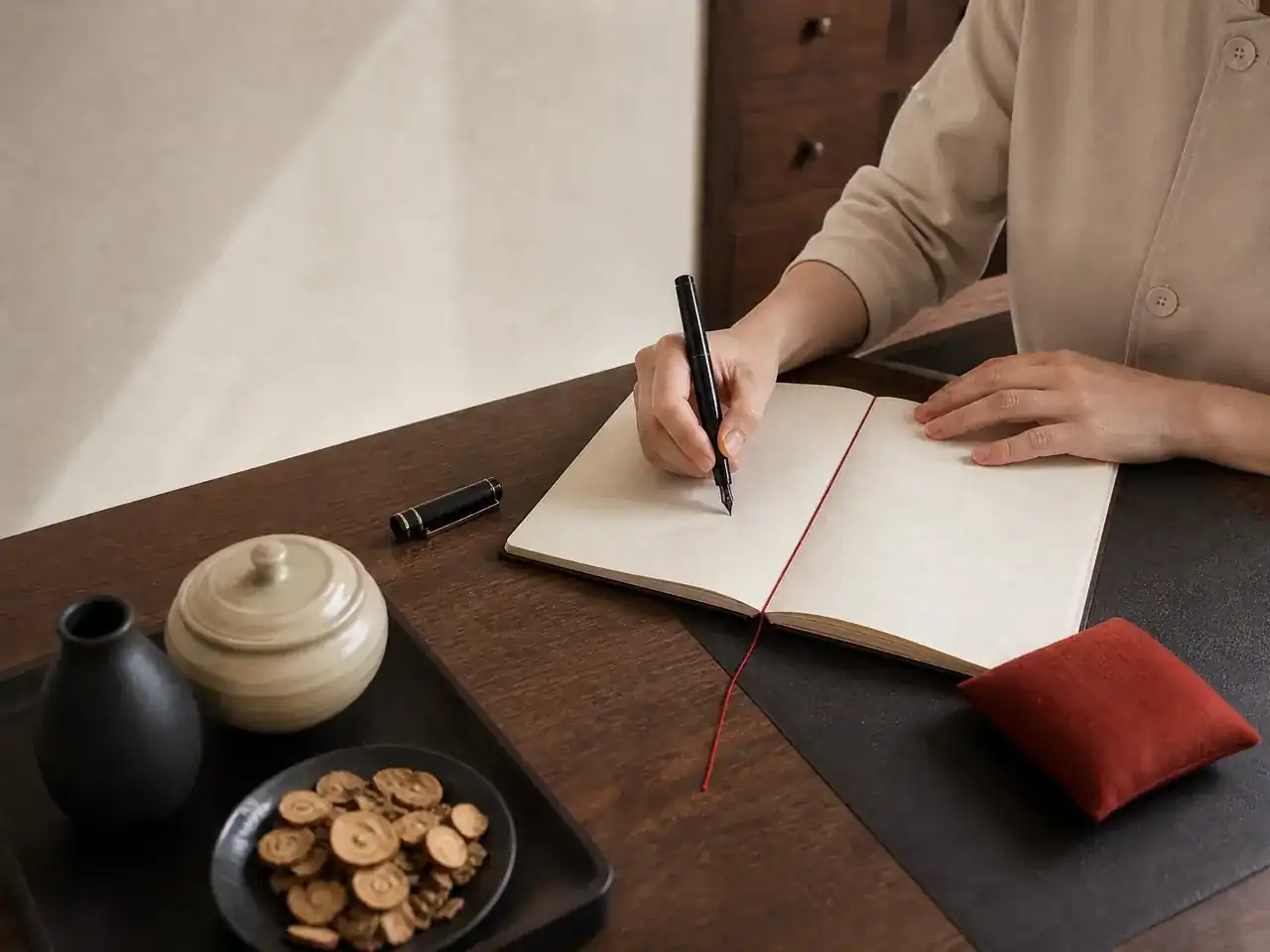
The first step in preparing for a TCM consultation is to establish a detailed sleep log spanning one to two weeks. The log should capture not only sleep timing but also environmental disturbances and subjective experiences. It is recommended to record daily bedtimes, the time required to actually fall asleep, the frequency and duration of nighttime awakenings, as well as morning wake times and alertness levels.
In addition to sleep dimensions, tracking daytime activities and dietary habits is equally essential. For instance, note the timing and quantity of caffeinated beverages (such as coffee, strong tea, or energy drinks), alcohol intake, the frequency and duration of daytime naps, and the nature of your work shifts (morning shift, night shift, or rotation intervals). These details help practitioners comprehensively analyze your routine characteristics and identify potential factors affecting sleep quality.
Furthermore, recording emotional fluctuations and stress sources is a vital component. Shift work is frequently accompanied by social isolation and psychological stress, and anxiety or tension often exacerbates insomnia symptoms. Noting these psychological feelings objectively assists TCM practitioners in incorporating emotional factors during diagnosis, offering more targeted health guidance.
When maintaining this log, consistency is key. Using a dedicated notebook or mobile tracking tool allows for real-time entries rather than relying on retrospective memory, which can often be imprecise. Detailed records—such as noting whether a late-night shift extension delayed your sleep onset—provide invaluable context for practitioners evaluating your overall health status.
How to communicate your sleep difficulties and medication history safely to your TCM practitioner
When you visit the clinic with your organized sleep log, effective and transparent communication with your TCM practitioner is core to ensuring safety and efficacy. First, proactively inform the practitioner of your occupational nature, shift frequency, and the history of routine changes in recent years. This not only helps the practitioner understand your constitutional background but also prevents misunderstandings caused by incomplete information.
Second, it is imperative to disclose all current therapies, prescription medications, herbal products, and nutritional supplements you are using. According to guidelines from the National Center for Complementary and Integrative Health (NCCIH), herbal products and supplements can interact with other medications. Therefore, ensuring that all attending healthcare providers are aware of your complete medication list is essential, and you should never withhold information about over-the-counter or traditional remedies.
Finally, approach the consultation with realistic expectations and an open dialogue regarding goals and limitations. TCM modalities and acupuncture typically require time and consistent lifestyle adjustments rather than offering instantaneous cures. Through honest communication, you and your practitioner can formulate a sustainable, safe health management plan tailored to your individual circumstances.
During your conversation, avoid exaggerating or concealing symptoms. If you have previously experimented with unverified home remedies that caused adverse effects, share this openly so the practitioner can tailor their approach safely and avoid any potential contraindications.
Understanding the scope, research limitations, and safety considerations of related therapies
When exploring traditional Chinese medicine for sleep disturbances, many individuals inquire about the safety and scope of acupuncture or herbal prescriptions. According to professional guidelines, acupuncture performed by registered practitioners adheres to strict hygiene and sterile standards. However, no therapy is a universal cure, and patients should maintain realistic expectations without viewing these modalities as substitutes for conventional medical evaluations or emergency care.
Recognizing the research limitations behind these therapies is equally important. Current scientific investigations into acupuncture and TCM for insomnia exhibit varying study designs and quality, with researchers continuing to investigate their underlying mechanisms. Maintaining a balanced perspective on existing evidence and seeking guidance from qualified professionals ensures informed decision-making.
Furthermore, patients must recognize that TCM services cannot replace comprehensive medical diagnoses by modern physicians. If insomnia stems from underlying organic conditions—such as obstructive sleep apnea, severe clinical depression, or thyroid dysfunction—prioritizing specialized medical evaluations and conventional treatments remains mandatory.
Before engaging with any TCM provider, verifying their statutory registration status under local regulations serves as a fundamental safeguard for consumer health. Consulting qualified registered practitioners in hygienic clinic settings establishes a secure foundation for your health journey.
Daily prevention, sleep hygiene, and self-management strategies for shift workers
In addition to seeking professional consultations, shift workers can adopt several practical measures in daily life to improve sleep hygiene. First, optimize your sleeping environment: when sleeping during daylight hours, use blackout curtains to create complete darkness, and utilize earplugs or white noise machines to block external daytime sounds while keeping your bedroom cool and comfortable.
Second, establish a consistent pre-sleep wind-down routine. Even amid shifting schedules, try to engage in calming pre-sleep activities such as a warm bath, gentle stretching, or reading to signal your brain that it is time to rest. Avoid electronic devices right before bed, as the blue light emitted from screens suppresses melatonin production and disrupts circadian rhythms.
Finally, manage dietary habits and caffeine intake judiciously. Avoid caffeine or alcohol close to the end of your work shift; while alcohol may seem to induce sleep initially, it disrupts sleep architecture during the second half of the night. Combining lifestyle adjustments with professional medical evaluations helps gradually rebuild a healthy sleep cycle.
Maintaining emotional equilibrium is equally vital in daily self-management. Amid the social and lifestyle pressures of rotating shifts, gentle indoor stretches, diaphragmatic breathing exercises, and support from family or friends can effectively alleviate nervous system tension and support restorative rest.
Tracking Circadian Disruptions and Workplace Fatigue: A Practical Guide for Shift Workers
For individuals engaged in shift work, recognizing the multifaceted impact of circadian misalignment goes beyond simply noting hours slept. Workplace fatigue manifests in various dimensions, including reduced cognitive vigilance, slowed reaction times, and intermittent daytime grogginess that can persist even after multi-hour rest intervals. Documenting these specific patterns—such as the exact hours when alertness drops most sharply during a night shift, the duration of grogginess upon waking, and the frequency of micronaps—provides vital context. When individuals prepare for a traditional Chinese medicine consultation, detailing these qualitative aspects of daytime functioning helps practitioners evaluate constitutional energy imbalances with greater precision, moving beyond vague statements of tiredness. This detailed observation forms an essential foundation for general health education, structured preparation, and personalized self-awareness.
In addition to tracking alertness fluctuations, structured observation of environmental and social stressors plays a critical role in comprehensive health preparation. Shift workers frequently navigate irregular meal schedules, social isolation, and erratic light exposure, all of which compound sleep difficulties. Recording how dietary habits, such as late-night heavy meals, heavy carbohydrate intake, or excessive reliance on stimulants, coincide with restless sleep phases enables individuals to present a holistic picture to practitioners. This objective documentation serves as a valuable educational tool, empowering patients to understand their own physiological responses while facilitating safer, more transparent communications with healthcare professionals regarding their daily routines, dietary habits, and occupational history.
Furthermore, establishing a structured framework for recording sleep latency, sleep fragmentation, and night awakenings allows practitioners to distinguish between transient fatigue and chronic sleep disruption patterns. Rather than relying on sporadic recollections during a clinic visit, maintaining a continuous log over several weeks captures the cyclical nature of rotating shift demands. This methodical approach ensures that both patient and practitioner share a clear, objective baseline, aligning lifestyle realities with professional TCM assessment principles without overstating therapeutic outcomes, promising fixed courses of treatment, or relying on unverified claims, thereby upholding rigorous safety standards, clinical transparency, and personalized insight. Furthermore, understanding how consecutive night shifts accumulate sleep debt enables individuals to observe subtle shifts in cognitive performance and emotional resilience before symptoms escalate into chronic distress.
When Sleep Disturbances Require Urgent Medical Attention: Recognizing Red Flags and Safety Boundaries
While chronic insomnia and circadian disruption associated with shift work are widespread health challenges, it is vital for individuals and families to recognize when sleep disturbances may signal underlying medical conditions requiring immediate conventional intervention. Not all sleep-related symptoms can be managed through lifestyle modifications or traditional Chinese medicine consultations alone. Patients must remain highly vigilant for acute red flags, such as persistent chest pain, acute shortness of breath, severe palpitations, sudden unexplained dizziness, or sudden neurological abnormalities including unilateral limb weakness, facial drooping, or slurred speech. These critical warning signs demand prompt professional medical triage and evaluation at an emergency facility rather than routine outpatient care or delayed observation, ensuring that critical medical emergencies receive timely attention.
In addition to acute cardiovascular and neurological emergencies, chronic sleep impairment accompanied by extreme daytime drowsiness that severely impairs the safe operation of motor vehicles, public transportation, or heavy industrial machinery requires immediate medical attention. Furthermore, unexplained rapid weight loss, persistent high fevers, night sweats, or severe psychological crises associated with clinical depression and anxiety should immediately redirect individuals toward specialized medical departments and mental health professionals. Official health guidelines, including those from the National Center for Complementary and Integrative Health (NCCIH), emphasize that complementary modalities such as acupuncture or herbal consultations must never delay, substitute, or interfere with necessary conventional medical diagnoses and emergency treatments.
Establishing clear safety boundaries ensures that individuals navigate their health journeys responsibly and avoid potential health risks. When seeking traditional Chinese medicine services or exploring related wellness modalities, patients should verify statutory professional registrations, disclose all concurrent prescription medications, herbal products, and dietary supplements, and maintain open communication with all attending healthcare providers. By understanding the distinct limits of complementary therapies and strictly adhering to established medical triage protocols, shift workers can protect their long-term well-being while effectively managing sleep health challenges within a safe, structured, and professionally guided framework. Maintaining realistic expectations regarding the gradual nature of lifestyle modifications and complementary care ensures that patients remain empowered, informed, and safe throughout their health restoration journey while avoiding unverified shortcuts or misleading health promises.
Continue reading
Explore the corresponding service or information page at your own pace.
Related articles



Frequently asked questions
What information should I prepare before visiting a TCM practitioner for shift work insomnia?
It is recommended to prepare at least one to two weeks of sleep logs detailing bedtimes, nighttime awakenings, daytime alertness, complete medication lists, and recent work shift schedules. These objective records help practitioners better understand your routine and sleep characteristics.
Why is it crucial to disclose all medications and supplements to your TCM practitioner?
According to official guidelines from organizations like NCCIH, herbal products, dietary supplements, and prescription medications can interact with one another. Providing a complete medication list to healthcare providers is essential for ensuring treatment safety and avoiding adverse reactions.
Can acupuncture and TCM completely cure chronic shift work insomnia?
TCM and acupuncture aim to support bodily balance and alleviate symptoms, but outcomes vary individually. Because shift work involves continuous environmental disruptions, management requires ongoing lifestyle adjustments and cannot replace conventional medical diagnosis.
When should I seek emergency medical care if experiencing severe symptoms alongside insomnia?
If insomnia is accompanied by persistent chest pain, breathing difficulties, acute neurological signs (such as limb weakness or slurred speech), severe psychological crisis, or unexplained rapid weight loss, seek emergency medical assistance or visit an emergency room immediately.
What additional lifestyle details should be tracked in a sleep log besides sleep hours?
You should also record caffeine and alcohol consumption timings, daytime nap habits, shift transition intervals, and daily emotional fluctuations. These details assist practitioners in evaluating your lifestyle holistically and offering tailored guidance.
Can “insomnia consultation guide guide” be used as a personal diagnosis?
No. This article provides general information and preparation ideas only. Individual circumstances need appropriate assessment around history, tests, functional impact and safety.
Related topics
Sources
Want to understand the next step around your situation?
You are welcome to share your question, preferred time and existing information. We will explain the service scope and arrangements clearly.