HEALTH GUIDE / SAFETY INFORMATION
How to keep a headache diary: migraine, sleep and urgent warning signs
A headache diary is an essential tool for healthcare providers to understand symptom patterns. This article explains how to track timing, intensity, sleep, and red flags, helping readers prepare thoroughly for medical consultations.
Quick answer: When keeping a headache diary, record the exact start and end times, duration, pain location and quality, accompanying symptoms (such as nausea or light sensitivity), suspected triggers (like poor sleep or stress), and medication use. This provides objective data for medical and TCM consultations.
CLEAR PRICES
Interested in a treatment? You are always welcome to ask.
We clearly list our current single, trial and package prices so you can explore at your own pace. You are always welcome to message us on WhatsApp about any service, timing or arrangement.
| Category and service | Content / terms | Public price (HK$) | Booking note | Enquire |
|---|---|---|---|---|
| Hair & scalp | Scalp health and hair-loss support | AI scalp analysis, deep follicle cleansing and oil-control support | Trial offerPackageTrial 380; 6 sessions 3,480; 12 sessions 5,760; 20 sessions 8,600; 30 sessions 11,400 | Average per session for 6/12/20/30: 580/480/430/380 | Ask on WhatsApp |
| Hair & scalp | Hair acupuncture with herbal medicine | Scalp acupuncture with 3 days of decoction-free herbal medicine | Single visitPackageSingle 580; 6 sessions 3,180; 12 sessions 5,760; 20 sessions 8,600; 30 sessions 11,400 | Average per session for 6/12/20/30: 530/480/430/380 | Ask on WhatsApp |
| Hair & scalp | Integrated hair support programme | Acupuncture, herbal medicine and follicle activation; packages include shampoo and serum | Single visitPackageSingle 1,260; 8 sessions 8,640; 16 sessions 15,680; 20 sessions 18,600; 30 sessions 26,400 | Average per session for 8/16/20/30: 1,080/980/930/880 | Ask on WhatsApp |
| Weight management | Full-body acupoint embedding | Full-body acupoint embedding; packages include proportionate days of herbal support | Single visitPackageSingle 980; 10 sessions 7,800; 20 sessions 14,600; 30 sessions 20,400 | Average per session for 10/20/30: 780/730/680 | Ask on WhatsApp |
| Facial acupuncture | Brightening V-face (Essential) | Facial acupuncture, meridian support and swelling management | Trial offerPackageTrial 480; 10 sessions 5,200; 20 sessions 9,600; 30 sessions 13,500 | Average per session for 10/20/30: 520/480/450 | Ask on WhatsApp |
| Facial acupuncture | Firming and refining (Advanced) | Enhanced facial acupuncture for firmness and fine-line concerns with a moisturising mask serum | Trial offerPackageTrial 780; 10 sessions 9,000; 20 sessions 16,600; 30 sessions 23,400 | Average per session for 10/20/30: 900/830/780 | Ask on WhatsApp |
| Pain care | Extracorporeal shockwave therapy | Deep inflammation support and fascial relaxation | Prince Edward: 250 per area; Kwun Tong: 250 for 1 area, 450 for 2, 600 for 3 | Clinic-specific pricing; confirm location before booking | Ask on WhatsApp |
| Pain care | Manual therapy | TCM bone-injury assessment, manual alignment and tui na techniques | Single visitSingle 580 | Suitability is confirmed after assessment | Ask on WhatsApp |
| Pain care | Acupuncture with manual therapy | Acupuncture with manual structural support | Single visitSingle 680 | Suitability is confirmed after assessment | Ask on WhatsApp |
| TCM regulation | Acupuncture with herbal medicine | TCM consultation, whole-body acupuncture and 3 days of decoction-free herbal medicine granules | Single visitSingle 580 | Confirm clinician availability and service arrangement when booking | Ask on WhatsApp |


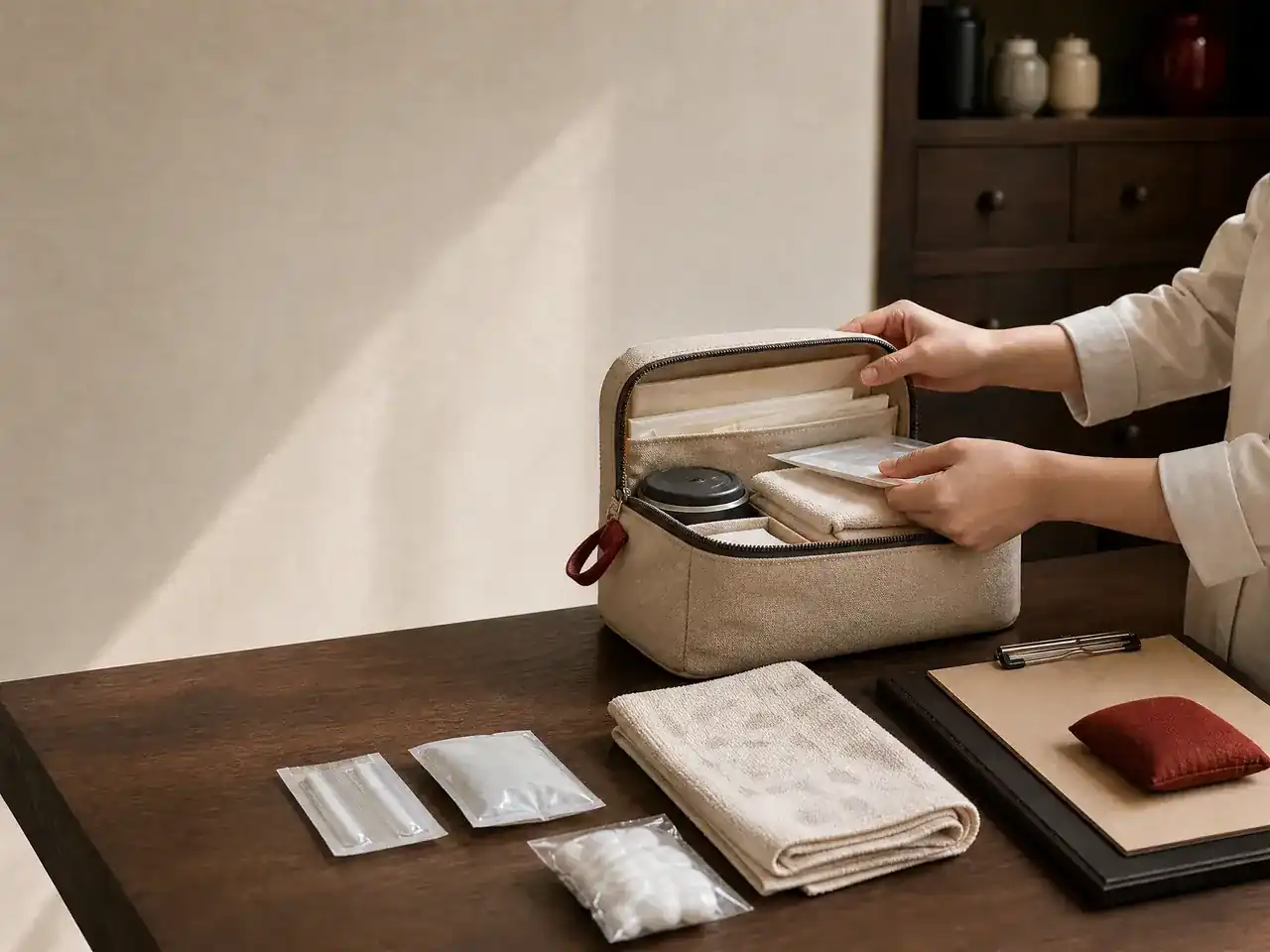
Why Keep a Headache Diary? Translating Subjective Discomfort into Objective Data
When dealing with frequent headaches or migraines, human memory often falls short in capturing objective and continuous details. A headache diary translates subjective discomfort into structured health data, helping individuals provide clear and accurate episode frequencies and patterns when seeking conventional medical or traditional Chinese medicine (TCM) consultations.
Through consistent tracking, patients can more objectively observe how their symptoms relate to daily life factors such as work stress, dietary habits, environmental shifts, or sleep quality. This not only assists healthcare professionals in making more precise evaluations but also serves as a reliable reference for monitoring lifestyle adjustments and integrative care outcomes.
Furthermore, objective logging effectively reduces information gaps caused by vague memory during follow-up visits, making every clinical interaction more targeted and efficient. Numerous clinical studies and experiences indicate that structured logs help physicians identify medication-overuse headaches resulting from excessive acute pain relief, thereby refining treatment strategies.
Establishing sound record-keeping habits is an integral part of proactive self-health management. It empowers individuals dealing with chronic pain conditions to move away from helplessness, actively engage in their overall health planning, and build collaborative partnerships with their care teams.
| Tracking Element | Recommended Details | Clinical Evaluation Significance |
|---|---|---|
| Timing & Frequency | Date, start and end times, total duration in hours | Assesses episode frequency and continuity, helping classify migraine or tension headache features |
| Pain Quality & Intensity | Location (uni/bilateral), quality (throbbing, tight, sharp), 0-10 scale | Quantifies pain severity and practical functional impact on daily work and life |
| Associated Symptoms & Triggers | Nausea, vomiting, photophobia, phonophobia, diet, weather, stress sources | Identifies potential triggers and prodromal symptoms to aid precise differential diagnosis |
| Sleep & Medication Log | Sleep onset, night awakenings, sleep quality, acute pain medication use | Tracks the bidirectional link between insomnia and headaches, monitoring medication-overuse and rebound headache risks |
| Care & Lifestyle Coping | Daily exercise, relaxation techniques, TCM care interventions, or physical therapy records | Evaluates the practical effectiveness of non-pharmacological interventions and lifestyle adjustments |
Core Elements and Format Design of an Effective Headache Diary
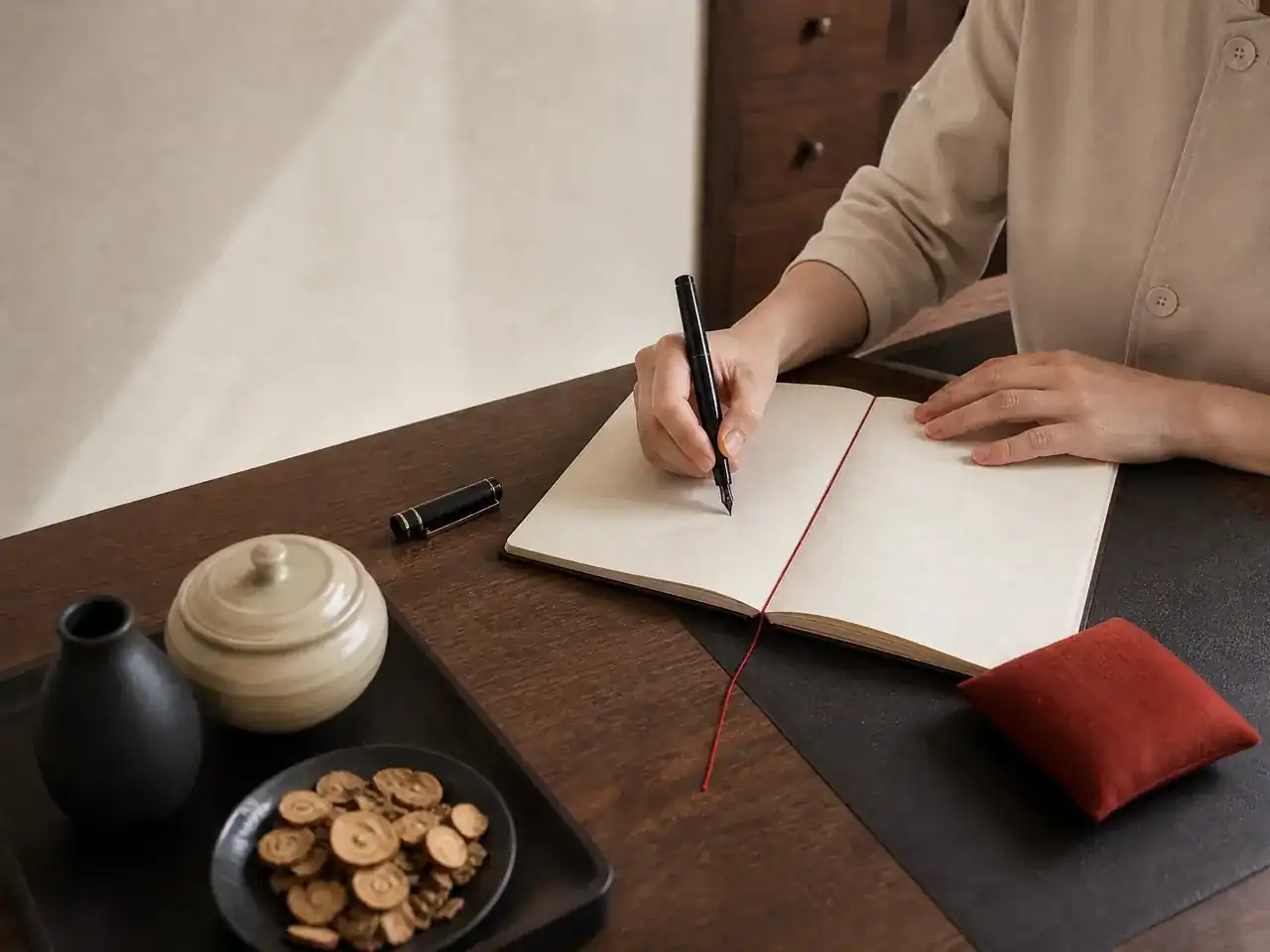
A practical headache diary does not need to be overly complicated, but it must capture key clinical dimensions. Each time a headache occurs, individuals should record the exact date, start and end times, pain location (such as unilateral or bilateral), pain quality (such as throbbing, tightening, or sharp), and a pain intensity score from 0 to 10.
Furthermore, accompanying symptoms (such as nausea, vomiting, photophobia, phonophobia, and sensory sensitivity) alongside physical and psychological states should not be overlooked. Entries should remain objective and concise, avoiding excessive personal speculation so the data truly reflects bodily responses.
In particular, tracking sleep quality and rest schedules provides critical insights into the bidirectional relationship between insomnia and headaches, enabling clinicians to review overall patient health comprehensively. Users may also note specific dietary items consumed or unusual work stress experienced on the day of the event.
To ensure daily feasibility, individuals can choose between physical notebooks or digital mobile applications. The most critical factor is consistency; even on headache-free days, brief notes on sleep and alertness help form a complete health trend profile.
The Everyday Connection Between Sleep, Stress, Headaches, and Circadian Rhythms
Clinical observations and health research indicate that poor sleep quality, insomnia, or irregular rest schedules are frequent triggers for headaches and migraines. Many individuals overlook how sleep onset latency, nighttime awakenings, sleep depth, and daytime alertness impact pain conditions.
Within neurological regulatory mechanisms, circadian rhythm disruption tends to lower pain thresholds, making minor stresses or stimuli much more likely to trigger severe headaches. Recording sleep patterns alongside headaches helps clarify whether chronic sleep deprivation or irregular routines are exacerbating bodily strain.
When consulting medical professionals, these logs enable internal medicine practitioners or TCM specialists to gain a comprehensive view of overall health. For instance, TCM frequently examines sleep and emotional imbalances through a holistic framework, offering tailored guidance.
Understanding these daily details also empowers patients to proactively adjust routines, minimize unnecessary trigger exposures, and fundamentally improve health quality. Through regular exercise, relaxation training, and stable sleep schedules, many patients successfully reduce attack frequency.
Preparation and Information Organization Before TCM Consultation
When considering traditional Chinese medicine (TCM) support—such as integrative approaches for sleep disturbances or accompanying pain—bringing an organized headache diary and a complete medication list is vital. According to the Chinese Medicine Regulatory Office (CMRO) of the Department of Health in Hong Kong, TCM practice is regulated under the Chinese Medicine Ordinance, and patients are encouraged to verify practitioner registration and credentials.
Additionally, per guidelines from the National Center for Complementary and Integrative Health (NCCIH), TCM products and practices should not replace or delay necessary conventional medical care. Patients should inform all healthcare providers about any therapies, herbal supplements, and prescription medications currently in use to ensure safe and transparent clinical decisions.
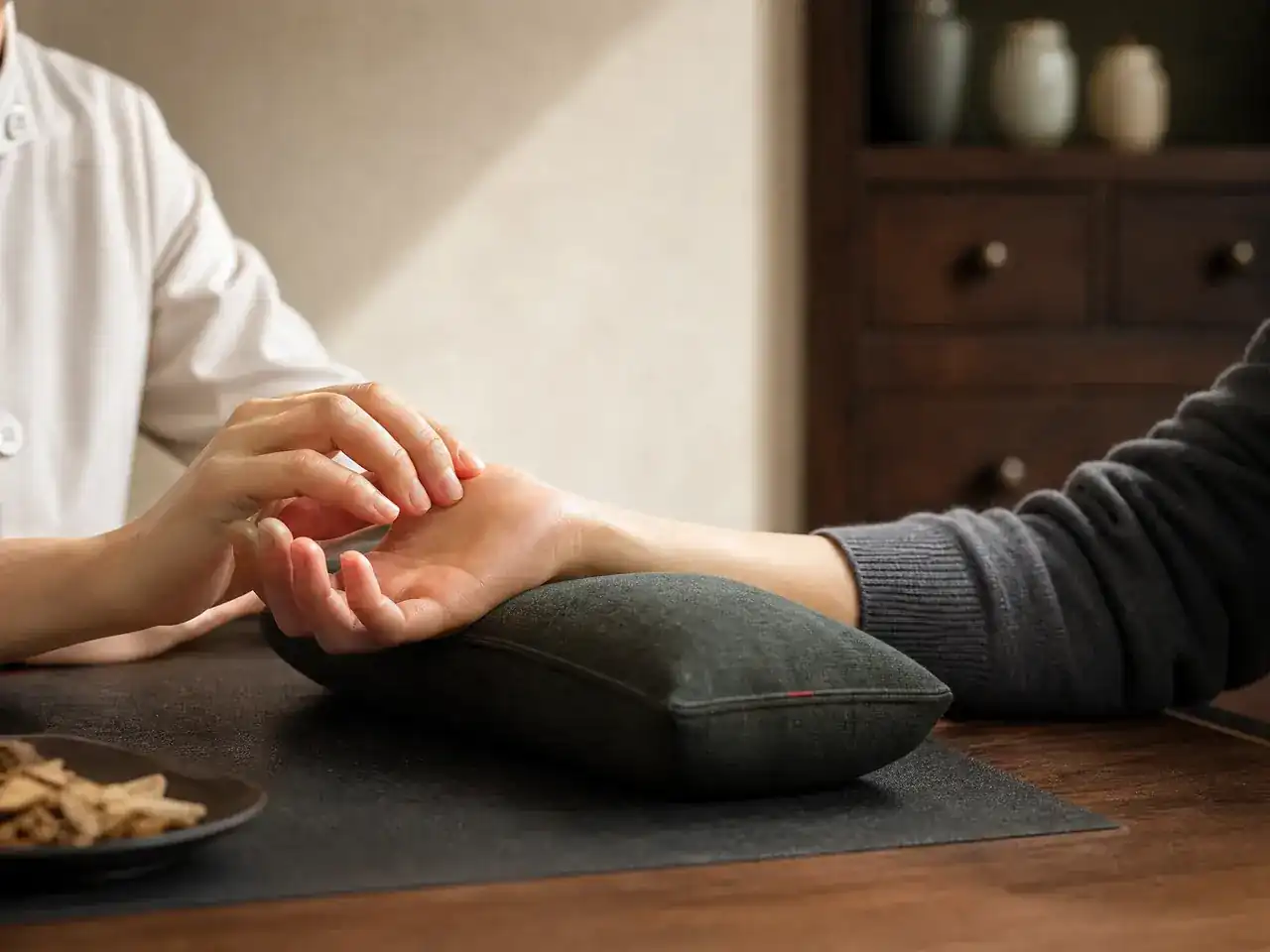
During a consultation, a detailed headache diary assists TCM practitioners in performing accurate pattern differentiation and individualized care. Traditional Chinese medicine views headaches through external and internal etiologies, where internal headaches often relate to ascending liver yang, Qi and blood deficiency, phlegm turbidity, or blood stasis. The recorded triggers and accompanying symptoms serve as essential diagnostic clues.
Harmonia TCM reminds readers that all care strategies should be built on thorough communication and safety compliance, avoiding unverified remedies or over-reliance on single therapies, prioritizing integrative safety above all.
When to Seek Urgent Care: Red Flag Warning Signs and Emergency Triage
While most chronic headaches are benign, sudden or severe headaches may indicate underlying serious health risks and should never rely solely on diary observation or self-care. If red flag warning signs appear, immediate medical evaluation is required.
These warnings include sudden, severe headaches (such as thunderclap headaches reaching peak intensity within seconds to a minute), fever, stiff neck, neurological deficits (such as limb weakness, slurred speech, vision changes, or gait instability), or persistent headaches following head trauma. In such cases, priority should be given to hospital emergency departments or comprehensive conventional medical examinations.
Safety remains the paramount principle of health management, and knowing when to transition from self-observation to urgent medical care is essential for every patient. A headache diary is designed for chronic and non-emergency tracking and must never replace medical intervention during acute crises.
If family members notice a patient's headache accompanied by altered consciousness, personality changes, or seizure activity, emergency services should be contacted immediately or the patient transported to the nearest hospital to secure critical treatment windows.
Bridging Conventional Care and Traditional Chinese Medicine: Communicating Your Headache Diary and Medication History Safely
When individuals manage chronic headaches or migraines through an integrative healthcare approach that combines conventional neurology with traditional Chinese medicine (TCM), transparent communication regarding your headache diary and complete medication history is paramount for clinical safety, mutual understanding, and effective therapeutic outcomes today and tomorrow. According to guidance from the U.S. National Center for Complementary and Integrative Health (NCCIH), complementary health approaches—including herbal products, acupuncture, and manual therapies—should never replace or delay necessary conventional medical evaluations, particularly when dealing with persistent, progressive, or severe neurological symptoms. Bringing a meticulously organized headache diary to both your primary care physician and your registered Chinese medicine practitioner ensures that all members of your interdisciplinary care team share an accurate, chronological understanding of your symptom patterns, pain intensity scores, duration of attacks, and overall frequency over time.
Furthermore, patient safety requires full disclosure of all concurrent treatments, over-the-counter pain relievers, prescription acute medications, and herbal supplements currently in use. The frequent overuse of acute pain medications can occasionally contribute to medication-overuse headaches or rebound symptoms, a cyclical pattern that becomes glaringly apparent when clinical records are reviewed alongside a detailed daily headache log. Sharing this comprehensive record allows medical and TCM practitioners to evaluate potential herb-drug interactions, monitor therapeutic boundaries, and coordinate care safely without conflicting or redundant interventions. Collaborative dialogue between conventional physicians and qualified TCM providers helps eliminate fragmented healthcare decisions, reduces patient risks, and prioritizes overall health, safety, and well-being above all else during clinical consultations and visits.
In Hong Kong, traditional Chinese medicine practice and practitioner registration are strictly regulated under the Chinese Medicine Ordinance administered by the Chinese Medicine Regulatory Office (CMRO) of the Department of Health. Patients are strongly encouraged to verify the professional qualifications, registration credentials, and clinical scope of any practitioner they consult to ensure complete adherence to statutory safety standards and professional accountability. By combining an objective headache diary, transparent medication disclosures, and qualified clinical supervision, patients can navigate integrative pain management with absolute confidence, ensuring that every therapeutic choice rests upon a solid foundation of safety, legal regulation, and fully informed consent for long-term health.
Digital Apps Versus Paper Journals: Choosing the Right Format for Consistent Long-Term Headache Tracking
Selecting the appropriate medium for recording a headache diary is a critical operational step in ensuring long-term compliance, user engagement, and data accuracy. With the rapid proliferation of digital health technology, patients today can choose between traditional paper notebooks and modern smartphone applications or electronic spreadsheets specifically designed for symptom tracking. Traditional paper journals offer tactile simplicity, requiring zero battery power, technical literacy, or screen illumination, which many individuals find refreshing during a painful migraine episode when acute photophobia and sensory hyper-reactivity make screen exposure intolerable. On the other hand, digital tracking applications often feature automated timestamping, visual trend analytics, exportable PDF summaries for medical consultations, and customizable reminder notifications that actively encourage daily logging habits and reduce compliance fatigue.
Regardless of whether you choose a pocket notebook, a binder, or a dedicated mobile health app, the ultimate clinical success of a headache diary depends heavily on consistent daily execution rather than technological sophistication. Clinical observations indicate that even the most advanced symptom-tracking software yields limited clinical value if entries are filled out intermittently or reconstructed from memory several days after an acute episode occurs. To maintain regularity, patients should establish a fixed daily routine, such as reviewing and updating the log every evening before bed or immediately following the resolution of acute headache symptoms. Recording minor contextual details—such as mild stress levels, minor sleep disruptions, or dietary notes—even on completely pain-free days helps establish a comprehensive baseline against which headache frequency and severity can be accurately measured across extended weeks and months.
When preparing for upcoming conventional medical or TCM consultations, having your headache data structured in an easily digestible format significantly streamlines the diagnostic and evaluative conversation. Digital apps can often generate automated summary reports highlighting weekly attack frequencies, average pain scores evaluated on a standardized 0-to-10 numerical rating scale, and suspected trigger correlations, which physicians and practitioners can review efficiently within limited consultation windows. If you prefer paper records, periodically transcribing monthly highlights onto a single summary sheet can achieve a similar clarity and accessibility. Ultimately, the best tracking format is the one that you find most sustainable and intuitive, allowing you to maintain objective records consistently and participate actively in your personal health management journey.
Continue reading
Explore the corresponding service or information page at your own pace.
Related articles


Frequently asked questions
How long should a headache diary be kept to achieve substantive utility?
It is recommended to maintain the diary consistently for 2 to 4 weeks, allowing healthcare providers to observe complete episode cycles and patterns. If headache frequency is low, tracking may be extended to a month or more to capture sporadic triggers.
Are there simple assessment tools recommended when logging headaches?
Using a simple 0-10 numerical rating scale (NRS) for intensity, alongside brief text notes on functional limitation during episodes, provides a practical record with high clinical reference value.
When should sleep disturbances be reported alongside headaches to clinicians?
If chronic insomnia, difficulty falling asleep, frequent night awakenings, or early morning awakening occur, they should be faithfully recorded and discussed proactively during medical or TCM consultations, as sleep disorders and headaches are deeply intertwined.
How does Harmonia TCM's information support headache sufferers in building correct mindsets?
General health information curated by the Harmonia TCM editorial team aims to help readers build proper health tracking and care-seeking triage habits, but it does not replace professional medical diagnosis. Severe headaches warrant prompt conventional medical care and specialist evaluation.
What special considerations apply when pregnant women or specific groups keep headache diaries?
Pregnant women, nursing mothers, or older adults experiencing frequent headaches should record episode details and medication use thoroughly, strictly informing healthcare providers during visits to ensure all care and treatment plans remain completely safe.
Can “headache diary guide” be used as a personal diagnosis?
No. This article provides general information and preparation ideas only. Individual circumstances need appropriate assessment around history, tests, functional impact and safety.
Related topics
Sources
Want to understand the next step around your situation?
You are welcome to share your question, preferred time and existing information. We will explain the service scope and arrangements clearly.