Pain & Assessment
Bow Legs Correction (TCM)
Bow legs, or genu varum, can affect not only physical appearance but also place long-term stress on knee joints and lower limb biomechanics. Through a comprehensive TCM assessment, Chinese medicine explores how to provide supportive care based on meridian and musculoskeletal theories. This page details the role of TCM in bow legs correction and growth-phase management. Please note that the availability and suitability of these services require confirmation by a registered Chinese medicine practitioner.
Quick answer: Bow legs correction requires a comprehensive approach considering both structural and constitutional factors. Through detailed TCM assessment, practitioners evaluate musculoskeletal health and Qi circulation. While TCM cannot guarantee structural changes to bones, modalities like acupuncture, Tui Na, and herbal medicine can help alleviate muscle tension and joint discomfort caused by biomechanical imbalances, offering valuable support during growth-phase management.
View pricesContact Us for Details
CLEAR PRICES
Interested in a treatment? You are always welcome to ask.
We clearly list our current single, trial and package prices so you can explore at your own pace. You are always welcome to message us on WhatsApp about any service, timing or arrangement.
| Category and service | Content / terms | Public price (HK$) | Booking note | Enquire |
|---|---|---|---|---|
| Hair & scalp | Scalp health and hair-loss support | AI scalp analysis, deep follicle cleansing and oil-control support | Trial offerPackageTrial 380; 6 sessions 3,480; 12 sessions 5,760; 20 sessions 8,600; 30 sessions 11,400 | Average per session for 6/12/20/30: 580/480/430/380 | Ask on WhatsApp |
| Hair & scalp | Hair acupuncture with herbal medicine | Scalp acupuncture with 3 days of decoction-free herbal medicine | Single visitPackageSingle 580; 6 sessions 3,180; 12 sessions 5,760; 20 sessions 8,600; 30 sessions 11,400 | Average per session for 6/12/20/30: 530/480/430/380 | Ask on WhatsApp |
| Hair & scalp | Integrated hair support programme | Acupuncture, herbal medicine and follicle activation; packages include shampoo and serum | Single visitPackageSingle 1,260; 8 sessions 8,640; 16 sessions 15,680; 20 sessions 18,600; 30 sessions 26,400 | Average per session for 8/16/20/30: 1,080/980/930/880 | Ask on WhatsApp |
| Weight management | Full-body acupoint embedding | Full-body acupoint embedding; packages include proportionate days of herbal support | Single visitPackageSingle 980; 10 sessions 7,800; 20 sessions 14,600; 30 sessions 20,400 | Average per session for 10/20/30: 780/730/680 | Ask on WhatsApp |
| Facial acupuncture | Brightening V-face (Essential) | Facial acupuncture, meridian support and swelling management | Trial offerPackageTrial 480; 10 sessions 5,200; 20 sessions 9,600; 30 sessions 13,500 | Average per session for 10/20/30: 520/480/450 | Ask on WhatsApp |
| Facial acupuncture | Firming and refining (Advanced) | Enhanced facial acupuncture for firmness and fine-line concerns with a moisturising mask serum | Trial offerPackageTrial 780; 10 sessions 9,000; 20 sessions 16,600; 30 sessions 23,400 | Average per session for 10/20/30: 900/830/780 | Ask on WhatsApp |
| Pain care | Extracorporeal shockwave therapy | Deep inflammation support and fascial relaxation | Prince Edward: 250 per area; Kwun Tong: 250 for 1 area, 450 for 2, 600 for 3 | Clinic-specific pricing; confirm location before booking | Ask on WhatsApp |
| Pain care | Manual therapy | TCM bone-injury assessment, manual alignment and tui na techniques | Single visitSingle 580 | Suitability is confirmed after assessment | Ask on WhatsApp |
| Pain care | Acupuncture with manual therapy | Acupuncture with manual structural support | Single visitSingle 680 | Suitability is confirmed after assessment | Ask on WhatsApp |
| TCM regulation | Acupuncture with herbal medicine | TCM consultation, whole-body acupuncture and 3 days of decoction-free herbal medicine granules | Single visitSingle 580 | Confirm clinician availability and service arrangement when booking | Ask on WhatsApp |
Understanding Bow Legs and Lower Limb Biomechanics
Bow legs, medically known as genu varum, is a structural condition where the knees stay wide apart when a person stands with their feet and ankles together. This alignment is relatively common in early childhood and often resolves naturally as the child grows and their musculoskeletal system matures. However, if the condition persists into older childhood, adolescence, or adulthood, it can lead to significant imbalances in lower limb biomechanics. This uneven distribution of weight increases the pressure on the medial compartment of the knee joint, potentially leading to early degeneration, chronic discomfort, and persistent pain that affects daily activities.
In the philosophy of Traditional Chinese Medicine, the strength, stability, and resilience of the musculoskeletal system are closely related to the functions of the Liver and Kidneys. The Liver is believed to govern the tendons, ensuring they are flexible and strong, while the Kidneys govern the bones, providing the deep structural foundation of the body. When there is a deficiency in the essence and blood of these vital organ systems, the tendons and bones may lack proper nourishment, affecting normal growth and structural integrity. Therefore, when discussing bow legs correction, TCM focuses not only on the local alignment of the bones but also on the overall state of Qi, blood, and internal organs, seeking to address the root causes of musculoskeletal weakness.
Through a comprehensive TCM assessment, practitioners can gain a deep understanding of the patient's unique constitutional characteristics and the specific imbalances contributing to their condition. This holistic perspective allows them to develop personalized care plans aimed at addressing the muscle strain, joint discomfort, and energetic deficiencies associated with bow legs. Whether for children in their developmental stages who need growth-phase management or adults experiencing wear and tear from years of biomechanical stress, TCM offers a supportive avenue worth considering alongside conventional medical approaches. By focusing on the body's innate ability to heal and adapt, TCM provides a complementary strategy for improving lower limb health.
The Role of TCM Assessment in Bow Legs Correction
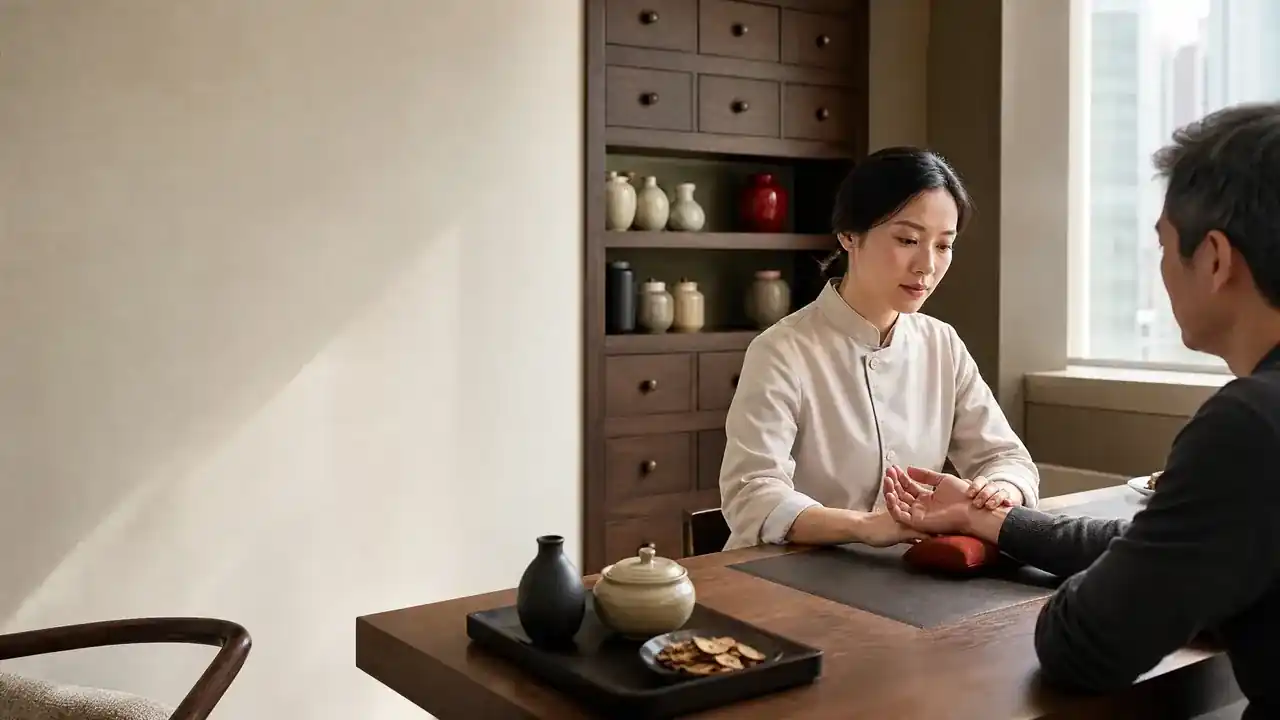
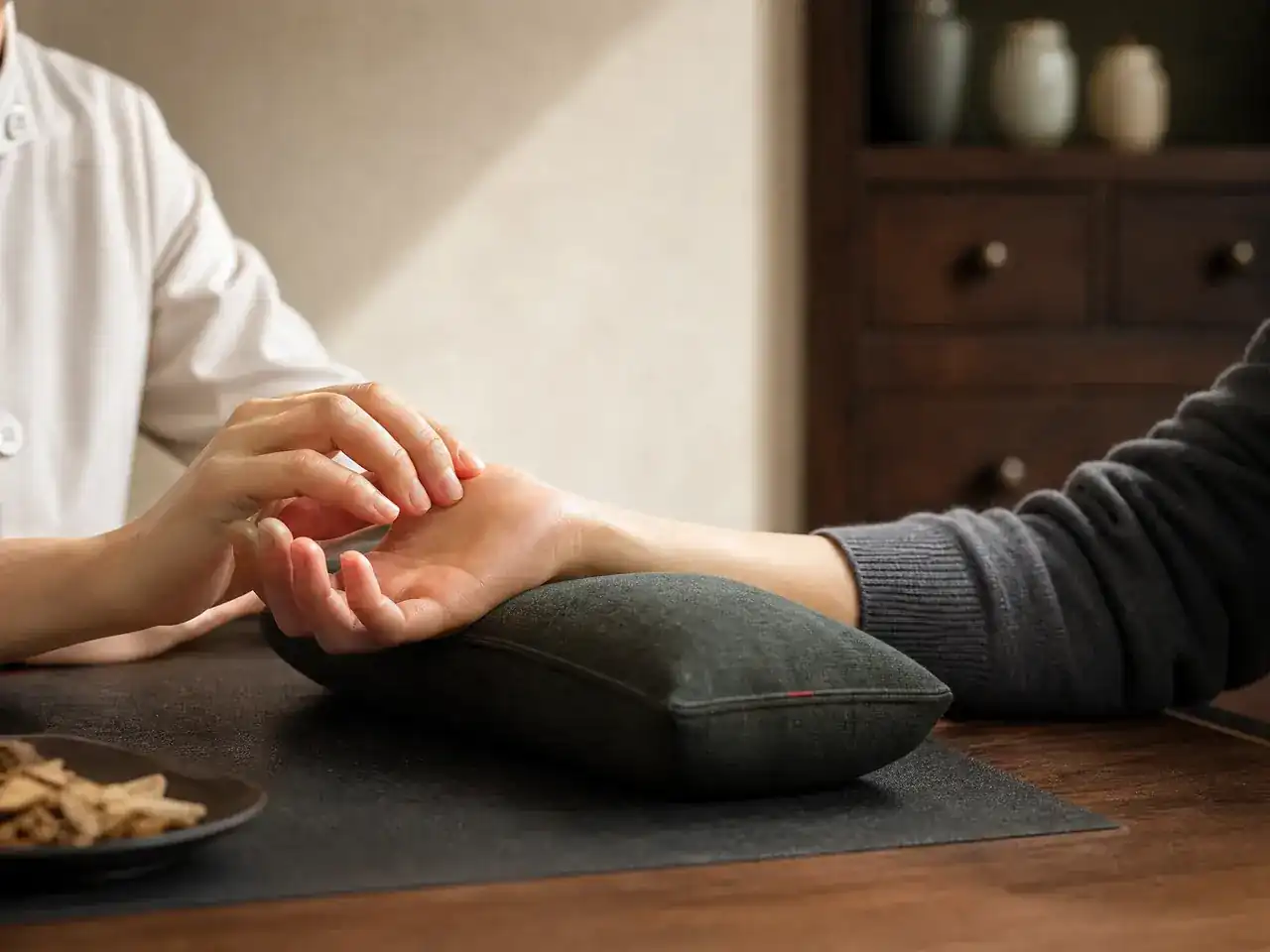
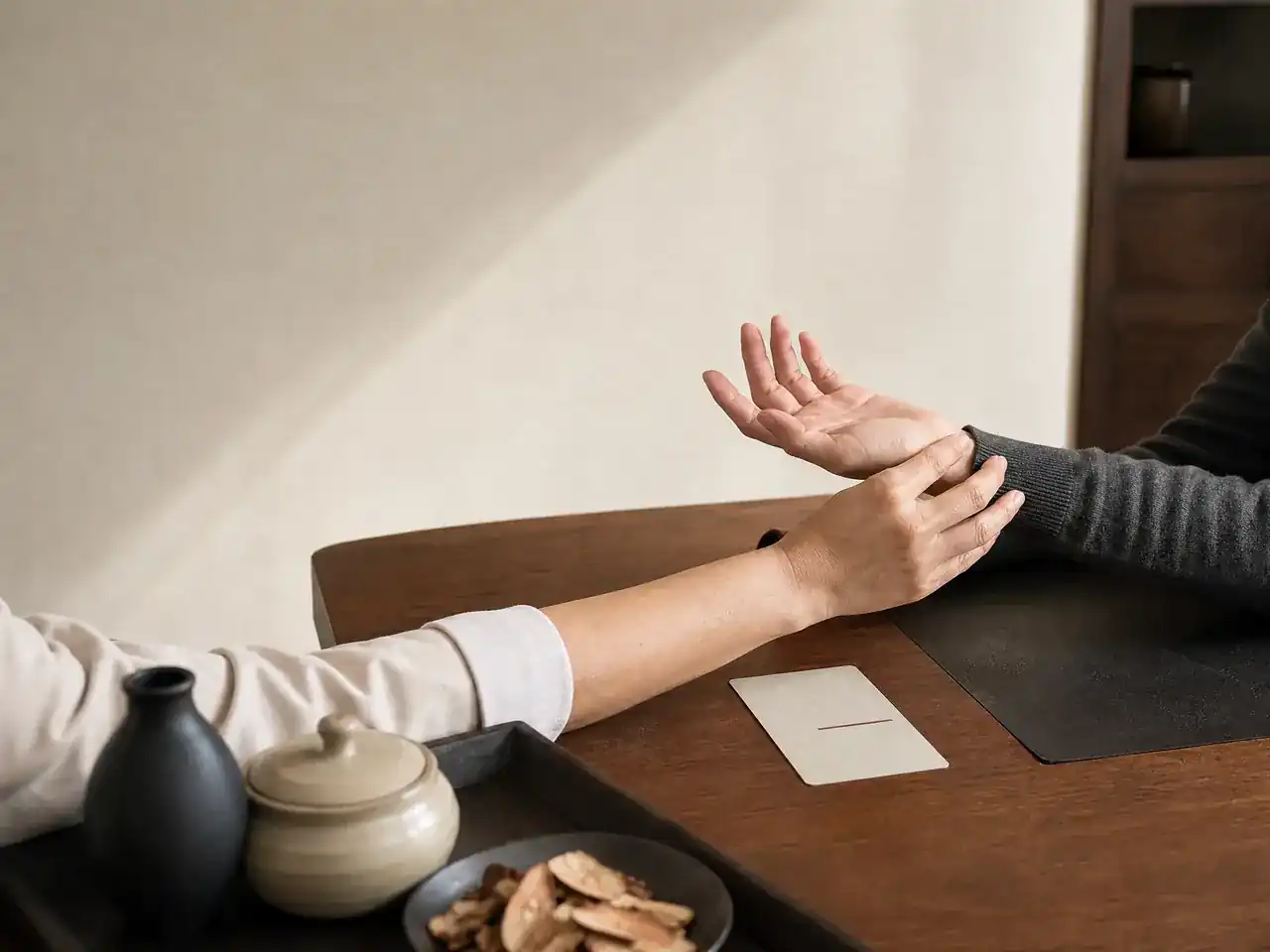
Before considering any supportive measures for bow legs correction, undergoing a thorough TCM assessment is an essential first step. A registered Chinese medicine practitioner will utilize the four traditional diagnostic methods—observation, auscultation and olfaction, inquiry, and palpation. They will carefully observe the patient's gait, standing posture, and the muscle tone of the lower extremities, looking for signs of tension or weakness. This detailed examination helps determine if the bow legs are accompanied by blockages in the meridians, poor circulation of Qi and blood, or underlying organ deficiencies that need to be addressed.
During the assessment, the practitioner will also inquire extensively about the patient's daily habits, exercise routines, dietary preferences, and any family history of similar musculoskeletal issues. For pediatric patients, special attention is given to their developmental milestones, nutritional status, and overall vitality, which is a crucial aspect of effective growth-phase management. By gathering this comprehensive information, the practitioner can accurately judge whether TCM modalities are appropriate for the individual, what specific techniques should be employed, and what supportive outcomes might be realistically expected over the course of the care plan.
It is important to emphasize that a TCM assessment does not replace conventional orthopedic diagnoses or imaging studies such as X-rays or MRI scans. Instead, it provides a complementary perspective rooted in holistic constitutional health. This approach assists patients in finding adjunctive methods to relieve discomfort, improve mobility, and promote long-term musculoskeletal well-being, working in tandem with standard medical care to offer a more rounded and comprehensive approach to managing the challenges associated with bow legs.
Growth-Phase Management and Constitutional Support
For children and adolescents, growth-phase management is a critical window of opportunity for addressing issues related to bow legs. During these developmental years, the bones, joints, and muscles are still maturing and possess a higher degree of plasticity, making them more responsive to supportive interventions. In Traditional Chinese Medicine, the Spleen and Stomach are considered the foundation of postnatal health and the primary source of Qi and blood production. A robust digestive system ensures that the body absorbs adequate nutrients from food, providing the essential material basis for the healthy development of tendons, ligaments, and bones.
As part of growth-phase management, a TCM practitioner may recommend specific herbal formulations designed to invigorate the Spleen, replenish Qi, and deeply nourish the Liver and Kidneys. These constitutional adjustments aim to support overall growth, enhance vitality, and ensure that the musculoskeletal system receives the nourishment it needs to develop properly. Concurrently, appropriate Tui Na (Chinese therapeutic massage) techniques can be applied to help relax tight muscles in the lower limbs, improve local blood circulation, and gently encourage better alignment, thereby creating a more favorable physiological environment for normal bone growth and joint development.
Parents also play a vital role in this process by encouraging good posture, appropriate physical activity, and healthy habits in their children's daily lives, avoiding prolonged periods of sitting or standing in improper alignments that could exacerbate the condition. The combination of TCM constitutional support, targeted physical therapies, and positive lifestyle modifications can play an active, supportive role in the journey of bow legs correction, helping children build a healthier, more balanced foundation for their lower limb biomechanics that will serve them well into adulthood.
Common TCM Supportive Modalities
TCM offers a variety of supportive modalities to address the discomfort and biomechanical imbalances associated with bow legs. Acupuncture is one of the most common and effective choices. By stimulating specific acupoints along the meridians of the legs, such as Zusanli (ST36) and Yanglingquan (GB34), acupuncture aims to unblock the flow of energy, harmonize Qi and blood, and reduce local inflammation. This can be particularly effective in alleviating the chronic muscle soreness, joint stiffness, and fatigue that often result from uneven weight distribution and the constant biomechanical stress placed on the lower extremities.
Tui Na and specialized tendon-regulation techniques focus specifically on adjusting the tension within the muscles, fascia, and connective tissues. Patients with bow legs often experience significant tightness in the muscles on the outer aspect of the thighs and calves, while the inner muscles may become relatively weak and overstretched. Professional Tui Na techniques can help release the deep-seated tension in the lateral tissues while stimulating and invigorating the medial muscles, promoting a better balance among the muscle groups of the lower extremities and supporting a more natural gait.
Additionally, the external application of herbal poultices, liniments, or warm herbal baths can provide soothing effects that dispel cold, dampness, and invigorate local blood circulation. These methods are especially suitable for patients who experience localized joint coldness, weather-related aching, or generally poor circulation in their legs. It is crucial that all these modalities are administered under the strict guidance of a registered Chinese medicine practitioner to ensure safety, appropriateness, and the best possible outcomes for each individual patient's unique condition.
Integrating East and West for Comprehensive Care
When approaching bow legs correction, adopting an integrative strategy that combines the strengths of both Western and Chinese medicine often yields the most comprehensive and effective care. Western physiotherapy can provide targeted muscle strengthening, stretching exercises, and biomechanical assessments that focus on the physical mechanics of the condition. Meanwhile, TCM constitutional support, acupuncture, and Tui Na work from the inside out to improve overall musculoskeletal health, reduce pain, and enhance the body's natural healing capacities. These two approaches can complement each other beautifully, offering a synergistic effect that addresses both the structural and functional aspects of the condition.
In terms of daily care and lifestyle management, patients are advised to wear supportive footwear with good arch support and cushioning to minimize the impact on the knee joints and lower back during walking and standing. Engaging in moderate, low-impact exercises, such as swimming, cycling, or specific yoga postures, can help strengthen the lower limb muscles, improve flexibility, and maintain joint mobility without placing excessive strain or compressive forces on the vulnerable knee joints.
Harmonia TCM is dedicated to providing professional, compassionate TCM assessments and evidence-based recommendations for individuals dealing with bow legs. We understand that every patient's condition, constitution, and lifestyle are unique, which is why we conduct detailed discussions and thorough evaluations before formulating any supportive care plan. Our goal is to empower you with the knowledge and treatments needed to improve your quality of life. Please note that the services, treatments, and arrangements described on this page require final confirmation by our registered Chinese medicine practitioners following a personal consultation.
Comparison of Supportive Approaches for Bow Legs
To help patients better understand the characteristics of various supportive approaches, we have compiled the following comparison table. This information can facilitate more in-depth discussions with your practitioner during your TCM assessment, helping you choose the most suitable methods for growth-phase management or daily care.
Please note that the table below is intended as general guidance. Actual care plans must be tailored to individual constitutions and specific symptoms by a registered Chinese medicine practitioner. We do not guarantee that any single method can completely alter bone structure.
| Approach | Primary Mechanism | Suitable For | Expected Supportive Outcome | Important Considerations |
|---|---|---|---|---|
| TCM Acupuncture | Unblocks meridians, harmonizes Qi and blood, relieves muscle tension | Individuals with lower limb muscle soreness or joint discomfort | Reduces local pain, improves blood circulation | Must be performed by a registered practitioner; be aware of needle fainting risks |
| Tui Na Massage | Relaxes tight fascia, balances muscle tension | Those with uneven muscle stress in the lower limbs | Promotes muscle relaxation, supports gait improvement | Avoid heavy manipulation during acute inflammatory phases |
| Herbal Medicine | Nourishes Liver and Kidneys, invigorates Spleen and Qi | Individuals with weak constitutions, growing children or adolescents | Improves overall constitution, supports musculoskeletal development | Requires personalized prescription; do not self-medicate |
| Physiotherapy (Western) | Targeted muscle strengthening and stretching exercises | Those needing improved joint mobility and muscle strength | Enhances joint stability, corrects poor posture | Requires guidance from a physiotherapist; needs consistent practice |
Frequently asked questions
Can TCM completely correct bow legs?
TCM supportive care primarily focuses on improving constitutional health and alleviating muscle tension and joint discomfort caused by biomechanical imbalances. For fully formed bone structures, TCM cannot guarantee complete correction. However, modalities like acupuncture, Tui Na, and herbal medicine can help improve local circulation and muscle tone, enhancing overall quality of life.
Do children with bow legs need immediate TCM treatment?
Many toddlers experience physiological bow legs that naturally resolve as they grow. We recommend that parents first seek professional advice from a pediatrician or orthopedic specialist. If supportive care is deemed necessary, TCM's growth-phase management and constitutional adjustments can serve as a gentle, complementary option.
What does a TCM assessment for bow legs typically involve?
A TCM assessment utilizes the four diagnostic methods: observation, auscultation/olfaction, inquiry, and palpation. The practitioner will observe your gait and posture, examine muscle tension and joint mobility in the lower limbs, and ask detailed questions about your daily habits and overall health to fully understand your constitution and needs.
Is acupuncture helpful for relieving discomfort associated with bow legs?
Acupuncture stimulates specific acupoints to unblock meridians and harmonize Qi and blood. It can provide a degree of relief for localized muscle soreness or joint stiffness caused by bow legs. However, the specific effects vary from person to person, and a registered practitioner must evaluate whether it is suitable for you.
Is TCM supportive care still useful for adults with bow legs?
Although adult bone structures are fully formed, bow legs often lead to long-term muscle strain and joint stress. TCM modalities can help relax tight tissues, reduce pain, and potentially slow the rate of joint degeneration, which remains highly beneficial for maintaining daily mobility and comfort.
Does Harmonia TCM offer home visit assessments for bow legs?
Harmonia TCM's only physical clinic is located in Kwun Tong. For a comprehensive TCM assessment regarding bow legs, we generally recommend visiting the clinic to ensure access to proper facilities and a controlled environment. If you have special requirements for a home visit, please contact us, and we will confirm arrangements based on actual circumstances and resources.
Related topics
Sources
Learn More About TCM Assessment and Support
Every individual's constitution and musculoskeletal condition are unique. If you have any questions about supportive care for bow legs or growth-phase management, please feel free to contact us. The registered Chinese medicine practitioners at Harmonia TCM will provide professional initial advice and confirm the availability of relevant services.