Pain & Assessment
Muscle Strain & Soft Tissue Injury
Muscle strain and soft tissue injury are common occurrences in daily life, often resulting from overexertion, poor posture, or accidents. At Harmonia TCM, our registered Chinese medicine practitioners provide detailed assessments to understand your condition and offer appropriate support to help relieve acute pain and promote natural recovery.
Quick answer: A muscle strain is a common soft tissue injury that often causes acute pain. Traditional Chinese Medicine utilizes methods like acupuncture and herbal medicine to help relieve discomfort. Harmonia TCM provides professional assessments to develop a suitable support plan for you.
View pricesContact Us for Details
CLEAR PRICES
Interested in a treatment? You are always welcome to ask.
We clearly list our current single, trial and package prices so you can explore at your own pace. You are always welcome to message us on WhatsApp about any service, timing or arrangement.
| Category and service | Content / terms | Public price (HK$) | Booking note | Enquire |
|---|---|---|---|---|
| Hair & scalp | Scalp health and hair-loss support | AI scalp analysis, deep follicle cleansing and oil-control support | Trial offerPackageTrial 380; 6 sessions 3,480; 12 sessions 5,760; 20 sessions 8,600; 30 sessions 11,400 | Average per session for 6/12/20/30: 580/480/430/380 | Ask on WhatsApp |
| Hair & scalp | Hair acupuncture with herbal medicine | Scalp acupuncture with 3 days of decoction-free herbal medicine | Single visitPackageSingle 580; 6 sessions 3,180; 12 sessions 5,760; 20 sessions 8,600; 30 sessions 11,400 | Average per session for 6/12/20/30: 530/480/430/380 | Ask on WhatsApp |
| Hair & scalp | Integrated hair support programme | Acupuncture, herbal medicine and follicle activation; packages include shampoo and serum | Single visitPackageSingle 1,260; 8 sessions 8,640; 16 sessions 15,680; 20 sessions 18,600; 30 sessions 26,400 | Average per session for 8/16/20/30: 1,080/980/930/880 | Ask on WhatsApp |
| Weight management | Full-body acupoint embedding | Full-body acupoint embedding; packages include proportionate days of herbal support | Single visitPackageSingle 980; 10 sessions 7,800; 20 sessions 14,600; 30 sessions 20,400 | Average per session for 10/20/30: 780/730/680 | Ask on WhatsApp |
| Facial acupuncture | Brightening V-face (Essential) | Facial acupuncture, meridian support and swelling management | Trial offerPackageTrial 480; 10 sessions 5,200; 20 sessions 9,600; 30 sessions 13,500 | Average per session for 10/20/30: 520/480/450 | Ask on WhatsApp |
| Facial acupuncture | Firming and refining (Advanced) | Enhanced facial acupuncture for firmness and fine-line concerns with a moisturising mask serum | Trial offerPackageTrial 780; 10 sessions 9,000; 20 sessions 16,600; 30 sessions 23,400 | Average per session for 10/20/30: 900/830/780 | Ask on WhatsApp |
| Pain care | Extracorporeal shockwave therapy | Deep inflammation support and fascial relaxation | Prince Edward: 250 per area; Kwun Tong: 250 for 1 area, 450 for 2, 600 for 3 | Clinic-specific pricing; confirm location before booking | Ask on WhatsApp |
| Pain care | Manual therapy | TCM bone-injury assessment, manual alignment and tui na techniques | Single visitSingle 580 | Suitability is confirmed after assessment | Ask on WhatsApp |
| Pain care | Acupuncture with manual therapy | Acupuncture with manual structural support | Single visitSingle 680 | Suitability is confirmed after assessment | Ask on WhatsApp |
| TCM regulation | Acupuncture with herbal medicine | TCM consultation, whole-body acupuncture and 3 days of decoction-free herbal medicine granules | Single visitSingle 580 | Confirm clinician availability and service arrangement when booking | Ask on WhatsApp |
Understanding Muscle Strain and Soft Tissue Injury
A muscle strain refers to the damage caused by the overstretching or tearing of a muscle or its attaching tendon. It is one of the most common types of soft tissue injury. This condition frequently occurs during sports activities, heavy lifting, or sudden strenuous movements. When a muscle is subjected to pressure that exceeds its capacity, the muscle fibers can become damaged, leading to localized pain, swelling, and restricted movement. The severity of a muscle strain can range from mild, where only a few muscle fibers are damaged, to severe, which may involve a complete rupture of the muscle.
In addition to muscle strains, soft tissue injuries also encompass ligament sprains, tendinitis, and bursitis. These injuries often trigger acute pain, significantly impacting a patient's daily life and ability to work. In Traditional Chinese Medicine (TCM), a muscle strain is generally categorized under the concept of 'sinew injury'. The primary underlying mechanism is believed to be trauma or sudden exertion that disrupts the local flow of Qi and blood, causing blockages in the meridians. As the TCM principle states, 'where there is blockage, there is pain'. Therefore, TCM approaches focus on unblocking the meridians, promoting blood circulation, and regulating Qi to relieve pain.
Common Causes and Symptoms of Muscle Strain
The causes of a muscle strain are diverse. The most common factors include inadequate warm-up before exercise, muscle fatigue, poor posture, and sudden external impact. For instance, during vigorous physical activity, if the muscles are not adequately prepared, a sudden contraction or extension can easily lead to a strain. Furthermore, maintaining poor posture for extended periods or engaging in repetitive motions can keep specific muscle groups in a state of continuous tension, thereby increasing the risk of injury. As people age, muscle elasticity and flexibility naturally decline, making older adults more susceptible to muscle strains during everyday activities.
When a muscle strain occurs, the patient typically experiences immediate and intense localized pain, which is a classic manifestation of acute pain. Subsequently, the injured area may develop swelling, bruising, and tenderness to the touch. The pain usually worsens significantly when the injured muscle is moved or used, and it may even lead to muscle weakness or spasms. In severe cases of muscle strain, the patient might hear or feel a 'pop' at the moment of injury, which often indicates a substantial tear in the muscle or tendon. Promptly recognizing these symptoms is crucial for subsequent assessment and appropriate management.
TCM Assessment Methods for Muscle Strain
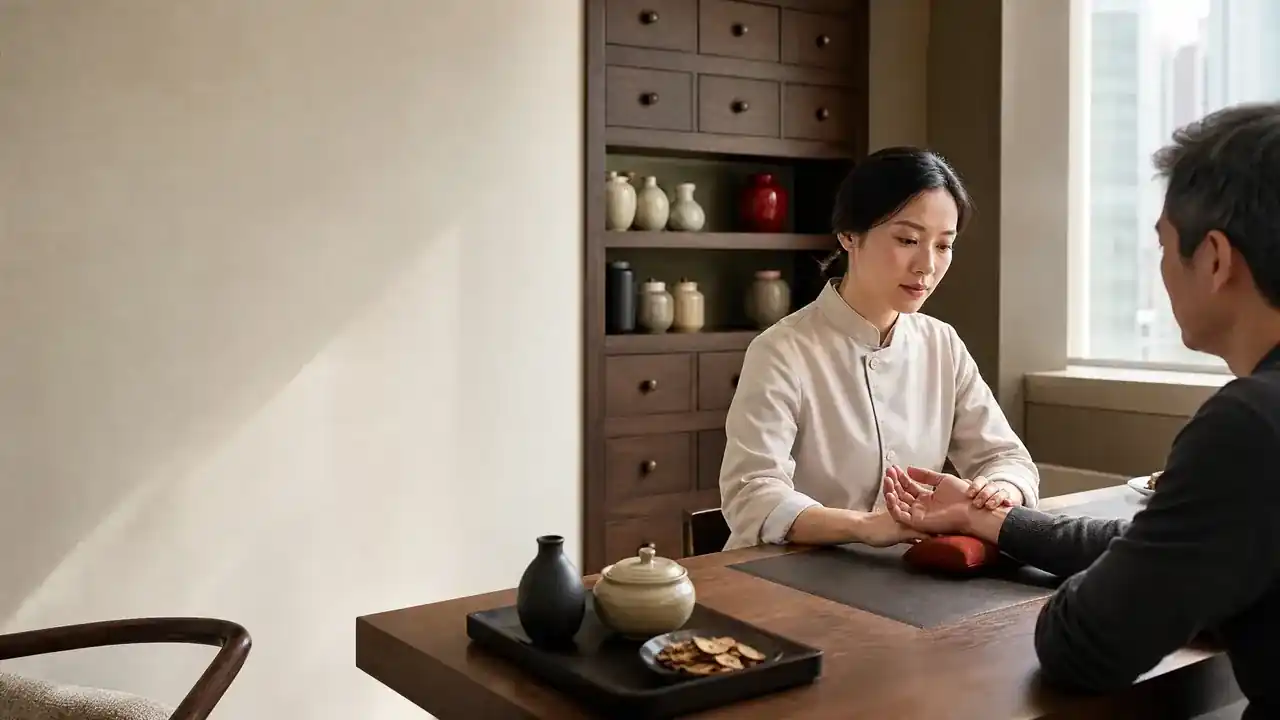
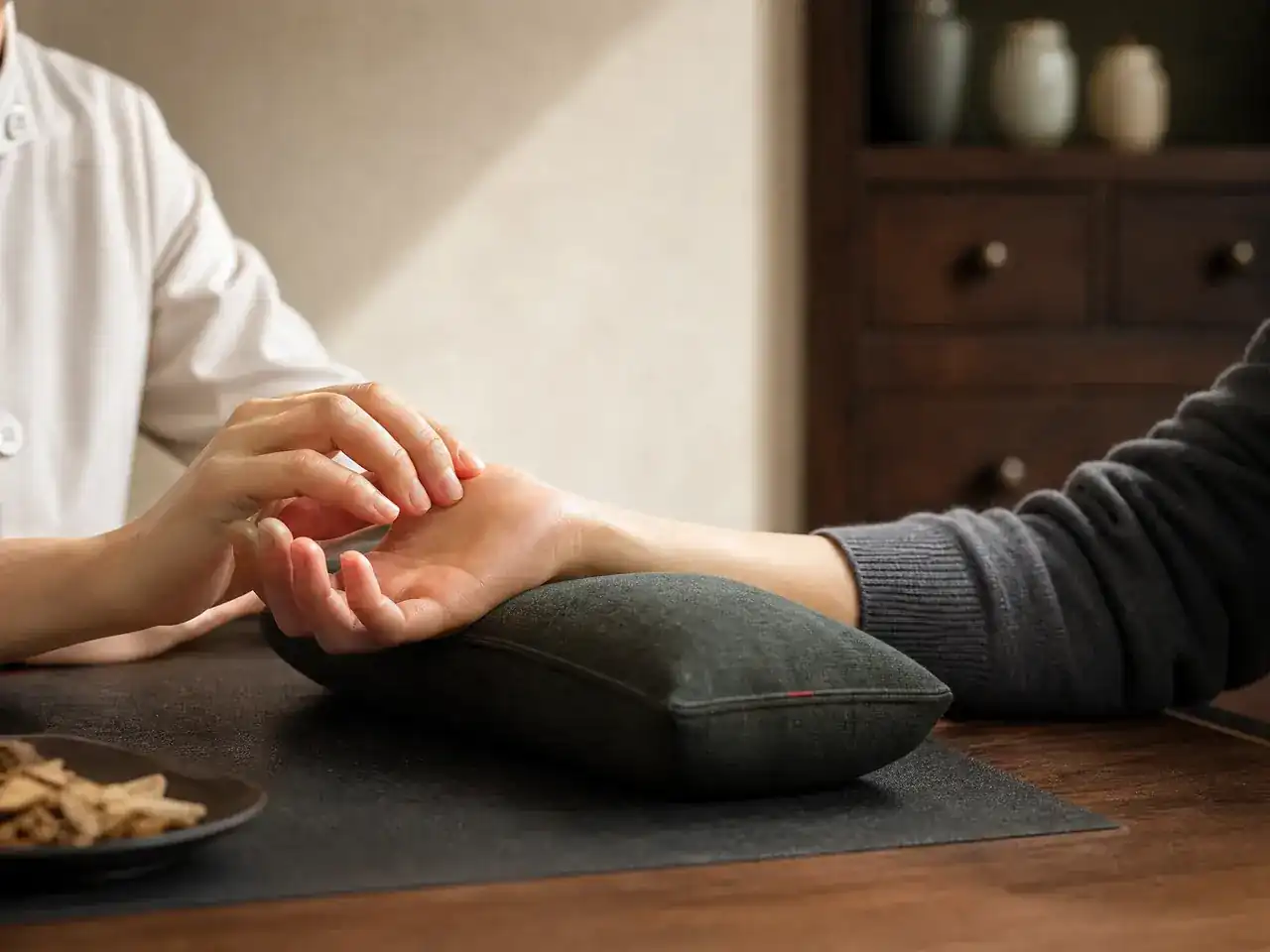
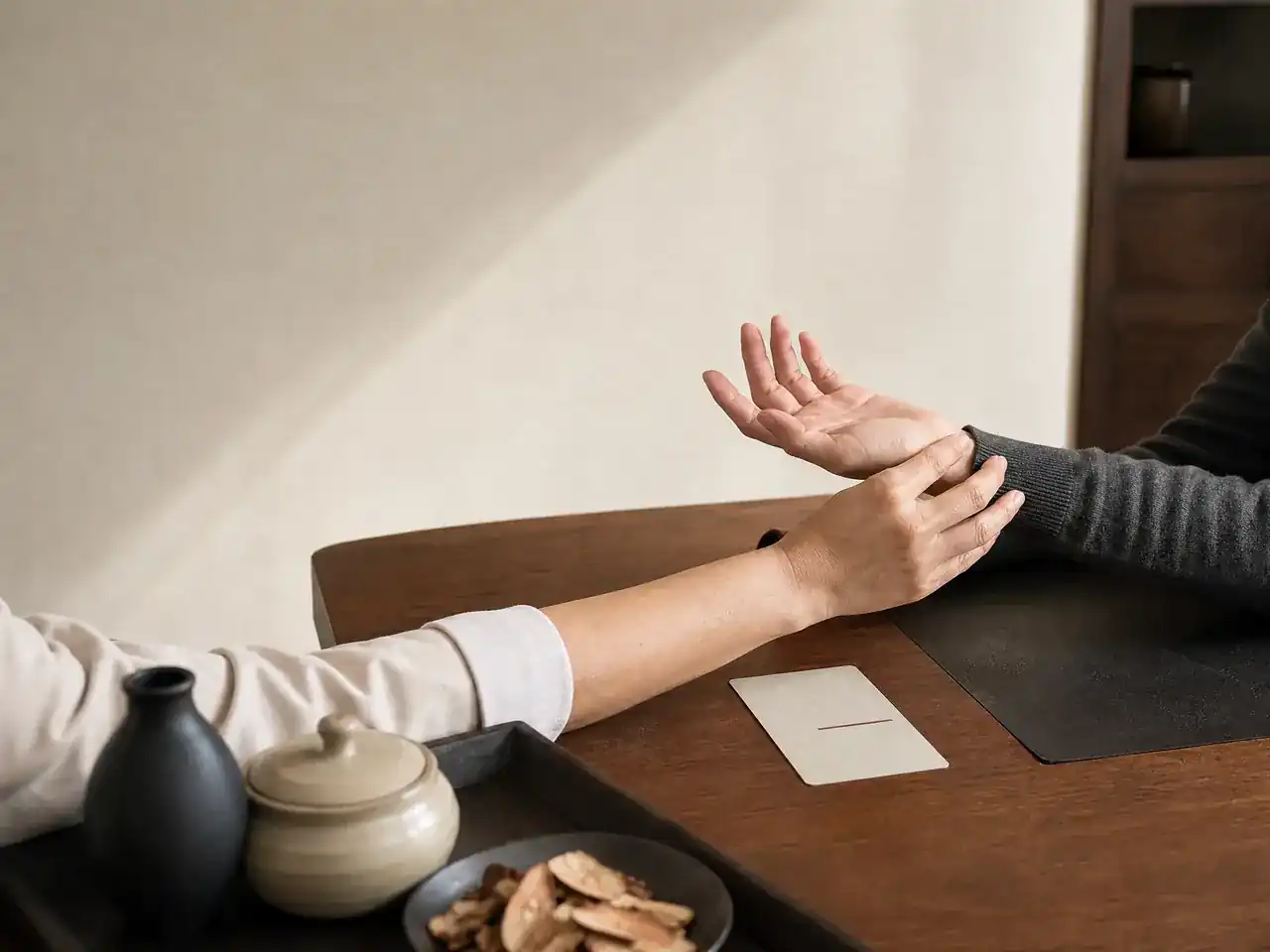
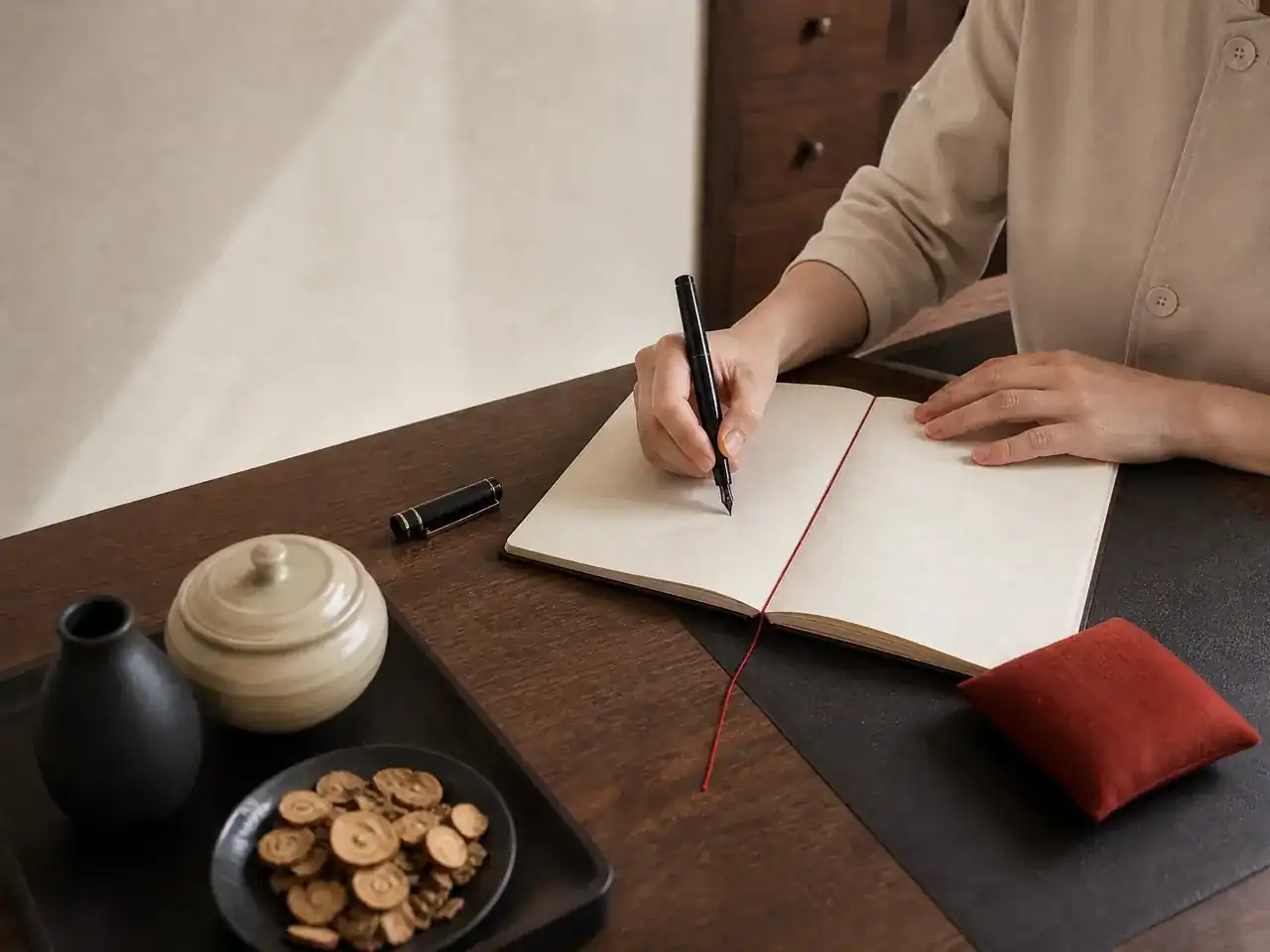
At Harmonia TCM, our registered Chinese medicine practitioners conduct a comprehensive assessment of a muscle strain using the four traditional diagnostic methods: observation, listening and smelling, inquiry, and palpation. The practitioner will carefully inquire about how the injury occurred, the nature and exact location of the pain, and observe the extent of swelling and bruising in the affected area. Through palpation, the practitioner can determine the degree of muscle tension, identify specific tender points, and assess the range of restricted movement. This helps in evaluating the severity of the strain and identifying the affected meridians.
A TCM assessment goes beyond just examining the localized soft tissue injury; it also takes into account the patient's overall constitution. For example, a patient with a deficiency in Qi and blood may experience a slower recovery rate after an injury. Conversely, a patient with a 'damp-heat' constitution might be more prone to developing redness, swelling, and heat at the site of the injury. By conducting a comprehensive analysis, the practitioner can formulate a personalized support plan aimed at addressing the acute pain and facilitating the body's natural healing process.
Common TCM Approaches for Supporting Muscle Strain
Traditional Chinese Medicine offers various non-invasive methods for supporting patients with a muscle strain and other soft tissue injuries. Acupuncture is a commonly used technique. By stimulating specific acupoints, acupuncture helps to unblock the meridians and harmonize Qi and blood, which can assist in relieving localized pain and muscle spasms. For acute pain, acupuncture can often provide relatively swift relief. Additionally, Tui Na (Chinese therapeutic massage) is frequently applied in the management of muscle strains. Gentle manipulation techniques can help relax tense muscles, promote local blood circulation, and accelerate the dissipation of bruising.
Besides external therapies, the internal and external application of Chinese herbal medicine is also a vital component of TCM support for muscle strains. Internally administered herbal medicines primarily focus on promoting blood circulation, removing stasis, and regulating Qi to relieve pain, tailored to the patient's constitution and the stage of the injury. Externally applied herbal poultices or patches act directly on the injured area, helping to reduce swelling and pain. The registered Chinese medicine practitioners at Harmonia TCM will flexibly utilize these methods based on the patient's specific condition to provide appropriate support. It is important to note that the application of all TCM methods requires prior assessment by a registered practitioner.
Comparing Muscle Strain with Other Soft Tissue Injuries
A muscle strain differs from other types of soft tissue injuries in terms of causes, symptoms, and management focus. Understanding these differences can help patients better comprehend their condition and provide more accurate information when seeking professional assessment. The following table summarizes the main characteristics of muscle strains and other common soft tissue injuries:
| Type of Injury | Affected Tissue | Common Causes | Main Symptoms | TCM Management Focus |
|---|---|---|---|---|
| Muscle Strain | Muscle or tendon | Overstretching, muscle fatigue, inadequate warm-up | Localized pain, swelling, muscle weakness, restricted movement | Promoting blood circulation, relaxing muscles, relieving pain |
| Ligament Sprain | Ligaments connecting bones | Excessive joint twisting, falls, external impact | Joint pain, swelling, joint instability, difficulty moving | Reducing swelling, unblocking meridians, stabilizing the joint |
| Tendinitis | Tendons connecting muscle to bone | Repetitive motions, overuse, degeneration | Dull ache, worsens with movement, mild swelling | Regulating Qi and blood, relieving strain, unblocking meridians |
| Bursitis | Bursae around joints | Prolonged friction, excessive pressure, infection | Redness, swelling, heat, and pain around the joint, restricted movement | Clearing heat, resolving dampness, reducing swelling and pain |
Daily Care and Prevention of Muscle Strain
During the recovery period from a muscle strain, proper daily care is essential for promoting the repair of the soft tissue injury. In the acute phase, patients should rest the injured area as much as possible and avoid activities that could exacerbate the damage. Applying ice packs can help reduce localized swelling and acute pain. As the condition stabilizes, patients can gradually engage in light stretching and strengthening exercises under the guidance of a practitioner to restore muscle flexibility and strength. Furthermore, maintaining a balanced diet and getting adequate sleep also contribute to the body's overall recovery.
Preventing a muscle strain is equally important. Before engaging in any sports or strenuous physical labor, it is crucial to perform a thorough warm-up to increase muscle temperature and elasticity. In daily life, one should pay attention to maintaining good posture and avoid staying in the same position for prolonged periods. Individuals who frequently perform repetitive motions should take regular breaks and do appropriate stretching exercises. By enhancing muscle strength and improving flexibility, the risk of muscle strains and other soft tissue injuries can be effectively reduced.
Professional TCM Support at Harmonia TCM
Harmonia TCM is dedicated to providing professional and safe TCM assessment and support for our patients. Our registered Chinese medicine practitioners possess extensive clinical experience and can accurately assess conditions related to muscle strain and various soft tissue injuries. We understand the distress that acute pain can cause in a patient's life. Therefore, during the assessment process, our practitioners will patiently listen to your needs and thoroughly explain your condition and the proposed support plan. We emphasize personalized care, tailoring the most suitable plan based on each patient's constitution and specific circumstances.
Please note that the information here is intended as general guidance and cannot replace professional medical diagnosis. The actual condition of a muscle strain varies from person to person. Whether TCM support is suitable, the associated risks, and specific arrangements must be confirmed by a registered Chinese medicine practitioner and the clinic. Harmonia TCM's only physical clinic is located in Kwun Tong. The services described here serve as a reference for clinic visits or home coverage and do not imply that we have branches in other districts. If you are experiencing a severe muscle strain or acute pain, we recommend seeking professional medical assessment as soon as possible.
Frequently asked questions
Should I apply heat or ice immediately after a muscle strain?
In the acute phase of a muscle strain (usually within the first 48 hours after injury), it is recommended to apply ice packs to reduce localized swelling and acute pain. Ice helps constrict blood vessels, reducing bleeding and inflammatory responses. Once the acute phase has passed and the swelling has stabilized, you may consider switching to heat application to promote local blood circulation and accelerate the repair of the soft tissue injury. Specific advice should be given by a registered Chinese medicine practitioner after an assessment.
Is TCM acupuncture effective in relieving acute pain caused by a muscle strain?
Acupuncture is one of the commonly used TCM methods for managing a muscle strain and soft tissue injury. By stimulating specific acupoints, acupuncture helps unblock meridians and harmonize Qi and blood, which can play a role in relieving localized muscle spasms and reducing acute pain. However, the effectiveness of acupuncture varies from person to person, and it must be assessed and performed by a registered Chinese medicine practitioner based on the patient's specific condition.
How long does it take to fully recover from a muscle strain?
The recovery time for a muscle strain depends on the severity of the injury, the patient's age, constitution, and whether appropriate care is received. A mild strain may take a few days to a few weeks to recover; a moderate strain may take several weeks to months; while a severe strain (such as a muscle rupture) may take even longer and might require surgical intervention. TCM support can help promote the body's natural healing process but cannot guarantee a specific recovery timeframe.
Can I continue exercising while I have a muscle strain?
During the acute phase of a muscle strain and before full recovery, you should avoid engaging in sports or strenuous activities that could exacerbate the soft tissue injury. Resuming exercise too early can lead to secondary injuries and prolong the recovery time. Patients should gradually engage in appropriate stretching and strengthening exercises under the guidance of a registered Chinese medicine practitioner or professional healthcare provider, based on their recovery progress.
Does Harmonia TCM provide home assessment services for muscle strains?
Harmonia TCM's only physical clinic is located in Kwun Tong. The services described here serve as a reference for clinic visits or home coverage. For patients with mobility issues or special needs, we may offer limited home assessment services. However, whether this service is provided, its suitability, and specific arrangements must be confirmed by a registered Chinese medicine practitioner and the clinic. Please contact us for more details.
What should I do if I suspect I have a fracture rather than just a muscle strain?
If you suspect you may have sustained a fracture (e.g., severe deformity at the injury site, extreme pain, or complete inability to bear weight), you should immediately go to the emergency department or seek conventional medical assessment, including imaging tests like X-rays. A TCM assessment cannot replace these necessary examinations. After ruling out severe conditions such as a fracture, you may then consider seeking supplementary TCM support.
Related topics
Sources
Seek Professional Assessment for Muscle Strain
If you are suffering from acute pain caused by a muscle strain or soft tissue injury, the registered Chinese medicine practitioners at Harmonia TCM can provide professional assessment and support. Please note that actual service arrangements must be confirmed by the clinic.