Pain & Assessment | Harmonia TCM
Headache & Migraine
Headache & Migraine care at Harmonia TCM focuses on understanding first, then acting. We explore history, triggers, constitution and function to clarify why headache migraine occurs, and we offer complementary options only when safe and appropriate. Our clinic is based in Kwun Tong; service availability and suitability must be confirmed.
Quick answer: Headache migraine often links to sleep, stress, posture and dietary patterns. We begin with safety screening and pattern-based assessment, then may suggest acupuncture, gentle manual work, herbal or lifestyle strategies to ease pain and reduce recurrences. If pain is thunderclap, follows head injury, or includes neurological deficits, seek urgent medical care first. Service availability and suitability require confirmation by a registered Chinese medicine practitioner.
View pricesEnquire availability and suitability
CLEAR PRICES
Interested in a treatment? You are always welcome to ask.
We clearly list our current single, trial and package prices so you can explore at your own pace. You are always welcome to message us on WhatsApp about any service, timing or arrangement.
| Category and service | Content / terms | Public price (HK$) | Booking note | Enquire |
|---|---|---|---|---|
| Hair & scalp | Scalp health and hair-loss support | AI scalp analysis, deep follicle cleansing and oil-control support | Trial offerPackageTrial 380; 6 sessions 3,480; 12 sessions 5,760; 20 sessions 8,600; 30 sessions 11,400 | Average per session for 6/12/20/30: 580/480/430/380 | Ask on WhatsApp |
| Hair & scalp | Hair acupuncture with herbal medicine | Scalp acupuncture with 3 days of decoction-free herbal medicine | Single visitPackageSingle 580; 6 sessions 3,180; 12 sessions 5,760; 20 sessions 8,600; 30 sessions 11,400 | Average per session for 6/12/20/30: 530/480/430/380 | Ask on WhatsApp |
| Hair & scalp | Integrated hair support programme | Acupuncture, herbal medicine and follicle activation; packages include shampoo and serum | Single visitPackageSingle 1,260; 8 sessions 8,640; 16 sessions 15,680; 20 sessions 18,600; 30 sessions 26,400 | Average per session for 8/16/20/30: 1,080/980/930/880 | Ask on WhatsApp |
| Weight management | Full-body acupoint embedding | Full-body acupoint embedding; packages include proportionate days of herbal support | Single visitPackageSingle 980; 10 sessions 7,800; 20 sessions 14,600; 30 sessions 20,400 | Average per session for 10/20/30: 780/730/680 | Ask on WhatsApp |
| Facial acupuncture | Brightening V-face (Essential) | Facial acupuncture, meridian support and swelling management | Trial offerPackageTrial 480; 10 sessions 5,200; 20 sessions 9,600; 30 sessions 13,500 | Average per session for 10/20/30: 520/480/450 | Ask on WhatsApp |
| Facial acupuncture | Firming and refining (Advanced) | Enhanced facial acupuncture for firmness and fine-line concerns with a moisturising mask serum | Trial offerPackageTrial 780; 10 sessions 9,000; 20 sessions 16,600; 30 sessions 23,400 | Average per session for 10/20/30: 900/830/780 | Ask on WhatsApp |
| Pain care | Extracorporeal shockwave therapy | Deep inflammation support and fascial relaxation | Prince Edward: 250 per area; Kwun Tong: 250 for 1 area, 450 for 2, 600 for 3 | Clinic-specific pricing; confirm location before booking | Ask on WhatsApp |
| Pain care | Manual therapy | TCM bone-injury assessment, manual alignment and tui na techniques | Single visitSingle 580 | Suitability is confirmed after assessment | Ask on WhatsApp |
| Pain care | Acupuncture with manual therapy | Acupuncture with manual structural support | Single visitSingle 680 | Suitability is confirmed after assessment | Ask on WhatsApp |
| TCM regulation | Acupuncture with herbal medicine | TCM consultation, whole-body acupuncture and 3 days of decoction-free herbal medicine granules | Single visitSingle 580 | Confirm clinician availability and service arrangement when booking | Ask on WhatsApp |
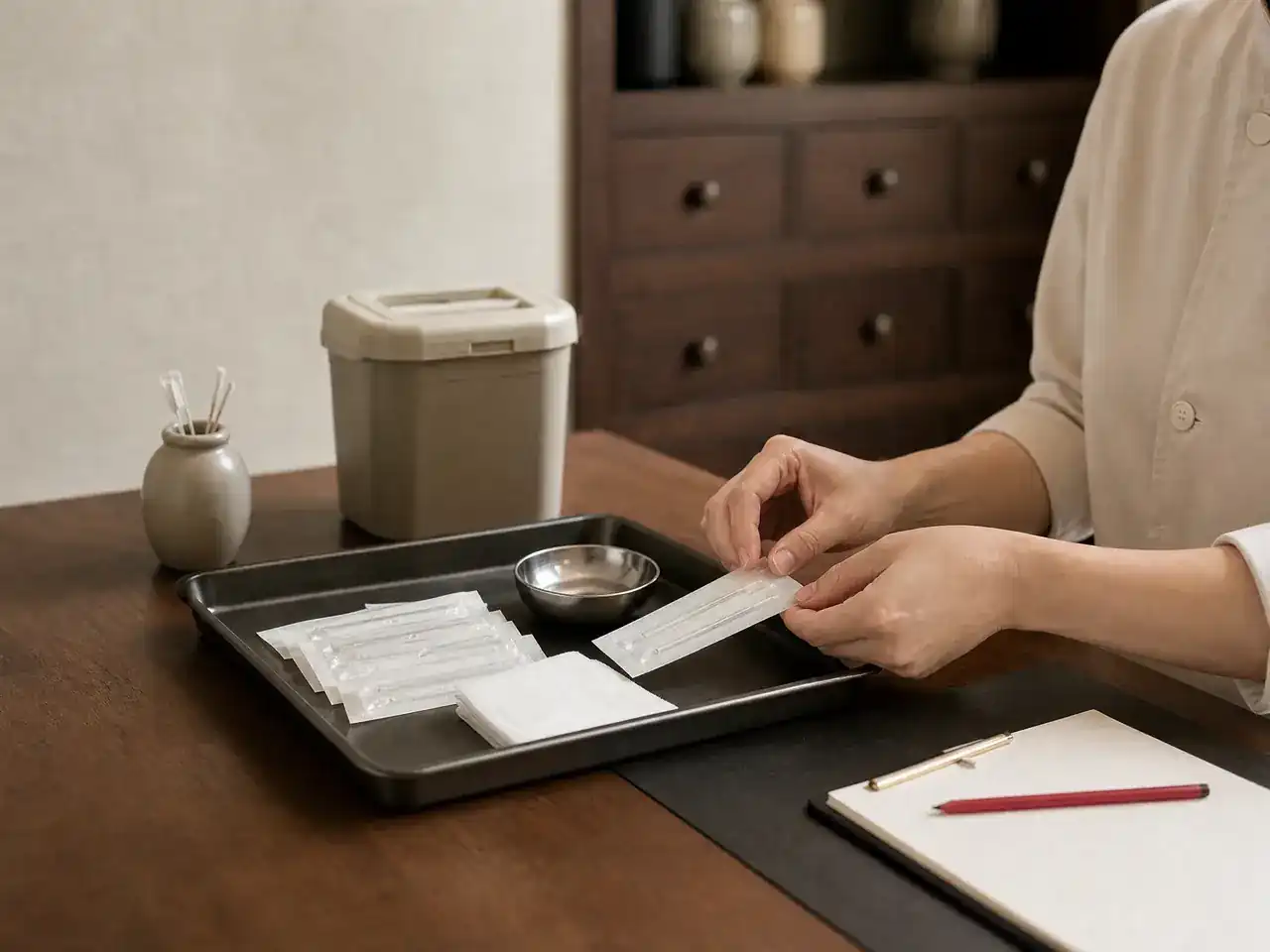
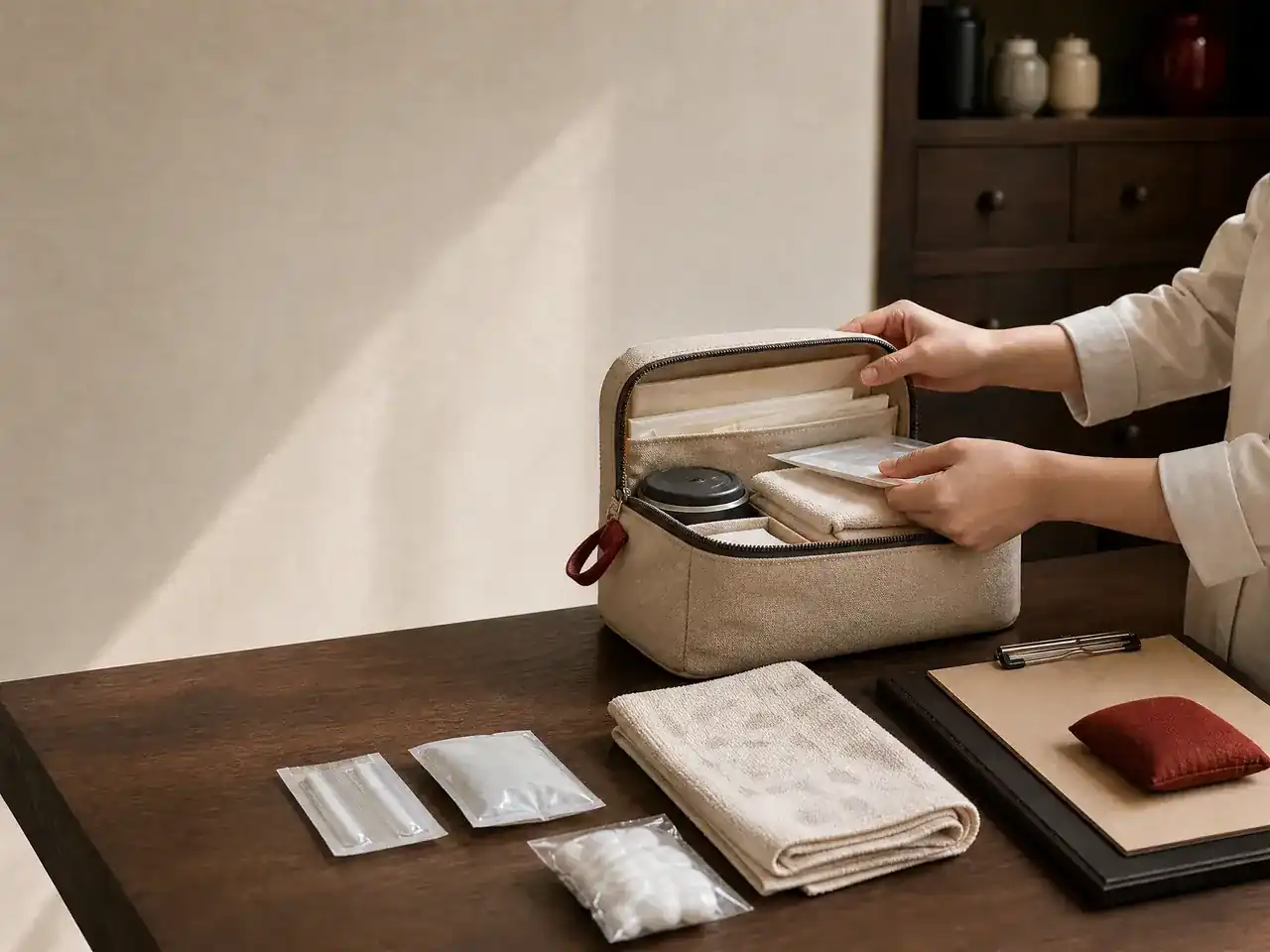
What is happening when your head hurts? A practical overview
Headache migraine is not a single disease but a diverse set of presentations influenced by the nervous system, myofascial tension, vascular dynamics, hormones, emotions and daily routines. Common categories include tension-type headache, migraine with or without aura, cluster headache, sinus-related headache and cervicogenic (neck-related) headache. Each pattern differs in frequency, location, character (pressing, throbbing), associated symptoms (nausea, light/sound sensitivity) and triggers. In Traditional Chinese Medicine (TCM), we do not assume one cause for all head pain; instead, we consider the whole person and how constitutional tendencies and environmental factors interact.
At Harmonia TCM, your safety comes first. We begin by clarifying whether urgent medical assessment is needed before any complementary care. If the situation is non-urgent, we proceed with a structured evaluation to understand why pain persists, what worsens it and what genuinely helps you function better. Our goals are modest but meaningful: reduce pain intensity and frequency when possible, improve comfort between attacks, and equip you with self-management skills.
How TCM assesses: patterns, four examinations and function
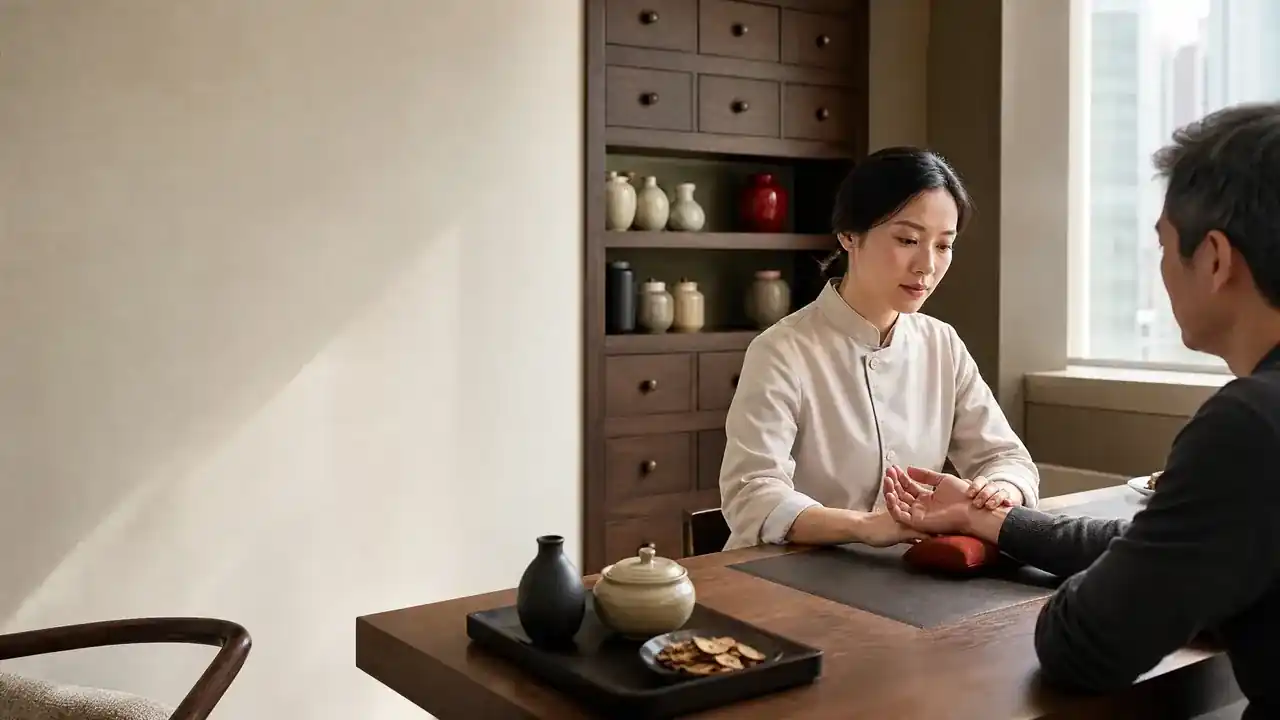
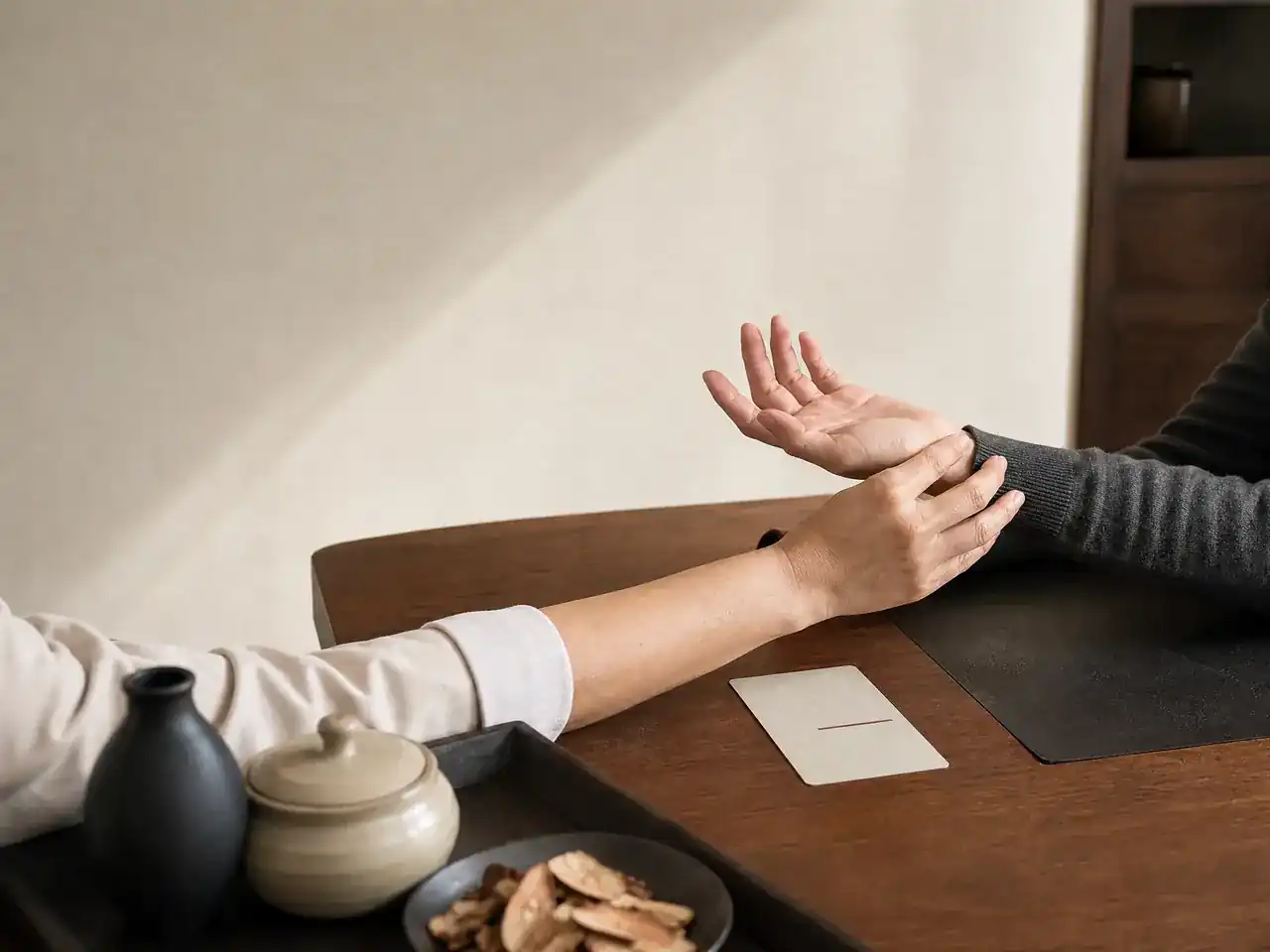
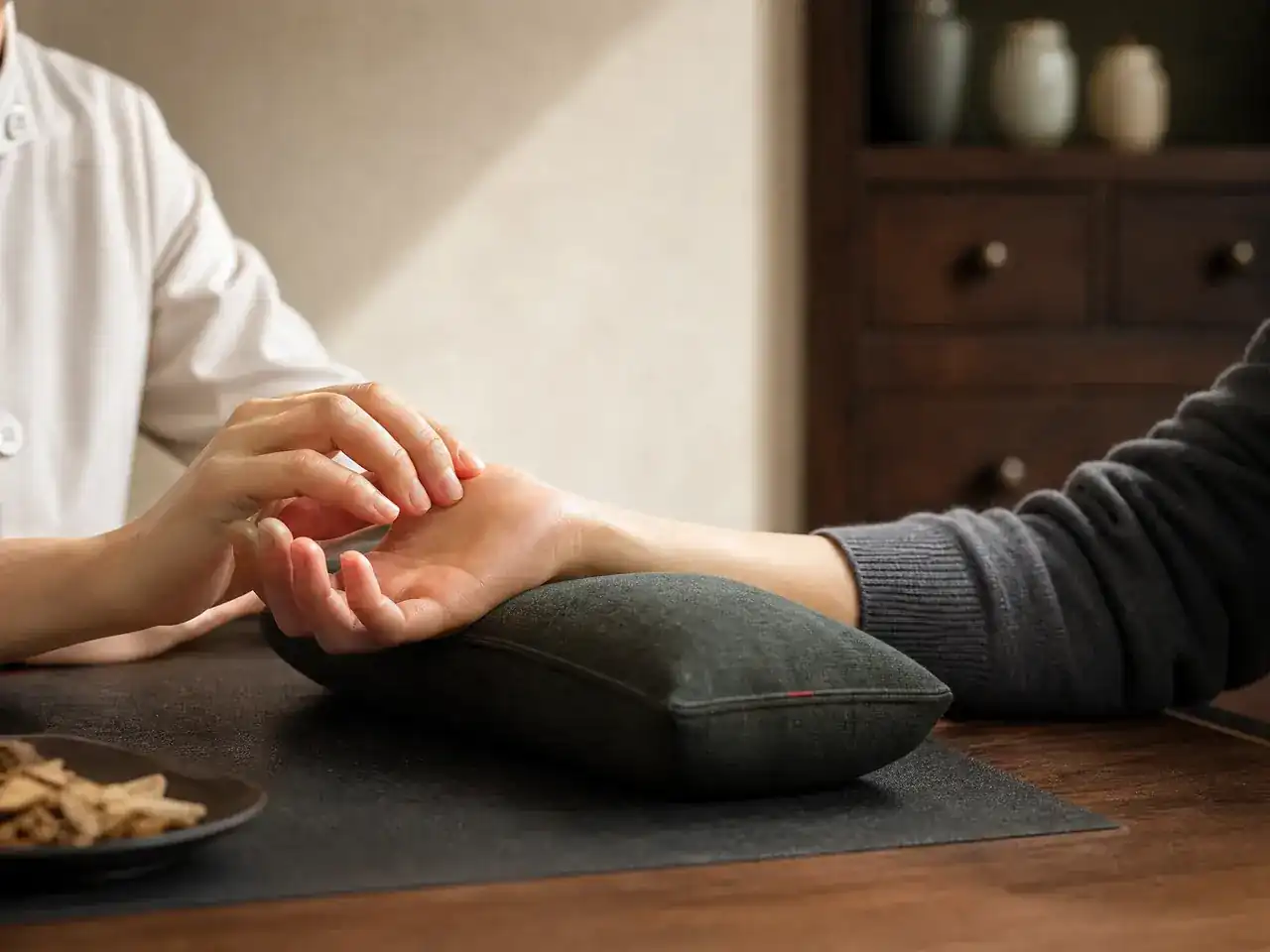
TCM blends the four examinations—looking, listening/smelling, asking and palpation—to assess overall pattern. We may observe facial tone and tongue, inquire about sleep, mood, menstrual cycle, digestion and bowel habits, and feel the pulse to gauge the balance of yin–yang, qi–blood, and fluids. For migraine, unilateral throbbing with photophobia/phonophobia and nausea suggests a different profile from a band-like pressure of tension-type headache; aura (visual zigzags, sensory changes) demands extra caution and coordination with conventional care.
Beyond labels, we examine triggers and relievers: caffeine stability, hydration, meal timing, periods, stress cycles, screen/visual load, weather and exertion. These help to identify modifiable drivers and to choose a suitable entry point—acupuncture, gentle manual techniques, tailored herbal support or precise lifestyle measures. We reassess regularly, because patterns shift over time and plans should follow your evolving needs.
How we may support: acupuncture, gentle manual work, herbs and daily routines
When safe, acupuncture may help some people with headache migraine by easing pain, settling myofascial tension and supporting regulation between episodes. Point selection considers the head, neck–shoulder region and distal channels, with intensity tailored to comfort. We may add ear points, mild heat or simple manual techniques along fascial lines, strictly avoiding any approach that aggravates symptoms. For cases dominated by neck and jaw tension, local soft-tissue easing and posture education often become central.
Herbal strategies and food-based guidance are individualized after assessment, commonly targeting stress modulation, circulation, phlegm–damp clearance, or nourishment as needed. For cycle-related migraine, timing may be aligned with phases of the menstrual cycle while coordinating with existing prescriptions. All herbal use is determined by a registered Chinese medicine practitioner, with due attention to allergies and drug–herb interactions.
When to self-manage, seek TCM support, or prioritise medical care
No single path fits everyone. The table below frames common scenarios to help you decide what to try at home, when TCM support may be reasonable, and which red flags call for medical assessment first. If urgent signs appear, prioritise conventional care without delay.
| Scenario | Typical features | How TCM may support | Self-care to try | Seek urgent care if |
|---|---|---|---|---|
| Tension-type headache | Bilateral pressing/tight band, related to posture and stress | Acupuncture, neck–shoulder myofascial easing, posture and sleep coaching | Regular movement breaks, ergonomic setup, adequate sleep and hydration | Worsening pattern with neurological signs or after trauma |
| Migraine without aura | Unilateral throbbing, photophobia/phonophobia, nausea, worse on activity | Pattern-based acupuncture, phased plan and trigger review | Stable routines, hydration, trigger diary, early rest in prodrome | First severe attack or a clear change in pattern |
| Migraine with aura | Visual zigzags, blind spots or sensory changes preceding headache | Cautious, coordinated care; lower stimulation as needed | Avoid triggers, follow prescribed meds, manage sleep and stress | Persistent or progressive neurological deficits |
| Sinus-related headache | Facial/forehead pressure with nasal congestion or discharge | Support drainage and airflow, local points for decongestion | Steam inhalation, fluids, ventilation, allergen avoidance | High fever, severe pain, orbital swelling or visual changes |
| Thunderclap/new worst headache | Sudden maximal pain within seconds to minutes | Do not delay referral; prioritise emergency assessment | — | Immediate emergency care to rule out serious causes |
Owning the modifiable factors: sleep, nutrition, posture and stress
Many headaches reflect rhythm and recovery. Aim for regular sleep timing, balanced meals, steady caffeine intake and gentle, consistent exercise. If you work at a desk or with intensive screens, insert short movement and visual breaks every 30–45 minutes and review the ergonomics of your workstation (chair height, monitor distance, keyboard position). Small, repeated adjustments often add up to meaningful change.
A simple headache diary—time of onset, character, cycle phase, diet, stress, weather, response to measures—can reveal personal triggers and guide both TCM and biomedical plans. Record medicine doses and effects, including any side effects. This shared map helps everyone avoid duplication, spot interactions and prioritise what truly improves your function.
Working with your doctors: clarity, safety and realistic goals
Complementary care works best alongside clear medical guidance. If you already see a GP or neurologist, please bring relevant documents and a current medication/supplement list. We align TCM suggestions with your established plan, explain expected responses and limitations, and recommend referral or investigations when indicated.
For headache migraine, our objectives are safety, gradual relief and better function, not promises of cure. We focus on lowering pain intensity and attack frequency when possible, improving in-between comfort and helping you build sustainable self-care. If new red flags appear, we pause and direct you to appropriate medical assessment.
Frequently asked questions
Can acupuncture help with migraine, and how long before I notice changes?
Some studies suggest acupuncture may help certain people reduce migraine or tension-type headache frequency and pain intensity, but responses vary and results cannot be guaranteed. We usually begin with one to two trial sessions to assess comfort and short-term response. If appropriate, we may propose a phased plan over four to six weeks, aligned with your schedule and triggers. Progress is tracked not only by pain scores but also by attack days, medicine use and function (work, study, activity). If red flags emerge or symptoms worsen, we pause and direct you to medical evaluation first.
Is TCM suitable for migraine with aura?
It can be considered with caution and in coordination with biomedical care once urgent causes are excluded. We review the nature and duration of aura and watch for progressive neurological deficits. If safe, we use lower-stimulation acupuncture and supportive lifestyle strategies while following your doctor’s guidance. Any new, prolonged or changing aura should be assessed medically before continuing complementary care.
How is tension-type headache related to neck and shoulder tightness?
Tension-type headache often coexists with increased neck–shoulder myofascial tension from long sitting, static postures and stress. Fascial connections can refer pressure-like or band-like pain to the scalp and temples. Treatment may include posture coaching, micro-breaks, gentle myofascial easing and sleep optimization, with acupuncture as appropriate. If symptoms persist, worsen despite rest, or include neurological signs or fever, seek medical care.
Do I need long-term herbal medicine, and will it clash with my current drugs?
Herbal use depends on your pattern, goals and safety profile. Some people do well with short courses and lifestyle measures; others may benefit from timed support (for example, premenstrual windows). Always share your full medication and supplement list, including preventive and acute migraine medicines or anticoagulants, so we can screen for interactions. All prescriptions are individualized by a registered Chinese medicine practitioner and adjusted based on monitoring and tolerability.
Can I receive TCM while continuing my neurologist’s migraine care?
Yes, with coordination. Please bring your care plan and medication list so we can align timing and avoid duplication. During stable preventive therapy, conservative acupuncture and lifestyle work may be reasonable. During acute attacks, your prescribed acute medicines should not be delayed. If your doctor recommends tests or referrals, please prioritise those steps and update us with results.
What should I prepare for my first visit, and how often are follow-ups?
Bring recent medical documents, imaging or lab results if available, plus a current list of medicines and supplements. A simple headache diary (timing, triggers, cycle phase, reliefs) is very helpful. After assessment we set phased goals and agree on monitoring metrics. Follow-up frequency varies—commonly weekly or fortnightly at first—then spaced out as stability improves, with an emphasis on self-care skills and clear safety instructions.
Related topics
Sources
Discuss your headache & migraine plan with Harmonia TCM
This page follows our site plan; If you are considering care, we can first discuss what may suit you and how an appointment can be arranged. Our clinic is in Kwun Tong. We can review your history, triggers and current medicines to decide if complementary support is appropriate and outline a cautious assessment pathway.