Pain & Assessment
Rheumatoid Arthritis TCM pain management
Rheumatoid arthritis is a long-term immune system condition that often causes joint pain and stiffness. Harmonia TCM clinic in Kwun Tong provides targeted TCM pain management. Through detailed constitution assessments and traditional therapies like herbal medicine and acupuncture, we assist patients in soothing discomfort and restoring balance. Actual arrangements require confirmation by a registered TCM practitioner.
Quick answer: In Traditional Chinese Medicine, rheumatoid arthritis is often categorized as "Bi syndrome," caused by external factors like wind, cold, dampness, and heat invading the joints. TCM management aims to soothe joint pain and stiffness through personalized herbal medicine or acupuncture based on syndrome differentiation. Harmonia TCM offers professional TCM pain relief assessments, with actual plans tailored to individual constitutions.
CLEAR PRICES
Interested in a treatment? You are always welcome to ask.
We clearly list our current single, trial and package prices so you can explore at your own pace. You are always welcome to message us on WhatsApp about any service, timing or arrangement.
| Category and service | Content / terms | Public price (HK$) | Booking note | Enquire |
|---|---|---|---|---|
| Hair & scalp | Scalp health and hair-loss support | AI scalp analysis, deep follicle cleansing and oil-control support | Trial offerPackageTrial 380; 6 sessions 3,480; 12 sessions 5,760; 20 sessions 8,600; 30 sessions 11,400 | Average per session for 6/12/20/30: 580/480/430/380 | Ask on WhatsApp |
| Hair & scalp | Hair acupuncture with herbal medicine | Scalp acupuncture with 3 days of decoction-free herbal medicine | Single visitPackageSingle 580; 6 sessions 3,180; 12 sessions 5,760; 20 sessions 8,600; 30 sessions 11,400 | Average per session for 6/12/20/30: 530/480/430/380 | Ask on WhatsApp |
| Hair & scalp | Integrated hair support programme | Acupuncture, herbal medicine and follicle activation; packages include shampoo and serum | Single visitPackageSingle 1,260; 8 sessions 8,640; 16 sessions 15,680; 20 sessions 18,600; 30 sessions 26,400 | Average per session for 8/16/20/30: 1,080/980/930/880 | Ask on WhatsApp |
| Weight management | Full-body acupoint embedding | Full-body acupoint embedding; packages include proportionate days of herbal support | Single visitPackageSingle 980; 10 sessions 7,800; 20 sessions 14,600; 30 sessions 20,400 | Average per session for 10/20/30: 780/730/680 | Ask on WhatsApp |
| Facial acupuncture | Brightening V-face (Essential) | Facial acupuncture, meridian support and swelling management | Trial offerPackageTrial 480; 10 sessions 5,200; 20 sessions 9,600; 30 sessions 13,500 | Average per session for 10/20/30: 520/480/450 | Ask on WhatsApp |
| Facial acupuncture | Firming and refining (Advanced) | Enhanced facial acupuncture for firmness and fine-line concerns with a moisturising mask serum | Trial offerPackageTrial 780; 10 sessions 9,000; 20 sessions 16,600; 30 sessions 23,400 | Average per session for 10/20/30: 900/830/780 | Ask on WhatsApp |
| Pain care | Extracorporeal shockwave therapy | Deep inflammation support and fascial relaxation | Prince Edward: 250 per area; Kwun Tong: 250 for 1 area, 450 for 2, 600 for 3 | Clinic-specific pricing; confirm location before booking | Ask on WhatsApp |
| Pain care | Manual therapy | TCM bone-injury assessment, manual alignment and tui na techniques | Single visitSingle 580 | Suitability is confirmed after assessment | Ask on WhatsApp |
| Pain care | Acupuncture with manual therapy | Acupuncture with manual structural support | Single visitSingle 680 | Suitability is confirmed after assessment | Ask on WhatsApp |
| TCM regulation | Acupuncture with herbal medicine | TCM consultation, whole-body acupuncture and 3 days of decoction-free herbal medicine granules | Single visitSingle 580 | Confirm clinician availability and service arrangement when booking | Ask on WhatsApp |

Understanding Rheumatoid Arthritis from a TCM Perspective
Rheumatoid arthritis is a long-term condition that affects joints throughout the body, with common symptoms including joint pain, swelling, warmth, and morning stiffness. In the theory of Traditional Chinese Medicine (TCM), these symptoms are generally classified under the category of "Bi syndrome" (impediment syndrome). TCM believes that when the body's vital energy (Zheng Qi) is insufficient, external pathogenic factors such as wind, cold, dampness, and heat can invade the body. This invasion disrupts the smooth flow of Qi and blood in the meridians, leading to discomfort and pain in the joints.
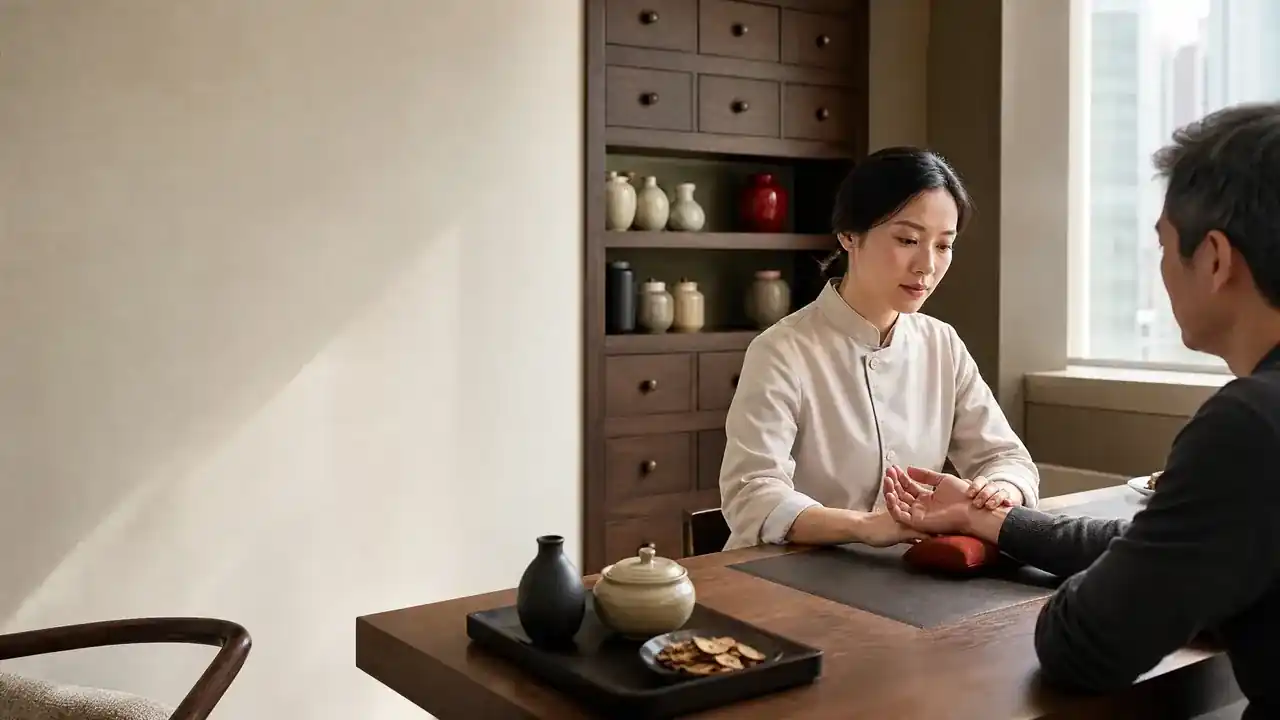
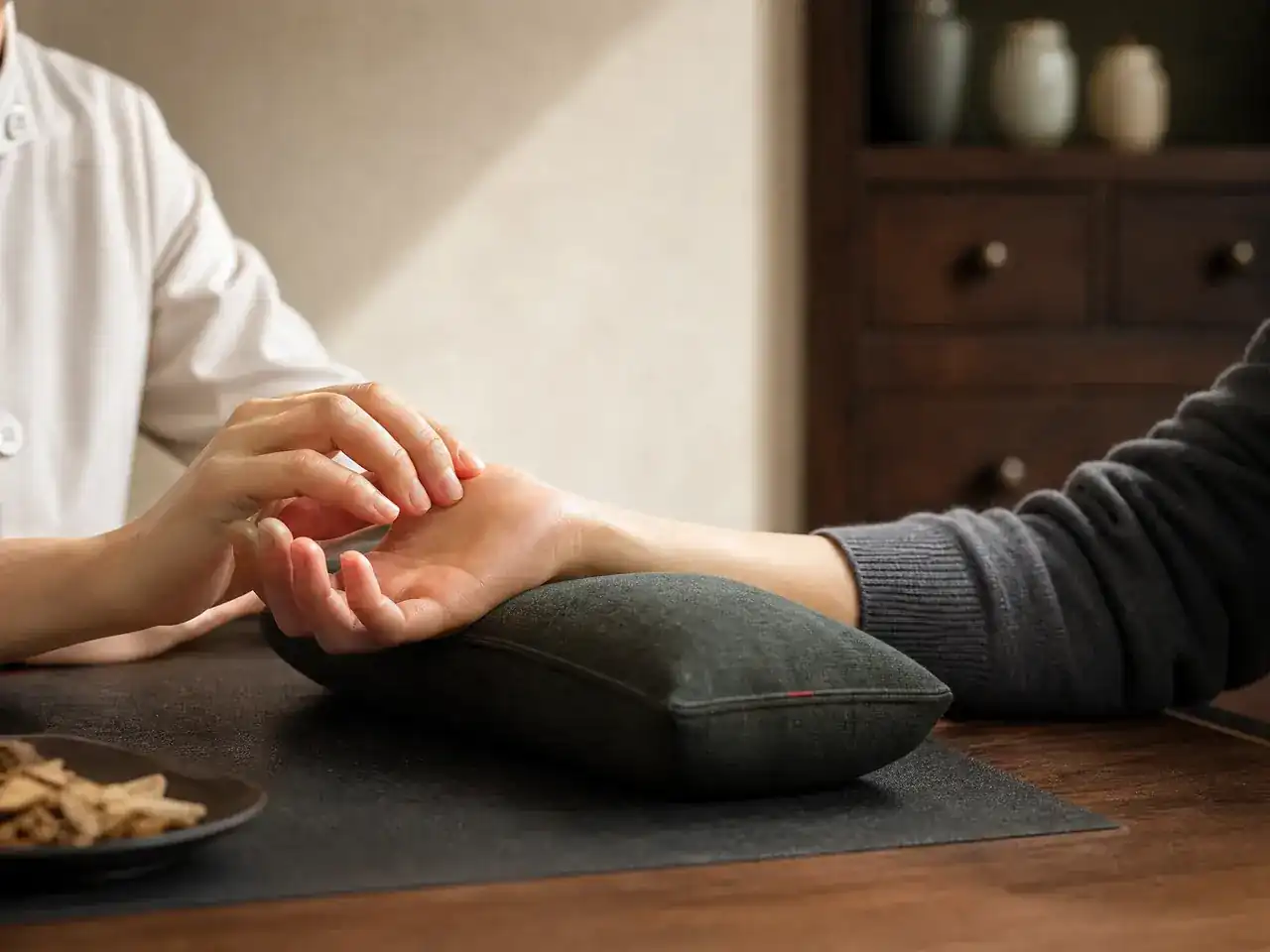
The core of TCM pain management lies in "syndrome differentiation and treatment" (Bian Zheng Lun Zhi). A TCM practitioner will carefully evaluate the patient's specific symptoms, tongue appearance, and pulse to further classify the Bi syndrome into different types, such as wind-cold-dampness Bi, wind-dampness-heat Bi, or deficiency of liver and kidney. This highly personalized assessment approach helps in formulating targeted management plans aimed at harmonizing the constitution, promoting the circulation of Qi and blood, and thereby assisting in soothing joint pain and improving overall mobility.
It is important to emphasize that TCM management is not intended to replace conventional medical diagnosis and treatment. For patients with rheumatoid arthritis, TCM can serve as a complementary supportive measure. Harmonia TCM's physical clinic, located in Kwun Tong, is dedicated to providing comprehensive TCM assessments for patients, helping them explore suitable relief options and restore balance in their daily lives.
Common TCM Approaches for Pain Relief and Management
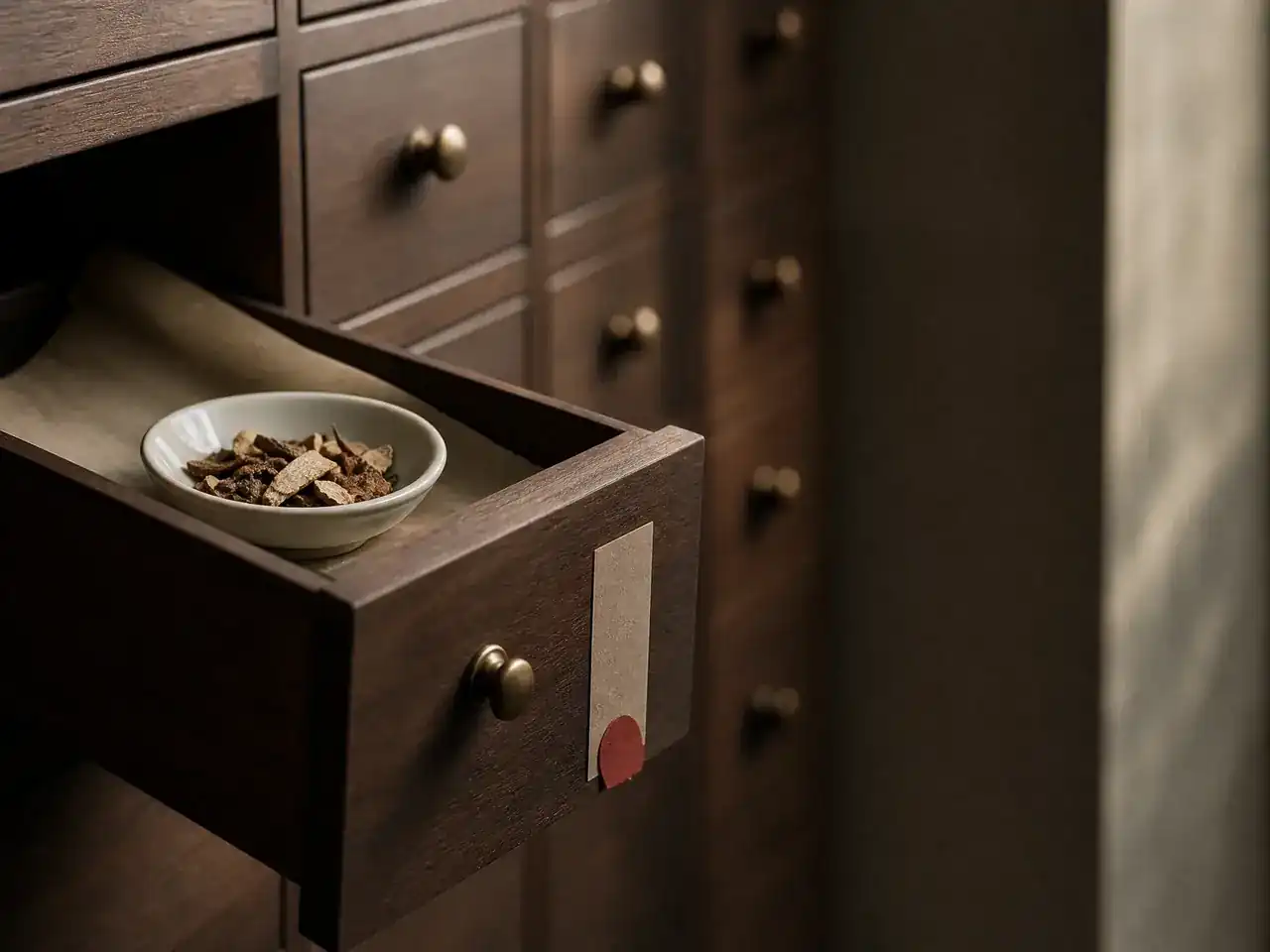
When addressing pain caused by rheumatoid arthritis, TCM typically employs a combination of traditional therapies. Among these, the internal administration of Chinese herbal medicine is one of the most common methods. Based on the patient's specific syndrome type, the TCM practitioner will prescribe herbal formulas designed to dispel wind and dampness, warm the meridians to dissipate cold, or clear heat and unblock the collaterals. These herbal medicines aim to regulate the body's constitution from within and improve Qi and blood circulation, thereby assisting in reducing joint swelling and pain.
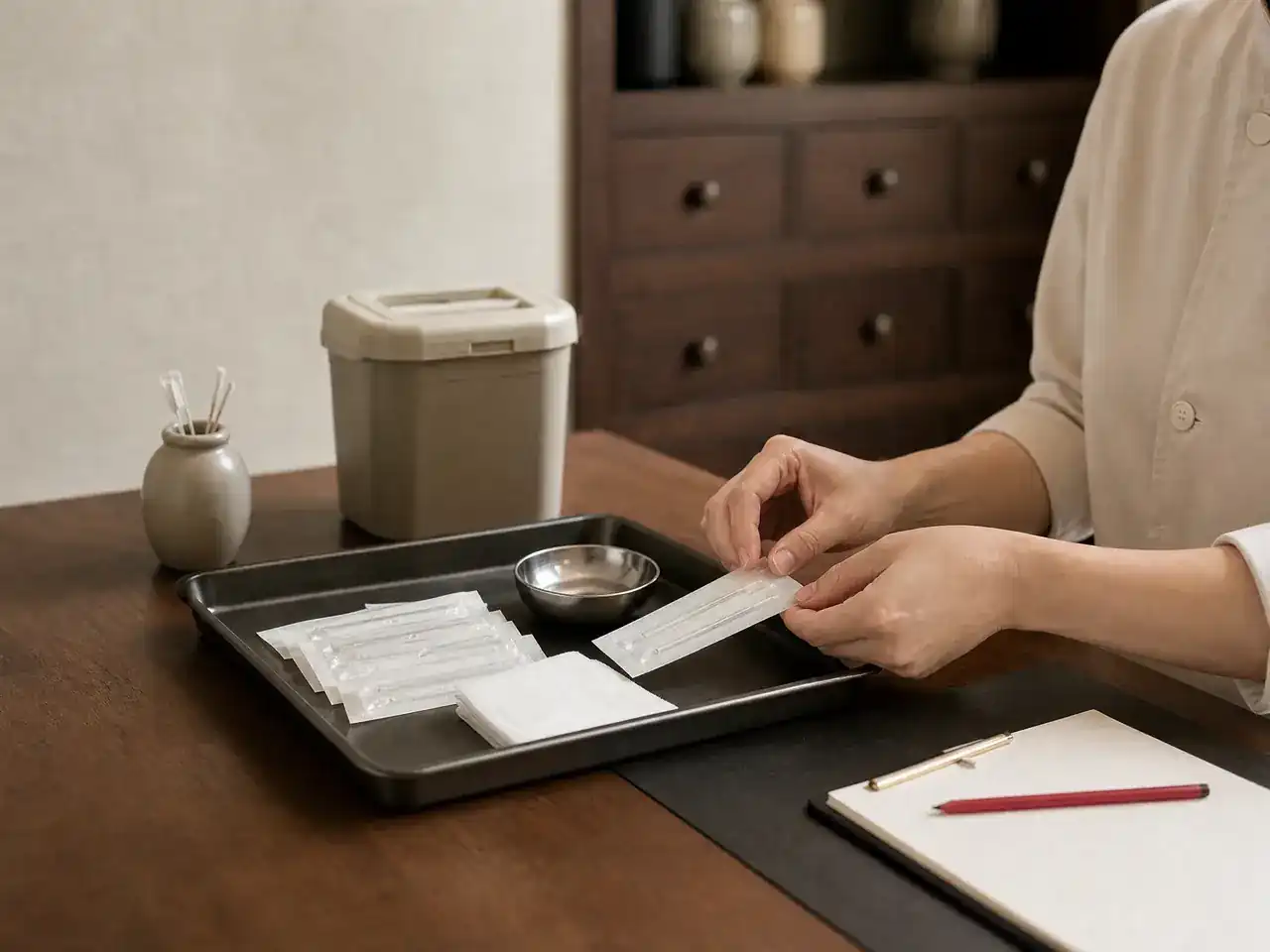
In addition to herbal medicine, acupuncture is a vital tool for TCM pain relief. By stimulating specific acupoints on the body, acupuncture helps to unblock the meridians and harmonize Qi and blood. Many patients report a reduction in joint stiffness after receiving acupuncture sessions. However, the specific effects of acupuncture vary from person to person, and it must be performed by a professionally trained and registered TCM practitioner to ensure safety and appropriateness.
Furthermore, in certain situations, the TCM practitioner may also recommend complementary therapies such as cupping, Tui Na (Chinese therapeutic massage), or the external application of herbal poultices. Each of these methods has its own characteristics and scope of application. The practitioner will conduct a comprehensive assessment of the patient's specific condition to develop the most suitable management plan. The actual arrangements and potential risks of all treatments must be confirmed by a registered TCM practitioner following a detailed consultation.
TCM Syndrome Types and Manifestations in Rheumatoid Arthritis
TCM categorizes the manifestations of rheumatoid arthritis into several different syndrome types, each with its unique symptoms and management focus. Understanding these syndrome types can help patients better recognize their own condition and communicate more effectively with their TCM practitioner. Below are some common types of Bi syndrome and their primary characteristics.
Through the detailed four diagnostic methods (observation, auscultation and olfaction, inquiry, and pulse-taking), a TCM practitioner can accurately determine the patient's syndrome type and prescribe accordingly. This personalized approach to management is one of the key advantages of TCM pain care. In their daily lives, patients can also make appropriate adjustments to their diet and routine based on their syndrome type to complement the TCM management.
| TCM Syndrome Type | Common Symptom Manifestations | Management Direction | Daily Care Considerations |
|---|---|---|---|
| Wind-Cold-Dampness Bi | Cold pain in joints, worsens with cold, local swelling, significant morning stiffness | Warm meridians, dispel cold, eliminate wind and dampness | Keep warm, avoid exposure to cold and damp environments |
| Wind-Dampness-Heat Bi | Red, swollen, hot, and painful joints, warm to touch, accompanied by fever or thirst | Clear heat, detoxify, dispel wind, unblock collaterals | Maintain a light diet, avoid spicy and deep-fried foods |
| Phlegm and Blood Stasis | Piercing joint pain, fixed pain location, joint deformity or nodules | Invigorate blood, resolve stasis, transform phlegm, unblock collaterals | Maintain moderate activity, avoid prolonged periods of inactivity |
| Liver and Kidney Deficiency | Dull joint pain, soreness in lower back and knees, easily fatigued, dizziness | Nourish liver and kidney, strengthen tendons and bones | Ensure adequate rest, avoid overexertion and fatigue |
Daily Care and Lifestyle Adjustment Recommendations
For patients with rheumatoid arthritis, daily self-care and lifestyle adjustments are just as important as receiving professional TCM management. Appropriate dietary habits can help complement TCM therapies. Generally, patients are advised to maintain a balanced diet and consume nutritious, easily digestible foods. Those with a cold-predominant constitution may consume moderate amounts of warming foods, while those with a heat-predominant constitution should choose cooling and moistening ingredients, avoiding excessive consumption of rich tonics.
Regarding physical activity and rest, patients should arrange for moderate stretching and movement based on their energy levels and joint condition. This helps maintain joint flexibility and prevents muscle atrophy. However, during acute joint inflammation or when pain exacerbates, it is crucial to rest adequately and avoid overusing the affected joints. During consultations, the TCM practitioners at Harmonia TCM will provide personalized daily care recommendations tailored to the patient's specific situation.
Additionally, maintaining a positive psychological state has a beneficial effect on soothing pain. Chronic pain can bring about stress and anxiety. Patients can alleviate emotional stress through practices such as deep breathing, meditation, or talking with family and friends. Seeking professional psychological support is also advisable if needed. TCM emphasizes a holistic view, where the balance of mind and body is a fundamental cornerstone for maintaining health.
TCM Assessment and Follow-up at Harmonia TCM
Harmonia TCM's physical clinic in Kwun Tong is committed to providing professional and meticulous TCM assessment and follow-up services for patients with rheumatoid arthritis. Our registered TCM practitioners will patiently listen to your medical history and concerns. Through a comprehensive application of the four diagnostic methods, we aim to deeply understand your constitution and the progression of your condition. We recognize that every patient's situation is unique, which is why we insist on providing personalized management plans.
After formulating a management plan, the TCM practitioner will explain in detail the purpose, expected process, and potential reactions of each therapy. We encourage patients to raise any questions during the process to ensure a thorough mutual understanding of the management approach. Regular follow-up appointments and assessments are crucial for monitoring progress. The practitioner will adjust the herbal prescriptions or acupuncture plans in a timely manner based on the patient's response.
Please note that service availability, suitability and arrangements require individual confirmation. The actual availability of related services, their suitability for your personal condition, potential risks, and specific arrangements must all be confirmed by a registered TCM practitioner and the clinic. We hope that through professional TCM support, we can assist you in finding a suitable path to relief while managing rheumatoid arthritis.
Comprehensive Considerations Integrating Conventional Medicine
Rheumatoid arthritis is a complex immune system condition that typically requires long-term medical follow-up. TCM management can serve as a robust complement to conventional medicine, but it cannot entirely replace Western medical diagnosis and pharmacological treatments. Many patients opt for an integrative approach combining both TCM and Western medicine in hopes of achieving more comprehensive symptom management and an improved quality of life.
While receiving TCM management, patients should truthfully report all Western medications and supplements they are currently taking to their TCM practitioner to avoid potential drug interactions. Concurrently, patients should also inform their attending Western medical doctor that they are undergoing TCM therapies. Cross-disciplinary communication and cooperation help ensure that patients receive the safest and most appropriate care.
The TCM practitioners at Harmonia TCM possess professional medical knowledge and can provide suitable TCM recommendations based on an understanding of the patient's overall medical situation. We prioritize the safety and well-being of our patients and encourage them to seek diverse professional opinions when making any health-related decisions, ensuring choices that best serve their interests.
Frequently asked questions
How long does it take for TCM management of rheumatoid arthritis to show effects?
The effects of TCM management vary from person to person, depending on the patient's constitution, the severity of the condition, and their response to the therapies. Since rheumatoid arthritis is a long-term condition, TCM management usually requires sustained follow-up over a period of time to gradually harmonize the constitution and soothe joint pain. The TCM practitioner will provide an initial expectation of progress after the assessment.
Is acupuncture safe for soothing pain from rheumatoid arthritis?
Acupuncture performed by a professionally trained and registered TCM practitioner is generally safe. It helps unblock meridians and is a common TCM method for pain relief. However, if there is a local skin infection, severe redness and swelling at the joint, or if the patient has a bleeding tendency, the practitioner will assess whether acupuncture is suitable or opt for alternative therapies.
Can I take Chinese herbal medicine and Western medicine at the same time?
Many patients receive support from both TCM and Western medicine concurrently. For safety reasons, it is generally recommended to leave an interval of at least two hours between taking Chinese herbal medicine and Western medicine to minimize potential drug interactions. You must truthfully report all medications you are taking to both your TCM practitioner and Western doctor so they can make appropriate professional judgments.
Does Harmonia TCM offer a specific treatment package for rheumatoid arthritis?
Harmonia TCM provides personalized TCM pain management rather than a single standard treatment package. Our registered TCM practitioners will formulate a comprehensive plan, which may include herbal medicine and acupuncture, based on each patient's specific syndrome type and constitution. Actual availability and specific arrangements must be confirmed by the practitioner after a consultation.
Are there any special dietary precautions I should be aware of?
Dietary recommendations will vary based on your TCM syndrome type. Generally, it is advised to maintain a balanced diet and avoid excessive consumption of spicy, deep-fried, or raw and cold foods. If you have wind-cold-dampness Bi, moderate intake of warming foods may be suitable; if you have wind-dampness-heat Bi, a light diet is preferable. The TCM practitioner will provide specific, personalized dietary guidance during your consultation.
Should I see a TCM practitioner immediately if my joints suddenly hurt a lot?
If your joints suddenly experience severe pain, intense redness and swelling, or if the pain is accompanied by acute symptoms like a high fever, it is recommended that you immediately seek acute assessment and care from conventional medicine to rule out other serious acute complications. Once the acute phase is controlled, you can then consider incorporating TCM for subsequent management and support.
Related topics
Sources
Seek Professional TCM Pain Assessment
If you are troubled by joint pain and swelling caused by rheumatoid arthritis, the registered TCM practitioners at Harmonia TCM's Kwun Tong clinic can provide a detailed constitutional assessment and explore suitable TCM pain relief and management plans for you. Please contact us for more information and to schedule an appointment.