HEALTH GUIDE / SAFETY INFORMATION
Sciatica and disc symptoms: when self-care is not enough
Sciatica and disc-related conditions frequently cause lower back pain and radiating leg discomfort. While gentle rest and activity modifications can help initially, severe symptoms such as progressive leg weakness or bowel/bladder changes demand immediate medical evaluation. This article offers evidence-based guidance on triage and safe professional care.
Quick answer: While mild sciatica and disc symptoms may improve with gentle rest and activity adjustments, relying solely on self-care is dangerous when red flags like progressive leg weakness or bowel/bladder dysfunction appear. Patients must seek prompt professional medical evaluation and transparently communicate all therapies to their healthcare team.
CLEAR PRICES
Interested in a treatment? You are always welcome to ask.
We clearly list our current single, trial and package prices so you can explore at your own pace. You are always welcome to message us on WhatsApp about any service, timing or arrangement.
| Category and service | Content / terms | Public price (HK$) | Booking note | Enquire |
|---|---|---|---|---|
| Hair & scalp | Scalp health and hair-loss support | AI scalp analysis, deep follicle cleansing and oil-control support | Trial offerPackageTrial 380; 6 sessions 3,480; 12 sessions 5,760; 20 sessions 8,600; 30 sessions 11,400 | Average per session for 6/12/20/30: 580/480/430/380 | Ask on WhatsApp |
| Hair & scalp | Hair acupuncture with herbal medicine | Scalp acupuncture with 3 days of decoction-free herbal medicine | Single visitPackageSingle 580; 6 sessions 3,180; 12 sessions 5,760; 20 sessions 8,600; 30 sessions 11,400 | Average per session for 6/12/20/30: 530/480/430/380 | Ask on WhatsApp |
| Hair & scalp | Integrated hair support programme | Acupuncture, herbal medicine and follicle activation; packages include shampoo and serum | Single visitPackageSingle 1,260; 8 sessions 8,640; 16 sessions 15,680; 20 sessions 18,600; 30 sessions 26,400 | Average per session for 8/16/20/30: 1,080/980/930/880 | Ask on WhatsApp |
| Weight management | Full-body acupoint embedding | Full-body acupoint embedding; packages include proportionate days of herbal support | Single visitPackageSingle 980; 10 sessions 7,800; 20 sessions 14,600; 30 sessions 20,400 | Average per session for 10/20/30: 780/730/680 | Ask on WhatsApp |
| Facial acupuncture | Brightening V-face (Essential) | Facial acupuncture, meridian support and swelling management | Trial offerPackageTrial 480; 10 sessions 5,200; 20 sessions 9,600; 30 sessions 13,500 | Average per session for 10/20/30: 520/480/450 | Ask on WhatsApp |
| Facial acupuncture | Firming and refining (Advanced) | Enhanced facial acupuncture for firmness and fine-line concerns with a moisturising mask serum | Trial offerPackageTrial 780; 10 sessions 9,000; 20 sessions 16,600; 30 sessions 23,400 | Average per session for 10/20/30: 900/830/780 | Ask on WhatsApp |
| Pain care | Extracorporeal shockwave therapy | Deep inflammation support and fascial relaxation | Prince Edward: 250 per area; Kwun Tong: 250 for 1 area, 450 for 2, 600 for 3 | Clinic-specific pricing; confirm location before booking | Ask on WhatsApp |
| Pain care | Manual therapy | TCM bone-injury assessment, manual alignment and tui na techniques | Single visitSingle 580 | Suitability is confirmed after assessment | Ask on WhatsApp |
| Pain care | Acupuncture with manual therapy | Acupuncture with manual structural support | Single visitSingle 680 | Suitability is confirmed after assessment | Ask on WhatsApp |
| TCM regulation | Acupuncture with herbal medicine | TCM consultation, whole-body acupuncture and 3 days of decoction-free herbal medicine granules | Single visitSingle 580 | Confirm clinician availability and service arrangement when booking | Ask on WhatsApp |
Clinical presentations and common causes of sciatica and disc symptoms
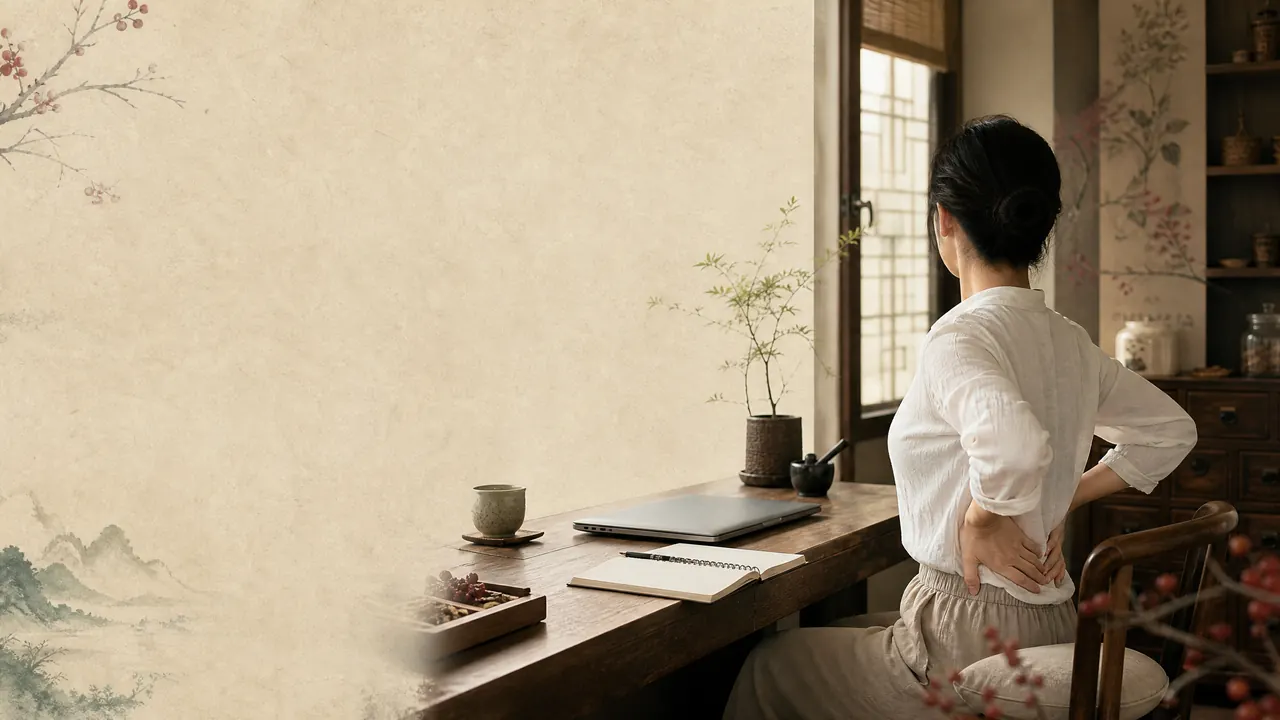
Sciatica is not a standalone disease, but a term describing symptoms of pain, tingling, or numbness originating in the lower back and radiating along the path of the sciatic nerve down one or both legs. This discomfort can range from a mild ache to a sharp, burning sensation, significantly impacting daily activities, work productivity, and overall quality of life. Common underlying causes include lumbar disc herniation, degenerative disc disease, spinal stenosis, or piriformis syndrome.
Among these causes, lumbar disc herniation is particularly prominent. When the outer annulus fibrosus of an intervertebral disc tears, the inner nucleus pulposus can bulge or herniate, placing mechanical pressure or chemical irritation on adjacent nerve roots. According to guidance from the UK National Health Service (NHS) on back pain, many back and nerve-related issues are self-limiting, often improving within weeks with appropriate activity adjustments and conservative care. However, understanding the root causes and appropriate triage pathways is essential for safe recovery.
It is crucial to recognize that not all lower back and leg pain stems from minor muscular fatigue or simple postural strain. When symptoms persist or recur, blindly relying on unverified home remedies or prolonged, unstructured bed rest often fails to address the underlying nerve compression. Keeping an objective record of pain triggers, symptom frequency, and functional impacts provides invaluable clinical clues when seeking professional medical assessment.
| Evaluation Dimension | Suitable for Self-Care & Observation | Urgent Red Flags Requiring Immediate Care |
|---|---|---|
| Pain Nature & Intensity | Intermittent mild ache, no leg weakness, relieved by rest. | Severe radiating pain accompanied by progressive leg weakness or muscle wasting. |
| Neurological Signs | Occasional localized numbness, normal walking and sensation. | Bilateral perineal/saddle anesthesia, significant sensory loss. |
| Bowel & Bladder Function | Normal urinary and bowel function with no abnormal changes. | Newly onset urinary retention, difficulty urinating, or fecal incontinence. |
| Etiology & Medical History | Routine sedentary strain or minor overload, no trauma history. | Major trauma, car accident, fall from height, or fever with unexplained weight loss. |
| Recommended Action | Moderate activity adjustment, avoid prolonged sitting, keep symptom log. | Proceed immediately to an emergency department or seek urgent medical evaluation. |
Why resting exclusively at home is not always the best strategy
When sciatica flares up, a common instinct is to lie down and rest completely until the pain subsides. Moderate rest and avoiding movements that exacerbate acute pain can help reduce initial tissue inflammation. However, prolonged bed rest is strongly discouraged by modern clinical evidence. Extended, unguided bed rest leads to rapid muscle atrophy in core and lower limb muscle groups, joint stiffness, and delayed recovery.
Furthermore, when a herniated disc exerts significant pressure or when nerve roots remain severely inflamed, self-care alone cannot eliminate the underlying mechanical impingement. Believing that simply waiting or enduring the pain will lead to natural healing can result in missed opportunities for timely medical intervention. Harmonia TCM emphasizes that general health information and self-care tips serve only as supplementary guidance and cannot replace comprehensive medical examinations and imaging diagnostics.
Establishing a structured triage mindset is therefore vital. If symptoms do not improve within two weeks, or if pain progressively worsens and interferes with walking or sleeping, patients should seek professional evaluation from registered physicians, physiotherapists, or qualified practitioners to clarify the exact nature and severity of the condition.
Red flag warning signs: when must you seek immediate medical care?
According to NHS clinical guidelines for back pain and nerve compression, specific clinical indicators are defined as red flags. These signs suggest potentially serious conditions such as severe nerve compression, Cauda Equina Syndrome, or major spinal pathology. When these warning signs appear, patients must immediately seek emergency medical evaluation rather than relying on home rest.
These critical red flag signs include: progressive and severe weakness in one or both legs, numbness spreading across both sides of the perineum or perianal area (saddle anesthesia), newly onset urinary difficulties or inability to urinate (urinary retention), and fecal incontinence or loss of bowel control. Additionally, back pain accompanied by unexplained weight loss, fever, chest pain, or following major trauma such as a car accident or high-fall requires immediate emergency assessment.
Early recognition and intervention for these red flag symptoms are vital to preventing permanent nerve damage. The public should raise awareness of these danger signals and avoid dismissing severe neurological symptoms as routine muscle strain or standard sciatica.
Preparing for professional evaluation: medical history and symptom tracking
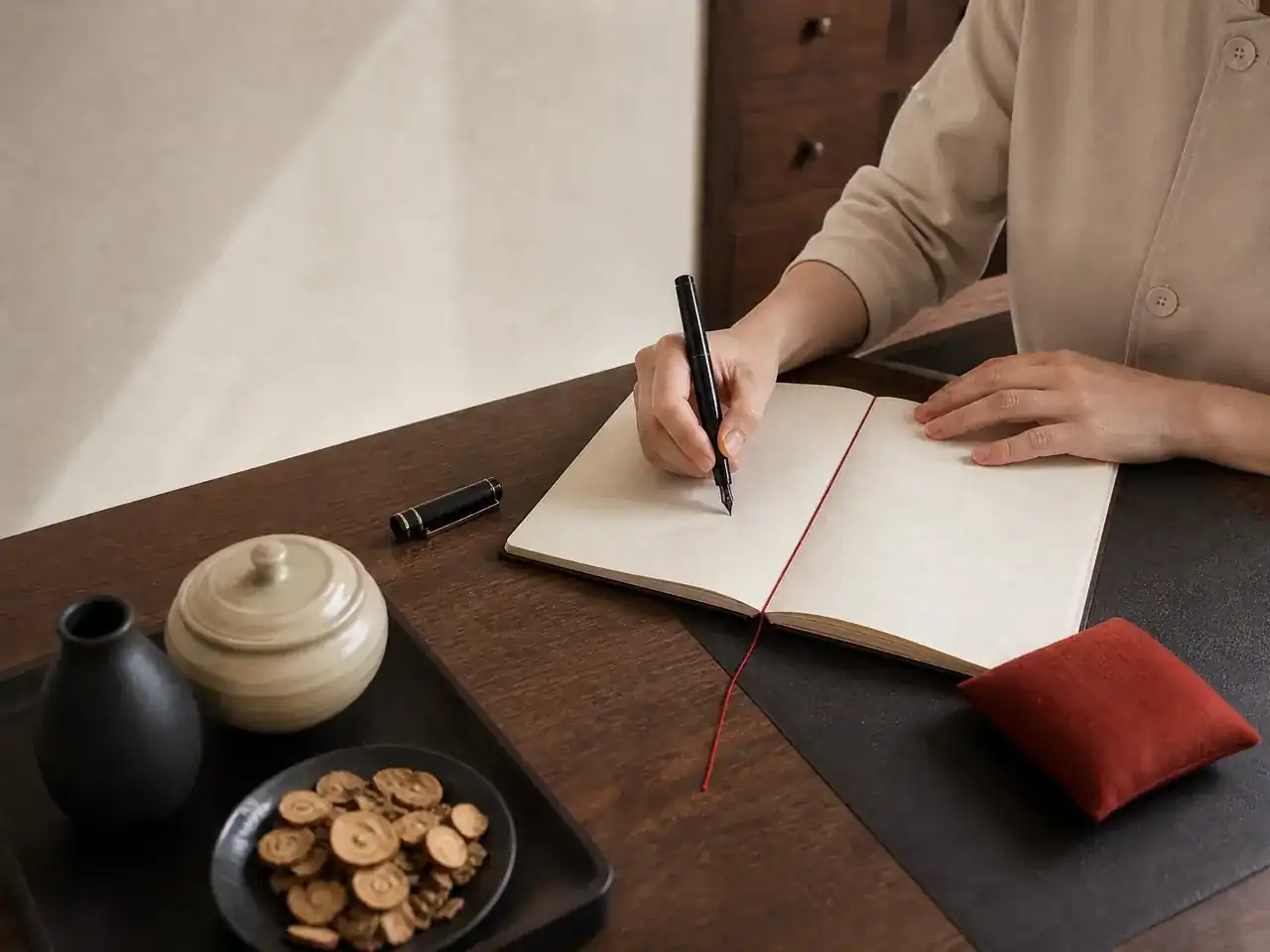
When preparing to visit a healthcare facility, physiotherapy clinic, or traditional medicine practitioner, organized preparation significantly enhances diagnostic efficiency and communication clarity. Patients are encouraged to record relevant health parameters in a journal or notes app prior to the consultation.
Specifically, a preparation checklist should include: first, the precise location and nature of the pain (e.g., sharp electric shocks, dull aching, or localized numbness; whether pain extends below the knee or into the foot); second, aggravating and relieving factors (e.g., does sitting, bending, coughing, or sneezing worsen the pain? Does lying down provide temporary relief?); third, past medical history and a complete inventory of current medications, supplements, and topical patches; fourth, functional impacts on daily life (e.g., reduced walking distance, sleep disturbance).
Providing this detailed information honestly and thoroughly assists clinicians in performing accurate differential diagnoses and triage. Furthermore, any traditional therapies (such as acupuncture, tui na, or herbal formulas) must be built upon a firm conventional medical diagnosis, and patients must transparently inform their entire care team of all treatments utilized.
Safety boundaries and collaborative roles of TCM and integrative care
Within Hong Kong's healthcare system, many individuals dealing with chronic back pain and sciatica also consider exploring traditional Chinese medicine (TCM) as part of their care plan. According to standards set by the U.S. National Center for Complementary and Integrative Health (NCCIH) and Hong Kong's Chinese Medicine Ordinance, TCM and acupuncture offer supplementary value for certain pain conditions, but strict safety boundaries must be maintained by both patients and practitioners.
First, TCM products and therapies must never replace or delay essential conventional medical evaluations. Whenever red flag symptoms are present, ruling out structural emergencies and surgical indications must take absolute priority. Second, before undergoing acupuncture, tui na, or herbal prescriptions, patients should proactively share complete medical diagnoses and medication lists with their registered Chinese medicine practitioners to avoid adverse interactions or delayed treatment.
Harmonia TCM emphasizes that quality health management relies on information transparency and scientific rationality. When exploring TCM care, patients should verify that practitioners hold formal registration with the Chinese Medicine Regulatory Office (CMRO) of the Department of Health in Hong Kong. By integrating precise conventional diagnosis with supportive TCM care, patients can receive safe, regulated health support.
Ergonomic adjustments and workplace posture strategies for sciatica prevention
Prolonged sitting and poor workstation ergonomics are frequent contributors to chronic lower back strain and nerve root irritation. When individuals spend hours hunched over desks, slouching in unsupportive chairs, or driving long distances without adequate lumbar support, the sustained mechanical pressure on intervertebral discs increases significantly. Over time, this cumulative load can weaken the outer annular fibers of the lumbar discs, predisposing them to bulging or herniation that irritates the adjacent sciatic nerve. Implementing targeted ergonomic modifications at the workplace is therefore an essential component of conservative self-care and prevention, helping to reduce daily mechanical stress on the spine and preventing minor postural discomfort from evolving into disabling chronic nerve pain.
Effective ergonomic adjustments begin with proper chair selection, desk height configuration, and monitor placement. An ideal workstation setup ensures that the feet rest flat on the floor or comfortably on an adjustable footrest, with knees maintained at a ninety-degree angle aligned with or slightly lower than the hips. The chair must provide robust lumbar contour support that matches the natural inward curve of the lower back, preventing slouching and reducing excessive lumbar flexion during intense working hours. Furthermore, positioning monitor screens at eye level prevents awkward neck and upper-torso twisting, which indirectly influences spinal alignment, shoulder tension, and lower back pressure throughout the working day.
Beyond static positioning, breaking up prolonged sedentary periods with scheduled movement and active micro-breaks is critical for nerve and muscle health. Clinical health education guidelines recommend standing up, performing gentle range-of-motion stretches, or walking briefly every thirty to forty-five minutes to decompress the spine and stimulate lower limb blood circulation. Incorporating dynamic movement prevents muscle fatigue, joint stiffness, and localized ischemic irritation. However, employees should remember that ergonomic and lifestyle adjustments are preventive and supportive measures; they cannot replace formal medical evaluation when persistent radiating pain or neurological red flag symptoms arise.
Finally, creating an ergonomically sound home environment is just as important as optimizing the office workstation. Many individuals working remotely or resting at home overlook the posture risks associated with using laptops on couches or beds. Establishing a dedicated workspace with proper seating and lighting ensures continuous spinal support and reinforces healthy postural habits. Combining these proactive ergonomic strategies with professional guidance empowers individuals to manage daily spinal health safely and effectively.
Navigating interdisciplinary care: coordinating conventional medicine and traditional Chinese medicine safely
Managing complex conditions such as sciatica and lumbar disc herniation often involves exploring multiple healthcare modalities, ranging from conventional orthopedics and physical therapy to traditional Chinese medicine (TCM) therapies like acupuncture and herbal formulas. Navigating this interdisciplinary landscape safely requires clear communication, transparent information sharing, and strict adherence to clinical priorities. Patients must understand that while integrative approaches can offer comprehensive supportive care for chronic pain management, conventional medical diagnosis and rigorous triage must always serve as the foundation of any treatment plan, ensuring that underlying structural pathologies are accurately identified and addressed.
A critical aspect of safe interdisciplinary care is comprehensive medication and therapy disclosure. Before initiating any traditional or complementary intervention, patients should proactively provide their registered Chinese medicine practitioners with complete diagnostic reports, imaging results such as MRI scans, and a detailed inventory of all prescribed medications, over-the-counter drugs, and herbal supplements. This transparency prevents potential pharmacological interactions, avoids conflicting interventions, and ensures that complementary therapies do not inadvertently mask worsening neurological symptoms or delay necessary surgical evaluations. Open disclosure protects patient safety and fosters a collaborative relationship between conventional and traditional practitioners.
Furthermore, patients should maintain an active, collaborative dialogue across all members of their healthcare team. Engaging licensed professionals—such as registered medical doctors, licensed physiotherapists, and registered Chinese medicine practitioners operating under the oversight of Hong Kong's Chinese Medicine Ordinance—ensures that every therapy delivered adheres to rigorous safety and professional standards. By combining the precise diagnostic capabilities of conventional medicine with the supportive modalities of TCM within a structured, patient-centered framework, individuals can safely optimize their recovery journey while minimizing clinical risks and avoiding unverified treatments.
In summary, bridging conventional medicine and traditional Chinese medicine requires patience, education, and vigilance. Patients should view healthcare providers as collaborative partners rather than alternative choices. By maintaining meticulous health records, adhering strictly to red flag triage rules, and communicating openly about all treatments utilized, patients in Hong Kong can navigate their sciatica and disc symptom recovery with maximum safety, scientific clarity, and clinical confidence.
Continue reading
Explore the corresponding service or information page at your own pace.
Related articles
Frequently asked questions
Is surgery mandatory for sciatica and disc herniation?
Surgery is not required for all patients with sciatica or disc herniation. Clinical evidence shows that the majority of patients improve significantly within weeks to months through conservative treatments, including activity modification, physical therapy, NSAIDs, or TCM acupuncture. Surgery is primarily reserved for cases involving severe nerve compression, progressive muscle weakness, or cauda equina syndrome.
Should I practice strict bed rest or maintain moderate activity at home?
Modern medical evidence discourages prolonged bed rest. Extended immobility leads to muscle atrophy and joint stiffness. Patients are encouraged to reduce activities that trigger acute pain, but maintain gentle, short walks or light stretching within pain limits, while closely monitoring symptom changes. Persistent pain warrants professional evaluation.
Can TCM acupuncture and tui na help with sciatica?
According to NCCIH and Hong Kong TCM regulations, acupuncture and physical therapies offer supportive benefits for managing certain chronic pain conditions and muscle tension. However, structural emergencies and red flags must be ruled out first, treatments must be performed by registered practitioners ensuring sterility and compliance, and all ongoing therapies must be disclosed to healthcare providers.
What health records should I prepare before a consultation?
Patients should prepare a log detailing pain onset, duration, exact location (e.g., whether radiating below the knee or to toes), movements that worsen or relieve pain, functional impacts on daily walking or sleep, and a complete list of current medications, supplements, and herbal products. This provides objective clues for clinicians to enhance diagnostic efficiency.
Can “sciatica guide” be used as a personal diagnosis?
No. This article provides general information and preparation ideas only. Individual circumstances need appropriate assessment around history, tests, functional impact and safety.
What can I prepare before asking about “sciatica guide”?
You can note symptom timing, approaches already tried, current medicines, test information and your main questions. Seek appropriate conventional medical assessment first for severe or worsening signs.
Related topics
Sources
Want to understand the next step around your situation?
You are welcome to share your question, preferred time and existing information. We will explain the service scope and arrangements clearly.