HEALTH GUIDE / SAFETY INFORMATION
Heel pain after running: a comprehensive load-tracking guide for plantar fasciitis and safe triage
Experiencing sharp heel pain or stiffness after running? This may be a sign of plantar fasciitis. Learn how to track daily load, evaluate symptoms, understand both conventional and traditional perspectives, and know when to seek professional care.
Quick answer: Heel pain following running is commonly associated with plantar fasciitis, often linked to rapid shifts in running intensity and volume. If symptoms persist or neurological signs appear, seek professional medical evaluation rather than relying solely on self-management.
CLEAR PRICES
Interested in a treatment? You are always welcome to ask.
We clearly list our current single, trial and package prices so you can explore at your own pace. You are always welcome to message us on WhatsApp about any service, timing or arrangement.
| Category and service | Content / terms | Public price (HK$) | Booking note | Enquire |
|---|---|---|---|---|
| Hair & scalp | Scalp health and hair-loss support | AI scalp analysis, deep follicle cleansing and oil-control support | Trial offerPackageTrial 380; 6 sessions 3,480; 12 sessions 5,760; 20 sessions 8,600; 30 sessions 11,400 | Average per session for 6/12/20/30: 580/480/430/380 | Ask on WhatsApp |
| Hair & scalp | Hair acupuncture with herbal medicine | Scalp acupuncture with 3 days of decoction-free herbal medicine | Single visitPackageSingle 580; 6 sessions 3,180; 12 sessions 5,760; 20 sessions 8,600; 30 sessions 11,400 | Average per session for 6/12/20/30: 530/480/430/380 | Ask on WhatsApp |
| Hair & scalp | Integrated hair support programme | Acupuncture, herbal medicine and follicle activation; packages include shampoo and serum | Single visitPackageSingle 1,260; 8 sessions 8,640; 16 sessions 15,680; 20 sessions 18,600; 30 sessions 26,400 | Average per session for 8/16/20/30: 1,080/980/930/880 | Ask on WhatsApp |
| Weight management | Full-body acupoint embedding | Full-body acupoint embedding; packages include proportionate days of herbal support | Single visitPackageSingle 980; 10 sessions 7,800; 20 sessions 14,600; 30 sessions 20,400 | Average per session for 10/20/30: 780/730/680 | Ask on WhatsApp |
| Facial acupuncture | Brightening V-face (Essential) | Facial acupuncture, meridian support and swelling management | Trial offerPackageTrial 480; 10 sessions 5,200; 20 sessions 9,600; 30 sessions 13,500 | Average per session for 10/20/30: 520/480/450 | Ask on WhatsApp |
| Facial acupuncture | Firming and refining (Advanced) | Enhanced facial acupuncture for firmness and fine-line concerns with a moisturising mask serum | Trial offerPackageTrial 780; 10 sessions 9,000; 20 sessions 16,600; 30 sessions 23,400 | Average per session for 10/20/30: 900/830/780 | Ask on WhatsApp |
| Pain care | Extracorporeal shockwave therapy | Deep inflammation support and fascial relaxation | Prince Edward: 250 per area; Kwun Tong: 250 for 1 area, 450 for 2, 600 for 3 | Clinic-specific pricing; confirm location before booking | Ask on WhatsApp |
| Pain care | Manual therapy | TCM bone-injury assessment, manual alignment and tui na techniques | Single visitSingle 580 | Suitability is confirmed after assessment | Ask on WhatsApp |
| Pain care | Acupuncture with manual therapy | Acupuncture with manual structural support | Single visitSingle 680 | Suitability is confirmed after assessment | Ask on WhatsApp |
| TCM regulation | Acupuncture with herbal medicine | TCM consultation, whole-body acupuncture and 3 days of decoction-free herbal medicine granules | Single visitSingle 580 | Confirm clinician availability and service arrangement when booking | Ask on WhatsApp |
Understanding post-running heel pain and mechanical plantar load
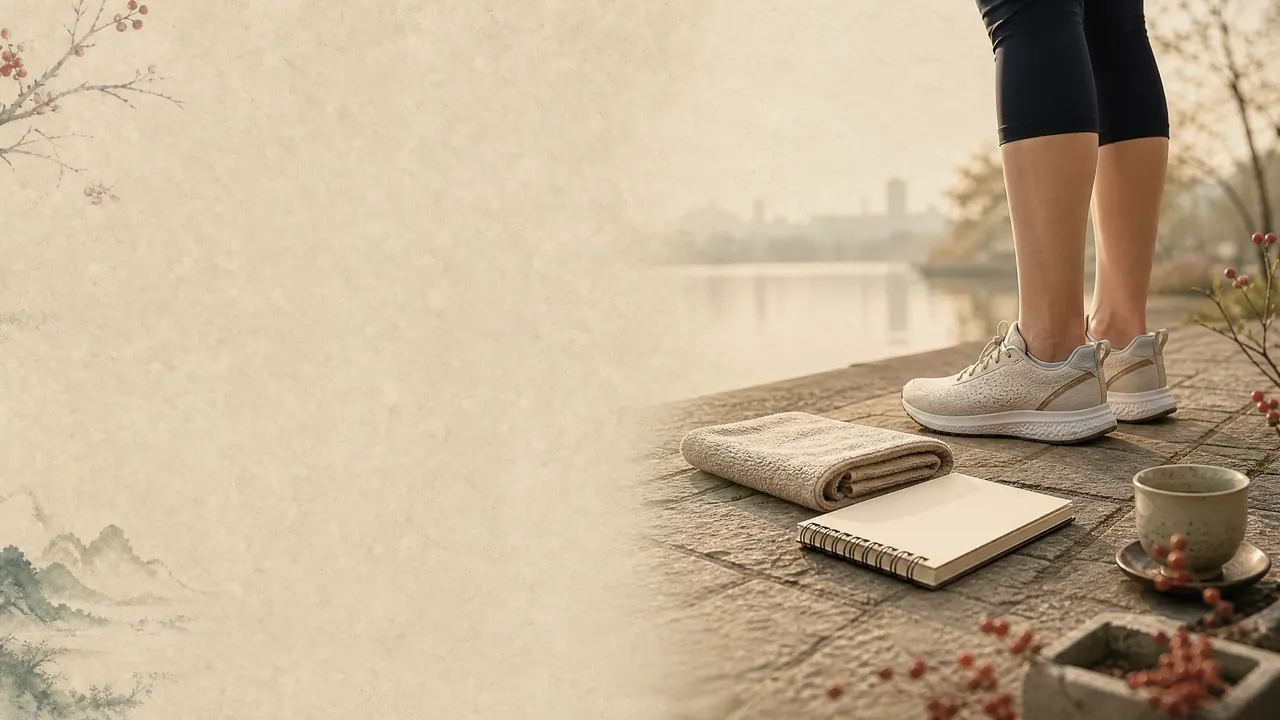
Following routine running sessions or abrupt increases in training mileage, many runners suddenly experience a sharp, piercing pain underneath or along the inner side of the heel. This sensation is typically most prominent during the very first steps out of bed in the morning or immediately after standing up from a prolonged period of sitting. In clinical and sports medicine contexts, this presentation is widely recognized as plantar fasciitis, a condition fundamentally driven by excessive or rapidly ramped mechanical load placed upon the plantar fascia connective tissue. When running volume, training intensity, or footwear structural support undergoes significant alterations within a short timeframe, the repetitive tensioning forces applied to the plantar fascia can readily lead to localized tissue fatigue, micro-tearing, and sustained discomfort.
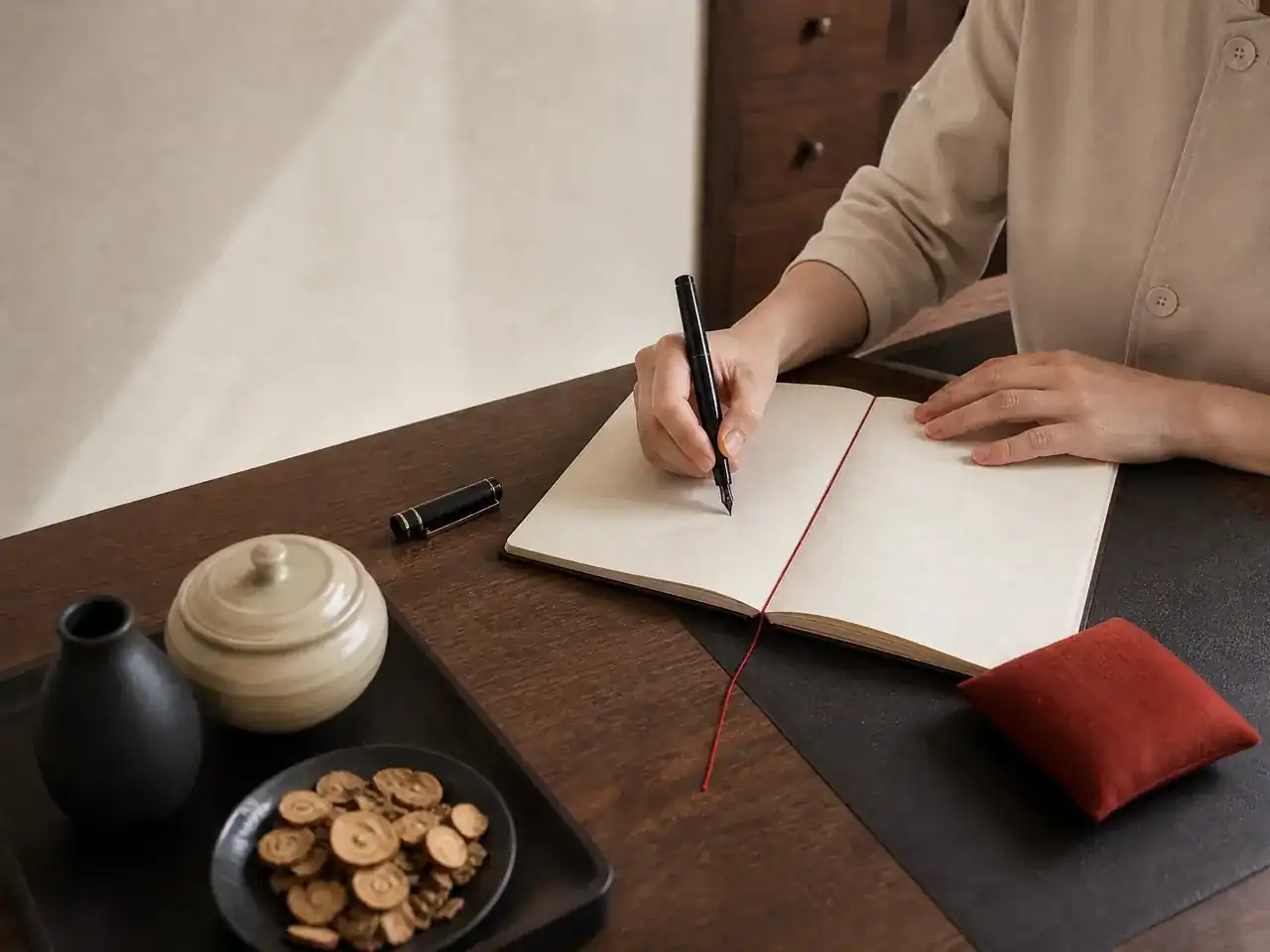
An essential first step in successfully managing and mitigating plantar fasciitis is learning how to systematically record daily physical activity and mechanical loading parameters. Many runners unfortunately overlook the vital importance of maintaining a detailed training diary until the progressive discomfort begins to seriously disrupt their daily lives and running routines. By objectively logging metrics such as daily running distances, footwear mileage accumulation, running surface hardness, and the precise timing of discomfort onset, practitioners can clearly map out the direct relationship between cumulative mechanical load and symptomatic flare-ups. Such structured records not only empower individuals to make informed, moderate pacing adjustments in their daily routines but also provide clinicians and healthcare professionals with objective, organized medical histories during future consultations, thereby avoiding diagnostic ambiguities caused by vague recollections.
Furthermore, an individual's unique foot arch morphology, lower leg muscle flexibility, and core stabilization capacity can profoundly influence how mechanical forces are distributed across the plantar fascia during weight-bearing and propulsion phases. When minor biomechanical deviations occur in the forefoot or rearfoot structures, the plantar fascia is frequently forced to absorb compensatory tensile stress. Therefore, from a comprehensive load management perspective, critically evaluating training habits alongside lower limb muscular balance serves as the fundamental cornerstone for preventing recurrent episodes of disabling heel pain.
| Observation Item | General Exercise Fatigue / Soreness | Plantar Fasciitis / Overload Signs |
|---|---|---|
| Timing of Discomfort | Occurs during or immediately after exercise, easing gradually with rest. | Most severe during the first morning steps or after sitting; eases slightly with movement but worsens with prolonged standing. |
| Nature of Discomfort | Muscle tightness or generalized aching. | Localized sharp pain, tearing sensation, or stiffness beneath the heel. |
| Management Approach | Moderate rest, gentle stretching, and gradual recovery. | Adjusting training load, maintaining a log, and seeking professional assessment and care. |
| Medical Consultation | Typically resolves spontaneously within days. | If persistent for weeks or accompanied by swelling or numbness, prompt conventional medical evaluation is necessary. |
Using load-tracking diaries to identify pain patterns and recovery pacing
To effectively manage post-running heel pain, establishing and maintaining a systematic load-tracking diary is an indispensable strategy. Runners can focus on recording three primary diagnostic dimensions: first, the precise timing of pain onset (such as peak severity during the initial morning steps or worsening fatigue during the latter half of an endurance run); second, the character and intensity of the discomfort (distinguishing between dull aching, sharp stinging, or profound tightness); and third, recent lifestyle, environmental, or training modifications (including transitioning to new running models, introducing high-intensity interval training, or shifting running workouts to rigid concrete surfaces). These meticulous details assist clinicians in differentiating normal physiological exercise fatigue from pathological tissue overload that demands focused clinical attention.
Regarding daily self-care and tissue management, maintaining moderate rest while actively avoiding impulsive, high-intensity stretching or aggressive deep-tissue massage is critically important. Runners occasionally attempt aggressive stretching routines or informal physical manipulations to alleviate plantar tightness, but improper mechanical force application can easily exacerbate local inflammatory processes. Throughout this recovery journey, patients may consider consulting appropriate professional services, such as receiving a targeted sports massage administered by qualified professionals to relax the calf muscles and surrounding foot structures; however, this must always be conducted under professional guidance and should never serve as a substitute for formal medical diagnosis and evaluation.
When keeping a training and symptom diary, it is highly recommended to utilize standardized rating scales—such as a zero-to-ten numeric pain rating scale—to quantitatively track daily fluctuations. If symptoms consistently diminish following deliberate reductions in running volume, it typically indicates mild mechanical overload; conversely, if pain persists, intensifies, or occurs during resting periods, individuals must exercise heightened vigilance and seek professional medical intervention promptly.
Traditional Chinese Medicine perspectives and holistic evaluation principles
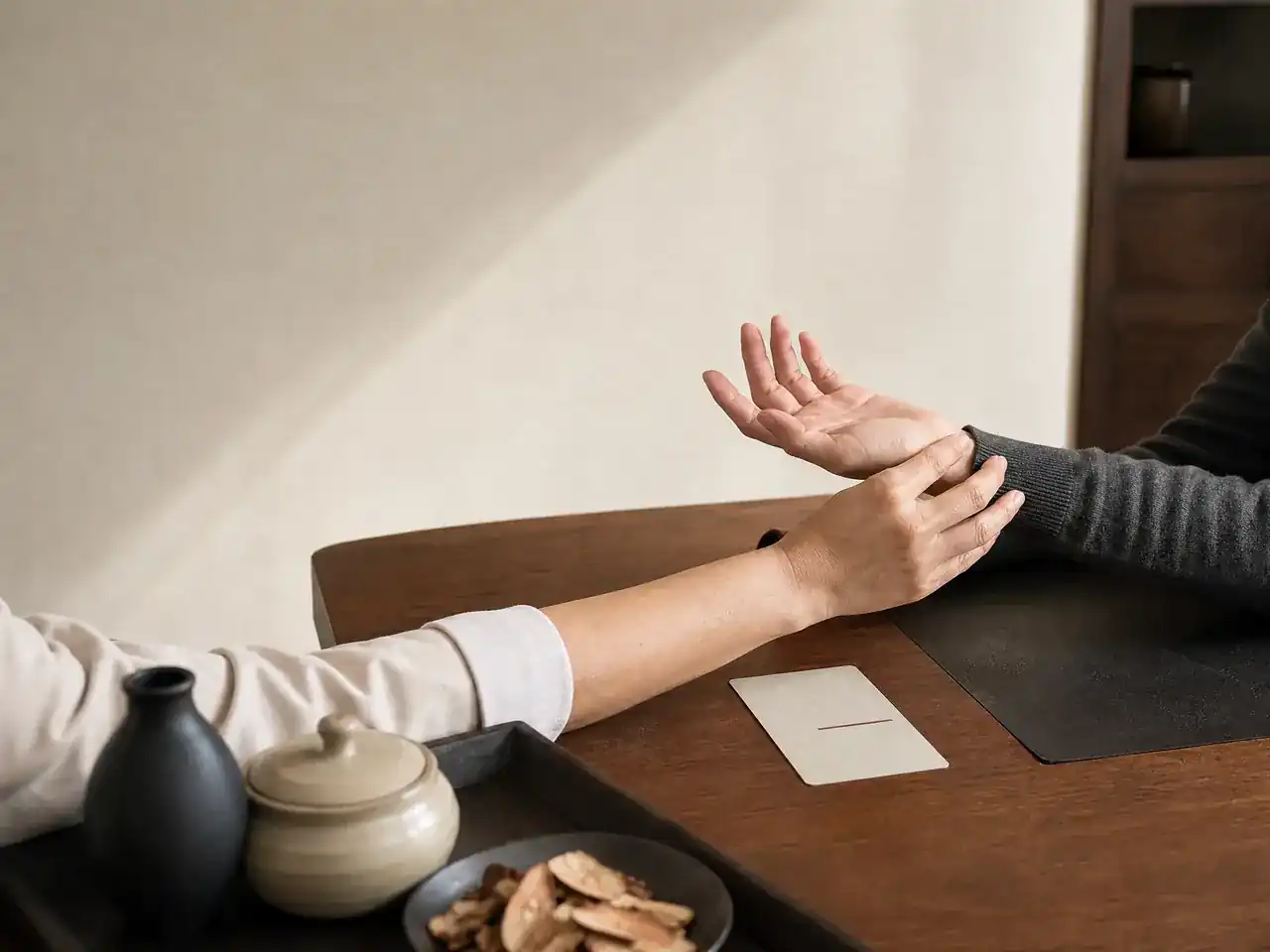
From the vantage point of traditional Chinese medicine (TCM), persistent heel pain is intimately connected with the smooth circulation of meridian qi and blood, constitutional kidney and liver deficiencies, or insufficient nourishment of the tendons and channels. Extended periods of overwork, chronic fatigue, or excessive physical exertion can readily induce localized qi and blood stagnation, leaving the channels and sinews unnourished and manifesting as persistent soreness, aching, and stiffness in the soles of the feet. When addressing heel pain, TCM emphasizes integrating holistic constitutional differentiation with localized therapeutic care, conducting thorough inquiries into the patient's daily routines, occupational demands, and exercise habits to comprehensively evaluate overall bodily balance and formulate tailored lifestyle and wellness recommendations.
Nevertheless, regardless of the supportive care modalities or wellness practices chosen, patients must maintain absolute safety awareness. Harmonia TCM reminds you that any traditional Chinese medicine care, herbal support, or wellness therapy cannot and should not replace formal medical diagnosis, clinical investigations, or routine medical examinations. If symptoms continue to deteriorate during evaluation, or if they are accompanied by systemic warning signs, modern medical diagnostic pathways and clinical evaluations should never be delayed or substituted.
Practical guidelines for sports injury prevention and foot care
During the recovery and long-term prevention phases of heel pain management, structured sports injury prevention and thoughtful daily foot care play indispensable roles. Runners should strictly avoid abrupt, disproportionate increases in weekly training mileage—general sports science guidelines recommend limiting weekly mileage increases to no more than ten percent—while also conducting regular inspections of running shoe midsole cushioning integrity. When running shoes exhibit degraded shock absorption or uneven outsole wear patterns, they must be promptly replaced to ensure the foot receives adequate structural support during locomotion.
In addition, individuals can engage in gentle, controlled calf stretching and mild plantar tissue relaxation exercises, while strictly avoiding aggressive stretching or excessive localized pressure during acute inflammatory flare-ups. Should symptoms prove recurrent or persistent, consulting certified physical therapists or medical specialists to establish personalized lower limb strengthening and gait optimization programs is strongly advised, as this directly addresses the mechanical root causes of tissue vulnerability.
When to seek conventional medical care and red flag evaluations
While the majority of mild, uncomplicated heel discomfort can be successfully managed through appropriate activity modification and mechanical load reduction, specific clinical scenarios necessitate prioritizing comprehensive conventional medical evaluations. For instance, when heel pain is accompanied by severe localized swelling, noticeable warmth, an absolute inability to bear weight, marked muscular weakness, abnormal neurological sensations such as numbness or tingling, or persistent pain that remains intense even during nighttime rest, these clinical presentations transcend ordinary post-exercise soreness and require ruling out acute stress fractures, nerve entrapment syndromes, or underlying systemic pathologies.
Referring to established official healthcare guidelines, if severe red flag symptoms manifest within the lower back or lower extremities—such as progressive lower limb weakness, sudden gait instability, or alterations in bowel or bladder control—immediate, urgent medical assessment is mandatory. In routine clinical practice, Harmonia TCM strongly advises patients to proactively disclose all concurrent therapies, herbal supplements, and pharmacological medications to their treating physicians to ensure complete clinical safety and therapeutic coordination.
Preparing your training history and symptom log for a plantar fasciitis consultation
When preparing for a professional medical consultation or physical therapy evaluation regarding persistent post-running heel pain, organizing your training history and symptom patterns is an invaluable preparatory step. Healthcare providers and sports medicine specialists rely heavily on accurate, structured accounts of your recent physical activity, footwear changes, and pain trajectories to differentiate plantar fasciitis from other lower limb pathologies such as nerve entrapment or tendinopathy. Rather than relying on memory during a brief clinic visit, maintaining a dedicated running and symptom log for at least two weeks prior to your appointment allows you to present precise data regarding weekly mileage fluctuations, surface hardness transitions, and the exact timing of discomfort onset.
In addition to training metrics, your preparatory notes should meticulously document all self-care strategies, supportive devices such as orthotics or heel cups, and topical treatments you have already attempted. Be prepared to inform your clinician about whether rest or activity modification has yielded any symptomatic relief, as well as any over-the-counter medications or herbal supplements you are currently taking. Providing this comprehensive overview ensures that the examining practitioner can evaluate your condition within its full context, facilitating an accurate diagnosis and preventing unnecessary delays in appropriate clinical care.
Safe integration of conventional care and traditional Chinese wellness approaches
For runners exploring diverse therapeutic options for plantar fasciitis—including both conventional sports rehabilitation and traditional Chinese medicine wellness practices—safe coordination and open communication among all healthcare providers are paramount. Official health guidelines emphasize that traditional Chinese medicine therapies, herbal supplements, or supportive bodywork modalities should complement, rather than replace, thorough conventional medical examinations and necessary diagnostic imaging. Disclosing all ongoing treatments, remedies, and pharmacological medications to every member of your care team ensures that potential contraindications are avoided and that your overall recovery plan remains clinically sound.
Furthermore, patients must maintain vigilant safety awareness throughout the healing process, remaining alert to urgent warning signs that necessitate immediate conventional medical re-evaluation. If foot pain is accompanied by severe localized swelling, acute neurological symptoms like numbness or motor weakness, or persistent nighttime distress that defies ordinary rest, these indicators require prompt medical investigation to rule out structural fractures or systemic complications. By combining structured preparation, transparent communication, and rigorous adherence to medical triage guidelines, runners can navigate post-running heel pain safely and effectively.
Continue reading
Explore the corresponding service or information page at your own pace.
Related articles
Frequently asked questions
Is heel pain after running always plantar fasciitis?
Not necessarily. Although plantar fasciitis is a common cause of post-running heel pain, other possibilities include fat pad contusion, Achilles tendinopathy, or nerve entrapment. If symptoms persist, professional medical evaluation is recommended for accurate diagnosis.
How does a daily load-tracking diary help with heel pain?
A load diary helps objectively track changes in running volume, footwear wear, and pain timing, providing precise clinical history when communicating with healthcare professionals to identify triggers and adjust training.
Can I perform forceful massage or aggressive stretching when experiencing heel pain?
Forceful stretching or deep aggressive massage should be avoided during acute flare-ups to prevent secondary irritation of inflamed tissues. Gentle care or professional sports massage under guidance is preferred.
Can information from Harmonia TCM replace formal medical diagnosis?
No. All content provided by Harmonia TCM is intended strictly for general health information and triage guidance, and cannot replace professional medical diagnosis, treatment, or personalized clinical advice.
How does rapid mileage increase impact the plantar fascia?
When running volume or intensity spikes rapidly within a short period, the plantar fascia experiences mechanical loads exceeding its adaptive capacity, resulting in micro-trauma and chronic inflammation.
Can “plantar fasciitis guide” be used as a personal diagnosis?
No. This article provides general information and preparation ideas only. Individual circumstances need appropriate assessment around history, tests, functional impact and safety.
Related topics
Sources
Want to understand the next step around your situation?
You are welcome to share your question, preferred time and existing information. We will explain the service scope and arrangements clearly.