Pain & Assessment
Disc Herniation
Disc herniation often presents with debilitating back pain and radicular pain that can significantly impact your daily life. At Harmonia TCM, our registered practitioners utilize the four diagnostic methods to understand your constitution and the root cause of your pain, providing targeted care to help you find relief and restore your quality of life.
Quick answer: Disc herniation is a common cause of back pain and radicular pain. In TCM, this is often viewed as a disruption in the flow of Qi and blood or a blockage in the meridians. Our registered practitioners at Harmonia TCM will assess your specific condition and develop a personalized care plan to help alleviate discomfort and support your body's natural recovery process.
CLEAR PRICES
Interested in a treatment? You are always welcome to ask.
We clearly list our current single, trial and package prices so you can explore at your own pace. You are always welcome to message us on WhatsApp about any service, timing or arrangement.
| Category and service | Content / terms | Public price (HK$) | Booking note | Enquire |
|---|---|---|---|---|
| Hair & scalp | Scalp health and hair-loss support | AI scalp analysis, deep follicle cleansing and oil-control support | Trial offerPackageTrial 380; 6 sessions 3,480; 12 sessions 5,760; 20 sessions 8,600; 30 sessions 11,400 | Average per session for 6/12/20/30: 580/480/430/380 | Ask on WhatsApp |
| Hair & scalp | Hair acupuncture with herbal medicine | Scalp acupuncture with 3 days of decoction-free herbal medicine | Single visitPackageSingle 580; 6 sessions 3,180; 12 sessions 5,760; 20 sessions 8,600; 30 sessions 11,400 | Average per session for 6/12/20/30: 530/480/430/380 | Ask on WhatsApp |
| Hair & scalp | Integrated hair support programme | Acupuncture, herbal medicine and follicle activation; packages include shampoo and serum | Single visitPackageSingle 1,260; 8 sessions 8,640; 16 sessions 15,680; 20 sessions 18,600; 30 sessions 26,400 | Average per session for 8/16/20/30: 1,080/980/930/880 | Ask on WhatsApp |
| Weight management | Full-body acupoint embedding | Full-body acupoint embedding; packages include proportionate days of herbal support | Single visitPackageSingle 980; 10 sessions 7,800; 20 sessions 14,600; 30 sessions 20,400 | Average per session for 10/20/30: 780/730/680 | Ask on WhatsApp |
| Facial acupuncture | Brightening V-face (Essential) | Facial acupuncture, meridian support and swelling management | Trial offerPackageTrial 480; 10 sessions 5,200; 20 sessions 9,600; 30 sessions 13,500 | Average per session for 10/20/30: 520/480/450 | Ask on WhatsApp |
| Facial acupuncture | Firming and refining (Advanced) | Enhanced facial acupuncture for firmness and fine-line concerns with a moisturising mask serum | Trial offerPackageTrial 780; 10 sessions 9,000; 20 sessions 16,600; 30 sessions 23,400 | Average per session for 10/20/30: 900/830/780 | Ask on WhatsApp |
| Pain care | Extracorporeal shockwave therapy | Deep inflammation support and fascial relaxation | Prince Edward: 250 per area; Kwun Tong: 250 for 1 area, 450 for 2, 600 for 3 | Clinic-specific pricing; confirm location before booking | Ask on WhatsApp |
| Pain care | Manual therapy | TCM bone-injury assessment, manual alignment and tui na techniques | Single visitSingle 580 | Suitability is confirmed after assessment | Ask on WhatsApp |
| Pain care | Acupuncture with manual therapy | Acupuncture with manual structural support | Single visitSingle 680 | Suitability is confirmed after assessment | Ask on WhatsApp |
| TCM regulation | Acupuncture with herbal medicine | TCM consultation, whole-body acupuncture and 3 days of decoction-free herbal medicine granules | Single visitSingle 580 | Confirm clinician availability and service arrangement when booking | Ask on WhatsApp |
Understanding Disc Herniation and the TCM Perspective
Disc herniation occurs when the soft, gel-like center of a spinal disc pushes through a tear in its tougher exterior casing. This protrusion can irritate or compress nearby nerve roots, leading to a range of uncomfortable symptoms. It is a prevalent condition in modern society, often associated with poor posture, repetitive strain, or previous injuries. Individuals typically experience persistent back pain, along with radicular pain that radiates along the path of the affected nerve, such as pain shooting down the leg from the lower back. These symptoms not only restrict physical mobility but can also negatively affect sleep quality and overall emotional well-being.
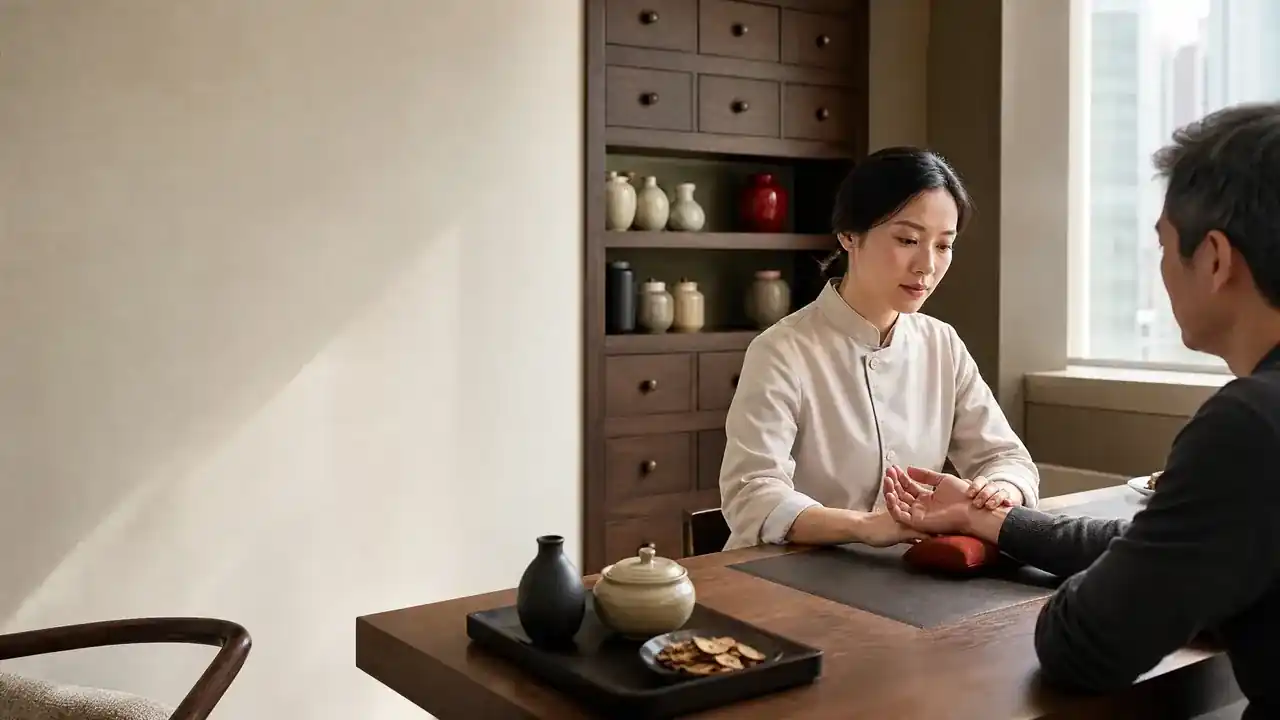
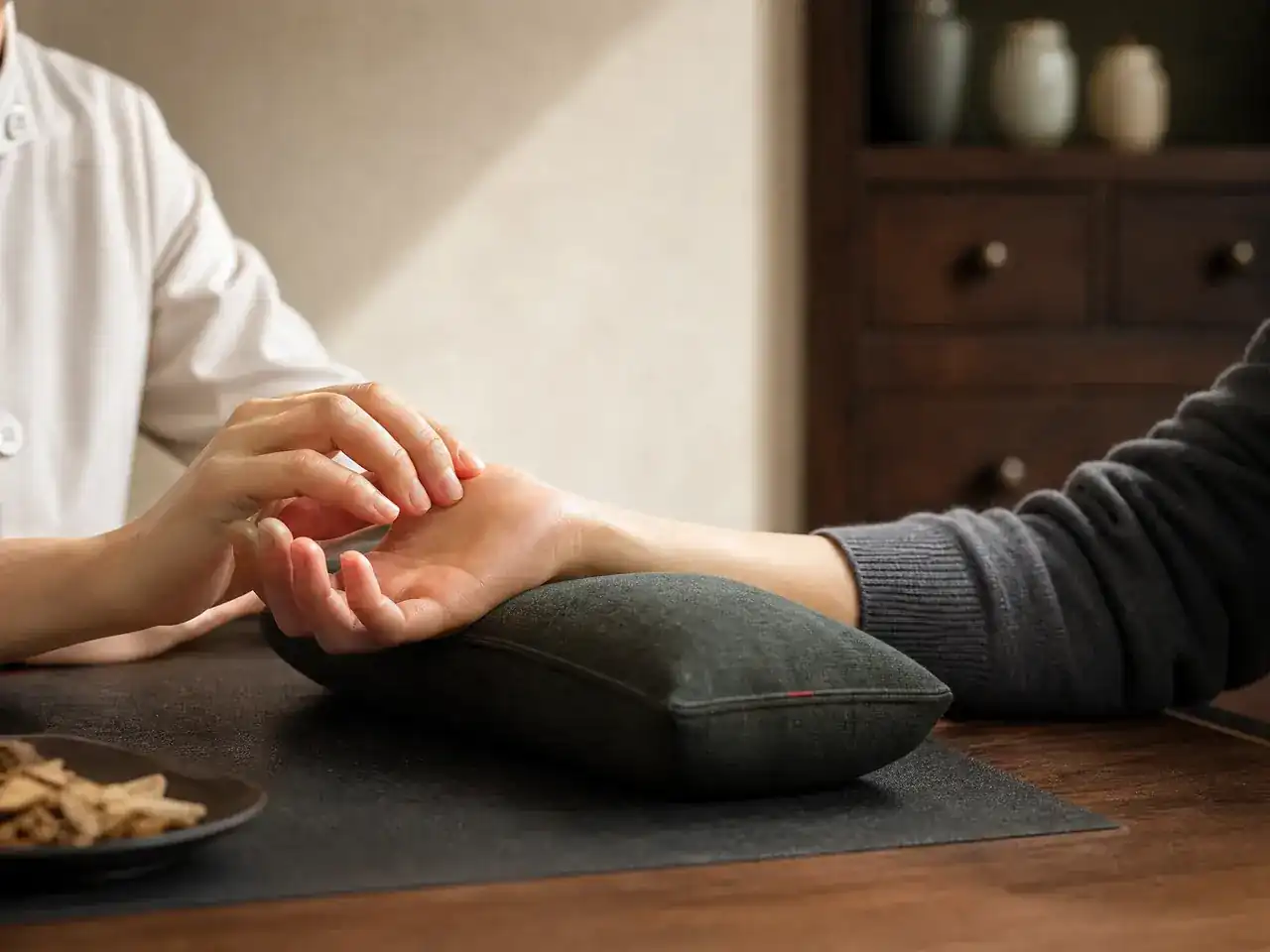
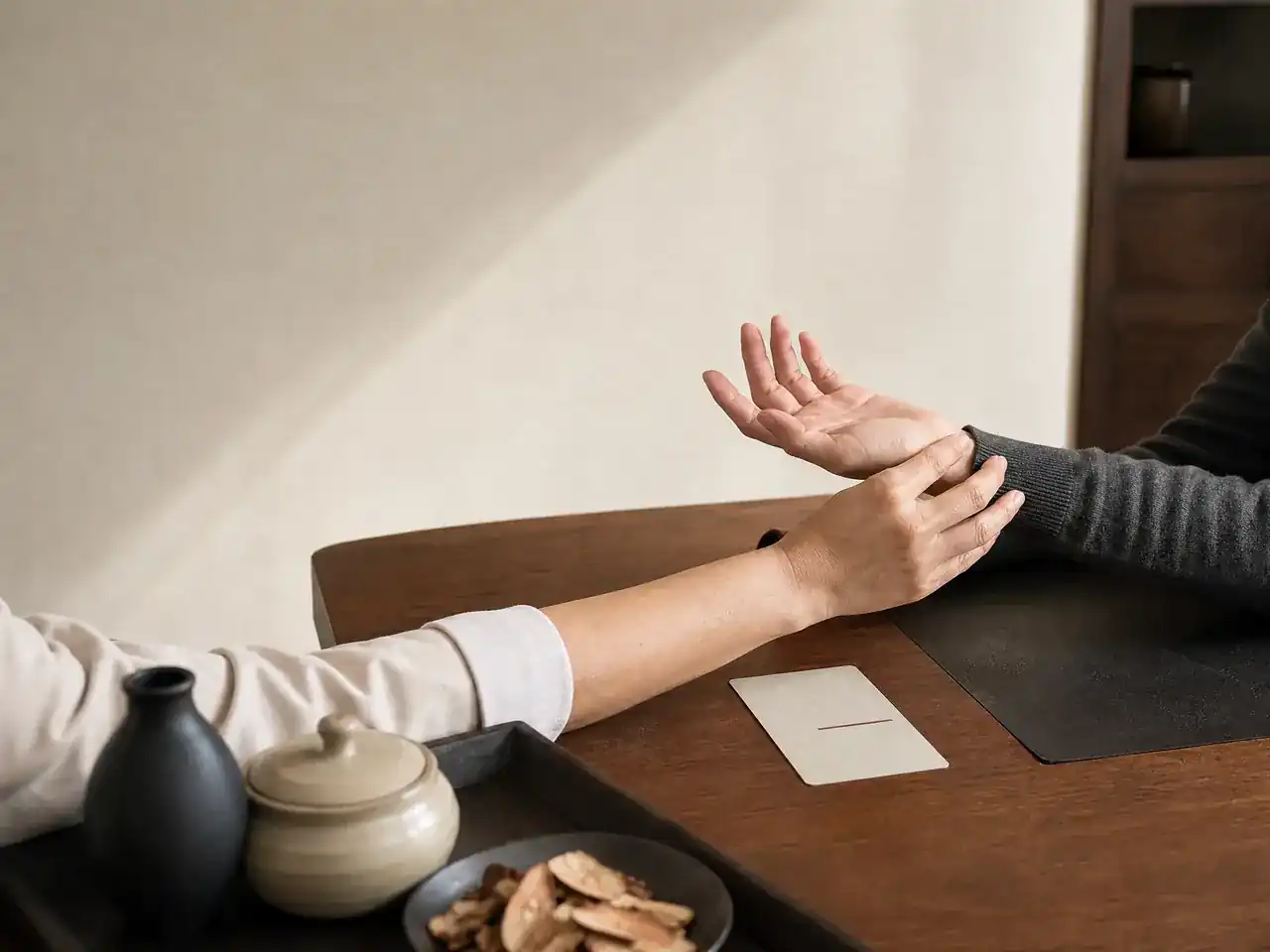
From the perspective of Traditional Chinese Medicine (TCM), the pain associated with disc herniation is frequently linked to concepts such as 'Qi stagnation and blood stasis,' 'cold-dampness blocking the meridians,' or 'liver and kidney deficiency.' When the body's vital energy is compromised or when it is invaded by external pathogenic factors like wind, cold, or dampness, the smooth flow of Qi and blood is disrupted. As the TCM saying goes, 'Where there is no free flow, there is pain.' Therefore, a TCM assessment goes beyond looking at localized structural changes; it emphasizes the overall constitutional state of the individual. At Harmonia TCM, our registered practitioners employ the four diagnostic methods—observation, auscultation and olfaction, inquiry, and palpation—to gain a comprehensive understanding of your health and identify the underlying causes of your pain.
Common Symptoms and Their Impact
The symptoms of disc herniation can vary significantly from person to person, depending on the location of the herniation and the specific nerves involved. In addition to the hallmark back pain, individuals may also experience numbness, tingling, or weakness in the affected limbs. If the herniation occurs in the lumbar spine (lower back), the radicular pain often affects the legs, a condition commonly known as sciatica. If it occurs in the cervical spine (neck), it may cause pain and numbness in the shoulders and arms. These symptoms are frequently exacerbated by movements such as bending over, coughing, or sneezing.
Chronic pain can drastically reduce one's quality of life, limiting daily activities and potentially impacting work performance. Therefore, seeking professional assessment and intervention early on is crucial. Harmonia TCM is dedicated to providing comprehensive TCM care for individuals suffering from these conditions. Through detailed consultations and examinations, we aim to formulate the most appropriate care plan tailored to your needs, helping you manage the distress caused by back pain and radicular pain.
TCM Assessment and Personalized Care
At Harmonia TCM, we firmly believe that every individual's constitution and condition are unique. Consequently, before recommending any care plan, our registered TCM practitioners conduct a thorough assessment. This involves understanding your medical history, lifestyle habits, work environment, and the specific characteristics of your pain. We also observe your tongue and feel your pulse to evaluate the state of Qi, blood, Yin, and Yang within your body. This holistic approach ensures that our recommendations are truly tailored to your specific requirements.
Based on the assessment findings, the practitioner may suggest a combination of TCM modalities, such as herbal medicine, acupuncture, Tui Na (Chinese therapeutic massage), or cupping. The goals of these methods are to unblock the meridians, promote blood circulation, resolve stasis, and dispel cold and dampness, thereby helping to alleviate pain and support tissue recovery. Concurrently, we provide guidance on daily routines and dietary choices to help you improve your constitution from the root and reduce the likelihood of recurrence.
Different Constitutions and Care Directions
TCM categorizes the pain caused by disc herniation into different syndrome types, each with its specific manifestations and focus for care. Understanding your constitution can help you better cooperate with the practitioner's recommendations and enhance the effectiveness of the care. Below are some common syndrome types and their characteristics:
Regardless of your constitution, the professional team at Harmonia TCM will provide appropriate support. We emphasize a collaborative practitioner-patient relationship, encouraging you to actively participate in your care process and work together towards achieving optimal health.
| Syndrome Type | Common Manifestations | Care Direction |
|---|---|---|
| Qi Stagnation & Blood Stasis | Fixed, stabbing pain that worsens at night; restricted movement. | Promote Qi and blood circulation; resolve stasis to relieve pain. |
| Cold-Dampness Blockage | Cold, heavy, and aching pain in the lower back and legs; worsens in cold or rainy weather; relieved by warmth. | Dispel cold and dampness; warm the meridians. |
| Liver & Kidney Deficiency | Soreness and weakness in the lower back and knees; worsens after exertion; may be accompanied by dizziness or tinnitus. | Nourish the liver and kidneys; strengthen bones and sinews. |
| Damp-Heat Downward Pouring | Pain accompanied by a sensation of heat; worsens with heat; may include a bitter taste in the mouth or dark urine. | Clear heat and resolve dampness; relax sinews to relieve pain. |
Daily Care and Prevention
In addition to receiving professional TCM care, daily self-care is equally important for managing back pain and radicular pain caused by disc herniation. Maintaining good posture is key to preventing and improving pain. Whether sitting, standing, or lifting heavy objects, you should maintain the natural curve of your spine and avoid excessive bending or twisting. Furthermore, moderate exercise helps strengthen the core muscles, providing better support for the spine.
Regarding diet, it is advisable to consume foods rich in calcium and vitamins to maintain bone and nerve health. Avoid excessive intake of raw, cold, greasy, or spicy foods, as these may exacerbate cold-dampness or damp-heat in the body. The practitioners at Harmonia TCM will provide personalized lifestyle and dietary guidance based on your specific condition, helping you better manage your pain in daily life and regain a healthy, balanced lifestyle.
Frequently asked questions
How does TCM assess back pain caused by disc herniation?
TCM assessment focuses not only on localized pain but also on the overall constitutional state. A registered practitioner will use the four diagnostic methods to understand the nature of the pain (e.g., stabbing, cold, or aching), its pattern of occurrence, and accompanying symptoms. This helps determine the syndrome type, such as Qi stagnation or cold-dampness, to formulate an appropriate care plan.
Can acupuncture help relieve radicular pain?
Acupuncture is a commonly used TCM modality. By stimulating specific acupoints, it aims to unblock meridians and promote local Qi and blood circulation, which may help alleviate radicular pain caused by nerve compression. However, the effectiveness varies among individuals, and it must be assessed by a registered practitioner before proceeding.
What should patients with disc herniation pay attention to in their daily lives?
Patients should pay special attention to maintaining good posture and avoiding prolonged bending, sitting, or lifting heavy objects. Choosing a mattress and chair with good support is recommended. During non-acute phases, moderate core-strengthening exercises like swimming or walking can be beneficial. It is also important to keep the lower back warm and avoid exposure to cold.
How long does it take for TCM herbal medicine to show effects?
The effectiveness and time required for TCM herbal medicine vary depending on the individual's constitution, the severity of the condition, and their response to the herbs. Generally, pain in the acute phase may be alleviated relatively quickly, while constitutional adjustments in the chronic phase require more time. The practitioner will adjust the plan based on your progress.
Can I still see a TCM practitioner if I am receiving Western medical treatment?
Yes. Integrating TCM and Western medicine is increasingly common in pain management. However, you must clearly inform the TCM practitioner about the Western medical treatments and medications you are currently receiving. This allows the practitioner to make a comprehensive assessment and ensure there are no adverse interactions between the two approaches.
Does Harmonia TCM offer home visit assessments?
Harmonia TCM's only physical clinic is located in Kwun Tong. We understand that some patients with severe pain may have limited mobility, so we offer limited home visit assessment and care services. The actual arrangements, feasibility, and fees for this service must be confirmed by the clinic and a registered practitioner based on your specific situation.
Related topics
Sources
Seek Professional TCM Assessment
If you are suffering from back pain or radicular pain caused by disc herniation, please contact Harmonia TCM today. Our registered practitioners will conduct a detailed assessment and develop a personalized care plan for you. This information outlines common considerations and assessment directions. If you would like to discuss what may suit you or how an appointment can be arranged, please contact us.