HEALTH GUIDE / SAFETY INFORMATION
Desk-related low back pain: red flags, activity and assessment
Low back pain among office workers is frequently linked to prolonged sitting, muscle fatigue, and reduced movement, yet identifying red flags and safe triage remains essential. Drawing from official health guidance, this article outlines key observation points, safe activity suggestions, and consultation preparation.
Quick answer: Mild back pain caused by prolonged sitting can often be managed by maintaining gentle movement and avoiding static postures, but symptoms accompanied by lower limb numbness, weakness, or changes in bladder and bowel control require immediate medical evaluation.
CLEAR PRICES
Interested in a treatment? You are always welcome to ask.
We clearly list our current single, trial and package prices so you can explore at your own pace. You are always welcome to message us on WhatsApp about any service, timing or arrangement.
| Category and service | Content / terms | Public price (HK$) | Booking note | Enquire |
|---|---|---|---|---|
| Hair & scalp | Scalp health and hair-loss support | AI scalp analysis, deep follicle cleansing and oil-control support | Trial offerPackageTrial 380; 6 sessions 3,480; 12 sessions 5,760; 20 sessions 8,600; 30 sessions 11,400 | Average per session for 6/12/20/30: 580/480/430/380 | Ask on WhatsApp |
| Hair & scalp | Hair acupuncture with herbal medicine | Scalp acupuncture with 3 days of decoction-free herbal medicine | Single visitPackageSingle 580; 6 sessions 3,180; 12 sessions 5,760; 20 sessions 8,600; 30 sessions 11,400 | Average per session for 6/12/20/30: 530/480/430/380 | Ask on WhatsApp |
| Hair & scalp | Integrated hair support programme | Acupuncture, herbal medicine and follicle activation; packages include shampoo and serum | Single visitPackageSingle 1,260; 8 sessions 8,640; 16 sessions 15,680; 20 sessions 18,600; 30 sessions 26,400 | Average per session for 8/16/20/30: 1,080/980/930/880 | Ask on WhatsApp |
| Weight management | Full-body acupoint embedding | Full-body acupoint embedding; packages include proportionate days of herbal support | Single visitPackageSingle 980; 10 sessions 7,800; 20 sessions 14,600; 30 sessions 20,400 | Average per session for 10/20/30: 780/730/680 | Ask on WhatsApp |
| Facial acupuncture | Brightening V-face (Essential) | Facial acupuncture, meridian support and swelling management | Trial offerPackageTrial 480; 10 sessions 5,200; 20 sessions 9,600; 30 sessions 13,500 | Average per session for 10/20/30: 520/480/450 | Ask on WhatsApp |
| Facial acupuncture | Firming and refining (Advanced) | Enhanced facial acupuncture for firmness and fine-line concerns with a moisturising mask serum | Trial offerPackageTrial 780; 10 sessions 9,000; 20 sessions 16,600; 30 sessions 23,400 | Average per session for 10/20/30: 900/830/780 | Ask on WhatsApp |
| Pain care | Extracorporeal shockwave therapy | Deep inflammation support and fascial relaxation | Prince Edward: 250 per area; Kwun Tong: 250 for 1 area, 450 for 2, 600 for 3 | Clinic-specific pricing; confirm location before booking | Ask on WhatsApp |
| Pain care | Manual therapy | TCM bone-injury assessment, manual alignment and tui na techniques | Single visitSingle 580 | Suitability is confirmed after assessment | Ask on WhatsApp |
| Pain care | Acupuncture with manual therapy | Acupuncture with manual structural support | Single visitSingle 680 | Suitability is confirmed after assessment | Ask on WhatsApp |
| TCM regulation | Acupuncture with herbal medicine | TCM consultation, whole-body acupuncture and 3 days of decoction-free herbal medicine granules | Single visitSingle 580 | Confirm clinician availability and service arrangement when booking | Ask on WhatsApp |
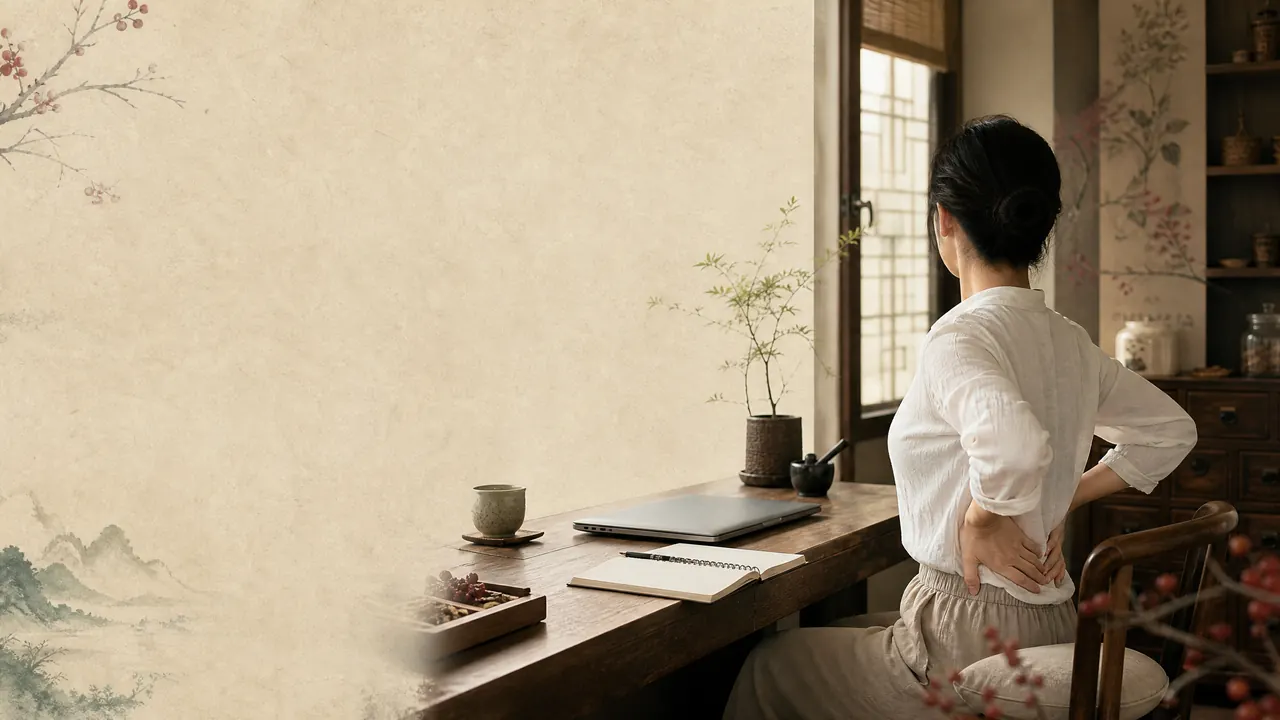
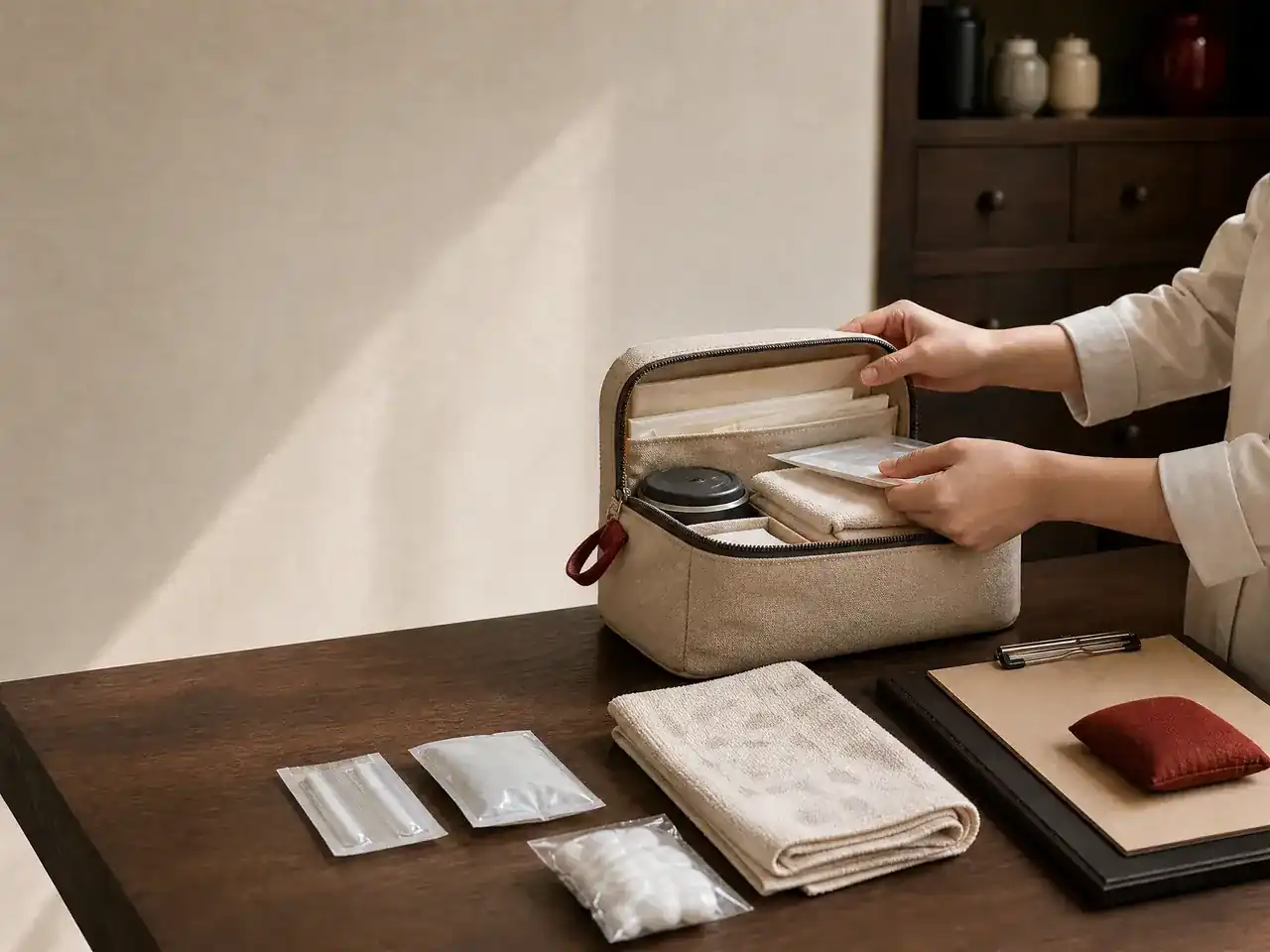
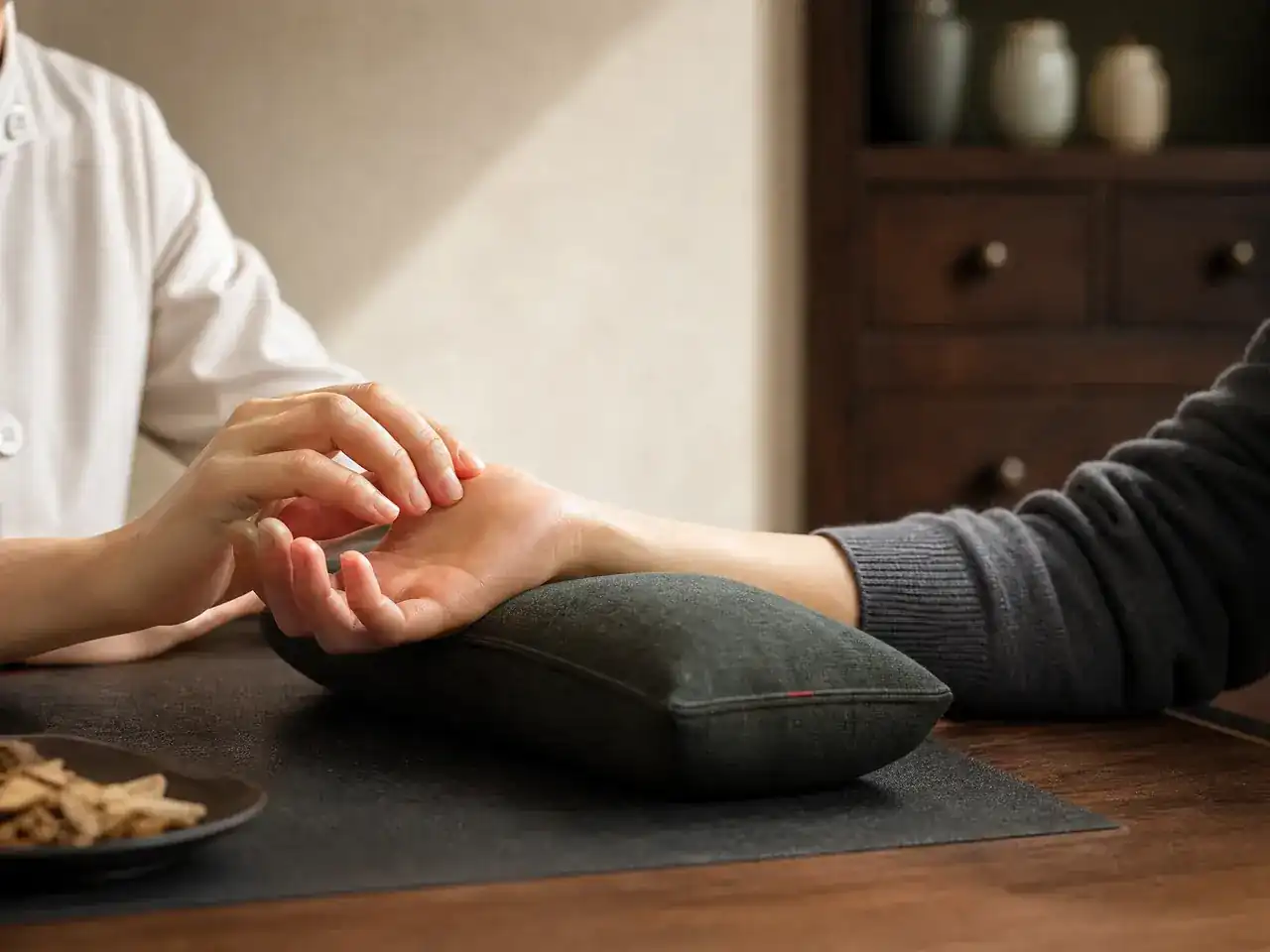
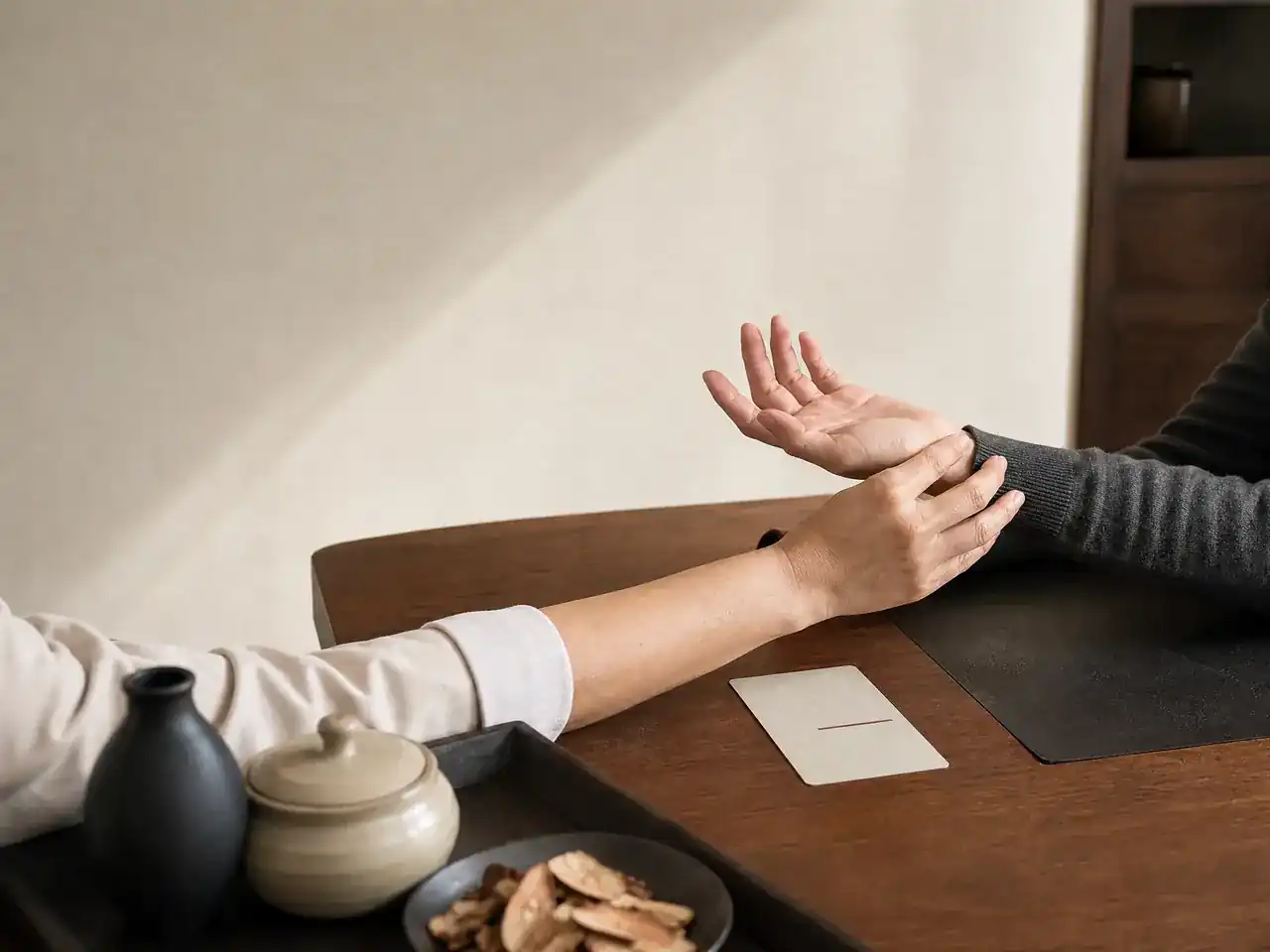
Daily causes and underlying mechanisms of desk-related back pain in office environments
In contemporary workplace environments, office professionals frequently spend extended hours seated at computer desks to manage various administrative and technical tasks. This prolonged static posture places continuous mechanical tension on the muscles supporting the lumbar spine and back region, lacking adequate dynamic alternation. When muscles are deprived of sufficient relaxation and appropriate blood circulation stimulation over prolonged periods, they tend to develop fatigue, aching sensations, and structural stiffness. For numerous office workers, lower back pain induced by prolonged sitting has consequently emerged as a high-frequency challenge impacting daily productivity, professional focus, and overall physical comfort.
From the comprehensive perspective of ergonomics, biomechanics, and contemporary health science, the vast majority of desk-related back pain is officially classified as non-specific low back pain. This clinical categorization indicates that the discomfort is typically not triggered by severe, identifiable pathological structural damage or acute tissue tearing, but rather by insufficient daily movement, postural strain, and diminished core muscle endurance during prolonged seated hours. Understanding this fundamental distinction helps alleviate excessive psychological anxiety regarding back pain. When office workers correctly comprehend the normal physiological muscular fatigue response following prolonged sitting, they can more rationally plan daily stretching routines, ergonomic adjustments, and activity schedules to improve overall physical comfort and musculoskeletal resilience.
Furthermore, psychological stress levels, occupational fatigue, and nighttime sleep quality can also exert subtle yet profound influences on the perception and persistence of back pain. Sustained high-pressure work rhythms and prolonged sympathetic nervous system activation often lead to generalized bodily tension, which may directly exacerbate muscular rigidity in the lower back. Therefore, addressing desk-related back pain effectively should not be confined solely to local posture adjustments or ergonomic chair modifications; it also requires comprehensive consideration of activity frequency during work breaks, daily rest quality, and overall lifestyle habits to establish a truly holistic observation and management framework.
In addition to physiological factors, individual workplace setups play a critical role in predisposing workers to chronic discomfort. Desks that are set too low or too high, monitors positioned improperly, and keyboards placed at awkward angles can force the spine into compensatory postures that increase spinal loading. Recognizing these environmental contributors allows employees to make proactive adjustments before minor aches evolve into persistent musculoskeletal challenges, emphasizing the importance of preventative ergonomics in modern office spaces.
| Back Pain Category | Typical Physical Features | Recommended Initial Response and Handling |
|---|---|---|
| Mild muscle tension | Aching fatigue in the lower back after prolonged sitting, significantly easing with movement or simple stretching | Take regular activity breaks, adjust sitting posture, avoid continuous unvaried sitting for hours |
| Movement-related soreness | Transient pulling sensation during specific bending or twisting movements, without lower limb radiation | Perform gentle stretches, check chair support, record provoking movements and frequency |
| Radiating discomfort | Pain extending from the lower back down to the buttocks or posterior thighs, accompanied by local tightness | Avoid strenuous exercise, record episode characteristics in detail, consult professional medical care |
| Red flag symptoms | Accompanied by leg weakness, persistent numbness, bladder/bowel function changes, or severe pain post-trauma | Seek immediate emergency medical evaluation and specialist examination without delay |
Initial self-observation and clinical recognition of critical red flag warnings
When back pain first manifests in the workplace, many individuals naturally choose to observe self-recovery or wait for the discomfort to subside spontaneously. However, during this crucial self-observation phase, learning to identify potential 'red flags'—namely critical warning signs associated with serious underlying pathology—is an indispensable core step to ensuring personal safety and timely medical intervention. According to established official health guidelines, the vast majority of common back pain does not warrant excessive alarm; nevertheless, if pain is accompanied by specific neurological deficits or systemic warnings, caution is imperative, and professional medical evaluation must be sought promptly without hesitation.
These critical red flags include, but are not limited to: continuous or progressive numbness, abnormal tingling sensations, or distinct muscular weakness in both lower limbs; abnormal sensory loss or numbness around the perineum, buttocks, or saddle area (commonly known as saddle anesthesia); newly onset urinary or fecal incontinence, difficulty initiating urination, or sudden alterations in bowel control; back pain accompanied by unexplained significant weight loss, night sweats, or persistent low-grade fever; or back pain occurring immediately after a severe traumatic event such as a motor vehicle collision or a fall from a significant height. If any of these serious conditions manifest, strongly suggesting potential deep nerve root compression or other pathological structural issues, individuals must immediately visit an emergency medical facility for a comprehensive clinical examination.
To achieve structured and reliable self-screening in daily life, office workers are strongly advised to maintain a detailed and consistent 'pain log'. This personal record should document the exact timing, duration, intensity, and accompanying symptoms of back pain episodes, as well as the specific daily activities, postures, or environmental triggers that appear to aggravate or relieve the discomfort. Such objective records not only empower individuals to better understand their personal physical baseline but also provide medical practitioners with highly structured, accurate, and valuable reference information when formal professional opinions are sought.
Moreover, understanding the limitations of self-assessment is vital. A pain log is designed to facilitate clearer communication with healthcare providers, not to replace professional diagnostic imaging or clinical examinations. Recognizing when self-management is no longer appropriate prevents delays in diagnosing conditions that require targeted medical intervention, reinforcing the balance between proactive home observation and professional clinical oversight.
Balancing activity and rest: overcoming misconceptions and avoiding prolonged bed rest
In past decades, conventional wisdom often suggested that the safest and most effective approach during an acute back pain episode was prolonged bed rest until the discomfort completely disappeared. However, contemporary mainstream health and medical guidelines have firmly and decisively established that for non-specific low back pain, excessive and prolonged bed rest is not only unhelpful for recovery but may actually introduce detrimental consequences. Extended inactivity leads to accelerated muscle atrophy, further loss of spinal support strength, increased joint stiffness, and a significantly prolonged overall recovery period.
Consequently, mastering the healthy physiological balance between controlled activity and adequate rest represents a critical learning objective for modern office workers. Within comfortable and safe tolerance limits, maintaining moderate, gentle movement—such as short flat-surface walks around the office floor, gentle pelvic tilts, or simple standing spinal stretches—is highly encouraged by clinical guidelines. These low-impact activities help promote localized blood circulation in the back musculature, maintain spinal joint flexibility and synovial fluid distribution, and actively reduce the muscular adhesions and stiffness caused by prolonged static sitting.
Of course, maintaining moderate activity does not imply forcing oneself into high-intensity physical exertion or strenuous exercise routines. During the acute phase of a back pain flare-up, heavy lifting, vigorous trunk twisting, high-impact running, and high-intensity core strengthening workouts should be strictly avoided. If discomfort or sharp pain significantly increases during any movement, the individual should immediately cease the activity, rest, and adjust their posture. Through such progressive, measured, and sensible activity strategies, office workers can safely navigate the natural fluctuations of back pain.
Integrating these principles into daily routines requires patience and consistency. Workers should view movement not as a challenge to be conquered through sheer willpower, but as a biological necessity for joint health. By pacing activities throughout the workday, individuals can prevent the accumulation of micro-strains that ultimately manifest as severe discomfort by the end of the week.
Harmonia TCM information sharing and the value of comprehensive professional assessment
In the continuous pursuit of relieving desk-related low back pain and improving musculoskeletal health, many citizens naturally consider seeking consultations in traditional Chinese medicine (TCM) or integrated healthcare settings. Harmonia TCM, operating as an informational resource dedicated to public health and wellness, has consistently strived to deliver clear, objective, and evidence-based health education content aligned closely with official health guidelines. We firmly believe that no online health article, educational summary, or home care suggestion can ever replace clinical diagnosis and personalized treatment planning provided by a professional registered healthcare practitioner.
When patients prepare for and engage in professional consultations, they should proactively provide practitioners with a comprehensive and accurate personal health background. This crucial background information includes past spinal medical history, previous injuries, daily occupational environment demands, and a complete list of all other therapies, supplements, or pharmaceutical medications currently in use. Such transparent, honest, and proactive communication enables multidisciplinary medical teams to formulate the safest, most appropriate, and highly personalized assessment and care strategies tailored to each individual's unique clinical presentation.
Harmonia TCM earnestly reminds all readers that when facing recurrent, persistent chronic back pain, one must resolutely avoid blindly trusting exaggerated efficacy promotions, unverified claims, or fixed treatment course guarantees. A rigorous scientific attitude, coupled with individualized clinical assessments by qualified professionals, represents the absolute best foundation for safeguarding long-term health. Health management is a continuous journey requiring informed decision-making and professional collaboration.
Furthermore, engaging with traditional medicine alongside conventional healthcare requires mutual transparency. Disclosing herbal supplements or concurrent treatments to all attending physicians ensures that interventions do not inadvertently conflict. By fostering an environment of open communication between patients and practitioners, Harmonia TCM advocates for a balanced approach to healthcare that prioritizes patient safety above all else.
Long-term ergonomic optimization and preventative spinal health strategies
Beyond immediate self-observation and acute triage, achieving lasting relief from desk-related low back pain requires sustained commitment to ergonomic optimization and preventative lifestyle habits. Workstations should be evaluated regularly to ensure that chairs offer adequate lumbar curvature support, desk heights permit relaxed shoulder positioning, and computer screens align with natural eye levels. These structural improvements minimize cumulative postural stress over years of office employment.
In addition to physical workspace modifications, cultivating body awareness during long working hours is essential. Workers are encouraged to practice micro-breaks—brief pauses every thirty minutes to reset posture, stretch tight hip flexors, and relieve spinal compression. These small, consistent habits collectively transform the sedentary office environment into a supportive space for lifelong musculoskeletal health.
Continue reading
Explore the corresponding service or information page at your own pace.
Related articles

Frequently asked questions
Should I lie in bed for prolonged rest when experiencing desk-related low back pain?
According to official health guidelines, prolonged bed rest is unhelpful for non-specific low back pain and may slow down recovery. Maintaining gentle movement within comfortable limits while avoiding prolonged static postures is recommended.
How can I determine whether my back pain requires professional hospital examination?
If back pain persists for several weeks without improvement, or is accompanied by red flags (such as leg weakness, numbness, bladder/bowel control changes, night pain waking you up, or fever), you should immediately visit a medical facility for a comprehensive examination and evaluation.
What simple methods can prevent desk-related low back pain during daily office work?
It is recommended to stand up and move for 3 to 5 minutes every 45 to 60 minutes of work, performing simple stretches or walking; ensure office chairs provide good lumbar support, feet rest flat on the floor, and knees and hips maintain appropriate angles.
What personal health information should I prepare before seeking TCM or physiotherapy?
It is recommended to organize the timeline of back pain episodes, the nature of pain (such as aching, sharp), provoking and relieving factors, past medical history records, and a list of all medications or therapies currently in use to assist practitioners in precise evaluation.
Can “desk low back pain guide guide” be used as a personal diagnosis?
No. This article provides general information and preparation ideas only. Individual circumstances need appropriate assessment around history, tests, functional impact and safety.
What can I prepare before asking about “desk low back pain guide guide”?
You can note symptom timing, approaches already tried, current medicines, test information and your main questions. Seek appropriate conventional medical assessment first for severe or worsening signs.
Related topics
Sources
Want to understand the next step around your situation?
You are welcome to share your question, preferred time and existing information. We will explain the service scope and arrangements clearly.