HEALTH GUIDE / SAFETY INFORMATION
Typing-related hand symptoms: carpal tunnel, De Quervain’s and when to seek care
Prolonged computer typing and repetitive wrist movements can lead to hand numbness and wrist pain. This article examines common conditions like carpal tunnel and De Quervain's tenosynovitis, tracking tips, and safe care practices.
Quick answer: Typing-related hand numbness and wrist pain are frequent among individuals performing repetitive hand tasks, commonly associated with carpal tunnel syndrome or De Quervain's tenosynovitis. If symptoms persist, cause nighttime awakening, or impair grip, professional medical evaluation is essential rather than relying solely on home remedies.
CLEAR PRICES
Interested in a treatment? You are always welcome to ask.
We clearly list our current single, trial and package prices so you can explore at your own pace. You are always welcome to message us on WhatsApp about any service, timing or arrangement.
| Category and service | Content / terms | Public price (HK$) | Booking note | Enquire |
|---|---|---|---|---|
| Hair & scalp | Scalp health and hair-loss support | AI scalp analysis, deep follicle cleansing and oil-control support | Trial offerPackageTrial 380; 6 sessions 3,480; 12 sessions 5,760; 20 sessions 8,600; 30 sessions 11,400 | Average per session for 6/12/20/30: 580/480/430/380 | Ask on WhatsApp |
| Hair & scalp | Hair acupuncture with herbal medicine | Scalp acupuncture with 3 days of decoction-free herbal medicine | Single visitPackageSingle 580; 6 sessions 3,180; 12 sessions 5,760; 20 sessions 8,600; 30 sessions 11,400 | Average per session for 6/12/20/30: 530/480/430/380 | Ask on WhatsApp |
| Hair & scalp | Integrated hair support programme | Acupuncture, herbal medicine and follicle activation; packages include shampoo and serum | Single visitPackageSingle 1,260; 8 sessions 8,640; 16 sessions 15,680; 20 sessions 18,600; 30 sessions 26,400 | Average per session for 8/16/20/30: 1,080/980/930/880 | Ask on WhatsApp |
| Weight management | Full-body acupoint embedding | Full-body acupoint embedding; packages include proportionate days of herbal support | Single visitPackageSingle 980; 10 sessions 7,800; 20 sessions 14,600; 30 sessions 20,400 | Average per session for 10/20/30: 780/730/680 | Ask on WhatsApp |
| Facial acupuncture | Brightening V-face (Essential) | Facial acupuncture, meridian support and swelling management | Trial offerPackageTrial 480; 10 sessions 5,200; 20 sessions 9,600; 30 sessions 13,500 | Average per session for 10/20/30: 520/480/450 | Ask on WhatsApp |
| Facial acupuncture | Firming and refining (Advanced) | Enhanced facial acupuncture for firmness and fine-line concerns with a moisturising mask serum | Trial offerPackageTrial 780; 10 sessions 9,000; 20 sessions 16,600; 30 sessions 23,400 | Average per session for 10/20/30: 900/830/780 | Ask on WhatsApp |
| Pain care | Extracorporeal shockwave therapy | Deep inflammation support and fascial relaxation | Prince Edward: 250 per area; Kwun Tong: 250 for 1 area, 450 for 2, 600 for 3 | Clinic-specific pricing; confirm location before booking | Ask on WhatsApp |
| Pain care | Manual therapy | TCM bone-injury assessment, manual alignment and tui na techniques | Single visitSingle 580 | Suitability is confirmed after assessment | Ask on WhatsApp |
| Pain care | Acupuncture with manual therapy | Acupuncture with manual structural support | Single visitSingle 680 | Suitability is confirmed after assessment | Ask on WhatsApp |
| TCM regulation | Acupuncture with herbal medicine | TCM consultation, whole-body acupuncture and 3 days of decoction-free herbal medicine granules | Single visitSingle 580 | Confirm clinician availability and service arrangement when booking | Ask on WhatsApp |
Why does prolonged typing trigger wrist pain and finger numbness?
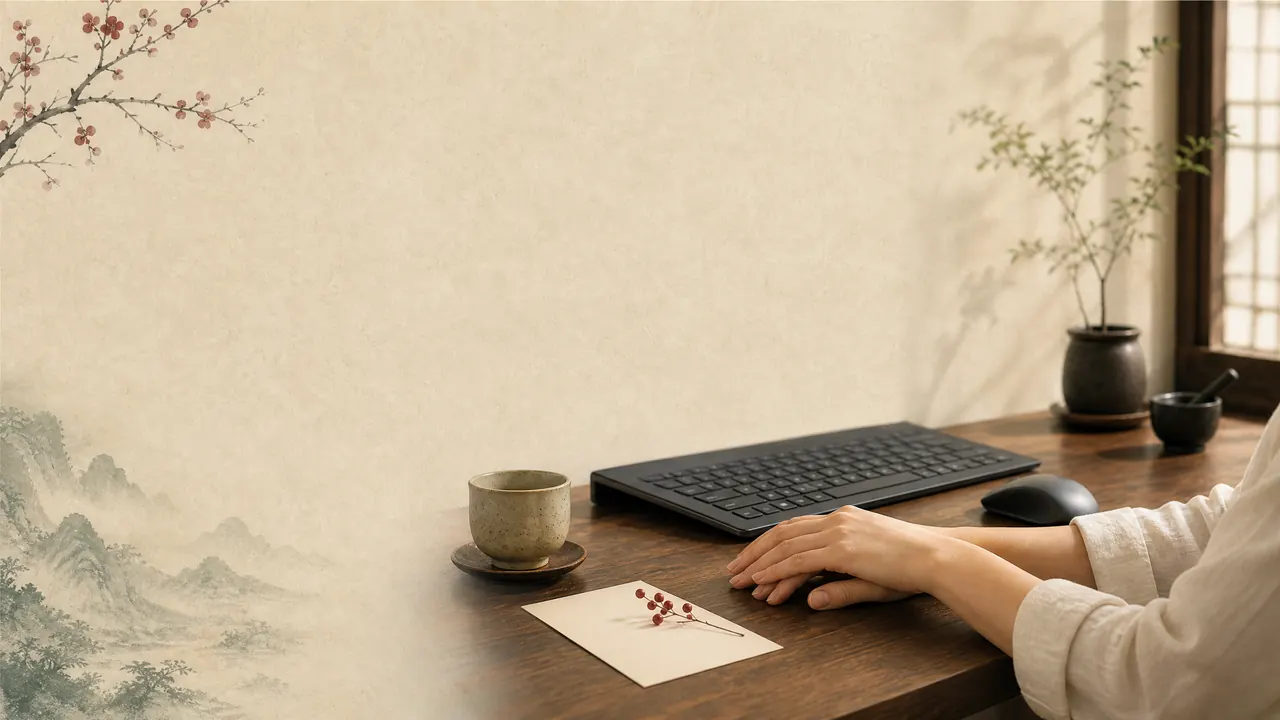
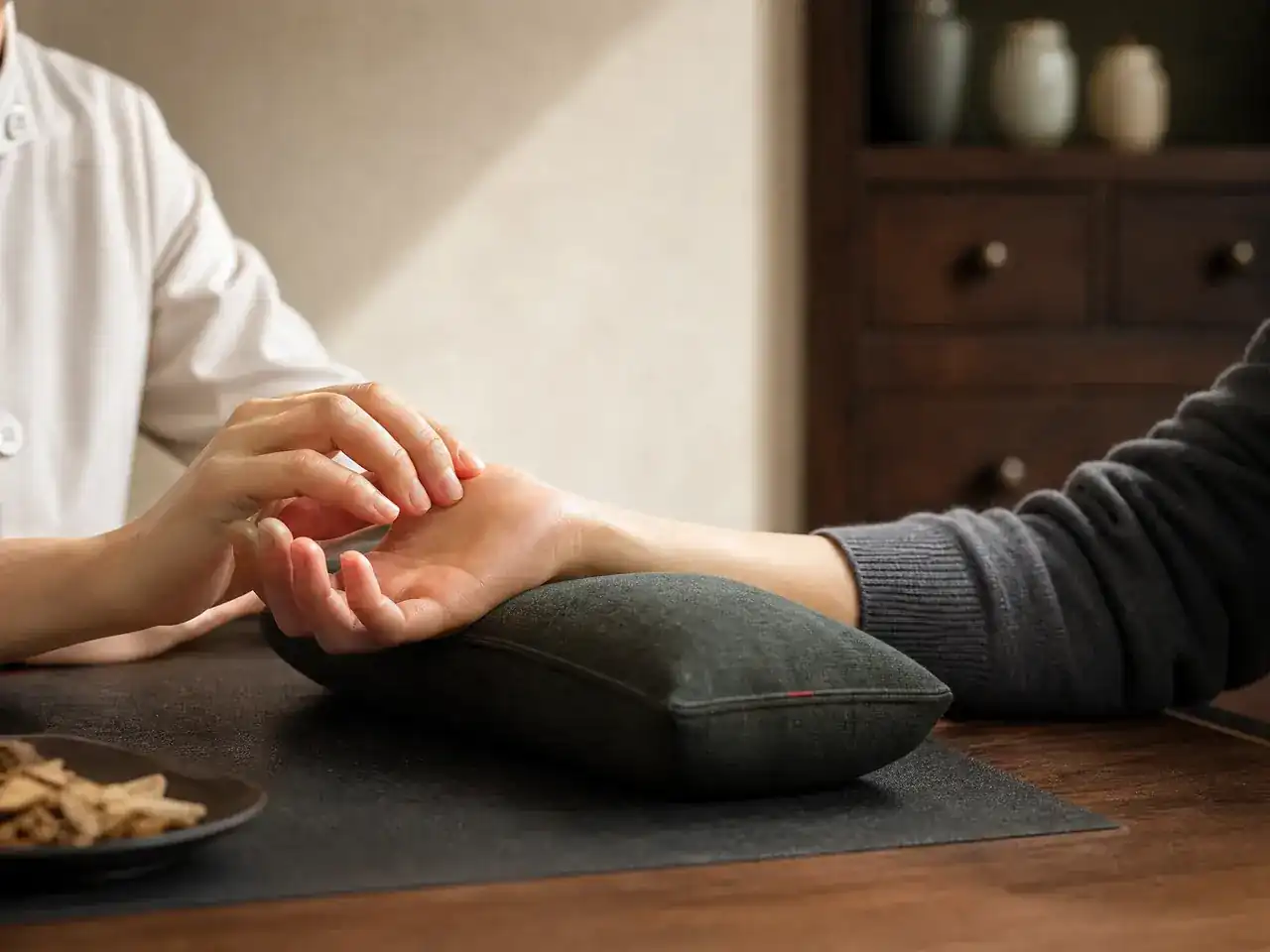
In modern office environments and digital work settings, extended use of keyboards, computer mice, trackpads, and frequent smartphone swiping have become absolute daily routines. When wrists remain in prolonged flexed, extended, sideways-deviated, or unsupported pressured positions for hours on end, the tendons, tendon sheaths, and peripheral nerves within the wrist joint experience continuous mechanical stress and friction. This repetitive strain and poor ergonomic positioning gradually accumulate, ultimately triggering micro-inflammation, soft tissue fatigue, and general discomfort in the upper extremities.
The anatomical architecture of the human wrist is remarkably intricate and delicate. Across the central wrist joint lies a narrow fibro-osseous passage known as the carpal tunnel, formed by the carpal bones and the transverse carpal ligament. The median nerve, alongside multiple flexor tendons, traverses this tightly confined space. When local tissues experience swelling, congestion, or fluid retention resulting from repetitive friction and mechanical overload, the internal pressure within the carpal tunnel rises significantly. This increased pressure directly compresses the median nerve, initiating classic clinical symptoms such as numbness, tingling, burning sensations, or localized muscular weakness in the fingers. Gaining a thorough understanding of this physiological and anatomical relationship between daily mechanical load and nerve compression enables individuals to interpret bodily signals with scientific clarity.
Beyond office-based computer typing, the modern ubiquitous reliance on mobile devices places continuous high-tension demands on the thumb and wrist complexes. When muscles and tendons are denied sufficient recovery windows and intermittent rest periods, the progression toward chronic repetitive strain injuries is substantially accelerated. Consequently, recognizing the potential occupational risks associated with typing, implementing proper ergonomic adjustments, and incorporating regular rest intervals throughout the workday are vital foundational practices for safeguarding long-term hand and wrist health.
| Condition Name | Primary Affected Area | Common Triggers | Typical Subjective Experience |
|---|---|---|---|
| Carpal Tunnel Syndrome | Median nerve area in wrist | Prolonged typing, wrist flexion | Thumb-to-ring finger numbness, night waking |
| De Quervain’s Tenosynovitis | Thumb-side wrist tendons | Repetitive gripping, thumb abduction, wringing | Sharp outer wrist pain, tenderness on pressure |
| Tendinopathy / Overuse | Wrist and forearm muscle groups | High-frequency tasks without breaks | Aching, local stiffness, mild soreness |
How do carpal tunnel syndrome and De Quervain’s tenosynovitis differ?
Among office workers, administrative professionals, and manual laborers alike, two of the most frequently discussed upper extremity musculoskeletal conditions are carpal tunnel syndrome and De Quervain’s tenosynovitis (frequently colloquially referred to as 'mama hand'). Differentiating between the underlying pathological mechanisms and clinical presentations of these two distinct entities is essential for proper initial triage and comprehension. For readers seeking deeper insights into related conditions, exploring professional resources regarding carpal tunnel offers valuable clinical context.
Carpal tunnel syndrome primarily arises when the median nerve becomes persistently compressed within the confined carpal tunnel space at the wrist. Its classic clinical presentation features numbness, tingling, paresthesia, or burning sensations radiating into the thumb, index, middle, and radial half of the ring finger. Many affected individuals report that these distressing numbness symptoms become particularly pronounced during nighttime sleep or upon waking in the early morning hours, frequently necessitating vigorous hand shaking to temporarily alleviate the discomfort. As the condition progressively advances, daily functional tasks requiring fine motor control, such as gripping objects, fastening buttons, or holding beverage containers, can become noticeably impaired.
Conversely, De Quervain’s tenosynovitis predominantly affects the extensor tendons and surrounding synovial sheaths located along the thumb side of the wrist. Individuals afflicted with this condition experience sharp localized pain, pulling sensations, or pronounced tenderness around the radial styloid process of the wrist when executing movements involving thumb abduction, forceful gripping, wrist rotation, or wringing towels. For individuals investigating comprehensive approaches including mama hand treatment, consulting qualified clinical specialists provides structured guidance. Because these two prevalent conditions involve distinct anatomical structures, inciting mechanisms, and symptomatic profiles, a comprehensive physical examination by qualified medical professionals is indispensable for achieving accurate clinical differentiation.
How to record symptoms before a clinical consultation?
When preparing to seek conventional medical diagnosis, physical therapy interventions, or traditional Chinese medicine (TCM) consultations, maintaining a meticulous, objective, and structured symptom log provides invaluable assistance to the clinical care team. Patients are strongly encouraged to establish a straightforward daily 'hand symptom log' in which they document the exact onset timing, recurrence frequency, and duration of physical discomfort, alongside specific activities—such as continuous typing for hours, lifting heavy objects, wringing laundry, or prolonged mobile device usage—that reliably provoke or exacerbate their symptoms. Recording these specific operational details helps practitioners objectively map the developmental trajectory and severity of the condition.
Furthermore, a comprehensive symptom log should document all self-care modalities previously attempted and their corresponding therapeutic efficacy. Have you experimented with localized warm or cold compresses, dedicated rest periods, ergonomic desk adjustments, wrist splints, or over-the-counter analgesics? Evaluating the effectiveness and patient response to these initial self-care steps yields highly relevant clinical data. Concurrently, compiling an exhaustive inventory of all current conventional medications, herbal remedies, dietary supplements, and vitamins ensures that you can provide complete transparency to healthcare providers during your consultation.
Clear, accurate, and transparent information exchange serves as the essential bedrock for safe clinical evaluation and the formulation of tailored management strategies. By organizing your symptoms into a structured format prior to the visit, you not only optimize valuable clinical consultation time but also empower the medical team to precisely identify your primary concerns, thereby designing a personalized care or integrative recovery plan that prioritizes both safety and therapeutic efficiency.
The complementary roles of conventional care and TCM in wrist pain management
When managing chronic wrist discomfort and hand numbness, many individuals in Hong Kong choose to integrate conventional medical care (such as orthopedics, neurology, and physical therapy) with traditional Chinese medicine approaches. According to authoritative guidelines published by the National Center for Complementary and Integrative Health (NCCIH), complementary health practices like acupuncture and herbal medicine are frequently explored for overall wellness and chronic pain management; however, they must never replace necessary conventional medical diagnoses. A definitive and clear biomedical diagnosis is vital to rule out severe nerve compression, cervical spine pathology, or underlying systemic medical conditions.
When patients elect to consult traditional Chinese medicine practitioners, absolute transparency is required: they must openly disclose all ongoing treatments, acupuncture sessions, herbal regimens, and prescription medications to all healthcare providers involved, encompassing western physicians, physical therapists, and TCM practitioners alike. This open, multidisciplinary cross-professional communication effectively prevents potential herb-drug interactions, avoids redundant therapeutic interventions, and prevents delays in necessary medical care, thereby ensuring that the entire healing journey remains safe, coordinated, and scientifically grounded.
While conventional medicine excels in employing diagnostic imaging, electrodiagnostic nerve conduction studies, and structural evaluations to pinpoint exact pathology, traditional Chinese medicine offers a distinct holistic perspective centered on overall functional recovery, meridian balance, and constitutional support. By harmoniously combining these approaches with patient safety set as the paramount guiding principle, individuals can achieve the most balanced and effective comprehensive management outcome.
Selecting appropriate professional support and daily prevention
When confronting upper extremity and wrist discomfort, individuals must strictly avoid relying on unverified folk remedies, aggressive or forceful unregistered manipulation, or excessive reliance on potent painkillers designed merely to mask underlying symptoms. Instead, focus should center on optimizing workstation ergonomics and daily environments: adjusting desk and chair heights, utilizing ergonomically contoured keyboard and mouse wrist rests, maintaining neutral wrist postures during typing tasks, and strictly adhering to the golden rule of taking regular, scheduled breaks and gentle stretches during prolonged typing sessions to prevent cumulative soft tissue fatigue.
Should symptoms persist unabated, recur frequently, or substantially interfere with daily occupational and personal activities, patients should promptly seek qualified healthcare professionals. For instance, individuals considering traditional Chinese medicine acupuncture or related herbal therapies should consult official regulatory registries such as the Chinese Medicine Regulatory Office of the Department of Health in Hong Kong to verify the legal credentials of practitioners. During the initial consultation, proactively inquire about the nature of the proposed treatment protocols, fee transparency, and realistic therapeutic expectations, while remaining vigilant against exaggerated claims or guarantees of miraculous cures.
Harmonia TCM reminds all readers that navigating any health concern must always be anchored in scientific evaluation and rigorous safety principles. Through consistent ergonomic optimization, prudent mechanical load management, and timely professional medical consultation, individuals can sustainably preserve the long-term health, dexterity, and vitality of their upper limb joints and neural pathways.
Continue reading
Explore the corresponding service or information page at your own pace.
Related articles
Frequently asked questions
Does finger numbness during typing always mean carpal tunnel syndrome?
Not necessarily. While finger numbness is classic for carpal tunnel syndrome, cervical nerve root compression, cubital tunnel syndrome, or local circulatory issues can also cause similar symptoms. Professional medical evaluation is required to confirm the exact cause.
What information should I prepare before a TCM consultation for wrist pain?
It is recommended to prepare a detailed symptom log (onset, frequency, triggers), medical history, a complete list of current medications and supplements, and a record of self-care methods tried.
Can splints or self-massage completely resolve wrist pain?
Splints and rest help reduce mechanical irritation, but if significant inflammation or nerve compression exists, home care alone is rarely curative. Persistent symptoms or weakness warrant professional diagnosis.
How can I verify a TCM practitioner's registration credentials in Hong Kong?
The public can check official practitioner registers and directories provided by the Chinese Medicine Regulatory Office of the Department of Health in Hong Kong to ensure safe practice.
Can “typing-related hand symptoms guide” be used as a personal diagnosis?
No. This article provides general information and preparation ideas only. Individual circumstances need appropriate assessment around history, tests, functional impact and safety.
What can I prepare before asking about “typing-related hand symptoms guide”?
You can note symptom timing, approaches already tried, current medicines, test information and your main questions. Seek appropriate conventional medical assessment first for severe or worsening signs.
Related topics
Sources
Want to understand the next step around your situation?
You are welcome to share your question, preferred time and existing information. We will explain the service scope and arrangements clearly.