Pain & Assessment
Sciatica
Sciatica is often accompanied by radiating leg pain and lower back pain, significantly impacting daily activities. Through detailed TCM assessments, Harmonia TCM seeks to understand your constitution and the root cause of your pain, providing appropriate TCM support to help soothe discomfort and restore balance to your life.
Quick answer: Sciatica refers to pain that travels along the path of the sciatic nerve, from the lower back through the hips and down the legs. In Traditional Chinese Medicine (TCM), this is often viewed as a disruption in the flow of Qi and blood within the meridians. Registered TCM practitioners at Harmonia TCM will assess your constitution through traditional diagnostic methods and may suggest approaches like acupuncture, Tui Na, or herbal medicine to help clear the meridians, harmonize Qi and blood, and thereby soothe radiating leg pain and lower back pain.
CLEAR PRICES
Interested in a treatment? You are always welcome to ask.
We clearly list our current single, trial and package prices so you can explore at your own pace. You are always welcome to message us on WhatsApp about any service, timing or arrangement.
| Category and service | Content / terms | Public price (HK$) | Booking note | Enquire |
|---|---|---|---|---|
| Hair & scalp | Scalp health and hair-loss support | AI scalp analysis, deep follicle cleansing and oil-control support | Trial offerPackageTrial 380; 6 sessions 3,480; 12 sessions 5,760; 20 sessions 8,600; 30 sessions 11,400 | Average per session for 6/12/20/30: 580/480/430/380 | Ask on WhatsApp |
| Hair & scalp | Hair acupuncture with herbal medicine | Scalp acupuncture with 3 days of decoction-free herbal medicine | Single visitPackageSingle 580; 6 sessions 3,180; 12 sessions 5,760; 20 sessions 8,600; 30 sessions 11,400 | Average per session for 6/12/20/30: 530/480/430/380 | Ask on WhatsApp |
| Hair & scalp | Integrated hair support programme | Acupuncture, herbal medicine and follicle activation; packages include shampoo and serum | Single visitPackageSingle 1,260; 8 sessions 8,640; 16 sessions 15,680; 20 sessions 18,600; 30 sessions 26,400 | Average per session for 8/16/20/30: 1,080/980/930/880 | Ask on WhatsApp |
| Weight management | Full-body acupoint embedding | Full-body acupoint embedding; packages include proportionate days of herbal support | Single visitPackageSingle 980; 10 sessions 7,800; 20 sessions 14,600; 30 sessions 20,400 | Average per session for 10/20/30: 780/730/680 | Ask on WhatsApp |
| Facial acupuncture | Brightening V-face (Essential) | Facial acupuncture, meridian support and swelling management | Trial offerPackageTrial 480; 10 sessions 5,200; 20 sessions 9,600; 30 sessions 13,500 | Average per session for 10/20/30: 520/480/450 | Ask on WhatsApp |
| Facial acupuncture | Firming and refining (Advanced) | Enhanced facial acupuncture for firmness and fine-line concerns with a moisturising mask serum | Trial offerPackageTrial 780; 10 sessions 9,000; 20 sessions 16,600; 30 sessions 23,400 | Average per session for 10/20/30: 900/830/780 | Ask on WhatsApp |
| Pain care | Extracorporeal shockwave therapy | Deep inflammation support and fascial relaxation | Prince Edward: 250 per area; Kwun Tong: 250 for 1 area, 450 for 2, 600 for 3 | Clinic-specific pricing; confirm location before booking | Ask on WhatsApp |
| Pain care | Manual therapy | TCM bone-injury assessment, manual alignment and tui na techniques | Single visitSingle 580 | Suitability is confirmed after assessment | Ask on WhatsApp |
| Pain care | Acupuncture with manual therapy | Acupuncture with manual structural support | Single visitSingle 680 | Suitability is confirmed after assessment | Ask on WhatsApp |
| TCM regulation | Acupuncture with herbal medicine | TCM consultation, whole-body acupuncture and 3 days of decoction-free herbal medicine granules | Single visitSingle 580 | Confirm clinician availability and service arrangement when booking | Ask on WhatsApp |
Understanding Sciatica and the TCM Perspective
Sciatica is not a standalone disease but rather a collection of symptoms. It typically arises when the sciatic nerve is compressed or irritated, causing pain that radiates from the lower back, through the buttocks, and down the back of the thigh to the calf or even the foot. The intensity of this radiating leg pain varies from person to person; it may present as a dull ache, a sharp, burning sensation, or even a severe, electric shock-like pain. Alongside the pain, individuals may experience numbness, tingling, or muscle weakness in the affected leg, which can severely impact mobility and daily life.
In the realm of Traditional Chinese Medicine, sciatica is often categorized under "Bi syndrome" (painful obstruction syndrome) or simply "lower back and leg pain." TCM theory posits that the human body relies on the smooth flow of Qi (vital energy) and blood through the meridians. When the body is invaded by external pathogenic factors (such as wind, cold, or dampness), or when there is Qi stagnation and blood stasis due to trauma, or a deficiency in the Liver and Kidneys leading to undernourishment of the tendons and bones, the meridians can become blocked. As the TCM saying goes, "Where there is no free flow, there is pain," leading to lower back pain and radiating leg pain. Therefore, TCM assessment focuses on identifying the root cause of this blockage and tailoring a support plan based on the individual's unique constitution.
Common Causes and Triggering Factors of Sciatica
The causes of sciatica are diverse, with a herniated lumbar disc being the most common. When the inner core of a spinal disc protrudes and compresses the adjacent sciatic nerve root, it can trigger intense pain. Other common causes include bone spurs (osteophytes), lumbar spinal stenosis (narrowing of the spinal canal), and piriformis syndrome (where the piriformis muscle spasms and compresses the sciatic nerve). As we age, degenerative changes in the spine naturally increase the risk of developing sciatica.
Beyond structural issues, poor lifestyle habits and posture are significant triggering factors for sciatica. Maintaining the same posture for prolonged periods (such as sitting at a desk), frequently bending to lift heavy objects, lacking exercise which leads to weak core muscles, or even wearing inappropriate footwear can increase the burden on the lumbar spine, thereby triggering or exacerbating lower back pain and radiating leg pain. TCM believes that chronic overexertion depletes Qi and blood, making the meridians more susceptible to external pathogenic factors and creating a vicious cycle of pain.
TCM Assessment Methods at Harmonia TCM
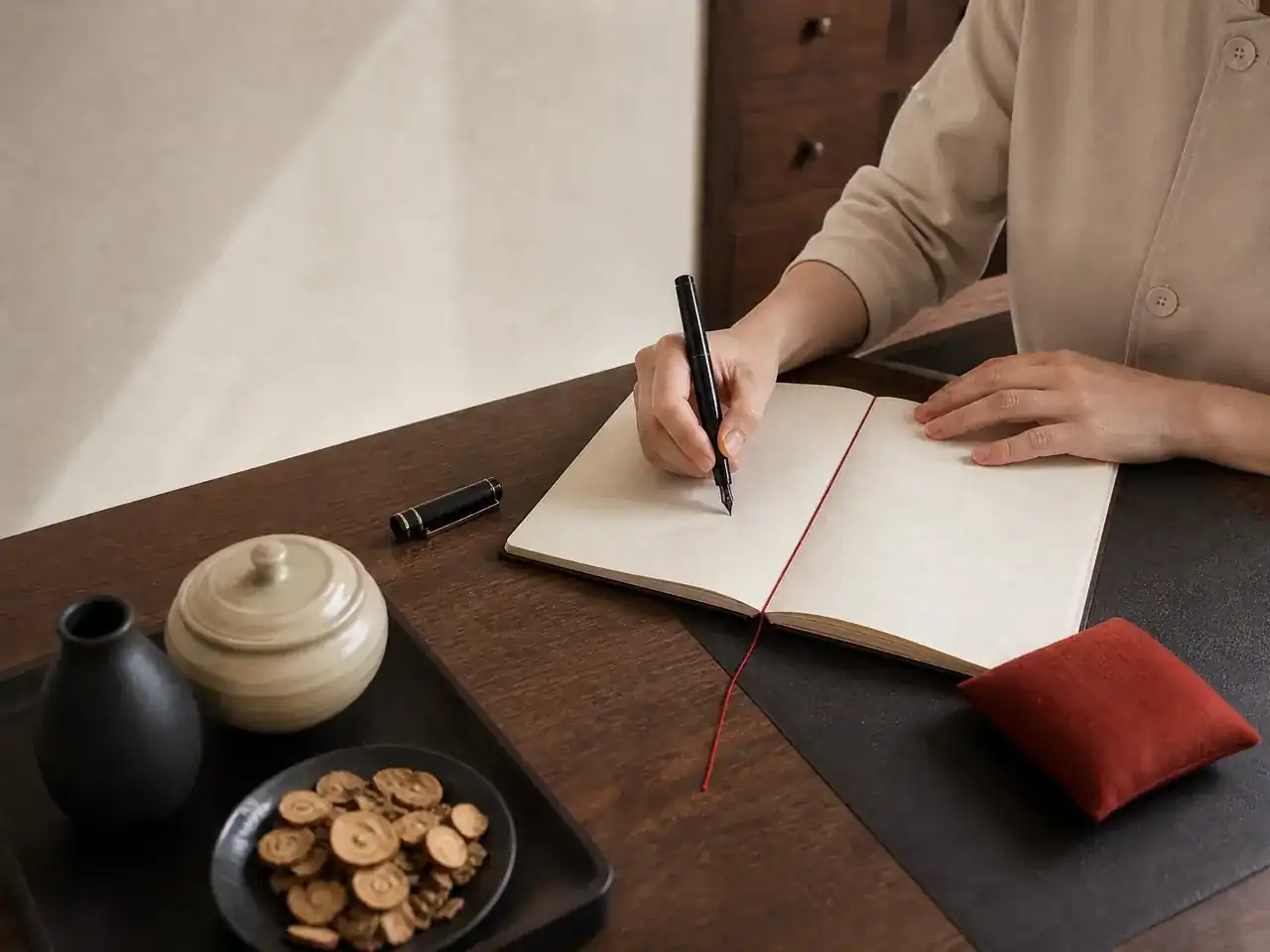
At Harmonia TCM, we understand that every individual experiencing sciatica has a unique condition. Therefore, our registered TCM practitioners conduct a comprehensive and meticulous assessment. Initially, the practitioner will use "Inquiry" to gather detailed information about your medical history, the nature of your pain (e.g., sharp, aching, cold), the frequency of flare-ups, factors that aggravate or relieve the pain, as well as your lifestyle and work environment. This helps in forming an initial understanding of the pain's origin and characteristics.
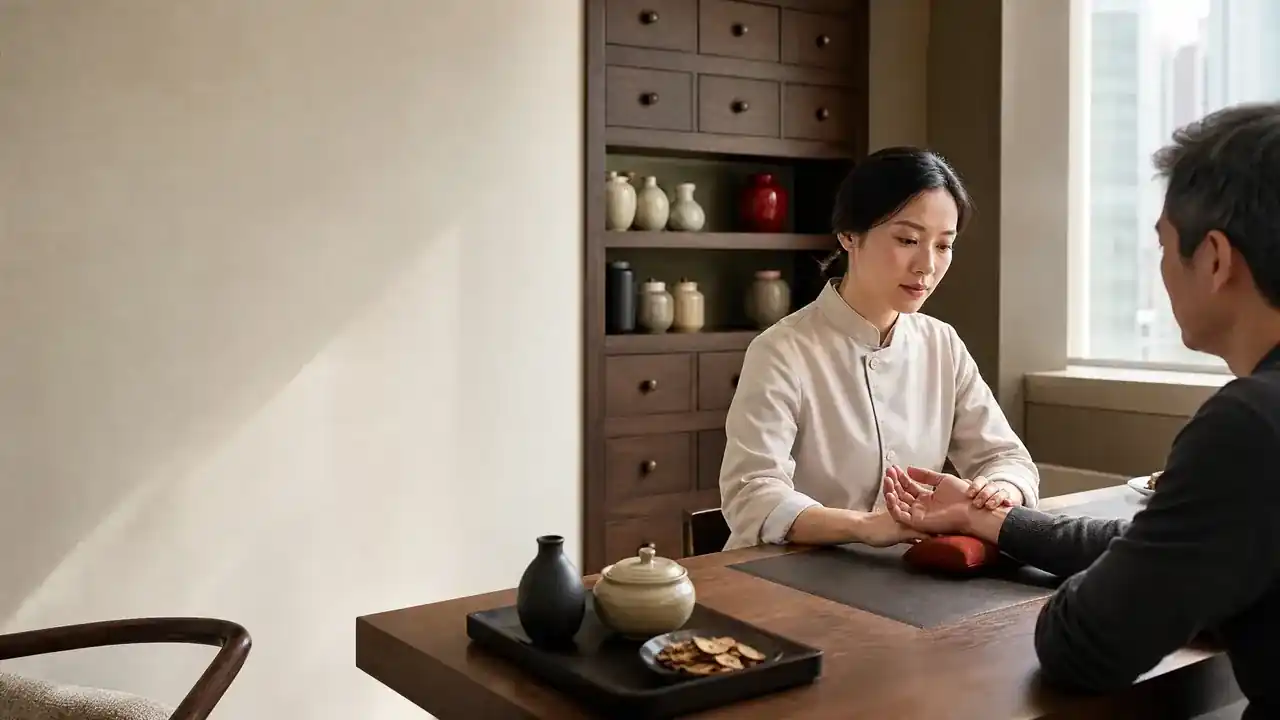
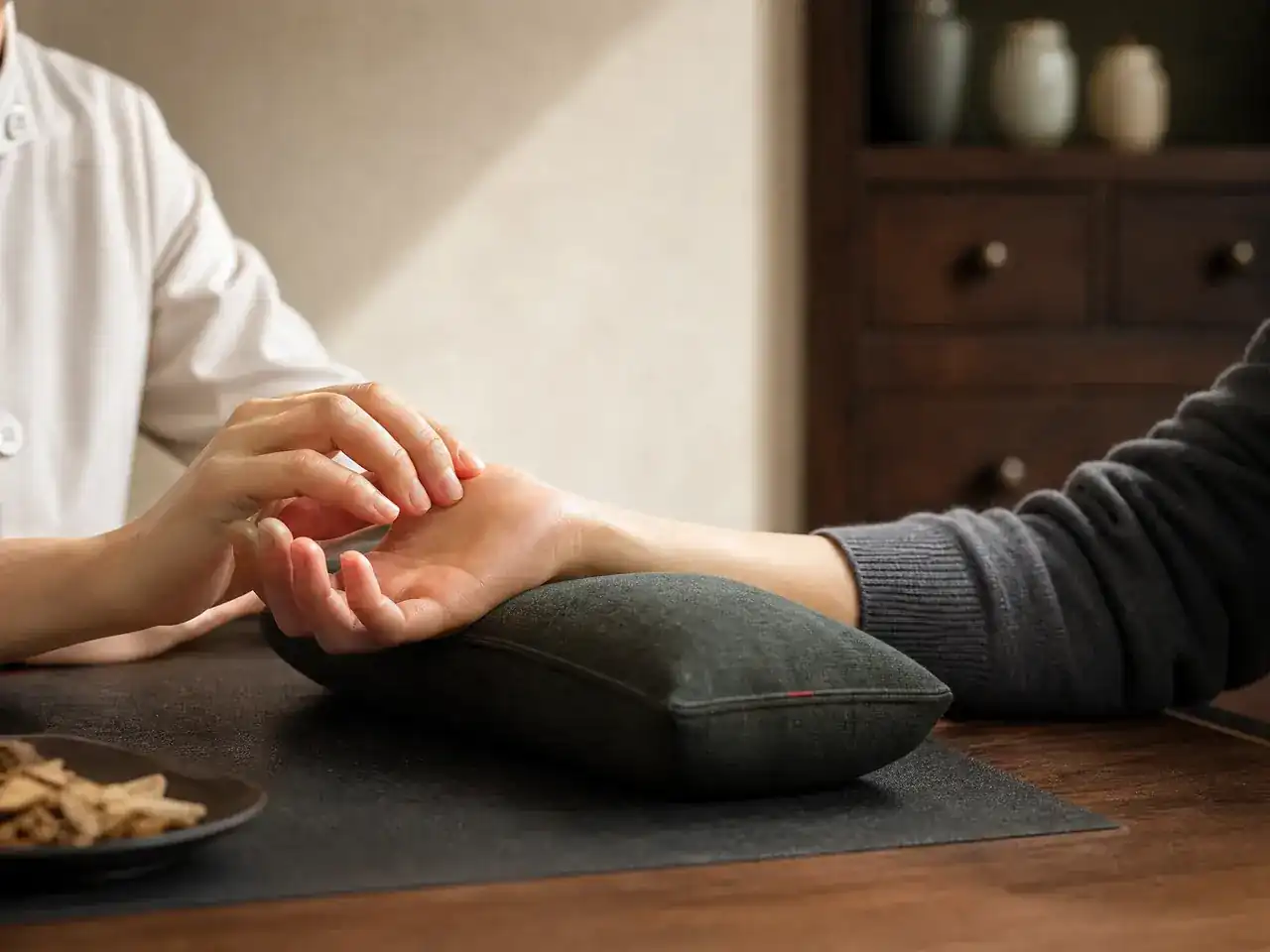
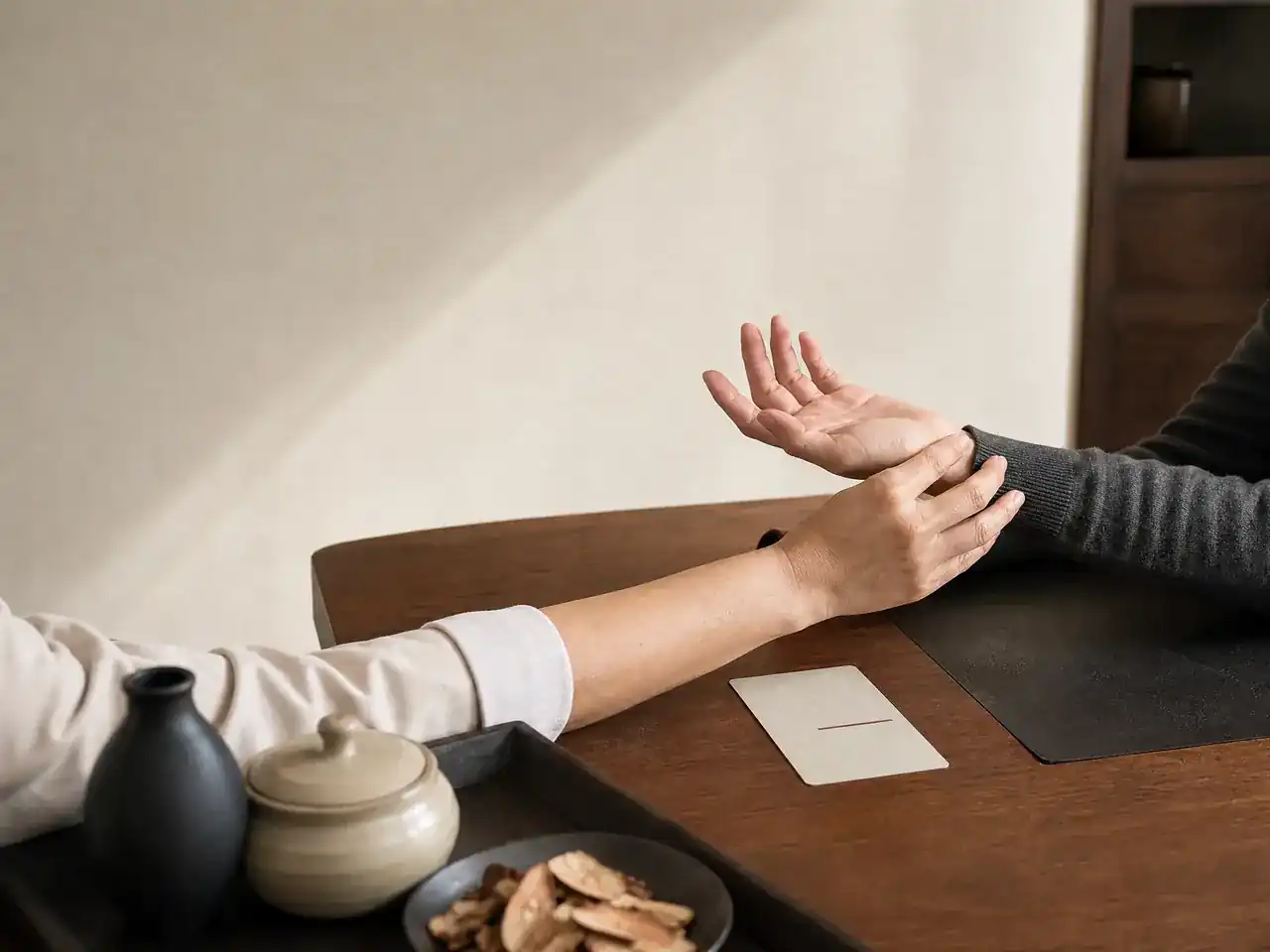
Following this, the practitioner will employ traditional TCM diagnostic methods such as "Observation, Olfaction/Auscultation, and Palpation." They will observe your complexion and tongue (both the body and the coating), listen to your voice and breathing, and feel your pulse to comprehensively evaluate your organ function and the state of your Qi and blood. Additionally, the practitioner will perform local palpation and functional movement checks, observing the range of motion in your lower back and legs, and identifying any tender points. By synthesizing this information, the practitioner can accurately identify your constitution (e.g., cold-dampness obstructing the meridians, Qi stagnation and blood stasis, or Liver and Kidney deficiency) and formulate a personalized TCM support plan.
TCM Support Approaches for Sciatica
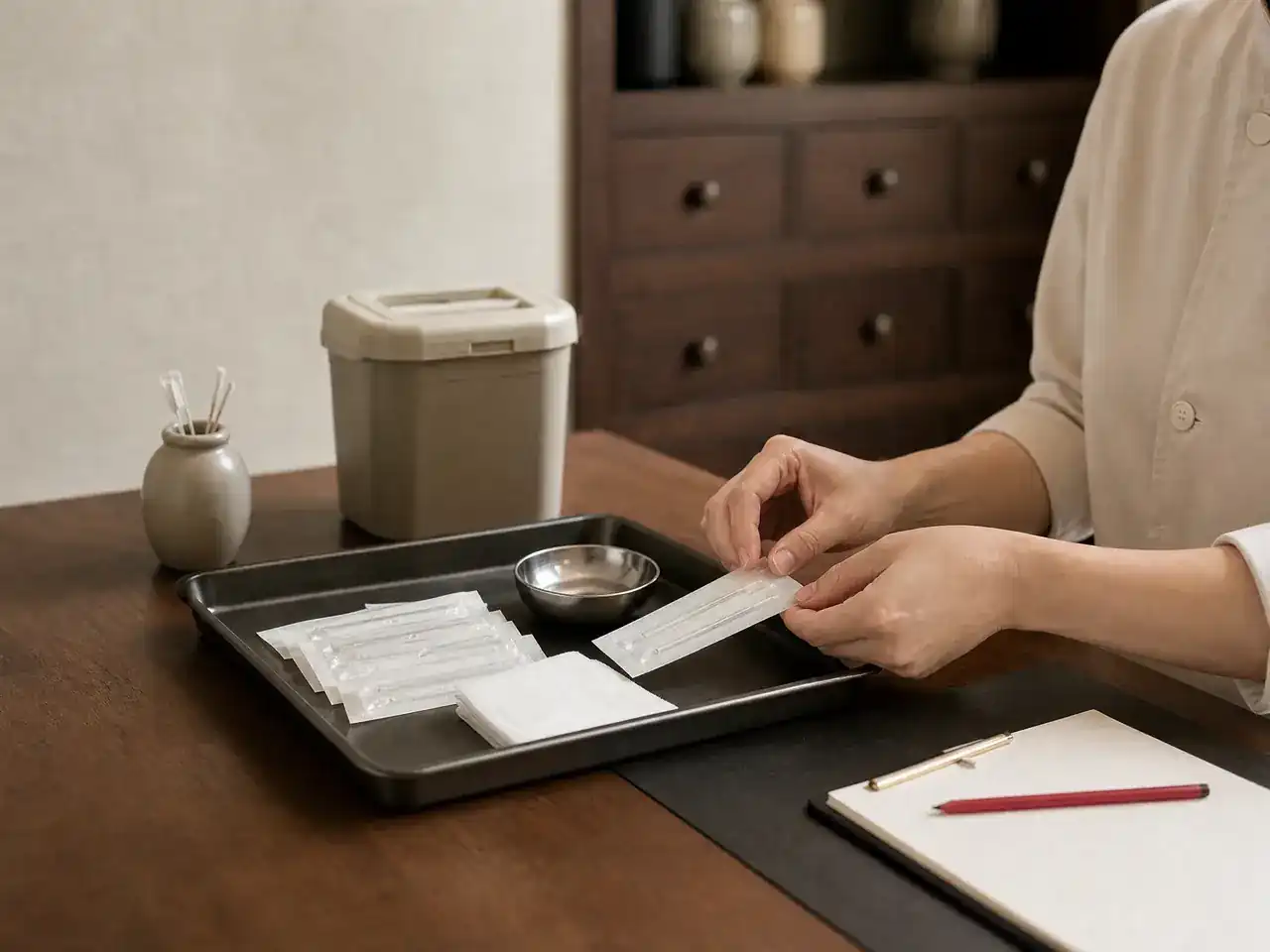
Based on the detailed assessment, the registered TCM practitioners at Harmonia TCM will recommend an appropriate TCM support plan for you. Acupuncture is one of the commonly used methods. By inserting fine needles into specific acupoints (such as Huantiao, Weizhong, and Yanglingquan), it aims to clear the meridians and harmonize Qi and blood, which can help soothe local muscle tension and pain. For patients with a predominance of cold and dampness, the practitioner might incorporate moxibustion, utilizing the warming stimulation of burning mugwort to warm the meridians, dispel cold, and promote blood circulation.
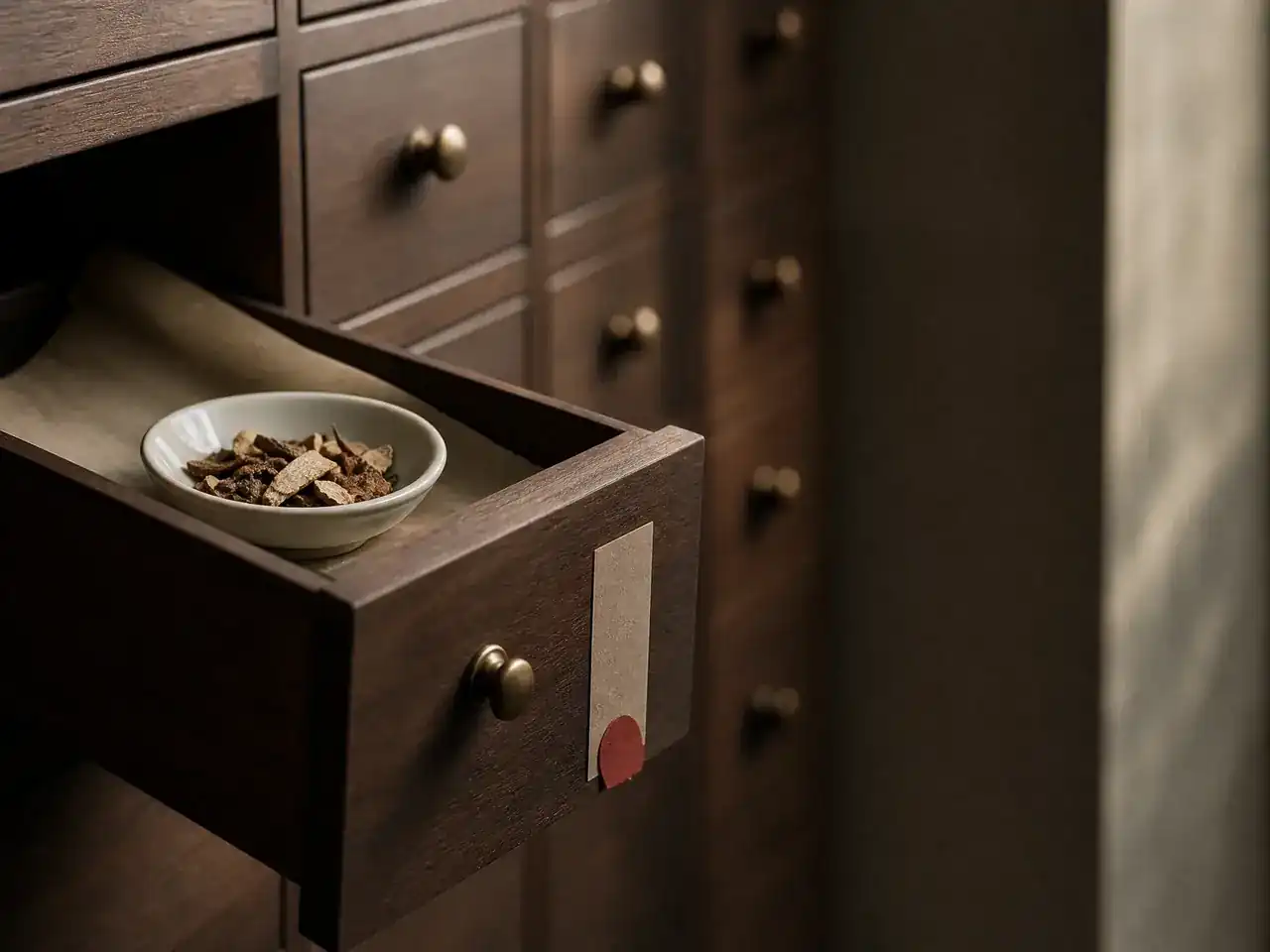
In addition to acupuncture, herbal medicine is a crucial support tool. The practitioner will prescribe Chinese herbal formulas tailored to your constitution, aiming to dispel wind and dampness, invigorate blood and resolve stasis, or tonify the Liver and Kidneys. Tui Na massage can also be employed to help relax tight muscles and improve local blood circulation. It is important to emphasize that TCM support plans are designed to balance the constitution and improve symptoms, rather than guaranteeing a cure. The actual plan and its effectiveness will vary depending on individual constitution and condition, and suitability must be confirmed by a registered TCM practitioner.
Comparing TCM and Western Medicine Perspectives on Sciatica
TCM and Western medicine have different focal points when assessing and managing sciatica. Western medicine typically focuses on identifying structural pathologies, such as using X-rays or MRI scans to detect abnormalities in the discs or bones, and may recommend medications, physical therapy, or surgery. TCM, on the other hand, emphasizes overall balance, focusing on the smooth flow of Qi and blood through the meridians and the harmonious function of the internal organs. Understanding these differences can help patients make more informed health choices.
The following table briefly compares the different perspectives of TCM and Western medicine regarding sciatica:
| Aspect of Comparison | TCM Perspective | Western Medicine Perspective |
|---|---|---|
| Core Philosophy | Holistic view, emphasizing the flow of Qi/blood and organ balance | Local pathology, emphasizing nerve compression or structural damage |
| Common Causes | External pathogens (wind, cold, dampness), Qi/blood stasis, Liver/Kidney deficiency | Herniated discs, bone spurs, spinal stenosis, piriformis syndrome |
| Assessment Methods | Observation, inquiry, pulse taking, meridian palpation, constitution analysis | Clinical neurological exams, imaging studies (X-rays, MRI) |
| Support Direction | Clearing meridians, harmonizing Qi/blood, supporting vital energy (e.g., acupuncture, herbs) | Anti-inflammatory pain relief, reducing nerve compression, physical therapy, surgery |
Daily Care and Preventing Recurrence
In addition to receiving professional TCM support, daily care and maintenance are equally important for soothing sciatica and preventing its recurrence. Maintaining good posture is key. Whether sitting, standing, or walking, you should try to maintain the natural physiological curve of your spine and avoid staying in the same posture for long periods. When lifting heavy objects, bend your knees and squat, using the strength of your legs rather than your lower back to minimize the strain on your lumbar spine.
Moderate exercise is also beneficial for strengthening the core muscles and improving spinal stability. It is recommended to choose low-impact exercises that are gentle on the joints, such as swimming, walking, or practicing Tai Chi. Furthermore, keeping warm and protecting your lower back and legs from cold and damp environments can help prevent external pathogenic factors from invading the meridians. The practitioners at Harmonia TCM will provide personalized daily care advice based on your specific situation to help you better manage your health.
Service Arrangements and Important Notices at Harmonia TCM
Harmonia TCM is dedicated to providing you with professional and attentive TCM services. We understand that sciatica can cause significant mobility challenges. This information outlines common considerations and assessment directions. If you would like to discuss what may suit you or how an appointment can be arranged, please contact us. Please note that Harmonia TCM's only physical clinic is located in Kwun Tong; the information provided here is intended as general guidance and does not imply that we have branches in other locations.
If you have any questions about our services or wish to learn more about TCM assessment for sciatica, please feel free to contact us. We are committed to answering your inquiries and assisting you in scheduling a suitable consultation time. While seeking TCM support, if your symptoms persistently worsen or if you experience any red flag symptoms, please ensure you seek conventional medical assessment promptly.
Frequently asked questions
Can TCM completely cure sciatica?
The goal of TCM is to soothe symptoms and improve quality of life by balancing the constitution and clearing the meridians, rather than guaranteeing a "cure." The causes of sciatica are complex, and some structural issues (like severe herniated discs) may require Western medical intervention. TCM support can effectively help many patients reduce pain, but actual results vary from person to person.
Is acupuncture effective for soothing radiating leg pain?
Acupuncture is a common TCM method for managing radiating leg pain. By stimulating specific acupoints, acupuncture helps promote local blood circulation, relax muscles, and may stimulate the body to release natural pain-relieving substances. Many patients experience pain relief after acupuncture, but the specific effectiveness must be confirmed by a registered TCM practitioner after assessment.
Should I use a hot or cold compress for my lower back pain?
This depends on the nature and stage of the pain. Generally, during an acute flare-up (such as right after an injury or when pain suddenly worsens), a cold compress helps reduce inflammation and swelling. In the chronic phase or when muscles are tight, a hot compress helps promote blood circulation and relax muscles. A TCM practitioner will provide specific advice based on your constitution (e.g., whether you lean towards cold or heat).
Can patients with sciatica exercise?
Moderate exercise is beneficial for patients with sciatica, as it can strengthen core muscles and provide better support for the spine. However, you should rest more during acute pain phases. Once the pain has eased, low-impact exercises like swimming or walking are recommended. Please avoid strenuous activities that increase the burden on your lower back, and consult a practitioner before starting any exercise program.
How will the practitioners at Harmonia TCM assess my sciatica?
Registered TCM practitioners at Harmonia TCM will conduct a comprehensive assessment, including a detailed inquiry into your medical history and pain characteristics, and utilize traditional diagnostic methods like observation and pulse taking. Additionally, they will check the range of motion in your lower back and legs and look for tender points to accurately identify your constitution and the root cause of the pain.
What should I do if my symptoms suddenly worsen?
If your sciatica suddenly intensifies, or if you develop "red flag symptoms" such as weakness in both legs or loss of bowel/bladder control, this could indicate severe nerve compression. In such cases, please go to an emergency department or seek conventional medical assessment from a specialist immediately; do not delay.
Related topics
Sources
Seek Professional TCM Assessment
Sciatica shouldn't be a stumbling block in your life. The team of registered TCM practitioners at Harmonia TCM is ready to provide you with a detailed assessment and a personalized support plan. Please note that service availability, suitability and arrangements require individual confirmation. If you are considering care, we can first discuss what may suit you and how an appointment can be arranged.