Treatments | TCM-informed bodywork support
Sports Massage
Sports massage is a hands-on approach often considered by active people who feel muscle tightness, movement restriction or training-related discomfort. At Harmonia TCM, any discussion of sports massage would be guided by a registered Chinese medicine practitioner, with attention to your constitution, activity pattern, pain presentation and recovery needs. This topic page is for general information only: If you are considering care, we can first discuss what may suit you and how an appointment can be arranged.
Quick answer: Sports massage may help active people explore muscle relaxation, mobility support and sports recovery as part of a broader care plan. In a TCM setting, assessment may also consider qi and blood circulation, body constitution and training habits. At Harmonia TCM, If you are considering care, we can first discuss what may suit you and how an appointment can be arranged.
View pricesEnquire about availability
CLEAR PRICES
Interested in a treatment? You are always welcome to ask.
We clearly list our current single, trial and package prices so you can explore at your own pace. You are always welcome to message us on WhatsApp about any service, timing or arrangement.
| Category and service | Content / terms | Public price (HK$) | Booking note | Enquire |
|---|---|---|---|---|
| Hair & scalp | Scalp health and hair-loss support | AI scalp analysis, deep follicle cleansing and oil-control support | Trial offerPackageTrial 380; 6 sessions 3,480; 12 sessions 5,760; 20 sessions 8,600; 30 sessions 11,400 | Average per session for 6/12/20/30: 580/480/430/380 | Ask on WhatsApp |
| Hair & scalp | Hair acupuncture with herbal medicine | Scalp acupuncture with 3 days of decoction-free herbal medicine | Single visitPackageSingle 580; 6 sessions 3,180; 12 sessions 5,760; 20 sessions 8,600; 30 sessions 11,400 | Average per session for 6/12/20/30: 530/480/430/380 | Ask on WhatsApp |
| Hair & scalp | Integrated hair support programme | Acupuncture, herbal medicine and follicle activation; packages include shampoo and serum | Single visitPackageSingle 1,260; 8 sessions 8,640; 16 sessions 15,680; 20 sessions 18,600; 30 sessions 26,400 | Average per session for 8/16/20/30: 1,080/980/930/880 | Ask on WhatsApp |
| Weight management | Full-body acupoint embedding | Full-body acupoint embedding; packages include proportionate days of herbal support | Single visitPackageSingle 980; 10 sessions 7,800; 20 sessions 14,600; 30 sessions 20,400 | Average per session for 10/20/30: 780/730/680 | Ask on WhatsApp |
| Facial acupuncture | Brightening V-face (Essential) | Facial acupuncture, meridian support and swelling management | Trial offerPackageTrial 480; 10 sessions 5,200; 20 sessions 9,600; 30 sessions 13,500 | Average per session for 10/20/30: 520/480/450 | Ask on WhatsApp |
| Facial acupuncture | Firming and refining (Advanced) | Enhanced facial acupuncture for firmness and fine-line concerns with a moisturising mask serum | Trial offerPackageTrial 780; 10 sessions 9,000; 20 sessions 16,600; 30 sessions 23,400 | Average per session for 10/20/30: 900/830/780 | Ask on WhatsApp |
| Pain care | Extracorporeal shockwave therapy | Deep inflammation support and fascial relaxation | Prince Edward: 250 per area; Kwun Tong: 250 for 1 area, 450 for 2, 600 for 3 | Clinic-specific pricing; confirm location before booking | Ask on WhatsApp |
| Pain care | Manual therapy | TCM bone-injury assessment, manual alignment and tui na techniques | Single visitSingle 580 | Suitability is confirmed after assessment | Ask on WhatsApp |
| Pain care | Acupuncture with manual therapy | Acupuncture with manual structural support | Single visitSingle 680 | Suitability is confirmed after assessment | Ask on WhatsApp |
| TCM regulation | Acupuncture with herbal medicine | TCM consultation, whole-body acupuncture and 3 days of decoction-free herbal medicine granules | Single visitSingle 580 | Confirm clinician availability and service arrangement when booking | Ask on WhatsApp |
What sports massage means in a TCM-informed setting
Sports massage is commonly understood as focused manual work for muscles and soft tissues, often used by people who train, compete, exercise regularly or return to activity after a period of reduced movement. It may involve techniques intended to reduce perceived tightness, support range of motion and help a person better understand areas of overload. The approach should not be seen as a guaranteed solution for pain or performance, and it should be considered only after an appropriate assessment.
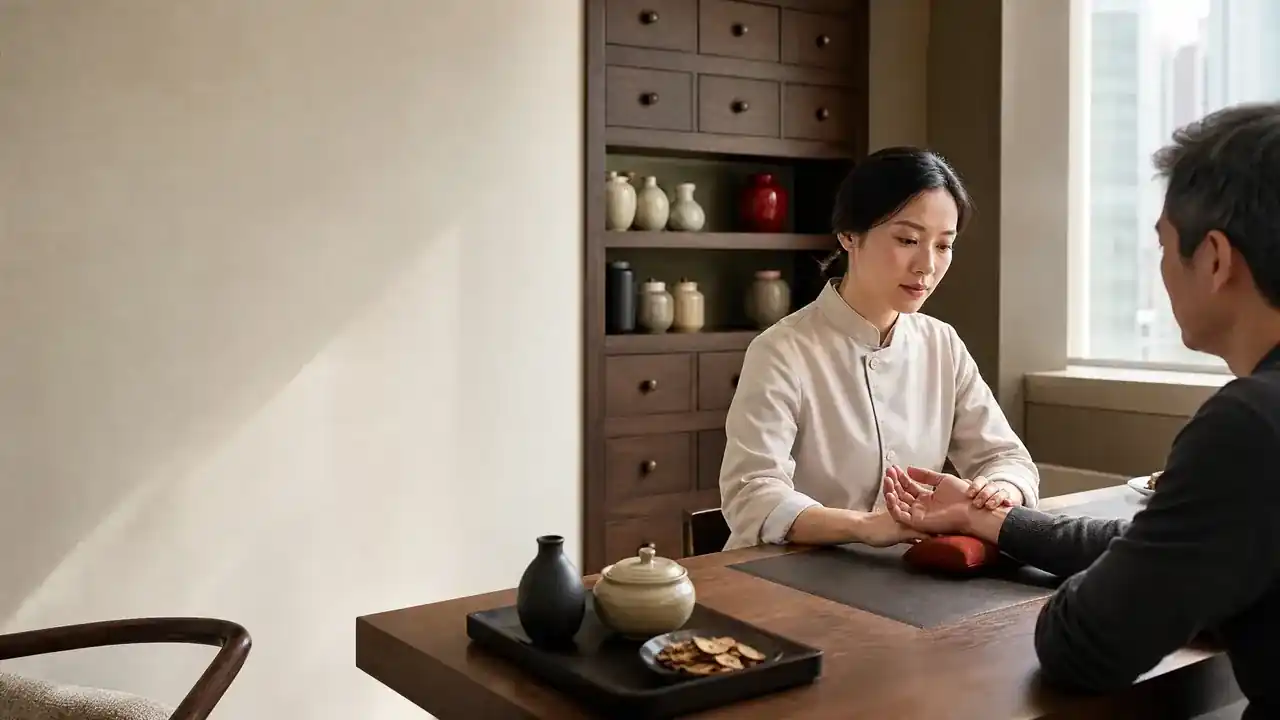
Within a Chinese medicine environment, the conversation may be broader than the local muscle group. A registered Chinese medicine practitioner may ask about the location and nature of discomfort, whether symptoms feel better with warmth or rest, sleep quality, digestion, stress, menstrual history where relevant, and the timing of training or competition. These details may help the practitioner consider patterns such as qi and blood circulation, cold or heat presentations, dampness tendencies, or constitutional weakness, while still respecting the need for conventional medical assessment when indicated.
At Harmonia TCM, this page follows the approved website plan, but it does not confirm that sports massage is available on any particular date or suitable for every person.If you are considering care, we can first discuss what may suit you and how an appointment can be arranged. If symptoms are severe, unusual or worsening, it may be more appropriate to seek medical assessment before considering manual therapy.
Who may ask about sports massage and what goals are realistic
People who enquire about sports massage are not only competitive athletes. They may include runners, gym users, hikers, dancers, office workers who train after long sitting hours, or people returning to exercise after a busy period. Common reasons for enquiry include muscle tightness after training, recurrent stiffness, a feeling of heaviness in the legs, reduced ease of movement, or a wish to review recovery habits more systematically.
Realistic goals are important. Sports massage may be discussed as one possible supportive measure for comfort, muscle relaxation and body awareness, but it should not be described as a cure for injury or a replacement for diagnosis. If there is swelling, instability, sharp pain, nerve symptoms or a suspected fracture, ligament tear or serious medical condition, the priority is appropriate medical evaluation. Manual techniques may need to be modified, delayed or avoided depending on the assessment.
In a TCM-informed consultation, the practitioner may also look for patterns related to training load and recovery. For example, someone who repeatedly trains without adequate rest may present differently from someone whose symptoms worsen in cold weather or after prolonged sitting. This does not mean TCM assessment proves a single cause; rather, it provides a structured way to understand the person as a whole and to decide whether athletic massage, acupuncture, exercise advice or other appropriate care options should be discussed.
Assessment areas before considering manual therapy
Before any hands-on care is considered, an assessment helps decide whether sports massage is appropriate and how cautious the approach should be. This may include your current symptoms, training schedule, previous injuries, medications, skin condition, bruising tendency, medical diagnoses and whether you are receiving physiotherapy, orthopaedic care or other treatment. Clear communication is especially important if you are preparing for a race or competition, because timing and intensity may affect how your body feels afterwards.
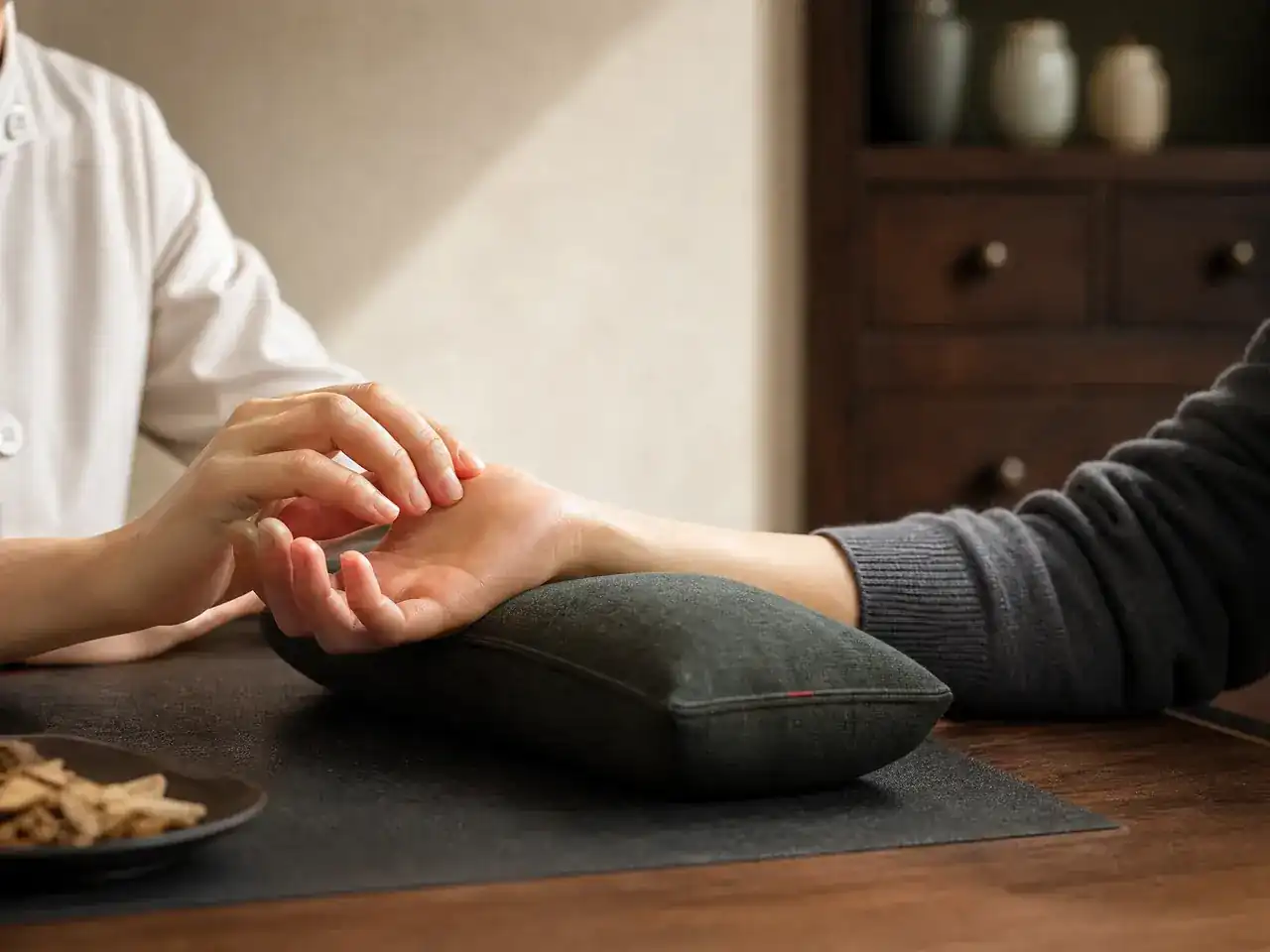
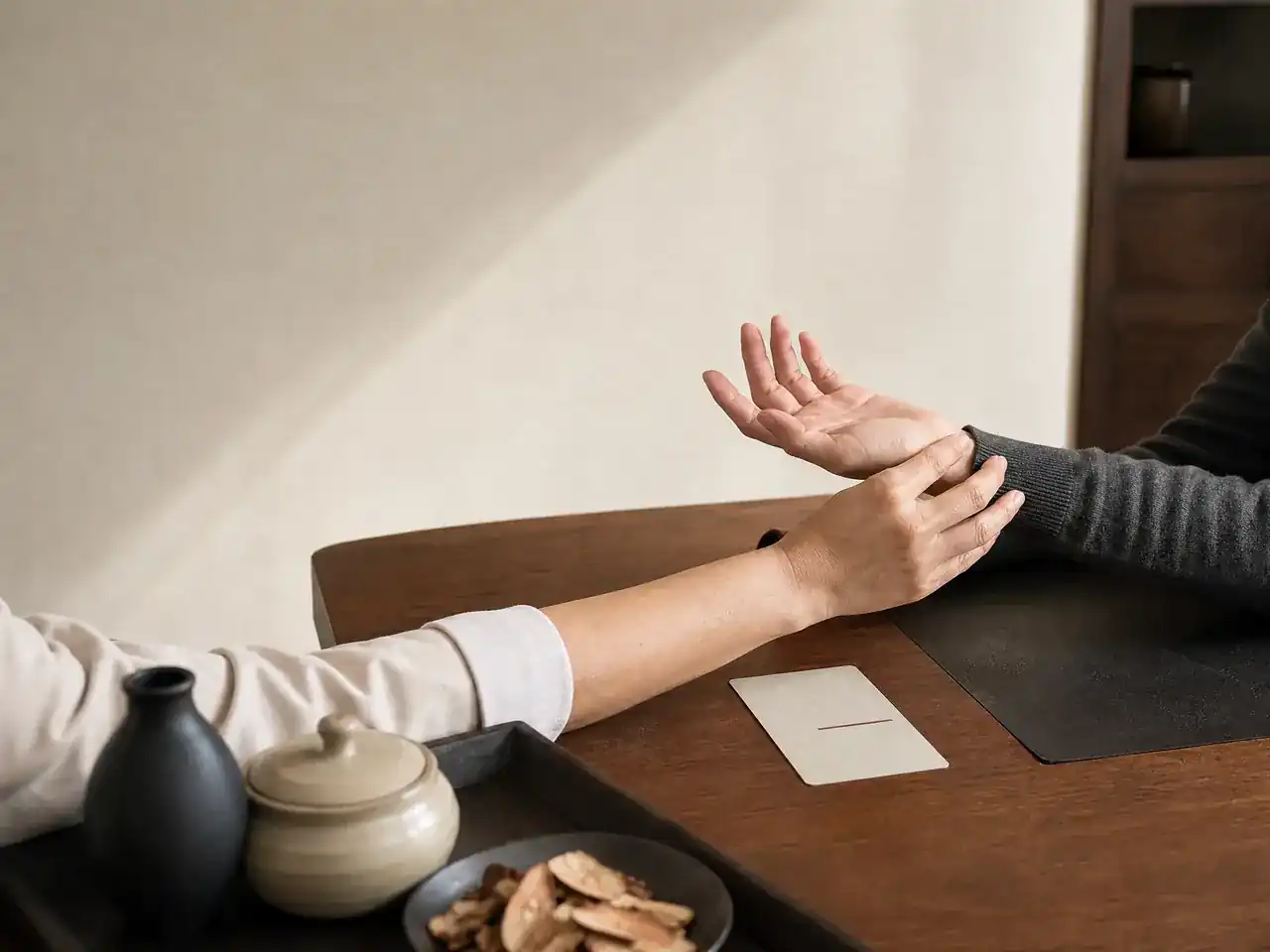
A practitioner may observe posture, basic movement, tenderness, local temperature, swelling, range of motion and how symptoms respond to gentle testing. In Chinese medicine, additional observation and questioning may be used to understand constitution and pattern presentation. The purpose is not to force a standard technique, but to choose a level of care that is proportionate to the person’s condition and to recognise when referral or medical assessment is more appropriate.
The table below outlines common assessment considerations. It is not a diagnostic checklist and should not replace professional advice. It simply shows the kind of structured thinking that may be used before deciding whether sports massage or another option is suitable.
Because this is an unconfirmed service page, the details below describe possible considerations only. Harmonia TCM and the registered Chinese medicine practitioner must confirm the actual availability, suitability, risks and arrangements for each individual.
| Assessment area | What may be discussed | Why it matters |
|---|---|---|
| Training and activity load | Recent exercise volume, competition plans, rest days and changes in intensity | Helps identify whether symptoms may be related to overload, insufficient recovery or sudden changes in routine |
| Pain and symptom pattern | Location, duration, severity, triggers, relieving factors, swelling, numbness or weakness | Supports decisions on whether manual therapy is reasonable or whether medical assessment should come first |
| TCM constitution and pattern | Cold or heat tendency, fatigue, sleep, digestion, stress, menstrual factors where relevant and general resilience | May guide the overall care discussion and whether warming, relaxing or more conservative approaches are considered |
| Medical history and medication | Previous injuries, surgeries, blood-thinning medication, chronic illness, skin problems or pregnancy status | Helps reduce avoidable risk and identify situations requiring modification, caution or referral |
| Recovery habits | Sleep, hydration, nutrition, warm-up, cool-down, mobility work and work posture | Encourages a broader sports recovery plan rather than relying on a single treatment session |
How sports massage may integrate with Chinese medicine care
Chinese medicine traditionally pays attention to the movement of qi and blood, the balance between activity and rest, and the way external and internal factors influence the body. In the context of exercise, a practitioner may consider whether a person appears more prone to tightness, heaviness, cold sensitivity, fatigue or irritability under training stress. These observations may help frame a care plan, but they should be interpreted carefully and in combination with clinical judgement.
If sports massage is considered suitable and available, it may be one part of a wider plan rather than a stand-alone answer. Depending on the individual and practitioner assessment, discussion may include acupuncture, cupping, gua sha, moxibustion, herbal consultation, movement advice, self-care routines or referral to another healthcare professional. The aim is to support a more informed recovery process, not to promise a specific outcome.
Technique selection may vary. Some people may need gentle work around sensitive or fatigued areas, while others may tolerate firmer pressure. A professional approach should avoid unnecessary force and should invite feedback during the session. More pressure is not automatically better; excessive intensity may increase soreness or aggravate symptoms in some situations. A TCM-informed approach should therefore remain responsive, measured and aligned with the person’s presentation on the day.
What to expect if the clinic confirms suitability
If Harmonia TCM confirms that the service is available and a registered Chinese medicine practitioner considers it suitable, the appointment would usually begin with discussion rather than immediate treatment. You may be asked what you want help with, what activities you do, how long symptoms have been present and whether anything has recently changed. Please bring relevant medical information if you have had imaging, surgery, specialist care or ongoing rehabilitation.
During a session, the practitioner or suitably arranged care provider should explain the intended approach, the area to be worked on, expected sensations and reasons to stop or modify the technique. You should be able to ask questions and give feedback. If there is pain that feels sharp, radiating, electric, progressively worsening or unlike normal pressure discomfort, the technique should be reassessed.
Aftercare may include hydration, gentle movement, avoiding intense training immediately afterwards if advised, and monitoring how the area responds over the next day or two. Some temporary soreness may occur after manual work, but symptoms should not be ignored if they are severe, unusual or persistent. The practitioner may also discuss training load, warm-up routines, rest timing and when to seek further assessment.
Planning sports recovery with balance and caution
Sports recovery is rarely about one technique. Sleep, nutrition, hydration, stress, training design, footwear, work posture and emotional load may all influence how a person feels. In Chinese medicine language, the body’s capacity to recover is often considered alongside constitutional balance and the smooth movement of qi and blood. In conventional terms, it is also sensible to think about tissue load, progressive training and adequate rest.
A balanced plan may involve setting clear expectations. For example, someone preparing for a long-distance event may need a different schedule from someone seeking relief after occasional gym sessions. Some people may benefit from lighter work close to an event, while others may be advised not to introduce unfamiliar manual therapy immediately before competition. Decisions should be individual and should not be based on a general online description.
Harmonia TCM’s guiding message is to restore balance and live in harmony. In practical terms, that means explaining options clearly, considering the person rather than only the painful area, and encouraging timely medical care when symptoms fall outside the safe scope of supportive treatment. If you are unsure whether sports massage is appropriate, the next step is to enquire and allow the clinic and practitioner to advise on suitability.
Frequently asked questions
Is sports massage available at Harmonia TCM now?
This information is provided to help you understand the topic and prepare questions for an assessment. , but it does not by itself confirm current service availability. Please enquire with Harmonia TCM. The clinic and a registered Chinese medicine practitioner must confirm availability, suitability, risks and arrangements before any care is provided.
How is sports massage different from a general relaxation massage?
Sports massage is usually more focused on activity-related muscle tension, movement restriction and recovery needs, while relaxation massage is often more general. In a TCM-informed setting, the practitioner may also consider constitution, qi and blood circulation and training habits. The exact approach depends on assessment and should not be assumed to be the same for every person.
Can athletic massage help me perform better?
Some people seek athletic massage because they want to feel looser or better prepared for activity, but it should not be presented as a guaranteed way to improve performance. Training design, sleep, nutrition, injury status and recovery all matter. A practitioner can help you consider whether manual therapy is appropriate within a broader plan.
Should I have sports massage before or after a race?
Timing should be individual. Some people prefer lighter work before an event, while deeper or unfamiliar techniques close to competition may leave soreness or uncertainty. After an event, the body may be fatigued and sensitive. Discuss your event schedule with the practitioner so that any plan can be cautious and realistic.
Will sports massage be painful?
It should not rely on unnecessary pain. Some pressure or tenderness may be felt when working around tight or sensitive tissues, but sharp, radiating, electric or worsening pain should be reported immediately. The practitioner should adjust the approach according to your feedback, assessment findings and safety considerations.
Can sports massage replace medical treatment or physiotherapy?
No. Sports massage should not replace medical diagnosis, emergency care, physiotherapy or specialist treatment when these are needed. It may be discussed as supportive care for selected people, but symptoms such as severe injury, neurological signs, significant swelling or worsening pain should be assessed by an appropriate healthcare professional.
Related topics
Sources
Ask whether sports massage is suitable for you
If you are dealing with training-related tightness, discomfort or recovery concerns, you may enquire with Harmonia TCM in Kwun Tong. Our team can confirm whether this service is available and whether a registered Chinese medicine practitioner should assess your situation. Suitability, risks and arrangements must be confirmed before any care plan is made.