Harmonia TCM · Foot and ankle focus
Plantar Fasciitis
Thoughtful, pattern-based TCM care for plantar fasciitis. We integrate acupuncture, soft‑tissue work, herbal external therapy, and practical lifestyle guidance to ease pain and restore confident steps.
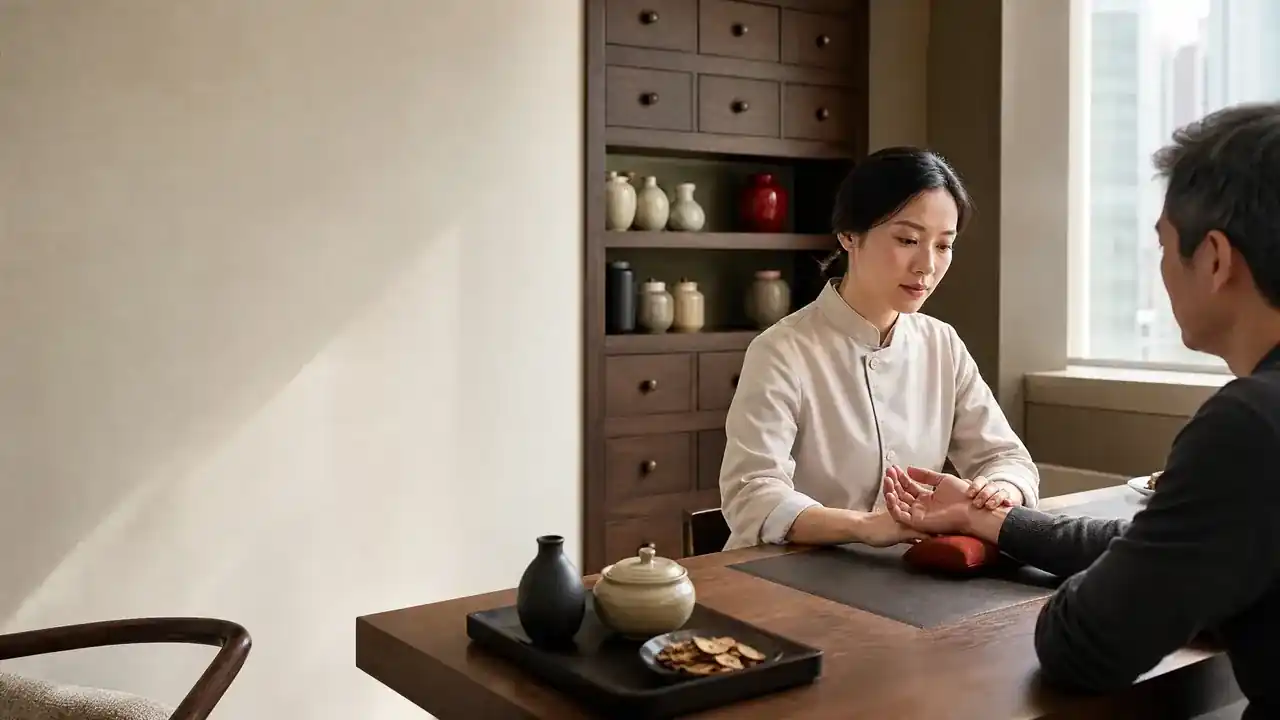
Quick answer: Plantar fasciitis often causes sharp first‑step pain in the morning and tenderness near the inner heel. At Harmonia TCM, we assess your pattern and combine acupuncture, gentle fascia work, herbal soaks, and progressive exercises to reduce irritation and support healing. Suitability and plan depend on in‑person evaluation by a registered Chinese medicine practitioner.
View pricesBook an initial assessment
CLEAR PRICES
Interested in a treatment? You are always welcome to ask.
We clearly list our current single, trial and package prices so you can explore at your own pace. You are always welcome to message us on WhatsApp about any service, timing or arrangement.
| Category and service | Content / terms | Public price (HK$) | Booking note | Enquire |
|---|---|---|---|---|
| Hair & scalp | Scalp health and hair-loss support | AI scalp analysis, deep follicle cleansing and oil-control support | Trial offerPackageTrial 380; 6 sessions 3,480; 12 sessions 5,760; 20 sessions 8,600; 30 sessions 11,400 | Average per session for 6/12/20/30: 580/480/430/380 | Ask on WhatsApp |
| Hair & scalp | Hair acupuncture with herbal medicine | Scalp acupuncture with 3 days of decoction-free herbal medicine | Single visitPackageSingle 580; 6 sessions 3,180; 12 sessions 5,760; 20 sessions 8,600; 30 sessions 11,400 | Average per session for 6/12/20/30: 530/480/430/380 | Ask on WhatsApp |
| Hair & scalp | Integrated hair support programme | Acupuncture, herbal medicine and follicle activation; packages include shampoo and serum | Single visitPackageSingle 1,260; 8 sessions 8,640; 16 sessions 15,680; 20 sessions 18,600; 30 sessions 26,400 | Average per session for 8/16/20/30: 1,080/980/930/880 | Ask on WhatsApp |
| Weight management | Full-body acupoint embedding | Full-body acupoint embedding; packages include proportionate days of herbal support | Single visitPackageSingle 980; 10 sessions 7,800; 20 sessions 14,600; 30 sessions 20,400 | Average per session for 10/20/30: 780/730/680 | Ask on WhatsApp |
| Facial acupuncture | Brightening V-face (Essential) | Facial acupuncture, meridian support and swelling management | Trial offerPackageTrial 480; 10 sessions 5,200; 20 sessions 9,600; 30 sessions 13,500 | Average per session for 10/20/30: 520/480/450 | Ask on WhatsApp |
| Facial acupuncture | Firming and refining (Advanced) | Enhanced facial acupuncture for firmness and fine-line concerns with a moisturising mask serum | Trial offerPackageTrial 780; 10 sessions 9,000; 20 sessions 16,600; 30 sessions 23,400 | Average per session for 10/20/30: 900/830/780 | Ask on WhatsApp |
| Pain care | Extracorporeal shockwave therapy | Deep inflammation support and fascial relaxation | Prince Edward: 250 per area; Kwun Tong: 250 for 1 area, 450 for 2, 600 for 3 | Clinic-specific pricing; confirm location before booking | Ask on WhatsApp |
| Pain care | Manual therapy | TCM bone-injury assessment, manual alignment and tui na techniques | Single visitSingle 580 | Suitability is confirmed after assessment | Ask on WhatsApp |
| Pain care | Acupuncture with manual therapy | Acupuncture with manual structural support | Single visitSingle 680 | Suitability is confirmed after assessment | Ask on WhatsApp |
| TCM regulation | Acupuncture with herbal medicine | TCM consultation, whole-body acupuncture and 3 days of decoction-free herbal medicine granules | Single visitSingle 580 | Confirm clinician availability and service arrangement when booking | Ask on WhatsApp |
What is plantar fasciitis? Symptoms and anatomy
Plantar fasciitis refers to irritation and overload of the plantar fascia and its insertion near the medial heel. It commonly presents with sharp or stabbing discomfort on first steps after getting out of bed, then eases as tissues warm up. Pressing the inner front of the heel is often tender. Many people describe a pulling or burning quality. Because heel pain has multiple possible causes, a careful assessment helps confirm the source and guide safe care.
The plantar fascia is a strong band of connective tissue running from the heel bone to the forefoot. It helps maintain the arch while storing and releasing elastic energy with each stride. When standing, walking, or running volume exceeds tissue capacity—or when calf tightness, ankle mobility limits, or gait mechanics increase strain—microtears and degenerative changes may accumulate along the fascia and its attachment. The result is localized pain and morning stiffness that improves with gentle movement yet may flare after prolonged sitting.
It is important to distinguish plantar fasciitis from other conditions such as Achilles insertional tendinopathy, Baxter nerve entrapment, stress fracture, inflammatory arthritis, or referred symptoms from the lumbar spine. Seek medical attention if pain is sudden and severe with swelling and inability to bear weight, if there is numbness or progressive weakness, or if nighttime pain and fever are present. Early triage prioritizes safety and directs appropriate next steps.
Common causes and risk factors
Overuse and rapid load changes are frequent triggers. Examples include a sudden jump in weekly running mileage, new high‑intensity classes, prolonged standing on hard floors, or switching to unsupportive footwear. Retail, teaching, and food service roles often require long hours on the feet. When recovery strategies lag behind daily demands, tissues have less time to adapt, leading to recurring foot pain and morning stiffness.
Biomechanical factors also matter. Low or high arches, excessive pronation, and unstable push‑off can alter the way load travels through the plantar fascia. Tight gastrocnemius and soleus complex or a stiff Achilles limits ankle dorsiflexion and forces compensations that increase traction on the fascia during gait. Hip control, stride length, cadence, and impact management all contribute to cumulative stress at the heel.
Footwear and surface choices influence symptoms: worn‑out midsoles, very hard heels, or extensive barefoot time on unforgiving floors may aggravate. Body weight, connective tissue elasticity changes between ages 40 and 60, postpartum ligament laxity, and general conditioning also shape recovery timelines. If metabolic or circulatory issues coexist, tissue healing may be slower and requires closer monitoring.
TCM perspective: pattern differentiation and mechanisms
In Traditional Chinese Medicine, plantar fasciitis is viewed as a problem of the sinews and channels, commonly involving stagnation of qi and blood, cold‑damp obstruction, or local blood stasis. Repetitive strain can deprive the fascia of nourishment, while environmental cold or dampness blocks the flow along the Kidney and Bladder channels on the lower limb. Treatment principles include unblocking the channels, warming to dispel cold, invigorating blood, and supporting the body’s capacity to repair.
In practice, we often select local tender points on the plantar surface together with points such as Chengshan, Taixi, or Kunlun to relax calf tension and improve perfusion. Gentle soft‑tissue techniques, cupping or gua‑sha, and moxibustion are considered depending on the pattern. Herbal soaks and compresses may be used for additional symptomatic relief. The stimulation level, temperature, and formulas are individualized to avoid over‑irritation and to align with each person’s constitution.
| Pattern | Typical signs and care direction |
|---|---|
| Cold‑damp obstruction | Morning stiffness worse with cold, better with warmth. Care: warm channels, dispel cold and damp, add mild heat therapies. |
| Damp‑heat with stasis | Local swelling, burning or fixed pain, worse later in the day. Care: clear heat and damp, move blood, use cooling‑plus‑circulation external care. |
| Liver‑Kidney deficiency | Chronic, recurrent soreness and weakness. Care: nourish Liver and Kidney to support sinews, progress load slowly. |
| Qi‑blood deficiency | Pain after activity with slow recovery and relief on pressure. Care: tonify qi and blood, emphasize sleep, nutrition, and gradual build‑up. |
| Fascia overuse strain | Pulling pain after high loads, palpable tight bands. Care: release myofascial tension, adjust gait and footwear, consider taping or heel cups. |
Treatment approach at Harmonia TCM
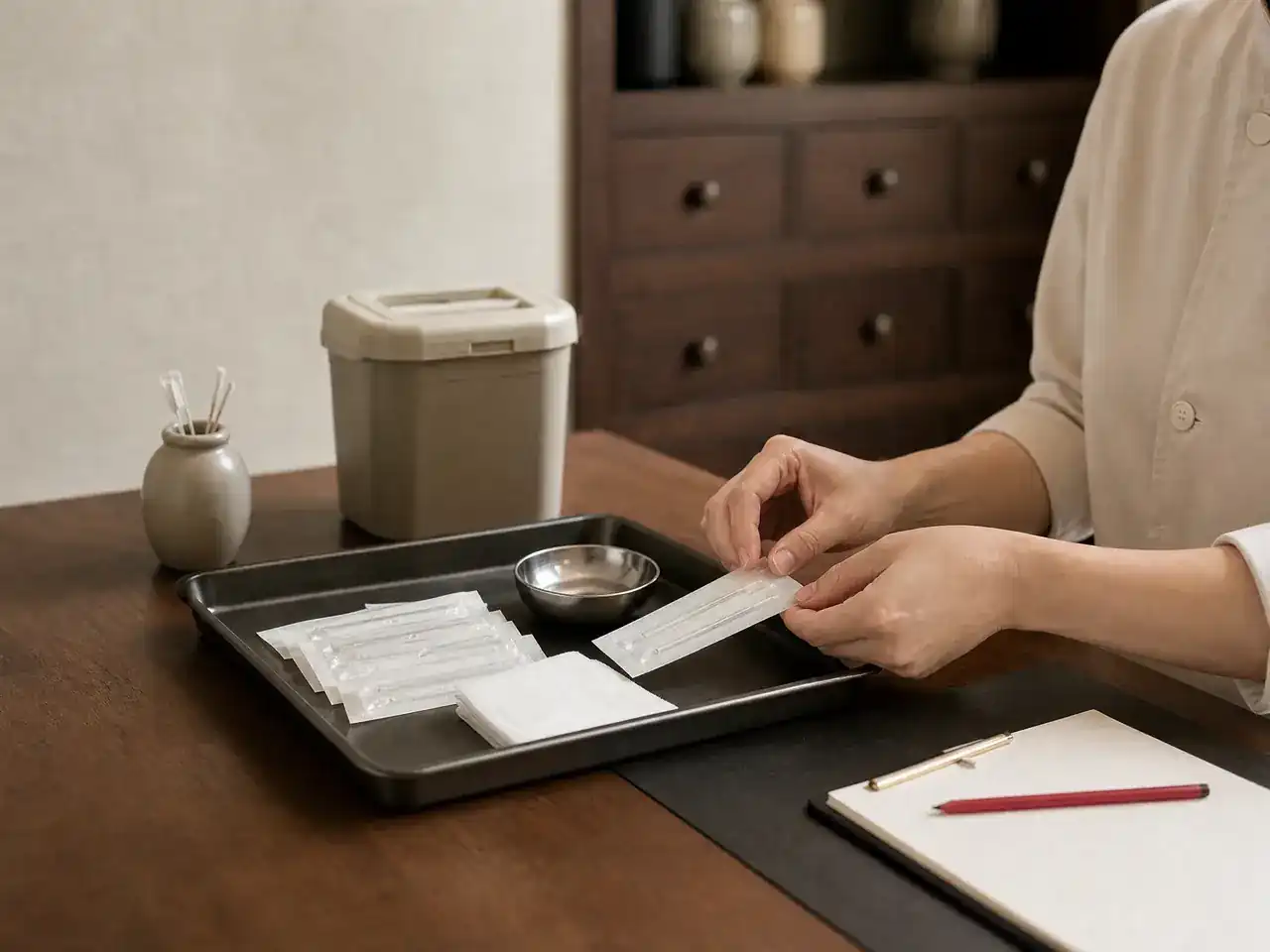
Acupuncture may help modulate pain signaling and muscle tone while promoting local circulation. We screen for red flags and contraindications, then set conservative starting doses and frequencies. A typical initial schedule is 1 to 2 sessions per week, adjusted according to pain levels, activity goals, and home exercise adherence. While no single method suits everyone, combining needling with education and load management often provides steadier progress than passive care alone.
Gentle fascia work, myofascial release, cupping, or gua‑sha can improve soft‑tissue glide and tolerance. Herbal soaks or compresses targeting circulation, cold‑damp, or damp‑heat patterns may be added as an adjunct. For symptom control during early recovery, we may suggest taping, an arch‑supporting insole, or a heel cup to reduce traction at push‑off. Every choice is personalized after in‑person assessment by a registered Chinese medicine practitioner to align with comfort, safety, and daily demands.
Progress is reviewed over 4 to 6 weeks with functional markers such as morning pain rating, first‑step tolerance, walking duration, and calf flexibility. As symptoms settle, loading is gradually increased through eccentric calf work and gait retraining. If occupational standing or long walks are unavoidable, we plan pacing, micro‑breaks, and footwear rotation strategies to prevent flare‑ups and keep gains sustainable.
Home care, footwear, and exercise plan
Load management is foundational. Swap high‑impact activities for lower‑impact options such as cycling or pool workouts during painful phases. Use a pain scale to guide progress, aiming for tolerable symptoms that return to baseline within 24 to 48 hours after activity. Before getting out of bed, warm up with ankle pumps and gentle toe movements. Consider a night splint if first‑step pain is stubborn. Apply heat to the calf for stiffness or brief ice massage to the sole for soreness, based on personal response.
A practical routine includes calf stretches (gastrocnemius and soleus) held 30 to 45 seconds for 3 to 5 sets, 1 to 2 times daily. Perform a plantar fascia stretch by dorsiflexing the big toe and massaging the arch for 20 to 30 seconds, several sets. Roll the arch with a small ball or a chilled bottle for 3 to 5 minutes. As pain calms, introduce eccentric heel‑lowering (rise on two legs, slowly lower on one) for 8 to 12 reps, 2 to 3 sets, 3 to 4 days per week. Add simple foot intrinsic drills such as toe yoga and short‑foot holds to enhance arch control without gripping.
Choose footwear with adequate arch support and a stable midsole. Replace worn shoes proactively; use a heel cup or supportive insole when walking on hard floors. Sleep, nutrition, and pacing matter for tissue recovery. When returning to running, adopt a graded walk‑jog plan and avoid sudden increases or steep hills early on. Monitor for next‑morning soreness; if it rises sharply and persists, scale back to the prior tolerable level.
When to consider imaging and collaborative care
If symptoms do not improve meaningfully after 4 to 6 weeks of consistent care—or if they worsen, include night pain, or limit weight bearing—consider imaging. Ultrasound can assess fascia thickness and insertional changes. X‑rays may show a heel spur, which does not always correlate with pain. MRI is reserved for atypical cases or to exclude other pathology. Imaging should be interpreted together with clinical findings to avoid over‑treating incidental results.
At Harmonia TCM we coordinate when needed with physiotherapists, podiatrists, or orthopaedic specialists. This may include gait analysis, insole optimization, and training load planning. If neuropathic features, suspected stress injury, or other red flags arise, we facilitate timely referral. TCM care can complement mainstream management by offering symptom modulation, sleep and stress support, and practical day‑to‑day strategies that fit your routine.
Frequently asked questions
How long does it take to notice improvement with TCM for plantar fasciitis?
Many people experience reduced morning first‑step pain and better walking tolerance within 2 to 4 weeks when consistent acupuncture, load management, and home exercises are combined. Chronic or load‑intensive cases may require 6 to 12 weeks or longer to consolidate gains. We track functional targets—morning pain ratings, walking duration, and calf flexibility—and adjust the plan every 1 to 2 weeks. Timelines are individualized and depend on adherence, footwear, and occupational demands.
If an X‑ray shows a heel spur, can TCM still help?
A heel spur on imaging does not always cause pain. Clinical assessment of fascia load, calf tension, and walking mechanics is often more relevant to symptoms. Even with a spur, many people improve by combining acupuncture, gentle myofascial work, graded loading, and footwear or insole adjustments. If atypical features appear—night pain, neurological signs, or suspected stress injury—we consider imaging review and collaborate with other clinicians for comprehensive care.
Is acupuncture painful and what reactions are common?
Most clients feel a brief, dull ache or heaviness that fades quickly. Mild soreness or small bruises can occur and typically resolve in a few days. We select needle size, depth, and stimulation conservatively and avoid vulnerable structures. If you take anticoagulants or have a bleeding tendency, please inform us beforehand so we can tailor the approach and consider alternatives when appropriate.
Can older adults or pregnant clients receive treatment for plantar fasciitis?
Yes, with individualized precautions. During pregnancy we avoid certain points and strong stimulation, focusing on comfort and safe symptom relief. For older adults or those with osteoporosis, we favor gentler techniques and carefully dosed exercises. Any herbal soaks or compresses are screened for sensitivities and interactions. We will coordinate with your primary providers as needed to ensure safety.
What shoes or insoles are helpful, and should I avoid going barefoot?
Choose a stable midsole with appropriate arch support. Consider a heel cup or functional insole to reduce traction at the fascia during early recovery. Replace worn footwear in a timely manner. Extensive barefoot time on hard floors can aggravate symptoms in the early phase, so reintroduce it gradually only after symptoms settle and preferably with professional guidance.
How should I adjust running or high‑volume walking while recovering?
Reduce total volume and peak impact initially. Favor flat routes, shorter bouts, and walk‑jog intervals. Add eccentric calf work, plantar fascia stretches, hip strengthening, and cadence or stride adjustments to redistribute load. Limit weekly increases to no more than about 10 percent, and use next‑morning soreness as a feedback signal. If pain spikes and does not return to baseline within 24 to 48 hours, step back to the last tolerable level.
Related topics
Sources
Discuss your plantar fasciitis with a registered CM practitioner in Kwun Tong
Harmonia TCM offers individualized, safety‑first care that blends acupuncture, external therapies, and practical guidance to help you move with more ease. The information below provides general health information only and is not a substitute for medical advice. Final suitability and treatment availability depend on an in‑person consultation with a registered Chinese medicine practitioner and may vary based on staffing and clinical considerations.