HEALTH GUIDE / SAFETY INFORMATION
Hair loss and scalp changes: what to prepare before asking about hair growth care
Experiencing hair loss and scalp changes often leads people to explore TCM and hair growth care. This guide outlines what to prepare before your enquiry, including shedding patterns, scalp condition logs, and a complete medication list for effective professional communication.
Quick answer: Before enquiring about hair growth care, it is vital to record the duration of hair shedding, changes in hair volume, scalp itching or redness, and compile a complete list of topical products, shampoos, and medications currently in use. According to NCCIH and Hong Kong regulatory guidelines, complementary and traditional practices do not replace conventional medical evaluation, and all practitioners should be informed of your complete health status.
CLEAR PRICES
Interested in a treatment? You are always welcome to ask.
We clearly list our current single, trial and package prices so you can explore at your own pace. You are always welcome to message us on WhatsApp about any service, timing or arrangement.
| Category and service | Content / terms | Public price (HK$) | Booking note | Enquire |
|---|---|---|---|---|
| Hair & scalp | Scalp health and hair-loss support | AI scalp analysis, deep follicle cleansing and oil-control support | Trial offerPackageTrial 380; 6 sessions 3,480; 12 sessions 5,760; 20 sessions 8,600; 30 sessions 11,400 | Average per session for 6/12/20/30: 580/480/430/380 | Ask on WhatsApp |
| Hair & scalp | Hair acupuncture with herbal medicine | Scalp acupuncture with 3 days of decoction-free herbal medicine | Single visitPackageSingle 580; 6 sessions 3,180; 12 sessions 5,760; 20 sessions 8,600; 30 sessions 11,400 | Average per session for 6/12/20/30: 530/480/430/380 | Ask on WhatsApp |
| Hair & scalp | Integrated hair support programme | Acupuncture, herbal medicine and follicle activation; packages include shampoo and serum | Single visitPackageSingle 1,260; 8 sessions 8,640; 16 sessions 15,680; 20 sessions 18,600; 30 sessions 26,400 | Average per session for 8/16/20/30: 1,080/980/930/880 | Ask on WhatsApp |
| Weight management | Full-body acupoint embedding | Full-body acupoint embedding; packages include proportionate days of herbal support | Single visitPackageSingle 980; 10 sessions 7,800; 20 sessions 14,600; 30 sessions 20,400 | Average per session for 10/20/30: 780/730/680 | Ask on WhatsApp |
| Facial acupuncture | Brightening V-face (Essential) | Facial acupuncture, meridian support and swelling management | Trial offerPackageTrial 480; 10 sessions 5,200; 20 sessions 9,600; 30 sessions 13,500 | Average per session for 10/20/30: 520/480/450 | Ask on WhatsApp |
| Facial acupuncture | Firming and refining (Advanced) | Enhanced facial acupuncture for firmness and fine-line concerns with a moisturising mask serum | Trial offerPackageTrial 780; 10 sessions 9,000; 20 sessions 16,600; 30 sessions 23,400 | Average per session for 10/20/30: 900/830/780 | Ask on WhatsApp |
| Pain care | Extracorporeal shockwave therapy | Deep inflammation support and fascial relaxation | Prince Edward: 250 per area; Kwun Tong: 250 for 1 area, 450 for 2, 600 for 3 | Clinic-specific pricing; confirm location before booking | Ask on WhatsApp |
| Pain care | Manual therapy | TCM bone-injury assessment, manual alignment and tui na techniques | Single visitSingle 580 | Suitability is confirmed after assessment | Ask on WhatsApp |
| Pain care | Acupuncture with manual therapy | Acupuncture with manual structural support | Single visitSingle 680 | Suitability is confirmed after assessment | Ask on WhatsApp |
| TCM regulation | Acupuncture with herbal medicine | TCM consultation, whole-body acupuncture and 3 days of decoction-free herbal medicine granules | Single visitSingle 580 | Confirm clinician availability and service arrangement when booking | Ask on WhatsApp |

Understanding common observation points for hair loss and scalp shifts
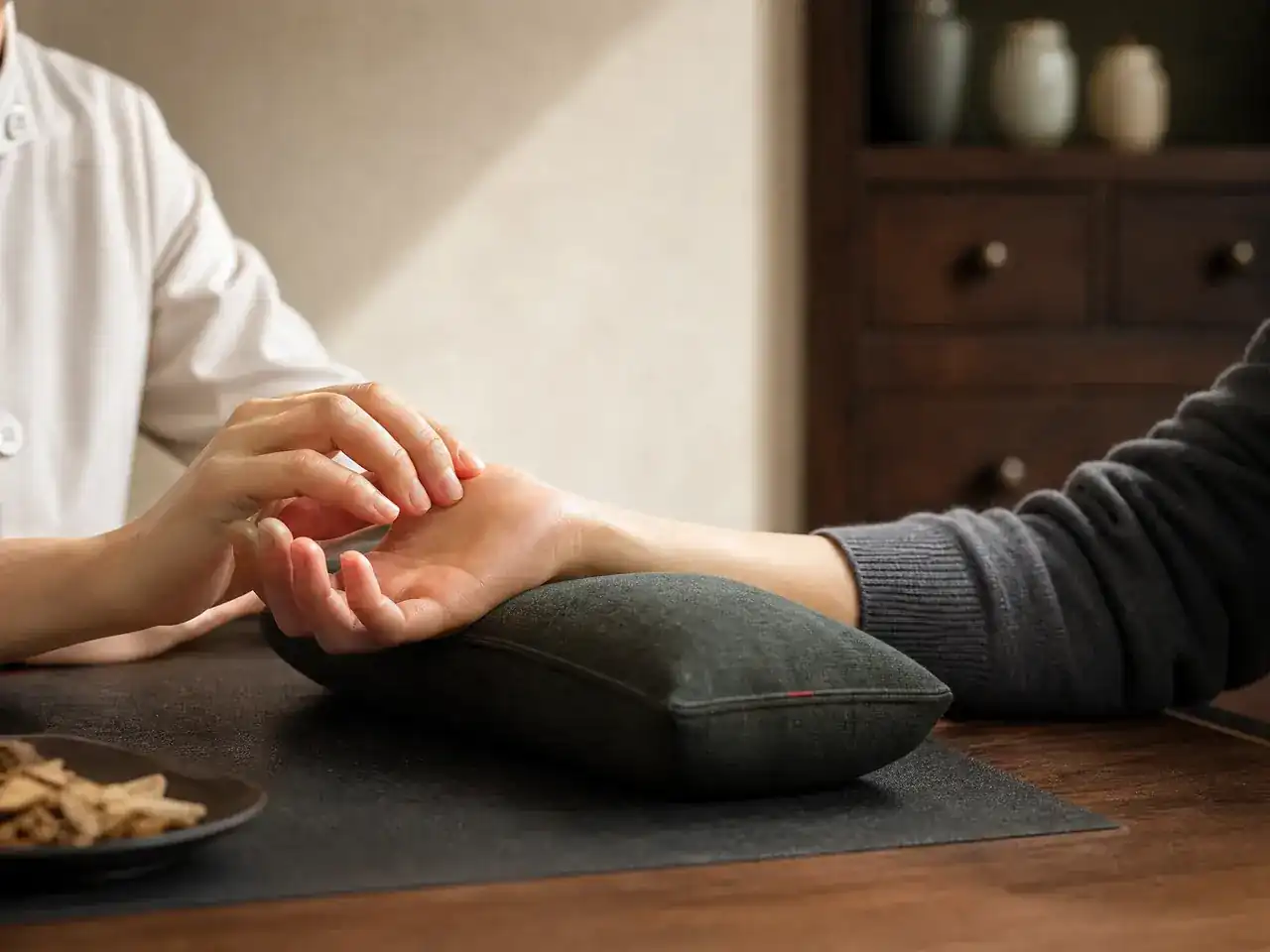
In contemporary urban life, many individuals encounter varying degrees of hair shedding or scalp discomfort. When considering professional consultation, being well-prepared helps ensure an informative and structured discussion. Hair loss rarely stems from a single isolated trigger; rather, it can be influenced by a complex interplay of genetic predisposition, daily psychological stress, sleep disruption, nutritional status, and scalp microenvironment conditions. Systematically recording personal bodily responses, symptom progression, and daily habits prior to visiting a traditional Chinese medicine practitioner enables a much more comprehensive and accurate clinical evaluation.
Scalp condition is an equally critical component of overall dermatological and wellness assessment. Issues such as excessive sebum production, dry flaking, persistent itching, localized tenderness, or mild redness often reflect distinct physiological or dermatological characteristics. Diligently observing these subtle details and organizing them into written notes allows individuals to provide clear, specific information during their initial consultation, thereby avoiding missed details or generalized descriptions that could hinder effective communication.
Furthermore, hair loss manifests in several clinically distinct patterns, such as androgenetic alopecia (common pattern baldness), alopecia areata (patchy hair loss), or telogen effluvium (stress-related diffuse shedding). Each pattern possesses unique underlying mechanisms and progression rates. Documenting whether shedding occurs gradually over years or presents as sudden, diffuse loss provides invaluable reference data for healthcare professionals when determining the appropriate direction for further investigation.
| Preparation Category | Specific Content to Record | Key Communication Notes |
|---|---|---|
| Shedding Pattern & Timeline | Record start date of hair loss, estimated daily shedding volume, and shedding during washing or combing. | Avoid subjective exaggeration; document objective changes clearly. |
| Scalp Status & Associated Symptoms | Note whether scalp is itchy, excessively oily, dry and flaking, red, or tender. | Monitor for sudden localized hair patches or skin damage. |
| Complete Medication & Product List | List all oral medications, vitamins, anti-hair loss shampoos, and topical ointments currently used. | Disclose fully to both TCM and conventional practitioners to prevent interactions. |
| Lifestyle & Stress Factors | Record recent sleep hours, work stress levels, dietary preferences, and weight fluctuations. | Helps practitioners evaluate overall constitution and health status. |
Essential health and medication checklists before hair growth enquiries
Prior to consulting for any hair growth care or traditional therapies, compiling a thorough personal health and medication list is an indispensable step. According to authoritative guidelines from the National Center for Complementary and Integrative Health (NCCIH), patients must actively disclose all current prescription medications, over-the-counter drugs, dietary supplements, and topical treatments to their practitioners and healthcare providers. Transparent disclosure is essential to prevent adverse ingredient interactions, metabolic conflicts, or delays in necessary conventional medical evaluations.
This comprehensive inventory encompasses not only oral medications but also commercially available anti-hair loss shampoos, specialized hair growth serums, scalp tonics, and topical home remedies such as raw ginger applications or herbal washes. Many individuals frequently overlook the active chemical or botanical ingredients present in non-prescription topicals, unaware that certain potent or irritating ingredients can exacerbate scalp inflammation and worsen hair shedding. Therefore, recording exact product names, manufacturing brands, and daily usage frequencies is a critical pillar of safe consultation preparation.
In addition to medication and product histories, this checklist should comprehensively cover personal family medical background, recent major life stress events, sleep quality metrics, and dietary habits. For those actively exploring hair loss management solutions, maintaining realistic expectations is equally vital. Reputable professional establishments never offer guaranteed outcomes or miracle cures; thus, preparing adequately to understand the true scope, nature, and limitations of care forms the bedrock of safeguarding personal health rights and making informed decisions.
TCM perspectives on scalp and overall constitutional balance
Within traditional Chinese medicine theory, hair growth and vitality are intricately linked to the abundance of qi and blood as well as foundational organ system functions, particularly those associated with the kidneys and spleen. However, clinical TCM evaluation strictly emphasizes individualized syndrome differentiation rather than applying a standardized herbal formula or rigid treatment protocol for isolated symptoms. Every care-seeker presents with a unique constitution, age bracket, and environmental background, necessitating tailored analysis.
When exploring such supportive care modalities, individuals should clearly understand that traditional Chinese medicine and acupuncture function as complementary or holistic approaches and cannot fully substitute for conventional dermatological diagnosis and management. For instance, certain sudden, patchy, or scarring forms of hair loss may necessitate western medical diagnostic procedures, such as blood panels, hormonal assays, or specialist biopsies, to rule out underlying autoimmune disorders or infectious conditions. Harmoniously integrating TCM insights with conventional medical care ensures the safest and most scientifically grounded health management strategy.
Throughout the consultative process, practitioners assess overall bodily status through traditional diagnostic methods, inquiring into digestive function, sleep quality, emotional stability, and gynecological history (for female patients). Maintaining a calm mindset and providing accurate health indicators enables practitioners to formulate the most appropriate and harmonious wellness plan.
Selecting qualified practitioners and verifying regulatory compliance
In Hong Kong, traditional Chinese medicine practice and professional registration are strictly regulated under statutory frameworks. According to official guidelines from the Chinese Medicine Regulatory Office (CMRO) of the Department of Health, all legally practicing Chinese medicine practitioners must be formally registered and hold valid practicing certificates. Citizens possess both the fundamental right and the personal responsibility to verify practitioner credentials and registration status prior to receiving TCM services or related hair growth care.
Furthermore, individuals should remain highly vigilant against exaggerated commercial advertisements, sensationalized claims, or guarantees of miraculous hair regrowth. Legitimate medical and wellness institutions transparently explain fee structures, the nature of care, and potential risks while fully respecting patient informed consent. Verifying information through official governmental channels helps prevent unnecessary financial loss and mitigates potential health risks associated with unverified operators.
When enquiring about hair growth services, consumers should proactively ask about provider backgrounds, professional accreditations, and the origin of applied products. If pressured into purchasing high-value prepaid packages with guaranteed outcomes, individuals should remain calm, decline immediate commitment, and seek independent professional medical opinions.
Daily scalp care practices and common myths debunked
In daily life, many individuals hold widespread misconceptions regarding hair washing frequency, water temperature, and mechanical brushing habits. Some erroneously believe that experiencing hair shedding requires reducing washing frequency to preserve hair; in reality, moderate and regular scalp cleansing helps remove excess sebum, environmental pollutants, and micro-flakes, thereby supporting optimal hair follicle health. Water temperature should remain comfortably warm rather than excessively hot to prevent thermal irritation of the scalp.
Another prevalent myth involves blindly experimenting with unverified folk remedies, such as rubbing raw ginger or highly concentrated essential oils vigorously onto the scalp without professional guidance. If the scalp already harbors micro-abrasions, hidden inflammation, or dermatitis, excessive chemical or mechanical irritation can trigger acute contact dermatitis, ultimately worsening hair loss. Establishing scientific scalp care practices, coupled with consistent sleep hygiene and a balanced diet, is the true foundation of long-term hair health.
Key questions to ask during a hair growth consultation and care enquiry
Preparing a structured and thoughtful set of questions before attending a consultation regarding hair loss or scalp care is essential for maximizing the educational value and clarity of the professional interaction. When meeting with a registered Chinese medicine practitioner or a qualified healthcare provider, patients should feel fully empowered to inquire about the foundational principles and diagnostic methodology of the proposed supportive care. Useful and practical queries include asking how the practitioner evaluates individual constitutional patterns, what specific lifestyle, dietary, or sleep adjustments are recommended to complement the care plan, and how personal progress will be monitored safely over time. Establishing a transparent and open dialogue about these operational details ensures that both parties share realistic expectations regarding the nature, scope, and limitations of traditional supportive care.
In addition to general care inquiries, individuals should actively and systematically ask about the exact ingredient composition, manufacturing origin, and safety profile of any topical products, herbal formulations, or external applications recommended during the consultation. Patients possess the fundamental right to inquire whether these products carry clear labeling, what potential side effects, allergic reactions, or skin sensitivities might occur, and how they integrate with existing everyday dermatological routines. Furthermore, discussing the transparent financial structure, expected frequency of follow-up visits, and objective criteria for clinical reassessment helps prevent misunderstandings and ensures that the chosen care plan aligns comfortably with personal practical and financial circumstances.
Finally, patients should explicitly inquire about how the proposed traditional or complementary supportive care coordinates with ongoing conventional medical treatments or specialist dermatological care they may already be receiving for underlying health conditions. Because traditional Chinese medicine and complementary health approaches are designed to be supportive rather than substitutive, understanding how to safely coordinate care between different healthcare professionals is vital for clinical safety. Asking whether the practitioner encourages open communication with other medical providers, how concurrent topical treatments should be spaced, and how potential treatment overlaps can be managed fosters a robust, collaborative, and patient-centered approach to long-term hair and scalp health management.
Identifying warning signs and urgent red flags for sudden hair and scalp changes
While everyday hair shedding and gradual hair thinning are common concerns that prompt individuals to seek general health education and lifestyle guidance, certain acute, severe, or rapidly progressive manifestations require immediate professional medical evaluation rather than routine wellness care. Recognizing critical warning signs and clinical red flags is vital for ensuring timely and appropriate intervention, as sudden changes in scalp health or accelerated hair loss patterns can occasionally signal underlying systemic conditions, acute inflammatory dermatoses, or infectious processes that demand specialized conventional medical diagnosis and investigation. According to clinical guidance, ignoring these urgent signs in favor of prolonged self-care or unverified remedies can lead to delayed diagnosis of serious medical conditions.
Specific red flags that necessitate prompt consultation with a dermatologist or general medical practitioner include the sudden onset of severe scalp pain, intense burning sensations, marked swelling, persistent redness, open sores, exudation, or crusting that suggests bacterial or fungal infection. Furthermore, individuals experiencing a rapid, diffuse loss of hair across weeks—such as acute patchy hair loss (alopecia areata), the simultaneous shedding of eyebrows and eyelashes, or the development of visible scarring and hardened skin tissue on the scalp—should bypass routine wellness enquiries entirely and seek urgent specialist assessment. These distinct physical manifestations often point toward autoimmune involvement or structural follicular damage that traditional supportive care cannot address.
In addition to localized dermatological red flags, systemic symptoms accompanying hair loss warrant comprehensive medical investigation. If hair thinning or shedding occurs alongside unexplained and significant weight loss, chronic fatigue, persistent fever, joint pain, or other generalized signs of immune system dysfunction, patients should consult conventional medical specialists immediately. These systemic indicators underscore the necessity of looking beyond isolated hair and scalp concerns to evaluate overall internal health and rule out underlying metabolic or endocrine disorders. Maintaining a vigilant awareness of these critical triage boundaries ensures that individuals navigate their health journey safely, avoiding unverified treatments and ensuring timely access to evidence-based medical care.
Continue reading
Explore the corresponding service or information page at your own pace.
Related articles
Frequently asked questions
What specific information should I prepare before a TCM hair loss consultation?
It is recommended to prepare the duration of hair shedding, daily shedding trends, scalp conditions (oiliness, itching, flaking), a complete medication and shampoo list, and recent lifestyle/stress records for a comprehensive TCM evaluation.
Can TCM care or hair growth treatments guarantee hair regrowth?
No reputable medical or wellness service can guarantee 100% outcomes. TCM care focuses on holistic constitutional balance and lifestyle support; results vary individually and cannot replace conventional medical diagnosis for specific skin conditions.
How can I verify the legal registration of a Chinese medicine practitioner in Hong Kong?
Citizens can check practitioner registration numbers and credentials through the official website and registered practitioner lists of the Chinese Medicine Regulatory Office (CMRO) of the Department of Health in Hong Kong.
What should I do if hair loss is accompanied by severe scalp pain or redness?
If hair loss is accompanied by severe scalp pain, marked redness, oozing, or suspected bacterial/fungal infection, you should prioritize seeking conventional dermatological or emergency medical evaluation to rule out underlying infections.
Can “Hair loss guide” be used as a personal diagnosis?
No. This article provides general information and preparation ideas only. Individual circumstances need appropriate assessment around history, tests, functional impact and safety.
What can I prepare before asking about “Hair loss guide”?
You can note symptom timing, approaches already tried, current medicines, test information and your main questions. Seek appropriate conventional medical assessment first for severe or worsening signs.
Related topics
Sources
Want to understand the next step around your situation?
You are welcome to share your question, preferred time and existing information. We will explain the service scope and arrangements clearly.