Treatments
Acupuncture Therapy
Acupuncture is a fundamental component of traditional Chinese medicine. By inserting fine needles into specific acupoints, it aims to unblock meridians and harmonize the flow of Qi and blood. At Harmonia TCM Clinic in Kwun Tong, our registered Chinese medicine practitioners provide professional assessments and acupuncture care tailored to your individual constitution and specific conditions, helping you restore your body's natural balance.
Quick answer: Acupuncture is a TCM therapy that involves inserting fine needles into specific acupoints on the body to regulate the flow of Qi and blood and alleviate discomfort. At Harmonia TCM, our registered Chinese medicine practitioners will first conduct a detailed assessment to ensure the therapy is suitable for your constitution and condition, and perform it in a safe and hygienic environment.
View pricesView Clinic Information
CLEAR PRICES
Interested in a treatment? You are always welcome to ask.
We clearly list our current single, trial and package prices so you can explore at your own pace. You are always welcome to message us on WhatsApp about any service, timing or arrangement.
| Category and service | Content / terms | Public price (HK$) | Booking note | Enquire |
|---|---|---|---|---|
| Hair & scalp | Scalp health and hair-loss support | AI scalp analysis, deep follicle cleansing and oil-control support | Trial offerPackageTrial 380; 6 sessions 3,480; 12 sessions 5,760; 20 sessions 8,600; 30 sessions 11,400 | Average per session for 6/12/20/30: 580/480/430/380 | Ask on WhatsApp |
| Hair & scalp | Hair acupuncture with herbal medicine | Scalp acupuncture with 3 days of decoction-free herbal medicine | Single visitPackageSingle 580; 6 sessions 3,180; 12 sessions 5,760; 20 sessions 8,600; 30 sessions 11,400 | Average per session for 6/12/20/30: 530/480/430/380 | Ask on WhatsApp |
| Hair & scalp | Integrated hair support programme | Acupuncture, herbal medicine and follicle activation; packages include shampoo and serum | Single visitPackageSingle 1,260; 8 sessions 8,640; 16 sessions 15,680; 20 sessions 18,600; 30 sessions 26,400 | Average per session for 8/16/20/30: 1,080/980/930/880 | Ask on WhatsApp |
| Weight management | Full-body acupoint embedding | Full-body acupoint embedding; packages include proportionate days of herbal support | Single visitPackageSingle 980; 10 sessions 7,800; 20 sessions 14,600; 30 sessions 20,400 | Average per session for 10/20/30: 780/730/680 | Ask on WhatsApp |
| Facial acupuncture | Brightening V-face (Essential) | Facial acupuncture, meridian support and swelling management | Trial offerPackageTrial 480; 10 sessions 5,200; 20 sessions 9,600; 30 sessions 13,500 | Average per session for 10/20/30: 520/480/450 | Ask on WhatsApp |
| Facial acupuncture | Firming and refining (Advanced) | Enhanced facial acupuncture for firmness and fine-line concerns with a moisturising mask serum | Trial offerPackageTrial 780; 10 sessions 9,000; 20 sessions 16,600; 30 sessions 23,400 | Average per session for 10/20/30: 900/830/780 | Ask on WhatsApp |
| Pain care | Extracorporeal shockwave therapy | Deep inflammation support and fascial relaxation | Prince Edward: 250 per area; Kwun Tong: 250 for 1 area, 450 for 2, 600 for 3 | Clinic-specific pricing; confirm location before booking | Ask on WhatsApp |
| Pain care | Manual therapy | TCM bone-injury assessment, manual alignment and tui na techniques | Single visitSingle 580 | Suitability is confirmed after assessment | Ask on WhatsApp |
| Pain care | Acupuncture with manual therapy | Acupuncture with manual structural support | Single visitSingle 680 | Suitability is confirmed after assessment | Ask on WhatsApp |
| TCM regulation | Acupuncture with herbal medicine | TCM consultation, whole-body acupuncture and 3 days of decoction-free herbal medicine granules | Single visitSingle 580 | Confirm clinician availability and service arrangement when booking | Ask on WhatsApp |
Acupuncture Therapy and TCM Principles
As one of the core techniques of TCM therapy, acupuncture has a long history and a profound theoretical foundation. Traditional Chinese medicine believes that human health depends on the smooth flow of Qi and blood within the meridian system. When this flow is obstructed or when there is an imbalance of Yin and Yang, various discomforts or health issues may arise. Acupuncture aims to unblock the meridians and harmonize Yin and Yang by stimulating specific acupoints on the body surface.
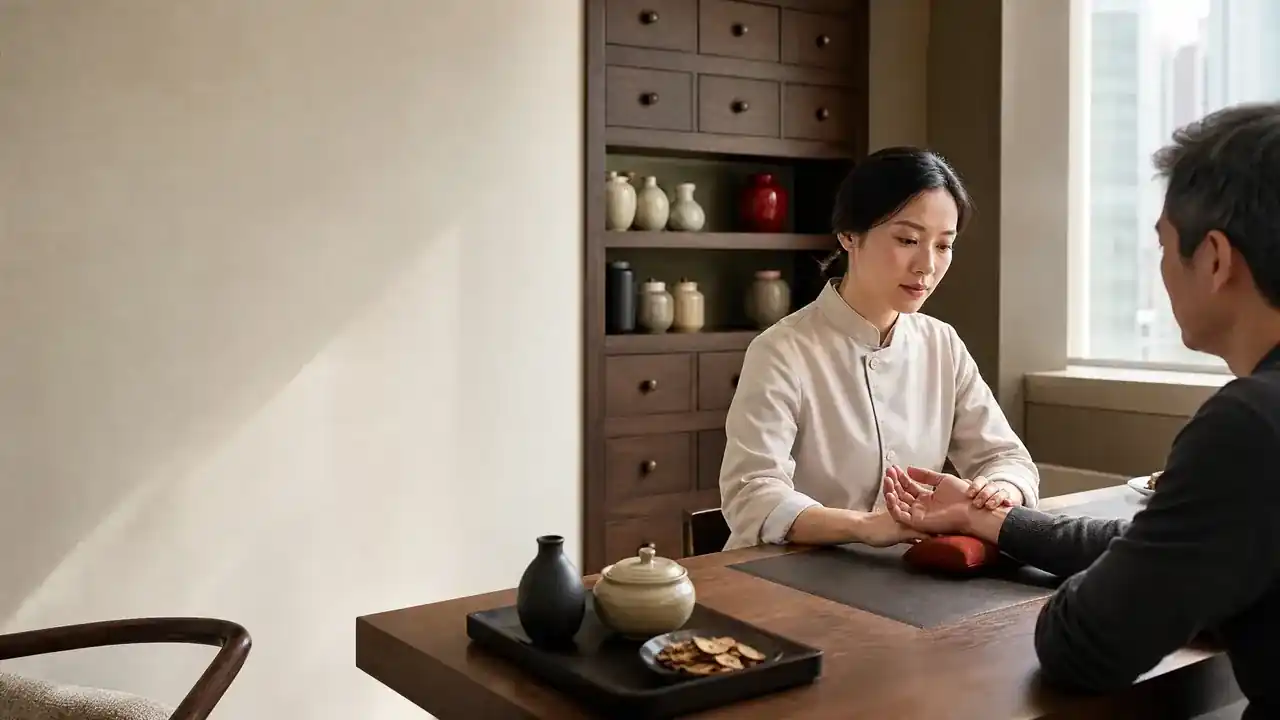
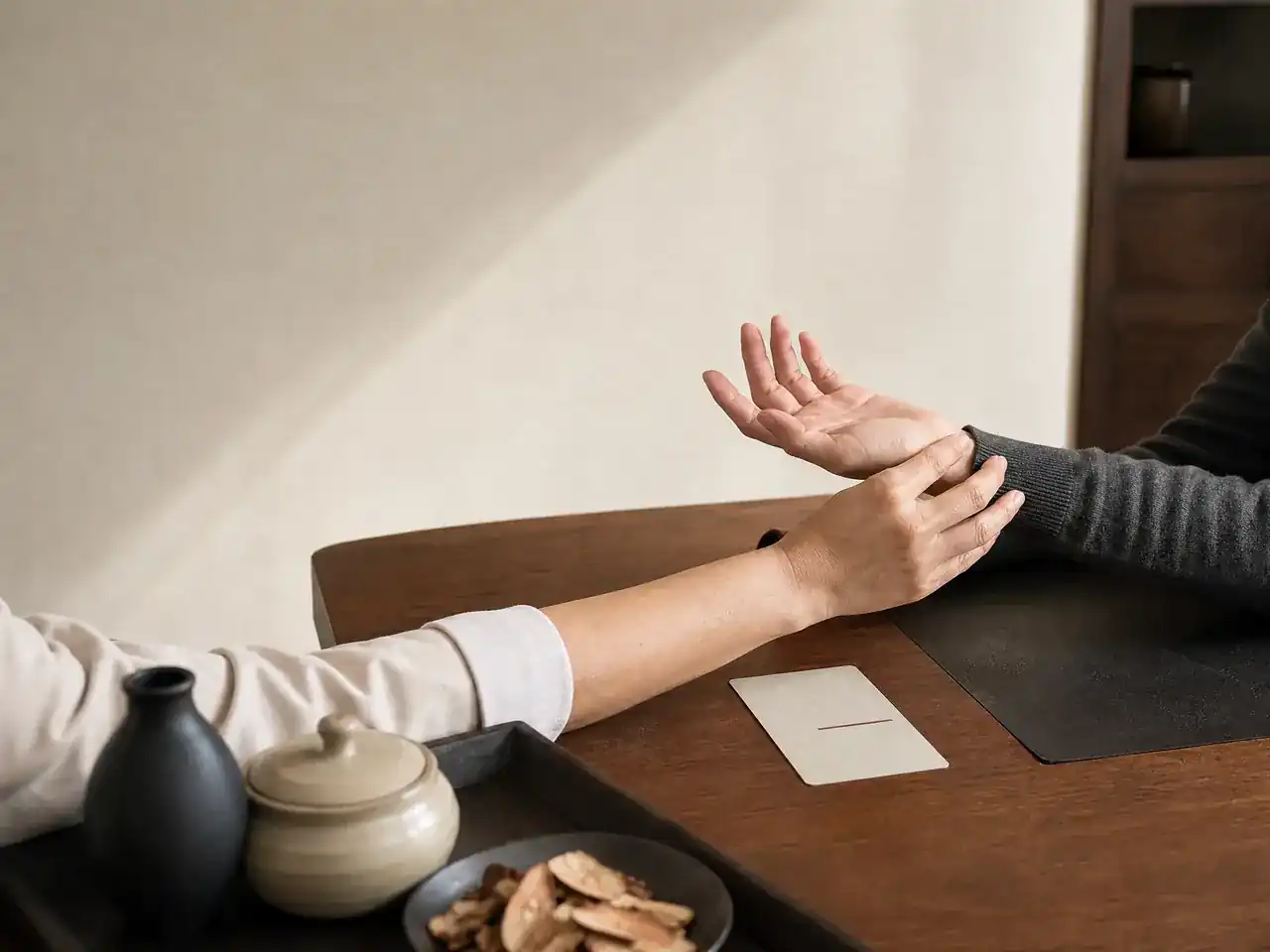
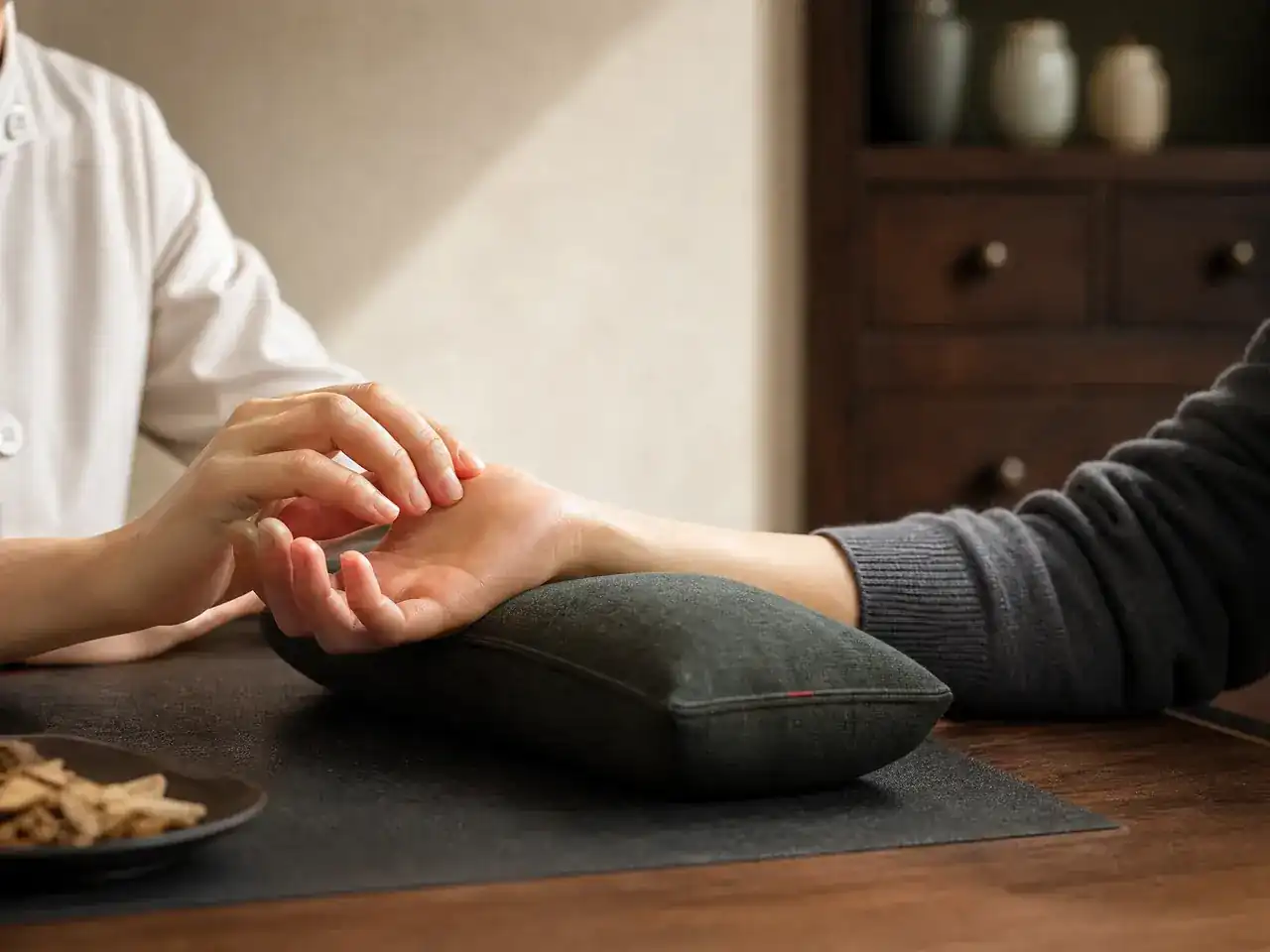
In modern healthcare settings, acupuncture is widely applied and is often used to help alleviate various types of pain and regulate the body's constitution. Before performing acupuncture, the registered Chinese medicine practitioners at Harmonia TCM will comprehensively understand your physical condition through the four diagnostic methods: observation, auscultation and olfaction, inquiry, and pulse-taking. This personalized assessment approach ensures the targeted and safe application of acupoint therapy, allowing every patient to receive a care plan suited to their needs.
Common Applications of Acupuncture
Many people seek acupuncture therapy primarily to relieve pain and discomfort in various parts of the body. Whether it is neck and shoulder stiffness caused by daily wear and tear, or long-term joint discomfort, acupuncture offers a non-pharmacological care option. The Chinese medicine practitioner will select appropriate meridians and acupoints for needling based on the location and nature of the pain, aiming to improve local Qi and blood circulation.
Beyond pain management, acupuncture is also frequently used for constitutional regulation and the maintenance of overall health. For instance, for individuals prone to fatigue, experiencing poor sleep quality, or having digestive discomfort, a practitioner might use acupuncture to regulate organ functions. However, acupuncture is not a cure-all; its effects vary from person to person, and it cannot replace conventional medical diagnosis and emergency treatment.
Comparing Acupuncture with Other Therapies
When considering acupuncture therapy, understanding how it differs from other common care methods can help you make an informed decision. Acupuncture primarily relies on physical stimulation to activate the body's self-regulating mechanisms, whereas other therapies might involve pharmacological interventions or different physical manipulations. The table below briefly compares the characteristics of acupuncture with several other common therapies.
It is important to emphasize that different therapies have their own advantages and limitations. In many cases, a Chinese medicine practitioner may suggest combining acupuncture with other TCM therapies, such as internal herbal medicine or Tui Na massage, to achieve a better synergistic effect. The professional team at Harmonia TCM will develop the most appropriate comprehensive care plan for you based on your specific needs.
| Therapy Type | Primary Principle | Common Applications | Characteristics & Precautions |
|---|---|---|---|
| Acupuncture | Stimulating acupoints to unblock meridians | Pain relief, constitutional regulation | An invasive procedure; must be performed by a registered practitioner |
| Internal Herbal Medicine | Using herbal properties to regulate organs | Internal discomfort, long-term constitutional improvement | Requires syndrome differentiation; beware of herb-drug interactions |
| Tui Na Massage | Manual manipulation to relax muscles | Muscle strain, joint stiffness | Non-invasive; suitable for those afraid of needles |
| Cupping / Gua Sha | Promoting local blood circulation | Relieving muscle tension, expelling external pathogens | May leave temporary marks on the skin |
Sensations and Reactions During Acupuncture
For those trying acupuncture for the first time, knowing what to expect can help reduce anxiety. When the fine needles are inserted into the skin, you may feel a slight prick, which is usually brief and tolerable. Subsequently, you might experience sensations of aching, numbness, distension, or heaviness at the needling sites. In traditional Chinese medicine, this is known as 'De Qi' (obtaining Qi) and is considered a normal reaction indicating that the acupuncture is taking effect.
During the needle retention period (typically 20 to 30 minutes), most people feel relaxed and may even fall asleep. After the needles are removed, a small number of people might feel slight soreness or develop minor bruising at the insertion sites; these reactions usually subside on their own within a few days. If you experience intense discomfort or pain during the acupuncture process, you should inform the practitioner immediately so adjustments can be made.
Harmonia TCM's Professional Commitment and Facilities
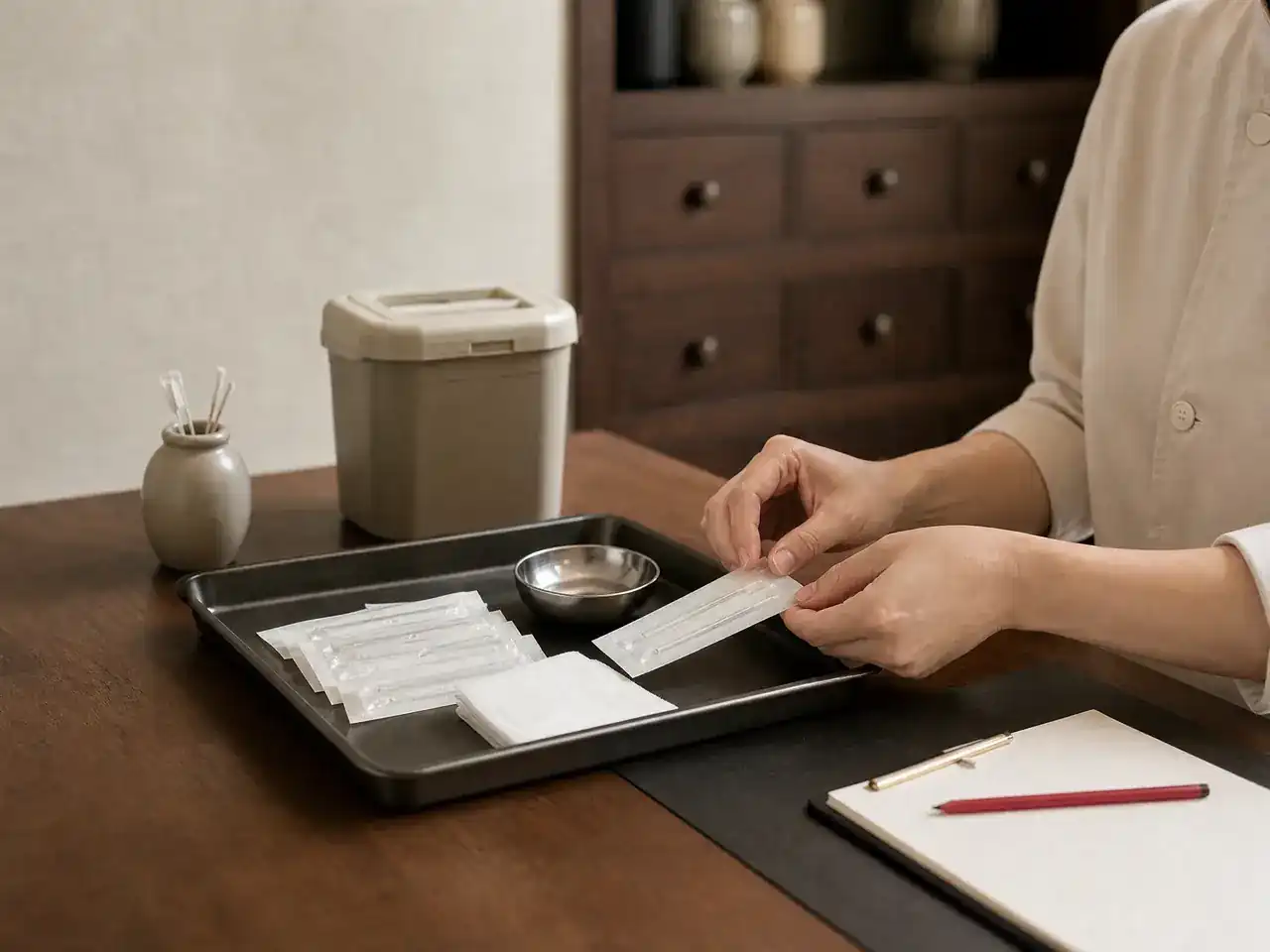
Harmonia TCM's only physical clinic is located in Kwun Tong, where we are committed to providing a safe, professional, and comfortable medical environment for our patients. Our registered Chinese medicine practitioners possess extensive clinical experience and strictly adhere to the professional conduct and hygiene guidelines set by the Chinese Medicine Council of Hong Kong. Before any invasive treatment, we will explain the procedures and potential risks in detail, ensuring you receive care with full informed consent.
To ensure patient safety, we insist on using single-use sterile needles and implement strict disinfection procedures before and after each treatment. Although This information is provided to help you understand the topic and prepare questions for an assessment. , the actual availability of acupuncture services, their suitability for your condition, as well as specific risks and arrangements, must be personally confirmed by our registered Chinese medicine practitioners at the Kwun Tong clinic.
Frequently asked questions
Does acupuncture treatment hurt a lot?
The needles used in acupuncture are very fine, typically much thinner than those used for drawing blood or injections. You may feel a slight prick when the needle enters the skin, but this is usually brief. This may be followed by a sensation of aching, numbness, distension, or heaviness known as 'De Qi', which is a normal reaction. If you feel unbearable pain, please inform the practitioner immediately.
How long does each acupuncture session take?
A complete acupuncture session usually includes consultation, assessment, and needling. The needle retention time is generally 20 to 30 minutes, with the exact duration determined by the practitioner based on your constitution and condition. The entire visit typically takes about 45 to 60 minutes.
How many acupuncture sessions are needed to see results?
The effects of acupuncture vary from person to person, depending on the nature and severity of the condition, as well as individual constitution. For some acute, minor discomforts, you might feel improvement after one or two sessions; for chronic, long-term issues, a longer course of regular treatment may be required. The practitioner will provide an expected treatment plan after the initial assessment.
What should I pay attention to after acupuncture?
After acupuncture, it is recommended to rest and avoid strenuous exercise and overexertion. You should also keep warm and prevent the needled areas from being exposed to cold or wind. Diet should be light, avoiding raw, cold, spicy, and greasy foods. If minor bruising appears at the needling sites, it will usually fade on its own within a few days and is not a cause for undue concern.
Can pregnant women receive acupuncture treatment?
Pregnant women can receive acupuncture in certain situations, but it must be done with extreme caution. Specific acupoints are contraindicated during pregnancy as they may induce uterine contractions. If you are pregnant or suspect you might be, you must inform the practitioner before treatment so they can assess the risks and adjust the treatment plan accordingly.
Does Harmonia TCM provide home visit acupuncture services?
Harmonia TCM's only physical clinic is located in Kwun Tong. Regarding whether home visit acupuncture services are provided, this is currently pending confirmation. The actual service scope, arrangements, and feasibility must be finally confirmed by our registered Chinese medicine practitioners and the clinic. We recommend contacting us directly for the latest information.
Related topics
Sources
Seek a Professional TCM Acupuncture Assessment
If you have any questions about acupuncture therapy or wish to know if acupoint therapy is suitable for your personal constitution and health condition, please feel free to contact Harmonia TCM. Our registered Chinese medicine practitioners will provide you with detailed consultations and professional advice.