Restore Balance. Live in Harmony.
Lower Back Pain
Lower back pain can interrupt work, sleep, and the activities you enjoy. At Harmonia TCM in Kwun Tong, we take time to understand your symptoms and daily routine before suggesting supportive care. Using Traditional Chinese Medicine (TCM) principles, we aim to ease discomfort and restore balance. If you are considering care, we can first discuss what may suit you and how an appointment can be arranged.
Quick answer: Lower back pain has many possible causes, from muscle strain to nerve irritation. In TCM, we assess your whole pattern—how pain behaves through the day, your energy, sleep, digestion, and more—to guide care such as acupuncture, tuina, cupping, moxibustion, and herbal recommendations. At Harmonia TCM (Kwun Tong), all support is subject to confirmation by the clinic and a registered practitioner before scheduling.
View pricesRequest a call-back
CLEAR PRICES
Interested in a treatment? You are always welcome to ask.
We clearly list our current single, trial and package prices so you can explore at your own pace. You are always welcome to message us on WhatsApp about any service, timing or arrangement.
| Category and service | Content / terms | Public price (HK$) | Booking note | Enquire |
|---|---|---|---|---|
| Hair & scalp | Scalp health and hair-loss support | AI scalp analysis, deep follicle cleansing and oil-control support | Trial offerPackageTrial 380; 6 sessions 3,480; 12 sessions 5,760; 20 sessions 8,600; 30 sessions 11,400 | Average per session for 6/12/20/30: 580/480/430/380 | Ask on WhatsApp |
| Hair & scalp | Hair acupuncture with herbal medicine | Scalp acupuncture with 3 days of decoction-free herbal medicine | Single visitPackageSingle 580; 6 sessions 3,180; 12 sessions 5,760; 20 sessions 8,600; 30 sessions 11,400 | Average per session for 6/12/20/30: 530/480/430/380 | Ask on WhatsApp |
| Hair & scalp | Integrated hair support programme | Acupuncture, herbal medicine and follicle activation; packages include shampoo and serum | Single visitPackageSingle 1,260; 8 sessions 8,640; 16 sessions 15,680; 20 sessions 18,600; 30 sessions 26,400 | Average per session for 8/16/20/30: 1,080/980/930/880 | Ask on WhatsApp |
| Weight management | Full-body acupoint embedding | Full-body acupoint embedding; packages include proportionate days of herbal support | Single visitPackageSingle 980; 10 sessions 7,800; 20 sessions 14,600; 30 sessions 20,400 | Average per session for 10/20/30: 780/730/680 | Ask on WhatsApp |
| Facial acupuncture | Brightening V-face (Essential) | Facial acupuncture, meridian support and swelling management | Trial offerPackageTrial 480; 10 sessions 5,200; 20 sessions 9,600; 30 sessions 13,500 | Average per session for 10/20/30: 520/480/450 | Ask on WhatsApp |
| Facial acupuncture | Firming and refining (Advanced) | Enhanced facial acupuncture for firmness and fine-line concerns with a moisturising mask serum | Trial offerPackageTrial 780; 10 sessions 9,000; 20 sessions 16,600; 30 sessions 23,400 | Average per session for 10/20/30: 900/830/780 | Ask on WhatsApp |
| Pain care | Extracorporeal shockwave therapy | Deep inflammation support and fascial relaxation | Prince Edward: 250 per area; Kwun Tong: 250 for 1 area, 450 for 2, 600 for 3 | Clinic-specific pricing; confirm location before booking | Ask on WhatsApp |
| Pain care | Manual therapy | TCM bone-injury assessment, manual alignment and tui na techniques | Single visitSingle 580 | Suitability is confirmed after assessment | Ask on WhatsApp |
| Pain care | Acupuncture with manual therapy | Acupuncture with manual structural support | Single visitSingle 680 | Suitability is confirmed after assessment | Ask on WhatsApp |
| TCM regulation | Acupuncture with herbal medicine | TCM consultation, whole-body acupuncture and 3 days of decoction-free herbal medicine granules | Single visitSingle 580 | Confirm clinician availability and service arrangement when booking | Ask on WhatsApp |
Understanding Lower Back Pain
The lower back carries your body’s weight throughout the day, so it is not surprising that discomfort here is common. Lower back pain can feel dull and aching, sharp and catching, or tight and stiff. It may develop suddenly after lifting or twisting, or gradually with prolonged sitting and stress. Some people notice stiffness on waking that eases as they move, while others feel worse after a long day or after certain activities.
Causes vary and may include muscle strain, joint irritation, ligament sprain, or changes around the discs and surrounding tissues. Occasionally, nerve irritation can cause pain to travel down the leg, sometimes called sciatica. Daily habits—such as working at a low desk, standing on hard floors, or weekend overexertion—often contribute. The same symptoms can arise from different underlying reasons, which is why a careful assessment is important.
Most back pain improves with time and appropriate care. However, severe or rapidly worsening pain, pain after trauma, or pain with concerning symptoms should be assessed promptly by a suitable medical professional. At Harmonia TCM, we encourage you to share any imaging or reports you already have and to seek immediate medical attention if red flags appear (see Safety section). We take a calm, stepwise approach: understand first, then support appropriately.
| Aspect | Details |
|---|---|
| Common pain qualities | Dull ache, stiffness, tightness, sharp catches, spasm |
| Typical triggers | Prolonged sitting, sudden lifting/twisting, deconditioning, stress |
| May also notice | Reduced range of motion, sleep disturbance, fatigue |
| Often helps | Gentle movement, pacing, ergonomic adjustments, heat (for many) |
| Needs prompt medical check | Severe or worsening pain with red flags such as leg weakness, bladder/bowel issues, fever |
How TCM Interprets Back Pain: Patterns, Not Just Points
Traditional Chinese Medicine views the body as an interconnected network of Qi and Blood flowing through channels. The lower back is closely related to the Kidney system in TCM theory, as well as the Bladder and Gallbladder channels that traverse the lumbar region. Rather than labelling only a location, TCM looks for a pattern: what makes the pain better or worse, the time of day, your energy and sleep, digestion, emotions, and how the pain started. In TCM terms, the same lumbar pain can arise from different imbalances.
Common patterns considered for back pain include Cold-Damp invading the channels (heaviness and stiffness worse in cold or damp weather), internal deficiencies such as Kidney Qi or Yang deficiency (soreness and weakness that worsens with fatigue or cold), or stagnation of Qi and Blood (fixed, stabbing pain, often after strain or a fall). The goal is to identify the most relevant pattern for the individual, then choose methods to warm, move, nourish, or relax accordingly.
Pattern differentiation does not replace a biomedical diagnosis. Many people find it helpful to combine information from both perspectives. When appropriate, we may recommend that you obtain or share conventional assessments (for example, from your GP or allied health professionals) so that your care remains safe, proportionate, and well-coordinated.
| TCM Idea | What it means for you |
|---|---|
| Pattern differentiation | Your care is based on how your symptoms behave, not just where they appear. |
| Channels and organs | Back pain may relate to channel flow and Kidney system balance in TCM. |
| Dynamic change | Plans evolve as your symptoms and daily routine change. |
| Integration | Conventional findings can complement TCM pattern assessment. |
Your Assessment at Harmonia TCM (Subject to Confirmation)
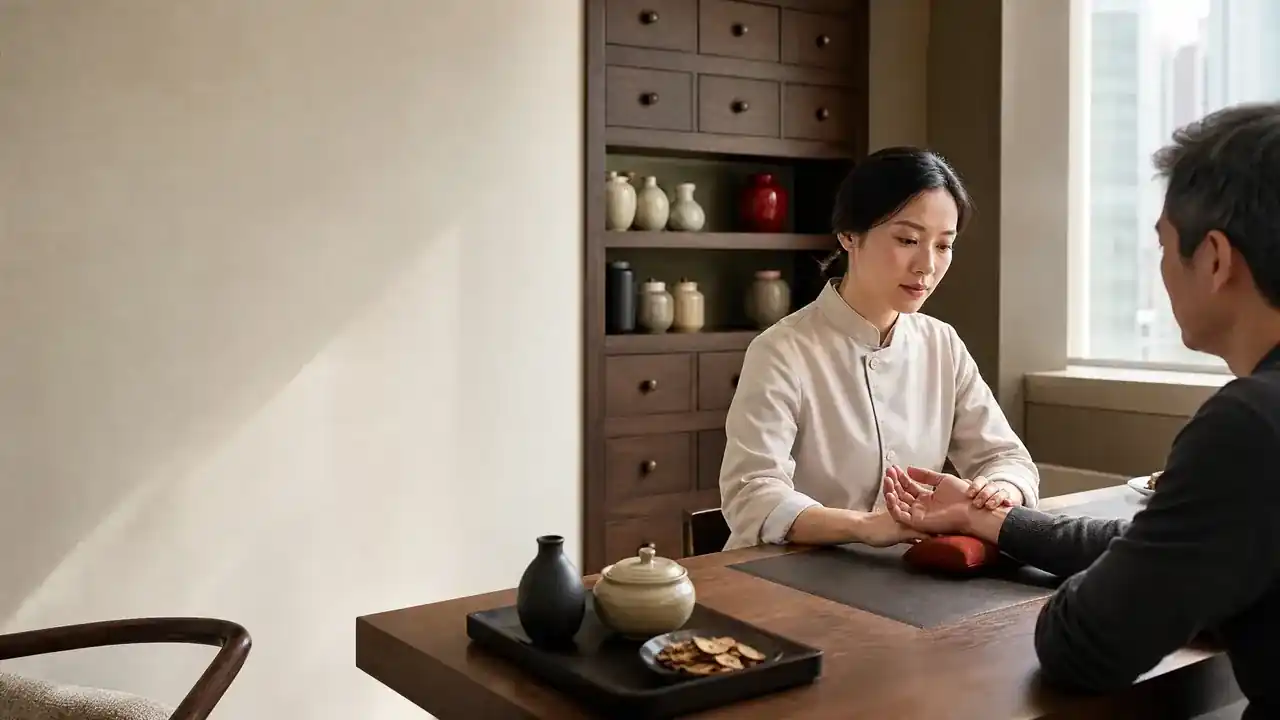
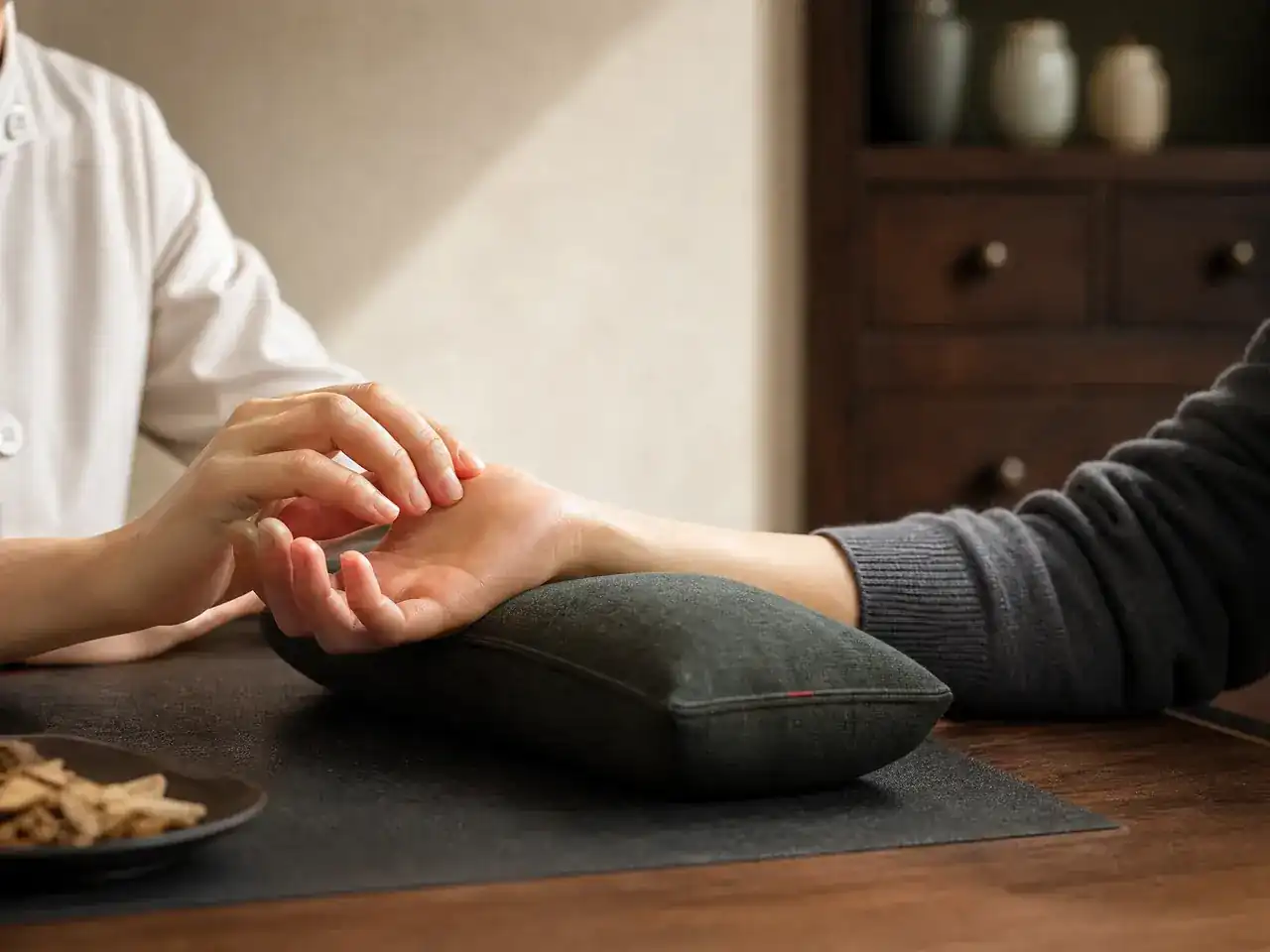
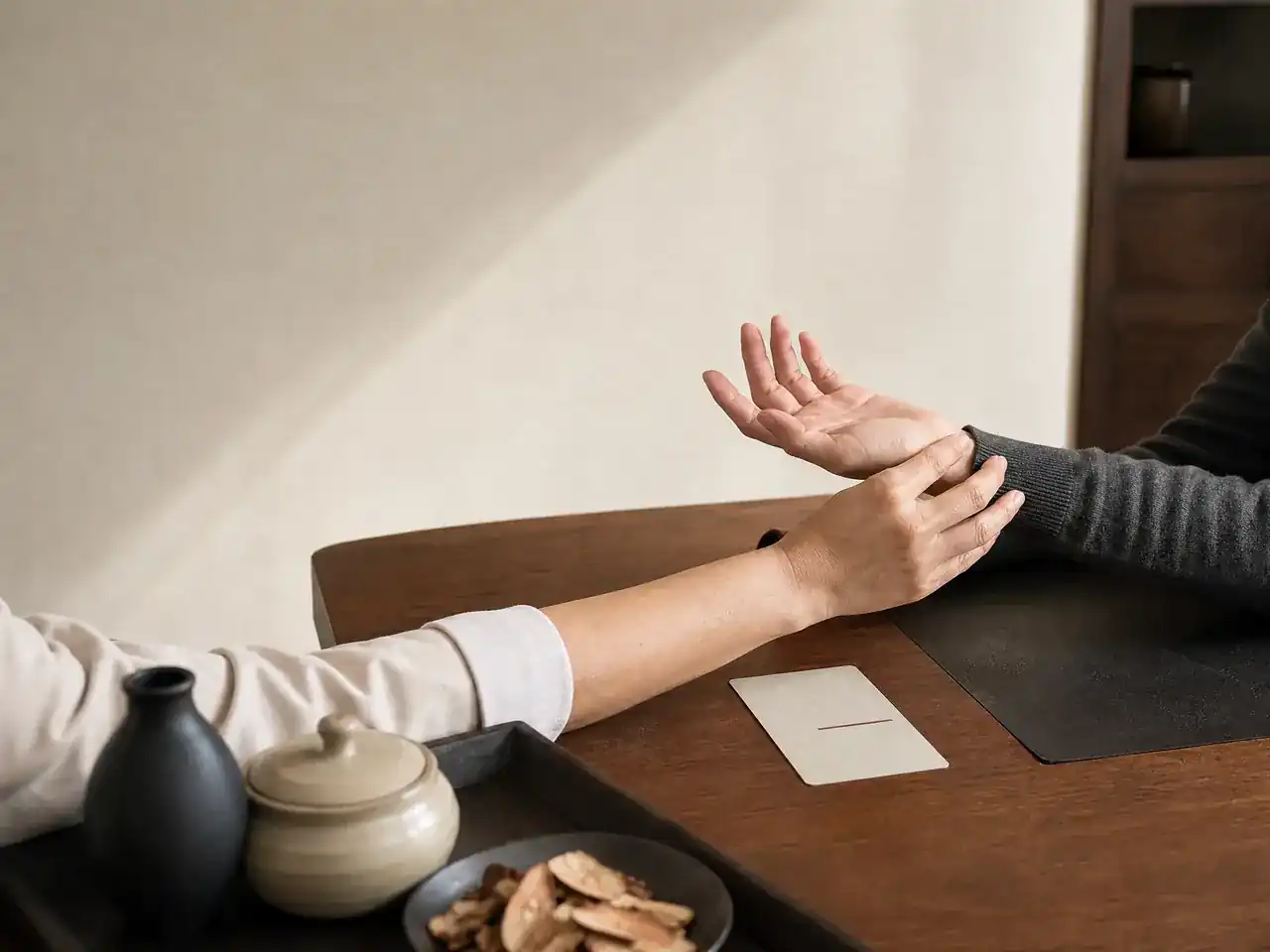
Before any service proceeds, availability and suitability require confirmation by the clinic and a registered Chinese medicine practitioner. If confirmed, your consultation focuses on listening carefully to your story: when the pain began, what triggers or eases it, how it affects work, sleep, and movement, and any past injuries or health conditions. We may observe posture and gait, gently palpate the muscles and soft tissues, and consider tongue and pulse findings within TCM assessment. If you already have imaging or medical reports, please bring them so we can keep safety foremost.
Together we will discuss a stepwise plan that fits your goals and schedule. Where needed, we may suggest further medical evaluation first—especially if you have red flags or severe, worsening pain. If TCM care is suitable, we will explain likely methods (for example, acupuncture, tuina, cupping, moxibustion, or herbal recommendations), expected sensations, possible risks, and how we will monitor progress. Education on movement, pacing, and ergonomics is usually part of the plan.
| Assessment Element | Purpose |
|---|---|
| History and goals | Clarify your priorities and triggers to guide a tailored plan. |
| Observation and palpation | Assess tissue tone, areas of tenderness, and movement patterns. |
| Tongue and pulse (TCM) | Support pattern identification to choose suitable methods. |
| Safety review | Identify medications, conditions, or red flags that affect care. |
| Plan discussion | Agree on next steps, home advice, and review points. |
Supportive Care Options We May Recommend
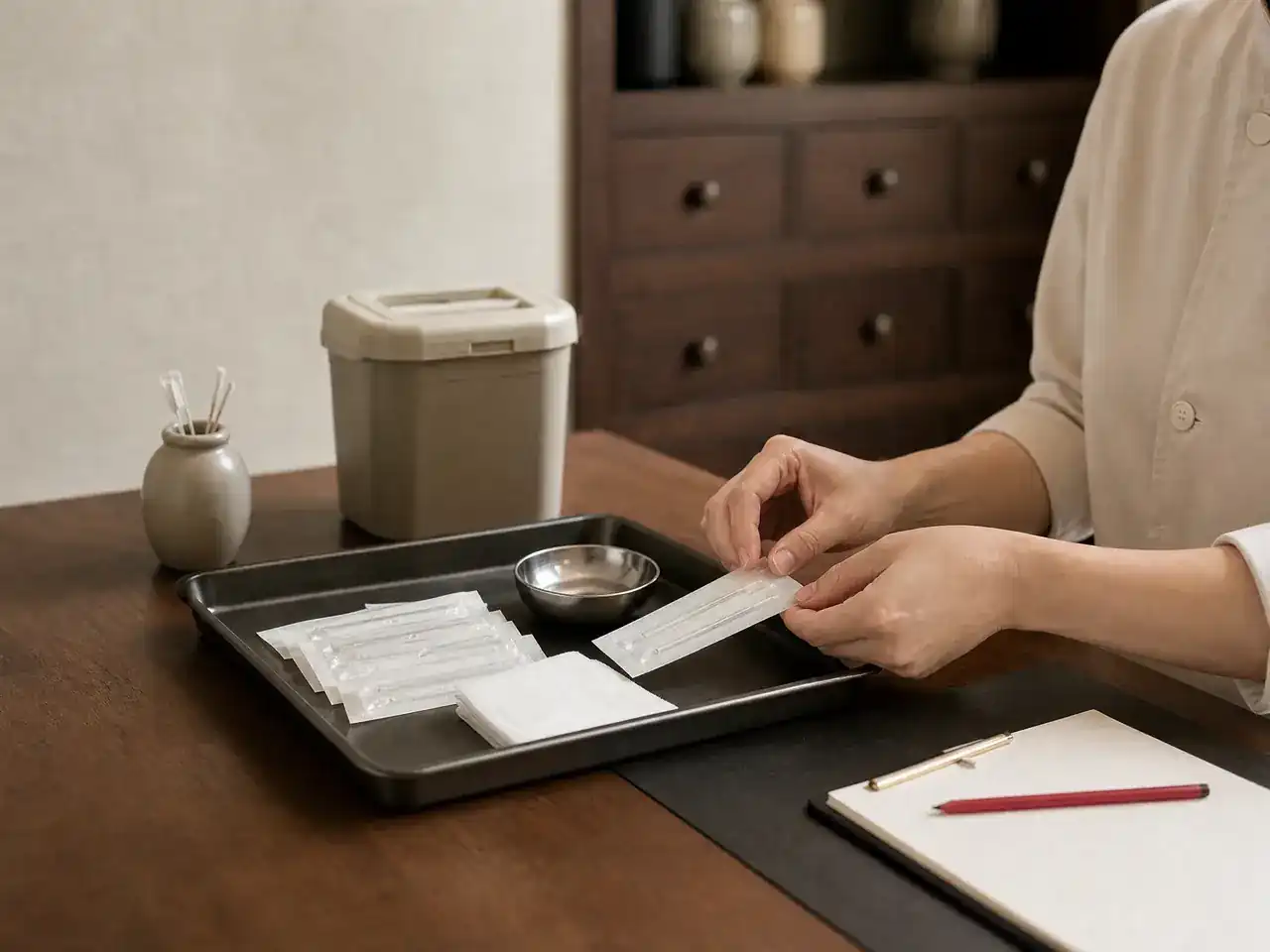
Depending on your individual pattern and preferences, a registered practitioner may suggest one or more modalities. Acupuncture is commonly used for musculoskeletal pain. Very fine, sterile needles are placed at selected points to influence Qi and Blood flow, relax tight tissues, and modulate pain pathways. Many people describe a warm, dull, or light ache sensation during needling. According to the NHS, acupuncture is sometimes used to help with chronic pain, though responses vary and risks, while generally low with trained practitioners, do exist.
Cupping, tuina (manual therapy), and moxibustion (gentle warming with moxa) may be considered to loosen tense fascia and muscles, move stagnation, and warm areas aggravated by cold. Marks from cupping are usually temporary. Techniques and intensity are adapted to your comfort and health status. We proceed gradually, explain what to expect, and check in about your response after each session.
Chinese herbal medicine may be discussed when appropriate. Formulas are chosen to match your pattern and adjusted as symptoms change. We will review your medications and allergies to reduce the risk of interactions. Herbs can be prepared as decoctions or granules; we will outline how to take them and what side effects to watch for. No method is right for everyone; our focus is personalised, precautious, and reviewed regularly.
| Method | Typical intention in TCM | What you might feel | Notes |
|---|---|---|---|
| Acupuncture | Move Qi/Blood, relax tissue, modulate pain | Warmth, heaviness, mild ache | NHS notes it may help some chronic pain; responses vary. |
| Cupping | Release fascia, move stagnation | Pressure and local suction | Temporary skin marks may occur. |
| Tuina | Mobilise soft tissue and joints | Comfortable pressure and stretch | Intensity adjusted to tolerance. |
| Moxibustion | Warm channels, disperse cold | Gentle heat | Avoid on inflamed or very hot skin. |
Common TCM Patterns Linked with Lower Back Pain
Not all back pain is the same. In TCM, the plan depends on the pattern—how your symptoms present and what influences them day to day. Two people can have similar pain levels for different reasons and therefore benefit from different approaches. Your plan may combine modalities with movement and ergonomic advice. Because patterns can evolve, reassessment is built into follow-up visits.
The table below gives general examples, not diagnoses. Your practitioner will explain which patterns, if any, seem most relevant for you and why. We will also discuss how to pace activity, protect sleep, and reduce flare-ups at work or home. If any sign suggests a medical red flag, we will advise seeking appropriate medical assessment first.
| Pattern (TCM) | Typical features patients may report | Examples of supportive methods considered | Lifestyle notes |
|---|---|---|---|
| Kidney deficiency (Qi/Yang/Yin) | Dull soreness and weakness in the low back, worse with fatigue; may feel cold (Yang) or have achy knees and low stamina | Acupuncture to nourish and strengthen patterns; gentle tuina; tonic herbal formulas if suitable | Prioritise sleep, warm foods, gradual core/hip strengthening |
| Cold-Damp invasion | Heavy, stiff back worse in cold/damp weather; improves with warmth and movement | Warming techniques such as moxibustion; cupping to move stagnation; acupuncture | Keep the back warm and dry; avoid prolonged sitting on cold surfaces |
| Qi stagnation (often stress-related) | Tight, achy bands across the back; variable with stress and posture | Relaxing acupuncture and tuina to soothe flow; breathing exercises | Regular movement breaks; simple breathwork or relaxation |
| Blood stasis (often post-strain) | Sharp, fixed pain, tenderness to pressure; history of strain or fall | Acupuncture to move Blood; cupping/tuina as tolerated | Introduce graded movement; avoid overloading early |
| Damp-Heat accumulation | Back feels heavy or warm, possible swelling; may worsen with rich or spicy foods | Acupuncture to clear heat and move damp; herbal support if appropriate | Emphasise hydration; moderate greasy, very spicy foods |
Self‑Care, Posture, and Prevention
Gentle movement is usually more helpful than strict bed rest for non-urgent back pain. Short, frequent walks, easy hip and thoracic mobility drills, and paced return to daily tasks can support recovery. As pain calms, gradual strengthening of hips, glutes, and core can improve resilience. Breathing calmly through the belly and releasing the jaw and shoulders can reduce protective tension around the lower back.
Check your workstation height, seat support, and screen level. Use a footrest if your feet dangle, and change position every 30–45 minutes. When lifting, keep the load close, hinge at the hips, and avoid twisting while weighted. Many people prefer heat for muscle tightness; cool packs may suit recent, warm-feeling strains—use what feels best and protect the skin. For sleep, a side-lying position with a pillow between the knees often eases strain.
If home care is not enough, or if you develop leg weakness, numbness, fever, or other red flags, seek prompt medical assessment. For persistent or recurrent episodes, combining TCM-based care with physiotherapy, graded exercise, and workplace adjustments may offer a rounded strategy. We will discuss timelines and review points so you can adjust activity confidently without overdoing it.
| Home strategy | Practical tip |
|---|---|
| Movement pacing | Alternate activity with short breaks; avoid long static postures. |
| Work setup | Align screen at eye level; support lower back; vary position often. |
| Lifting technique | Keep load close; hinge at hips; avoid twisting with weight. |
| Heat or cold | Choose the option that soothes; protect the skin and limit exposure. |
| Sleep support | Side-lying with pillow between knees or back-lying with pillow under knees. |
Frequently asked questions
How does TCM view lower back pain compared with conventional medicine?
Conventional medicine often identifies tissues involved (for example, muscle strain, joint irritation, or nerve involvement). TCM examines how your symptoms behave within a wider pattern—considering energy, sleep, digestion, weather sensitivity, and onset. Two people with similar pain may have different TCM patterns, so suggested methods can differ. We encourage sharing any medical reports to keep care coordinated and safe.
What should I prepare for my first visit, and what will happen?
Bring any imaging or reports, a list of medications and supplements, and notes about what aggravates or eases your pain. Wear or bring comfortable clothing that allows access to the lower back and legs. The practitioner will take a detailed history, observe posture and movement, and conduct palpation and TCM tongue/pulse assessment. We will explain the likely plan, potential benefits and risks, and when medical referral is advisable.
How many sessions might be recommended, and when might I notice changes?
Frequency depends on factors such as duration of symptoms, pattern type, workload, sleep, and stress. Some people with recent-onset pain may notice changes within a few sessions; persistent or recurrent pain often needs a longer, paced plan. We review progress regularly and adjust based on your response. There are no guarantees; our aim is to support you safely and systematically.
Is TCM suitable if I have radiating leg pain or sciatica-like symptoms?
It depends on the cause and severity. Radiating pain can range from mild irritation to more serious nerve compression. We will screen for red flags like progressive weakness, saddle numbness, or bladder/bowel changes, which require urgent medical attention. If appropriate, TCM methods may be used alongside medical advice. Please share any imaging or specialist notes so we can plan safely.
Can I combine TCM with physiotherapy, exercise, or prescribed pain medication?
Often, yes. Many people find a combined approach helpful. We can coordinate with your physiotherapist, trainer, or doctor when needed. Tell us exactly which medicines and supplements you use, and any changes made by your healthcare providers. We will tailor intensity and timing so that treatments and exercise reinforce each other rather than causing flare-ups.
Are acupuncture, cupping, or herbs safe if I’m on blood thinners or have medical conditions?
Safety depends on your specific medication, dose, and medical history. Anticoagulants and certain conditions may increase bruising or change the suitability of some techniques. Before any treatment, a registered practitioner will review your history, discuss potential risks, and modify or defer methods as needed. With herbal medicine, potential interactions are considered carefully. When in doubt, we may seek your doctor’s input first.
Related topics
Sources
Discuss Your Lower Back Pain with Harmonia TCM (Confirmation Required)
If you are considering care, we can first discuss what may suit you and how an appointment can be arranged. Share your concerns and any medical reports, and we will advise next steps from our Kwun Tong clinic perspective.