Pain Assessment at Harmonia TCM
Pain Assessment Service
Our pain assessment service at Harmonia TCM offers a thorough evaluation to understand the nature and source of your pain. By integrating traditional diagnostic methods with modern insights, we provide comprehensive pain assessment to inform accurate diagnosis & classification and guide effective treatment recommendations tailored to your unique condition.
Quick answer: Pain assessment at Harmonia TCM involves a detailed evaluation of your symptoms, medical history, and physical condition using both traditional Chinese medicine and modern diagnostic techniques. This process helps with accurate diagnosis & classification of your pain, enabling our practitioners to recommend personalised treatment options that address the root cause and improve your overall well-being.
View pricesBook an Appointment
CLEAR PRICES
Interested in a treatment? You are always welcome to ask.
We clearly list our current single, trial and package prices so you can explore at your own pace. You are always welcome to message us on WhatsApp about any service, timing or arrangement.
| Category and service | Content / terms | Public price (HK$) | Booking note | Enquire |
|---|---|---|---|---|
| Hair & scalp | Scalp health and hair-loss support | AI scalp analysis, deep follicle cleansing and oil-control support | Trial offerPackageTrial 380; 6 sessions 3,480; 12 sessions 5,760; 20 sessions 8,600; 30 sessions 11,400 | Average per session for 6/12/20/30: 580/480/430/380 | Ask on WhatsApp |
| Hair & scalp | Hair acupuncture with herbal medicine | Scalp acupuncture with 3 days of decoction-free herbal medicine | Single visitPackageSingle 580; 6 sessions 3,180; 12 sessions 5,760; 20 sessions 8,600; 30 sessions 11,400 | Average per session for 6/12/20/30: 530/480/430/380 | Ask on WhatsApp |
| Hair & scalp | Integrated hair support programme | Acupuncture, herbal medicine and follicle activation; packages include shampoo and serum | Single visitPackageSingle 1,260; 8 sessions 8,640; 16 sessions 15,680; 20 sessions 18,600; 30 sessions 26,400 | Average per session for 8/16/20/30: 1,080/980/930/880 | Ask on WhatsApp |
| Weight management | Full-body acupoint embedding | Full-body acupoint embedding; packages include proportionate days of herbal support | Single visitPackageSingle 980; 10 sessions 7,800; 20 sessions 14,600; 30 sessions 20,400 | Average per session for 10/20/30: 780/730/680 | Ask on WhatsApp |
| Facial acupuncture | Brightening V-face (Essential) | Facial acupuncture, meridian support and swelling management | Trial offerPackageTrial 480; 10 sessions 5,200; 20 sessions 9,600; 30 sessions 13,500 | Average per session for 10/20/30: 520/480/450 | Ask on WhatsApp |
| Facial acupuncture | Firming and refining (Advanced) | Enhanced facial acupuncture for firmness and fine-line concerns with a moisturising mask serum | Trial offerPackageTrial 780; 10 sessions 9,000; 20 sessions 16,600; 30 sessions 23,400 | Average per session for 10/20/30: 900/830/780 | Ask on WhatsApp |
| Pain care | Extracorporeal shockwave therapy | Deep inflammation support and fascial relaxation | Prince Edward: 250 per area; Kwun Tong: 250 for 1 area, 450 for 2, 600 for 3 | Clinic-specific pricing; confirm location before booking | Ask on WhatsApp |
| Pain care | Manual therapy | TCM bone-injury assessment, manual alignment and tui na techniques | Single visitSingle 580 | Suitability is confirmed after assessment | Ask on WhatsApp |
| Pain care | Acupuncture with manual therapy | Acupuncture with manual structural support | Single visitSingle 680 | Suitability is confirmed after assessment | Ask on WhatsApp |
| TCM regulation | Acupuncture with herbal medicine | TCM consultation, whole-body acupuncture and 3 days of decoction-free herbal medicine granules | Single visitSingle 580 | Confirm clinician availability and service arrangement when booking | Ask on WhatsApp |

Understanding Pain Assessment in Traditional Chinese Medicine
Pain assessment is a fundamental step in Traditional Chinese Medicine (TCM) diagnosis and management. At Harmonia TCM, we emphasise a detailed pain assessment to fully comprehend the complexity of your symptoms. This involves not only identifying the intensity and location of pain but also understanding its quality, duration, triggers, and associated signs. The goal is to form a holistic picture that aligns with TCM principles of energy flow, organ function, and systemic balance.
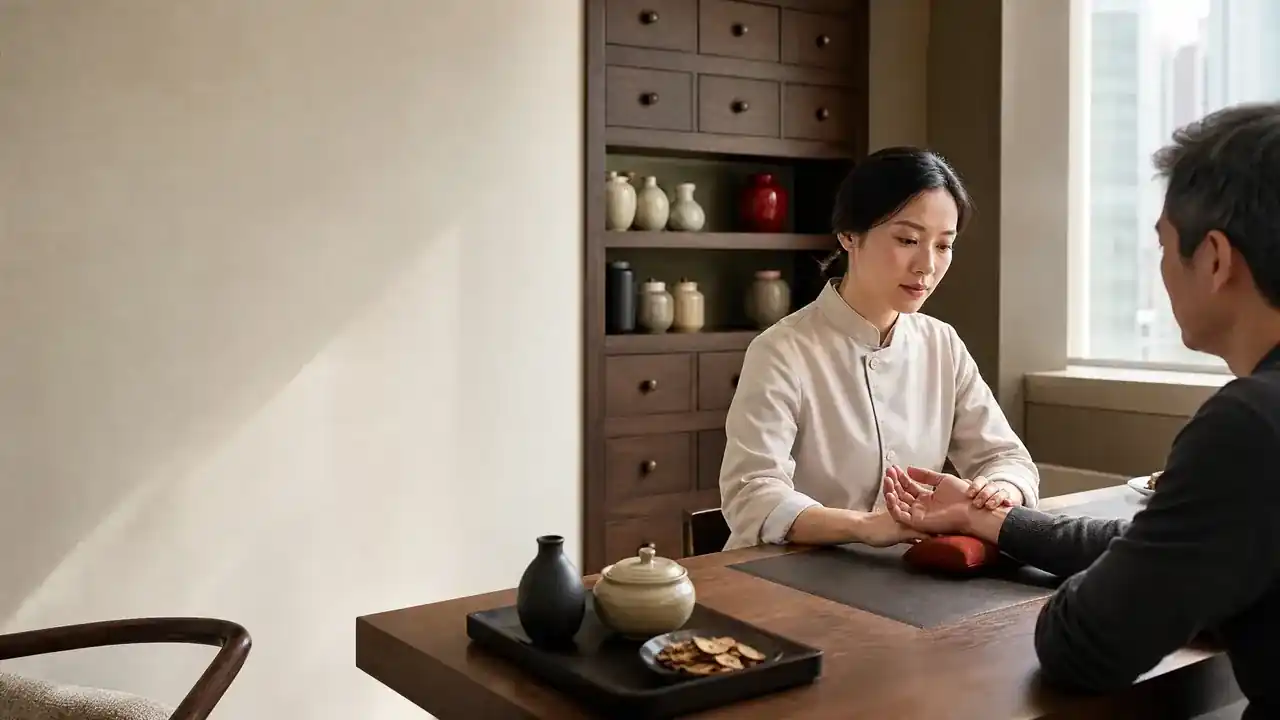
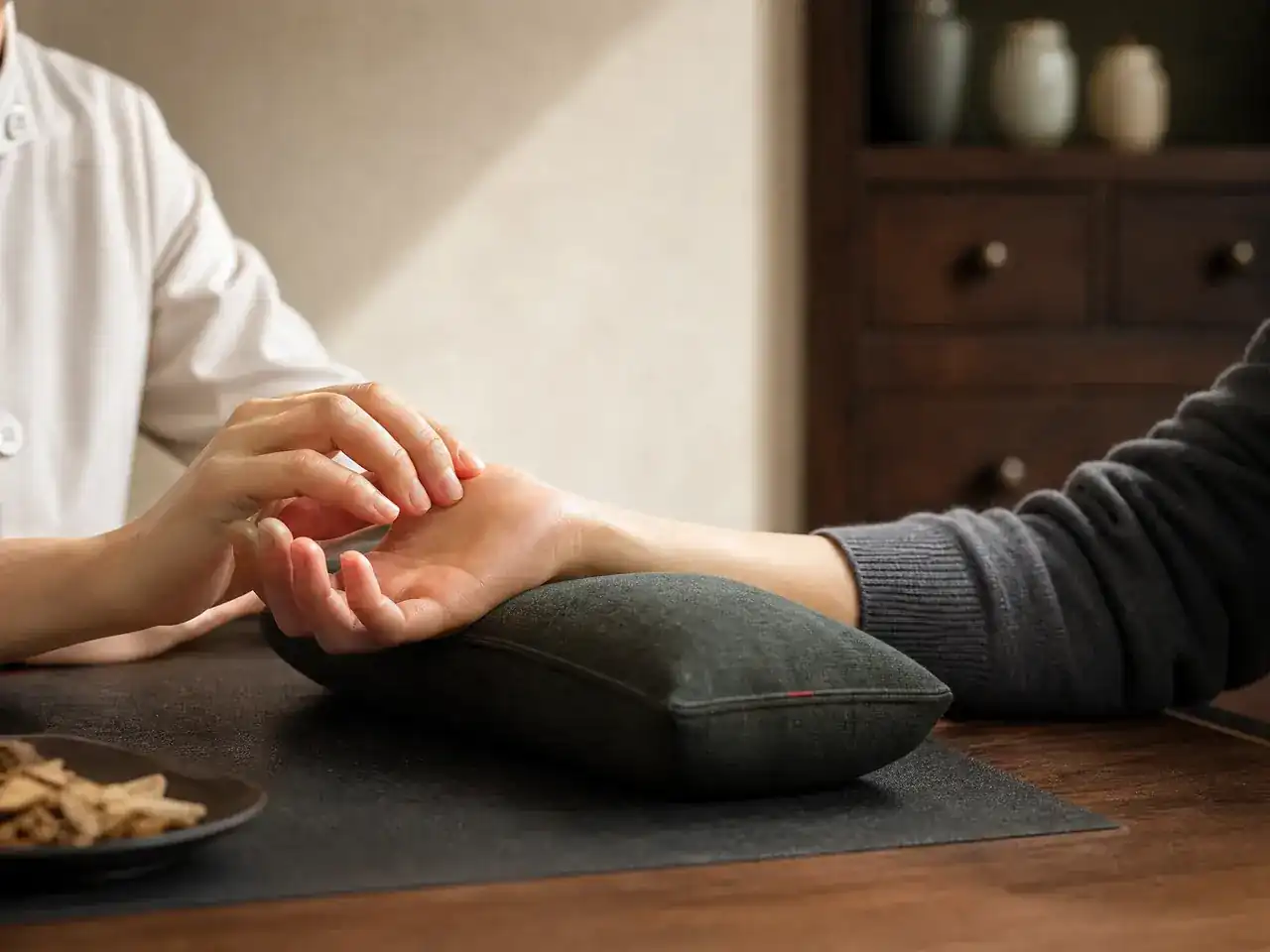
The pain assessment process in TCM differs from conventional Western methods by incorporating pulse diagnosis, tongue examination, and detailed questioning about lifestyle, emotional status, and environmental factors. These elements are essential for diagnosis & classification of pain patterns such as Qi stagnation, blood stasis, cold accumulation, or dampness, which directly influence treatment recommendations. This comprehensive approach ensures that therapy targets the underlying imbalance rather than merely alleviating symptoms.
Diagnosis & Classification of Pain: Traditional and Contemporary Perspectives
Accurate diagnosis & classification of pain is critical to developing an effective treatment plan. In TCM, pain is categorised based on its cause, nature, and pattern. For example, pain due to Qi stagnation is often described as distending or moving and may improve with movement, whereas pain from blood stasis tends to be sharp and fixed. Cold-related pain often worsens with cold exposure and improves with warmth, while dampness-related pain is heavy and accompanied by swelling or numbness.
From a modern clinical perspective, diagnosis & classification also consider the anatomical structures involved, such as muscles, joints, nerves, or internal organs. Combining these perspectives allows Harmonia TCM practitioners to formulate a nuanced understanding of your condition. This fusion of diagnostic frameworks supports the development of precise treatment recommendations that address both symptomatic relief and long-term balance restoration.
| TCM Pain Pattern | Characteristic Symptoms |
|---|---|
| Qi Stagnation | Distending, moving pain often relieved by movement |
| Blood Stasis | Sharp, stabbing pain, fixed location, possible bruising |
| Cold Accumulation | Pain worsens with cold, relieved by warmth, tight sensation |
| Dampness | Heavy, swollen, numb pain with a feeling of fullness |
| Heat | Burning pain with redness, swelling, possible fever |
| Deficiency | Dull, aching pain, aggravated by exertion or fatigue |
The Role of Patient History and Physical Examination in Pain Assessment
A meticulous collection of patient history is indispensable in pain assessment. At Harmonia TCM, our practitioners conduct thorough interviews to gather detailed information on onset, duration, intensity, location, aggravating and relieving factors, and previous treatments. In addition, emotional well-being and lifestyle habits are explored, as these factors can significantly influence pain perception and underlying pathology in TCM theory.
Physical examination complements history-taking by providing observable signs that help refine diagnosis & classification. Techniques such as palpation along meridians, assessment of muscle tone and joint mobility, and observation of tongue and pulse provide vital clues to the internal state of the body. This comprehensive examination supports the development of targeted treatment recommendations that consider both physical and energetic aspects of pain.
Treatment Recommendations Based on Pain Assessment Outcomes
Following a detailed pain assessment, treatment recommendations at Harmonia TCM are carefully customised to address the unique needs of each individual. Based on the diagnosis & classification, therapies may include acupuncture, herbal medicine, tui na massage, cupping, moxibustion, and lifestyle advice. Each modality aims to restore balance, relieve pain, and improve function by targeting the underlying TCM pattern identified during assessment.
Treatment recommendations also emphasise a patient-centred approach, considering preferences, tolerances, and concurrent health conditions to optimise safety and effectiveness. Our practitioners provide education on self-care practices and preventive strategies to complement clinical interventions. This integrative method fosters sustainable improvements and enhances overall quality of life.
Integrating Pain Assessment with Conventional Medicine
Pain assessment at Harmonia TCM recognises the importance of interdisciplinary collaboration. While TCM provides a holistic framework for understanding pain, integration with conventional medical evaluations ensures comprehensive care. Practitioners encourage patients to share findings from imaging studies, laboratory tests, and specialist consultations to enrich the diagnostic picture.
This integration facilitates informed decision-making regarding treatment recommendations and helps identify cases requiring urgent referral or co-management. Harmonia TCM upholds clear communication with patients and healthcare providers to ensure coordinated care that respects individual health needs and safety considerations.
Monitoring and Reevaluation: Ensuring Effective Pain Management
Pain assessment is not a one-time event but an ongoing process essential to effective management. At Harmonia TCM, follow-up assessments are scheduled to monitor treatment response, adjust diagnosis & classification if necessary, and refine treatment recommendations. This dynamic approach recognises that pain patterns may evolve, and therapeutic strategies must adapt accordingly.
Ongoing monitoring also provides an opportunity to address any emerging concerns, reinforce self-care education, and encourage patient engagement. By maintaining open dialogue and comprehensive evaluation, our practitioners aim to support long-term improvements and help patients regain optimal function and well-being.
Frequently asked questions
What is involved in a pain assessment at Harmonia TCM?
Our pain assessment includes a comprehensive review of your pain symptoms, medical history, and lifestyle factors, combined with traditional diagnostic methods such as pulse and tongue examination. This thorough evaluation helps us diagnose and classify your pain to provide personalised treatment recommendations.
How does Traditional Chinese Medicine differ from Western medicine in pain assessment?
TCM assesses pain not only by physical symptoms but also by examining energy flow, organ function, and systemic balance through unique diagnostic tools like pulse and tongue analysis. This holistic approach complements Western diagnostic methods to identify underlying imbalances contributing to pain.
Can pain assessment at Harmonia TCM help with chronic pain conditions?
Yes. Our detailed pain assessment is designed to understand complex chronic pain patterns through diagnosis & classification, enabling tailored treatment recommendations that aim to manage symptoms and improve quality of life over time.
Is the pain assessment process painful or invasive?
No. The assessment is non-invasive and involves discussion, observation, and gentle physical examination. Procedures like pulse and tongue diagnosis are painless, and any physical examination is conducted with your comfort in mind.
Where is Harmonia TCM’s clinic located for pain assessment services?
Harmonia TCM’s only physical clinic is located in Kwun Tong, Hong Kong. Please note this information is intended as general guidance and does not imply availability at other locations.
Are there any risks associated with the pain assessment or treatments?
Pain assessment itself is safe and non-invasive. Treatment recommendations are made carefully considering your health status. However, like all medical interventions, there may be risks which our practitioners will discuss with you. Always inform us of any concerns or pre-existing conditions.
Related topics
Sources
Schedule Your Comprehensive Pain Assessment Today
Begin your journey towards better pain management with Harmonia TCM’s expert pain assessment service. Our experienced practitioners in Kwun Tong are dedicated to providing personalised diagnosis & classification and tailored treatment recommendations designed to support your health and well-being. This information outlines common considerations and assessment directions. If you would like to discuss what may suit you or how an appointment can be arranged, please contact us.