TCM Care
Pediatric poor appetite
Dealing with poor appetite in children is a common concern for many parents. In Traditional Chinese Medicine, this is closely related to the function of the spleen and stomach. Through professional assessment and care, we aim to help children improve their eating habits and restore their natural health balance.
Quick answer: From a Traditional Chinese Medicine perspective, poor appetite (children) is often linked to a weakened spleen and stomach or food stagnation. Through herbal medicine, pediatric massage, or acupuncture, TCM aims to support pediatric digestion and gradually improve eating habits. Actual treatment plans require professional assessment by a registered Chinese medicine practitioner based on the child's unique constitution.
View pricesContact Kwun Tong Clinic
CLEAR PRICES
Interested in a treatment? You are always welcome to ask.
We clearly list our current single, trial and package prices so you can explore at your own pace. You are always welcome to message us on WhatsApp about any service, timing or arrangement.
| Category and service | Content / terms | Public price (HK$) | Booking note | Enquire |
|---|---|---|---|---|
| Hair & scalp | Scalp health and hair-loss support | AI scalp analysis, deep follicle cleansing and oil-control support | Trial offerPackageTrial 380; 6 sessions 3,480; 12 sessions 5,760; 20 sessions 8,600; 30 sessions 11,400 | Average per session for 6/12/20/30: 580/480/430/380 | Ask on WhatsApp |
| Hair & scalp | Hair acupuncture with herbal medicine | Scalp acupuncture with 3 days of decoction-free herbal medicine | Single visitPackageSingle 580; 6 sessions 3,180; 12 sessions 5,760; 20 sessions 8,600; 30 sessions 11,400 | Average per session for 6/12/20/30: 530/480/430/380 | Ask on WhatsApp |
| Hair & scalp | Integrated hair support programme | Acupuncture, herbal medicine and follicle activation; packages include shampoo and serum | Single visitPackageSingle 1,260; 8 sessions 8,640; 16 sessions 15,680; 20 sessions 18,600; 30 sessions 26,400 | Average per session for 8/16/20/30: 1,080/980/930/880 | Ask on WhatsApp |
| Weight management | Full-body acupoint embedding | Full-body acupoint embedding; packages include proportionate days of herbal support | Single visitPackageSingle 980; 10 sessions 7,800; 20 sessions 14,600; 30 sessions 20,400 | Average per session for 10/20/30: 780/730/680 | Ask on WhatsApp |
| Facial acupuncture | Brightening V-face (Essential) | Facial acupuncture, meridian support and swelling management | Trial offerPackageTrial 480; 10 sessions 5,200; 20 sessions 9,600; 30 sessions 13,500 | Average per session for 10/20/30: 520/480/450 | Ask on WhatsApp |
| Facial acupuncture | Firming and refining (Advanced) | Enhanced facial acupuncture for firmness and fine-line concerns with a moisturising mask serum | Trial offerPackageTrial 780; 10 sessions 9,000; 20 sessions 16,600; 30 sessions 23,400 | Average per session for 10/20/30: 900/830/780 | Ask on WhatsApp |
| Pain care | Extracorporeal shockwave therapy | Deep inflammation support and fascial relaxation | Prince Edward: 250 per area; Kwun Tong: 250 for 1 area, 450 for 2, 600 for 3 | Clinic-specific pricing; confirm location before booking | Ask on WhatsApp |
| Pain care | Manual therapy | TCM bone-injury assessment, manual alignment and tui na techniques | Single visitSingle 580 | Suitability is confirmed after assessment | Ask on WhatsApp |
| Pain care | Acupuncture with manual therapy | Acupuncture with manual structural support | Single visitSingle 680 | Suitability is confirmed after assessment | Ask on WhatsApp |
| TCM regulation | Acupuncture with herbal medicine | TCM consultation, whole-body acupuncture and 3 days of decoction-free herbal medicine granules | Single visitSingle 580 | Confirm clinician availability and service arrangement when booking | Ask on WhatsApp |


Understanding the TCM Perspective on Poor Appetite
Experiencing poor appetite (children) is a frequent health challenge that many parents encounter during their child's developmental years. It is common to see children lose interest in food or even actively resist eating during mealtimes. From the perspective of Traditional Chinese Medicine (TCM), this behavior is rarely just simple pickiness; it often reflects an underlying imbalance in the body's internal organ functions. TCM theory posits that the spleen and stomach are the foundation of postnatal health and the source of Qi (vital energy) and blood production, making their optimal function crucial for a growing child.
When a child experiences a sustained lack of appetite, a TCM practitioner will carefully observe accompanying signs and symptoms. These may include the child's facial complexion, bowel movement patterns, sleep quality, and the appearance of the tongue coating. These subtle physical indicators provide valuable clues that help the practitioner determine the root cause of the problem. Through a holistic approach known as pattern differentiation, TCM aims to identify and address the core issues leading to dietary challenges, rather than merely suppressing the superficial symptoms.
It is important to recognize that every child has a unique constitution and grows in a different environment, which means the manifestations and causes of their dietary issues will vary. Parents facing this situation should remain patient and seek professional medical advice. The TCM approach to care emphasizes gentleness and gradual progress, focusing on steadily restoring the child's own digestive and absorptive capabilities to improve their overall health from the ground up.
The Physiological Characteristics of Pediatric Digestion
Ancient TCM texts frequently mention that children often have an "insufficiency of the spleen," a phrase that accurately summarizes the physiological characteristics of pediatric digestion. A child's digestive system is not yet fully mature, making its function relatively delicate and more susceptible to external environmental factors and dietary habits. This physiological immaturity means that children are more prone to experiencing indigestion or a decrease in appetite when faced with improper feeding or sudden climate changes.
Because the pediatric spleen and stomach are so delicate, parents need to be particularly mindful when planning their child's meals. Overfeeding, or consuming foods that are excessively cold, raw, or greasy, can significantly increase the burden on the digestive system, leading to impaired function. When the spleen and stomach cannot effectively process the ingested food, stagnation occurs, which further negatively impacts the child's desire to eat and their ability to absorb essential nutrients.
Therefore, protecting and supporting the pediatric digestive system is key to preventing and improving dietary problems. TCM strongly advocates for moderation in eating and suggests adjusting the diet based on the child's age, individual constitution, and seasonal variations. By establishing healthy eating habits and complementing them with appropriate TCM care when necessary, parents can effectively strengthen their child's digestive function and lay a solid foundation for their healthy growth and development.
Common Causes of Appetite Issues in Children
The reasons behind a reduction in a child's food intake are diverse, and TCM generally categorizes them into several primary patterns. The first is the weakness of the spleen and stomach pattern. Children with this constitution tend to be physically weaker, have a sallow or pale complexion, fatigue easily, and may experience loose stools. Their digestive and absorptive capacities are either congenitally insufficient or have been compromised, resulting in a lack of natural demand for food.
The second common pattern is food stagnation, which is increasingly prevalent among modern children. This occurs due to unregulated eating habits or the excessive consumption of high-calorie, difficult-to-digest foods, causing food to accumulate and stagnate in the gastrointestinal tract. Children experiencing these appetite issues may present with bad breath, abdominal bloating, and restless sleep. Because there is already undigested food in their system, they naturally exhibit resistance to consuming more.
Furthermore, emotional factors should never be overlooked. In TCM, the liver governs the smooth flow of Qi and is closely related to emotions. If a child is consistently exposed to stress, anxiety, or an unpleasant dining environment, it can lead to stagnation of liver Qi. This stagnation can subsequently interfere with the digestive functions of the spleen and stomach, causing a decline in appetite. Therefore, creating a relaxed and enjoyable atmosphere during mealtimes is equally important for encouraging a healthy food intake.
How TCM Assesses and Manages Dietary Concerns
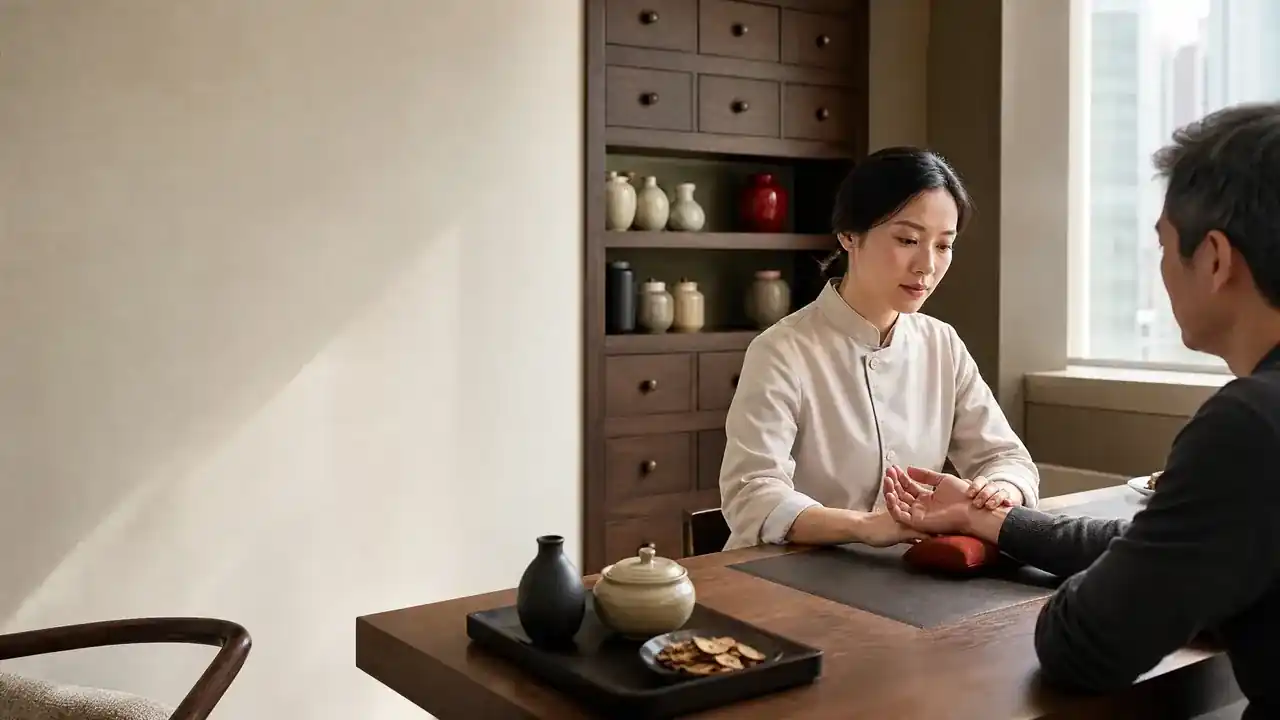
When addressing pediatric dietary concerns, TCM utilizes the four traditional diagnostic methods: observation, listening and smelling, inquiry, and palpation. This comprehensive approach allows the practitioner to fully evaluate the child's health status. The practitioner will ask parents detailed questions about the child's eating habits, bowel movements, sleep quality, and medical history. Simultaneously, by observing the child's complexion, tongue presentation, and feeling their pulse, the practitioner can synthesize this information to determine the specific TCM pattern.
Based on the identified pattern, the TCM practitioner will develop a personalized care plan. Common methods of care include the internal administration of herbal medicine, pediatric Tui Na (massage), and occasionally acupuncture. Herbal prescriptions typically utilize gentle, easy-to-consume ingredients aimed at strengthening the spleen, boosting Qi, and resolving food stagnation. Pediatric Tui Na is a non-invasive external therapy that involves massaging specific acupoints to stimulate the meridians and regulate organ function, making it particularly suitable for young children who may resist taking oral medication.
To help parents better understand the characteristics of different TCM patterns and the corresponding directions of care, we have compiled the following reference table. Please note that this information is for educational purposes only, and actual diagnosis and treatment must be conducted by a registered Chinese medicine practitioner.
| TCM Pattern | Common Manifestations | Principle of Care | Common Methods |
|---|---|---|---|
| Spleen and Stomach Weakness | Poor appetite, sallow complexion, easy fatigue, loose stools | Strengthen the spleen, boost Qi, harmonize the stomach | Herbal medicine, acupoint massage |
| Food Stagnation | Abdominal bloating, bad breath, sour-smelling stools, restless sleep | Resolve stagnation, promote digestion, regulate Qi | Herbal medicine, abdominal massage |
| Spleen and Stomach Yin Deficiency | Dry mouth, thirst, warm palms and soles, dry stools, red tongue | Nourish Yin, generate fluids, moisten dryness | Herbal medicine, dietary adjustments |
| Liver and Spleen Disharmony | Irritability, frequent temper tantrums, fluctuating appetite | Soothe the liver, relieve stagnation, harmonize the spleen | Herbal medicine, emotional support |
Daily Care and Dietary Recommendations for Parents
Beyond seeking professional TCM care, the daily care provided by parents plays an indispensable role in managing a child's appetite. Establishing a regular eating schedule is the primary task. Having meals at fixed times and in appropriate quantities helps cultivate the child's natural biological clock, allowing the digestive system adequate time to rest and function efficiently. It is crucial to avoid giving excessive snacks or sugary drinks before main meals, as this can significantly diminish the child's appetite for nutritious food.
When selecting foods, the guiding principles should be lightness, ease of digestion, and nutritional balance. Parents should opt for fresh vegetables, fruits, and high-quality proteins, while minimizing the intake of deep-fried, raw, cold, and overly sweet or greasy foods. Experimenting with different cooking methods and enhancing the visual appeal of the meals can add color and fun to the dining experience, thereby increasing the child's interest in eating.
Additionally, moderate outdoor activities and exercise have a positive effect on promoting gastrointestinal motility and strengthening the overall constitution. Parents should encourage their children to participate in physical activities to expend energy, which naturally stimulates hunger. Concurrently, ensuring adequate sleep and maintaining a cheerful mood creates a stress-free environment for growth, which is vital for the enhancement of the child's overall health and well-being.
Harmonia TCM's Philosophy and Kwun Tong Clinic Arrangements
Harmonia TCM is dedicated to providing professional and reliable health support to the public through the wisdom of Traditional Chinese Medicine. We deeply understand the importance of a child's health to every family, which is why we always approach pediatric concerns with a careful, considerate, and professional attitude. Our goal is not only to address immediate symptoms but also to assist children in building a long-term foundation for robust health.
The information provided here is intended to help parents better understand the TCM perspective on relevant health topics. Please note that service availability, suitability and arrangements require individual confirmation. The actual availability of services, their suitability for an individual child's condition, potential risks, and specific arrangements must be professionally confirmed by a registered Chinese medicine practitioner and the clinic. We do not guarantee any specific therapeutic outcomes, and all assessments are based on the individual's actual constitution.
Currently, Harmonia TCM's only physical clinic is located in Kwun Tong. All our in-person consultations, detailed assessments, and treatment procedures are conducted at this location. Any services or care plans described here serve solely as reference information for clinic visits or potential home visit coverage, and do not imply that we have branch clinics in other districts. For further information or to arrange an assessment, please contact our clinic team, and we will provide you with appropriate guidance.
Frequently asked questions
How long does TCM care for pediatric dietary issues typically take?
Every child's constitution and specific circumstances are different, so the time required for care will vary. Generally, TCM care is a gradual process aimed at fundamentally improving digestive function. Parents should remain patient, follow the practitioner's advice, and attend regular follow-up appointments to assess progress.
My child strongly resists taking herbal medicine. Are there other TCM options?
If a child resists internal herbal medicine, a registered practitioner may suggest external therapies such as pediatric Tui Na (massage). This involves massaging specific acupoints to regulate organ function and is a non-invasive option that is often more easily accepted by children. The specific plan must be determined after professional assessment.
Can I give my child over-the-counter TCM appetite stimulants at home?
It is strongly advised against purchasing and administering any over-the-counter TCM products to your child without professional guidance. Children have delicate constitutions, and the causes of poor appetite vary. Unprescribed medication may be ineffective and could potentially harm your child's health. Always consult a registered practitioner.
What is the main difference in symptoms between food stagnation and spleen weakness?
Food stagnation typically presents with abdominal bloating, bad breath, sour-smelling stools, and restless sleep. Spleen weakness is more often characterized by a sallow complexion, easy fatigue, loose stools, and overall lower energy levels. However, both can coexist, and accurate differentiation requires a professional TCM practitioner.
Does Harmonia TCM provide services in areas other than Kwun Tong?
Harmonia TCM's only physical clinic is currently located in Kwun Tong, where all in-person consultations and professional assessments take place. We do not have other branch locations. To inquire about the coverage area and specific arrangements for home visit services, please contact our clinic team directly.
What can parents do in daily life to improve their child's eating habits?
Parents can establish regular meal times and avoid giving excessive snacks before meals. Provide light, easily digestible, and nutritionally balanced foods, and create a relaxed dining environment. Encouraging moderate outdoor activities can also help promote gastrointestinal motility and naturally increase the child's appetite.
Related topics
Sources
Supporting Your Child's Healthy Growth
If you have any concerns about your child's dietary habits or wish to learn more about TCM care, please feel free to contact our team. We are here to provide professional advice and appropriate arrangements.