Child Health and TCM Care
Pediatric Growth (TCM)
Pediatric growth is a vital aspect of child development that requires careful attention. Traditional Chinese Medicine focuses on holistic balance, assessing the child's unique constitution to provide appropriate support and guidance, helping them maintain optimal health during their developmental years. Harmonia TCM is dedicated to providing gentle and personalized care plans for children through the wisdom of traditional Chinese medicine.
Quick answer: TCM care for pediatric growth involves a comprehensive assessment of the child's constitution, focusing on the function of the spleen and kidneys. A registered Chinese medicine practitioner will develop a personalized growth support tcm plan, which may include herbal medicine, pediatric massage, or acupuncture, aiming to improve the constitution and support the natural growth process. Please note that all plans must be evaluated by a registered practitioner before implementation.
View pricesContact Us for Inquiries
CLEAR PRICES
Interested in a treatment? You are always welcome to ask.
We clearly list our current single, trial and package prices so you can explore at your own pace. You are always welcome to message us on WhatsApp about any service, timing or arrangement.
| Category and service | Content / terms | Public price (HK$) | Booking note | Enquire |
|---|---|---|---|---|
| Hair & scalp | Scalp health and hair-loss support | AI scalp analysis, deep follicle cleansing and oil-control support | Trial offerPackageTrial 380; 6 sessions 3,480; 12 sessions 5,760; 20 sessions 8,600; 30 sessions 11,400 | Average per session for 6/12/20/30: 580/480/430/380 | Ask on WhatsApp |
| Hair & scalp | Hair acupuncture with herbal medicine | Scalp acupuncture with 3 days of decoction-free herbal medicine | Single visitPackageSingle 580; 6 sessions 3,180; 12 sessions 5,760; 20 sessions 8,600; 30 sessions 11,400 | Average per session for 6/12/20/30: 530/480/430/380 | Ask on WhatsApp |
| Hair & scalp | Integrated hair support programme | Acupuncture, herbal medicine and follicle activation; packages include shampoo and serum | Single visitPackageSingle 1,260; 8 sessions 8,640; 16 sessions 15,680; 20 sessions 18,600; 30 sessions 26,400 | Average per session for 8/16/20/30: 1,080/980/930/880 | Ask on WhatsApp |
| Weight management | Full-body acupoint embedding | Full-body acupoint embedding; packages include proportionate days of herbal support | Single visitPackageSingle 980; 10 sessions 7,800; 20 sessions 14,600; 30 sessions 20,400 | Average per session for 10/20/30: 780/730/680 | Ask on WhatsApp |
| Facial acupuncture | Brightening V-face (Essential) | Facial acupuncture, meridian support and swelling management | Trial offerPackageTrial 480; 10 sessions 5,200; 20 sessions 9,600; 30 sessions 13,500 | Average per session for 10/20/30: 520/480/450 | Ask on WhatsApp |
| Facial acupuncture | Firming and refining (Advanced) | Enhanced facial acupuncture for firmness and fine-line concerns with a moisturising mask serum | Trial offerPackageTrial 780; 10 sessions 9,000; 20 sessions 16,600; 30 sessions 23,400 | Average per session for 10/20/30: 900/830/780 | Ask on WhatsApp |
| Pain care | Extracorporeal shockwave therapy | Deep inflammation support and fascial relaxation | Prince Edward: 250 per area; Kwun Tong: 250 for 1 area, 450 for 2, 600 for 3 | Clinic-specific pricing; confirm location before booking | Ask on WhatsApp |
| Pain care | Manual therapy | TCM bone-injury assessment, manual alignment and tui na techniques | Single visitSingle 580 | Suitability is confirmed after assessment | Ask on WhatsApp |
| Pain care | Acupuncture with manual therapy | Acupuncture with manual structural support | Single visitSingle 680 | Suitability is confirmed after assessment | Ask on WhatsApp |
| TCM regulation | Acupuncture with herbal medicine | TCM consultation, whole-body acupuncture and 3 days of decoction-free herbal medicine granules | Single visitSingle 580 | Confirm clinician availability and service arrangement when booking | Ask on WhatsApp |

Understanding Pediatric Growth from a TCM Perspective
Pediatric growth is a continuous and complex process that encompasses both the physical increase in body structure and the maturation of physiological functions. In the perspective of Traditional Chinese Medicine (TCM), children are viewed as having a 'pure yang constitution,' which means their vitality is abundant and their development is rapid. However, their internal organ functions are not yet fully mature, particularly characterized by a 'constant insufficiency of the spleen' and a 'constant deficiency of the kidneys.' This makes them susceptible to various internal and external factors during their growth process. The core philosophy of TCM care lies in aligning with the child's natural growth patterns, adjusting organ functions to achieve a state of yin-yang balance, and thereby supporting optimal child development.
TCM believes that the kidneys are the foundation of innate constitution, governing the bones and generating marrow, which is closely related to a child's skeletal development and intellectual growth. On the other hand, the spleen is the foundation of acquired constitution, responsible for the transformation and transportation of nutrients, serving as the source of qi and blood production. This directly impacts a child's nutrient absorption and muscle growth. Therefore, when discussing pediatric growth, TCM practitioners typically pay special attention to the state of the spleen and kidneys. Through meticulous observation and assessment, practitioners can identify constitutional imbalances that may hinder normal development and provide corresponding care recommendations to support healthy growth.
It is important to recognize that TCM does not view the body as a collection of isolated parts, but rather as an interconnected system where physical, emotional, and environmental factors constantly interact. This holistic approach ensures that the care provided addresses the root causes of any developmental concerns rather than merely alleviating superficial symptoms. By fostering a strong foundation in the early years, TCM aims to equip children with the resilience needed to navigate the various stages of growth successfully.
Common Factors Influencing Pediatric Growth
A child's growth and development are influenced by a multitude of factors, including genetics, nutrition, sleep, physical activity, and psychological state. While genetic factors determine the potential for growth, the postnatal environment dictates whether this potential can be fully realized. In modern society, poor dietary habits, such as the excessive consumption of cold, greasy, or high-sugar foods, can easily damage a child's spleen and stomach functions. This leads to poor digestion and absorption, which in turn negatively affects pediatric growth. Furthermore, a lack of adequate sleep and appropriate physical exercise can also have a detrimental impact on the secretion of growth hormones.
In addition to physiological factors, psychological and emotional states should not be overlooked. Chronic academic pressure, changes in the family environment, or interpersonal tension can lead to a condition known in TCM as 'liver qi stagnation.' In TCM theory, the liver governs the smooth flow of qi and is closely related to emotional regulation. Stagnant liver qi not only affects a child's mental well-being but can also further impair the digestive function of the spleen and stomach, creating a vicious cycle. Therefore, comprehensive TCM care not only focuses on physical improvements but also emphasizes emotional guidance and psychological balance.
Environmental factors, such as exposure to pollutants and the changing of seasons, also play a role in a child's well-being. TCM practitioners often advise parents on how to adapt their child's lifestyle and diet according to seasonal changes to prevent illness and support continuous growth. By understanding and managing these diverse influencing factors, parents can create a more conducive environment for their child's overall development.
How TCM Assesses a Child's Constitution
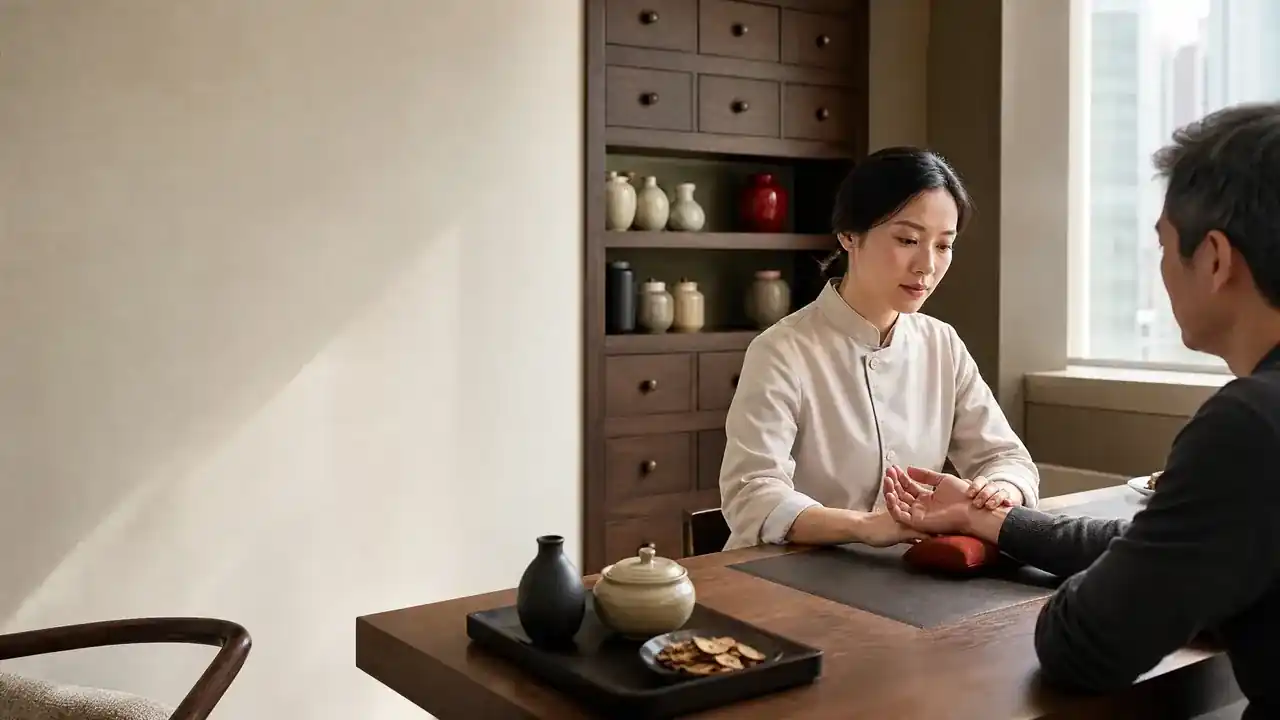
TCM relies on the traditional 'Four Diagnostic Methods'—observation, auscultation and olfaction, inquiry, and palpation—to assess a child's constitution. Observation is a crucial component, where the practitioner carefully examines the child's complexion, physique, tongue appearance, and the superficial venules of the index finger (a unique diagnostic method for young children). For instance, a sallow complexion and a thin physique may indicate spleen and stomach weakness, while a red tongue with little coating might reflect yin deficiency with hyperactive fire. Auscultation and olfaction involve listening to the voice and breathing, as well as detecting any distinct odors, which can provide valuable clues for the constitutional assessment.
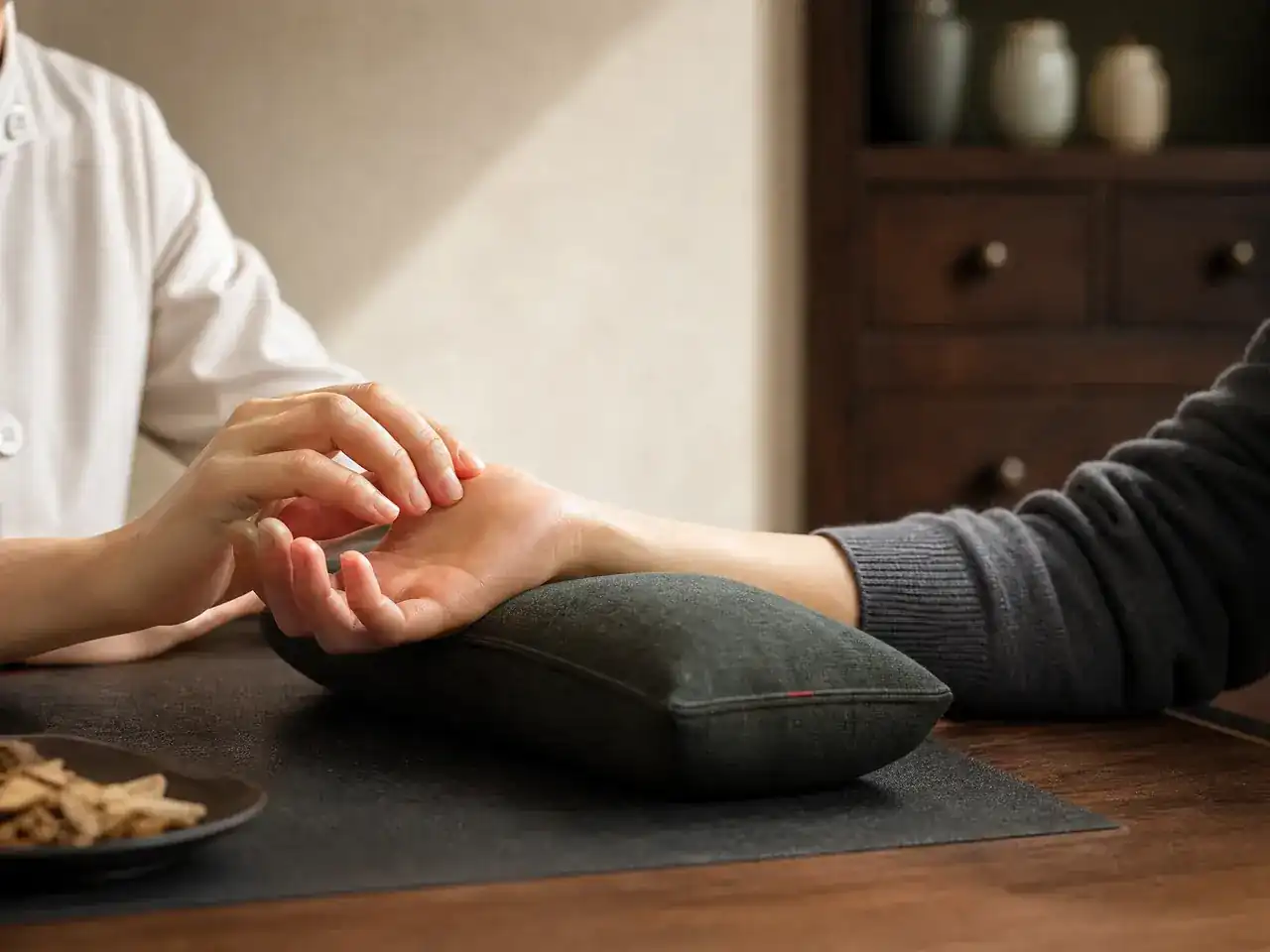
Inquiry involves communicating with the parents and the child to gather detailed information about dietary habits, sleep quality, bowel movements, and past medical history. Palpation primarily refers to pulse taking. Although a child's pulse can be more challenging to interpret than an adult's, experienced TCM practitioners can still extract significant information from it. By synthesizing the data obtained from these four methods, the practitioner can accurately identify the child's constitution, such as spleen and stomach weakness, kidney qi deficiency, or liver fire hyperactivity, laying the groundwork for a personalized care plan.
This comprehensive assessment process is non-invasive and takes into account the child's comfort. Practitioners are trained to interact with children in a gentle and reassuring manner, ensuring that the diagnostic process is as stress-free as possible. The insights gained from this thorough evaluation enable the practitioner to tailor interventions that are specifically suited to the individual needs of the child, maximizing the effectiveness of the care provided.
TCM Approaches to Supporting Pediatric Growth
Based on the distinct constitutional characteristics identified, TCM offers a variety of methods for growth support tcm. For children with spleen and stomach weakness, the focus of care is on strengthening the spleen and replenishing qi to improve digestive and absorptive functions. Practitioners may prescribe gentle, easily absorbable herbal medicines, such as Codonopsis (Dang Shen), Atractylodes (Bai Zhu), and Poria (Fu Ling). Additionally, pediatric massage (Tuina) is a commonly used and highly popular non-pharmacological therapy among parents. By applying gentle massage techniques to specific acupoints and meridians, it can effectively regulate organ functions and promote the circulation of qi and blood.
For children with kidney qi deficiency, the care emphasizes tonifying the kidneys and strengthening the bones. Commonly used herbal ingredients include Rehmannia (Shu Di Huang), Chinese Yam (Shan Yao), and Goji Berries (Gou Qi Zi). In certain situations, practitioners might also recommend acupuncture therapy. While many parents may feel apprehensive about their children receiving acupuncture, professional practitioners use specially designed fine needles and employ gentle techniques to ensure the process is safe and comfortable. Regardless of the method chosen, TCM care emphasizes a gradual approach, avoiding excessive intervention, and allowing the child to grow healthily in a natural and harmonious state.
It is crucial to understand that TCM interventions are not one-size-fits-all. The practitioner will continuously monitor the child's progress and adjust the care plan as needed. This dynamic approach ensures that the support provided remains relevant and effective as the child grows and their constitution evolves. Furthermore, practitioners often educate parents on simple massage techniques or dietary adjustments that can be safely practiced at home to complement the professional care.
Characteristics and Support for Different Growth Stages
A child's growth can be divided into distinct stages, each with its unique physiological and psychological characteristics. Infancy and toddlerhood represent the period of most rapid growth, during which the spleen and stomach functions are particularly delicate, making them prone to indigestion or food stagnation. During the preschool and school-age years, children's physical activity levels increase, and their nutritional demands rise accordingly. At the same time, they face new academic and social challenges. Adolescence marks the second peak of growth and development, accompanied by significant physical changes and fluctuations in hormone levels.
The focus of TCM care varies according to the characteristics of each stage. The table below summarizes the common issues and corresponding TCM support directions for various growth stages, helping parents better understand and address their children's needs throughout the developmental process.
By recognizing the specific challenges associated with each developmental phase, parents and practitioners can work together proactively. This anticipatory guidance is a cornerstone of TCM pediatric care, aiming to prevent imbalances before they manifest as more significant health issues.
| Growth Stage | Age Range | Common Physiological Characteristics & Challenges | TCM Care Focus |
|---|---|---|---|
| Infancy & Toddlerhood | 0-3 years | Rapid growth, delicate spleen/stomach, prone to colds and indigestion | Strengthen spleen/stomach, aid digestion, boost immunity |
| Preschool Age | 3-6 years | Increased activity, developing immune system, prone to picky eating | Regulate digestion, improve appetite, prevent respiratory infections |
| School Age | 6-12 years | Stable skeletal growth, increased academic stress, prone to vision/emotional issues | Soothe liver qi, support cognitive function, protect vision, promote sleep |
| Adolescence | 12-18 years | Growth spurt, significant hormonal changes, prone to acne and irregular menstruation (females) | Tonify kidneys, strengthen bones, balance yin/yang, regulate emotions and qi/blood |
Daily Life and Dietary Recommendations
In addition to professional TCM care, the management of daily life is equally vital for pediatric growth. Regarding diet, parents should encourage children to maintain a balanced nutritional intake, consuming plenty of foods rich in protein, vitamins, and minerals, such as fresh vegetables, fruits, lean meats, and soy products. Concurrently, the intake of cold, greasy, spicy, and high-sugar foods should be minimized to avoid overburdening the spleen and stomach. TCM advocates for 'moderation in eating,' which means having meals at regular times and in appropriate quantities, avoiding overeating.
In terms of daily routines, ensuring adequate sleep is crucial for promoting the secretion of growth hormones. Parents should assist children in establishing a regular sleep schedule and creating a quiet, comfortable sleeping environment. Furthermore, moderate outdoor exercise not only helps strengthen the constitution but also promotes skeletal growth and development. Activities in the sunlight facilitate the body's synthesis of Vitamin D, which is highly beneficial for calcium absorption. By integrating TCM wellness concepts into daily life, parents can provide comprehensive support for their children's healthy growth.
Emotional well-being is another critical aspect of daily life management. Parents should strive to create a supportive and loving home environment, encouraging open communication and providing reassurance during times of stress. Teaching children simple relaxation techniques, such as deep breathing exercises, can also be beneficial. Ultimately, a balanced lifestyle that encompasses proper nutrition, adequate rest, physical activity, and emotional stability forms the bedrock of healthy pediatric development.
Frequently asked questions
How does TCM care help with pediatric growth?
TCM care assesses the child's constitution and specifically targets the improvement of organ functions, such as the spleen and kidneys, thereby promoting nutrient absorption and skeletal development to support the natural growth process.
At what age can a child start receiving TCM care?
Generally, gentle TCM care, such as pediatric massage, can begin during infancy. The specific timing and methods of intervention must be evaluated and determined by a registered Chinese medicine practitioner based on the child's actual condition.
Will herbal medicine place a burden on a child's liver and kidneys?
Herbal medicine prescribed by a registered Chinese medicine practitioner involves strict control over dosages and the selection of herbs to ensure safety for children. Parents should never purchase over-the-counter herbal products or use folk remedies for their children without professional advice.
Does pediatric massage cause pain for the child?
Pediatric massage employs gentle techniques and typically does not cause pain. Most children feel relaxed and comfortable during the process. A professional practitioner will adjust the pressure based on the child's reactions.
Can a child take herbal medicine while on Western medication?
Taking Chinese and Western medications simultaneously may lead to interactions. Parents must accurately report all medications the child is currently taking to both the TCM practitioner and the Western medical doctor so that appropriate arrangements and advice can be provided.
How long does it take to see results from TCM care?
TCM care focuses on improving the fundamental constitution, and results vary from person to person. It generally requires several weeks to months of consistent care, combined with good lifestyle habits, to achieve optimal results.
Related topics
Sources
Learn More About Pediatric Growth Support
This information outlines common considerations and assessment directions. If you would like to discuss what may suit you or how an appointment can be arranged, please contact us. Harmonia TCM's only physical clinic is located in Kwun Tong, and the content here is intended as general guidance, without implying branches in other areas.