Child ADHD TCM Care
Child ADHD
When addressing Child ADHD and attention issues, Traditional Chinese Medicine takes a holistic approach, focusing on restoring balance by regulating the body's constitution. At Harmonia TCM, our registered practitioners provide professional assessments and personalized TCM support plans tailored to your child's specific needs.
Quick answer: Child ADHD (Attention Deficit Hyperactivity Disorder) is commonly characterized by attention issues and hyperactivity. In Traditional Chinese Medicine, this is often viewed as an imbalance in the functions of the heart, liver, spleen, and kidneys. Through methods such as herbal medicine, acupuncture, or pediatric tuina, TCM aims to regulate the constitution and support overall well-being. Please note that TCM care cannot replace conventional medical diagnosis, and specific plans must be assessed by a registered TCM practitioner.
CLEAR PRICES
Interested in a treatment? You are always welcome to ask.
We clearly list our current single, trial and package prices so you can explore at your own pace. You are always welcome to message us on WhatsApp about any service, timing or arrangement.
| Category and service | Content / terms | Public price (HK$) | Booking note | Enquire |
|---|---|---|---|---|
| Hair & scalp | Scalp health and hair-loss support | AI scalp analysis, deep follicle cleansing and oil-control support | Trial offerPackageTrial 380; 6 sessions 3,480; 12 sessions 5,760; 20 sessions 8,600; 30 sessions 11,400 | Average per session for 6/12/20/30: 580/480/430/380 | Ask on WhatsApp |
| Hair & scalp | Hair acupuncture with herbal medicine | Scalp acupuncture with 3 days of decoction-free herbal medicine | Single visitPackageSingle 580; 6 sessions 3,180; 12 sessions 5,760; 20 sessions 8,600; 30 sessions 11,400 | Average per session for 6/12/20/30: 530/480/430/380 | Ask on WhatsApp |
| Hair & scalp | Integrated hair support programme | Acupuncture, herbal medicine and follicle activation; packages include shampoo and serum | Single visitPackageSingle 1,260; 8 sessions 8,640; 16 sessions 15,680; 20 sessions 18,600; 30 sessions 26,400 | Average per session for 8/16/20/30: 1,080/980/930/880 | Ask on WhatsApp |
| Weight management | Full-body acupoint embedding | Full-body acupoint embedding; packages include proportionate days of herbal support | Single visitPackageSingle 980; 10 sessions 7,800; 20 sessions 14,600; 30 sessions 20,400 | Average per session for 10/20/30: 780/730/680 | Ask on WhatsApp |
| Facial acupuncture | Brightening V-face (Essential) | Facial acupuncture, meridian support and swelling management | Trial offerPackageTrial 480; 10 sessions 5,200; 20 sessions 9,600; 30 sessions 13,500 | Average per session for 10/20/30: 520/480/450 | Ask on WhatsApp |
| Facial acupuncture | Firming and refining (Advanced) | Enhanced facial acupuncture for firmness and fine-line concerns with a moisturising mask serum | Trial offerPackageTrial 780; 10 sessions 9,000; 20 sessions 16,600; 30 sessions 23,400 | Average per session for 10/20/30: 900/830/780 | Ask on WhatsApp |
| Pain care | Extracorporeal shockwave therapy | Deep inflammation support and fascial relaxation | Prince Edward: 250 per area; Kwun Tong: 250 for 1 area, 450 for 2, 600 for 3 | Clinic-specific pricing; confirm location before booking | Ask on WhatsApp |
| Pain care | Manual therapy | TCM bone-injury assessment, manual alignment and tui na techniques | Single visitSingle 580 | Suitability is confirmed after assessment | Ask on WhatsApp |
| Pain care | Acupuncture with manual therapy | Acupuncture with manual structural support | Single visitSingle 680 | Suitability is confirmed after assessment | Ask on WhatsApp |
| TCM regulation | Acupuncture with herbal medicine | TCM consultation, whole-body acupuncture and 3 days of decoction-free herbal medicine granules | Single visitSingle 580 | Confirm clinician availability and service arrangement when booking | Ask on WhatsApp |
Understanding Child ADHD from a TCM Perspective
Child ADHD (Attention Deficit Hyperactivity Disorder) is a common developmental condition characterized by persistent attention issues, hyperactivity, and impulsive behavior. These challenges can significantly impact a child's academic performance, social development, and family life. In conventional medicine, management typically involves behavioral therapy and medication.
From the perspective of Traditional Chinese Medicine (TCM), the manifestation of Child ADHD is often related to an imbalance in the internal organ functions. TCM theory suggests that the heart governs the mind, the liver manages the smooth flow of Qi (energy), the spleen is the foundation of postnatal development, and the kidneys are the root of innate constitution. When these organ functions are either excessive or deficient, it can lead to restlessness, emotional fluctuations, and attention issues. Therefore, the core of TCM care lies in restoring the body's internal balance.
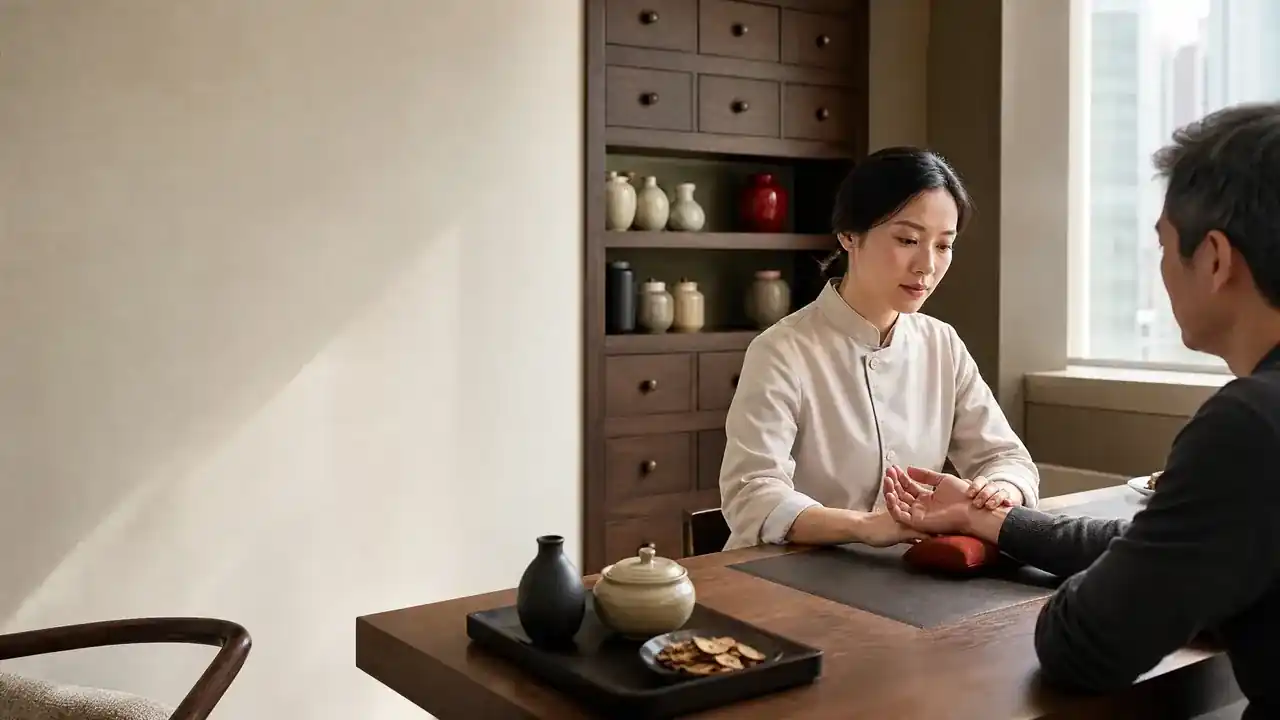
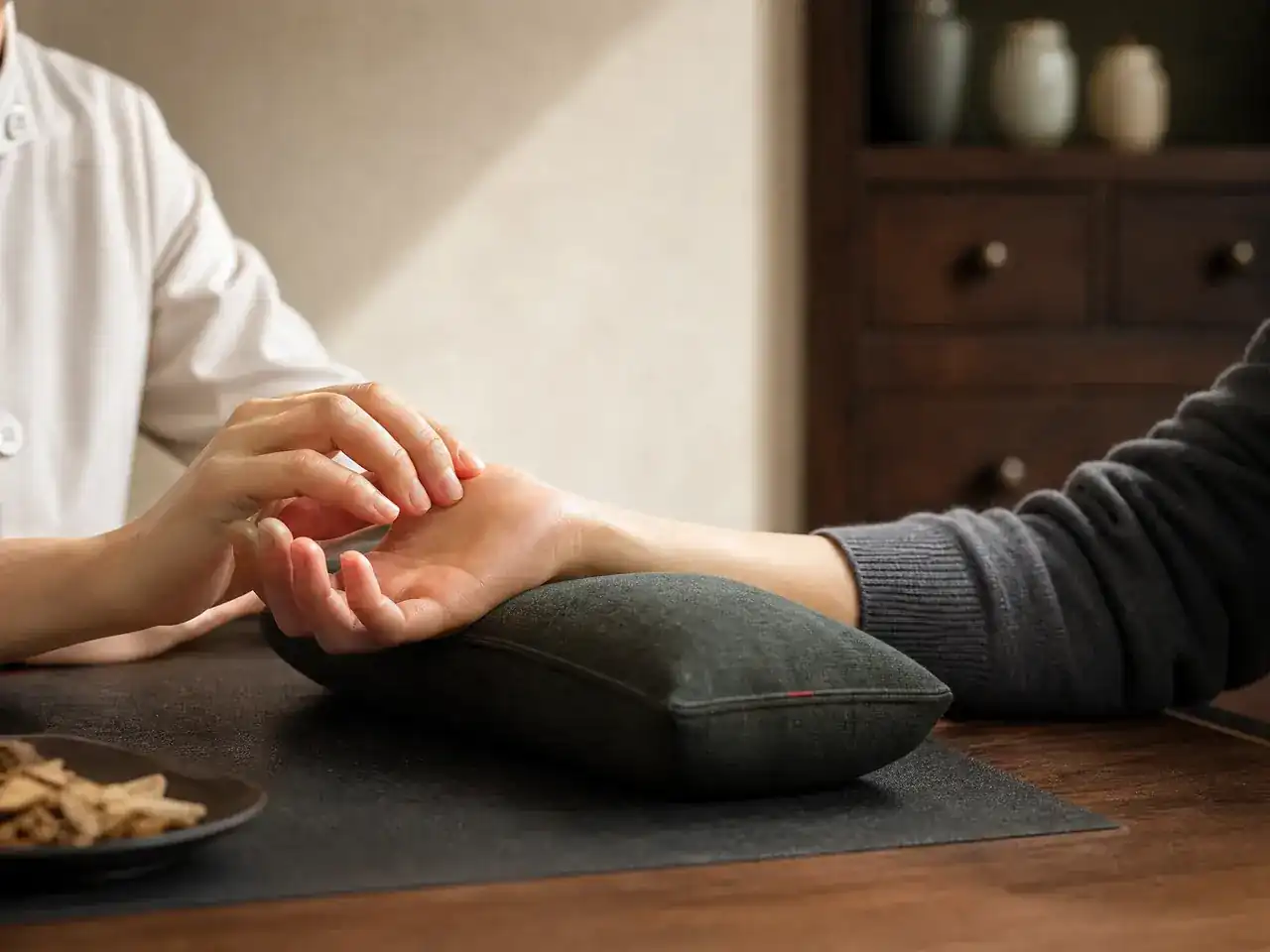
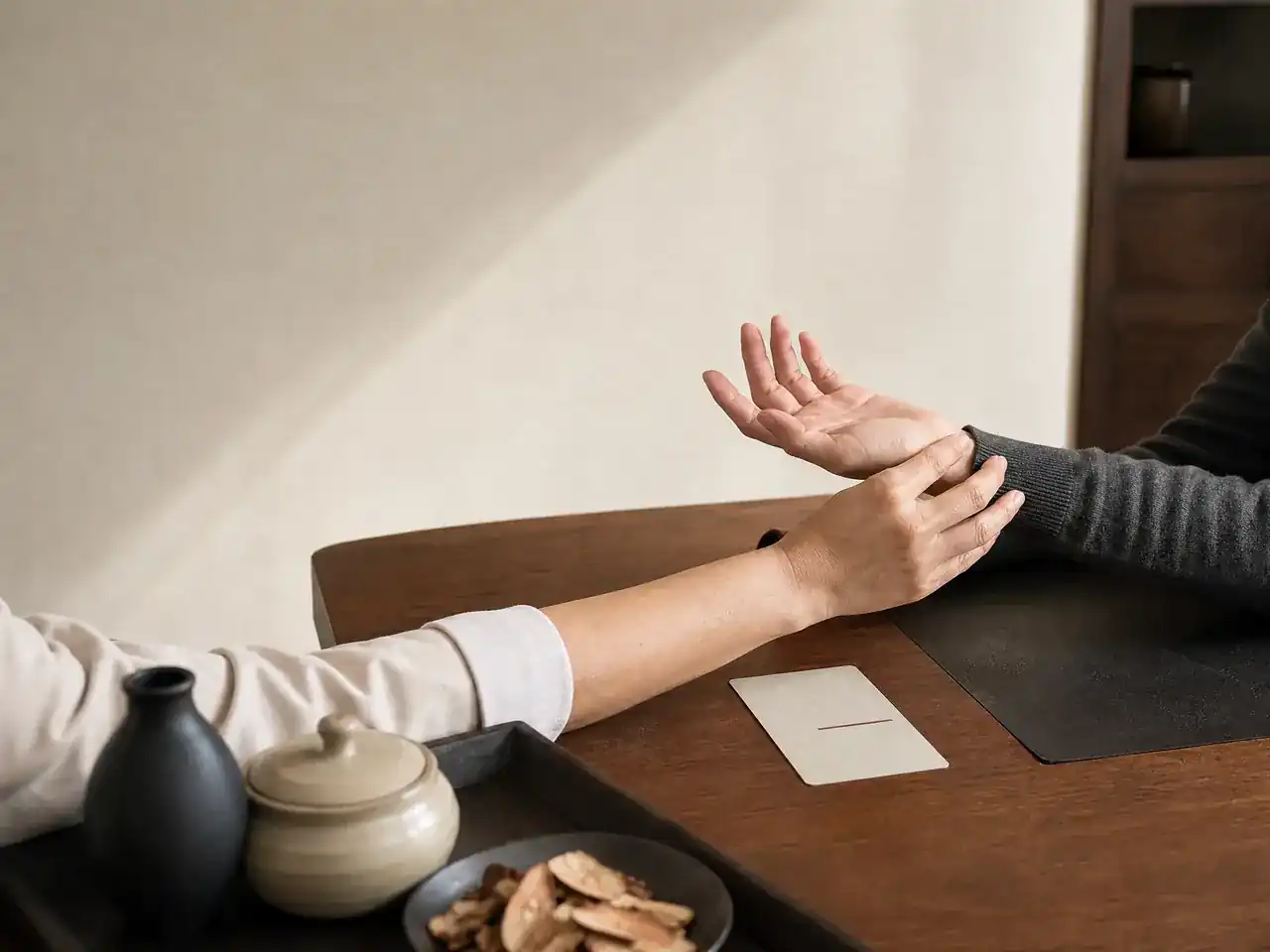
At Harmonia TCM, our registered TCM practitioners conduct comprehensive assessments through the four diagnostic methods: observation, listening and smelling, inquiring, and pulse taking. We emphasize individualized evaluation because every child's condition is unique. Only with a targeted care plan can we effectively support their overall health and development.
How TCM Assesses Attention Issues
When evaluating a child's attention issues, a TCM practitioner carefully observes the child's behavior, complexion, tongue appearance, and pulse. For instance, some children may present with a red face and irritability, which in TCM may indicate an excess of liver fire. Conversely, children who appear pale, have a poor appetite, and fatigue easily may be experiencing spleen and stomach weakness.
In addition to physical signs, the practitioner will ask parents detailed questions about the child's daily routine, dietary habits, sleep quality, and bowel movements. This information is crucial for determining the child's TCM constitution type. By comprehensively analyzing these details, the practitioner can identify the specific TCM syndrome and formulate an appropriate care strategy.
It is important to emphasize that TCM assessment primarily focuses on the state of the constitution and organ functions, and it cannot replace a formal diagnosis of Child ADHD by a Western medical doctor. We recommend that parents maintain communication with their pediatrician or psychologist while seeking TCM support to ensure the child receives comprehensive and appropriate care.
Common TCM Constitution Types and Manifestations
TCM categorizes the common manifestations of Child ADHD into several distinct constitution types. Understanding these types can help parents better recognize their child's condition and cooperate with the practitioner's care plan. Below are some common types and their characteristics:
The first type is Liver and Kidney Yin Deficiency. Children with this constitution often exhibit hyperactivity, irritability, and impulsiveness, accompanied by poor sleep, night sweats, and warmth in the palms and soles. TCM attributes this to a deficiency of Yin fluid in the body, leading to upward-flaring empty fire, which disturbs the mind.
The second type is Heart and Spleen Deficiency. The primary manifestations for these children include significant attention issues, easy distractibility, and weak memory. They may also appear pale, have a poor appetite, fatigue easily, and experience loose stools. This is mainly due to weak digestive and absorptive functions of the spleen and stomach, which fail to provide sufficient Qi and blood to nourish the mind.
| TCM Constitution Type | Common Behavioral Manifestations | Accompanying Physical Symptoms | Care Direction |
|---|---|---|---|
| Liver and Kidney Yin Deficiency | Hyperactivity, irritability, impulsiveness | Poor sleep, night sweats, warm palms/soles, red tongue | Nourish liver and kidney, calm liver Yang |
| Heart and Spleen Deficiency | Significant attention issues, distractibility, weak memory | Pale complexion, poor appetite, fatigue, loose stools | Strengthen spleen, nourish heart, boost Qi and blood |
| Phlegm-Fire Disturbing the Mind | Restlessness, excessive talking, emotional swings | Chest oppression, excess phlegm, bitter taste, yellow tongue coating | Clear heat, resolve phlegm, calm the mind |
| Spleen Deficiency with Liver Hyperactivity | Lack of focus, emotional instability, easily angered | Fluctuating appetite, abdominal bloating, irregular bowels | Strengthen spleen, calm liver, regulate Qi and blood |
TCM Care Plans and Support
For children with different constitutions, TCM practitioners provide personalized care plans. Chinese herbal medicine is one of the commonly used methods. By prescribing herbs suited to the child's constitution, the goal is to regulate organ functions and improve internal imbalances. The practitioner will adjust the form and taste of the herbal medicine based on the child's age and acceptance to make it easier to consume.
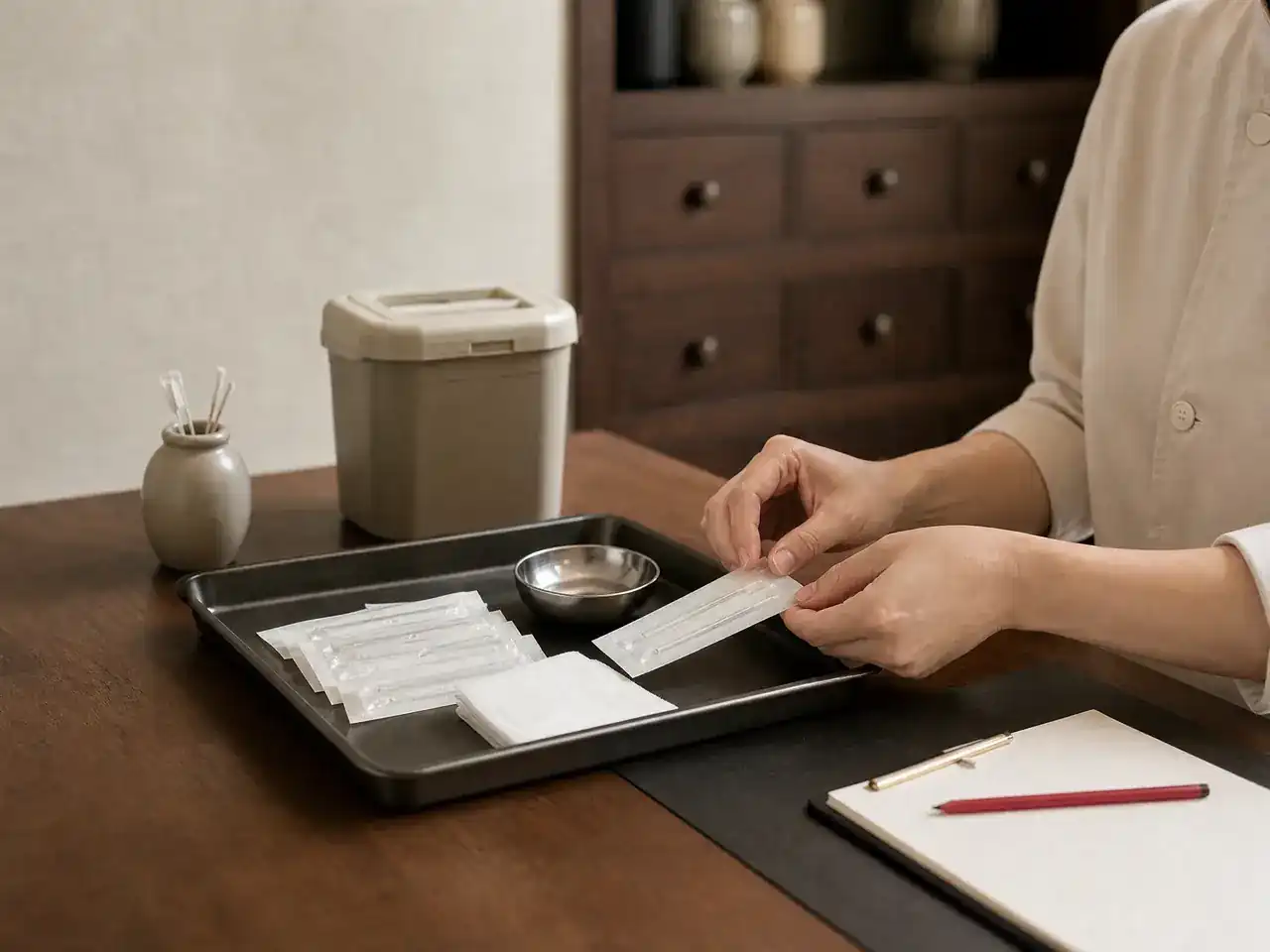
In addition to herbal medicine, pediatric tuina (massage) is a gentle and widely accepted complementary method. By applying gentle massage to specific acupoints and meridians, it can help clear the meridians and regulate Qi and blood, which may assist in improving sleep quality and emotional stability. For older children who can cooperate, the practitioner may also suggest acupuncture to enhance the care effects.
Harmonia TCM emphasizes that TCM care is a gradual process that requires patience and cooperation from parents. We closely monitor the child's response throughout the process and adjust the plan as needed based on actual progress. At the same time, we provide parents with advice on daily diet and lifestyle to consolidate the effects of the care.
Daily Care and Parental Cooperation
While receiving TCM care, daily care and cooperation from parents are equally important. First, establishing a regular daily routine is very helpful for stabilizing the child's emotions and improving attention issues. Ensuring the child has adequate sleep and avoiding late nights can aid in the body's self-repair and the recovery of organ functions.
Regarding diet, it is recommended that parents provide balanced nutrition, with plenty of fresh vegetables and fruits, while reducing the intake of artificial additives, high sugar, and fried foods. In TCM, excessive consumption of rich and greasy foods can easily generate damp-heat or phlegm-turbidity in the body, which may exacerbate the child's irritability and hyperactivity.
Furthermore, parents should offer more understanding and tolerance, creating a harmonious and stable family environment. Appropriate outdoor activities and exercise not only help consume the child's excess energy but also promote the circulation of Qi and blood, strengthening the constitution. Parents can maintain close communication with the TCM practitioner to provide comprehensive support for the child's healthy growth.
Frequently asked questions
How long does it take to see results from TCM care for Child ADHD?
TCM care is a gradual process aimed at fundamentally improving the constitution. Since every child's constitution and condition are different, the time it takes to see results will vary. Generally, parents may observe initial improvements in sleep, appetite, or emotional stability within a few weeks to a few months. The specific duration of the care course must be assessed and adjusted by a registered TCM practitioner based on the child's actual progress.
My child is taking Western medication. Can they receive TCM care at the same time?
In most cases, combining Chinese and Western medicine is possible, but it must be done with great caution. Parents must detail all Western medications the child is currently taking to the registered TCM practitioner to avoid potential drug interactions when prescribing herbal medicine. It is generally recommended to separate the intake of Chinese and Western medicines by at least two hours. Specific arrangements must be jointly evaluated by the TCM practitioner and the Western medical doctor.
Can pediatric tuina help improve attention issues?
Pediatric tuina is a non-invasive complementary TCM method that regulates Qi and blood and clears meridians by massaging specific acupoints. For some children, pediatric tuina helps relax the body and mind and improve sleep quality, which can indirectly assist in stabilizing emotions and improving attention issues. However, its effectiveness varies from person to person, and it should be evaluated by a professional TCM practitioner as part of an overall care plan.
Are there any side effects of TCM care for Child ADHD?
Herbal medicine prescribed by a registered TCM practitioner in Hong Kong based on the child's constitution is generally relatively safe. However, a small number of children may experience mild gastrointestinal discomfort or temporary changes in bowel movements. If acupuncture is performed, there may be a slight aching sensation at the insertion site or, very rarely, local bruising. If any discomfort or abnormal reactions occur, parents should contact the TCM practitioner immediately for assessment.
Besides taking medication, what should parents pay attention to regarding daily diet?
TCM believes that diet has a significant impact on the constitution. For children with attention issues, a light and balanced diet with plenty of fresh fruits and vegetables is recommended. Parents should try to avoid excessive intake of high-sugar foods, artificial colors, additives, and fried or spicy foods, as these can easily generate damp-heat in the body, potentially exacerbating the child's irritability and hyperactivity. The TCM practitioner will provide specific dietary guidance based on the child's constitution type.
Does Harmonia TCM offer immediate booking for Child ADHD services?
This information is provided to help you understand the topic and prepare questions for an assessment. Whether specialized services for Child ADHD are actually available, whether they are suitable for your child, and the specific risks and arrangements must be finally confirmed by the registered TCM practitioners and the clinic at Harmonia TCM. Please contact us for more details and to arrange an initial assessment.
Related topics
Sources
Learn More About TCM Care Plans
Every child's constitution and needs are unique. If you wish to learn how TCM can support your child's attention issues, please feel free to contact us. Harmonia TCM's only physical clinic is located in Kwun Tong. This information is intended as general guidance, and actual service arrangements must be confirmed by a registered TCM practitioner.