Pediatric Asthma (TCM Care)
Pediatric asthma (TCM)
Pediatric asthma is a prevalent respiratory condition in children. Traditional Chinese Medicine (TCM) may support respiratory health by harmonizing lung and kidney function, potentially reducing symptom frequency and improving quality of life.
Quick answer: Pediatric asthma, a common respiratory disorder affecting children, may be supported by TCM through tailored herbal therapies and acupuncture aimed at strengthening lung and kidney functions, clearing phlegm, and alleviating symptoms. TCM asthma care complements conventional treatments but does not replace emergency medical management.
CLEAR PRICES
Interested in a treatment? You are always welcome to ask.
We clearly list our current single, trial and package prices so you can explore at your own pace. You are always welcome to message us on WhatsApp about any service, timing or arrangement.
| Category and service | Content / terms | Public price (HK$) | Booking note | Enquire |
|---|---|---|---|---|
| Hair & scalp | Scalp health and hair-loss support | AI scalp analysis, deep follicle cleansing and oil-control support | Trial offerPackageTrial 380; 6 sessions 3,480; 12 sessions 5,760; 20 sessions 8,600; 30 sessions 11,400 | Average per session for 6/12/20/30: 580/480/430/380 | Ask on WhatsApp |
| Hair & scalp | Hair acupuncture with herbal medicine | Scalp acupuncture with 3 days of decoction-free herbal medicine | Single visitPackageSingle 580; 6 sessions 3,180; 12 sessions 5,760; 20 sessions 8,600; 30 sessions 11,400 | Average per session for 6/12/20/30: 530/480/430/380 | Ask on WhatsApp |
| Hair & scalp | Integrated hair support programme | Acupuncture, herbal medicine and follicle activation; packages include shampoo and serum | Single visitPackageSingle 1,260; 8 sessions 8,640; 16 sessions 15,680; 20 sessions 18,600; 30 sessions 26,400 | Average per session for 8/16/20/30: 1,080/980/930/880 | Ask on WhatsApp |
| Weight management | Full-body acupoint embedding | Full-body acupoint embedding; packages include proportionate days of herbal support | Single visitPackageSingle 980; 10 sessions 7,800; 20 sessions 14,600; 30 sessions 20,400 | Average per session for 10/20/30: 780/730/680 | Ask on WhatsApp |
| Facial acupuncture | Brightening V-face (Essential) | Facial acupuncture, meridian support and swelling management | Trial offerPackageTrial 480; 10 sessions 5,200; 20 sessions 9,600; 30 sessions 13,500 | Average per session for 10/20/30: 520/480/450 | Ask on WhatsApp |
| Facial acupuncture | Firming and refining (Advanced) | Enhanced facial acupuncture for firmness and fine-line concerns with a moisturising mask serum | Trial offerPackageTrial 780; 10 sessions 9,000; 20 sessions 16,600; 30 sessions 23,400 | Average per session for 10/20/30: 900/830/780 | Ask on WhatsApp |
| Pain care | Extracorporeal shockwave therapy | Deep inflammation support and fascial relaxation | Prince Edward: 250 per area; Kwun Tong: 250 for 1 area, 450 for 2, 600 for 3 | Clinic-specific pricing; confirm location before booking | Ask on WhatsApp |
| Pain care | Manual therapy | TCM bone-injury assessment, manual alignment and tui na techniques | Single visitSingle 580 | Suitability is confirmed after assessment | Ask on WhatsApp |
| Pain care | Acupuncture with manual therapy | Acupuncture with manual structural support | Single visitSingle 680 | Suitability is confirmed after assessment | Ask on WhatsApp |
| TCM regulation | Acupuncture with herbal medicine | TCM consultation, whole-body acupuncture and 3 days of decoction-free herbal medicine granules | Single visitSingle 580 | Confirm clinician availability and service arrangement when booking | Ask on WhatsApp |

Understanding Pediatric Asthma from a Traditional Chinese Medicine Perspective
Pediatric asthma, often referred to as childhood asthma, is a chronic respiratory condition characterized by episodic wheezing, coughing, and breathlessness. From a TCM viewpoint, asthma arises due to disharmony primarily involving the lungs and kidneys, as well as invasion by external pathogenic factors such as wind-cold or wind-heat. The lungs govern Qi (vital energy) and respiration, while the kidneys support the lungs by grasping Qi. In children, the immature lung and kidney functions render them susceptible to asthma episodes.
TCM theory recognizes that pediatric asthma may manifest from patterns such as Lung Qi deficiency, Kidney Qi insufficiency, phlegm accumulation, or external pathogenic invasions. These underlying imbalances cause obstruction of the airway and impaired respiratory function. The goal of TCM is to restore balance through individualized treatment, supporting the child's immune function and respiratory health.
TCM Diagnostic Approach and Treatment Modalities for Pediatric Asthma
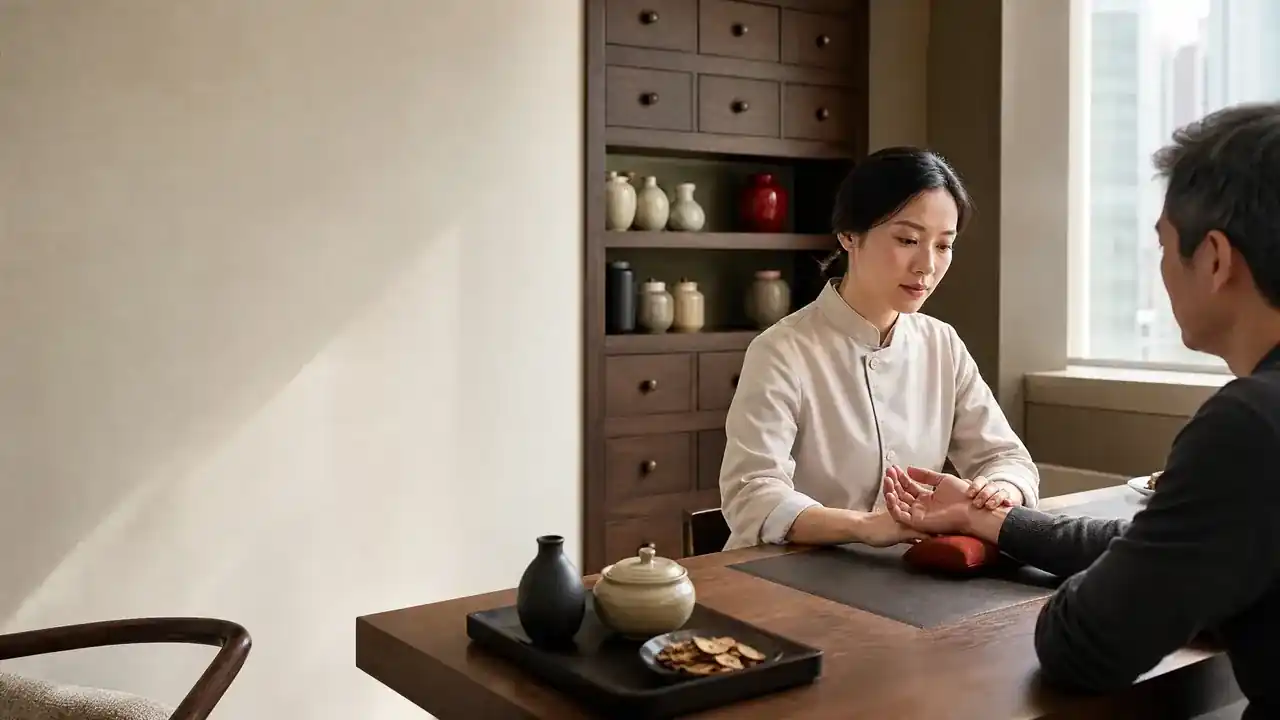
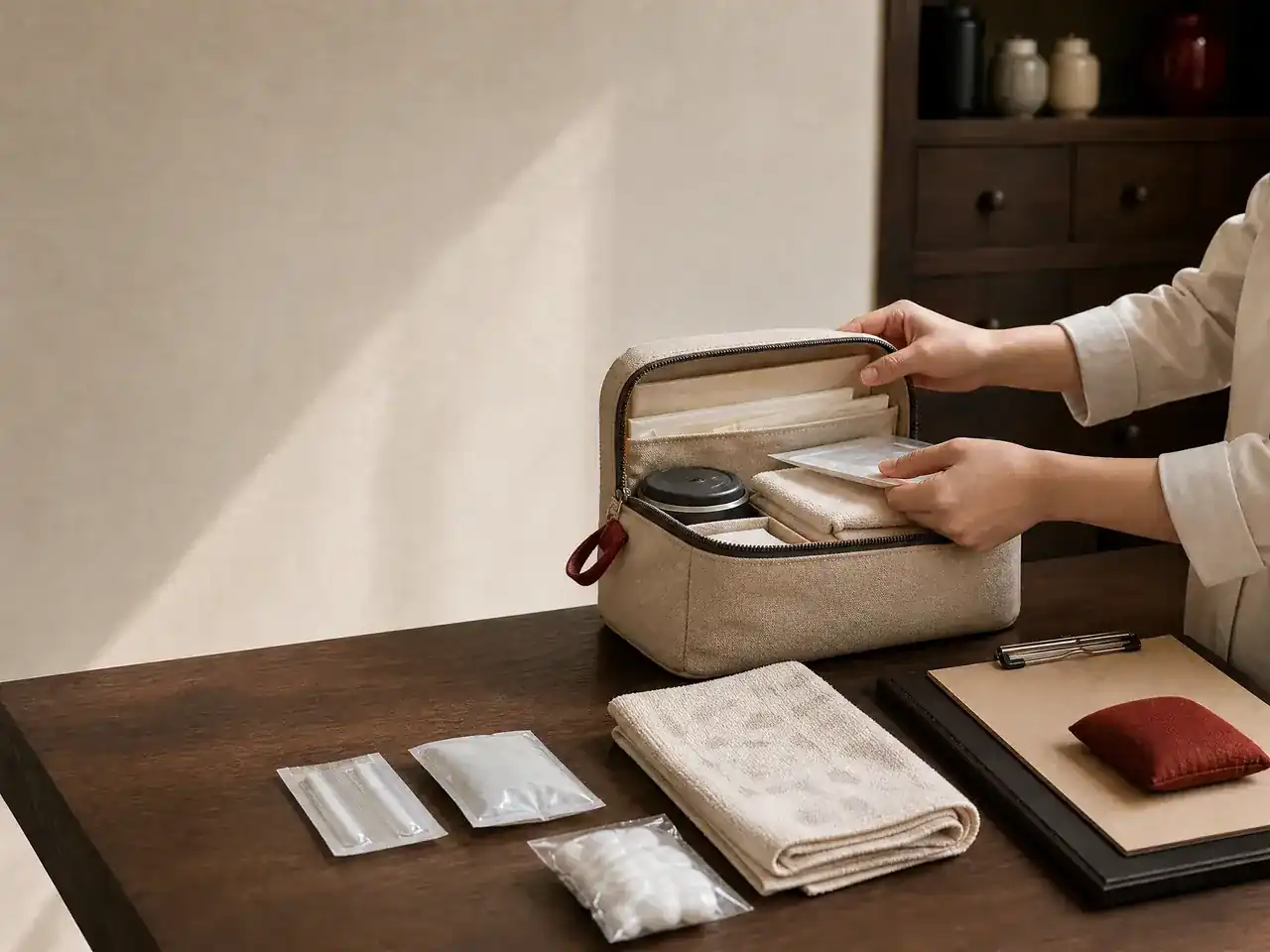
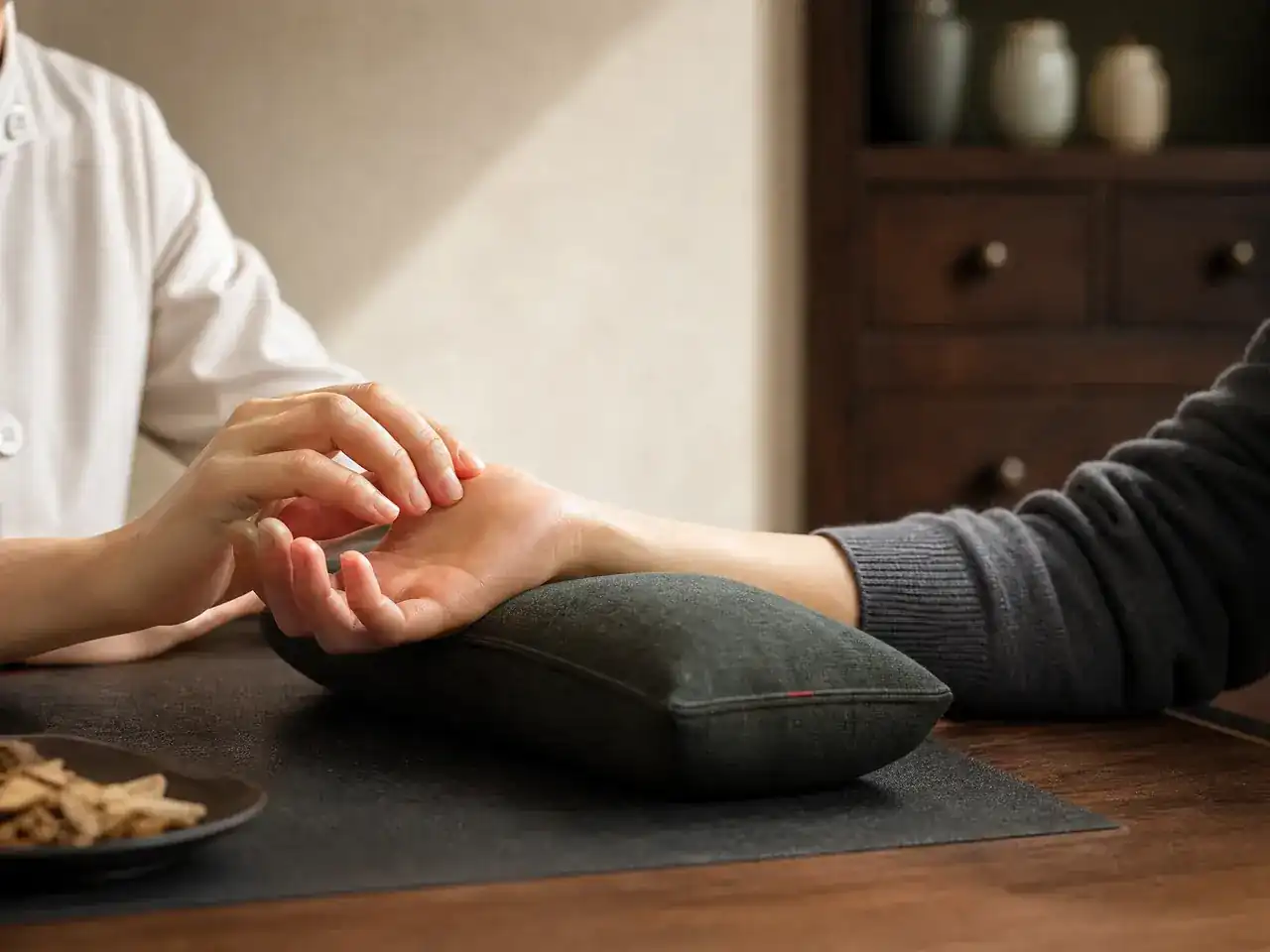
TCM practitioners diagnose pediatric asthma through a comprehensive four-part examination involving observation, listening and smelling, inquiry, and pulse diagnosis. This process helps identify the specific syndrome pattern—such as wind-cold obstructing the lungs, phlegm-damp accumulation, or lung and kidney Qi deficiency—that underlies the child's asthma symptoms.
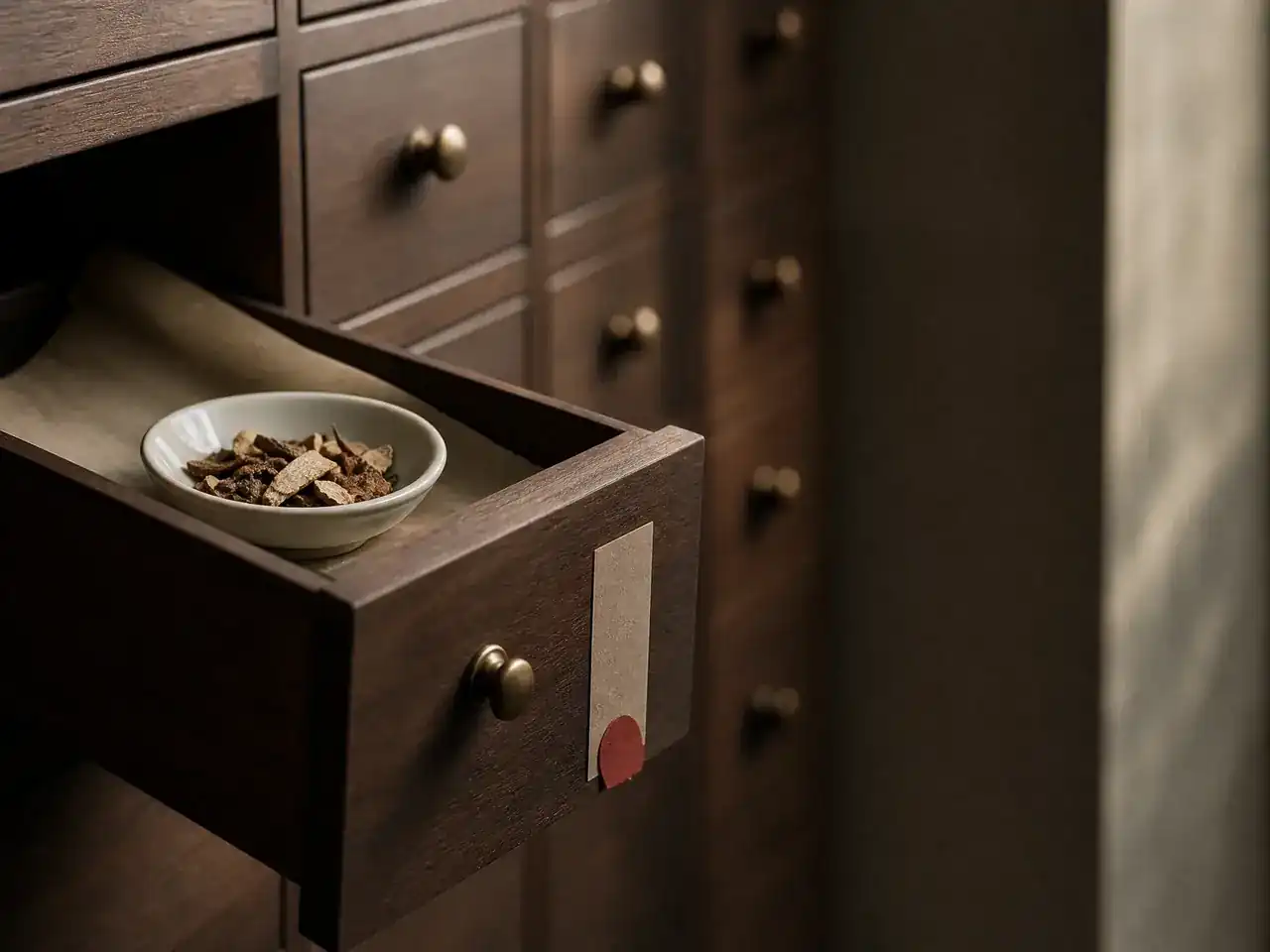
Based on the diagnosis, TCM treatment may include herbal formulations tailored to the child’s pattern. For example, wind-cold obstruction may be treated with warming herbs like Ma Huang (Ephedra) and Gui Zhi (Cinnamon Twig) to disperse cold and relieve wheezing. Phlegm-dampness accumulation may require herbs such as Ban Xia (Pinellia) and Fu Ling (Poria) to resolve phlegm and promote fluid metabolism. For chronic lung and kidney deficiency, tonic herbs like Huang Qi (Astragalus) and Shu Di Huang (Rehmannia) may be used to strengthen vital energy.
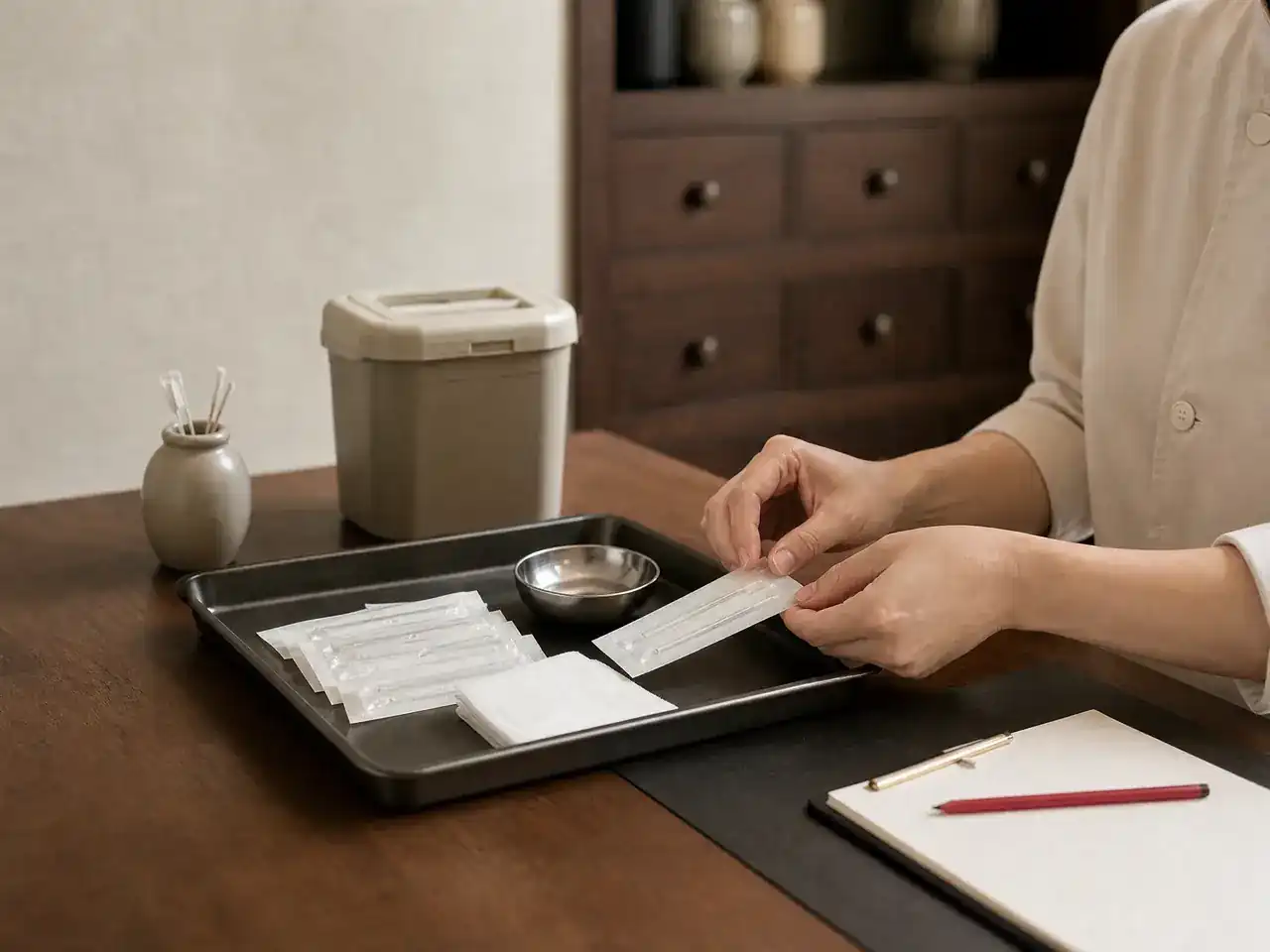
Acupuncture is another key modality for pediatric asthma care in TCM. Commonly used points include Fei Shu (BL13), Chi Ze (LU5), Zu San Li (ST36), and Tai Yuan (LU9). These points help regulate lung Qi, reduce inflammation, and enhance immune function. Acupuncture sessions are gentle and adapted for children, aiming to reduce frequency and severity of asthma attacks.
Additional therapies such as pediatric tuina (therapeutic massage) may complement herbal and acupuncture treatments, promoting circulation, relaxation, and respiratory function.
Lifestyle and Dietary Recommendations for Managing Pediatric Asthma
In addition to TCM therapies, lifestyle and dietary modifications play a vital role in managing pediatric asthma. Parents are advised to minimize the child’s exposure to allergens such as dust mites, pet dander, cigarette smoke, and strong odors, which can trigger asthma attacks. Maintaining a clean, well-ventilated living environment helps reduce airway irritation.
A balanced diet that supports lung and kidney health is encouraged. This includes foods with moistening and tonic properties, such as pears, white fungus, and Chinese yam, while avoiding overly spicy, greasy, or allergenic foods. Hydration is important to help thin mucus secretions.
Moderate physical activity is beneficial for enhancing lung capacity and immune resilience, but care should be taken to prevent overexertion which might provoke asthma symptoms. Establishing regular sleep patterns and reducing stress through relaxation techniques can also support respiratory and overall health.
Seasonal adjustments in diet and herbal support may be advised by TCM practitioners to help the child adapt to environmental changes and reduce the risk of asthma exacerbations.
Comparison of Common TCM Pediatric Asthma Care Modalities
The following table outlines various TCM treatment methods for pediatric asthma, highlighting their mechanisms, applicable symptom patterns, and considerations when used.
| Treatment Modality | Mechanism of Action | Indications | Precautions |
|---|---|---|---|
| Herbal Medicine | Balances lung and kidney Qi, resolves phlegm, relieves wheezing | Chronic asthma with varying patterns (wind-cold, phlegm-damp, Qi deficiency) | Must be prescribed by qualified TCM practitioner; monitor for allergies |
| Acupuncture | Regulates Qi flow, reduces airway inflammation, enhances immunity | Post-acute care, prevention of recurrent asthma attacks | Requires trained pediatric acupuncture specialist; sessions adapted for children |
| Pediatric Tuina (Massage) | Stimulates meridians, improves respiratory function | Adjunctive therapy for symptom relief and immune support | Gentle techniques recommended; avoid over-stimulation |
| Dietary Therapy | Supports organ function, reduces allergen exposure | Daily management and prevention | Avoid known food triggers; maintain balanced nutrition |
| Environmental and Lifestyle Adjustments | Minimizes exposure to triggers, strengthens body resilience | Essential for all pediatric asthma cases | Requires consistency and parental involvement |
Four-Step Consultation and Assessment Process at Harmonia TCM
To provide comprehensive pediatric asthma care, Harmonia TCM follows a structured four-step consultation process:
1. Initial Assessment: Gathering detailed medical history, symptom patterns, and environmental factors impacting the child’s asthma.
2. TCM Diagnosis: Conducting detailed examination including tongue and pulse diagnosis to identify specific TCM syndrome patterns.
3. Personalized Treatment Planning: Formulating an individualized care plan incorporating herbal medicine, acupuncture, dietary advice, and lifestyle modifications.
4. Follow-Up and Monitoring: Regularly reviewing the child’s progress and adjusting treatment strategies to optimize outcomes and minimize asthma episodes.
Safety Considerations and When to Seek Immediate Medical Help
While TCM may provide supportive care for pediatric asthma, it is critical to recognize signs that warrant urgent medical attention. These include severe breathing difficulty, cyanosis (bluish lips or fingertips), persistent coughing or wheezing unrelieved by usual measures, and altered consciousness.
In such emergencies, immediate hospital care is essential. TCM treatments should complement but never replace emergency Western medical interventions. Parents should inform their healthcare providers about all treatments being used to avoid adverse interactions.
Harmonia TCM’s physical clinic is located exclusively in Kwun Tong. This webpage is intended for consultation and home visit service reference only, and all services require prior confirmation. Immediate booking is not available through this page.
Frequently asked questions
How does TCM diagnose pediatric asthma?
TCM diagnosis involves observing the child’s physical signs, listening to breathing sounds, inquiring about symptoms, and pulse diagnosis to determine the underlying syndrome pattern causing asthma.
How long does TCM treatment for pediatric asthma usually take?
Treatment duration varies depending on the child's condition and constitution. Typically, a course spans several months with ongoing adjustments to manage symptoms and enhance respiratory health.
Are there any side effects of TCM herbal medicines?
When prescribed by qualified practitioners, herbal medicines are generally safe. Parents should follow instructions carefully and disclose all medications to prevent adverse reactions.
Is acupuncture safe for children with asthma?
Acupuncture is considered safe when performed by trained pediatric practitioners. It is adapted to each child’s needs and can complement other asthma management strategies.
Can TCM be used during an acute asthma attack?
Acute asthma attacks require immediate medical intervention with conventional treatments such as inhalers. TCM is primarily used for chronic management and prevention rather than emergency care.
Does Harmonia TCM provide home visit services for pediatric asthma care?
Harmonia TCM offers consultation and home visit services for pediatric asthma, but all services require prior confirmation. The physical clinic is located exclusively in Kwun Tong.
Related topics
Sources
Schedule Your Pediatric Asthma TCM Consultation
For professional Traditional Chinese Medicine support in managing your child's asthma symptoms, contact Harmonia TCM. Our expert team offers personalized asthma care plans tailored to your child's needs. Please note that all services require prior confirmation.