Pediatric Urinary Health
Enuresis (bedwetting)
Enuresis, commonly referred to as bedwetting, is a frequent pediatric urinary issue that affects many children worldwide. It involves involuntary urination during sleep, usually beyond the age when bladder control is expected. Understanding enuresis from both medical and traditional Chinese medicine (TCM) perspectives can offer supportive strategies to manage symptoms and promote emotional well-being for affected children and their families.
Quick answer: Enuresis is the medical term for involuntary urination during sleep, commonly known as bedwetting. It is a prevalent pediatric urinary issue that may stem from a variety of physiological and emotional factors. While enuresis often resolves naturally, supportive care, including traditional Chinese medicine approaches, may help manage symptoms and improve quality of life for children and their families.
CLEAR PRICES
Interested in a treatment? You are always welcome to ask.
We clearly list our current single, trial and package prices so you can explore at your own pace. You are always welcome to message us on WhatsApp about any service, timing or arrangement.
| Category and service | Content / terms | Public price (HK$) | Booking note | Enquire |
|---|---|---|---|---|
| Hair & scalp | Scalp health and hair-loss support | AI scalp analysis, deep follicle cleansing and oil-control support | Trial offerPackageTrial 380; 6 sessions 3,480; 12 sessions 5,760; 20 sessions 8,600; 30 sessions 11,400 | Average per session for 6/12/20/30: 580/480/430/380 | Ask on WhatsApp |
| Hair & scalp | Hair acupuncture with herbal medicine | Scalp acupuncture with 3 days of decoction-free herbal medicine | Single visitPackageSingle 580; 6 sessions 3,180; 12 sessions 5,760; 20 sessions 8,600; 30 sessions 11,400 | Average per session for 6/12/20/30: 530/480/430/380 | Ask on WhatsApp |
| Hair & scalp | Integrated hair support programme | Acupuncture, herbal medicine and follicle activation; packages include shampoo and serum | Single visitPackageSingle 1,260; 8 sessions 8,640; 16 sessions 15,680; 20 sessions 18,600; 30 sessions 26,400 | Average per session for 8/16/20/30: 1,080/980/930/880 | Ask on WhatsApp |
| Weight management | Full-body acupoint embedding | Full-body acupoint embedding; packages include proportionate days of herbal support | Single visitPackageSingle 980; 10 sessions 7,800; 20 sessions 14,600; 30 sessions 20,400 | Average per session for 10/20/30: 780/730/680 | Ask on WhatsApp |
| Facial acupuncture | Brightening V-face (Essential) | Facial acupuncture, meridian support and swelling management | Trial offerPackageTrial 480; 10 sessions 5,200; 20 sessions 9,600; 30 sessions 13,500 | Average per session for 10/20/30: 520/480/450 | Ask on WhatsApp |
| Facial acupuncture | Firming and refining (Advanced) | Enhanced facial acupuncture for firmness and fine-line concerns with a moisturising mask serum | Trial offerPackageTrial 780; 10 sessions 9,000; 20 sessions 16,600; 30 sessions 23,400 | Average per session for 10/20/30: 900/830/780 | Ask on WhatsApp |
| Pain care | Extracorporeal shockwave therapy | Deep inflammation support and fascial relaxation | Prince Edward: 250 per area; Kwun Tong: 250 for 1 area, 450 for 2, 600 for 3 | Clinic-specific pricing; confirm location before booking | Ask on WhatsApp |
| Pain care | Manual therapy | TCM bone-injury assessment, manual alignment and tui na techniques | Single visitSingle 580 | Suitability is confirmed after assessment | Ask on WhatsApp |
| Pain care | Acupuncture with manual therapy | Acupuncture with manual structural support | Single visitSingle 680 | Suitability is confirmed after assessment | Ask on WhatsApp |
| TCM regulation | Acupuncture with herbal medicine | TCM consultation, whole-body acupuncture and 3 days of decoction-free herbal medicine granules | Single visitSingle 580 | Confirm clinician availability and service arrangement when booking | Ask on WhatsApp |
Understanding Enuresis and Its Causes
Enuresis is characterized by involuntary urination during sleep, typically occurring in children aged five years and above. It is classified into two main types: primary enuresis, where the child has never achieved consistent nighttime dryness, and secondary enuresis, where bedwetting recurs after a period of dryness. Pediatric urinary issues such as enuresis can be influenced by a complex interplay of genetic, neurological, psychological, and physical factors.
From a medical standpoint, causes of enuresis include delayed bladder maturation, reduced antidiuretic hormone secretion at night, and deep sleep patterns that hinder the child’s ability to wake when the bladder is full. Emotional stressors, such as family changes or school anxiety, may also trigger or worsen bedwetting episodes. It is important to consider these multifaceted factors when addressing enuresis.
Traditional Chinese medicine views enuresis through the lens of organ imbalances, particularly involving the kidneys, bladder, and spleen. In TCM theory, the kidneys govern water metabolism and control the lower orifices, including the bladder. Deficiencies in kidney Qi or Yang, spleen Qi weakness, or damp-heat accumulation may contribute to urinary incontinence during sleep. These patterns guide the TCM practitioner in formulating individualized treatment plans.
Recognizing the root causes of enuresis allows for a holistic management approach that encompasses physical treatment, lifestyle modifications, and emotional support, fostering a supportive environment conducive to gradual improvement.
| Area | What is reviewed | Practical principle |
|---|---|---|
| Symptoms | Location, timing, triggers and change | Clarify the problem before discussing an option |
| Daily function | Sleep, work, movement and care needs | Use specific, reviewable goals |
| Safety | History, medication, pregnancy and red flags | Arrange conventional assessment first when appropriate |
| Choice | Possible benefits, limits, risks and alternatives | Agree the next step only after an informed discussion |
Traditional Chinese Medicine Approaches to Enuresis
TCM offers a range of therapies aimed at restoring balance within the body’s organ systems to address enuresis. Acupuncture is frequently utilized to stimulate specific points related to the kidney and bladder meridians, helping to strengthen the body's water metabolism and improve bladder control. Herbal medicine is also commonly prescribed to tonify kidney Qi, warm kidney Yang, or resolve dampness depending on the individual’s pattern.
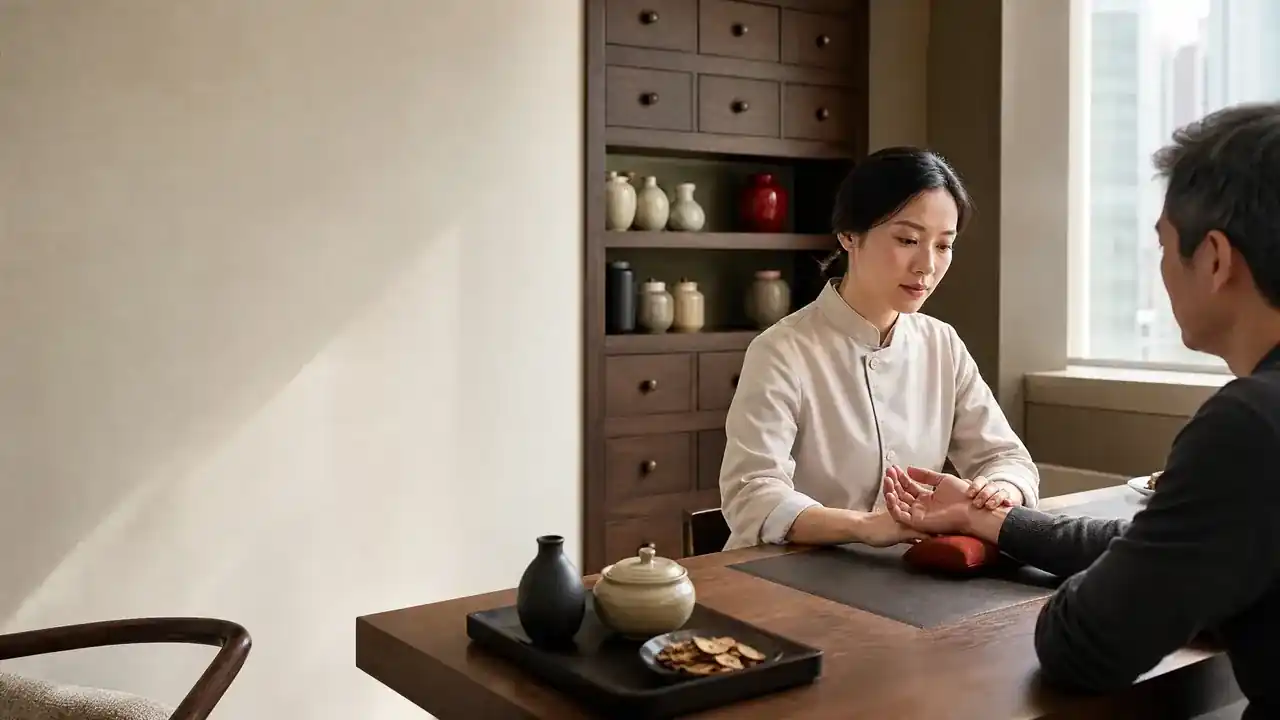
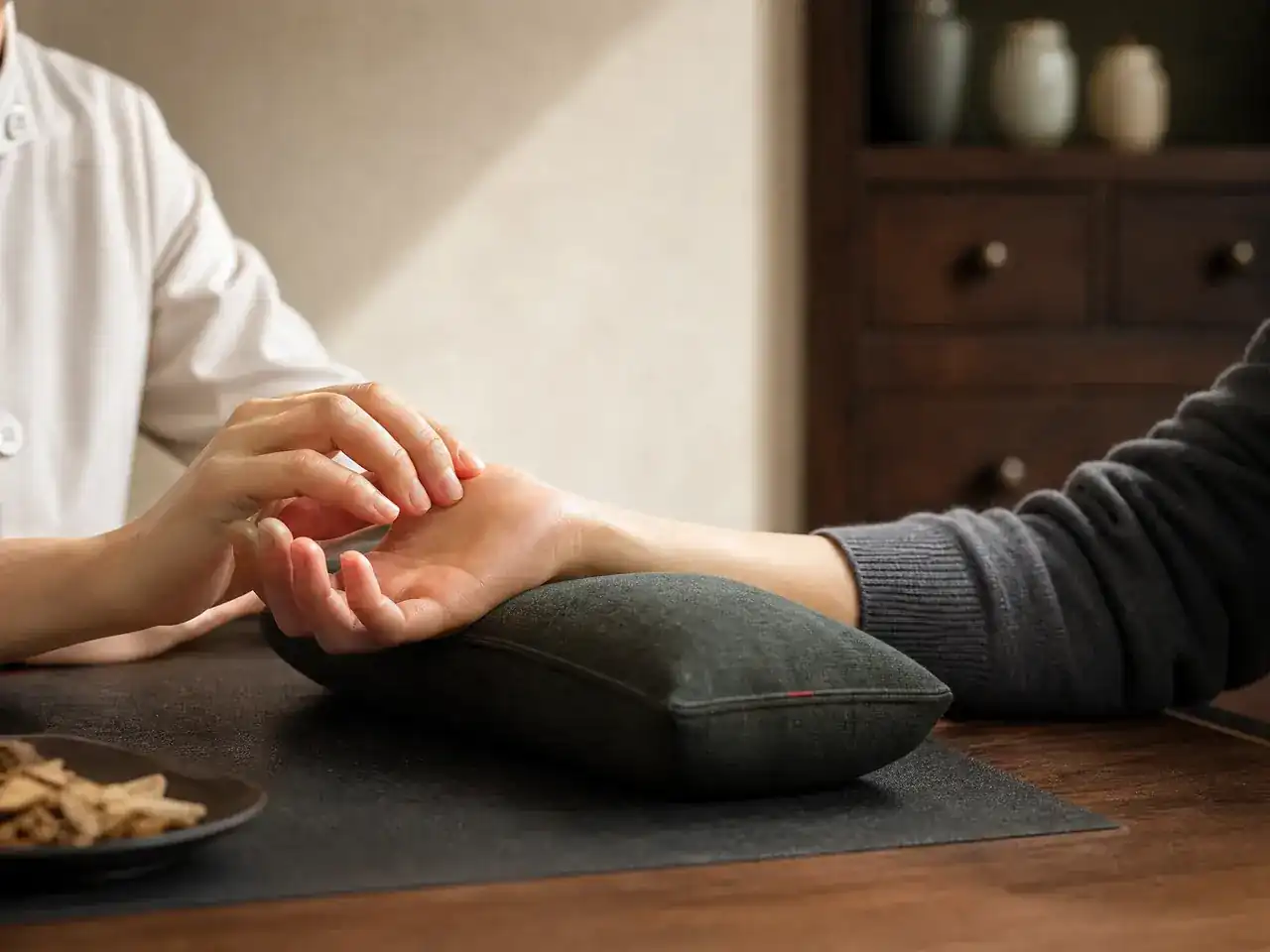
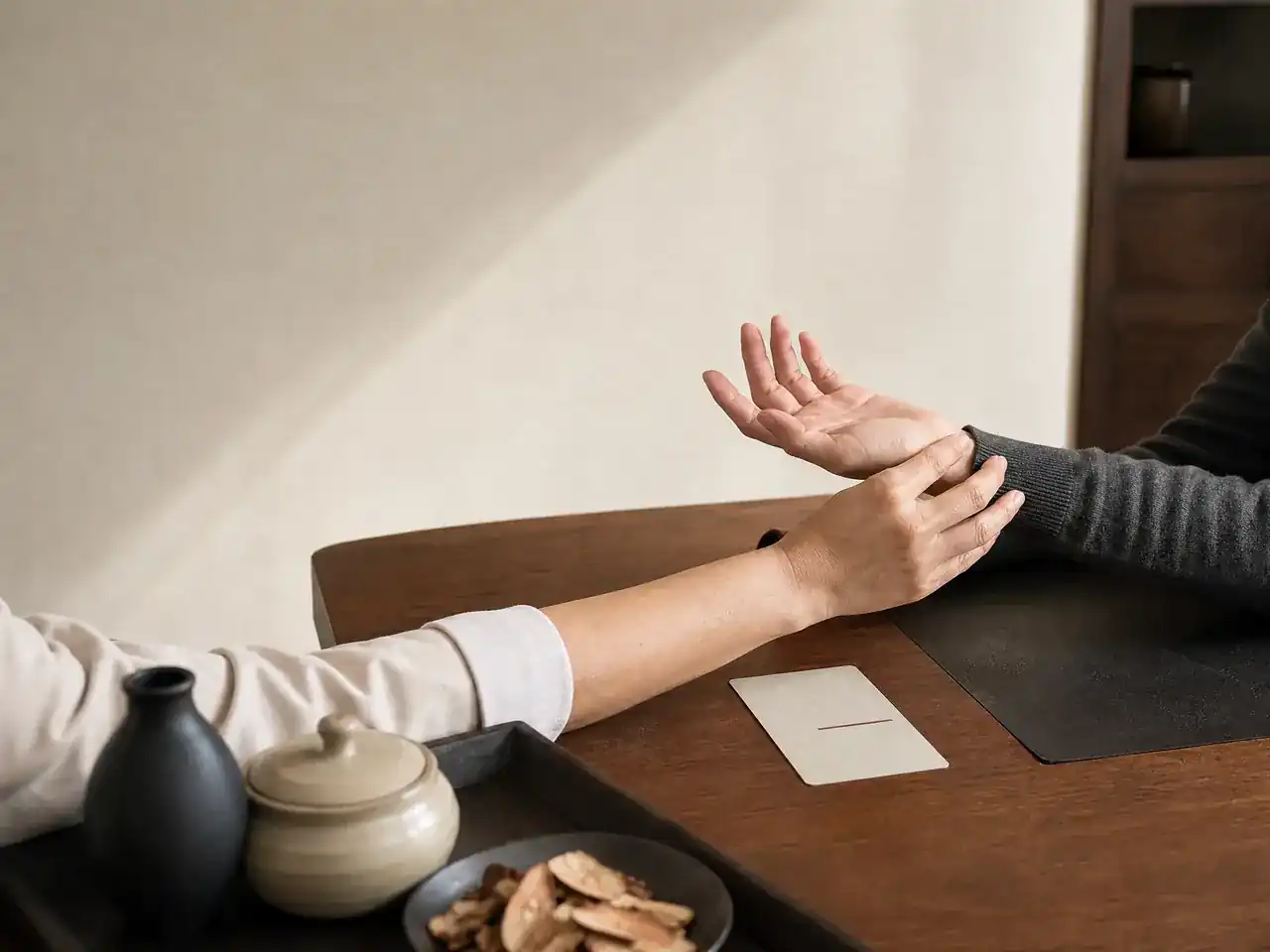
Treatment is personalized after a thorough TCM diagnosis, which includes pulse and tongue examination alongside symptom assessment. For example, a child exhibiting signs of kidney Yang deficiency—such as cold limbs, fatigue, and frequent urination—might receive warming herbs and acupuncture points to invigorate kidney Yang energy. Conversely, those with spleen Qi deficiency may benefit from herbs and dietary advice to enhance digestion and fluid transformation.
Lifestyle advice integrated into TCM management includes regulating fluid intake in the evening, ensuring regular bowel movements to avoid abdominal pressure on the bladder, and establishing calming bedtime routines. Psychological well-being is also addressed with gentle encouragement and stress reduction techniques, recognizing the emotional impact bedwetting can have on children.
It is important to note that TCM does not promise immediate cessation of enuresis but aims to support the body’s natural regulatory mechanisms over time. Close monitoring and consistent follow-up are essential parts of the TCM therapeutic journey.
Lifestyle and Dietary Recommendations
Certain lifestyle modifications can complement medical and TCM treatments for enuresis. Regulating fluid intake is a key strategy; parents are advised to limit consumption of liquids in the two hours before bedtime while ensuring adequate hydration throughout the day. This routine helps reduce nighttime urine production without causing dehydration.
Dietary considerations focus on foods that support kidney and spleen health according to TCM principles. Warm, cooked foods such as congee, soups, and steamed vegetables are generally recommended to strengthen digestive function and prevent dampness accumulation, which may exacerbate urinary issues. Avoiding cold, raw, or sugary foods in the evening can also be beneficial.
Establishing a consistent bedtime routine that promotes relaxation and sufficient sleep is crucial. Stress and anxiety can worsen pediatric urinary issues, so incorporating calming activities such as reading or gentle breathing exercises may help reduce nighttime episodes. Encouraging regular bathroom visits before sleep reinforces bladder emptying and reduces the likelihood of bedwetting.
Emotional support for children is equally important. Bedwetting can lead to feelings of embarrassment or frustration, so maintaining a positive, patient attitude and avoiding punishment fosters confidence and resilience. Parents should reassure their child that enuresis is common and manageable.
Common Patterns of Enuresis in Traditional Chinese Medicine
Traditional Chinese medicine identifies several common patterns associated with enuresis, each characterized by distinct symptoms and treatment focuses. Understanding these patterns assists practitioners in tailoring therapy to the child’s unique condition.
One prevalent pattern is Kidney Qi Deficiency, where the child may experience frequent urination, fatigue, cold extremities, and a pale tongue. This pattern indicates insufficient kidney energy to control the bladder, often requiring tonifying herbs and acupuncture to strengthen kidney Qi.
Another pattern is Spleen Qi Deficiency with Dampness. Children with this pattern commonly present with poor appetite, abdominal distension, loose stools, and a feeling of heaviness. The spleen’s role in fluid metabolism is compromised, leading to dampness that weakens bladder function. Treatment focuses on enhancing spleen function and resolving dampness.
Kidney Yang Deficiency is characterized by cold intolerance, weak lower back, and nocturnal urination. This pattern denotes insufficient warming energy of the kidneys, necessitating warming and tonifying interventions. Emotional stress and constitutional factors may exacerbate Yang deficiency.
Below is a table summarizing these common TCM patterns for enuresis with their key symptoms and typical treatment principles:
Recognizing these patterns enables a holistic and nuanced approach to managing enuresis tailored to each child's health status.
| TCM Pattern | Key Symptoms | Treatment Focus |
|---|---|---|
| Kidney Qi Deficiency | Frequent urination, fatigue, pale tongue | Tonify kidney Qi, strengthen bladder control |
| Spleen Qi Deficiency with Dampness | Poor appetite, abdominal distension, loose stools | Strengthen spleen, resolve dampness |
| Kidney Yang Deficiency | Cold intolerance, weak back, nocturnal urination | Warm kidney Yang, invigorate yang energy |
| Liver Qi Stagnation (emotional) | Irritability, mood swings, abdominal discomfort | Soothe liver Qi, relieve emotional stress |
Emotional and Family Support in Managing Enuresis
Enuresis can have significant emotional effects on the child and family dynamics. Feelings of shame, embarrassment, or lowered self-esteem are common among children struggling with bedwetting. It is critical that caregivers provide empathetic support, avoiding blame or punishment, which can worsen stress and potentially prolong symptoms.
Open communication within the family helps the child feel understood and reassured. Parents can encourage children to express their feelings and validate their experiences, reinforcing that enuresis is a common pediatric urinary issue without stigma. Emotional resilience is nurtured through patience, positive reinforcement, and celebrating small improvements.
In addition to direct family support, involving school personnel or counselors may be beneficial if the child experiences social anxiety or embarrassment related to enuresis. Educational efforts can also help reduce peer stigma.
Traditional Chinese medicine recognizes the mind-body connection in health, emphasizing the importance of emotional balance alongside physical treatment. Techniques such as pediatric acupuncture, acupressure, and Qi Gong exercises may aid in calming nervous system responses and reducing anxiety that can exacerbate bedwetting.
Managing Pediatric Urinary Issues: Integrative Care Approach
Managing pediatric urinary issues such as enuresis requires a comprehensive and integrative approach. Conventional medical evaluation is essential to rule out underlying pathologies such as urinary tract infections, anatomical abnormalities, or neurological conditions. Diagnostic tests may include urine analysis, bladder ultrasounds, and neurological assessments.
Once organic causes are excluded or treated, supportive care continues with lifestyle modifications, behavioral strategies, and possibly pharmacological interventions. Complementary therapies, including traditional Chinese medicine, offer additional options focusing on restoring balance and enhancing the child’s natural regulation.
Collaboration between healthcare providers, including pediatricians, urologists, and licensed TCM practitioners, ensures coordinated care that respects the child’s overall well-being. This multidisciplinary approach supports both the physiological and psychosocial aspects of pediatric urinary health.
Parents and caregivers play a vital role in implementing recommended strategies, monitoring progress, and maintaining communication with healthcare professionals to adapt care plans as needed.
Frequently asked questions
What are the main causes of enuresis in children from a traditional Chinese medicine perspective?
In traditional Chinese medicine, enuresis is primarily linked to imbalances in the kidney, spleen, and bladder functions. The kidneys govern water metabolism and control the bladder, so deficiencies in kidney Qi or Yang are viewed as common causes. Spleen Qi deficiency may lead to an inability to properly transform fluids, resulting in dampness that affects bladder control. Emotional factors such as stress or liver Qi stagnation can also contribute by disturbing the body’s harmonious energy flow. Treatment involves restoring balance through acupuncture, herbal remedies, and lifestyle guidance tailored to the child's specific pattern.
How does traditional Chinese medicine complement conventional treatments for pediatric urinary issues like bedwetting?
Traditional Chinese medicine complements conventional care by addressing the underlying energetic imbalances and promoting holistic health. While medical evaluations focus on identifying physiological causes and may use medication or behavioral therapies, TCM aims to strengthen organ functions, regulate water metabolism, and calm emotional factors through acupuncture and herbal medicine. This integrative approach supports the child’s natural healing processes and can improve overall well-being. Collaboration between TCM practitioners and medical doctors ensures comprehensive care respecting both physical and emotional needs.
Are there any specific dietary recommendations in TCM to help manage enuresis in children?
Yes, TCM dietary guidance for enuresis typically emphasizes warming and easily digestible foods that support spleen and kidney health. Warm, cooked meals like congee, steamed vegetables, and soups are encouraged, while cold, raw, and sugary foods are limited, especially in the evening. These choices help strengthen digestive function, reduce dampness accumulation, and support energy balance. Adequate hydration during the daytime with reduced fluid intake before bedtime is also advised. Dietary adjustments work synergistically with other treatments to promote bladder control.
What emotional support strategies can help children and families coping with bedwetting?
Emotional support is vital in managing bedwetting, as children may feel embarrassed or anxious. Caregivers should provide reassurance, avoid punishment, and maintain a positive, patient attitude. Encouraging open communication about feelings helps reduce shame and fosters resilience. Establishing calming bedtime routines and stress reduction techniques such as gentle breathing or Qi Gong can soothe nervous system activity. Involving school counselors or support groups may also benefit children experiencing social stigma. Emotional balance is a key component of holistic care in both conventional and traditional medicine.
How long does it typically take to see improvements in enuresis with traditional Chinese medicine treatments?
The duration to observe improvements in enuresis with traditional Chinese medicine varies depending on factors such as the child’s age, underlying patterns, severity, and adherence to the treatment plan. Some children may experience gradual reduction in bedwetting episodes after several weeks of consistent acupuncture and herbal therapy, while others might require longer periods of several months. TCM focuses on supporting the body’s natural regulatory functions, which takes time. Regular follow-up and adjustments are important to optimize outcomes. Patience and ongoing emotional support are essential throughout this process.
Is acupuncture safe for children with enuresis, and what should parents expect during treatment?
Acupuncture is generally considered safe for children when performed by a licensed and experienced TCM practitioner. The practitioner uses fine, sterile needles at specific points to stimulate organ functions related to bladder control and water metabolism. The procedure is usually gentle and well-tolerated, with minimal discomfort. Parents can expect a calming environment and a personalized approach tailored to the child's needs. Multiple sessions over weeks or months may be recommended. It is important to discuss any concerns with the practitioner and ensure treatments are part of an integrative care plan.
Related topics
Sources
Consult a Registered TCM Practitioner for Enuresis Support
If your child experiences enuresis or other pediatric urinary issues, Harmonia TCM in Kwun Tong offers professional assessment and supportive care grounded in traditional Chinese medicine principles. The information below provides reference information only. Availability of consultation and treatment requires confirmation by a registered TCM practitioner. We invite you to contact us to schedule an appointment and explore integrative approaches tailored to your child’s needs.