TCM Pediatrics | Development and behavior concerns
Developmental delay (children)
Every child grows at a unique pace. When gaps in language, movement, cognition, or social self-care persist, early assessment and layered support can help. At Harmonia TCM, we focus on constitution, gentle methods, and practical home routines, coordinating with mainstream medical and therapy teams to set functional, measurable goals.
Quick answer: Developmental delay means a child is notably behind peers in one or more areas (speech, gross/fine motor, cognition, social/self-care). TCM may support via constitution-based care—pediatric tuina, age-appropriate acupuncture, herbal and diet guidance—alongside standard assessment. For acute or worsening issues, seek medical attention first.
View pricesEnquire about suitability
CLEAR PRICES
Interested in a treatment? You are always welcome to ask.
We clearly list our current single, trial and package prices so you can explore at your own pace. You are always welcome to message us on WhatsApp about any service, timing or arrangement.
| Category and service | Content / terms | Public price (HK$) | Booking note | Enquire |
|---|---|---|---|---|
| Hair & scalp | Scalp health and hair-loss support | AI scalp analysis, deep follicle cleansing and oil-control support | Trial offerPackageTrial 380; 6 sessions 3,480; 12 sessions 5,760; 20 sessions 8,600; 30 sessions 11,400 | Average per session for 6/12/20/30: 580/480/430/380 | Ask on WhatsApp |
| Hair & scalp | Hair acupuncture with herbal medicine | Scalp acupuncture with 3 days of decoction-free herbal medicine | Single visitPackageSingle 580; 6 sessions 3,180; 12 sessions 5,760; 20 sessions 8,600; 30 sessions 11,400 | Average per session for 6/12/20/30: 530/480/430/380 | Ask on WhatsApp |
| Hair & scalp | Integrated hair support programme | Acupuncture, herbal medicine and follicle activation; packages include shampoo and serum | Single visitPackageSingle 1,260; 8 sessions 8,640; 16 sessions 15,680; 20 sessions 18,600; 30 sessions 26,400 | Average per session for 8/16/20/30: 1,080/980/930/880 | Ask on WhatsApp |
| Weight management | Full-body acupoint embedding | Full-body acupoint embedding; packages include proportionate days of herbal support | Single visitPackageSingle 980; 10 sessions 7,800; 20 sessions 14,600; 30 sessions 20,400 | Average per session for 10/20/30: 780/730/680 | Ask on WhatsApp |
| Facial acupuncture | Brightening V-face (Essential) | Facial acupuncture, meridian support and swelling management | Trial offerPackageTrial 480; 10 sessions 5,200; 20 sessions 9,600; 30 sessions 13,500 | Average per session for 10/20/30: 520/480/450 | Ask on WhatsApp |
| Facial acupuncture | Firming and refining (Advanced) | Enhanced facial acupuncture for firmness and fine-line concerns with a moisturising mask serum | Trial offerPackageTrial 780; 10 sessions 9,000; 20 sessions 16,600; 30 sessions 23,400 | Average per session for 10/20/30: 900/830/780 | Ask on WhatsApp |
| Pain care | Extracorporeal shockwave therapy | Deep inflammation support and fascial relaxation | Prince Edward: 250 per area; Kwun Tong: 250 for 1 area, 450 for 2, 600 for 3 | Clinic-specific pricing; confirm location before booking | Ask on WhatsApp |
| Pain care | Manual therapy | TCM bone-injury assessment, manual alignment and tui na techniques | Single visitSingle 580 | Suitability is confirmed after assessment | Ask on WhatsApp |
| Pain care | Acupuncture with manual therapy | Acupuncture with manual structural support | Single visitSingle 680 | Suitability is confirmed after assessment | Ask on WhatsApp |
| TCM regulation | Acupuncture with herbal medicine | TCM consultation, whole-body acupuncture and 3 days of decoction-free herbal medicine granules | Single visitSingle 580 | Confirm clinician availability and service arrangement when booking | Ask on WhatsApp |

What is developmental delay? Domains, early signs, and why timing matters
Developmental delay describes a noticeable lag relative to age expectations in one or more domains: gross motor (e.g., sitting, walking), fine motor (e.g., grasping, manipulating fasteners), language and communication, cognition and problem-solving, social-emotional interaction, and self-care/activities of daily living. Natural variability exists, yet persistent gaps across several domains—or a pronounced delay in one domain that limits participation—warrants timely assessment.
Early identification opens doors to guidance in health, education, and rehabilitation, reducing missed windows of practice. Watch for milestone delays, reduced responsiveness to name or social cues, ongoing motor incoordination, or prolonged dependence in self-help skills. These observations are not diagnoses; they are prompts to seek professional evaluation so that appropriate supports can be arranged.
Underlying contributors vary and can be multifactorial—biological, environmental, and learning experience related. Some children may also have hearing impairment, motor disorders, or autistic features. Such possibilities require assessment by pediatric and allied health professionals. While TCM can add a constitution-based lens and daily-life strategies, it does not replace standard medical evaluation.
Similar concerns can involve different symptoms, priorities and safety considerations. An assessment therefore considers your actual situation rather than relying on a service label alone.
A TCM perspective: constitution, organ systems and development (a lens, not a diagnosis)
In TCM pediatrics, children are considered to have delicate organ systems with ongoing maturation. Classical ideas link growth to both congenital endowment and postnatal nourishment. Commonly referenced patterns include spleen qi deficiency affecting digestion and muscle tone, kidney essence relating to growth and skeletal maturation, and liver functions influencing coordination and emotional rhythm. These frameworks guide supportive care but are not substitutes for modern diagnostic categories.
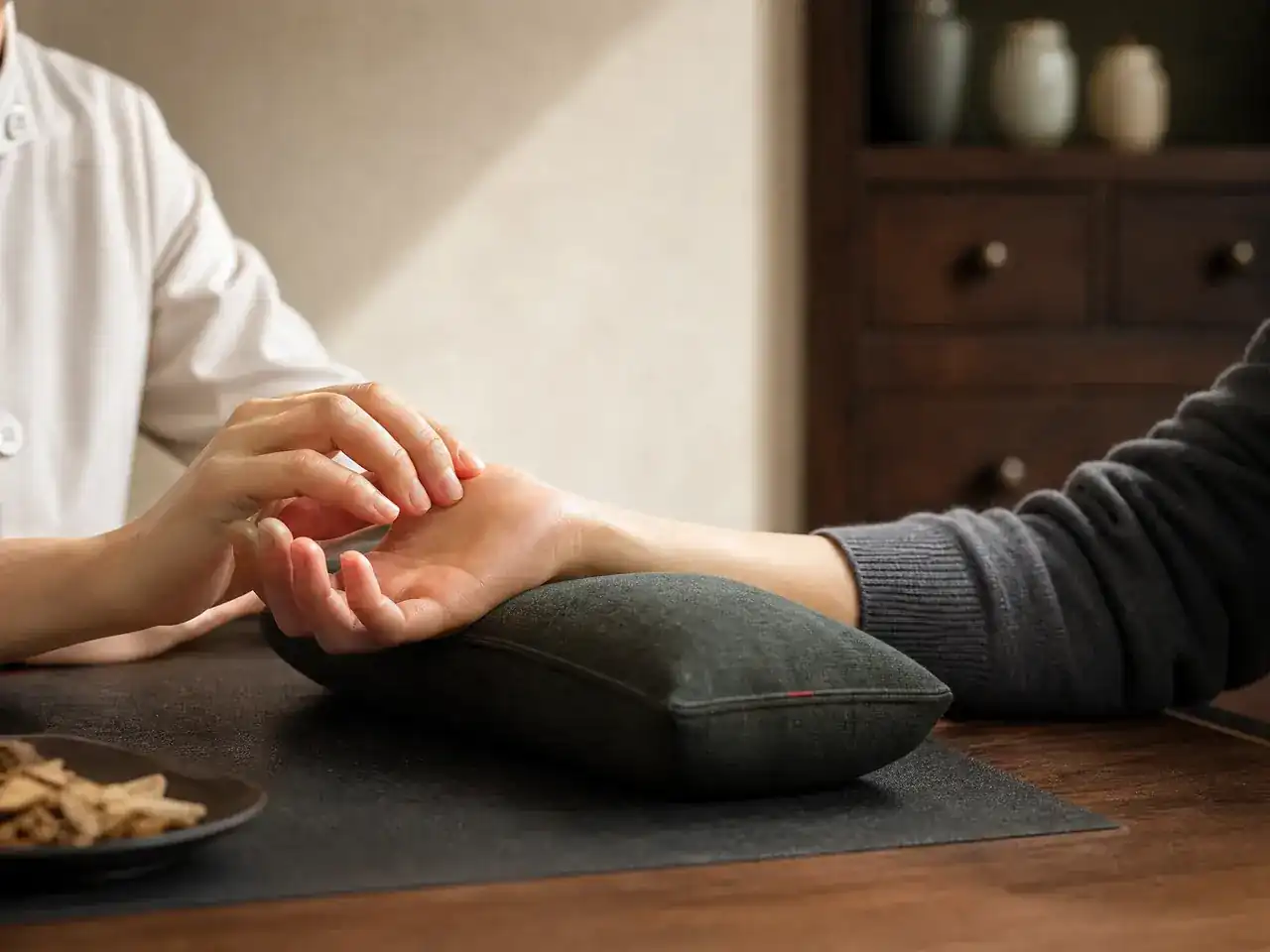
Within this perspective, TCM interventions may emphasize gentle, sustainable steps: pediatric tuina to stimulate sensory-motor feedback and calm arousal; age-appropriate, consent-based acupuncture or acupressure (if suitable) to support sleep regulation, attention, and tone modulation; and individualized herbal or dietary advice to strengthen digestion and qi-blood according to constitution. Such measures are adjunctive, and gains are best pursued together with home practice and mainstream therapies.
It is important to stay outcome-focused. Instead of promising a cure, we align with functional, observable targets that matter in daily life: following two- to three-step instructions with fewer prompts, dressing with better sequencing, or extending engagement in interactive play. Tracking these practical objectives allows families and teams to see whether the approach is helping participation.
Assessment and collaboration: working alongside mainstream care and education
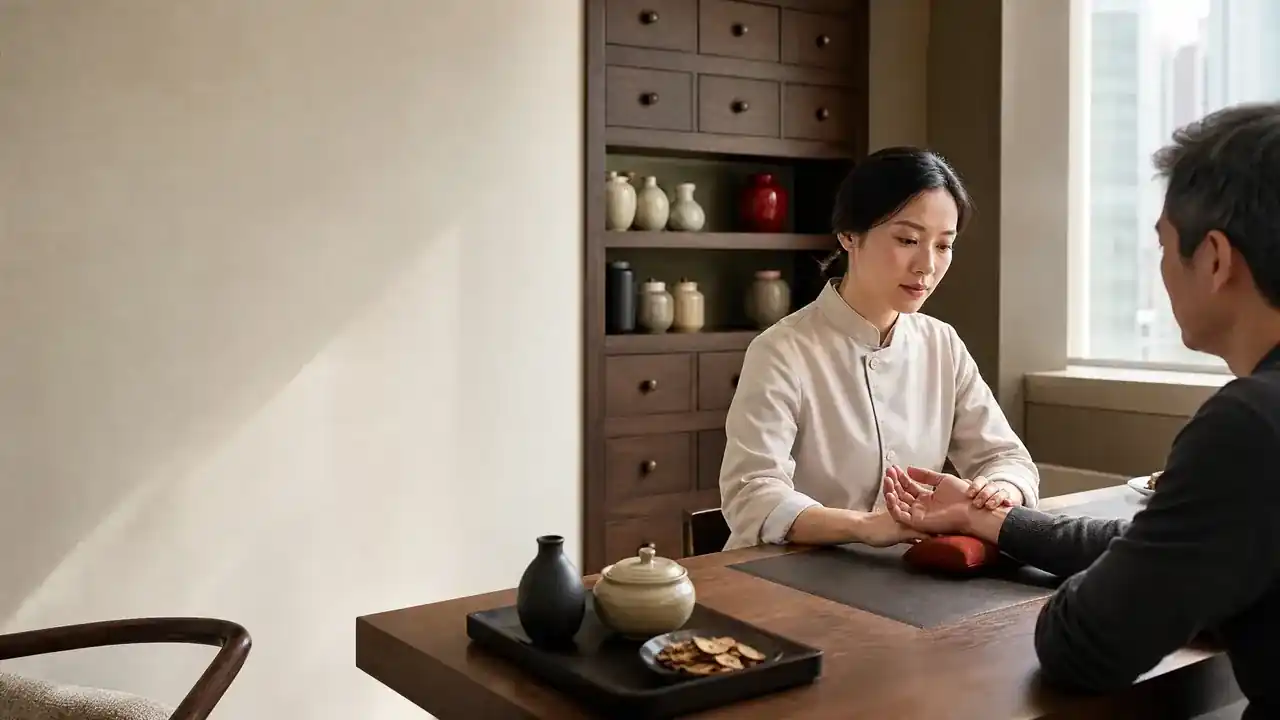
Families often interface with developmental pediatrics, audiology, psychology, speech-language therapy (SLT), occupational therapy (OT), and physiotherapy (PT). TCM can complement rather than replace these services by adding constitution-focused observations—sleep rhythm, appetite and gastrointestinal comfort, stamina, regulation—and aligning them with existing therapy goals.
At Harmonia TCM, we encourage clear two-way communication. If your child is awaiting or has completed assessments, bringing reports or rating scales (e.g., receptive language measures, fine/gross motor assessments, sensory profiles) helps set a baseline and identify measurable goals. Should any red flags arise, we advise prioritizing prompt medical assessment; safety comes first.
Practical supports: tuina, acupuncture, herbs, and home routines
Plans are individualized to the child’s age, temperament, schedule, and willingness to participate. A common starting blend is pediatric tuina as the foundation, short daily home practices to extend clinic gains, plus low-frequency acupuncture only if age-appropriate and acceptable. Where indicated, a short herbal course or simple diet measures may be considered. The emphasis is on sustainability and measurability, not intensity for its own sake.
The table below summarizes options, their potential aims, and precautions. Each item requires individual assessment by a registered Chinese medicine practitioner and alignment with family preferences and ongoing therapies.
| Method / focus | Potential aims and cautions |
|---|---|
| Pediatric tuina (gentle manual work) | Support tone modulation, sensory feedback, sleep and appetite; designed for at-home continuation. Avoid when febrile or with skin breaks. |
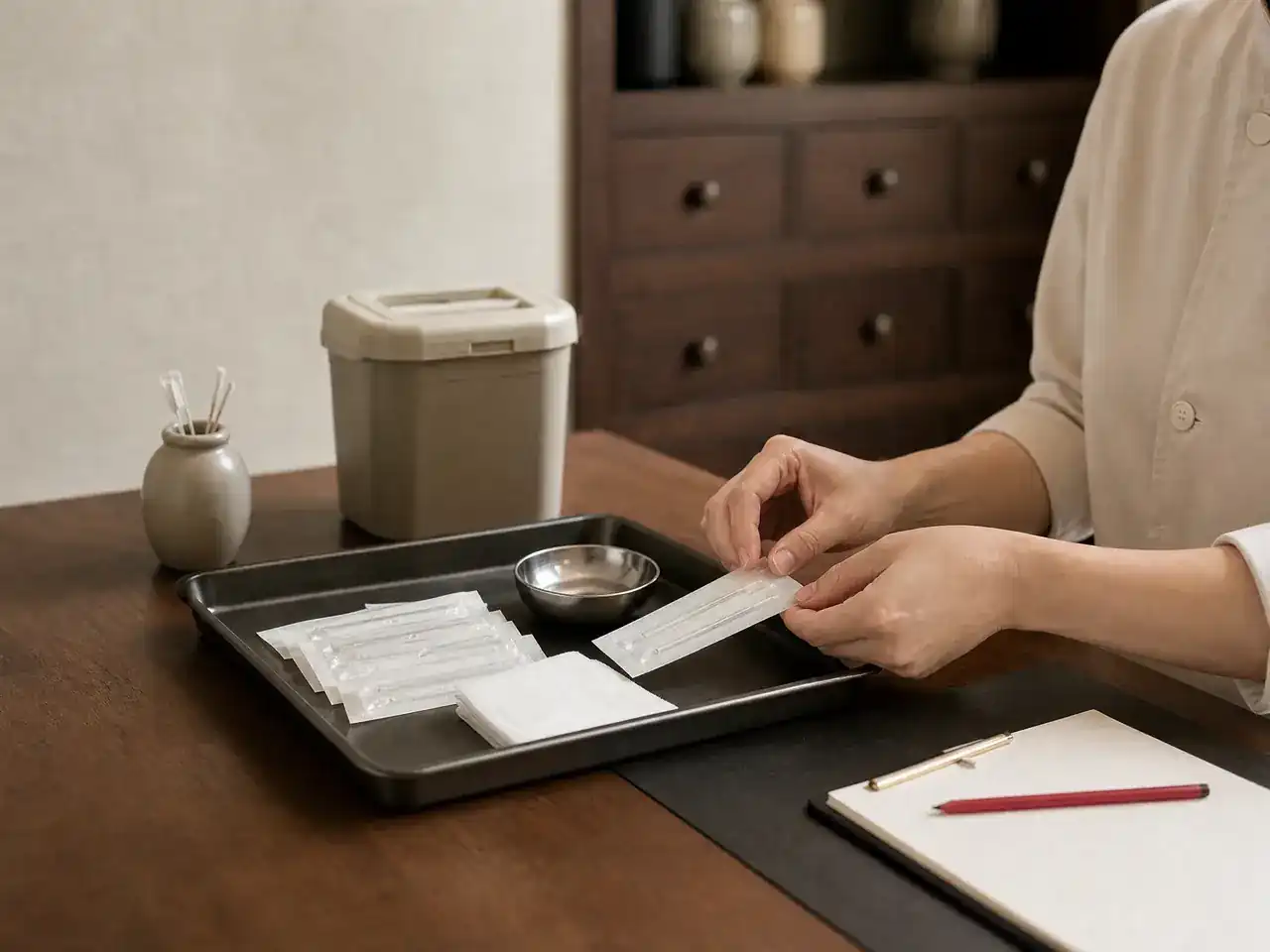
| Acupuncture/scalp acupuncture (age- and consent-based) | May help attention, emotional regulation, and coordination; use micro-needling and short sessions; strictly sterile technique; do not self-needle. |
| Herbal support (short course, pattern-based) | Focus on digestion and qi-blood; ensure traceable sourcing, weight- and age-appropriate dosing; monitor for allergy or drug–herb interactions. |
| Diet and routines | Regular meals, balanced nutrition, adequate outdoor time and sleep; limit excessive sugar and stimulants. |
| Parent–child interaction and sensory play | Short, structured, high-feedback activities reinforcing target skills; coordinate with therapists’ plans. |
| Coordination with SLT/OT/PT | Set weekly priorities (e.g., oral-motor, fine dexterity, core stability) to avoid overload and duplication. |
Care pathway and goal-setting: function and participation at the center
We translate broad concerns into concrete functional goals. For example, instead of “language delay,” aim for “follow two-step instructions consistently, progressing to three-step chained instructions.” Instead of “gross motor weakness,” use “single-leg stance improves from two to five seconds and safe stepping up/down a low platform.” These targets mirror real-life needs and can align with therapy measures.
Goals are commonly set in short (4–8 weeks) and medium (3–6 months) horizons. Reviews prioritize what helps family life most—perhaps stabilizing sleep before focusing on attention or instruction-following. Home tasks are broken into small, daily steps. If the plan feels heavy, we reduce load to protect motivation and the child’s well-being.
Simple records work best: a 10–20 second weekly video of the target task or a brief checklist capturing attempts and supports needed. These artifacts make collaboration more precise, helping all providers calibrate intensity and methods.
Home life: environment, diet, and sleep that support learning
Shape the environment to reduce distraction: a calm corner with clear start–finish cues can make five- to ten-minute sessions feasible, two to three times daily. Embedding practice into routines—dressing, tidying toys, washing hands before meals—builds repetition with natural motivation and feedback.
Diet-wise, prioritize regular mealtimes and balanced choices, watching for gastrointestinal responses to specific foods. If picky eating is present, expand gradually with guidance (texture, temperature, color) to avoid power struggles. For sleep, consistent evening rituals and timing, plus adjusting daytime naps, help consolidate nighttime sleep—supporting attention and learning the next day.
Keep screen time mindful. Interactive, relationship-based play outperforms passive viewing in building communication and regulation. Pause higher-intensity practices and acupuncture during febrile illness or acute infections; rest and medical assessment take precedence.
Frequently asked questions
How is developmental delay different from autism, and can TCM tell the difference?
Developmental delay is a descriptive term for lags across domains; autism spectrum disorder (ASD) is a neurodevelopmental diagnosis centered on social communication differences and restricted/repetitive patterns. TCM assessments focus on constitution and functional observations and cannot replace diagnostic evaluations by developmental pediatrics or clinical psychology. If autistic features are suspected, arrange a mainstream assessment early. Constitution-focused TCM care may be considered as adjunct support—for sleep rhythm, regulation, digestive comfort, and structured home routines—while functional goals remain aligned with your therapy team.
How long before we might notice changes? Is there a fixed program?
There is no universal program or guarantee. We usually propose a 2–4 week trial anchored to one or two measurable functional targets—such as more consistent two-step instruction following, fewer night wakings, or improved single-leg balance. If your child and family can sustain short home practices and tangible gains appear in daily participation, we may extend or refine the plan. If progress is limited, we re-check goal clarity, load, and medical factors with your team. The focus remains pragmatic: small, sustainable steps that matter for your child’s day-to-day life.
My child is afraid of needles. Can we rely on tuina and non-needle options?
Yes. Acupuncture is optional and not always necessary. Many families begin with pediatric tuina, caregiver-guided acupressure, ear acupressure, and structured sensory play. If your child later becomes older, understands the process, and is willing to try brief sessions, a registered practitioner can reassess whether low-frequency acupuncture or scalp acupuncture could add value. Acceptance and safety come first; plans are coordinated with ongoing SLT/OT/PT so the weekly load stays manageable.
Are herbs safe for toddlers? What about interactions with current medications?
Herbal use must be individualized, with traceable sourcing and dosing by weight and age, prescribed by a registered Chinese medicine practitioner. Please share all current medications and supplements to screen for potential interactions. If rashes, diarrhea, unusual sleepiness, or other concerning reactions occur, stop the herb and inform your practitioner promptly. Children with known food or botanical allergies need extra caution and tailored choices. Herbal care is adjunctive; mainstream medical advice remains the priority when acute illness or red flags present.
How do we coordinate TCM with speech, occupational, and physiotherapy without overload?
Pick one to two weekly focal functions and align all activities with them. For instance, target three-step chained instructions and fine dexterity this week; home games, tuina emphasis, and therapy sessions echo those priorities. Use brief videos or checklists for shared tracking across providers. This keeps the plan coherent, prevents duplicative work, and helps everyone detect incremental gains and barriers quickly.
When should we avoid manual work or acupuncture? What about vaccination days?
Pause stronger interventions during fever, acute infections, significant skin irritation, or when your child is unusually fatigued. On vaccination day and the following 24–48 hours, prioritize rest and hydration, then resume according to how your child feels. When uncertain, check with your medical team. Never self-needle; use only practitioner-guided techniques in appropriate settings.
Related topics
Sources
Plan the next step safely for your child
Harmonia TCM’s clinic is in Kwun Tong. This page follows our site plan and is intended as general guidance; it does not imply availability for every case or the existence of other branches. Actual If you are considering care, we can first discuss what may suit you and how an appointment can be arranged. You are welcome to enquire and discuss whether coordination or referral is advisable before making commitments.