Men's Health TCM Care
Orchitis (testicular inflammation)
Orchitis and epididymitis often cause significant testicular pain and localized swelling, disrupting men's daily lives. Traditional Chinese Medicine (TCM) focuses on clearing heat, resolving dampness, and promoting blood circulation. Through personalized syndrome differentiation, TCM aims to relieve discomfort and support the body's natural recovery process, complemented by practical daily care advice.
Quick answer: Orchitis and epididymitis frequently lead to testicular pain and swelling. TCM utilizes herbal medicine and acupuncture based on individual syndrome differentiation to clear heat, resolve dampness, and improve blood circulation, aiming to relieve local discomfort and restore overall bodily balance.
CLEAR PRICES
Interested in a treatment? You are always welcome to ask.
We clearly list our current single, trial and package prices so you can explore at your own pace. You are always welcome to message us on WhatsApp about any service, timing or arrangement.
| Category and service | Content / terms | Public price (HK$) | Booking note | Enquire |
|---|---|---|---|---|
| Hair & scalp | Scalp health and hair-loss support | AI scalp analysis, deep follicle cleansing and oil-control support | Trial offerPackageTrial 380; 6 sessions 3,480; 12 sessions 5,760; 20 sessions 8,600; 30 sessions 11,400 | Average per session for 6/12/20/30: 580/480/430/380 | Ask on WhatsApp |
| Hair & scalp | Hair acupuncture with herbal medicine | Scalp acupuncture with 3 days of decoction-free herbal medicine | Single visitPackageSingle 580; 6 sessions 3,180; 12 sessions 5,760; 20 sessions 8,600; 30 sessions 11,400 | Average per session for 6/12/20/30: 530/480/430/380 | Ask on WhatsApp |
| Hair & scalp | Integrated hair support programme | Acupuncture, herbal medicine and follicle activation; packages include shampoo and serum | Single visitPackageSingle 1,260; 8 sessions 8,640; 16 sessions 15,680; 20 sessions 18,600; 30 sessions 26,400 | Average per session for 8/16/20/30: 1,080/980/930/880 | Ask on WhatsApp |
| Weight management | Full-body acupoint embedding | Full-body acupoint embedding; packages include proportionate days of herbal support | Single visitPackageSingle 980; 10 sessions 7,800; 20 sessions 14,600; 30 sessions 20,400 | Average per session for 10/20/30: 780/730/680 | Ask on WhatsApp |
| Facial acupuncture | Brightening V-face (Essential) | Facial acupuncture, meridian support and swelling management | Trial offerPackageTrial 480; 10 sessions 5,200; 20 sessions 9,600; 30 sessions 13,500 | Average per session for 10/20/30: 520/480/450 | Ask on WhatsApp |
| Facial acupuncture | Firming and refining (Advanced) | Enhanced facial acupuncture for firmness and fine-line concerns with a moisturising mask serum | Trial offerPackageTrial 780; 10 sessions 9,000; 20 sessions 16,600; 30 sessions 23,400 | Average per session for 10/20/30: 900/830/780 | Ask on WhatsApp |
| Pain care | Extracorporeal shockwave therapy | Deep inflammation support and fascial relaxation | Prince Edward: 250 per area; Kwun Tong: 250 for 1 area, 450 for 2, 600 for 3 | Clinic-specific pricing; confirm location before booking | Ask on WhatsApp |
| Pain care | Manual therapy | TCM bone-injury assessment, manual alignment and tui na techniques | Single visitSingle 580 | Suitability is confirmed after assessment | Ask on WhatsApp |
| Pain care | Acupuncture with manual therapy | Acupuncture with manual structural support | Single visitSingle 680 | Suitability is confirmed after assessment | Ask on WhatsApp |
| TCM regulation | Acupuncture with herbal medicine | TCM consultation, whole-body acupuncture and 3 days of decoction-free herbal medicine granules | Single visitSingle 580 | Confirm clinician availability and service arrangement when booking | Ask on WhatsApp |
Understanding Orchitis and Epididymitis
Orchitis and epididymitis are common men's health conditions characterized primarily by testicular pain, localized swelling, and discomfort. These conditions can be triggered by various factors, including bacterial or viral infections, physical trauma, or a weakened immune system. When experiencing these symptoms, seeking early professional assessment is crucial to rule out other severe urological emergencies.
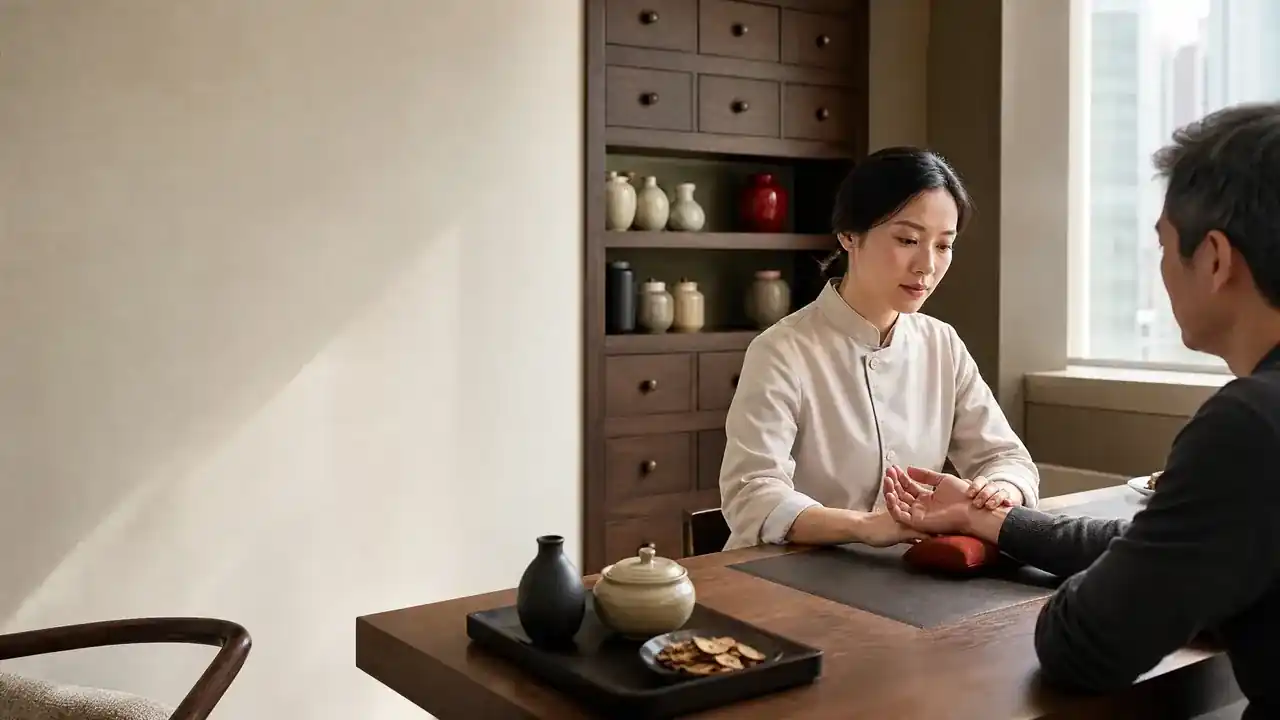
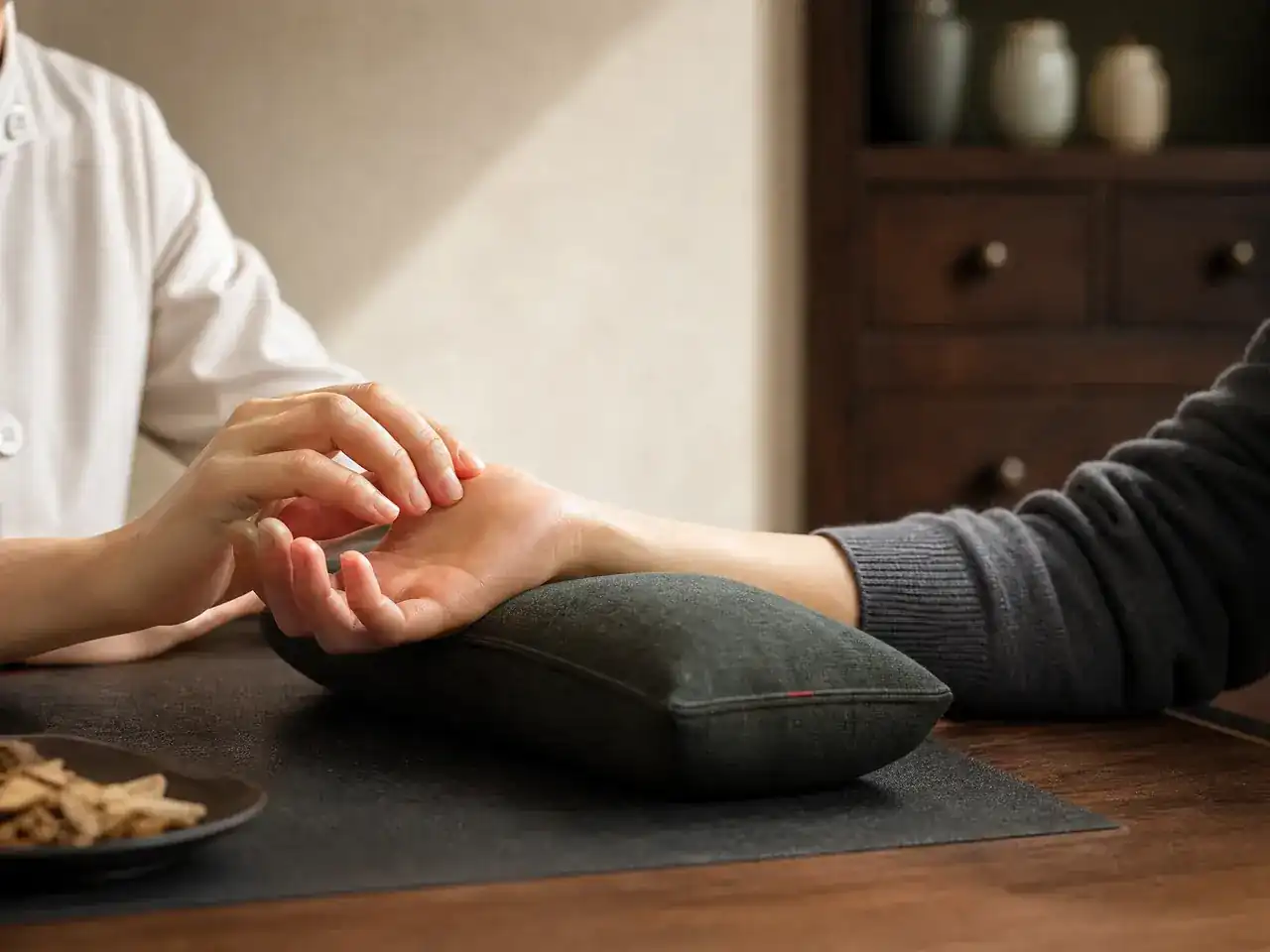
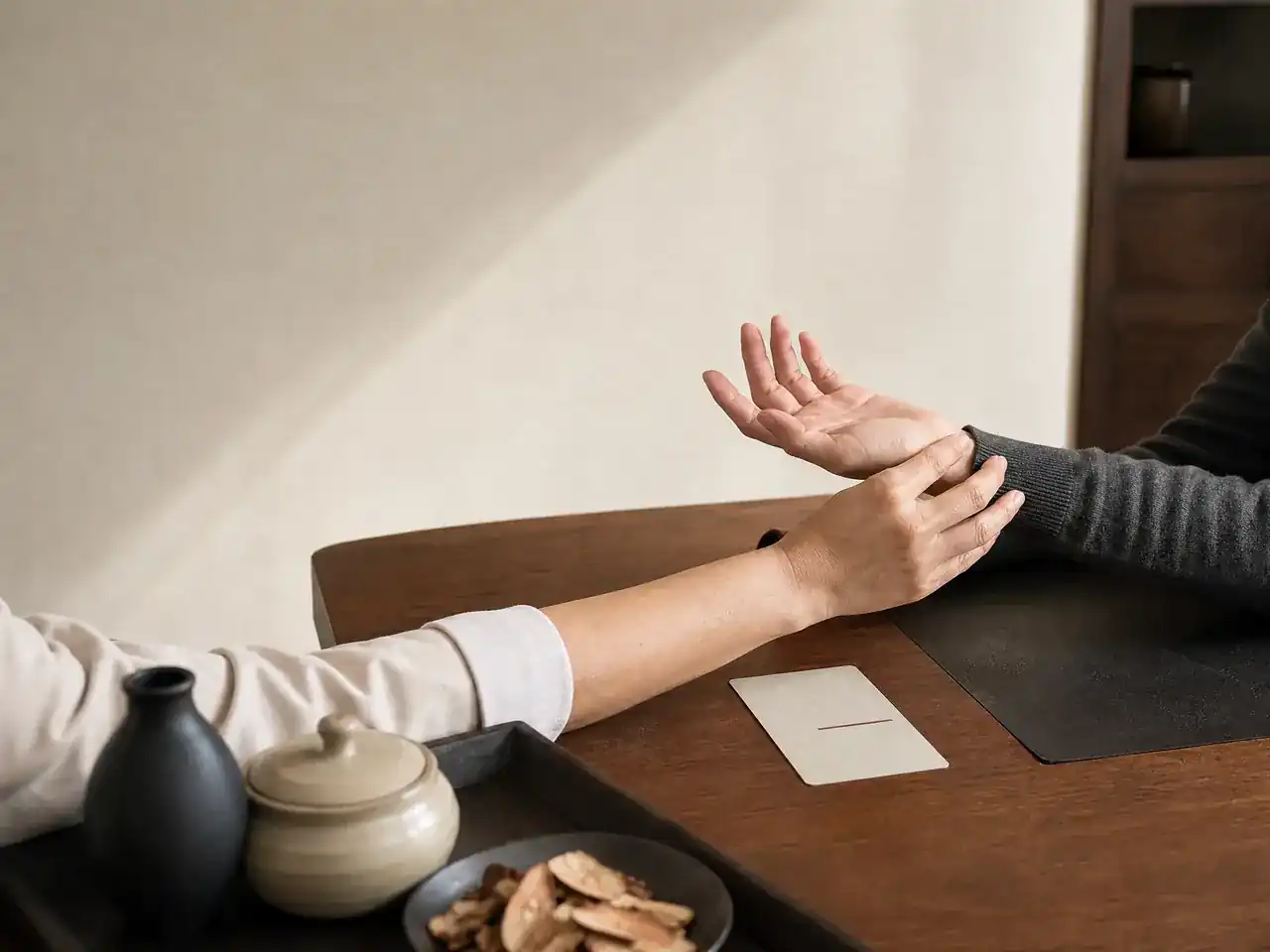
From the perspective of Traditional Chinese Medicine, orchitis and epididymitis are often associated with damp-heat in the Liver meridian, Qi stagnation and blood stasis, or Kidney deficiency. The goal of TCM care is not only to relieve the localized testicular pain but also to restore the overall balance of the body's constitution. Through a detailed assessment involving observation, listening, questioning, and pulse-taking, a registered TCM practitioner will evaluate the patient's specific condition and formulate an appropriate care plan.
TCM Syndrome Differentiation for Testicular Discomfort
TCM categorizes the testicular pain caused by orchitis and epididymitis into different syndrome types. A common type is Damp-Heat in the Liver Meridian, where patients often present with acute, localized redness, swelling, heat, and pain, accompanied by a bitter taste in the mouth and dark urine. This type is frequently seen during the acute phase, and TCM care focuses on clearing heat, resolving dampness, and reducing swelling.
Another common syndrome is Qi Stagnation and Blood Stasis, which is more typical in chronic phases or recurrent cases. Patients with this type often experience a dull or stabbing testicular pain, and hard nodules may be palpable locally. TCM care for this syndrome emphasizes promoting Qi circulation, activating blood, and resolving stasis to improve local blood flow and support tissue repair.
TCM Care Methods and Assessment
For orchitis and epididymitis, TCM primarily utilizes internal herbal medicine and acupuncture for care. Herbal prescriptions are customized based on the patient's specific syndrome type. For instance, herbs like Long Dan Cao (Gentiana), Chai Hu (Bupleurum), and Chi Shao (Red Peony Root) may be selected to clear heat, soothe the Liver, and relieve pain. Acupuncture involves stimulating specific acupoints, such as Tai Chong and San Yin Jiao, to unblock meridians and alleviate testicular pain.
Before commencing any TCM care, a registered TCM practitioner will conduct a comprehensive assessment. This includes understanding the patient's medical history, lifestyle habits, and current symptoms. The practitioner will thoroughly explain the principles of the care, expected outcomes, and potential risks, ensuring the patient makes an informed decision.
Comparison of TCM Syndromes in Orchitis and Epididymitis
To help patients better understand their condition, the following table outlines the common TCM syndrome types associated with orchitis and epididymitis, along with their characteristics. This information can facilitate more effective communication with the practitioner during consultations, aiding in the development of a suitable care plan.
Please note that the following information is intended as general guidance. The actual diagnosis and care plan must be determined by a registered TCM practitioner based on individual circumstances. If severe pain occurs or symptoms worsen continuously, immediate medical assessment at an emergency department is required.
| TCM Syndrome Type | Common Local Symptoms | Accompanying Systemic Symptoms | Care Principle |
|---|---|---|---|
| Damp-Heat in Liver Meridian | Acute redness, swelling, heat, and pain | Bitter taste, dry mouth, dark urine, constipation | Clear heat, resolve dampness, reduce swelling |
| Qi Stagnation & Blood Stasis | Dull or stabbing pain, palpable hard nodules | Emotional fluctuations, purplish tongue or petechiae | Promote Qi, activate blood, resolve stasis |
| Cold-Dampness Stagnation | Cold pain, worsens with cold, relieved by warmth | Aversion to cold, cold limbs, pale complexion | Warm meridians, dispel cold, resolve dampness |
| Kidney Deficiency | Dragging dull pain, worsens after exertion | Sore lower back and knees, dizziness, fatigue | Tonify Kidney, replenish Qi, strengthen constitution |
Daily Care and Lifestyle Recommendations
In addition to receiving TCM care, daily management is equally important for relieving testicular pain caused by orchitis and epididymitis. Patients should keep the local area clean and dry, wear loose and breathable underwear, and avoid tight clothing to reduce pressure and friction. During the acute phase, bed rest is highly recommended, and strenuous exercise or overexertion should be avoided.
Regarding diet, it is advisable to consume light, easily digestible foods and increase the intake of fresh vegetables and fruits. Spicy, greasy, and stimulating foods should be avoided, and smoking and alcohol consumption should be ceased, as these can exacerbate damp-heat in the body or impede Qi and blood circulation. Maintaining good sleep habits and stable emotions also contributes to the body's recovery.
Considerations for Integrative Medicine
When managing orchitis and epididymitis, an integrative approach combining Western and Chinese medicine often yields better results. Western medicine can rapidly control inflammation during the acute infection phase, while TCM plays a significant role in relieving symptoms, balancing the constitution, and preventing recurrence. Patients undergoing Western medical treatment may consider complementary TCM care to address both the symptoms and the root cause.
However, when receiving both Western and Chinese medical treatments concurrently, patients must clearly inform both practitioners about all medications and therapies being used to avoid drug interactions or adverse reactions. The TCM practitioner will adjust the herbal prescription based on the patient's overall condition to ensure the safety and efficacy of the care.
Frequently asked questions
How long does it take for TCM care to show effects for orchitis?
The effectiveness of TCM care varies from person to person, depending on the severity of the condition, the patient's constitution, and their response to the therapy. Generally, acute testicular pain may experience initial relief after a few sessions, while chronic or recurrent cases require longer, sustained care to balance the constitution. A registered TCM practitioner will assess the expected progress based on your specific situation.
Is acupuncture safe for relieving testicular pain caused by epididymitis?
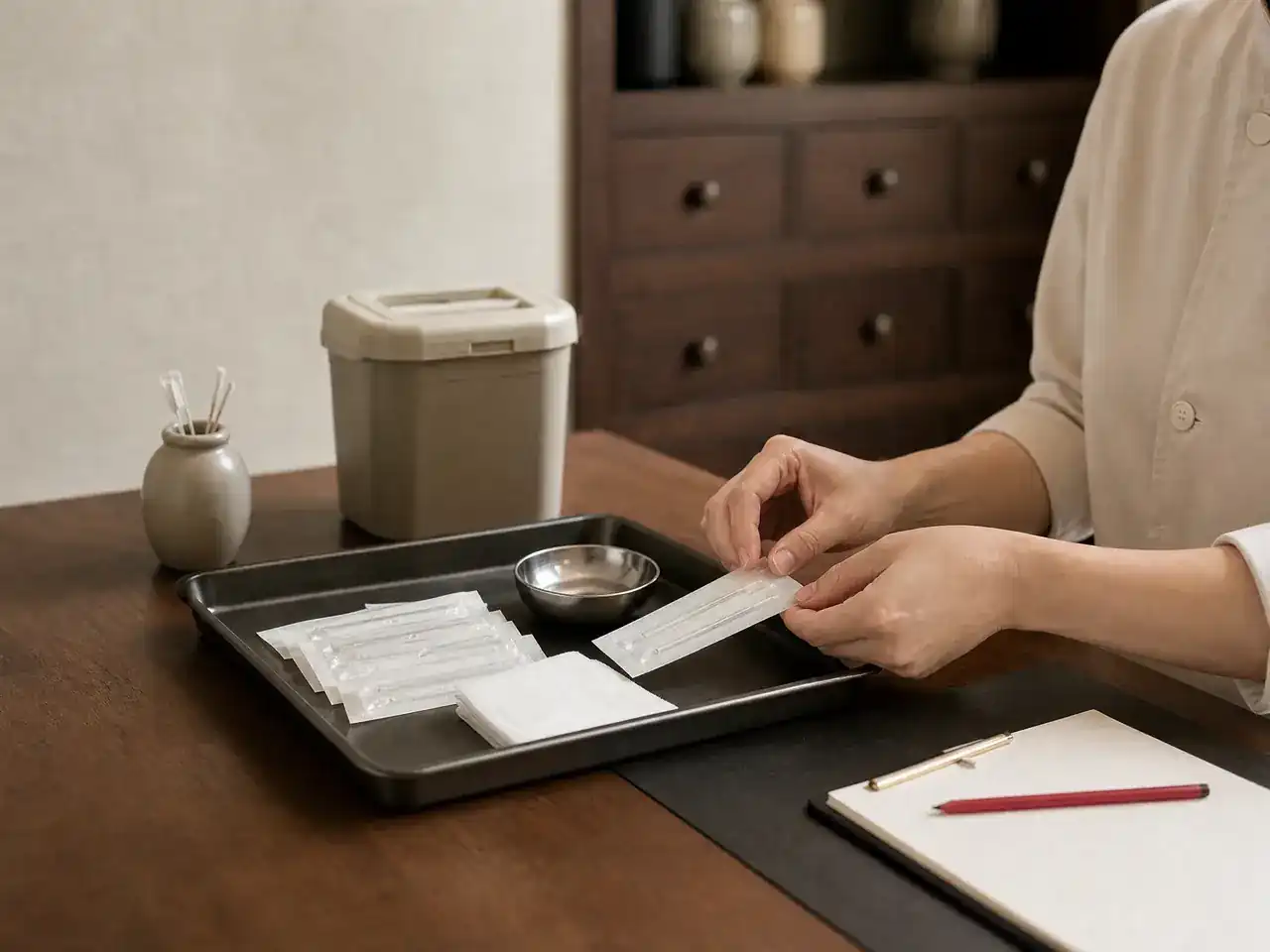
Acupuncture performed by a qualified, registered TCM practitioner is generally safe. The practitioner will select acupoints on distal or related meridians to unblock energy channels and promote blood circulation. Before the procedure, the practitioner will evaluate your health status to ensure you are suitable for this therapy and will employ strict sterilization measures to minimize the risk of infection.
What dietary precautions should I take while having orchitis?
During an episode of orchitis, it is recommended to maintain a light diet and increase your intake of water and fresh fruits and vegetables. You should avoid spicy, deep-fried, greasy, and cold foods, and abstain from smoking and alcohol. These stimulating items can exacerbate damp-heat in the body and hinder Qi and blood circulation, which is detrimental to reducing local swelling and promoting recovery.
Will TCM herbal medicine interact with the Western medications I am currently taking?
There is indeed a risk of interaction when taking TCM herbal medicine and Western medications concurrently. Therefore, during your consultation, you must clearly list all Western medications and supplements you are currently taking to the registered TCM practitioner. The practitioner will adjust the herbal prescription accordingly and advise that the intake of Chinese and Western medicines should be separated by at least two hours to ensure safety.
After recovering from orchitis, how can TCM help prevent recurrence?
TCM believes that the key to preventing recurrence lies in strengthening the body's foundation and enhancing its natural resistance (Zheng Qi). After recovery, the practitioner may recommend continuing herbal care for a period to consolidate your constitution. Additionally, maintaining good lifestyle habits, avoiding overexertion, paying attention to local hygiene, and engaging in moderate exercise are all crucial measures to prevent the recurrence of orchitis and epididymitis.
Does Harmonia TCM's Kwun Tong clinic provide immediate emergency care for orchitis?
Harmonia TCM's physical clinic in Kwun Tong primarily provides TCM care and support for chronic conditions and does not offer immediate emergency care services. If you experience sudden, severe testicular pain or other urgent symptoms, please proceed immediately to the nearest hospital emergency department. Once the emergency situation is stabilized, you may consider scheduling an appointment for our TCM care services.
Related topics
Sources
Seek Professional TCM Assessment
If you are troubled by testicular pain caused by orchitis or epididymitis, the registered TCM practitioners at Harmonia TCM can provide a professional assessment and a personalized care plan. This information outlines common considerations and assessment directions. If you would like to discuss what may suit you or how an appointment can be arranged, please contact us. Please contact us for more details.