Ovarian cyst — gentle, constitution-focused support
Ovarian cyst
Ovarian cysts are fluid- or semi-solid sacs that can form on or in an ovary. From imaging and gynecological management to Traditional Chinese Medicine (TCM) approaches that focus on body constitution and holistic balance, Harmonia TCM outlines how TCM may assess and support people with ovarian cysts. This information is provided to help you understand the topic and prepare questions for an assessment. Availability and suitability require confirmation by the clinic and a registered Chinese medicine practitioner.
Quick answer: An ovarian cyst is a sac-like structure on the ovary; many are benign and transient. TCM may assess constitution, qi-blood balance, and stagnation to inform individualized herbal, acupuncture and lifestyle support. Severe pain, heavy bleeding, or signs of infection require urgent medical evaluation. This page describes potential supportive options; service availability must be confirmed by the clinic.
View pricesContact to inquire availability
CLEAR PRICES
Interested in a treatment? You are always welcome to ask.
We clearly list our current single, trial and package prices so you can explore at your own pace. You are always welcome to message us on WhatsApp about any service, timing or arrangement.
| Category and service | Content / terms | Public price (HK$) | Booking note | Enquire |
|---|---|---|---|---|
| Hair & scalp | Scalp health and hair-loss support | AI scalp analysis, deep follicle cleansing and oil-control support | Trial offerPackageTrial 380; 6 sessions 3,480; 12 sessions 5,760; 20 sessions 8,600; 30 sessions 11,400 | Average per session for 6/12/20/30: 580/480/430/380 | Ask on WhatsApp |
| Hair & scalp | Hair acupuncture with herbal medicine | Scalp acupuncture with 3 days of decoction-free herbal medicine | Single visitPackageSingle 580; 6 sessions 3,180; 12 sessions 5,760; 20 sessions 8,600; 30 sessions 11,400 | Average per session for 6/12/20/30: 530/480/430/380 | Ask on WhatsApp |
| Hair & scalp | Integrated hair support programme | Acupuncture, herbal medicine and follicle activation; packages include shampoo and serum | Single visitPackageSingle 1,260; 8 sessions 8,640; 16 sessions 15,680; 20 sessions 18,600; 30 sessions 26,400 | Average per session for 8/16/20/30: 1,080/980/930/880 | Ask on WhatsApp |
| Weight management | Full-body acupoint embedding | Full-body acupoint embedding; packages include proportionate days of herbal support | Single visitPackageSingle 980; 10 sessions 7,800; 20 sessions 14,600; 30 sessions 20,400 | Average per session for 10/20/30: 780/730/680 | Ask on WhatsApp |
| Facial acupuncture | Brightening V-face (Essential) | Facial acupuncture, meridian support and swelling management | Trial offerPackageTrial 480; 10 sessions 5,200; 20 sessions 9,600; 30 sessions 13,500 | Average per session for 10/20/30: 520/480/450 | Ask on WhatsApp |
| Facial acupuncture | Firming and refining (Advanced) | Enhanced facial acupuncture for firmness and fine-line concerns with a moisturising mask serum | Trial offerPackageTrial 780; 10 sessions 9,000; 20 sessions 16,600; 30 sessions 23,400 | Average per session for 10/20/30: 900/830/780 | Ask on WhatsApp |
| Pain care | Extracorporeal shockwave therapy | Deep inflammation support and fascial relaxation | Prince Edward: 250 per area; Kwun Tong: 250 for 1 area, 450 for 2, 600 for 3 | Clinic-specific pricing; confirm location before booking | Ask on WhatsApp |
| Pain care | Manual therapy | TCM bone-injury assessment, manual alignment and tui na techniques | Single visitSingle 580 | Suitability is confirmed after assessment | Ask on WhatsApp |
| Pain care | Acupuncture with manual therapy | Acupuncture with manual structural support | Single visitSingle 680 | Suitability is confirmed after assessment | Ask on WhatsApp |
| TCM regulation | Acupuncture with herbal medicine | TCM consultation, whole-body acupuncture and 3 days of decoction-free herbal medicine granules | Single visitSingle 580 | Confirm clinician availability and service arrangement when booking | Ask on WhatsApp |


Overview: What are ovarian cysts?
An ovarian cyst is a fluid-filled or semi-solid sac that develops on or within an ovary. Many ovarian cysts are functional, linked to the menstrual cycle (such as follicular or corpus luteum cysts) and often resolve spontaneously. Others are structural, such as dermoid cysts (mature cystic teratomas), endometriomas, or cystadenomas. The size, content, and clinical implications differ between types.
Clinically, cysts may be discovered during routine pelvic exams or imaging, or they may present with symptoms like pelvic pain, bloating, altered menstrual cycles, or localized pressure. Assessment typically involves medical history, physical examination, and pelvic ultrasound; additional tests or referral to gynecology may be needed depending on the findings.
Conventional medical evaluation and management
In Western practice, pelvic ultrasound is the mainstay for initial evaluation. Characteristics such as size, solid components, septations, and blood flow are important for risk stratification. Blood tests including tumor markers (e.g., CA-125) may be used selectively, understanding they are not definitive on their own. Management ranges from watchful waiting to surgical intervention depending on cyst features, symptoms, patient age, and reproductive plans.
Acute presentations such as sudden severe pelvic pain, suspected torsion, rupture, or signs of infection require prompt medical attention. For many small functional cysts, observation over weeks to months with periodic imaging is appropriate. Shared decision-making with a gynecologist supports safe, individualized care.
TCM perspective: constitution, pattern differentiation and holistic balance
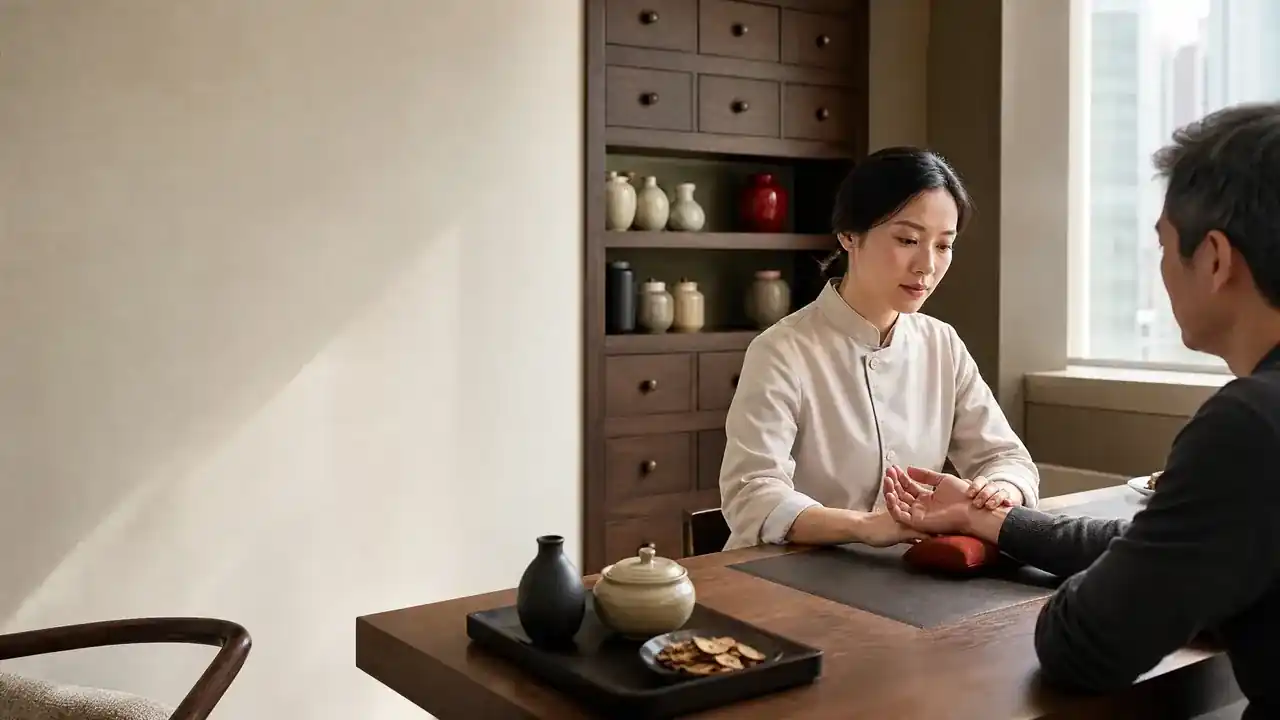
TCM does not label ovarian cysts with a single name; instead, practitioners perform pattern differentiation (辨證) based on each person's constitution (體質), signs and symptoms, tongue and pulse. Common TCM patterns that may be associated with palpable masses or cystic changes include qi stagnation with blood stasis, phlegm-damp accumulation, liver qi depression transforming into heat, and kidney deficiency affecting reproductive function.
Treatment principles vary by pattern: for example, moving qi and invigorating blood to reduce stagnation, resolving phlegm and softening masses, or tonifying the kidney and nourishing blood to improve reproductive vitality. TCM emphasizes individualized care, addressing lifestyle, emotional state, and diet as integral to restoring balance. It is important to clarify that TCM support aims to improve symptoms and overall balance rather than guaranteeing resolution of a cyst or replacing necessary Western diagnostic or surgical care.
How TCM may assess ovarian cysts (comparison / assessment table)
The table below compares typical Western diagnostic approaches with TCM assessment priorities. This is intended to show how the two systems might complement each other. Any management plan should be coordinated between a registered TCM practitioner and medical clinicians.
The table is a general guide and not a substitute for clinical judgment. If imaging suggests a complex cyst or high-risk features, follow gynecological guidance first.
| Assessment area | Typical Western approach | Typical TCM approach / focus |
|---|---|---|
| Imaging | Transvaginal or pelvic ultrasound; CT or MRI if needed | TCM does not replace imaging but uses imaging findings together with pulse and tongue diagnosis |
| Symptom history | Detailed pelvic pain, menstrual history, systemic symptoms | Detailed inquiry about menstrual cycle, emotional stress, appetite, digestion and sleep to determine pattern |
| Risk evaluation | Assess suspicious ultrasound features and tumor markers | Assess for signs of blood stasis, phlegm accumulation or deficiency that may influence treatment choices |
| Treatment options | Observation, medical therapy, interventional radiology, or surgery | Herbal formulas, acupuncture, moxibustion, dietary and lifestyle interventions to support constitution |
| Follow-up | Serial imaging and gynecological review as indicated | Monitor symptom patterns, adjust herbal formulas and acupuncture based on response |
TCM supportive approaches: herbs, acupuncture and lifestyle
When used as supportive care, TCM treatments are individualized. Herbal prescriptions may be formulated to move qi and blood, resolve phlegm, soften masses, or tonify the kidney depending on the diagnosed pattern. A registered TCM practitioner considers concurrent medications and medical history when proposing herbal therapy. Open communication about all treatments and medicines is essential.
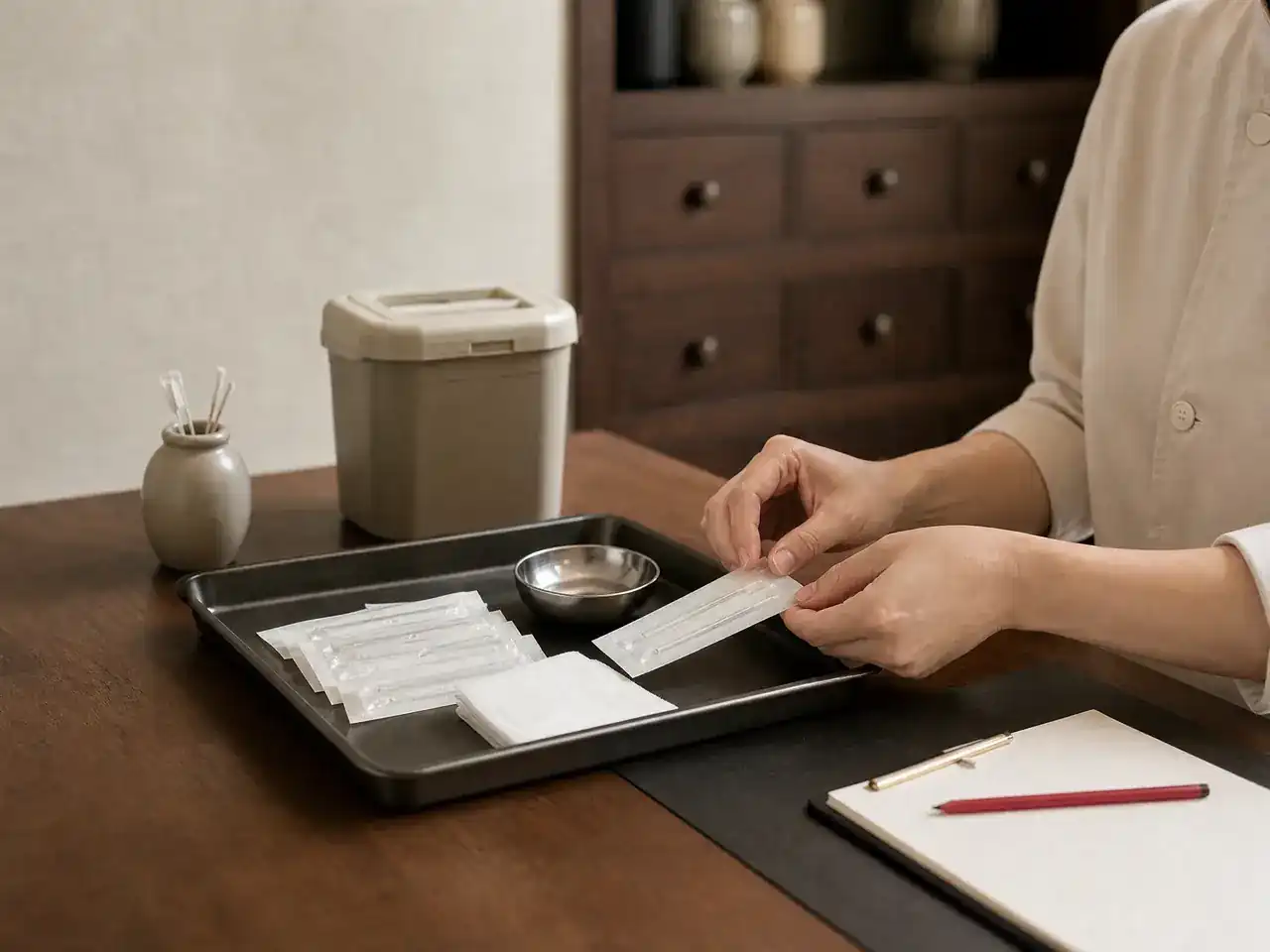
Acupuncture offers another modality that may help regulate menstrual cycles, relieve pelvic pain, and support emotional well-being. Lifestyle recommendations—such as regular moderate exercise, balanced nutrition that avoids excessive damp-producing foods, stress management, and adequate sleep—are integral. For people planning pregnancy, TCM may offer preparatory constitutional support while coordinating with reproductive medicine specialists as needed. TCM may help with some ovarian issues by optimizing the internal environment, but does not replace necessary medical or surgical interventions.
Practical self-care and monitoring
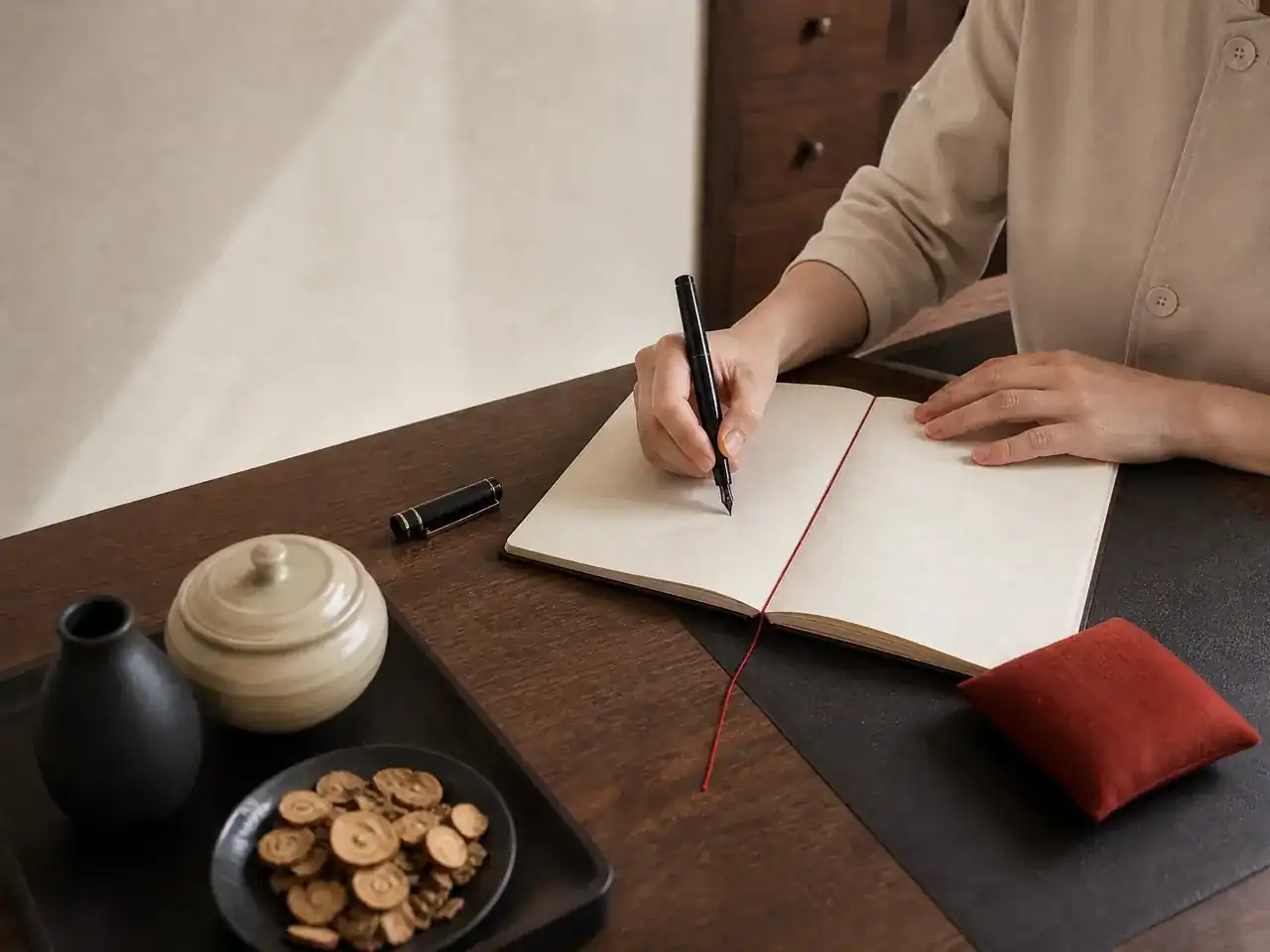
Practical self-care includes keeping a menstrual and symptom diary noting pain severity, timing, bloating, and any abnormal bleeding. Regular moderate exercise, avoiding prolonged sitting, and maintaining a balanced diet can support circulation and reduce phlegm-damp tendencies. Stress reduction techniques such as diaphragmatic breathing, gentle yoga, or mindfulness can help with liver-qi related patterns.
If you are on medications, anticoagulants, or planning fertility treatments, consult both your medical providers and a registered TCM practitioner before starting herbs or acupuncture. Record keeping and coordinated communication between all care providers will promote safer, more coherent management.
Frequently asked questions
1) Will an ovarian cyst resolve on its own, and how often should I have ultrasound follow-up?
Many functional cysts resolve spontaneously within several weeks to months. Recommended ultrasound follow-up varies based on cyst size, ultrasound characteristics and symptoms; common intervals are around 6–12 weeks initially, then longer if stable. If a cyst has complex features or increasing size, gynecological follow-up and more urgent evaluation may be advised. A registered practitioner can help interpret your reports and advise on appropriate monitoring intervals.
2) Can TCM prevent ovarian cyst recurrence?
TCM aims to address underlying patterns such as qi stagnation, blood stasis or phlegm-dampness by individualizing herbal therapy, acupuncture and lifestyle guidance, which may reduce factors associated with recurrence. However, TCM cannot guarantee prevention. Effective prevention often involves combined strategies: medical monitoring, healthy lifestyle choices, and individualized TCM support when appropriate.
3) Are there safety concerns if I take herbs while on conventional medications?
Yes. Some herbs can interact with pharmaceuticals, especially anticoagulants, hormonal treatments, or chemotherapy drugs. Always provide a full medication list to the registered TCM practitioner and consult your prescribing physician when necessary. A qualified practitioner will assess potential interactions and adapt treatment accordingly.
4) If I want to conceive, how is an ovarian cyst managed?
Management considers cyst type, size and whether the cyst affects ovulation or fertility treatments. Small functional cysts may be monitored; larger or complex cysts could require intervention. TCM can offer preparatory constitutional support aimed at regulating cycles and improving overall reproductive health, but decisions about surgery or fertility interventions should involve gynecology or fertility specialists.
5) How long before I might see changes with acupuncture or herbs?
Some symptom relief, especially for pain or menstrual regulation, may be experienced within a few sessions of acupuncture or weeks of herbal therapy. Structural or size-related changes, if they occur, typically take longer and need coordinated medical imaging to verify. Treatment duration and response are individualized based on pattern diagnosis and constitution.
6) Can I book an ovarian cyst assessment at Harmonia TCM right away?
This information outlines common considerations and assessment directions. If you would like to discuss what may suit you or how an appointment can be arranged, please contact us. If you wish to inquire about potential assessment or supportive care, please contact us with your recent reports and symptoms; we will assess feasibility and inform you about next steps and availability.
Related topics
Sources
Inquire about availability for an ovarian cyst assessment
This information outlines common considerations and assessment directions. If you would like to discuss what may suit you or how an appointment can be arranged, please contact us. If you would like to enquire about whether we offer assessment or supportive TCM care for ovarian cysts, please contact us and provide recent imaging reports and a brief symptom history. We will review and respond regarding possible next steps and scheduling.