TCM Regulation and Pregnancy Support
Prenatal Care (Pregnancy TCM)
During pregnancy, the maternal body undergoes significant physiological changes, making appropriate prenatal care essential for the well-being of both the mother and the developing fetus. At Harmonia TCM, whose only physical clinic is located in Kwun Tong, we explore how TCM regulation can provide targeted assessment and support based on individual constitution, always prioritizing pregnancy safety. Please note that the information here is intended as general guidance, and the actual availability and suitability of services must be confirmed by a registered Chinese medicine practitioner.
Quick answer: Prenatal care aims to help expectant mothers adapt to physiological changes through careful TCM regulation. Prioritizing pregnancy safety, a registered Chinese medicine practitioner will evaluate your specific constitution to determine if acupuncture or herbal support is appropriate. All care arrangements require professional assessment, as not all pregnant women are suitable candidates. Always seek conventional medical help first for any acute discomfort.
View pricesContact Us for Inquiries
CLEAR PRICES
Interested in a treatment? You are always welcome to ask.
We clearly list our current single, trial and package prices so you can explore at your own pace. You are always welcome to message us on WhatsApp about any service, timing or arrangement.
| Category and service | Content / terms | Public price (HK$) | Booking note | Enquire |
|---|---|---|---|---|
| Hair & scalp | Scalp health and hair-loss support | AI scalp analysis, deep follicle cleansing and oil-control support | Trial offerPackageTrial 380; 6 sessions 3,480; 12 sessions 5,760; 20 sessions 8,600; 30 sessions 11,400 | Average per session for 6/12/20/30: 580/480/430/380 | Ask on WhatsApp |
| Hair & scalp | Hair acupuncture with herbal medicine | Scalp acupuncture with 3 days of decoction-free herbal medicine | Single visitPackageSingle 580; 6 sessions 3,180; 12 sessions 5,760; 20 sessions 8,600; 30 sessions 11,400 | Average per session for 6/12/20/30: 530/480/430/380 | Ask on WhatsApp |
| Hair & scalp | Integrated hair support programme | Acupuncture, herbal medicine and follicle activation; packages include shampoo and serum | Single visitPackageSingle 1,260; 8 sessions 8,640; 16 sessions 15,680; 20 sessions 18,600; 30 sessions 26,400 | Average per session for 8/16/20/30: 1,080/980/930/880 | Ask on WhatsApp |
| Weight management | Full-body acupoint embedding | Full-body acupoint embedding; packages include proportionate days of herbal support | Single visitPackageSingle 980; 10 sessions 7,800; 20 sessions 14,600; 30 sessions 20,400 | Average per session for 10/20/30: 780/730/680 | Ask on WhatsApp |
| Facial acupuncture | Brightening V-face (Essential) | Facial acupuncture, meridian support and swelling management | Trial offerPackageTrial 480; 10 sessions 5,200; 20 sessions 9,600; 30 sessions 13,500 | Average per session for 10/20/30: 520/480/450 | Ask on WhatsApp |
| Facial acupuncture | Firming and refining (Advanced) | Enhanced facial acupuncture for firmness and fine-line concerns with a moisturising mask serum | Trial offerPackageTrial 780; 10 sessions 9,000; 20 sessions 16,600; 30 sessions 23,400 | Average per session for 10/20/30: 900/830/780 | Ask on WhatsApp |
| Pain care | Extracorporeal shockwave therapy | Deep inflammation support and fascial relaxation | Prince Edward: 250 per area; Kwun Tong: 250 for 1 area, 450 for 2, 600 for 3 | Clinic-specific pricing; confirm location before booking | Ask on WhatsApp |
| Pain care | Manual therapy | TCM bone-injury assessment, manual alignment and tui na techniques | Single visitSingle 580 | Suitability is confirmed after assessment | Ask on WhatsApp |
| Pain care | Acupuncture with manual therapy | Acupuncture with manual structural support | Single visitSingle 680 | Suitability is confirmed after assessment | Ask on WhatsApp |
| TCM regulation | Acupuncture with herbal medicine | TCM consultation, whole-body acupuncture and 3 days of decoction-free herbal medicine granules | Single visitSingle 580 | Confirm clinician availability and service arrangement when booking | Ask on WhatsApp |
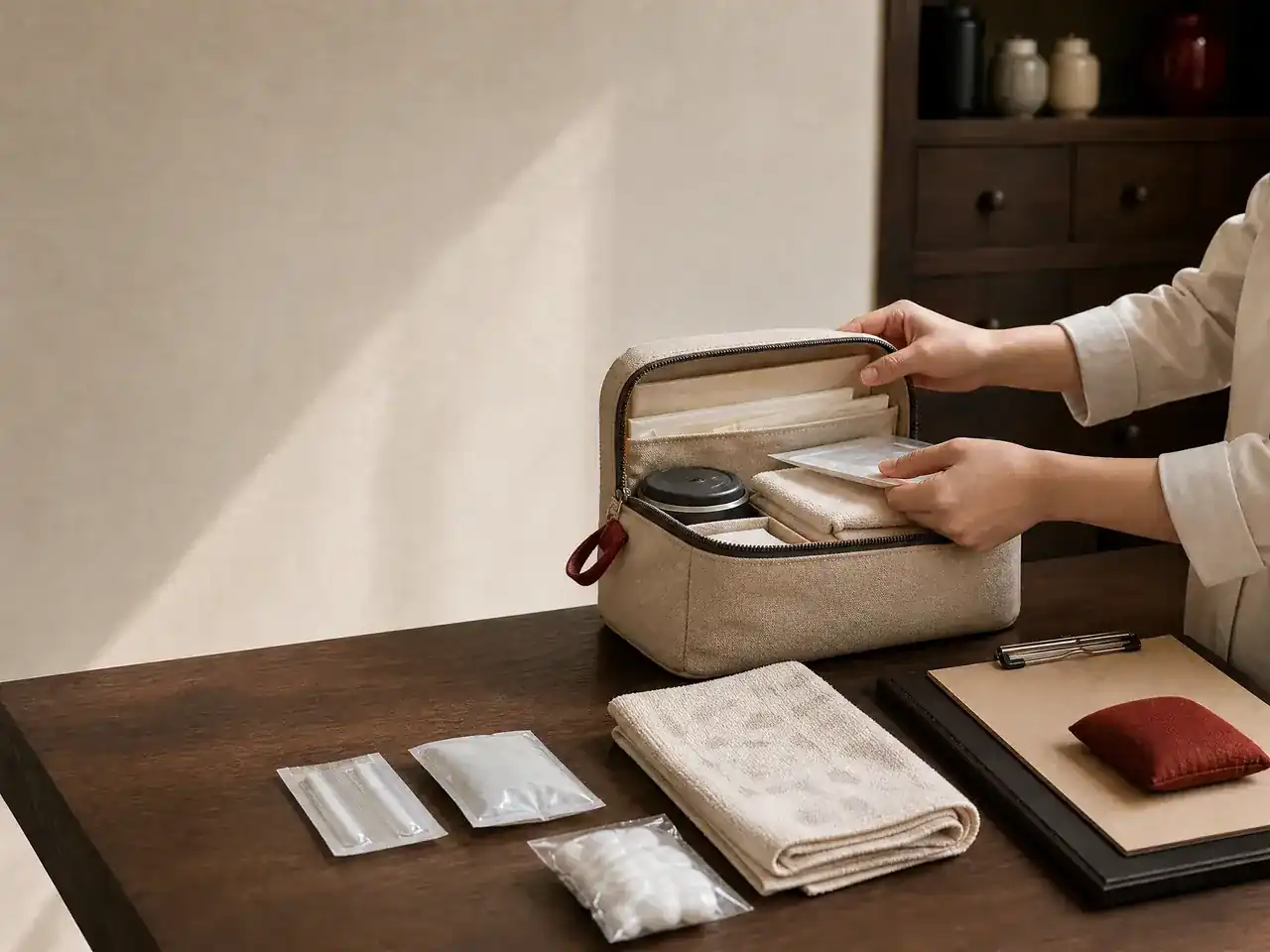


The Philosophy of Prenatal Care and TCM Regulation
Prenatal care holds a significant position in traditional Chinese medicine, with its core philosophy rooted in preventive care and the harmonization of Yin and Yang. Pregnancy is a natural physiological process, but it undeniably places additional demands on the maternal body's Qi (vital energy), blood, and organ functions. The primary goal of TCM regulation during this period is not to intervene in the normal progression of pregnancy, but rather to assist the maternal body in adapting to these profound changes through gentle and supportive means. By doing so, TCM aims to cultivate an optimal internal environment for the developing fetus. Throughout the course of prenatal care, a registered Chinese medicine practitioner will closely monitor the dynamic changes in the expectant mother's constitution and provide tailored advice and guidance corresponding to the specific characteristics of each trimester.
According to TCM principles, during pregnancy, the maternal body's Qi and blood are predominantly directed towards nourishing the fetus. This physiological shift often leads to a relative deficiency of Qi and blood, or a state of Yin deficiency with internal heat, in the mother. Therefore, the focus of prenatal care is on consolidating the foundation and nurturing vitality. This is achieved through appropriate dietary guidance, adjustments to daily routines and lifestyle habits, and, when deemed necessary and safe, the careful application of herbal medicine or acupuncture to maintain the mother's internal balance. However, it must be strongly emphasized that any form of TCM regulation must be conducted with the utmost prioritization of pregnancy safety. Expectant mothers should always consult with a registered Chinese medicine practitioner for professional advice and undergo a comprehensive constitutional assessment before considering any TCM care.
Furthermore, prenatal care in TCM extends beyond merely addressing physiological changes; it places equal importance on the psychological and emotional well-being of the expectant mother. The significant hormonal fluctuations during pregnancy, coupled with natural anxieties about childbirth and the impending transition in life roles, can profoundly impact a pregnant woman's emotional state. TCM regulation emphasizes the unity of body and mind. Through methods aimed at soothing the liver, relieving stagnation, and calming the mind, TCM assists expectant mothers in alleviating stress and maintaining a stable, positive mood. This holistic approach to care helps enhance the overall quality of life for pregnant women, enabling them to welcome their new life with a healthier and more optimistic outlook.
Physiological Changes and Common Challenges During Pregnancy
Throughout the various stages of pregnancy, expectant mothers experience a wide array of physiological changes. While natural, these changes can sometimes bring about discomfort and present common challenges during the gestational period. In the first trimester, due to the rapid and dramatic shifts in hormonal levels, many pregnant women experience early pregnancy symptoms such as nausea, vomiting, and a loss of appetite. From a TCM perspective, these symptoms are often associated with a weakness in the spleen and stomach, or liver Qi invading the stomach. The focus of prenatal care during this initial stage is on strengthening the spleen, harmonizing the stomach, and descending rebellious Qi to stop vomiting. Through careful dietary adjustments and ensuring adequate rest, TCM aims to help expectant mothers navigate this challenging adaptation period more comfortably.
As the pregnancy progresses into the second and third trimesters, the fetus grows significantly, and the expanding uterus begins to exert pressure on surrounding organs and the musculoskeletal system. This physical burden can lead to a variety of issues, including lower back pain, pelvic pain, edema (swelling) in the lower extremities, constipation, and frequent urination. TCM regulation addresses these specific symptoms by employing methods such as tonifying the liver and kidneys, promoting the circulation of Qi and blood, and strengthening the spleen to resolve dampness. For instance, to manage lower back pain, a Chinese medicine practitioner might recommend appropriate stretching exercises or, strictly under the condition of ensuring pregnancy safety, utilize specific acupressure techniques to relieve muscle tension and discomfort.
In addition to physical discomforts, the quality of sleep is frequently compromised during pregnancy. As the abdomen enlarges, expectant mothers often find it increasingly difficult to discover a comfortable sleeping position. Coupled with frequent nighttime urination or active fetal movements, this easily leads to insomnia or fragmented sleep. TCM considers poor sleep to further deplete Qi and blood, potentially affecting the health of both the mother and the fetus. Consequently, prenatal care also provides targeted advice for sleep issues, such as relaxation techniques before bed, optimizing the bedroom environment, or suggesting gentle dietary therapies designed to nourish the heart and calm the mind to improve sleep quality. By proactively seeking professional TCM assessment and support for these challenges, expectant mothers can significantly reduce their discomfort and enhance their overall well-being during pregnancy.
Pregnancy Safety: The Importance of Professional TCM Assessment
When discussing TCM prenatal care, pregnancy safety remains the absolute and unwavering primary consideration. During pregnancy, the maternal body is exceptionally sensitive to external stimuli, and any inappropriate intervention could potentially pose risks to the developing fetus. Therefore, it is imperative that any TCM regulation is founded upon a rigorous and professional assessment. Before formulating a care plan for an expectant mother, a registered Chinese medicine practitioner will conduct a detailed and comprehensive consultation. This involves understanding the pregnant woman's past medical history, current gestational age, the results of conventional antenatal check-ups, and her specific current symptoms. This thorough evaluation is crucial for identifying any potential risks and ensuring that the proposed regulation methods are both safe and appropriate for her unique situation.
Traditional Chinese medicine literature contains extensive documentation regarding contraindications during pregnancy, which includes specific herbal medicines and acupuncture points that must be avoided. For example, herbs that possess strong properties for invigorating blood and resolving stasis, breaking Qi and moving stagnation, those that are extremely hot and pungent, or any herbs with known toxicity, are strictly prohibited during pregnancy. The use of such herbs could potentially trigger uterine contractions, thereby increasing the risk of miscarriage or premature birth. Similarly, certain specific acupuncture points (such as Hegu and Sanyinjiao) are generally contraindicated for needling during pregnancy. Professional Chinese medicine practitioners are intimately familiar with these contraindications and will strictly adhere to them during the regulation process to maximize pregnancy safety. Expectant mothers must never purchase herbal medicines on their own or seek treatment from unqualified individuals, as this could lead to severe unintended consequences.
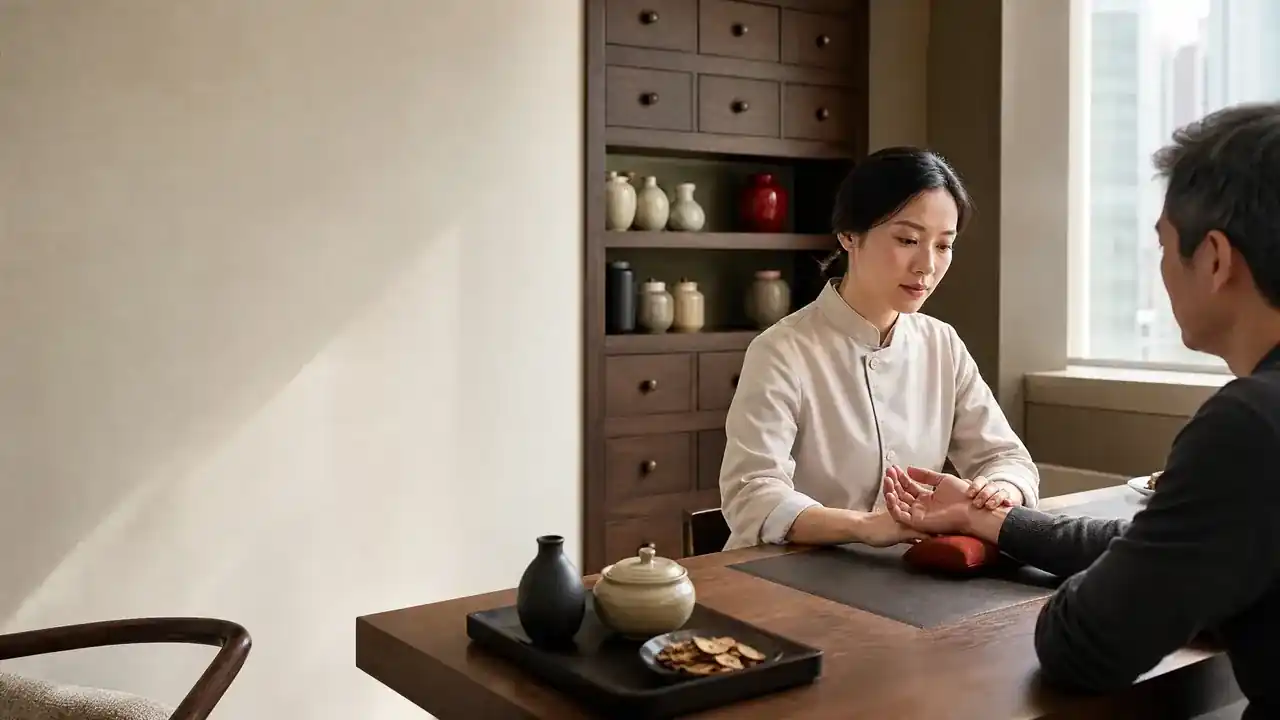
Moreover, a TCM assessment is not solely about avoiding contraindications; it is fundamentally about achieving personalized and precise care. Every expectant mother has a unique constitution. Even if two women present with identical symptoms, the underlying pathological mechanisms (pathogenesis) might be entirely different. For instance, edema during pregnancy could be caused by spleen deficiency with excessive dampness in one woman, while in another, it might be due to kidney Yang deficiency. Through the comprehensive application of the four diagnostic methods—observation, auscultation and olfaction, inquiry, and pulse taking—the practitioner accurately identifies the pregnant woman's specific constitutional type. This allows for the development of a highly targeted regulation plan. This individualized approach based on constitutional differences not only improves the appropriateness of the care but also further guarantees pregnancy safety, allowing the expectant mother to navigate her pregnancy with peace of mind under professional guidance.
Common Approaches and Considerations in TCM Prenatal Care
TCM prenatal care encompasses a variety of methods, all aimed at assisting expectant mothers in maintaining physical and mental balance through non-invasive or gentle means. Among these, dietary guidance is the most fundamental and crucial component. A Chinese medicine practitioner will recommend suitable ingredients and dietary therapy recipes based on the pregnant woman's specific constitution and her current stage of pregnancy. For example, an expectant mother diagnosed with a deficiency of both Qi and blood might be advised to consume more foods known for their Qi and blood-tonifying properties. Conversely, a woman with Yin deficiency and internal heat would be guided towards a diet consisting of light, Yin-nourishing foods. Proper nutrition not only provides the essential nutrients required by both mother and fetus but also serves as a vital auxiliary method for constitutional regulation.
In addition to dietary adjustments, herbal medicine regulation is another common approach. However, the use of herbal medicine during pregnancy demands extreme caution. The Chinese medicine practitioner will meticulously select herbs, opting for formulas that are mild in nature and proven safe for the fetus. Herbal regulation is typically reserved for alleviating severe early pregnancy symptoms, preventing habitual miscarriage (often referred to as 'calming the fetus'), or managing specific discomforts unique to pregnancy. It must be strongly reiterated that taking herbal medicine during pregnancy must only be done under the strict supervision of a registered Chinese medicine practitioner. Expectant mothers must absolutely refrain from self-prescribing or casually consuming any herbal remedies or supplements, as this could severely compromise pregnancy safety.
Acupuncture and Tui Na (therapeutic massage) also have their applications in prenatal care, but they similarly require a high degree of professional judgment. Provided that pregnancy safety is assured, appropriate acupuncture can be effective in alleviating common pregnancy-related pains, such as lower back pain and pelvic girdle pain. Nevertheless, there are strict limitations regarding the selection of acupoints, the manipulation techniques used, and the depth of needle insertion. As for Tui Na massage, its primary purpose is to relax tense muscles and promote local blood circulation, but practitioners must carefully avoid the abdominal area and other sensitive regions. The following table summarizes the key considerations for common methods used in TCM prenatal care:
| Care Method | Primary Objective | Applicable Situations | Pregnancy Safety Considerations |
|---|---|---|---|
| Dietary Guidance & Therapy | Provide nutrition, assist constitutional regulation | Applicable to all pregnant women, adjusted by constitution | Must avoid raw, cold, spicy, stimulating foods, and those that may induce contractions |
| Herbal Medicine Regulation | Alleviate specific discomforts, support pregnancy | Severe morning sickness, need for pregnancy support, etc. | Must be prescribed by a registered TCM practitioner; strictly avoid contraindicated herbs |
| Acupuncture Treatment | Relieve pain, regulate organ functions | Pregnancy-related back pain, specific neuralgias, etc. | Must be performed by a professional; strictly avoid contraindicated acupoints; use gentle techniques |
| Tui Na & Acupressure | Relax muscles, promote local blood circulation | Muscle tension, mild edema, etc. | Avoid abdomen, lumbosacral region, and contraindicated points; pressure must be very gentle |
| Emotional Regulation | Alleviate stress, maintain stable mood | Pregnancy anxiety, insomnia, mood swings | Encourage family support; combine with gentle dietary therapy to calm the mind if necessary |
Constitutional Differences and Personalized Support
Traditional Chinese medicine strongly emphasizes the principle of 'pattern identification and treatment' (Bian Zheng Lun Zhi), and this principle is particularly vital in prenatal care. Every expectant mother possesses a unique innate endowment, lifestyle habits, and dietary preferences, which collectively result in distinct constitutional characteristics during pregnancy. Common constitutional types observed in pregnant women include Qi and blood deficiency, Yin deficiency with internal heat, and spleen deficiency with excessive dampness. Depending on the specific constitution, the strategies and focal points of TCM regulation will vary significantly. For instance, a pregnant woman with Qi and blood deficiency may easily feel fatigued, weak, dizzy, and experience palpitations; her care should primarily focus on tonifying and nourishing Qi and blood. In contrast, a woman with Yin deficiency and internal heat might frequently experience dry mouth, restlessness, and insomnia; her care must prioritize nourishing Yin and clearing heat.
Personalized support is not only reflected in the formulation of treatment plans but also permeates the daily care recommendations provided throughout the entire pregnancy. A Chinese medicine practitioner will offer tailor-made advice on daily routines and exercise based on the expectant mother's constitution. For a pregnant woman with a weaker constitution, the practitioner might suggest increasing rest periods and strictly avoiding overexertion. Conversely, for a woman with a robust constitution and no complications, the practitioner would encourage engaging in moderate prenatal exercises, such as walking or prenatal yoga, to strengthen her physique and prepare for a smooth delivery. This highly individualized approach to care ensures that the specific needs of each pregnant woman are precisely met, thereby enhancing the overall effectiveness of the care provided.
Furthermore, a person's constitution is not static; it can shift and evolve as the pregnancy progresses and in response to changes in the external environment. Therefore, prenatal care requires continuous monitoring and dynamic adjustments. The Chinese medicine practitioner will regularly assess the expectant mother's condition to promptly identify any changes in her constitution and adjust the regulation plan accordingly. This flexible and personalized support system ensures that the pregnant woman receives the most appropriate and effective care at every stage of her pregnancy, thereby better safeguarding the health and safety of both mother and fetus.
Integrating TCM with Conventional Antenatal Check-ups
In the context of modern healthcare systems, TCM prenatal care should never be viewed as a replacement for conventional obstetric check-ups, but rather as a highly beneficial complementary approach. Conventional antenatal check-ups utilize modern medical technologies, such as ultrasound imaging and comprehensive blood tests, to accurately monitor the physical development of the fetus, screen for genetic disorders, and promptly detect high-risk pregnancy complications like gestational diabetes and pregnancy-induced hypertension. These objective medical data points are absolutely critical for ensuring pregnancy safety. Therefore, while receiving TCM regulation, expectant mothers must diligently attend all scheduled conventional antenatal check-ups to ensure that the condition of both mother and fetus is comprehensively monitored.
The integration of TCM regulation with conventional antenatal check-ups allows expectant mothers to benefit from the strengths of both medical systems, providing a more holistic and comprehensive care experience. For example, if a conventional check-up reveals that a pregnant woman has mild anemia or slightly elevated blood sugar levels—conditions that have not yet reached the threshold requiring pharmaceutical intervention—a Chinese medicine practitioner can assist in managing and improving these conditions through targeted dietary guidance and gentle herbal regulation. Simultaneously, when assessing the pregnant woman's constitution, the TCM practitioner will carefully review the reports from conventional check-ups. This integration of data helps the practitioner gain a more accurate and complete understanding of the woman's overall health status, enabling the formulation of a safer and more effective care plan.
To achieve seamless and effective integrated care, expectant mothers should proactively establish a strong communication bridge between their conventional obstetrician and their Chinese medicine practitioner. During consultations, the pregnant woman should provide her TCM practitioner with the latest results from her antenatal check-ups and disclose any Western medications or nutritional supplements she is currently taking. Equally important, she should inform her obstetrician about the TCM care she is receiving. This transparent exchange of information is vital for avoiding potential medical conflicts and ensuring that all care measures are coordinated, consistent, and strictly adhere to the principles of pregnancy safety. Harmonia TCM strongly encourages expectant mothers to adopt this integrative approach to receive the most thorough and comprehensive prenatal care possible.
Lifestyle Adjustments and Daily Maintenance for Expectant Mothers
Beyond professional TCM regulation, establishing healthy daily routines and maintenance habits is an indispensable component of prenatal care. According to TCM principles, a regular and disciplined lifestyle is essential for maintaining the normal circulation of Qi and blood within the body. Expectant mothers should strive to maintain a consistent sleep schedule, going to bed early and waking up early, ensuring they receive ample sleep and strictly avoiding staying up late. Adequate rest not only alleviates the fatigue commonly experienced during pregnancy but also significantly contributes to the healthy development of the fetus. During the day, pregnant women should also schedule appropriate rest periods based on their physical energy levels, avoiding prolonged standing or excessive physical exertion.
In terms of daily maintenance, expectant mothers must pay close attention to keeping warm and avoiding exposure to cold. TCM posits that cold pathogenic factors can easily damage the body's Yang energy, leading to the stagnation of Qi and blood circulation. When in air-conditioned environments, pregnant women should wear appropriate clothing to prevent direct exposure to cold drafts. During colder seasons, extra care should be taken to keep the abdomen and lower extremities warm. Additionally, the living environment should be well-ventilated, well-lit, and maintained at a comfortable humidity level, avoiding extremes of dampness or dryness. A comfortable and tranquil living space helps the expectant mother maintain a stable and positive emotional state, which has a profoundly beneficial impact on the health of both mother and fetus.
Moderate physical activity is also a crucial aspect of daily maintenance during pregnancy. Provided that pregnancy safety is confirmed and there are no obstetric contraindications, expectant mothers can engage in gentle exercises such as walking, prenatal yoga, or swimming. Moderate exercise promotes blood circulation, strengthens muscle tone, helps alleviate pregnancy-related lower back pain, and builds physical stamina for the eventual labor and delivery. However, before commencing any exercise regimen, pregnant women must consult with both their obstetrician and their Chinese medicine practitioner. They should select appropriate types and intensities of exercise based on their individual constitution and current stage of pregnancy. If any discomfort is experienced during exercise, it should be stopped immediately to allow for rest.
Frequently asked questions
Can I receive TCM prenatal care during the first trimester of pregnancy?
The first trimester is a critical period for fetal organ development and a stage with a higher risk of miscarriage. Generally, if there is no specific discomfort, TCM recommends focusing on rest and dietary regulation. If you experience severe early pregnancy symptoms or require support to maintain the pregnancy, you must undergo a rigorous assessment by a registered Chinese medicine practitioner before considering gentle TCM regulation. Pregnancy safety is always the top priority.
Will TCM regulation affect the development of the fetus?
Appropriate regulation tailored to the expectant mother's constitution, under the guidance of a professional registered Chinese medicine practitioner, aims to improve the maternal environment and typically does not adversely affect fetal development. However, pregnant women must never self-prescribe any herbal medicines or supplements, as certain herbs can induce contractions or possess toxicity. All care plans require professional assessment.
Is acupuncture safe during pregnancy?
The safety of acupuncture during pregnancy depends on the practitioner's professional expertise and the pregnant woman's specific condition. A professional Chinese medicine practitioner will strictly avoid contraindicated acupoints (such as Hegu and Sanyinjiao) and use gentle techniques. For certain pregnancy-related pains, acupuncture can be a non-pharmacological relief option, but it must only be performed after a thorough risk assessment.
How should I coordinate conventional antenatal check-ups with TCM care?
TCM prenatal care should be viewed as a complement to, not a replacement for, conventional antenatal check-ups. Expectant mothers must attend all scheduled conventional check-ups to monitor fetal development and screen for complications. When receiving TCM regulation, proactively provide your latest check-up reports to your TCM practitioner and inform your obstetrician about your TCM care to ensure transparent communication.
Can I immediately book a prenatal care service at Harmonia TCM?
Harmonia TCM's only physical clinic is located in Kwun Tong. The prenatal care services mentioned on service availability is currently being reviewed. The actual availability, suitability for your constitution, associated risks, and arrangements must be finally confirmed by a registered Chinese medicine practitioner and the clinic. Immediate booking is not available at this time; please contact us to inquire about the latest service details.
If I experience cold symptoms during pregnancy, can I take Chinese herbal medicine?
Colds during pregnancy should be handled with extreme caution. While certain Chinese herbal medicines can help alleviate cold symptoms, pregnant women must not purchase over-the-counter remedies themselves. You should promptly consult a registered Chinese medicine practitioner or a Western medical doctor, who will prescribe safe and appropriate medication based on your symptoms and gestational age. If accompanied by a high fever or difficulty breathing, go to the emergency department immediately.
Related topics
Sources
Learn More About Prenatal Care
Harmonia TCM's only physical clinic is located in Kwun Tong. The prenatal care services mentioned on service availability is currently being reviewed. The actual availability, suitability for your constitution, associated risks, and arrangements must be finally confirmed by a registered Chinese medicine practitioner and the clinic. Please contact us to inquire about the latest service details.