TCM Gynaecology Care
Ovarian Early Aging (Premature Ovarian Insufficiency) TCM treatment
Ovarian early aging, also known as premature ovarian insufficiency (POI), refers to the decline of ovarian function before the age of forty. It is often accompanied by menstrual irregularity, hot flushes, night sweats, and mood swings. At Harmonia TCM Clinic, we provide personalised assessments through traditional diagnostic methods. By utilising herbal medicine and acupuncture, we aim to restore your body's constitution, alleviate discomfort, and help you regain physical and emotional balance.
Quick answer: Ovarian early aging is the premature decline of ovarian function before age forty, leading to menstrual irregularity and menopause-like symptoms. In TCM, this is often linked to kidney deficiency and a lack of Qi and blood. Harmonia TCM uses herbal medicine and acupuncture to address your unique constitution, aiming to improve symptoms and enhance your quality of life. Our Kwun Tong clinic offers professional assessment and support.
View pricesLearn About Consultation Arrangements
CLEAR PRICES
Interested in a treatment? You are always welcome to ask.
We clearly list our current single, trial and package prices so you can explore at your own pace. You are always welcome to message us on WhatsApp about any service, timing or arrangement.
| Category and service | Content / terms | Public price (HK$) | Booking note | Enquire |
|---|---|---|---|---|
| Hair & scalp | Scalp health and hair-loss support | AI scalp analysis, deep follicle cleansing and oil-control support | Trial offerPackageTrial 380; 6 sessions 3,480; 12 sessions 5,760; 20 sessions 8,600; 30 sessions 11,400 | Average per session for 6/12/20/30: 580/480/430/380 | Ask on WhatsApp |
| Hair & scalp | Hair acupuncture with herbal medicine | Scalp acupuncture with 3 days of decoction-free herbal medicine | Single visitPackageSingle 580; 6 sessions 3,180; 12 sessions 5,760; 20 sessions 8,600; 30 sessions 11,400 | Average per session for 6/12/20/30: 530/480/430/380 | Ask on WhatsApp |
| Hair & scalp | Integrated hair support programme | Acupuncture, herbal medicine and follicle activation; packages include shampoo and serum | Single visitPackageSingle 1,260; 8 sessions 8,640; 16 sessions 15,680; 20 sessions 18,600; 30 sessions 26,400 | Average per session for 8/16/20/30: 1,080/980/930/880 | Ask on WhatsApp |
| Weight management | Full-body acupoint embedding | Full-body acupoint embedding; packages include proportionate days of herbal support | Single visitPackageSingle 980; 10 sessions 7,800; 20 sessions 14,600; 30 sessions 20,400 | Average per session for 10/20/30: 780/730/680 | Ask on WhatsApp |
| Facial acupuncture | Brightening V-face (Essential) | Facial acupuncture, meridian support and swelling management | Trial offerPackageTrial 480; 10 sessions 5,200; 20 sessions 9,600; 30 sessions 13,500 | Average per session for 10/20/30: 520/480/450 | Ask on WhatsApp |
| Facial acupuncture | Firming and refining (Advanced) | Enhanced facial acupuncture for firmness and fine-line concerns with a moisturising mask serum | Trial offerPackageTrial 780; 10 sessions 9,000; 20 sessions 16,600; 30 sessions 23,400 | Average per session for 10/20/30: 900/830/780 | Ask on WhatsApp |
| Pain care | Extracorporeal shockwave therapy | Deep inflammation support and fascial relaxation | Prince Edward: 250 per area; Kwun Tong: 250 for 1 area, 450 for 2, 600 for 3 | Clinic-specific pricing; confirm location before booking | Ask on WhatsApp |
| Pain care | Manual therapy | TCM bone-injury assessment, manual alignment and tui na techniques | Single visitSingle 580 | Suitability is confirmed after assessment | Ask on WhatsApp |
| Pain care | Acupuncture with manual therapy | Acupuncture with manual structural support | Single visitSingle 680 | Suitability is confirmed after assessment | Ask on WhatsApp |
| TCM regulation | Acupuncture with herbal medicine | TCM consultation, whole-body acupuncture and 3 days of decoction-free herbal medicine granules | Single visitSingle 580 | Confirm clinician availability and service arrangement when booking | Ask on WhatsApp |


Understanding Ovarian Early Aging and Premature Ovarian Insufficiency
Ovarian early aging, medically termed Premature Ovarian Insufficiency (POI), is a condition where a woman's ovaries stop functioning normally before she reaches the age of forty. This condition not only signifies a decline in fertility but also triggers a cascade of physical and emotional symptoms due to the significant drop in oestrogen levels. Women experiencing this may face menstrual irregularity, amenorrhoea (absence of periods), and menopause-like symptoms such as hot flushes, night sweats, vaginal dryness, and noticeable mood swings.
In modern medicine, the exact causes of ovarian early aging are often complex and multifaceted. It can be associated with genetic factors, autoimmune diseases, previous medical treatments like chemotherapy or radiotherapy, and certain environmental or lifestyle influences. However, in many cases, the precise underlying cause remains idiopathic or unknown. Given the potential long-term health risks associated with premature ovarian insufficiency, such as osteoporosis and cardiovascular diseases, early detection and seeking professional medical assessment are crucial for effective symptom management and preventive care.
Traditional Chinese Medicine (TCM) offers a unique perspective on ovarian early aging. According to TCM principles, a woman's reproductive health is most closely related to the "Kidney" system. The Kidney stores essence (Jing) and governs reproduction. When Kidney Qi is abundant, the menstrual cycle remains regular. However, if there is an innate deficiency, or if factors like chronic stress, overwork, or poor lifestyle choices lead to a depletion of Kidney essence and a deficiency in Qi and blood, it can precipitate the premature decline of ovarian function. Therefore, TCM focuses on a holistic approach, aiming to restore the balance of the internal organs.
The TCM Pathology of Ovarian Early Aging
From a TCM perspective, the core pathological mechanism of ovarian early aging revolves around "Kidney Deficiency." The Kidney is considered the foundation of innate constitution, storing the essence that transforms into Qi. This Kidney Qi is the fundamental driving force for human growth, development, and reproductive functions. When Kidney Qi is weak and essence and blood are insufficient, the Chong and Ren meridians—which are intimately connected to the female reproductive system—lose their nourishment. This lack of nourishment leads to menstrual irregularity and eventually amenorrhoea, which is the root cause of premature ovarian insufficiency in TCM theory.
Beyond Kidney deficiency, Liver Qi stagnation and Spleen deficiency are also common concurrent pathological factors. Modern women often face immense pressure from both work and personal life, and chronic emotional tension can easily lead to the stagnation of Liver Qi. The Liver governs the smooth flow of Qi and regulates emotions. If Liver Qi is constrained, the circulation of Qi and blood is impeded, which also disrupts the regularity of the menstrual cycle. Furthermore, the Spleen is the foundation of acquired constitution and the source of Qi and blood production. Poor dietary habits or excessive worry can damage the Spleen and Stomach, leading to a lack of Qi and blood, which further exacerbates the symptoms of ovarian early aging.
Therefore, when assessing ovarian early aging, a TCM practitioner will comprehensively consider the patient's overall condition. They will differentiate the specific syndrome, determining whether it belongs to Kidney Yin deficiency, Kidney Yang deficiency, Liver and Kidney Yin deficiency, or a combined deficiency of the Spleen and Kidney. This method of syndrome differentiation allows TCM to formulate highly personalised care plans tailored to each patient's specific circumstances, rather than applying a one-size-fits-all treatment approach.
How TCM Assesses and Manages Ovarian Function
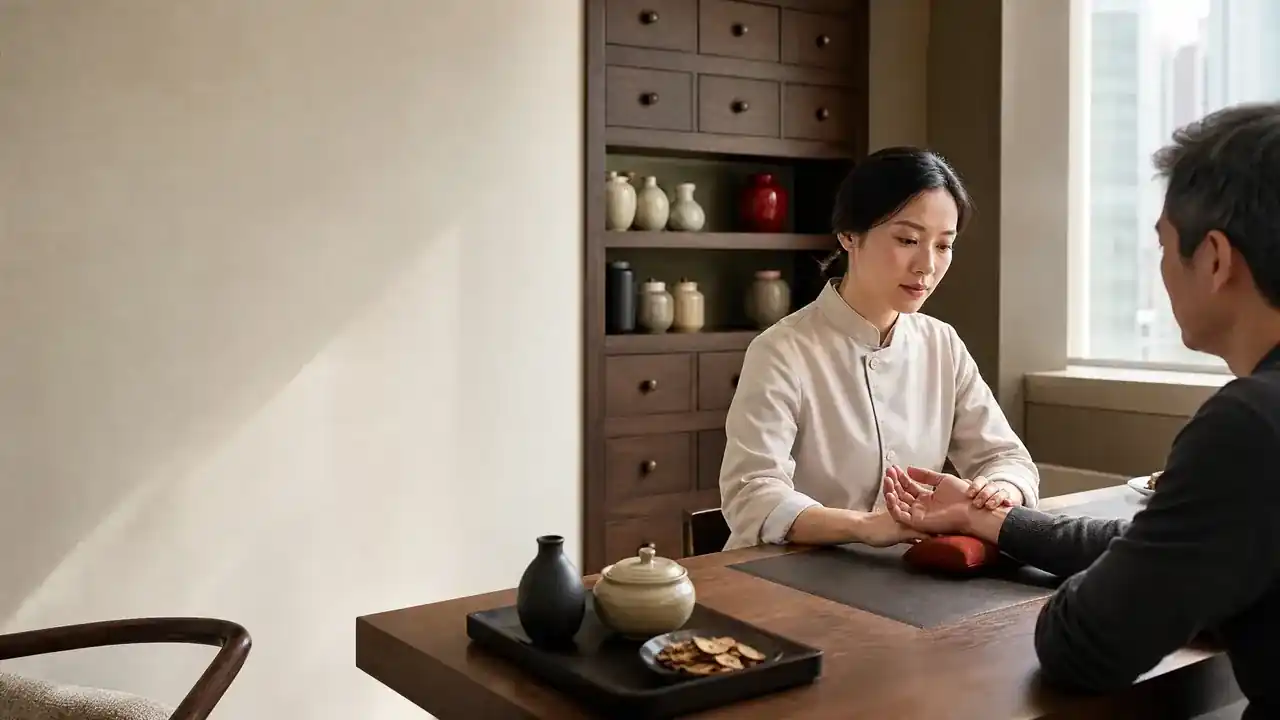
When individuals seeking help for ovarian early aging visit Harmonia TCM, our practitioners conduct a comprehensive and meticulous assessment. This involves the four traditional diagnostic methods: observation (looking at the complexion and tongue), auscultation and olfaction (listening to the voice and breathing), inquiry (asking detailed questions about menstrual history, lifestyle, emotional state, and specific symptoms), and palpation (feeling the pulse to understand the state of Qi and blood in the organs). This wealth of information helps the practitioner accurately determine the patient's constitution and the underlying pathology.
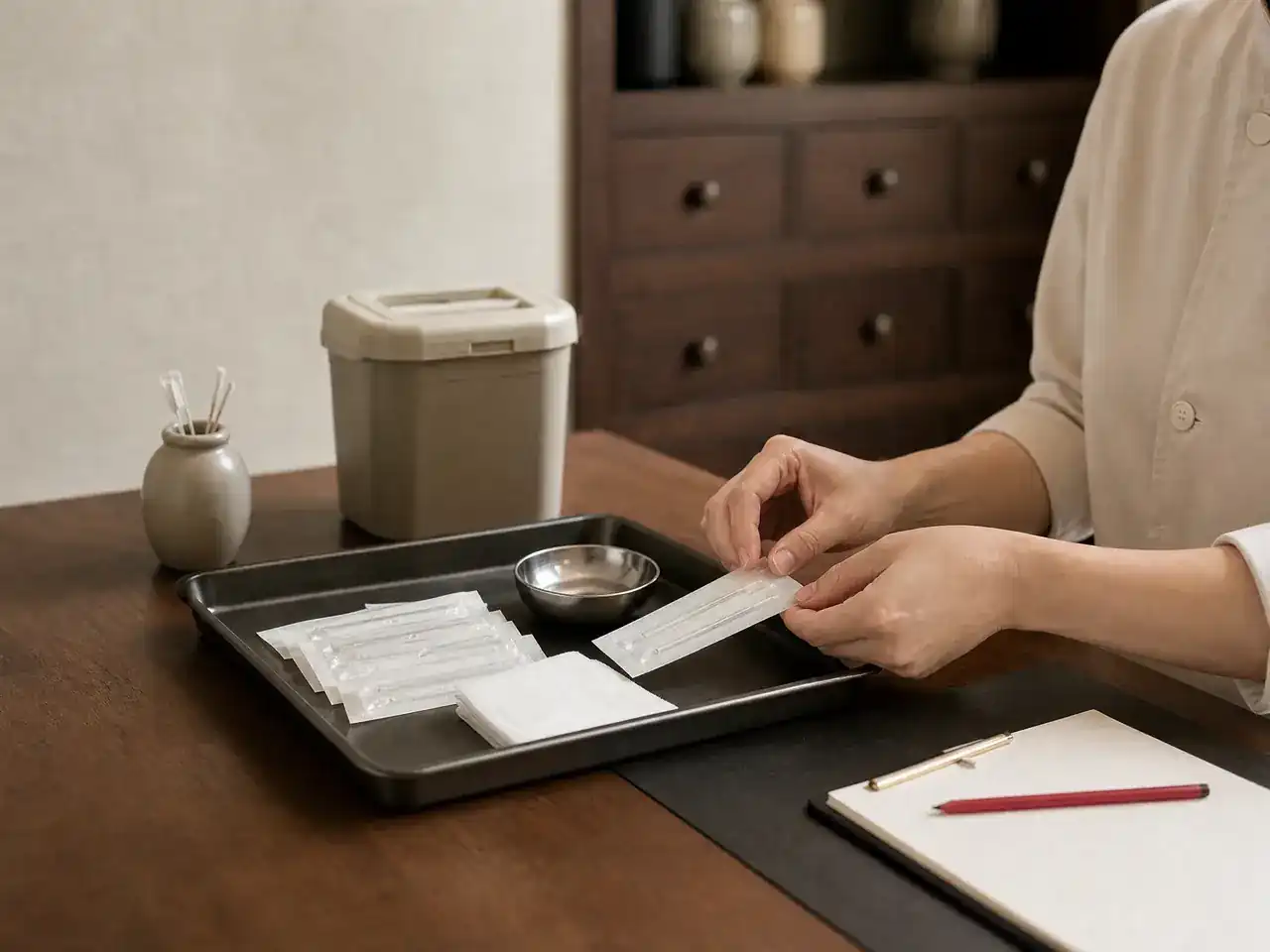
Once the specific syndrome is identified, the TCM practitioner will utilise traditional therapies such as herbal medicine and acupuncture for management. Herbal prescriptions typically focus on tonifying the Kidney and replenishing essence, while also nourishing Qi and blood. Depending on any concurrent Liver stagnation or Spleen deficiency, herbs that soothe the Liver or strengthen the Spleen may be added. Acupuncture involves stimulating specific acupoints (such as Guanyuan, Sanyinjiao, and Shenshu) to clear the meridians, harmonise Qi and blood, and further assist in alleviating the symptoms brought on by the premature decline of ovarian function.
It is important to emphasise that TCM care is a gradual process aimed at improving the constitution, soothing symptoms, and enhancing the overall quality of life, rather than seeking an immediate "cure." Patients should maintain reasonable expectations and work closely with their practitioner. At the same time, TCM care can complement modern medical assessments and treatments. We encourage patients to seek professional advice from Western medicine practitioners when necessary to ensure they receive the most comprehensive care possible.
Common TCM Syndromes and Manifestations in Ovarian Early Aging
The table above outlines the common TCM syndromes associated with ovarian early aging and their primary manifestations. However, clinical situations are often more complex, and patients may present with symptoms from multiple syndromes simultaneously. Therefore, accurate syndrome differentiation must be performed personally by a registered TCM practitioner.
By understanding these different syndromes, patients can better observe changes in their own bodies and provide more detailed information to the practitioner during consultations. This assists the practitioner in formulating a more precise care plan, thereby more effectively managing menstrual irregularity and other related symptoms.
| TCM Syndrome | Primary Manifestations | Direction of Care | Common Acupoints |
|---|---|---|---|
| Kidney Yin Deficiency | Scanty menstruation or amenorrhoea, hot flushes, night sweats, heat in palms and soles, dizziness, tinnitus, sore lower back and knees, red tongue with little coating. | Nourish Kidney Yin, clear heat and relieve restlessness. | Taixi, Sanyinjiao, Zhaohai |
| Kidney Yang Deficiency | Delayed menstruation or amenorrhoea, aversion to cold, cold limbs, pale complexion, mental fatigue, frequent night urination, pale and enlarged tongue with white coating. | Warm and tonify Kidney Yang, benefit Qi and nourish blood. | Guanyuan, Mingmen, Shenshu |
| Liver and Kidney Yin Deficiency | Menstrual irregularity, reduced menstrual flow, irritability, distending pain in the chest and hypochondrium, breast tenderness, red tongue with little coating. | Nourish Liver and Kidney, soothe the Liver and relieve stagnation. | Taichong, Ganshu, Shenshu |
| Spleen and Kidney Deficiency | Infrequent menstruation or amenorrhoea, poor appetite, loose stools, fatigue, sallow complexion, pale tongue with white coating. | Strengthen the Spleen and benefit Qi, warm and tonify Kidney Yang. | Zusanli, Pishu, Qihai |
Lifestyle and Daily Care Recommendations
In addition to receiving professional TCM care, a patient's daily routine and lifestyle are equally important in managing ovarian early aging. Firstly, maintaining a regular sleep schedule is fundamental. Adequate sleep helps the body repair itself and restores Qi and blood. It is advisable to avoid staying up late, allowing the body to rest fully during the night. This has a positive effect on improving the symptoms of premature ovarian insufficiency.
Regarding diet, a balanced intake of various nutrients is recommended. You can moderately increase the consumption of foods rich in high-quality protein, vitamins, and minerals, such as black beans, black sesame seeds, walnuts, and mulberries. In TCM, these foods are considered to have a certain effect in tonifying the Kidney and replenishing essence. At the same time, the intake of spicy, raw, cold, and greasy foods should be reduced to avoid damaging the Spleen and Stomach, which could affect the production of Qi and blood.
Emotional management is also a crucial aspect that cannot be ignored. Chronic stress, anxiety, and depression can exacerbate Liver Qi stagnation, further affecting the balance of the endocrine system. Patients can relax their minds and bodies and relieve stress through moderate exercise (such as yoga, Tai Chi, or walking), meditation, or cultivating hobbies. Maintaining a positive and optimistic mindset is of great benefit to overall health and symptom improvement.
Professional Support and Service Arrangements at Harmonia TCM
Harmonia TCM is dedicated to providing professional and compassionate TCM care for patients with ovarian early aging. Our only physical clinic is located in Kwun Tong, equipped with a comfortable consultation environment and a professional medical team. All assessments and care plans mentioned on this topic page require a detailed personal evaluation by our registered TCM practitioners at the Kwun Tong clinic to confirm suitability and specific arrangements.
We understand that every patient's needs and circumstances are unique. Therefore, during the initial consultation, the practitioner will take the time to communicate deeply with you, understanding your medical history, symptoms, and expectations, and answering any questions you may have about premature ovarian insufficiency. We emphasise trust and cooperation between practitioner and patient to jointly develop the most suitable care plan for you.
Please note that the information provided here is intended as general guidance and cannot replace professional medical diagnosis. If you are experiencing menstrual irregularity or other symptoms suggestive of ovarian early aging, we recommend that you schedule an assessment at our Kwun Tong clinic as soon as possible. We are committed to providing you with appropriate support and accompanying you on this health journey.
Frequently asked questions
Can ovarian early aging be completely cured through TCM?
The goal of TCM care for ovarian early aging is to improve the constitution, alleviate symptoms (such as menstrual irregularity and hot flushes), and enhance the quality of life, rather than guaranteeing a "complete cure." The decline of ovarian function is a complex physiological process, and TCM assists the body in restoring a relative state of balance through syndrome differentiation. Patients should maintain reasonable expectations and cooperate with the practitioner for long-term follow-up.
How long does TCM treatment for premature ovarian insufficiency usually take?
TCM care is a gradual process, and the time required varies depending on individual constitution, the severity of the condition, and the response to treatment. Generally, patients may need several months of continuous care to observe significant improvements. The practitioner will assess progress at each follow-up visit and adjust the plan accordingly.
Is acupuncture helpful in managing ovarian early aging?
Acupuncture is one of the commonly used adjunctive therapies in TCM. By stimulating specific acupoints, acupuncture helps to clear meridians and harmonise Qi and blood, which has a positive effect on alleviating symptoms such as emotional fluctuations, hot flushes, and night sweats caused by ovarian early aging. Whether acupuncture is suitable for you will be determined by the practitioner after an assessment.
Can I take Western medicine while receiving TCM care?
If you are taking Western medicine (such as hormone replacement therapy), please be sure to inform the TCM practitioner truthfully during your initial consultation. There may be interactions between Chinese and Western medicines. The practitioner will evaluate whether it is suitable to undergo TCM care simultaneously based on your specific situation and provide safe medication advice, usually recommending that Chinese and Western medicines be taken at least two hours apart.
Does Harmonia TCM have other branches besides the Kwun Tong clinic?
Harmonia TCM currently only has one physical clinic, which is located in Kwun Tong. All our professional assessments, herbal prescriptions, and acupuncture treatments are conducted within the Kwun Tong clinic. the information provided here is intended as general guidance, and actual service arrangements and risk assessments must be confirmed personally by our registered TCM practitioners.
If I suspect I have ovarian early aging, should I see a TCM or Western medicine practitioner first?
If you experience menstrual irregularity, amenorrhoea, or menopause-like symptoms, we recommend that you first seek a professional assessment from a Western medicine gynaecologist to confirm whether it is ovarian early aging through blood tests (such as hormone levels) and ultrasound. Once a clear diagnosis is made, you can choose to incorporate TCM for constitutional care to receive more comprehensive support.
Related topics
Sources
Prioritise Your Ovarian Health: Seek Professional Assessment Early
If you are troubled by menstrual irregularity or symptoms of premature ovarian insufficiency, please contact Harmonia TCM today. Our registered TCM practitioners in Kwun Tong will provide you with a detailed assessment and a personalised care plan.