Pain & Assessment — Arthritis
Arthritis Pain Management
Arthritis affects millions of people worldwide, causing joint pain, stiffness, and reduced mobility that can interfere with everyday life. At Harmonia TCM, we take a constitution-focused approach to understanding how each person experiences joint discomfort — and how Chinese medicine assessment and support may fit alongside your broader care plan.
Quick answer: Arthritis refers to inflammation or degenerative change in one or more joints, commonly causing joint pain, swelling, and stiffness. Traditional Chinese medicine (TCM) may offer a complementary perspective by assessing your constitution and overall pattern of imbalance. A registered Chinese medicine practitioner can discuss whether acupuncture, herbal support, or other TCM approaches may be appropriate for your situation — always alongside, not instead of, conventional medical care.
View pricesEnquire About This Service
CLEAR PRICES
Interested in a treatment? You are always welcome to ask.
We clearly list our current single, trial and package prices so you can explore at your own pace. You are always welcome to message us on WhatsApp about any service, timing or arrangement.
| Category and service | Content / terms | Public price (HK$) | Booking note | Enquire |
|---|---|---|---|---|
| Hair & scalp | Scalp health and hair-loss support | AI scalp analysis, deep follicle cleansing and oil-control support | Trial offerPackageTrial 380; 6 sessions 3,480; 12 sessions 5,760; 20 sessions 8,600; 30 sessions 11,400 | Average per session for 6/12/20/30: 580/480/430/380 | Ask on WhatsApp |
| Hair & scalp | Hair acupuncture with herbal medicine | Scalp acupuncture with 3 days of decoction-free herbal medicine | Single visitPackageSingle 580; 6 sessions 3,180; 12 sessions 5,760; 20 sessions 8,600; 30 sessions 11,400 | Average per session for 6/12/20/30: 530/480/430/380 | Ask on WhatsApp |
| Hair & scalp | Integrated hair support programme | Acupuncture, herbal medicine and follicle activation; packages include shampoo and serum | Single visitPackageSingle 1,260; 8 sessions 8,640; 16 sessions 15,680; 20 sessions 18,600; 30 sessions 26,400 | Average per session for 8/16/20/30: 1,080/980/930/880 | Ask on WhatsApp |
| Weight management | Full-body acupoint embedding | Full-body acupoint embedding; packages include proportionate days of herbal support | Single visitPackageSingle 980; 10 sessions 7,800; 20 sessions 14,600; 30 sessions 20,400 | Average per session for 10/20/30: 780/730/680 | Ask on WhatsApp |
| Facial acupuncture | Brightening V-face (Essential) | Facial acupuncture, meridian support and swelling management | Trial offerPackageTrial 480; 10 sessions 5,200; 20 sessions 9,600; 30 sessions 13,500 | Average per session for 10/20/30: 520/480/450 | Ask on WhatsApp |
| Facial acupuncture | Firming and refining (Advanced) | Enhanced facial acupuncture for firmness and fine-line concerns with a moisturising mask serum | Trial offerPackageTrial 780; 10 sessions 9,000; 20 sessions 16,600; 30 sessions 23,400 | Average per session for 10/20/30: 900/830/780 | Ask on WhatsApp |
| Pain care | Extracorporeal shockwave therapy | Deep inflammation support and fascial relaxation | Prince Edward: 250 per area; Kwun Tong: 250 for 1 area, 450 for 2, 600 for 3 | Clinic-specific pricing; confirm location before booking | Ask on WhatsApp |
| Pain care | Manual therapy | TCM bone-injury assessment, manual alignment and tui na techniques | Single visitSingle 580 | Suitability is confirmed after assessment | Ask on WhatsApp |
| Pain care | Acupuncture with manual therapy | Acupuncture with manual structural support | Single visitSingle 680 | Suitability is confirmed after assessment | Ask on WhatsApp |
| TCM regulation | Acupuncture with herbal medicine | TCM consultation, whole-body acupuncture and 3 days of decoction-free herbal medicine granules | Single visitSingle 580 | Confirm clinician availability and service arrangement when booking | Ask on WhatsApp |
Understanding Arthritis: What Is Happening in Your Joints?
Arthritis is not a single condition but an umbrella term covering more than 100 types of joint-related disorders. The two most common forms are osteoarthritis, which involves the gradual breakdown of cartilage and degenerative change in joint structures, and rheumatoid arthritis, an autoimmune condition in which the body's immune system attacks the joint lining. Both can cause significant joint pain, reduced range of motion, and changes in daily function.
Osteoarthritis tends to develop gradually with age or following joint injury, and is particularly common in the knees, hips, hands, and spine. Rheumatoid arthritis, by contrast, often presents with symmetrical joint involvement, morning stiffness lasting more than an hour, and systemic symptoms such as fatigue. Other forms include psoriatic arthritis, gout, and ankylosing spondylitis, each with distinct patterns and management considerations.
Because arthritis encompasses such a wide range of conditions, an accurate diagnosis from a qualified medical doctor is an important first step. Understanding the specific type of arthritis you have helps determine which conventional treatments are appropriate, and provides a clearer picture of how complementary approaches — including Chinese medicine — might fit into your overall care.
How Chinese Medicine Views Joint Pain and Arthritis
In traditional Chinese medicine, joint pain and stiffness are often understood through the concept of Bi syndrome (痹證) — a pattern in which the flow of Qi and Blood through the channels and collaterals becomes obstructed. This obstruction may be associated with external factors such as cold, dampness, wind, or heat, as well as internal factors related to constitutional weakness, organ function, and the balance of Yin and Yang within the body.
A TCM practitioner does not simply treat a joint in isolation. Instead, they consider the broader pattern: Is the pain worse in cold or damp weather? Does warmth bring relief? Is there accompanying fatigue, digestive weakness, or emotional stress? These observations help the practitioner identify the underlying pattern of imbalance and consider which approaches — such as acupuncture, moxibustion, or herbal formulas — may be relevant to support that individual.
It is important to understand that TCM assessment describes patterns of imbalance rather than diagnosing disease in the biomedical sense. A TCM consultation is not a substitute for medical diagnosis or treatment. Rather, it offers a complementary lens through which to understand your body's response to arthritis and to explore supportive options that may work alongside your existing care plan.
TCM Approaches That May Be Considered for Arthritis Support
Acupuncture is among the most widely researched TCM modalities in the context of musculoskeletal pain. It involves the insertion of fine needles at specific points along the body's channels to encourage the movement of Qi and Blood and to address identified patterns of imbalance. Some individuals with joint pain report that acupuncture sessions are associated with a sense of reduced tension or improved comfort, though individual responses vary and outcomes cannot be guaranteed.
Herbal medicine is another core component of TCM practice. A registered Chinese medicine practitioner may consider prescribing a personalised herbal formula based on your constitution and pattern assessment. Formulas for Bi syndrome patterns often include herbs traditionally associated with dispelling wind-dampness, warming the channels, or nourishing Blood and Yin — depending on the specific pattern identified. Herbal prescriptions should always be obtained from a registered practitioner and should not replace prescribed medications without medical advice.
Other supportive modalities that a TCM practitioner may discuss include moxibustion (the application of heat using dried mugwort), Tui Na (therapeutic massage along channels), and lifestyle or dietary guidance aligned with your constitution. The appropriateness of each approach depends on your individual assessment, current health status, and any contraindications identified during consultation.
| TCM Approach | General Description | Commonly Considered For | Key Consideration |
|---|---|---|---|
| Acupuncture | Fine needle insertion at channel points to address Qi and Blood flow | Joint pain, stiffness, muscle tension around affected joints | Inform practitioner of blood thinners, pacemakers, or skin conditions |
| Herbal Medicine | Personalised formula based on constitution and pattern assessment | Supporting internal balance, addressing wind-cold-damp or heat patterns | Must be prescribed by a registered practitioner; disclose all medications |
| Moxibustion | Warming therapy using dried mugwort near acupuncture points | Cold or damp-type Bi patterns, chronic stiffness with cold sensation | Not suitable for heat-type patterns or certain skin conditions |
| Tui Na | Therapeutic manual techniques along channels and soft tissue | Muscle tension, restricted movement around affected joints | Avoid over inflamed or acutely swollen joints without practitioner guidance |
| Dietary & Lifestyle Guidance | Constitution-based recommendations for food choices and daily habits | Supporting overall balance and reducing aggravating factors | Complements, does not replace, medical nutritional advice |
What to Expect During a TCM Consultation for Arthritis
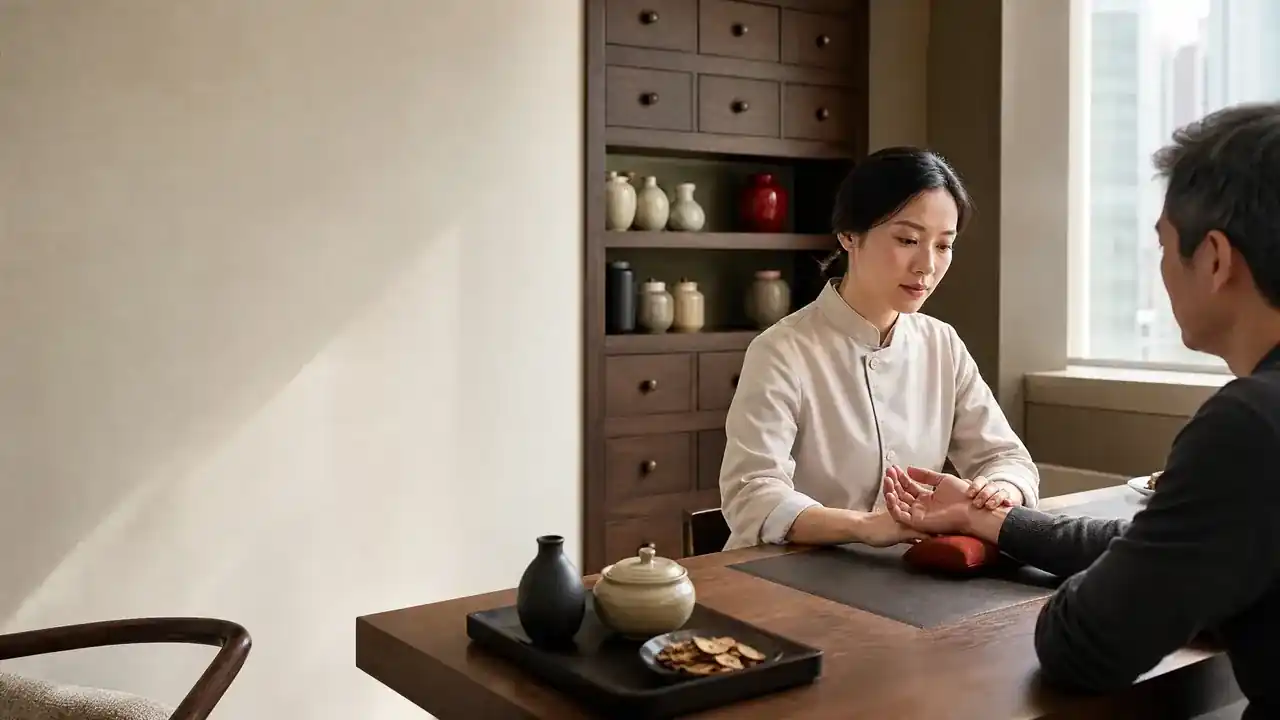
A TCM consultation for arthritis-related concerns typically begins with a detailed intake conversation. The practitioner will ask about the nature, location, and timing of your joint pain — for example, whether it is worse in the morning, after activity, or in particular weather conditions. They will also enquire about your overall health history, sleep, digestion, energy levels, and emotional wellbeing, as these all inform the constitutional picture.
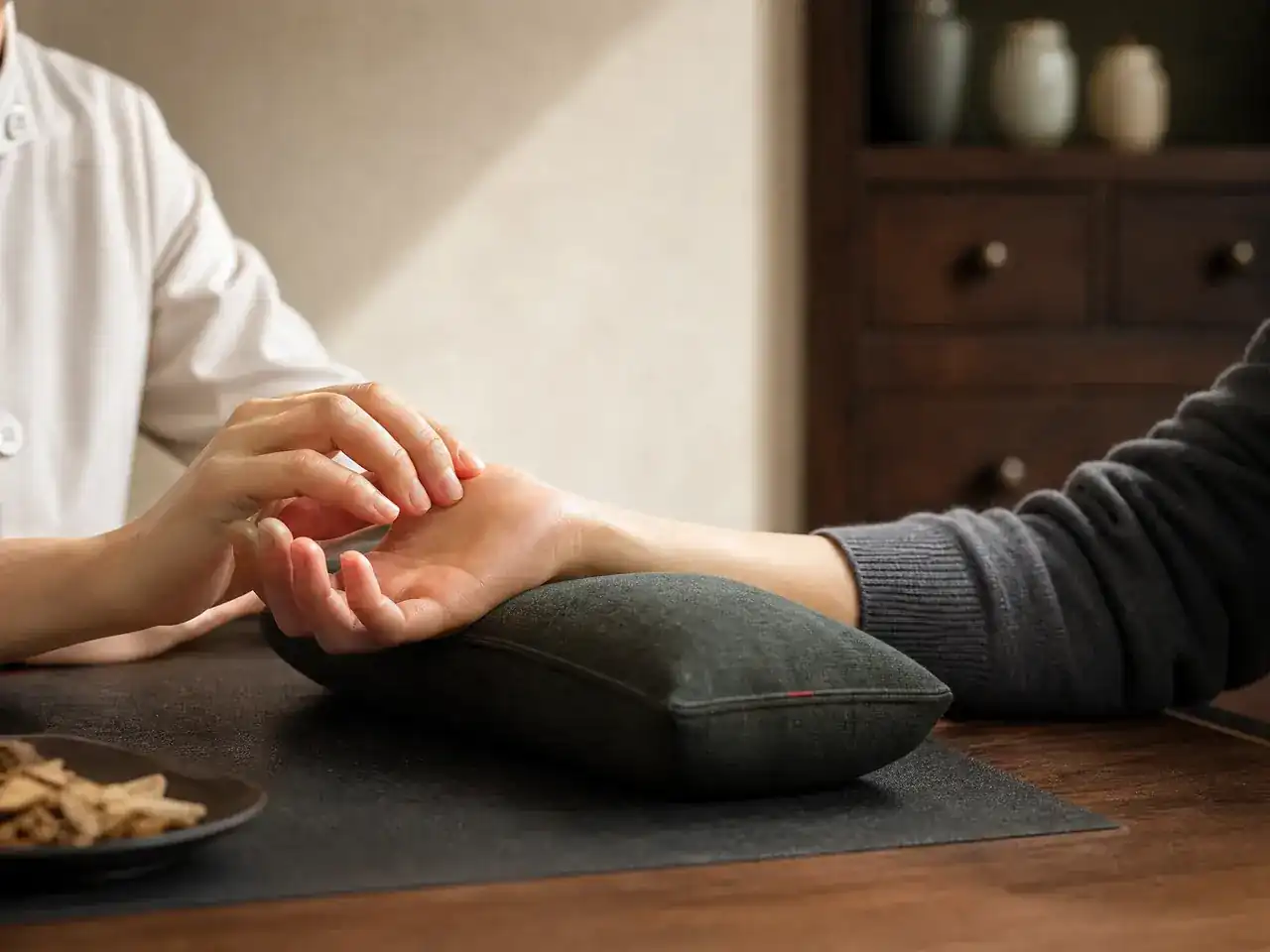
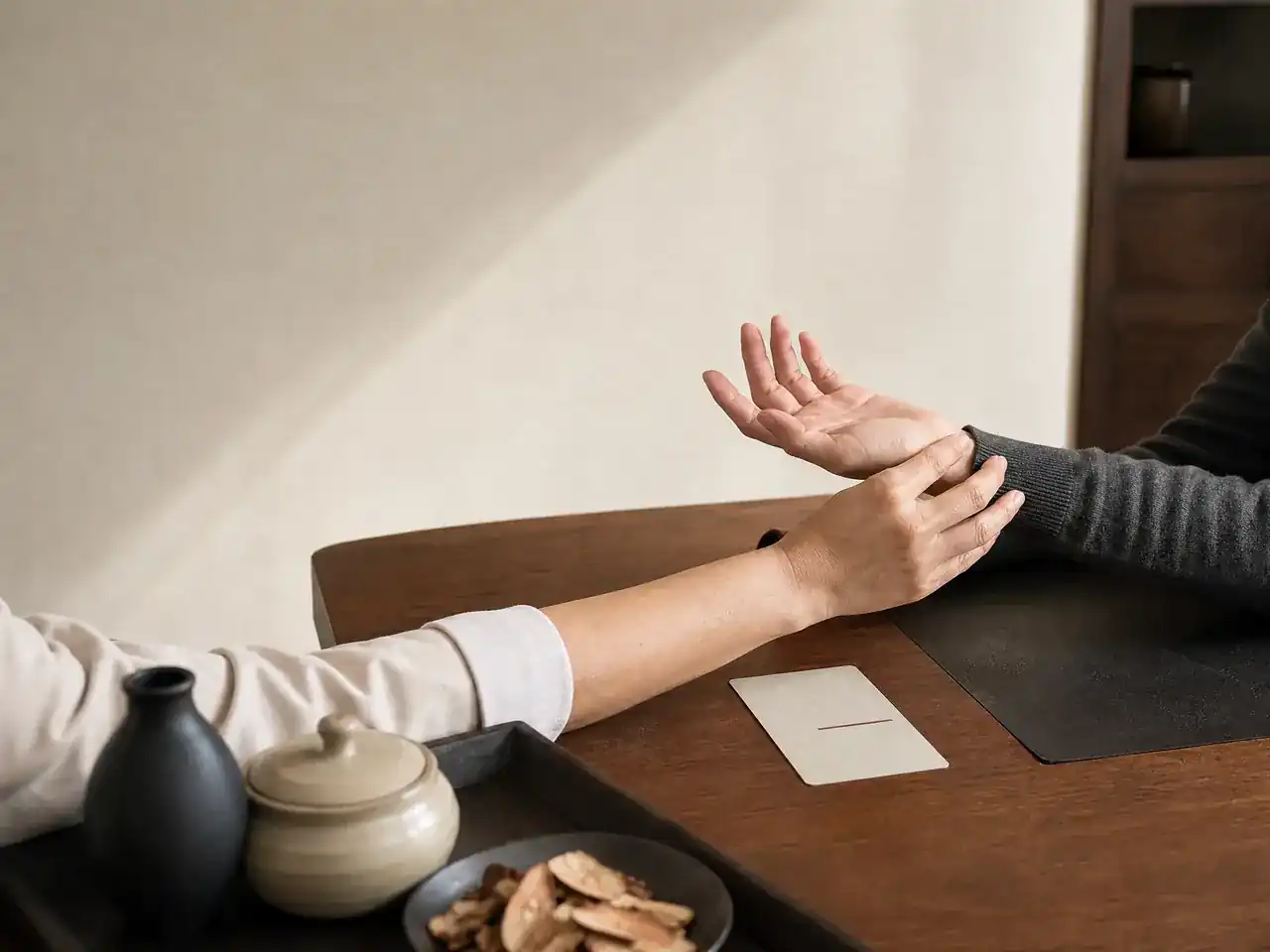
The practitioner will observe your tongue and take your pulse at both wrists — two classical diagnostic methods in TCM that provide information about the state of your internal organs and the quality of Qi and Blood circulation. Based on this assessment, they will identify a pattern of imbalance and discuss which approaches may be appropriate for your situation.
At the end of the consultation, the practitioner will explain their findings in plain language and outline a suggested approach. They may recommend a course of acupuncture sessions, a herbal formula, or a combination of modalities. They will also advise on any precautions relevant to your health status and clarify how TCM support fits alongside your existing medical care. You are encouraged to ask questions and to share any concerns before proceeding.
Arthritis Types and TCM Pattern Considerations: A Comparative Overview
Different types of arthritis tend to present with different symptom profiles, and TCM pattern assessment reflects this variation. Understanding how your arthritis type may correspond to common TCM patterns can help you have a more informed conversation with a registered practitioner.
It is important to note that TCM patterns are not equivalent to biomedical diagnoses. A single arthritis type may present with different TCM patterns in different individuals, and the same TCM pattern may be identified across different arthritis types. The table below is intended as a general educational reference only and does not constitute a diagnosis or treatment recommendation.
| Arthritis Type | Common Biomedical Features | Possible TCM Pattern Considerations | Notes |
|---|---|---|---|
| Osteoarthritis | Cartilage wear, degenerative change, pain worsening with activity | Kidney and Liver deficiency, Blood stasis, wind-cold-damp Bi | Age-related patterns often involve deficiency alongside obstruction |
| Rheumatoid Arthritis | Autoimmune, symmetrical joint involvement, morning stiffness, systemic symptoms | Wind-damp-heat Bi, Qi and Blood deficiency, Kidney Yang deficiency | Active flares require close coordination with rheumatologist |
| Gout | Uric acid crystal deposits, acute severe joint pain, often in big toe | Damp-heat accumulation, Spleen and Stomach disharmony | Dietary guidance is particularly relevant; acute attacks need medical attention |
| Psoriatic Arthritis | Joint inflammation with psoriasis skin involvement | Wind-damp-heat, Blood heat, Liver Qi stagnation | Skin and joint patterns assessed together in TCM |
| Ankylosing Spondylitis | Spinal inflammation, progressive stiffness, sacroiliac involvement | Kidney deficiency, cold-damp Bi in the spine | Long-term management requires rheumatological oversight |
Living with Arthritis: Supporting Yourself Between Consultations
Managing arthritis well involves more than clinical appointments — it also includes how you care for yourself day to day. Gentle, regular movement is generally encouraged for most arthritis types, as it helps maintain joint mobility and muscle strength without placing excessive strain on affected areas. Activities such as swimming, tai chi, and walking are often well tolerated, though the most appropriate exercise for your situation should be discussed with your medical team.
From a TCM perspective, lifestyle factors such as exposure to cold and damp environments, dietary habits, sleep quality, and emotional stress are all considered relevant to joint health. A practitioner may offer constitution-specific guidance on foods to favour or reduce, ways to protect joints from cold and wind, and simple self-care practices such as warm compresses or gentle self-massage along relevant channels.
It is also worth keeping a simple symptom diary — noting when joint pain is better or worse, what activities or weather conditions seem to influence it, and how your energy and sleep are affected. This kind of record can be valuable both for your medical doctor and for your TCM practitioner, helping both to understand your pattern more clearly over time.
About Harmonia TCM and This Service
Harmonia TCM's physical clinic is located in Kwun Tong. This page is part of our service information series and describes how Chinese medicine assessment and support may be relevant for individuals managing arthritis and joint pain. The availability, suitability, and specific arrangements for this service require confirmation by a registered Chinese medicine practitioner at the clinic.
We do not make claims about curing arthritis or guaranteeing specific outcomes. Our approach is to provide a thorough, constitution-focused assessment and to discuss honestly what TCM may or may not be able to offer in your individual situation. We encourage all patients to maintain open communication with their medical doctors and to view TCM as a complementary, not replacement, element of their care.
If you are considering a consultation for arthritis pain management, we invite you to reach out to confirm current availability and to ask any questions you may have before booking. Our team will be happy to explain the consultation process and help you decide whether this is the right next step for you.
Frequently asked questions
Can Chinese medicine treat arthritis on its own, without conventional medical care?
No. Chinese medicine is best understood as a complementary approach that may support your overall wellbeing alongside conventional medical care, not as a replacement for it. Arthritis — particularly inflammatory types such as rheumatoid arthritis — often requires medical diagnosis, monitoring, and treatment with prescribed medications. A TCM practitioner can work alongside your medical team, but should not be your sole source of care for a diagnosed arthritic condition.
Is acupuncture safe for people with arthritis who are taking medications?
Acupuncture is generally considered to have a good safety profile when performed by a registered practitioner, but certain medications and health conditions require extra care. For example, blood thinners may increase the risk of bruising or bleeding at needle sites, and immunosuppressant medications may affect infection risk. Always inform your TCM practitioner of all medications and supplements you are taking so they can assess suitability and take appropriate precautions.
How many sessions of acupuncture might be needed for joint pain support?
The number of sessions varies considerably depending on the individual, the type and severity of arthritis, and the TCM pattern identified. Chronic conditions typically require a course of treatment rather than a single session, and the practitioner will review your response regularly. It is not possible to predict outcomes or guarantee results in advance. Your practitioner will discuss a realistic plan with you after the initial assessment.
Can TCM herbal medicine be taken alongside arthritis medications such as methotrexate or NSAIDs?
This is an important safety question. Some herbal ingredients may interact with pharmaceutical medications, including those commonly used for arthritis. Before starting any herbal formula, your TCM practitioner should be informed of all medications you are taking, and it is advisable to inform your medical doctor as well. A responsible practitioner will consider potential interactions and will not prescribe herbs that may conflict with your existing treatment without appropriate caution.
Is TCM support suitable for all types of arthritis, including rheumatoid arthritis and gout?
TCM assessment and supportive care may be considered for various arthritis types, but suitability depends on the individual's current health status, disease activity, and treatment plan. For inflammatory conditions such as rheumatoid arthritis, it is particularly important that TCM is used alongside — not instead of — rheumatological care. For gout, dietary guidance aligned with TCM principles may be relevant, but acute attacks require medical management. A registered practitioner will assess your specific situation and advise accordingly.
Does Harmonia TCM offer home visits for people with arthritis who have difficulty travelling?
Home visit services may be available for individuals who have difficulty attending the clinic in person due to mobility limitations related to arthritis or other conditions. However, the availability, scope, and arrangements for home visits require confirmation with the clinic directly. Please contact us to discuss your situation and we will advise on what may be possible.
Related topics
Sources
Considering TCM Support for Arthritis?
This service page has been prepared as part of Harmonia TCM's site plan. The availability of arthritis pain management consultations and the suitability of specific approaches for your situation require confirmation by a registered Chinese medicine practitioner. We encourage you to reach out with your questions before booking — our team is happy to help you understand what to expect and whether this is the right next step for you. Harmonia TCM's physical clinic is located in Kwun Tong.