Pain & Assessment
Knee Arthritis
Knee arthritis is a common degenerative joint condition often accompanied by knee pain, stiffness, and restricted mobility. At Harmonia TCM, we utilize a holistic approach to assess your constitution and local symptoms, providing personalized care recommendations aimed at soothing discomfort and improving your quality of life.
Quick answer: Knee arthritis (degenerative arthritis) frequently causes knee pain and stiffness. In Traditional Chinese Medicine, this is often linked to poor circulation of Qi and Blood, as well as Liver and Kidney deficiencies. Through acupuncture, Tui Na, or herbal medicine, we can help improve local circulation and soothe pain. For a personalized assessment, please consult a registered Chinese medicine practitioner.
CLEAR PRICES
Interested in a treatment? You are always welcome to ask.
We clearly list our current single, trial and package prices so you can explore at your own pace. You are always welcome to message us on WhatsApp about any service, timing or arrangement.
| Category and service | Content / terms | Public price (HK$) | Booking note | Enquire |
|---|---|---|---|---|
| Hair & scalp | Scalp health and hair-loss support | AI scalp analysis, deep follicle cleansing and oil-control support | Trial offerPackageTrial 380; 6 sessions 3,480; 12 sessions 5,760; 20 sessions 8,600; 30 sessions 11,400 | Average per session for 6/12/20/30: 580/480/430/380 | Ask on WhatsApp |
| Hair & scalp | Hair acupuncture with herbal medicine | Scalp acupuncture with 3 days of decoction-free herbal medicine | Single visitPackageSingle 580; 6 sessions 3,180; 12 sessions 5,760; 20 sessions 8,600; 30 sessions 11,400 | Average per session for 6/12/20/30: 530/480/430/380 | Ask on WhatsApp |
| Hair & scalp | Integrated hair support programme | Acupuncture, herbal medicine and follicle activation; packages include shampoo and serum | Single visitPackageSingle 1,260; 8 sessions 8,640; 16 sessions 15,680; 20 sessions 18,600; 30 sessions 26,400 | Average per session for 8/16/20/30: 1,080/980/930/880 | Ask on WhatsApp |
| Weight management | Full-body acupoint embedding | Full-body acupoint embedding; packages include proportionate days of herbal support | Single visitPackageSingle 980; 10 sessions 7,800; 20 sessions 14,600; 30 sessions 20,400 | Average per session for 10/20/30: 780/730/680 | Ask on WhatsApp |
| Facial acupuncture | Brightening V-face (Essential) | Facial acupuncture, meridian support and swelling management | Trial offerPackageTrial 480; 10 sessions 5,200; 20 sessions 9,600; 30 sessions 13,500 | Average per session for 10/20/30: 520/480/450 | Ask on WhatsApp |
| Facial acupuncture | Firming and refining (Advanced) | Enhanced facial acupuncture for firmness and fine-line concerns with a moisturising mask serum | Trial offerPackageTrial 780; 10 sessions 9,000; 20 sessions 16,600; 30 sessions 23,400 | Average per session for 10/20/30: 900/830/780 | Ask on WhatsApp |
| Pain care | Extracorporeal shockwave therapy | Deep inflammation support and fascial relaxation | Prince Edward: 250 per area; Kwun Tong: 250 for 1 area, 450 for 2, 600 for 3 | Clinic-specific pricing; confirm location before booking | Ask on WhatsApp |
| Pain care | Manual therapy | TCM bone-injury assessment, manual alignment and tui na techniques | Single visitSingle 580 | Suitability is confirmed after assessment | Ask on WhatsApp |
| Pain care | Acupuncture with manual therapy | Acupuncture with manual structural support | Single visitSingle 680 | Suitability is confirmed after assessment | Ask on WhatsApp |
| TCM regulation | Acupuncture with herbal medicine | TCM consultation, whole-body acupuncture and 3 days of decoction-free herbal medicine granules | Single visitSingle 580 | Confirm clinician availability and service arrangement when booking | Ask on WhatsApp |
Understanding Knee Arthritis and the TCM Perspective
Knee arthritis, commonly referred to as degenerative arthritis, is a chronic condition that typically develops with age or prolonged wear and tear on the joints. Individuals experiencing this condition often report knee pain, joint stiffness, and sometimes a grinding sensation during movement. These symptoms not only affect daily activities like walking but can also have a profound impact on overall quality of life. In modern medicine, this is generally associated with the breakdown of cartilage and subsequent joint inflammation.
From the perspective of Traditional Chinese Medicine (TCM), knee arthritis often falls under the categories of 'Bone Bi' (bone impedance) or 'Sinew Injury'. TCM theory suggests that as we age, the functions of the Liver and Kidneys may gradually decline, leading to a lack of nourishment for the sinews and bones. Furthermore, if the body is invaded by external pathogenic factors such as Wind, Cold, or Dampness, or if there is prolonged physical strain causing poor circulation of Qi and Blood, stagnation can occur in the joints, resulting in pain and stiffness. Therefore, TCM care focuses on regulating the overall constitution while improving local circulation.
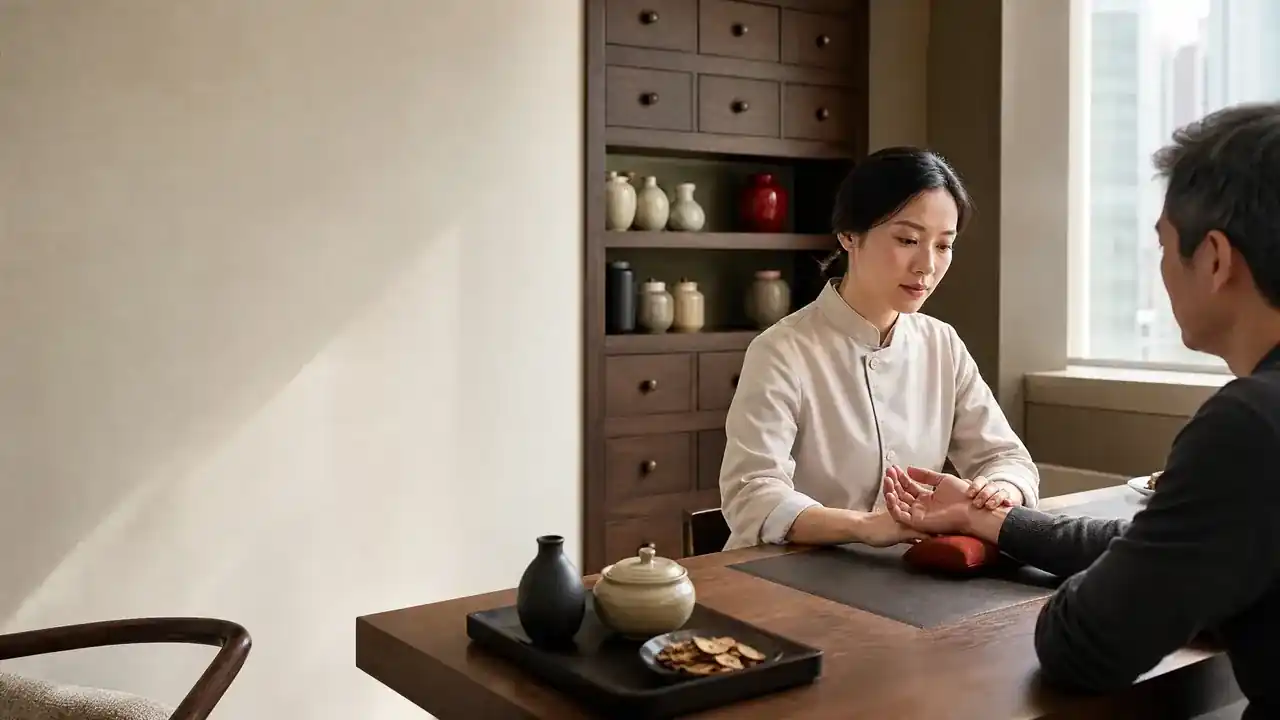
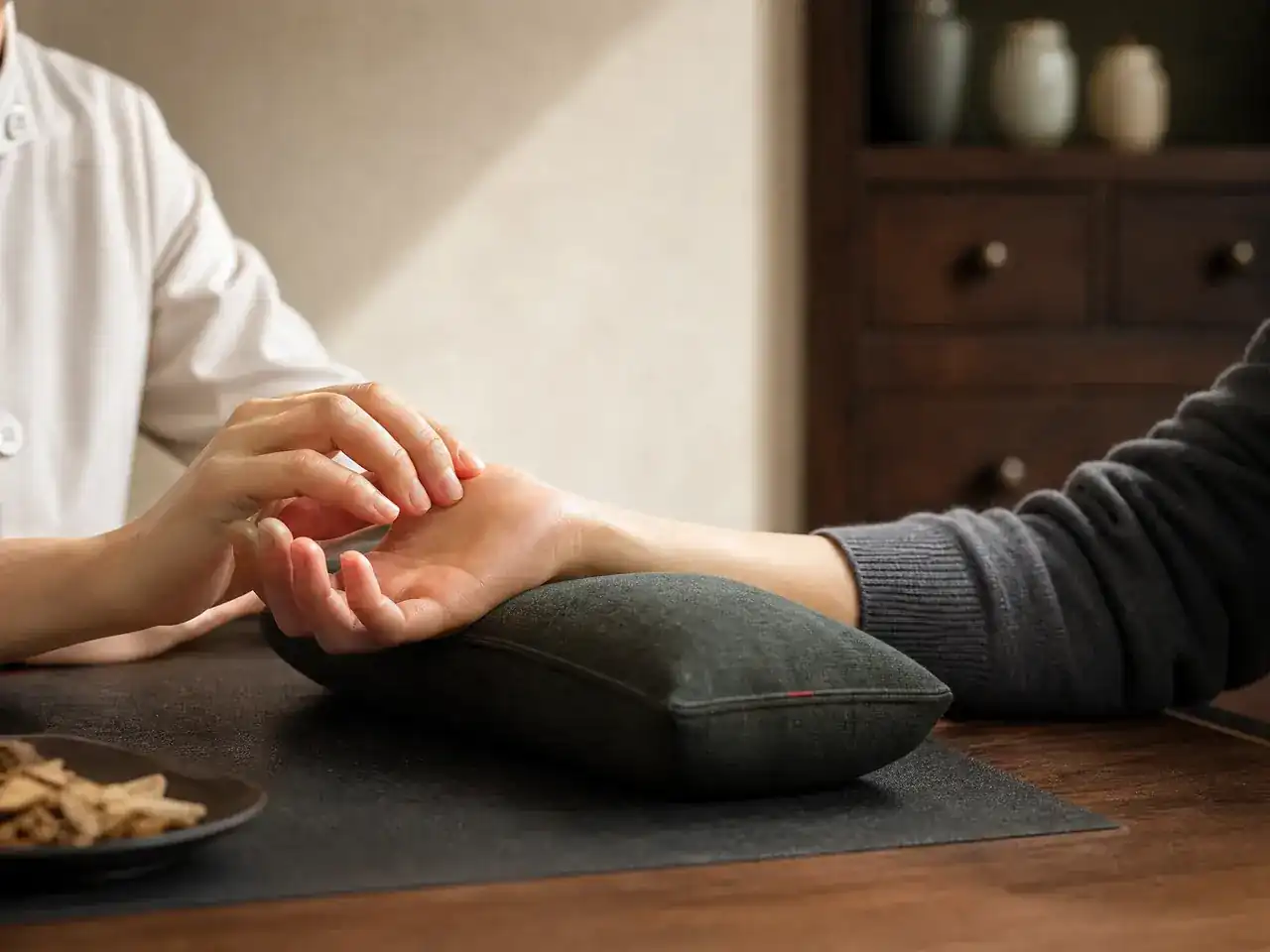
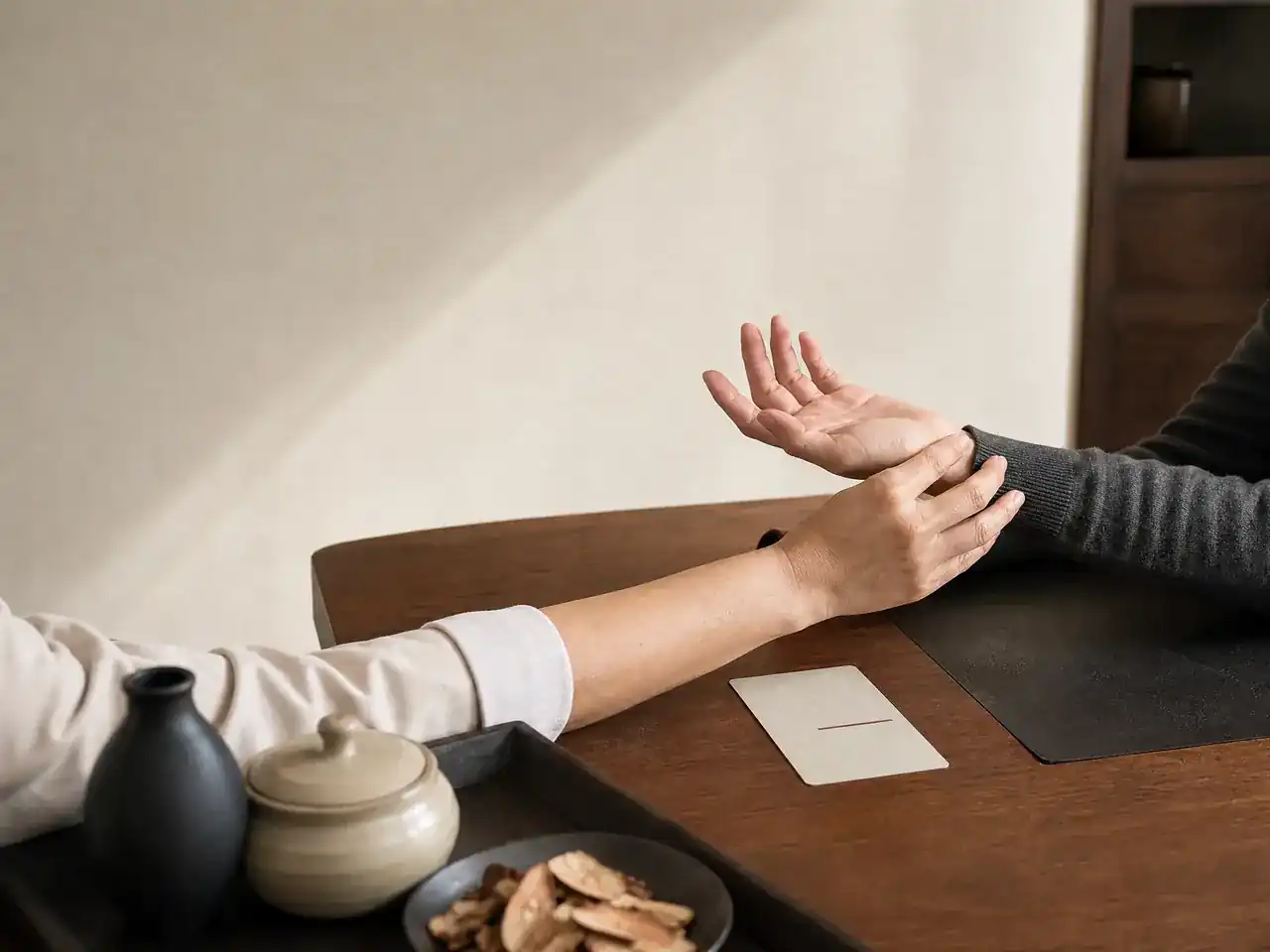
At Harmonia TCM, our registered Chinese medicine practitioners conduct a comprehensive assessment using the four diagnostic methods: observation, auscultation and olfaction, inquiry, and pulse-taking. By understanding the specific characteristics of your knee pain, when it occurs, and any accompanying physical conditions, we can develop a personalized care plan tailored to your needs, aiming to help you restore balance and vitality.
Common Symptoms and Impacts of Knee Arthritis
The symptoms of knee arthritis usually develop gradually over time. In the early stages, individuals might only experience mild knee pain after prolonged walking, climbing stairs, or engaging in strenuous exercise. However, as the condition progresses, the pain may become more frequent and could even occur during periods of rest. Morning stiffness in the joints is also a common early sign, which typically eases slightly after a period of movement.
In addition to pain and stiffness, individuals may observe mild swelling or deformity in the knee joint. When moving the joint, a grinding or clicking sound might be felt or heard. These physical discomforts often lead individuals to unconsciously reduce their physical activity, which can subsequently cause muscle atrophy and create a vicious cycle of worsening symptoms. Therefore, recognizing these signs early and seeking professional assessment and advice is crucial for maintaining joint function.
When evaluating these symptoms, TCM not only focuses on the local manifestations but also connects them to the overall state of Qi and Blood in the body. For instance, if knee pain worsens in cold or damp weather, a TCM practitioner might consider this related to an excess of 'Cold-Dampness'. If the pain is accompanied by noticeable redness, swelling, and heat, it may involve an accumulation of 'Damp-Heat'. This holistic evaluation approach helps in targeting the root causes more precisely for effective care.
Common TCM Approaches for Knee Arthritis Care
TCM care for knee arthritis typically involves a comprehensive and multi-faceted approach. Acupuncture is one of the most common and widely applied methods. By inserting fine needles into specific acupoints (such as Zusanli, Yanglingquan, and Xuehai), the aim is to unblock the meridians, promote local circulation of Qi and Blood, and thereby soothe knee pain and relax tight muscles. Many individuals report an improvement in joint flexibility after receiving acupuncture.
In addition to acupuncture, herbal medicine is a vital component of TCM care. A registered Chinese medicine practitioner will prescribe suitable herbal formulas based on the individual's constitution. For those with Liver and Kidney deficiencies, herbs that nourish these organs and strengthen the sinews and bones may be used. For individuals with Qi stagnation and Blood stasis, the focus will be on invigorating the blood, unblocking the meridians, and relieving pain. The application of herbal medicine addresses not only the local joint issues but also aims to improve overall bodily functions and enhance self-healing capabilities.
Furthermore, external therapies such as Tui Na (Chinese therapeutic massage) and cupping are often used to assist in soothing the discomfort caused by knee arthritis. Tui Na can help relax the muscles and ligaments around the joint, improving its range of motion. Cupping is beneficial for expelling local Cold and Damp pathogenic factors. The professional team at Harmonia TCM will flexibly utilize these traditional methods based on your specific needs to provide comprehensive and attentive care.
Comparing Modern Medicine and TCM Perspectives on Knee Arthritis
When dealing with knee arthritis, understanding the perspectives of different medical systems can help individuals make more informed health decisions. Modern medicine primarily focuses on structural changes in the joint, such as cartilage wear, bone spur formation, and inflammatory responses, often confirming the diagnosis through imaging studies. Its management approaches typically include medications to control inflammation, physical therapy, and, in severe cases, surgical interventions.
Conversely, TCM places a stronger emphasis on the body's overall balance and the circulation of Qi and Blood. TCM views local joint pathologies as reflections of systemic organ dysfunction or poor circulation. Therefore, a TCM assessment goes beyond the knee joint itself to include the individual's constitution, lifestyle habits, and environmental factors. This holistic care philosophy gives TCM unique advantages in soothing chronic pain and improving quality of life.
The following table briefly compares the different focuses of modern medicine and traditional Chinese medicine in the assessment and care of knee arthritis. We hope this helps you clearly understand the characteristics of both approaches and facilitates more effective communication with healthcare professionals when seeking assistance.
| Comparison Aspect | Modern Medicine Perspective | Traditional Chinese Medicine Perspective |
|---|---|---|
| Primary Causes | Cartilage degeneration, joint inflammation, aging | Liver/Kidney deficiency, Qi/Blood stasis, Wind-Cold-Dampness |
| Assessment Methods | Imaging (X-rays, MRI), physical examinations | Four diagnostic methods (observation, inquiry, etc.), constitution analysis |
| Care Focus | Controlling inflammation, relieving pain, structural repair | Regulating constitution, unblocking meridians, promoting circulation |
| Common Approaches | Anti-inflammatory drugs, physical therapy, injections, surgery | Acupuncture, herbal medicine, Tui Na, cupping |
| Expected Goals | Reducing symptoms, delaying degeneration, restoring function | Soothing discomfort, restoring balance, improving quality of life |
Daily Maintenance and Lifestyle Recommendations
In addition to seeking professional TCM care, daily maintenance is equally important for managing knee arthritis. Moderate exercise is key to maintaining joint flexibility and muscle strength. It is recommended to choose exercises that place less strain on the knee joints, such as swimming, water aerobics, or cycling on flat terrain. These activities not only strengthen the thigh muscles, providing better support for the knees, but also help avoid excessive wear on the joint cartilage.
In daily life, one should try to avoid maintaining the same posture for prolonged periods or engaging in activities that increase pressure on the knee joints, such as frequent stair climbing, deep squatting, or carrying heavy objects. Maintaining an appropriate body weight is also an effective way to reduce the burden on the knees. Furthermore, keeping the joints warm and avoiding direct exposure to cold or wind can play a positive role in preventing the exacerbation of knee pain caused by Cold and Dampness.
Regarding diet, TCM suggests making appropriate adjustments based on individual constitution. Generally, it is advisable to avoid excessive consumption of raw, cold, greasy, or spicy foods, as these can affect the digestive functions of the Spleen and Stomach, subsequently impacting the production of Qi and Blood. After a thorough assessment, the registered Chinese medicine practitioners at Harmonia TCM will also provide personalized dietary and lifestyle advice tailored to your constitution, helping you better care for your joint health in your daily life.
Harmonia TCM's Professional Commitment and Service Scope
Harmonia TCM is dedicated to providing professional, safe, and attentive Chinese medicine services to the public. We deeply understand the impact that knee arthritis can have on daily life. Therefore, our team of registered Chinese medicine practitioners will listen carefully to your needs with a calm and considerate attitude, conducting a comprehensive assessment. We emphasize good communication between practitioner and patient, ensuring you fully understand your condition and the recommended care plan.
It is important to note that Harmonia TCM's only physical clinic is located in Kwun Tong. The information provided here is intended as a reference for our consultation and home visit coverage areas and does not imply that we have branches in other districts. We hope that through transparent and clear information, you can make informed decisions when choosing Chinese medicine services.
This information is provided to help you understand the topic and prepare questions for an assessment. The actual availability of related services, their suitability for your specific condition, potential risks, and specific arrangements must be finally confirmed by our registered Chinese medicine practitioners and the clinic. We promise that all assessments and recommendations will be based on professional TCM theory and your actual condition, and we will never make exaggerated or false guarantees.
Frequently asked questions
Can TCM acupuncture really soothe knee pain caused by degenerative arthritis?
Acupuncture is a commonly used TCM method for soothing knee pain. By stimulating specific acupoints, acupuncture helps promote local circulation of Qi and Blood and relaxes tight muscles. Many individuals report reduced pain and improved joint flexibility after receiving professional acupuncture. However, the effectiveness varies depending on individual constitution and the severity of the condition. An assessment by a registered Chinese medicine practitioner is recommended.
Should I choose herbal medicine or acupuncture for managing knee arthritis?
Both herbal medicine and acupuncture have their unique advantages and are often used in combination for better results. Acupuncture primarily focuses on unblocking local meridians and relieving pain, while herbal medicine emphasizes regulating the internal constitution, such as nourishing the Liver and Kidneys or invigorating blood circulation. A registered Chinese medicine practitioner will recommend the most suitable single or combined care plan based on your specific condition.
What dietary precautions should individuals with knee arthritis take?
TCM recommends that individuals with knee arthritis maintain a balanced diet and make adjustments based on their constitution. Generally, one should reduce the intake of raw, cold, greasy, and spicy foods to avoid affecting the digestive functions. If the constitution leans towards Cold-Dampness, moderate consumption of warming foods may be beneficial; if it leans towards Damp-Heat, a lighter diet is preferred. Specific dietary advice is best obtained after a practitioner's assessment.
Can I still receive TCM care if I am currently taking Western medications?
In most cases, TCM and Western medicine can be used concurrently, but it must be handled with care. If you are taking anti-inflammatory painkillers or other Western medications, please inform the registered Chinese medicine practitioner during your consultation. The practitioner will evaluate potential drug interactions and advise on a safe interval between taking Chinese and Western medicines to ensure your safety and the effectiveness of the care.
What areas does Harmonia TCM's service cover?
Harmonia TCM's only physical clinic is located in Kwun Tong. The coverage of our consultation or home visit services depends on actual circumstances and resource availability. The information on this website is intended as general guidance and does not imply that we have branches outside of Kwun Tong. For specific service arrangements, please contact our clinic directly for confirmation.
Can TCM completely cure knee arthritis?
Degenerative arthritis is a chronic condition related to aging and wear and tear. Currently, the medical community (both modern and traditional) generally agrees that it is difficult to completely 'cure' or reverse structural degeneration that has already occurred. The goal of TCM is to soothe pain, delay the progression of degeneration, and help individuals restore their quality of life and balance by regulating the constitution and improving local circulation.
Related topics
Sources
Seek a Professional TCM Assessment
If you are troubled by knee pain or joint stiffness, Harmonia TCM's team of registered Chinese medicine practitioners is ready to provide professional assessment and advice. Please note that actual service arrangements must be confirmed by the clinic.