Pain & Assessment
Neck & Shoulder Pain
Neck shoulder pain is a frequent challenge in modern life, often resulting from prolonged poor posture or high stress levels. At Harmonia TCM, we provide comprehensive assessments based on traditional Chinese medicine principles to offer appropriate support and help you regain comfort.
Quick answer: Neck shoulder pain often presents as stiffness and muscle tension. In Chinese medicine, this is viewed as a disruption in the flow of Qi and blood. Through professional assessment, our practitioners may use acupuncture, Tui Na, or herbal medicine to help soothe local discomfort and improve overall circulation.
CLEAR PRICES
Interested in a treatment? You are always welcome to ask.
We clearly list our current single, trial and package prices so you can explore at your own pace. You are always welcome to message us on WhatsApp about any service, timing or arrangement.
| Category and service | Content / terms | Public price (HK$) | Booking note | Enquire |
|---|---|---|---|---|
| Hair & scalp | Scalp health and hair-loss support | AI scalp analysis, deep follicle cleansing and oil-control support | Trial offerPackageTrial 380; 6 sessions 3,480; 12 sessions 5,760; 20 sessions 8,600; 30 sessions 11,400 | Average per session for 6/12/20/30: 580/480/430/380 | Ask on WhatsApp |
| Hair & scalp | Hair acupuncture with herbal medicine | Scalp acupuncture with 3 days of decoction-free herbal medicine | Single visitPackageSingle 580; 6 sessions 3,180; 12 sessions 5,760; 20 sessions 8,600; 30 sessions 11,400 | Average per session for 6/12/20/30: 530/480/430/380 | Ask on WhatsApp |
| Hair & scalp | Integrated hair support programme | Acupuncture, herbal medicine and follicle activation; packages include shampoo and serum | Single visitPackageSingle 1,260; 8 sessions 8,640; 16 sessions 15,680; 20 sessions 18,600; 30 sessions 26,400 | Average per session for 8/16/20/30: 1,080/980/930/880 | Ask on WhatsApp |
| Weight management | Full-body acupoint embedding | Full-body acupoint embedding; packages include proportionate days of herbal support | Single visitPackageSingle 980; 10 sessions 7,800; 20 sessions 14,600; 30 sessions 20,400 | Average per session for 10/20/30: 780/730/680 | Ask on WhatsApp |
| Facial acupuncture | Brightening V-face (Essential) | Facial acupuncture, meridian support and swelling management | Trial offerPackageTrial 480; 10 sessions 5,200; 20 sessions 9,600; 30 sessions 13,500 | Average per session for 10/20/30: 520/480/450 | Ask on WhatsApp |
| Facial acupuncture | Firming and refining (Advanced) | Enhanced facial acupuncture for firmness and fine-line concerns with a moisturising mask serum | Trial offerPackageTrial 780; 10 sessions 9,000; 20 sessions 16,600; 30 sessions 23,400 | Average per session for 10/20/30: 900/830/780 | Ask on WhatsApp |
| Pain care | Extracorporeal shockwave therapy | Deep inflammation support and fascial relaxation | Prince Edward: 250 per area; Kwun Tong: 250 for 1 area, 450 for 2, 600 for 3 | Clinic-specific pricing; confirm location before booking | Ask on WhatsApp |
| Pain care | Manual therapy | TCM bone-injury assessment, manual alignment and tui na techniques | Single visitSingle 580 | Suitability is confirmed after assessment | Ask on WhatsApp |
| Pain care | Acupuncture with manual therapy | Acupuncture with manual structural support | Single visitSingle 680 | Suitability is confirmed after assessment | Ask on WhatsApp |
| TCM regulation | Acupuncture with herbal medicine | TCM consultation, whole-body acupuncture and 3 days of decoction-free herbal medicine granules | Single visitSingle 580 | Confirm clinician availability and service arrangement when booking | Ask on WhatsApp |


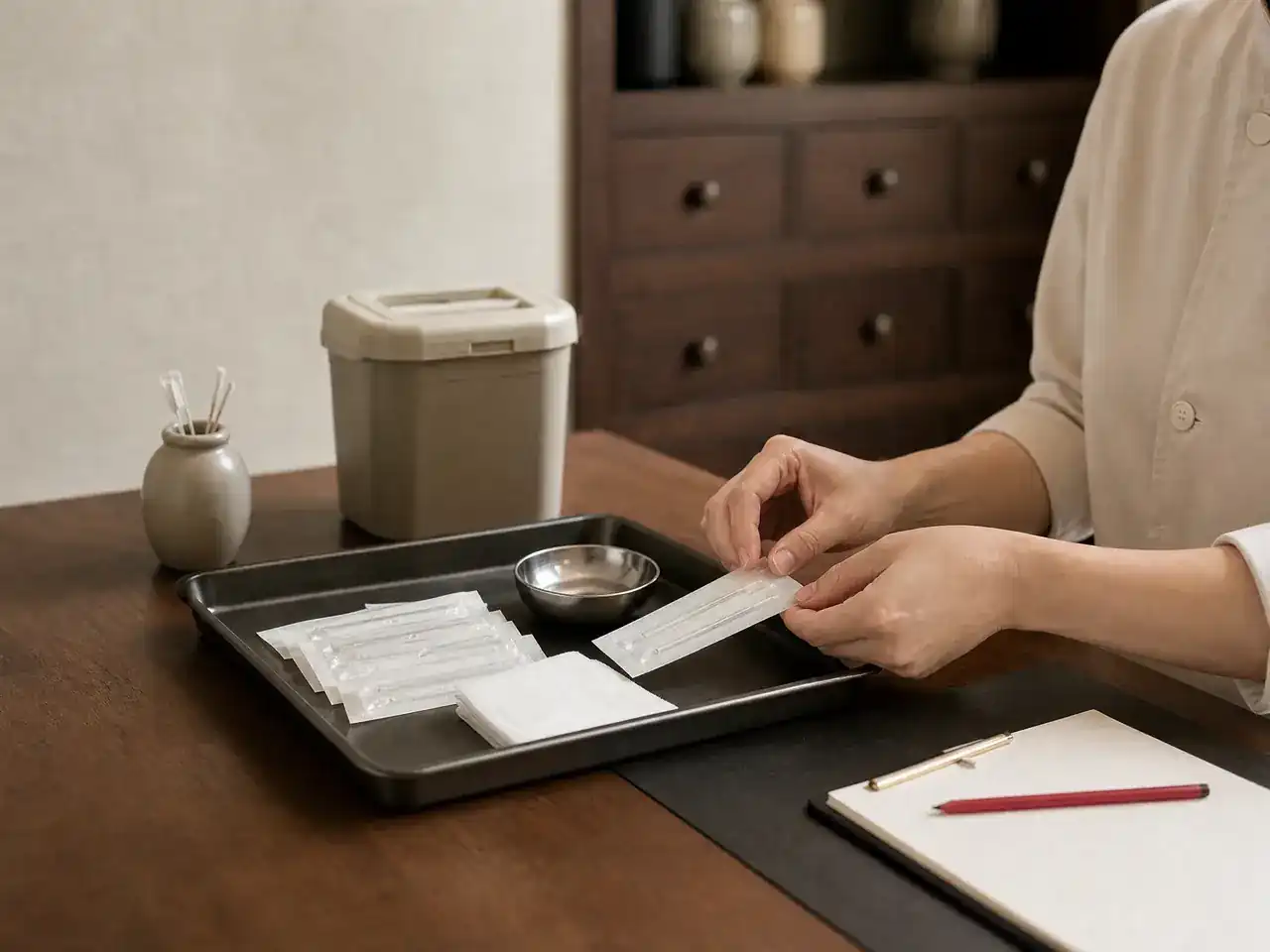
Understanding Neck Shoulder Pain from a TCM Perspective
Neck shoulder pain is a prevalent health issue among urban dwellers, primarily characterized by pain, stiffness, and sometimes a pulling sensation in the muscles. Prolonged use of computers and mobile phones, coupled with poor posture and a lack of physical activity, can significantly increase the burden on the neck and shoulder areas. In daily life, these discomforts can affect work efficiency and even disrupt sleep quality, making it essential to address them promptly.
From the perspective of traditional Chinese medicine (TCM), neck shoulder pain is often associated with the stagnation of Qi and blood, or the invasion of external pathogenic factors such as wind, cold, and dampness. When the local flow of Qi and blood is impeded, the meridians become blocked, leading to pain and stiffness. TCM emphasizes the principle that 'where there is blockage, there is pain.' Therefore, the primary goal during assessment and support is to unblock the meridians and harmonize Qi and blood, aiming to soothe the discomfort and restore balance.
It is important to recognize that TCM views the body as an interconnected system. A localized issue like neck shoulder pain is not seen in isolation but rather as a reflection of the body's overall state. By addressing both the local symptoms and the underlying constitutional imbalances, TCM seeks to provide a more comprehensive approach to managing pain and promoting long-term well-being.
Common Causes and Manifestations
The causes of neck shoulder pain are diverse. Beyond the common issue of poor posture, excessive stress and emotional tension can also cause the neck and shoulder muscles to remain in a prolonged state of contraction, leading to stiffness. Additionally, as we age, the natural degeneration of the cervical spine may contribute to discomfort. Understanding your specific triggers is beneficial for making appropriate adjustments in your daily life and preventing further aggravation.
In terms of manifestations, individuals may experience localized aching, a sense of heaviness, or restricted movement. Sometimes, the sensation of muscle pulling may extend to the head, back, or arms, causing secondary issues like tension headaches. If these symptoms persist or gradually worsen, it is advisable to seek a professional medical assessment to rule out other potential underlying health conditions and ensure you receive the appropriate care.
Recognizing the early signs of neck shoulder pain can help in seeking timely intervention. Ignoring minor discomforts may lead to chronic issues that are more challenging to manage. Therefore, paying attention to your body's signals and taking proactive steps is crucial for maintaining optimal health and mobility.
How TCM Assesses Neck Shoulder Pain
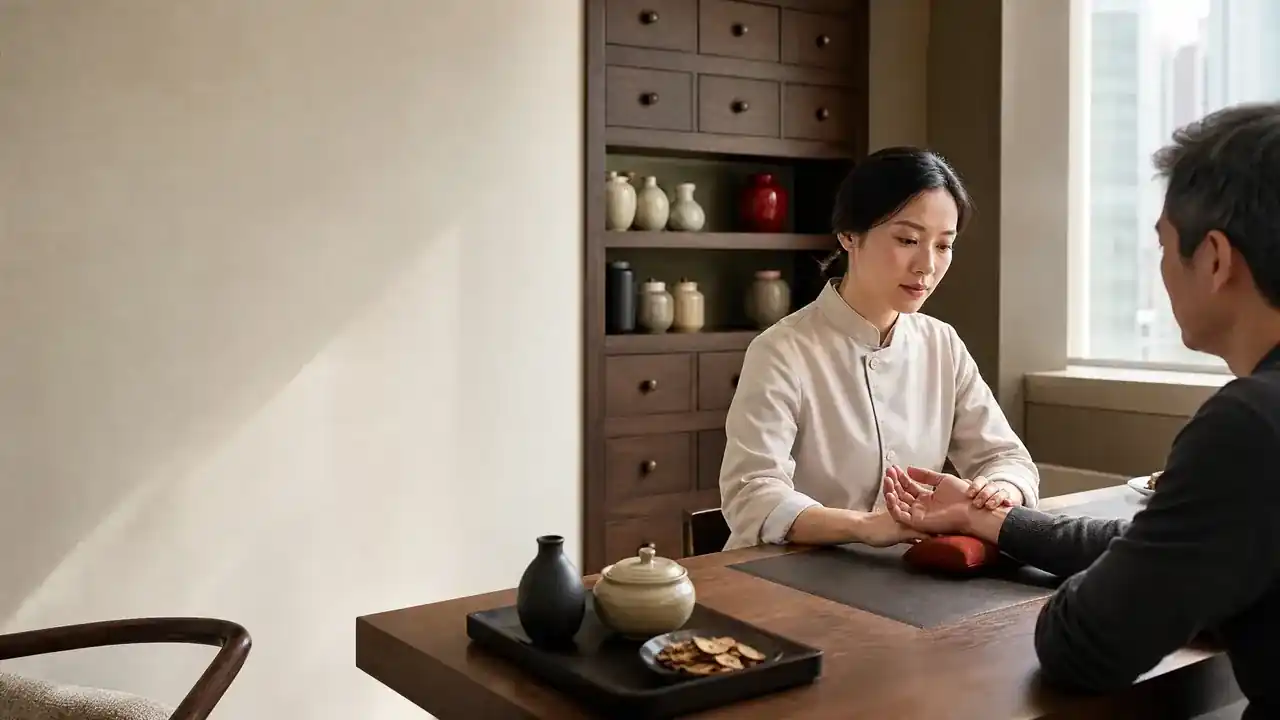
At Harmonia TCM, our registered Chinese medicine practitioners conduct a comprehensive assessment of your neck shoulder pain using the four traditional diagnostic methods: observation, listening and smelling, inquiry, and palpation. The practitioner will ask detailed questions about the nature of your pain, when it occurs, your lifestyle habits, and your medical history. They will also observe your posture and range of motion to understand the root cause of the problem.
In addition to evaluating the localized area, the practitioner will also pay close attention to your overall constitution. This is because TCM believes that local pathologies are often closely related to the overall function of Qi, blood, and the internal organs. Through this comprehensive analysis, the practitioner can develop a personalized support plan for you, focusing not only on the localized pain but also on restoring your overall balance.
This holistic assessment approach ensures that the care plan is tailored specifically to your unique needs. By identifying the underlying imbalances that contribute to your neck shoulder pain, our practitioners aim to provide support that addresses the root cause rather than just alleviating the symptoms temporarily.
TCM Support Methods and Comparison
For neck shoulder pain, TCM offers a variety of support methods, including acupuncture, Tui Na (Chinese therapeutic massage), cupping, and herbal medicine. Acupuncture involves stimulating specific acupoints to help unblock meridians and harmonize Qi and blood. Tui Na can relax tense muscles and improve local blood circulation. The practitioner will select the most suitable method or a combination of approaches based on your specific condition.
The following table summarizes the characteristics of common TCM support methods for your reference. Please note that the specific plan must be evaluated and recommended by a registered Chinese medicine practitioner based on your individual situation.
It is essential to communicate openly with your practitioner about your preferences and any concerns you may have regarding these methods. This collaborative approach ensures that you are comfortable with the proposed care plan and that it aligns with your health goals.
| Support Method | Primary Function | Suitable Conditions | Precautions |
|---|---|---|---|
| Acupuncture | Unblocks meridians, harmonizes Qi and blood | Localized pain, blocked meridians | Must be performed by a professional; inform practitioner if pregnant or have bleeding disorders |
| Tui Na | Relaxes muscles, improves circulation | Neck and shoulder stiffness, muscle tension | Not suitable during acute inflammation or if there is skin damage |
| Cupping | Promotes Qi and blood flow, dispels cold | Invasion of wind-cold-dampness, local stagnation | May leave temporary marks; those with sensitive skin should be cautious |
| Herbal Medicine | Conditions constitution, addresses root causes | Overall Qi and blood imbalance, chronic strain | Must be prescribed based on individual constitution; do not self-medicate |
Daily Care and Prevention Advice
In addition to seeking professional TCM support, daily care and prevention are equally important. Maintaining good posture is key to preventing neck shoulder pain. Whether working or resting, you should avoid staying in the same position for prolonged periods. Taking regular breaks to perform stretching exercises can help relax the neck and shoulder muscles and reduce the occurrence of muscle pulling.
Furthermore, keeping warm and preventing the neck and shoulder areas from being exposed to cold is a health preservation principle often emphasized in TCM. In terms of diet, maintaining balanced nutritional intake and avoiding excessive consumption of raw, cold, or greasy foods can help maintain a good constitution. If you have any questions, you are welcome to consult our practitioners.
Incorporating stress management techniques, such as deep breathing exercises or meditation, can also be beneficial. Since emotional tension can manifest physically as muscle stiffness, finding healthy ways to manage stress is an integral part of preventing and managing neck shoulder pain.
Service Arrangements and Confirmation at Harmonia TCM
Harmonia TCM is dedicated to providing you with professional and attentive Chinese medicine services. Our only physical clinic is located in Kwun Tong, offering a comfortable environment for your visits. The services and information described here are intended as general guidance. Whether they are provided, whether they are suitable for your personal condition, and the related risks and arrangements must be confirmed by our registered Chinese medicine practitioners after a professional assessment.
We understand that every patient's needs are unique, so before formulating any support plan, the practitioner will communicate fully with you. If you have any questions about our services or wish to learn more details, please feel free to contact us, and we will be happy to assist you.
Please be aware that This information is provided to help you understand the topic and prepare questions for an assessment. If you are considering care, we can first discuss what may suit you and how an appointment can be arranged. We do not have any other branches, and all in-person consultations take place at our Kwun Tong location.
Frequently asked questions
How does TCM view the causes of neck shoulder pain?
TCM believes that neck shoulder pain is often related to the stagnation of Qi and blood or the invasion of wind, cold, and dampness. Prolonged poor posture or high stress can lead to poor local circulation, while external pathogenic factors can exacerbate meridian blockages, leading to pain and stiffness.
Can acupuncture help soothe neck and shoulder stiffness?
Acupuncture involves stimulating specific acupoints to help unblock meridians and harmonize Qi and blood, which can be helpful in soothing neck and shoulder stiffness and local muscle pulling. However, the actual effect varies from person to person, and a registered practitioner must evaluate whether it is suitable for you.
Should I choose Tui Na or acupuncture?
Tui Na and acupuncture each have their own characteristics and suitable conditions. Tui Na primarily relaxes muscles through manual techniques, while acupuncture focuses on unblocking meridians. The practitioner will recommend the most suitable single or combined approach based on your specific symptoms, constitution, and preferences.
Does neck shoulder pain require long-term TCM support?
This depends on the cause and severity of your neck shoulder pain. For acute muscle pulling, you may see improvement in the short term; for chronic strain, it may require a longer period of conditioning. The practitioner will discuss the expected progress with you.
How can I prevent neck shoulder pain in my daily life?
Maintaining good posture, taking regular breaks to stretch, avoiding staying in the same position for long periods, and keeping the neck and shoulder areas warm are effective ways to prevent neck shoulder pain. Additionally, proper stress management can help reduce muscle tension.
Where is Harmonia TCM's physical clinic located?
Harmonia TCM's only physical clinic is located in Kwun Tong. The services and information described here are intended as general guidance. Actual availability and related arrangements must be confirmed by our registered Chinese medicine practitioners and the clinic. We do not have any other branches.
Related topics
Sources
Seek Professional TCM Assessment
If you are troubled by neck shoulder pain, you are welcome to contact Harmonia TCM. Our registered Chinese medicine practitioners will conduct a detailed assessment and provide appropriate advice. Please note that actual service arrangements must be confirmed by the clinic.