Pain & Assessment
Meniscus Injury Treatment (TCM)
A meniscus injury often causes knee pain, swelling, and restricted mobility. At Harmonia TCM, we provide personalized care plans through TCM conservative care for patients with meniscus injuries, as well as post-op support for those recovering from surgery, aiming to relieve discomfort and promote the restoration of knee function.
Quick answer: Meniscus injury treatment in Traditional Chinese Medicine primarily utilizes conservative care such as acupuncture, Tui Na (massage), and herbal medicine to help relieve knee pain and swelling. For some patients, TCM also serves as post-op support, promoting local Qi and blood circulation to improve joint mobility. The actual plan requires assessment by a registered TCM practitioner.
CLEAR PRICES
Interested in a treatment? You are always welcome to ask.
We clearly list our current single, trial and package prices so you can explore at your own pace. You are always welcome to message us on WhatsApp about any service, timing or arrangement.
| Category and service | Content / terms | Public price (HK$) | Booking note | Enquire |
|---|---|---|---|---|
| Hair & scalp | Scalp health and hair-loss support | AI scalp analysis, deep follicle cleansing and oil-control support | Trial offerPackageTrial 380; 6 sessions 3,480; 12 sessions 5,760; 20 sessions 8,600; 30 sessions 11,400 | Average per session for 6/12/20/30: 580/480/430/380 | Ask on WhatsApp |
| Hair & scalp | Hair acupuncture with herbal medicine | Scalp acupuncture with 3 days of decoction-free herbal medicine | Single visitPackageSingle 580; 6 sessions 3,180; 12 sessions 5,760; 20 sessions 8,600; 30 sessions 11,400 | Average per session for 6/12/20/30: 530/480/430/380 | Ask on WhatsApp |
| Hair & scalp | Integrated hair support programme | Acupuncture, herbal medicine and follicle activation; packages include shampoo and serum | Single visitPackageSingle 1,260; 8 sessions 8,640; 16 sessions 15,680; 20 sessions 18,600; 30 sessions 26,400 | Average per session for 8/16/20/30: 1,080/980/930/880 | Ask on WhatsApp |
| Weight management | Full-body acupoint embedding | Full-body acupoint embedding; packages include proportionate days of herbal support | Single visitPackageSingle 980; 10 sessions 7,800; 20 sessions 14,600; 30 sessions 20,400 | Average per session for 10/20/30: 780/730/680 | Ask on WhatsApp |
| Facial acupuncture | Brightening V-face (Essential) | Facial acupuncture, meridian support and swelling management | Trial offerPackageTrial 480; 10 sessions 5,200; 20 sessions 9,600; 30 sessions 13,500 | Average per session for 10/20/30: 520/480/450 | Ask on WhatsApp |
| Facial acupuncture | Firming and refining (Advanced) | Enhanced facial acupuncture for firmness and fine-line concerns with a moisturising mask serum | Trial offerPackageTrial 780; 10 sessions 9,000; 20 sessions 16,600; 30 sessions 23,400 | Average per session for 10/20/30: 900/830/780 | Ask on WhatsApp |
| Pain care | Extracorporeal shockwave therapy | Deep inflammation support and fascial relaxation | Prince Edward: 250 per area; Kwun Tong: 250 for 1 area, 450 for 2, 600 for 3 | Clinic-specific pricing; confirm location before booking | Ask on WhatsApp |
| Pain care | Manual therapy | TCM bone-injury assessment, manual alignment and tui na techniques | Single visitSingle 580 | Suitability is confirmed after assessment | Ask on WhatsApp |
| Pain care | Acupuncture with manual therapy | Acupuncture with manual structural support | Single visitSingle 680 | Suitability is confirmed after assessment | Ask on WhatsApp |
| TCM regulation | Acupuncture with herbal medicine | TCM consultation, whole-body acupuncture and 3 days of decoction-free herbal medicine granules | Single visitSingle 580 | Confirm clinician availability and service arrangement when booking | Ask on WhatsApp |
TCM Perspective and Assessment of Meniscus Injuries
In Traditional Chinese Medicine, meniscus injury treatment is often categorized under "sinew injuries" or "Bi syndrome" (painful obstruction). TCM believes that the stability and function of the knee joint depend on the abundance of local Qi and blood, as well as the patency of the meridians. When the knee is subjected to external sprains or degenerates due to long-term wear and tear, it can lead to local stagnation of Qi and blood, and blockage of meridians, subsequently causing common symptoms of meniscus injuries such as pain, swelling, and restricted movement.
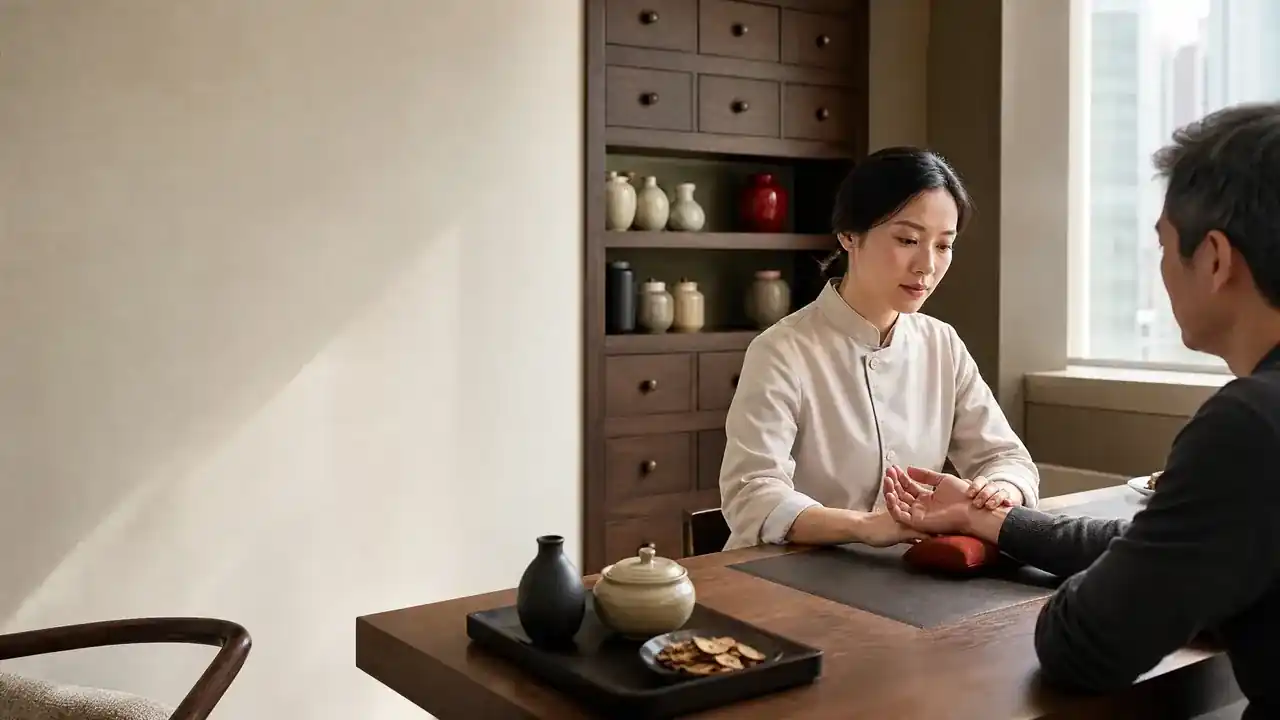
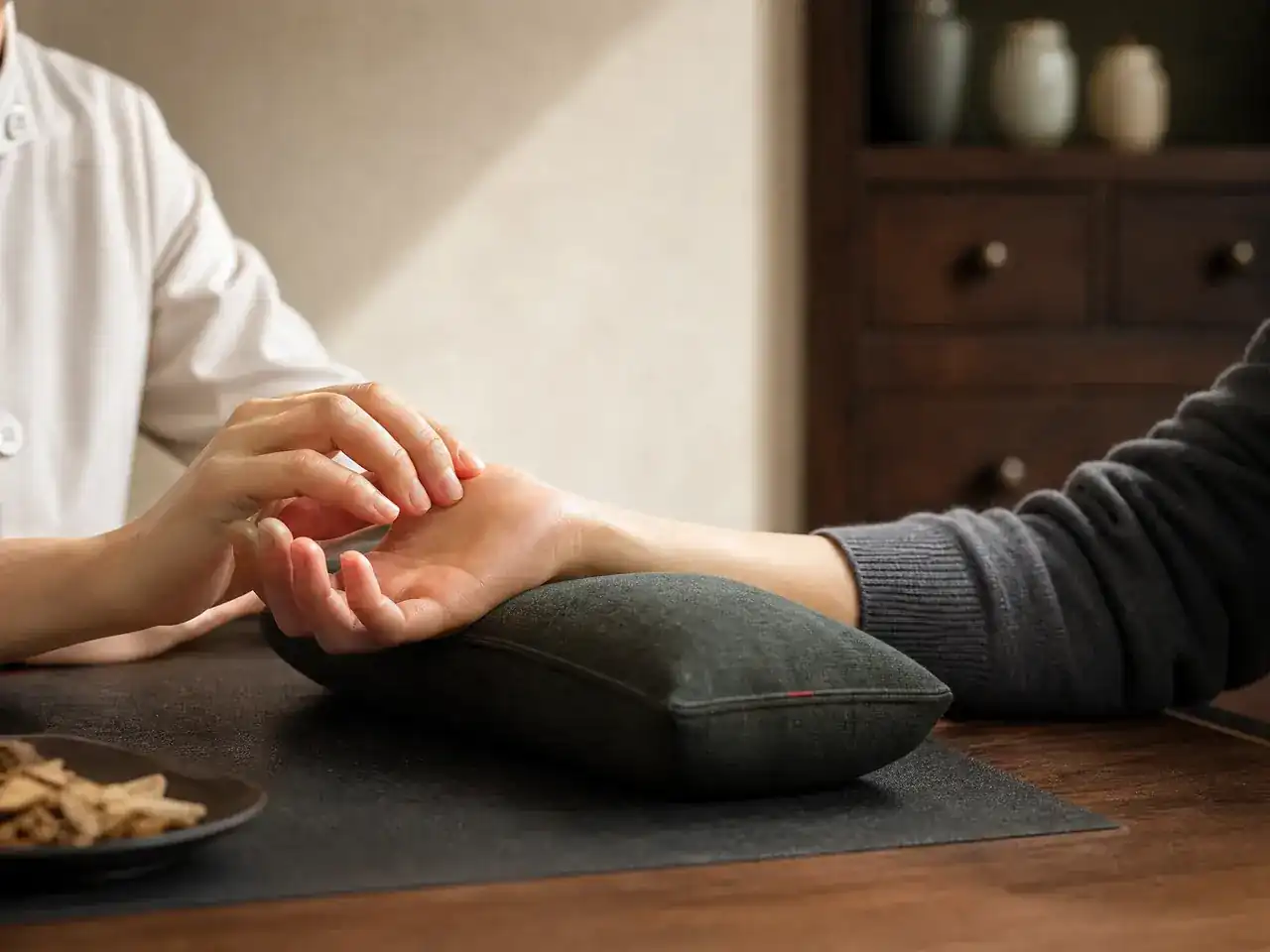
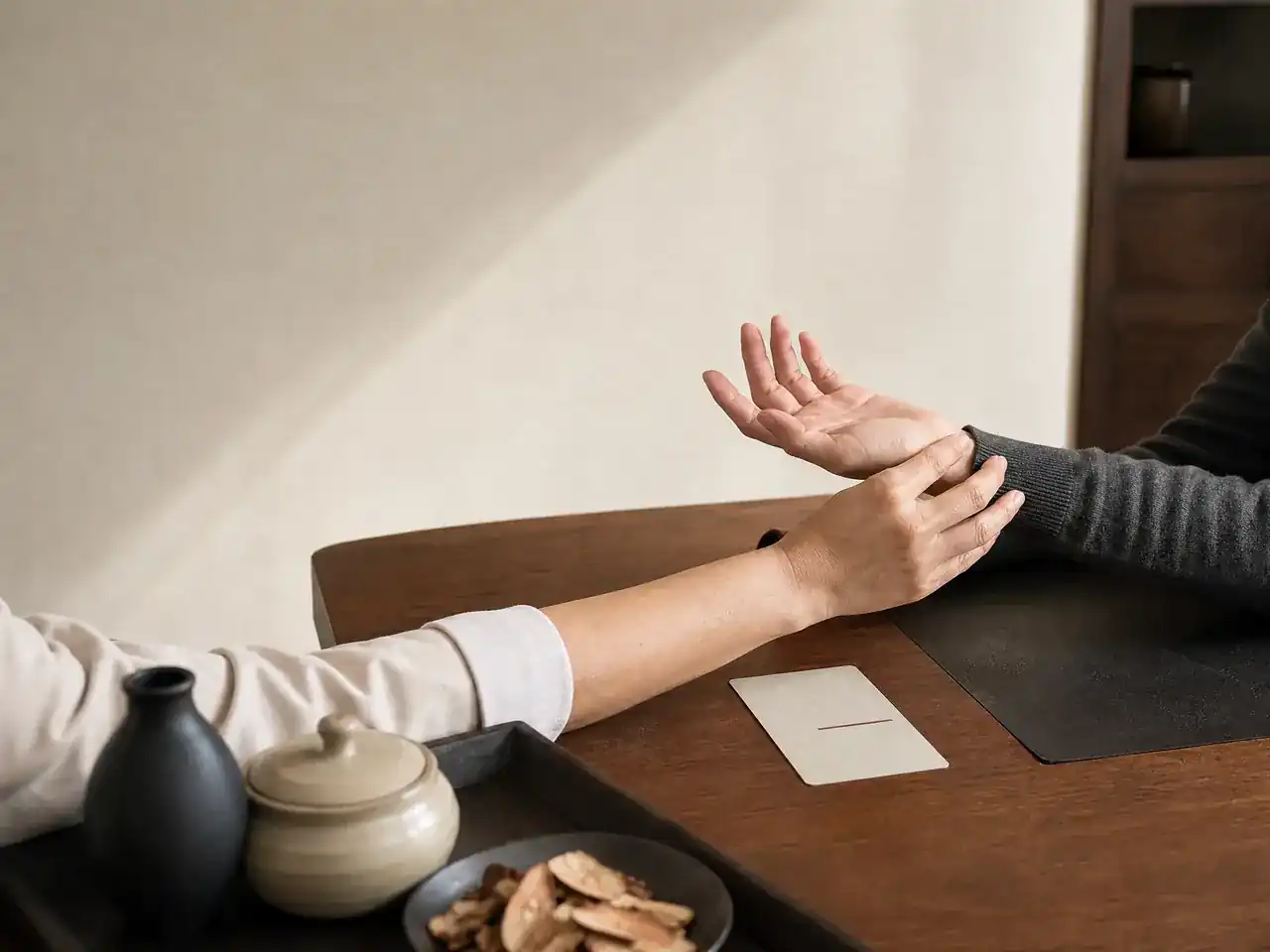
At Harmonia TCM, our registered TCM practitioners conduct a detailed assessment of the patient's knee condition through the four diagnostic methods: observation, auscultation and olfaction, inquiry, and palpation. This includes observing the degree of swelling in the knee joint, palpating tender points, understanding the history of the injury, and assessing the limitation of daily activities. Based on the patient's overall constitution and local symptoms, the practitioner will formulate a personalized TCM conservative care plan aimed at relieving discomfort and promoting the recovery of knee function.
Application of TCM Conservative Care in Meniscus Injuries
For patients with non-severe tears or those who are not suitable for immediate surgery, TCM conservative care offers a non-invasive option. Acupuncture is one of the commonly used methods. By stimulating specific acupoints around the knee, such as Xuehai, Liangqiu, Yinlingquan, and Yanglingquan, it helps to promote local Qi and blood circulation, relieving pain and muscle tension.
In addition to acupuncture, TCM practitioners may also incorporate Tui Na techniques or external application of herbal medicine. Tui Na aims to realign the sinews and improve the tension of the soft tissues surrounding the joint; while external herbal applications help to invigorate blood, resolve stasis, reduce swelling, and alleviate pain. These TCM conservative care methods complement each other, with the expectation of gradually improving the mobility of the knee joint and enhancing the patient's quality of life.
Post-Op Support and Conditioning for Meniscus Injuries
Some patients with meniscus injuries may require surgical treatment. After surgery, TCM can also provide appropriate post-op support. In the early postoperative stage, the knee may still experience swelling and pain. TCM conditioning focuses on resolving stasis, reducing swelling, and promoting wound healing. As the recovery process advances, the focus of conditioning shifts to tonifying the liver and kidneys, and strengthening the sinews and bones, in order to consolidate the surgical outcomes and prevent recurrence.
The TCM practitioners at Harmonia TCM will adjust the acupuncture and herbal prescriptions based on the patient's postoperative recovery progress. Through internal herbal medicine to condition the constitution, combined with local acupuncture or Tui Na, TCM post-op support aims to accelerate the repair of local tissues, helping patients transition more smoothly into daily activities and rehabilitation exercises.
Comparison of Meniscus Injury Treatment Methods
When facing a meniscus injury, patients usually have multiple treatment options. Understanding the characteristics of different methods helps patients and healthcare professionals collaboratively develop the most suitable care plan. The following table briefly compares common approaches to managing meniscus injuries, including TCM conservative care and conventional Western medical treatments.
| Treatment Method | Primary Principle | Applicable Situations | Characteristics & Considerations |
|---|---|---|---|
| TCM Conservative Care | Promotes Qi and blood circulation via acupuncture and herbs to relieve pain | Mild to moderate injuries, degenerative tears, post-op support | Non-invasive, focuses on holistic conditioning, requires longer duration |
| Physiotherapy | Strengthens muscles and improves joint mobility through exercises and modalities | Rehabilitation phase for various degrees of injury | Requires active patient participation in exercises, progressive approach |
| Medication (Western Medicine) | Uses anti-inflammatory and analgesic drugs to reduce local inflammation | Acute phase pain and swelling | Provides rapid symptom relief, but potential side effects must be monitored |
| Surgical Treatment | Repairs or removes the damaged meniscus via arthroscopy | Severe tears, joint locking, failure of conservative treatment | Highly targeted, but involves surgical risks and a longer recovery period |
Daily Care and Prevention of Recurrence
In addition to receiving meniscus injury treatment, the patient's daily care is equally important for recovery and preventing recurrence. TCM recommends that patients rest adequately during the acute phase, avoiding excessive weight-bearing or strenuous exercise. During the recovery phase, moderate muscle-strengthening exercises around the knee should be performed under professional guidance to enhance joint stability.
Furthermore, keeping the knee warm and avoiding exposure to cold and dampness is also a crucial aspect of joint protection in TCM health preservation. Maintaining an appropriate body weight can reduce the burden on the knee joints. If knee discomfort is experienced during daily activities, professional assessment should be sought early to prevent exacerbation of the injury.
Harmonia TCM's Commitment to Personalized Care
Harmonia TCM is committed to providing professional and attentive TCM care for every patient with a meniscus injury. We understand that each patient's degree of injury, constitution, and lifestyle needs are different. Therefore, our registered TCM practitioners will carefully listen to your situation and develop a tailored treatment and conditioning plan.
Please note that service availability, suitability and arrangements require individual confirmation. If you are considering care, we can first discuss what may suit you and how an appointment can be arranged. Harmonia TCM's only physical clinic is located in Kwun Tong. This information is intended as general guidance and does not imply the existence of other branches. We look forward to providing you with appropriate TCM services at our Kwun Tong clinic.
Frequently asked questions
Can TCM conservative care completely cure a meniscus injury?
TCM conservative care primarily aims to relieve pain, reduce swelling, and improve joint mobility. For mild to moderate or degenerative meniscus injuries, TCM treatment helps enhance the quality of life. However, for severe meniscus tears, TCM cannot reconnect the torn tissues, and surgical intervention may need to be considered. Actual outcomes vary from person to person and require assessment by a TCM practitioner.
How soon after meniscus surgery can I start receiving TCM post-op support?
The timing for receiving TCM support after surgery depends on the type of surgery and the healing of the wound. It is generally recommended to start TCM conditioning after the surgical wound has initially healed and with the approval of your attending Western medical doctor. The TCM practitioner will select appropriate acupuncture points or herbal prescriptions based on your specific condition to aid recovery.
Does acupuncture for meniscus injury treatment hurt?
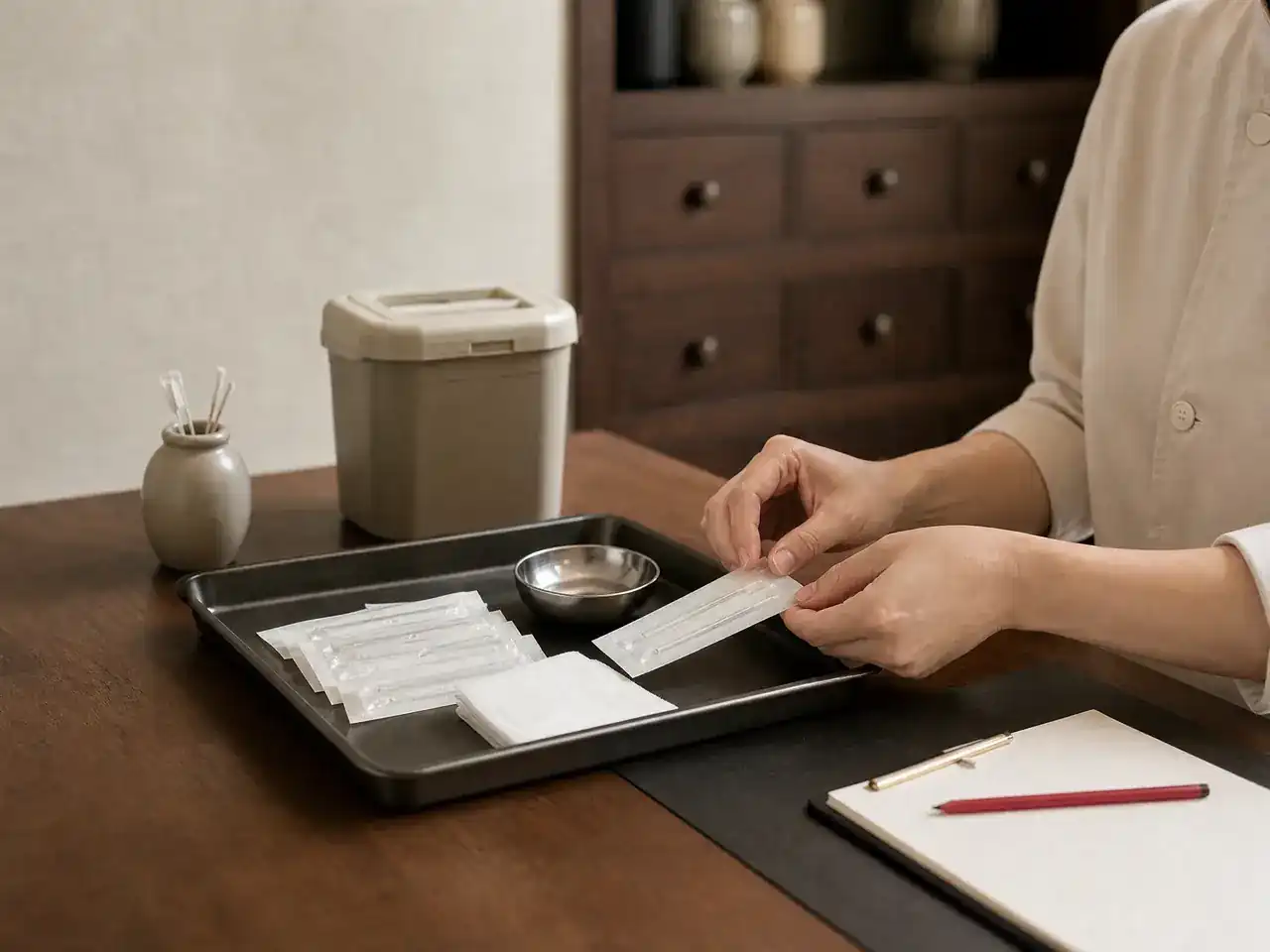
Acupuncture uses extremely fine, sterile, disposable needles. Most people only feel a slight mosquito-bite sensation upon insertion. Once the needle reaches the acupoint, you may experience a sensation of soreness, numbness, distension, or heaviness known as "Deqi," which is a normal therapeutic response. If you feel uncomfortable during the process, please inform the practitioner at any time, and we will adjust the technique.
Besides acupuncture, what other methods does Harmonia TCM use to treat meniscus injuries?
In addition to acupuncture, registered TCM practitioners at Harmonia TCM may also use Tui Na (massage) techniques, apply external herbal patches, or prescribe internal herbal medicine to condition your constitution, depending on your situation. These methods can complement each other to achieve better relief.
Can I exercise during the treatment period for a meniscus injury?
During the acute pain phase, it is recommended to rest as much as possible and avoid exercises that increase the burden on the knee. Once the pain subsides and you enter the recovery phase, moderate muscle-strengthening exercises (such as straight leg raises) can be performed under professional guidance to increase joint stability. Strenuous running, jumping, or deep squatting should be avoided.
Where does Harmonia TCM provide meniscus injury treatment services?
Harmonia TCM's only physical clinic is located in Kwun Tong. All our TCM consultation and treatment services are conducted at the Kwun Tong clinic. This information is intended as general guidance, and actual service arrangements must be confirmed by the clinic. We currently do not offer home visit treatment services.
Related topics
Sources
Seek Professional Assessment for Meniscus Injuries
If you are troubled by a meniscus injury or require post-op support, the registered TCM practitioners at Harmonia TCM can provide you with a professional assessment. Please note that actual service arrangements require confirmation by the clinic.