HEALTH GUIDE / SAFETY INFORMATION
Returning home after stroke: information to share when enquiring about home rehabilitation
Returning home after a stroke involves careful coordination and preparation. This guide outlines the key medical history, functional records, and environmental details families should prepare when enquiring about stroke home visit rehabilitation.
Quick answer: When enquiring about stroke home visit rehabilitation, families should prepare hospital discharge summaries, current mobility assessments, swallowing and speech status, a complete medication list, and home environment details to help practitioners evaluate needs safely under regulatory standards.
CLEAR PRICES
Interested in a treatment? You are always welcome to ask.
We clearly list our current single, trial and package prices so you can explore at your own pace. You are always welcome to message us on WhatsApp about any service, timing or arrangement.
| Category and service | Content / terms | Public price (HK$) | Booking note | Enquire |
|---|---|---|---|---|
| Hair & scalp | Scalp health and hair-loss support | AI scalp analysis, deep follicle cleansing and oil-control support | Trial offerPackageTrial 380; 6 sessions 3,480; 12 sessions 5,760; 20 sessions 8,600; 30 sessions 11,400 | Average per session for 6/12/20/30: 580/480/430/380 | Ask on WhatsApp |
| Hair & scalp | Hair acupuncture with herbal medicine | Scalp acupuncture with 3 days of decoction-free herbal medicine | Single visitPackageSingle 580; 6 sessions 3,180; 12 sessions 5,760; 20 sessions 8,600; 30 sessions 11,400 | Average per session for 6/12/20/30: 530/480/430/380 | Ask on WhatsApp |
| Hair & scalp | Integrated hair support programme | Acupuncture, herbal medicine and follicle activation; packages include shampoo and serum | Single visitPackageSingle 1,260; 8 sessions 8,640; 16 sessions 15,680; 20 sessions 18,600; 30 sessions 26,400 | Average per session for 8/16/20/30: 1,080/980/930/880 | Ask on WhatsApp |
| Weight management | Full-body acupoint embedding | Full-body acupoint embedding; packages include proportionate days of herbal support | Single visitPackageSingle 980; 10 sessions 7,800; 20 sessions 14,600; 30 sessions 20,400 | Average per session for 10/20/30: 780/730/680 | Ask on WhatsApp |
| Facial acupuncture | Brightening V-face (Essential) | Facial acupuncture, meridian support and swelling management | Trial offerPackageTrial 480; 10 sessions 5,200; 20 sessions 9,600; 30 sessions 13,500 | Average per session for 10/20/30: 520/480/450 | Ask on WhatsApp |
| Facial acupuncture | Firming and refining (Advanced) | Enhanced facial acupuncture for firmness and fine-line concerns with a moisturising mask serum | Trial offerPackageTrial 780; 10 sessions 9,000; 20 sessions 16,600; 30 sessions 23,400 | Average per session for 10/20/30: 900/830/780 | Ask on WhatsApp |
| Pain care | Extracorporeal shockwave therapy | Deep inflammation support and fascial relaxation | Prince Edward: 250 per area; Kwun Tong: 250 for 1 area, 450 for 2, 600 for 3 | Clinic-specific pricing; confirm location before booking | Ask on WhatsApp |
| Pain care | Manual therapy | TCM bone-injury assessment, manual alignment and tui na techniques | Single visitSingle 580 | Suitability is confirmed after assessment | Ask on WhatsApp |
| Pain care | Acupuncture with manual therapy | Acupuncture with manual structural support | Single visitSingle 680 | Suitability is confirmed after assessment | Ask on WhatsApp |
| TCM regulation | Acupuncture with herbal medicine | TCM consultation, whole-body acupuncture and 3 days of decoction-free herbal medicine granules | Single visitSingle 580 | Confirm clinician availability and service arrangement when booking | Ask on WhatsApp |


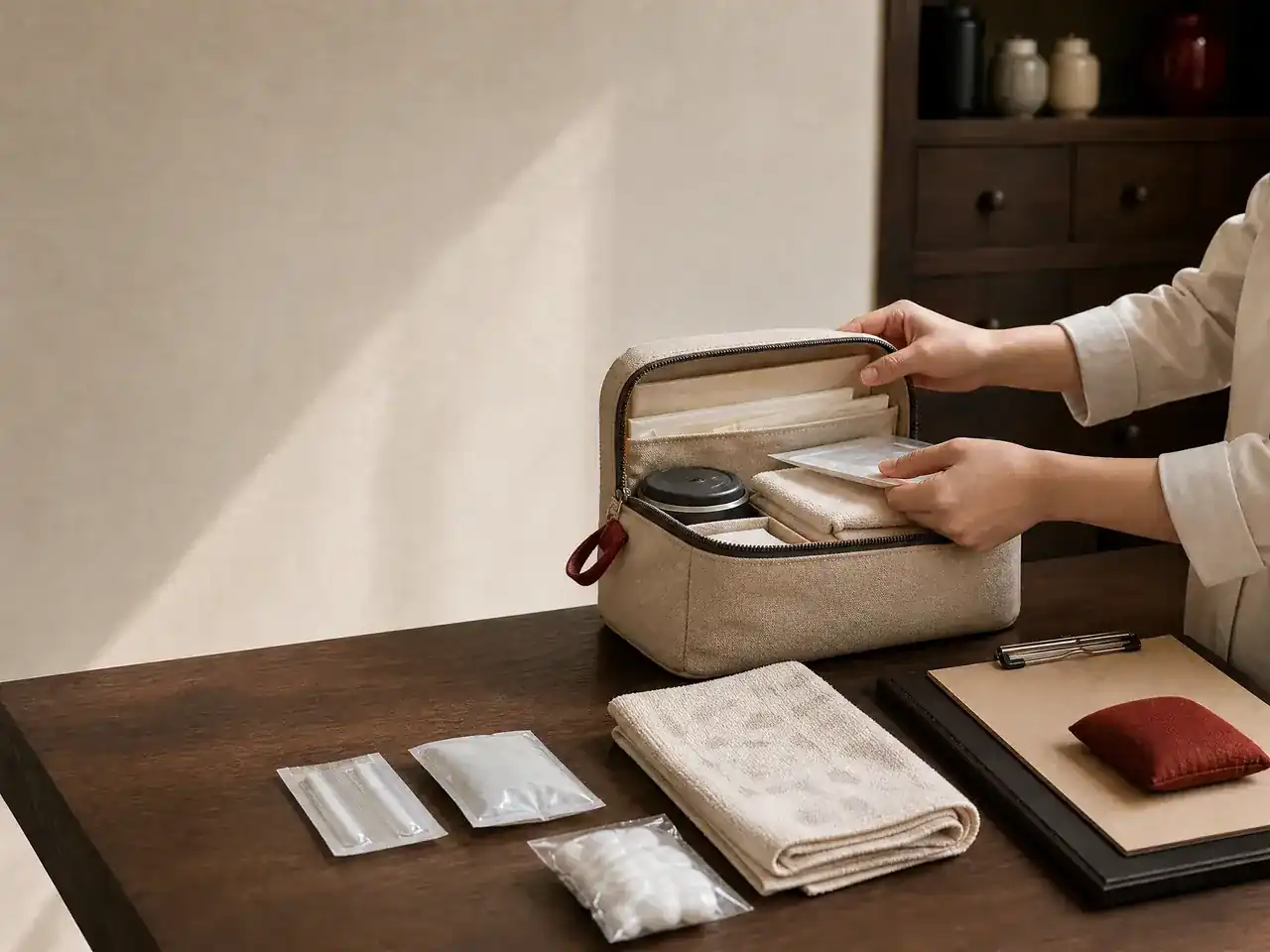
Why systematic preparation is essential when returning home after a stroke
Returning home after completing acute hospital treatment for a stroke often marks the beginning of a long and demanding rehabilitation journey. For both patients and their families, adapting to the home living environment and re-establishing daily routines involves navigating numerous physical and emotional challenges. At this crucial transition point, families frequently seek various community support services, physiotherapy, or traditional Chinese medicine (TCM) care to help patients further restore mobility and quality of life. However, many caregivers feel overwhelmed when first contacting professional organisations, unsure of what details to share, which makes it difficult for professional teams to accurately assess the patient's actual condition and specific needs within a short time.
Conducting systematic preparation is not merely a way to save time for professionals; it is a core step in ensuring clinical and rehabilitation safety. Stroke patients vary significantly in their physical function, degree of neurological impairment, and underlying comorbidities. Without objective and complete medical history and daily life records, rehabilitation planning risks remaining superficial. By gathering discharge reports, medication lists, and daily performance records in advance, families can establish a clear and transparent communication bridge with professional teams, laying a solid foundation for subsequent assessments and follow-up care.
Furthermore, establishing an organised record before the initial consultation helps alleviate caregiver anxiety. When families present structured information regarding the patient's daily challenges, mobility levels, and medical history, professional therapists and practitioners can formulate tailored guidance much more efficiently. This structured approach prevents crucial details from being overlooked during stressful transitional phases.
| Information Category | Specific Content & Preparation Direction | Value for Assessment & Safety |
|---|---|---|
| Medical & Medication Records | Hospital discharge summary, brain imaging report summaries, current Western and herbal medicine lists | Provides professionals with a comprehensive view of medical history, stroke characteristics, and potential drug interactions |
| Physical & Functional Capacity | Limb muscle strength, balance status, transfer and walking independence, activities of daily living performance | Establishes a baseline for rehabilitation and sets realistic phased training goals |
| Swallowing & Communication | Records of choking or coughing during meals, speech comprehension and expression ability, visual or cognitive performance | Prevents aspiration pneumonia risks and adapts communication methods between therapist and patient |
| Home Environment & Care Needs | Indoor pathway obstacles, bathroom non-slip facilities, caregiver physical capacity and daily care schedule | Ensures home visits are conducted safely and provides practical daily care guidance for caregivers |
Core clinical history and hospital discharge documents to organise
Before contacting any community rehabilitation or TCM care service, the primary task for families is to organise the hospital discharge summary and relevant imaging reports, such as computed tomography (CT) or magnetic resonance imaging (MRI) summaries. These documents contain authoritative records from the attending physician regarding the stroke type (such as ischemic or hemorrhagic stroke), affected brain regions, and acute-phase treatment courses, serving as vital references for professionals to assess the patient's physical foundation and rehabilitation potential. Furthermore, rehabilitation guidelines, movement restrictions, or dietary precautions provided by the hospital upon discharge must be safely retained.
Organizing a complete medication list is equally indispensable. Stroke patients typically require multiple medications, such as antiplatelet agents, blood pressure regulators, or cholesterol-lowering drugs. Under the regulatory framework of the Hong Kong Chinese Medicine Regulatory Office (CMRO), the practice and registration of traditional Chinese medicine are strictly governed by law. When seeking TCM care or home visit services, patients and families must transparently disclose all ongoing Western medications and other health supplements to the practitioner. This not only helps professionals evaluate the safety of combining different modalities but also mitigates risks associated with potential drug interactions, ensuring that the entire care process aligns with regulatory and clinical safety principles.
In addition to baseline medical records, documenting any recent changes in vital signs, blood pressure patterns, or cognitive responses provides invaluable context. Healthcare professionals and registered traditional Chinese medicine practitioners rely on these longitudinal observations to determine whether the patient's physiological state is stable enough to undertake specific rehabilitation exercises or complementary care regimens.
A practical checklist for recording daily functional capacity and physical status
In addition to hospital medical records, the patient's activities of daily living (ADLs) after returning home serve as key indicators for formulating a home rehabilitation plan. When making enquiries, families can pre-record the patient's actual performance across various daily domains, including: Can the patient turn over, sit up from the bed, or stand without assistance? How much assistance (such as a quad cane, walking frame, or personal support) is required when walking? What is their level of independence when using the toilet, bathing, and eating? These daily details allow the rehabilitation team to concretely understand the patient's muscle strength, balance, and coordination.
Moreover, families should objectively document common post-stroke physical manifestations, such as limb weakness, abnormal muscle tone, sensory loss, or slurred speech. If the patient experiences swallowing difficulties or speech expression impairments, these details should be thoroughly communicated to the evaluating personnel. Through such daily observations, families can explore professional insights on stroke sequelae, learning how to translate specific daily challenges into language that the rehabilitation team can readily understand, thereby enhancing the relevance and effectiveness of the evaluation.
Understanding the nuances of functional independence also involves noting the patient's endurance and fatigue levels throughout the day. Stroke recovery is rarely linear; patients often experience fluctuations in energy and physical capability between morning and evening. Recording these daily patterns allows rehabilitation teams to schedule therapy sessions during optimal windows, thereby maximizing therapeutic benefits while preventing undue exhaustion.
Assessing home environment and safety features prior to home rehab services
One of the core advantages of home rehabilitation services is that professionals can directly enter the patient's actual living environment to conduct assessments and guidance. Therefore, before enquiring about and scheduling home visits, families should conduct an initial safety check of the home environment. For instance: Are there door thresholds at the entrance and bedroom doors that hinder wheelchairs or walking aids? Are corridors and living rooms cluttered with items? Are non-slip mats and grab bars installed in the bathroom? These physical environment constraints directly impact the training modalities and safety precautions that physiotherapists or TCM practitioners can implement during home visits.
Beyond hardware facilities, the caregiver's physical endurance, emotional well-being, and daily shift arrangements are equally critical factors. Stroke families often bear substantial caregiving burdens, and clearly understanding the caregiver's support needs helps professional teams provide practical caregiver guidance and psychological support recommendations when planning home rehabilitation. To gain deeper insight into the specific service models and enquiry procedures for stroke home visit rehabilitation, families can consult relevant guidelines and maintain thorough, transparent communication with professional organisations.
Beyond physical modifications within the home, evaluating lighting, flooring friction, and spatial layout is vital for preventing secondary injuries such as falls. Caregivers should also assess their own physical stamina and support network, ensuring that home visit schedules align with available assistance. Open communication regarding these domestic realities fosters a sustainable and safe rehabilitation environment for both patient and caregiver.
Structuring Pre-Consultation Questions and Daily Health Logs for Stroke Home Care
When engaging professional home rehabilitation services or traditional Chinese medicine practitioners following hospital discharge for a stroke, family caregivers often benefit greatly from establishing a structured pre-consultation inquiry framework. Rather than relying on unstructured verbal recall during initial meetings, caregivers should systematically document specific operational challenges observed within the domestic setting, such as postural stiffness upon waking, intermittent balance fluctuations during transfers, or pronounced fatigue during short indoor walks. Articulating these observations with clear descriptive detail enables visiting physical therapists and clinicians to perform more accurate functional assessments and understand the patient's daily baseline. This foundational clarity ensures that subsequent home-based exercises, mobility training, and supportive care plans are tailored precisely to the patient's current physical threshold, avoiding overexertion while promoting steady, safe recovery progress.
In addition to documenting physical challenges, maintaining a consistent daily health log is vital for monitoring patient stability between professional visits. Caregivers should systematically record baseline physiological parameters, including resting blood pressure readings, daily fluid and nutritional intake, sleep duration and quality, bowel and bladder habits, and any noticeable shifts in alertness, cognitive clarity, or emotional disposition. Recording these metrics consistently over time establishes an objective longitudinal profile that healthcare professionals can review during home visits. This proactive documentation allows practitioners to identify subtle physiological trends early, ensuring that any adjustments to rehabilitation routines or supportive care are grounded in reliable daily evidence rather than episodic impressions. Furthermore, keeping structured logs significantly reduces caregiver stress by providing an organized, reliable reference during medical appointments.
Furthermore, establishing clear communication protocols regarding red-flag symptoms and emergency escalation pathways is an essential component of safe home care management. Caregivers and family members must be thoroughly briefed on distinguishing between normal post-stroke recovery fatigue and acute warning signs—such as sudden severe headaches, acute confusion, progressive limb weakness, facial asymmetry, slurred speech, or respiratory distress—that necessitate immediate hospital emergency department intervention. By integrating these structured inquiry frameworks, daily health logs, and explicit emergency protocols into the home care routine, families can collaborate seamlessly with professional teams, ensuring that home rehabilitation remains a secure, well-regulated, and medically aligned extension of ongoing clinical oversight.
Navigating Multidisciplinary Coordination and Regulatory Standards in Home Healthcare
Managing post-stroke recovery at home frequently requires coordinating multiple clinical disciplines, including conventional medical specialists, physiotherapists, occupational therapists, and registered traditional Chinese medicine practitioners. For families navigating this complex integrated care landscape, understanding how different therapeutic modalities interact is crucial for patient safety, clinical efficacy, and overall well-being. Under the regulatory framework established by the Hong Kong Chinese Medicine Regulatory Office (CMRO), traditional Chinese medicine practice and herbal prescribing are strictly governed by statutory standards. When combining conventional post-stroke rehabilitation with complementary TCM care, families must ensure open and transparent communication across all healthcare providers, ensuring that every member of the multidisciplinary care team is fully informed of ongoing treatments, medication schedules, previous diagnostic findings, and therapeutic goals.
A critical practical aspect of multidisciplinary coordination involves managing medication reconciliation and potential interactions between conventional Western pharmaceutical regimens and complementary herbal supplements. Stroke survivors are frequently prescribed complex, long-term medication schedules, including antiplatelet agents, antihypertensives, anticoagulants, and metabolic regulators. Introducing any complementary therapies, specialized bodywork, or herbal decoctions without comprehensive professional disclosure can introduce unforeseen physiological risks, alter drug absorption, or interfere with prescribed medical treatments. Therefore, a successful home care strategy requires families to present a consolidated, up-to-date medication and supplement list during every professional consultation, enabling practitioners to evaluate compatibility, respect regulatory boundaries, and safeguard the patient against adverse interactions.
Finally, family caregivers must recognize the distinct boundaries between supportive home rehabilitation and essential conventional medical oversight, ensuring that patient care remains safe, well-structured, thoroughly monitored, and appropriately triaged at all times under professional clinical guidance and statutory compliance. While home visit services and complementary therapies offer invaluable practical support for daily functional recovery and home adaptation, they are strictly supplementary in nature and can never replace regular specialist hospital follow-ups, diagnostic imaging, or acute medical supervision. Establishing realistic expectations helps caregivers maintain a balanced, informed perspective on recovery milestones, therapeutic limitations, and safety boundaries. By fostering transparent dialogue, respecting professional regulatory guidelines, and prioritizing conventional medical check-ups, families can create a robust, secure, and sustainable environment that supports the long-term health, safety, and dignity of the stroke survivor.
Continue reading
Explore the corresponding service or information page at your own pace.
Related articles



Frequently asked questions
When should families start preparing for home rehabilitation enquiries after a stroke patient is discharged?
It is recommended to start gathering information before discharge or during the early home-adaptation period. Families can consult the attending physician for discharge instructions and organise discharge reports and medication lists to share accurate details during enquiries, ensuring a smooth transition to home care. Early preparation ensures that when professional services commence, all necessary background information is readily available, minimizing delays and establishing a coherent trajectory for home-based recovery.
Why is it necessary to disclose all Western medications and therapies when enquiring about stroke home rehabilitation or TCM care?
Under the regulatory framework of the Hong Kong Chinese Medicine Regulatory Office (CMRO), TCM practice is strictly governed by law. Transparently disclosing all ongoing Western medicines, herbal products, and therapies to all healthcare providers ensures there are no adverse interactions and safeguards patient safety. Transparency regarding all ongoing treatments upholds the highest standards of patient safety and professional accountability, ensuring coordinated care between conventional medicine and traditional Chinese practices.
Can home rehabilitation services replace regular hospital or specialist follow-up appointments?
No. Home rehabilitation and TCM supportive care are supplementary services designed for home care support. They do not replace conventional medical diagnoses or hospital specialist follow-ups, and patients must continue attending scheduled hospital check-ups, blood pressure monitoring, and brain imaging reviews. Regular medical check-ups and hospital specialist appointments remain essential for monitoring recovery progress, managing underlying vascular risk factors, and adjusting pharmacological prescriptions as needed.
What should families do if acute or worsening symptoms occur at home?
If the patient experiences sudden severe headache, altered consciousness, sudden facial drooping, worsening limb weakness, breathing difficulties, or chest pain at home, emergency medical services (such as dialing 999) must be contacted immediately without waiting for home visit services. Maintaining emergency contact numbers and knowing the nearest hospital accident and emergency department details are critical precautions for every stroke-recovery household.
Can “stroke home visit rehabilitation guide” be used as a personal diagnosis?
No. This article provides general information and preparation ideas only. Individual circumstances need appropriate assessment around history, tests, functional impact and safety.
What can I prepare before asking about “stroke home visit rehabilitation guide”?
You can note symptom timing, approaches already tried, current medicines, test information and your main questions. Seek appropriate conventional medical assessment first for severe or worsening signs.
Related topics
Sources
Want to understand the next step around your situation?
You are welcome to share your question, preferred time and existing information. We will explain the service scope and arrangements clearly.